Tag: IV Ketamine Treatment for Alcohol Use Disorder

  • Seasonal Affective Disorder: Feeling SAD Lately? There’s a Reason for That

    Seasonal Affective Disorder: Feeling SAD Lately? There’s a Reason for That

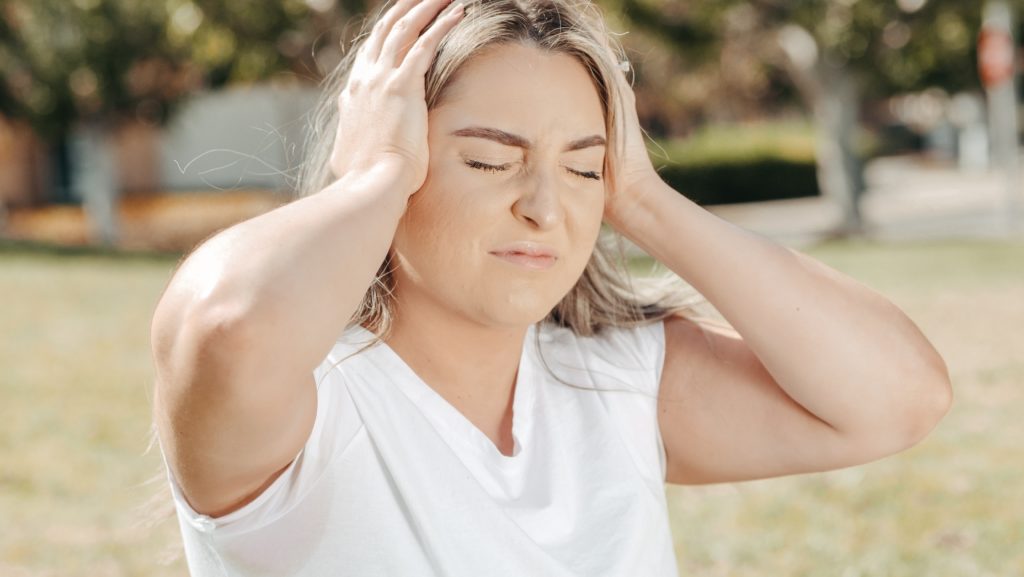
    It’s that time of year again. The holidays and parties and celebrations are behind. We’re left to clean up the mess, pay the bills for what we spent…. And try to avoid falling into depression.

    That’s right. January is often considered the most depressing month of the year. And actually there’s a reason for that. And that’s not your imagination. Through the holidays the days kept getting shorter, the dark looming earlier in the evening, sun setting during what feels like the afternoon, and rises after you start work. We need sunshine to feel good, healthy, and to enjoy wellbeing. But it’s not as available this time of year, is it?  Even during the day when the sun is up, and you’re working, it’s often cloudy, gloomy, and you have to slog through snow or rain. Seasonal affective disorder, feeling SAD at this time of year, may be the culprit for your flagging emotions and energy.

    This infringement on our daylight takes its toll.

    Beverly looked at her watch. The time was dragging by. Only 40 minutes had passed since her workday began. Surely it had been hours. Only 40 minutes?? She felt so heavy, so groggy. If only she could lie down and close her eyes for a bit. This was torture.

    She knew she was supposed to be working on the team project but she just couldn’t seem to concentrate on it. As much as she researched…she read and read… she wasn’t getting anywhere. So she searched for more to read. And read…

    Finally, Beverly said, “Enough.” 

    She dragged herself out of her chair and walked to her car to get a reference book she’d left there that morning. She needed to walk a bit to wake herself up, so this was a good excuse.

    But the worst of it was that she didn’t feel like doing anything. Her mind seemed numb. What do you do when you feel like a nub. Not accomplishing anything, devoid of interest or creativity, without energy to invest in the team’s outcomes. This was her job, for heaven’s sake! She wasn’t getting paid to doze, or stare into space! Seasonal affective disorder, feeling sad and tired, was draining her outlook and her ability to do her job.

    It was January, and she’d been out of it, not feeling anything useful inside herself, since November. 

    To make things worse, she wasn’t sleeping very well at night. Then, every day it was all she could do to keep herself awake enough to get through the day. Talk about days and nights being mixed up!

    The hours finally passed and it was time for her to take her lunch break. She carried her food into the lounge and rifled through the newspapers and periodicals on the table. Across the top of one, a headline seemed to burst to capture her attention: “A Way Out of Seasonal Depression”… so she scanned the article while she ate. 

    Beverly learned some things she found eye-opening. Seasonal depression is a state of depression brought on by too little sunlight during this time of year. The article said that when daylight savings time ends in the fall, it starts getting dark earlier, because sunset begins to occur an hour earlier every day. 

    To make things worse, the shorter days combined with earlier sunsets mean that many of us get very little sunlight, if any, after work. Then, add to that, the inclement weather that’s so common, and — due to rain and snow — the sun doesn’t shine as much on us as it does the rest of the year. 

    Plus, the farther away from the equator you are, the shorter the days.

    She also learned that Vitamin D is a hormone…that’s right, a hormone… that is reduced when there is less sunlight available.  In fact, they think that more women suffer from seasonal depression …or seasonal affective disorder…because of changes in estrogen levels. 

    She learned that Vitamin D is important to nearly every chemical process that takes place in the body. When Vitamin D is deficient, it’s easy for depressive symptoms to emerge.

    She also learned a lack of sunlight can cause too much melatonin to be produced by the pineal gland. When there is too much melatonin, you can get sleepiness, grogginess, and lethargic lack of energy and stamina. Melatonin regulates the sleep wake cycle, and when there is too much, alertness suffers.

    Maybe that also explained the change in her circadian rhythm. It turned out that there was more to the lack of sunlight. That it causes an uptick in serotonin transporter activity. Add that to the increased melatonin and the result is disrupted circadian rhythm… that sleep wake cycle that forgets when you need to sleep and when you need to be awake.

    Beverly was so relieved to learn there were things she could try to relieve her horrid depressed melatoninised, groggy condition. (You heard right.) For one thing, she went to a vitamin store and picked up some high dose vitamin D3 to try to replace her deficiency. She also started a routine of riding her stationary bike at home before work in the morning, in hopes the extra activity would help her feel more productive.  

    And she learned about using phototherapy, which would give her an artificial form of incredibly bright light — 10K lux of brightness — without any ultraviolet light — to replace what she was missing this time of year. That it was the brightness that was important, not the claims about “full spectrum.” She could see that it was best to use it in the morning so her normal sleepiness in the evening could do its job. She was hopeful that combining the light with exercise in the mornings could get her system off to a better start.

    In all, the steps Beverly took weren’t exactly transforming, but they did produce some improvement to help her get through the SAD time of year.

    She knew she’d feel better when Spring took hold with sunshine, warm breezes, and blooming plants all around.

    What about you?  Do you struggle with seasonal affective disorder…feeling SAD…this time of year? Does seasonal affective disorder sneak up and drain you around November ?  Or…if the holidays help you cope with the doldrums until January, do you feel like the rug was ripped out from under you in January?

    If the tips that Beverly found don’t help, what can you do?

    Weight gain or weight loss can occur, social withdrawal, crying easily, difficulty concentrating, and suicidal thinking can be problems.

    Like any form of depression, suicidal thinking is a potential risk and is dangerous. The solutions Beverly found may be effective for you, but if it’s not and if you endure suicidal thoughts, ketamine treatment is an effective way of removing those dangerous thinking patterns. It can allow you to seek more effective treatment.

    In fact, we conducted and published a real world retrospective study that showed that IV ketamine treatment is incredibly effective in our own clinic, in a lovely outpatient setting, in stopping suicidal thinking in a few hours. It can save you a trip to the ER, and help you avoid hospitalization. It could save you life.

    Literally.

    This is a lifesaving function of IV ketamine treatment that’s separate from its effectiveness with severe depression, PTSD, social anxiety, bipolar depression, substance and alcohol use disorders. Let’s say that again.

    IV ketamine treatment can save lives by stopping suicidal thoughts.
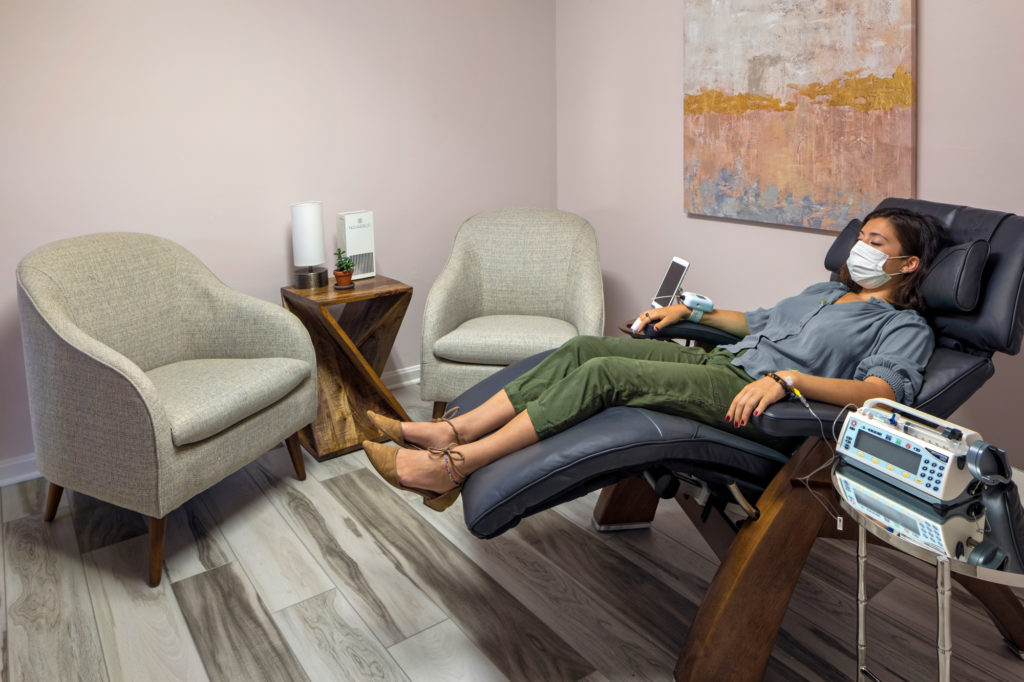
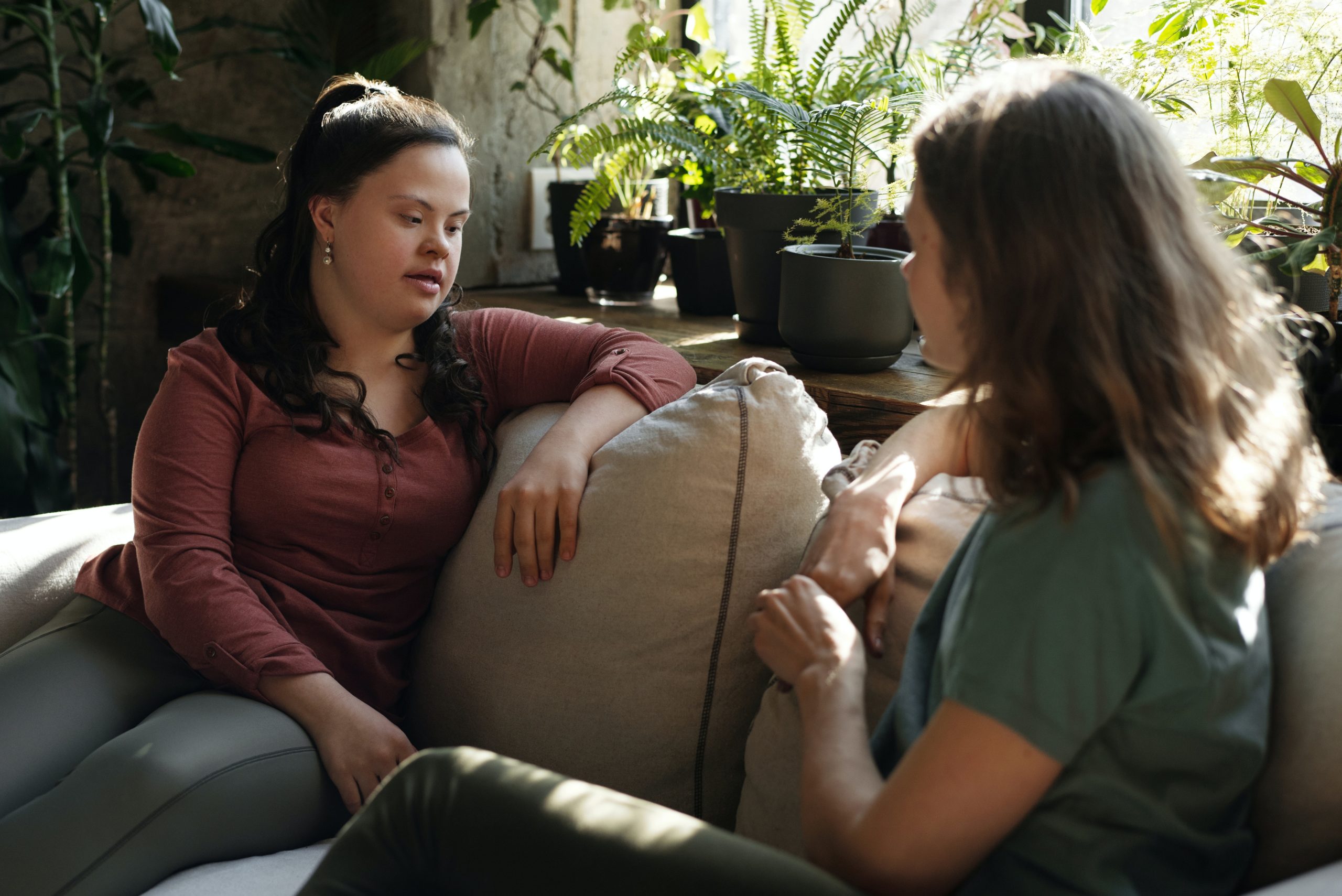
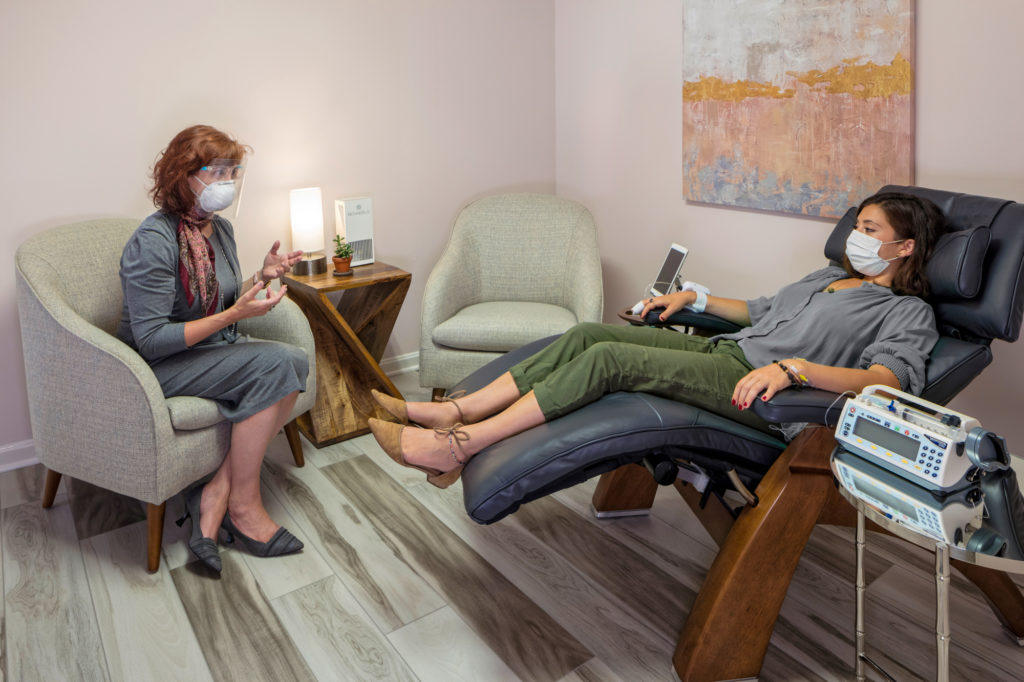
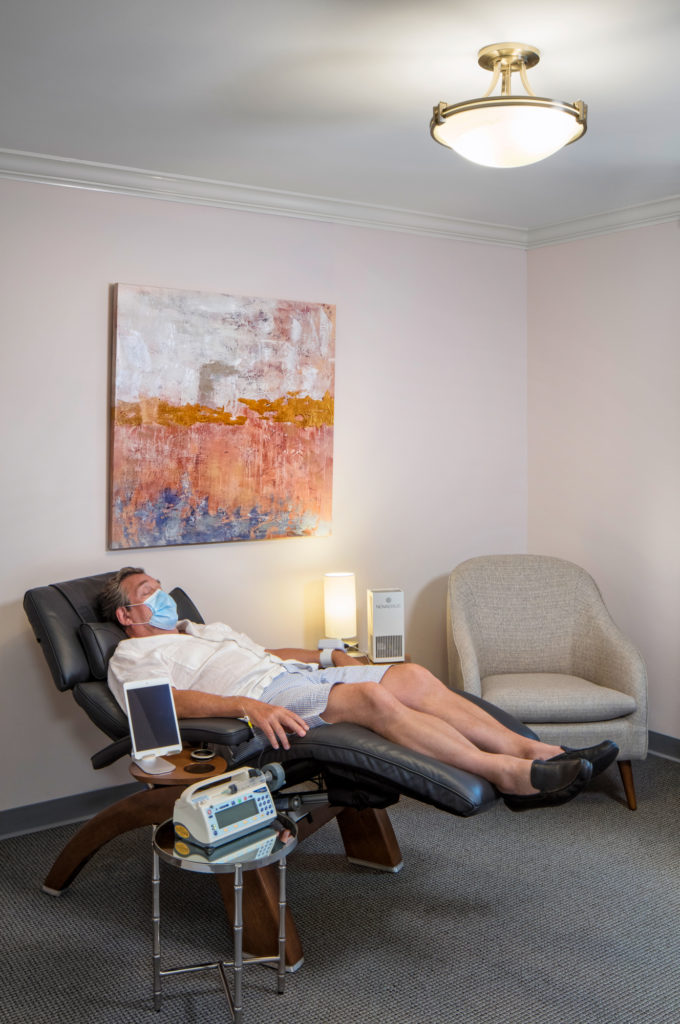
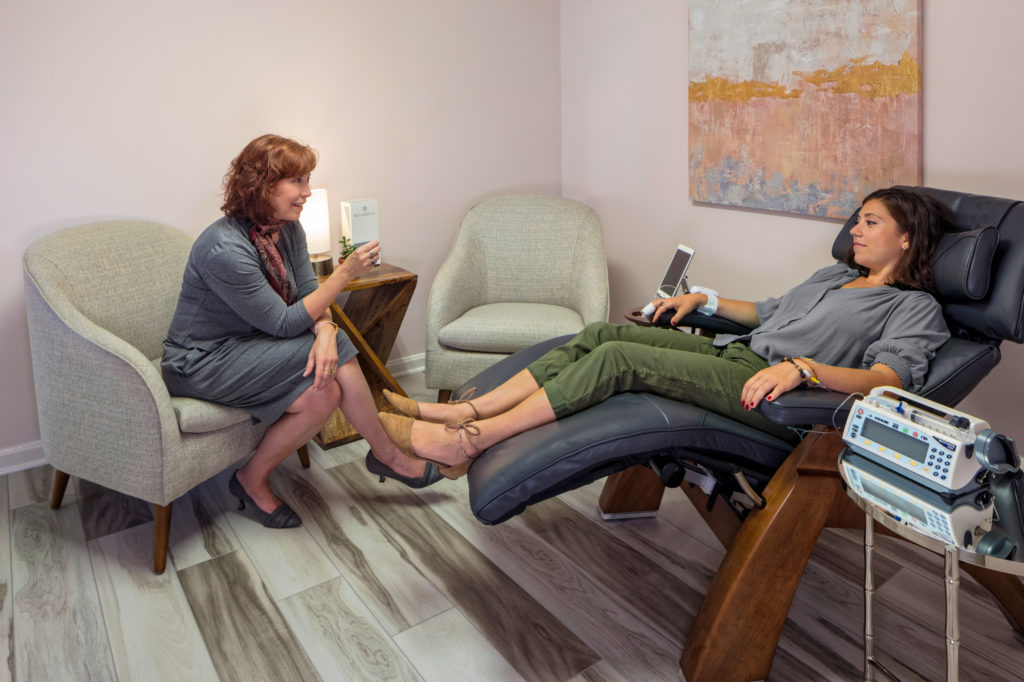
    When you come for ketamine treatment, you'll have a comfortable, quiet room to get the most from your treatment.

    There is so much good news about what ketamine treatment can do that it drove me to open an additional segment of my practice just for treating people who suffer from things like social anxiety that keeps them from interviewing for jobs or building families. People who suffer from bipolar depression, which impairs function to the point it’s devastating. Or people who suffer so severely from PTSD they can’t work, build relationships, or carry on a rewarding life. There is so much IV ketamine treatment can do. AND it saves lives.

    We want to see you achieve remission. We want to see you build a rewarding life.

    If you struggle with symptoms of depression or these other conditions, call us.

    For years, we’ve watched people come in depressed, anxious, overwhelmed…. and after they’ve received IV ketamine treatment, so many emerge after a few treatments full of hope, resolve, confidence, and freedom.

    You can have the same joy of remission, too.

    Reach out for a brighter change. We’re here to help.
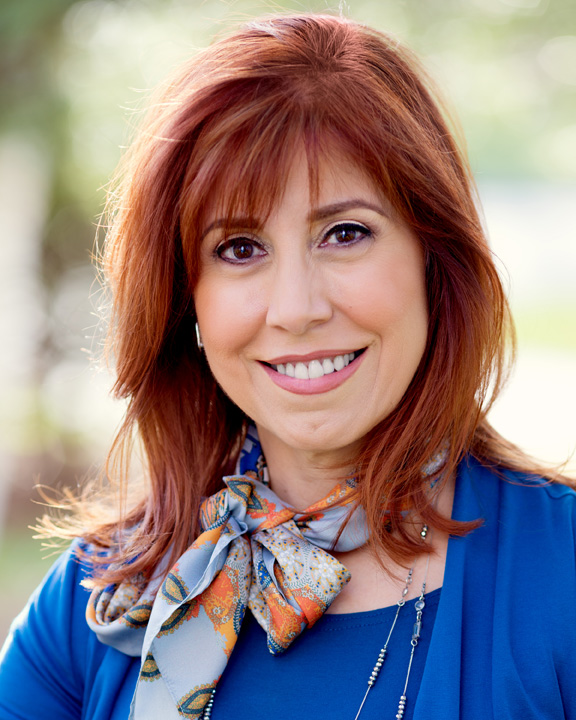
    Lori Calabrese, M.D. is on the front end of the race to stop PTSD in its tracks using IV ketamine treatment.

    To the restoration of your best self,
    .      
  • Our Response to “I Took Ketamine for Depression. Things Got Pretty Weird.”
    Our Response to “I Took Ketamine for Depression. Things Got Pretty Weird.”

    Why did it get weird? Is that an indisputable element of IV ketamine treatment for depression? We respond with a resounding NO!

    (article from The New York Times, 12/26/2022)

    Every once in awhile, someone publishes a first-hand account of their experience with ketamine as a treatment for depression. (And it goes viral because….well, it’s just so interesting to see what it’s like.) We wrote a blog responding to a first-hand account way back on July 30, 2017 (we’ve been blogging about ketamine for years!) and back then, we were responding to an article in TIME magazine.  Today, let’s chat about a piece in The New York Times (and we’ve done that, before, too!), from December 26, 2021, and the good, the bad, and the ugly experiences that can happen during ketamine infusions. Let’s really talk. Here’s our response to “I took ketamine for depression. Things got pretty weird.”

    In the New York Times article, “I Took Ketamine for Depression. Things Got Pretty Weird”, writer Vanessa Barbara describes her experience with IV ketamine treatment for her depression, which she received in Juiz de Fora, Brazil. 

    A splashy title like that draws a lot of attention — from those who are familiar with ketamine treatment, people who are just curious about it (because it’s all over the news), from doctors, medical experts, business people…. Just about everyone’s been hearing about and reading about the renaissance of psychedelic research exploding in the US and around the world for the treatment of depression, anxiety, trauma, and substance abuse.

    Many people reading first-person accounts of ketamine treatment for depression haven’t received it themselves. So they’re interested in learning all they can.

    The fact is that there’s such a wide variety of patient experiences when ketamine is used in treating psychiatric conditions because there are so many different settings in which it is currently offered, such varied approaches to it in terms of patients and the symptoms they hope it will help, so many ways to prepare for and integrate the treatment experience…. and such a wide range of administration.

    And a negative experience can have to do with the rate of the infusion, the size of the dose, the consistency of flow, the comfort or discomfort of the setting, and even your mindset as the infusion begins…

    There is so much more to the the treatment–and to the experience and your response to it–than just getting the medicine from an IV bag into your body.

    (More on that later because we don’t even use IV bags.)

    Ketamine is recognized as extraordinarily effective for severe depression that hasn’t responded to other treatments or medicines. But the way you might feel during the treatment itself can be hard to predict.

    Since Ms. Barbara’s description pertained to her experience with IV ketamine treatment, let’s focus on ketamine administered intravenously.

    Not all IV experiences with ketamine are equal. For example, just to start with mechanics, if the rate of the infusion is controlled by a precise intravenous pump, ketamine reaches the brain at an even, controlled rate. But if the infusion is monitored and controlled by hand, adjusting a wheel located on the tubing from a hanging bag, the flow of medicine may speed up too fast. And that can result in too much medicine too fast, yielding an upsetting acceleration of ketamine’s effects. 

    When the rate is determined by the thumb on a wheel, a patient can be overwrought. (….or if the cannula inside the vein changes position, the flow can slow.)  A precision pump can ensure a smooth, consistent flow of medicine, and enhance the experience. That’s good, right?

    But the ”right rate” for one person may be too fast for another.

    Or the starting dose for one person may be too much for someone else.

    And — so importantly — there are many ways your own mindset can influence your experience during ketamine treatments and during other psychedelic treatments coming down the road. The dissociation during an infusion can sometimes feel overwhelming because you’re anxious, sensitive, or afraid to experience a non-ordinary state of consciousness. Because it’s not going the way you expected or the way you’ve read about.

    Sometimes the dissociation you feel during an infusion is a little nebulous. Not clear. There’s not a story line. There’s no colors. Things feel strange and unreal but without a clear meaning that you can piece together. You feel gypped–how come everybody else gets blissed out and you don’t? Maybe you’re stuck obsessing and the one thing you need to get out of your life and away from is right there, front and center, during your infusion. (That can be so maddening.) Maybe you’re riled because you had a fight on the way in. (Which is so bad for you, by the way–try to avoid that!) Or maybe, the whole experience is just so strange that it seems like you don’t have any thoughts…. You might feel so out of your body that you’re not sure you’re even a person.

    And this is supposed to HELP you? Really??

    Really.

    Even someone who’s had a negative or challenging ketamine experience can get better and go into full remission. But they’re going to need a little help making sense of how and why it happened…. discerning the meaning and the message…. and integrating that experience so that they can come out on the other side of it and move forward.

    Positively, Creatively. With a new narrative.

    Then consider the problem Ms. Barbara experienced when her partner joked with her and she suddenly thought her daughter was 15 and not 3.

    Words spoken to you when you are deeply dissociated during a ketamine infusion may sound intense, or far away, or frightening because they interrupt you and pull you back into the room, and the dissonance can be…. jarring.

    Before and during your infusion, your mindset and the treatment setting itself help shape the experience.


    Ours is pretty gorgeous, by the way.

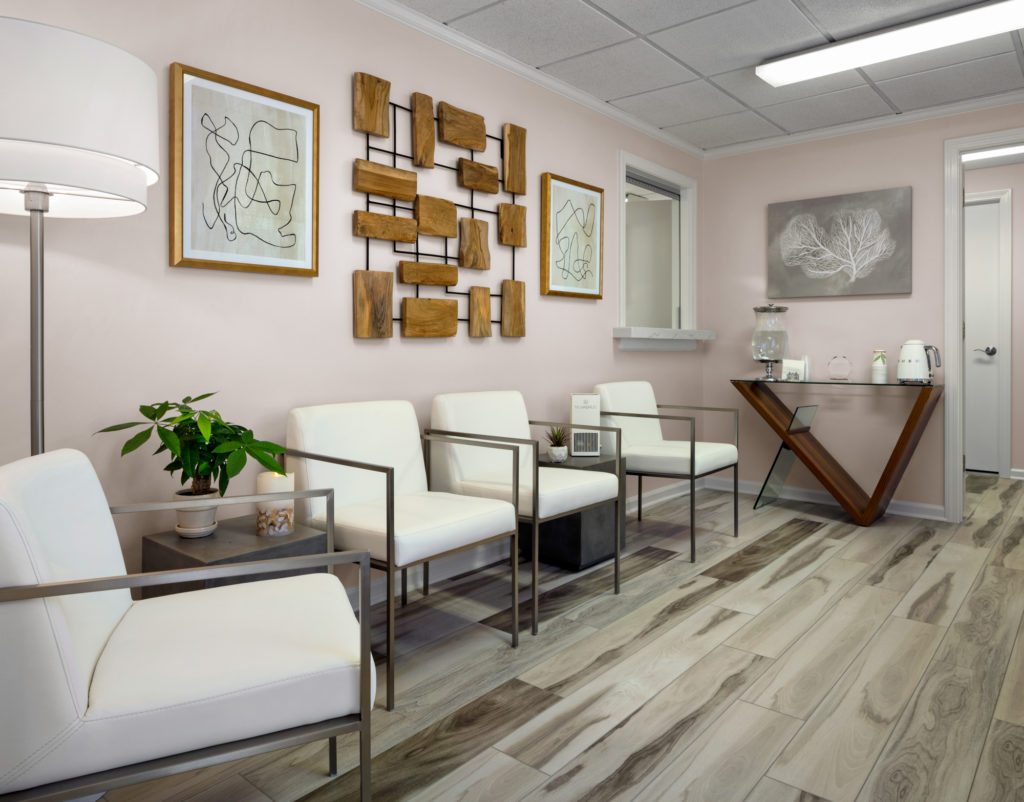
    We value the importance of set and setting. Preparing yourself emotionally for your treatment is critically important (and we’ll help you with that!). And making sure that the setting is private, soothing, safe, and that you feel like you have the time you need to come back into your body, and ground yourself at the end. We keep things safe, quiet, meticulously clean…. and soft, warm and inviting.

    During ketamine treatment, you are open and vulnerable.

    It’s easy to misinterpret a kind word or light humor…to think your 3 year old is suddenly 15 and you’ve missed her life.

    We don’t want anything to intrude that triggers stress for you — from disruptive conversation, to joking, to cell phone calls —because it can undermine what can be an extraordinary experience.

    Ms. Barbara spoke of pleasant music. And she was on to something important. We encourage you to bring in instrumental music to listen to during your treatment — music without words reaches you without engaging you cognitively to think about the words in the lyrics. The rhythm and flow of music that you find beautiful can help shape your experience. And we work with ketamine integration therapists who can provide special music tracks specifically for each infusion.

    And a final point. Ms. Barbara signed up for 6 infusions. But experience has taught us that 6 infusions sometimes aren’t enough. In others, it may take a few more. To make this decision requires evaluation of the whole patient and their response to treatment.

    Some people reach remission after just 4 infusions, like the lovely young woman we treated with severe anorexia. Her response was so dramatic, she made a video about it. Others need 8 or 9, and then they turn around dramatically. Imagine the disappointment she experienced when she was not better after 6 infusions if 8 might have done the job?  

    Sadly, there are severely depressed people in the US and around the world who received too few infusions and gave up. They believe ketamine didn’t work for them and won’t work for them in the future. And maybe it won’t. It doesn’t work for everyone.

    Ms. Barbara’s experience is a good example.

    It might be very different if you are given a different approach—preparation, attention, and integration of the infusion experience.

    Let’s be clear. Ketamine treatment is not for everyone. It truly doesn’t help everyone who tries it. But it does help a high percentage of those who need it. Still, for some people it just takes more to achieve the relief and joy they wish for and need. And Ms. Barbara — and thousands like her — has no way of knowing if ketamine is not for her, or if another couple of infusions might have helped her achieve remission and the joy that goes with it?

    There is so much more research we need.

    Our goal is to get you back to your best self, to see you thrive, connect with friends, bubble over with gratitude for the gifts you have in your life.

    We love that. We’ve seen it happen with people we treat. And we know to respect the medicine and the differences in individuals… to administer the medicine and titrate it to work.  

    This is not a one-size-fits-all medical treatment.

    You can find ketamine treatment in clinics, hospitals, and private practices. My private practice is Innovative Psychiatry, and we’ve worked for decades to use innovative methods to help people get better. We never stop learning. And we back everything we do with research and evidence-based outcomes.

    When you come for ketamine treatment, you'll have a comfortable, quiet room to get the most from your treatment.

    When I learned what ketamine could do for my patients I began offering ketamine treatment several years ago for those who were candidates. And we’ve seen exceptional results from our work.

    We continue to go the extra mile, and bend over backwards, to care for our patients through the process.

    If you suffer from severe depression, PTSD, social anxiety, alcohol and substance use disorders, or suicidal thoughts, call us.

    Ketamine can make such a transformative difference in your life. 

    Give yourself the opportunity to find out what remission is like for you.

    Lori Calabrese, M.D. is on the front end of the race to stop PTSD in its tracks using IV ketamine treatment.

    To the restoration of your best self,

  • Taking a Closer Look at Neuropsychiatric Discoveries About COVID from 2021

    Taking a Closer Look at Neuropsychiatric Discoveries About COVID from 2021

    As we look back on the discoveries of 2021, we find a collection of enlightening, if somewhat troubling, information.

    Not surprisingly, there was a wealth of research to better understand, and fight, COVID-19 in 2021. For instance, the coronavirus’ impact on the brain and theories for how it gets into the brain, have created shocking revelations. Neuropsychiatric discoveries about COVID give us information for more effectively fighting this invasive coronavirus.

    The current pandemic has presented challenges the likes of which defy memory. The terrible Spanish flu pandemic from the early 20th century lasted for approximately two years. 

    Since we’re looking down the barrel of a possible third year from COVID-19… or longer….we continue to research this illness to understand how it does some of the things it does.

    We were introduced to COVID as a respiratory illness that eventually led to respiratory failure in some patients. That was especially true in those older or with compromised immune systems…or underlying illnesses. And it still is. But at this point, we’re especially concerned about the effect it has on the brain.  Neuropsychiatric discoveries about COVID are vital in this pandemic.

    Illnesses involving the nervous system and psychiatric symptoms are causing researchers to focus on brain damage caused by this virus. Things that have been prevalent are cognitive and attentional symptoms that manifest as brain fog. In addition, psychosis, depression, anxiety, seizures, and suicidal thinking and intent have all become prevalent. 

    Inflammation of the central nervous system is a likely contributor, and we’ll be talking about that soon.

    In an article published in the Journal of the American Medical Association, researchers discussed things like anosmia, which is the inability to smell. (That’s associated with the brain’s olfactory system…) and they’ve also  found COVID-19 proteins in the lining of the brain’s blood vessels. They’ve hypothesized about ways the proteins may invade the brain bypassing the blood/brain barrier.

    The blood brain barrier is a safety barrier to protect the brain from viruses, bacteria, and toxins. But somehow COVID-19 is getting through this and infecting the brain.

    For instance, researchers at University of California, San Diego, published new evidence suggesting how this coronavirus creeps in to access the brain. They discovered that cells called pericytes surround the blood vessels of the brain. These may be acting as Trojan horses, providing a path the pericytes may use to enter the brain. They then multiply and infect the surrounding tissue in the brain.

    This research team found that pericytes contain ACE2 receptors, which is a passageway COVID uses to invade cells in the lungs, heart, kidneys, intestines, and arteries. Not until this research were they found in pericytes.

    Not surprisingly, getting to the bottom of these methods whereby the virus invades the brain is an urgent and intense focus of current research. The more we research, the more neurological and psychiatric discoveries about COVID emerge.

    This team built a living model using nerve tissue from stem cells by which they could study the infection of the brain by COVID more closely, as well as methods by which the virus invades. 

    From autopsies conducted on people who had died from this disease, they learned that the COVID virus had spread through the brain through blood vessels and cells in the immune system. Just one way neuropsychiatric discoveries about COVID are so valuable.

    It’s important to note that inflammation can give way to leakage through the blood vessels in the brain.

    Patients with long COVID (also called long-haulers) often experience neuropsychiatric symptoms, when they never have before. Seizures. Anxiety. Depression. Suicidal behavior. Even strokes. Finding out how the virus works and how to reverse these effects is an emergent need for medical science.

    IV ketamine treatment is an extraordinary treatment for social anxiety, depression, suicidal thinking, substance and alcohol use disorders.

    We can’t treat you if you have an active COVID infection. But, we can treat you once your infection has become inactive. For the sake of our other patients, please wait till you have recovered from COVID symptoms and have a negative COVID test.

    At Innovative Psychiatry, we go the extra mile to protect you from the COVID virus. When you come in for treatment, you’re protected from infection and can relax.

    We’ll meet you at the door and take you directly to your treatment room. Settle into a comfy recliner. Feel free to bring your own soothing music to listen to during your infusion.

    When you come for ketamine treatment, you'll have a comfortable, quiet room to get the most from your treatment.

    We’ve equipped our offices with a plasma cell technology that destroys the DNA of viruses, bacteria, and mold in the air. It’s contained in that little white box you’ll see on the table in each room, and it’s world class. Developed by NASA and the Department of Defense, it’s a no-nonsense method of keeping the environment clean and pure for you during this pandemic.

    If you suffer from anxiety, depression, or suicidal thinking, please call us.

    But if you also suffer from social anxiety, PTSD, substance or alcohol use disorder, then do call. 

    IV ketamine treatment is the most effective rapid outpatient treatment available for depression, and is extraordinary in its benefits with these disorders.

    Start the New Year feeling good, with burgeoning hope. 

    Reach out for life-transforming IV ketamine treatment.

    Lori Calabrese, M.D. is on the front end of the race to stop PTSD in its tracks using IV ketamine treatment.

    To the restoration of your best self,

  • Your Painful Experiences Can Provide Hope for Others If You Share Them

    Your Painful Experiences Can Provide Hope for Others If You Share Them

    “…You know, I’ve been there. It was a tough time, and I have no doubt it’s tough for you. Here’s what I did to get through it …

    If you’ve been through a great deal of sadness, angst, difficulty, and struggle, it doesn’t need to go to waste. While you can’t go back and erase the experience as if it never happened, there really is something better. And that is to share with others who are hurting, showing them how you weathered the storm. Your painful experiences can provide hope for others.

    Have you ever been against the wall with no way out? Struggling to find answers and solutions?  You KNOW how alone you can feel at a time like that. The fact you feel so alone seems to make finding solutions that much more bleak.

    Eventually, you probably did find a solution, or else if you didn’t, you survived it and are now here to talk about it.

    Others are facing the struggle you were, and haven’t survived it yet. They need to have someone to talk to just as you wished you did. When you allow that, your painful experiences can provide hope for others … IF you’re willing to share them. It’s not all that easy to expose yourself, but you can do so much good if you’re willing.

    Take Melanie, for example.

    She struggled with depression, and her daughter is diagnosed with bipolar II disorder. Melanie has so many stories to tell… For instance, her depression was untreated at the time she married. Her husband, Jim, was in medical school, and was always gone, studying with his study group. It was a great weight on a new marriage, and she tried to overcome her despair.

    But she couldn’t shake the feeling that her husband had become apathetic about her as his wife. The pain she felt about it was more than she could bear. She’d close herself in a blanket closet and scream into the blankets so no one would hear her. It felt so hopeless. 

    Years later, after he finished his training, he continued to be extremely busy and away from home. A dark cloud pervaded her mind and outlook, and it seemed obvious it would never get better. She even considered suicide…

    As one year bled into another, children were born and growing up. Melanie settled into a complacent frame of mind. One that helped her to not expect more from her husband than he was giving to her and the family. She knew she had married a future physician, and that his time would be in demand. 

    But she didn’t know his time was never going to be his own. Or hers.

    Still, she hadn’t expected to be this lonely. But she had to put on her big girl panties and accept the life she was living. It took awhile of ups and downs. Getting up, falling down, and getting up again. But little by little she was able to find things to involve herself in to contribute.

    By the time the kids were in high school, he agreed to see a marriage counselor with her. A friend had suggested that she be cautious about blaming him, if she wanted good to come from the counseling. 

    Taking her friend’s advice, she approached couples’ counseling as an opportunity to find out what her husband needed, and to endeavor to contribute to meeting those needs. She hoped that he would want to know her needs, too, eventually.

    The couples’ therapy seemed to be progressing fine, until he admitted that with the distance between them he had considered pursuing women he worked with, but had never taken the first step.  He truly wondered if she was involved with someone else due to her distance from him.

    At a time like this, exposing your pain is harder than retaliating… but it’s still far preferable, and somehow Melanie sensed this.

    But, she was devastated. The idea that he had looked at any other woman besides her–really looked, seriously thought about it–just seemed to break some aspect of their marriage vows in her mind. She wondered how they could possibly go forward from here.

    With hard work, tears, and pain, the counselor and her husband helped her see that it was because of their vows that he had never acted on those thoughts. And that, if they were both willing, they were in a strategic place to begin a new level of commitment…. one that included time together, caring for each other in ways the other needed, and working every day to nurture love between them.

    Well, it worked.

    They planned a trip to Italy to study Melanie’s favorite artists while the kids were still in high school. After the youngest graduated, they took a second honeymoon to Denmark, to see where her husband’s grandparents had lived and to search out other relatives. 

    By the time Melanie was 50, she was enjoying life in ways she never had before. And she discovered she had much to share.

    While they were enjoying a cruise in Alaska, she met a young woman whose husband was in medical school. This new friend seemed to be having some struggles similar to those she and her husband had so many years ago.

    Since painful experiences can provide hope for others in pain, she decided to open up and talk about her own story to this young woman… and later to both of them together.

    So they met for dinner as a foursome and talked about the problems that plagued their early marriage. and how close they had come to losing each other. They talked about ambition and how sometimes physicians lose sight of their family’s needs because of the demands of their practice. They spoke about her problems with depression and how her unrest fed the depression, and prolonged it.

    It turned out that the younger couple wanted to have dinner with them every night for the rest of the cruise–yep!–and Melanie and her husband took them under their wing to warn them of the pitfalls ahead and how they would do it differently if they could do it over.

    And even now, years later, the two couples are still friends, and have helped each other through a number of ups and downs.

    When Melanie’s daughter was diagnosed with bipolar II disorder, she and her husband needed lots of support. They were doing all they knew to do to help their daughter, but her condition had a way of bringing them face to face with their own powerlessness.

    The young couple from the cruise stepped up to offer their support to Melanie’s and Jim’s daughter and to let her know she had friends who supported her no matter what. They wanted to give forward the kindness her parents had shown them — because painful experiences can provide hope if we share them.

    So beautiful. So generous.

    To say they lived happily ever after is a bit of an exaggeration… but what is happily ever after anyway, but loving and being loved, facing obstacles and tragedies together, and knowing you have each other’s back?

    (Wish we all had that, right?…. we sure need it.)

    At Innovative Psychiatry, we see patients with stories like Melanie’s. People whose lives and their frustration with it contributes to their depression and anxiety. We encourage them to face the truth about themselves and the other players in their life’s story and find out how to embrace their lives head-on and realistically. 

    Sometimes a change of circumstances can help a great deal.  Other times, treatment is needed. For severe depression and anxiety, PTSD, substance use, social anxiety, alcohol use, and suicidal thinking. If the symptoms are too severe to fix through counseling and talk therapy, or don’t respond to other treatments, there may be an opportunity for a whole different approach. IV ketamine treatment may help them manage circumstances more effectively.

    It’s amazing what solutions can be found when symptoms of a disorder lift.

    We treat people with IV ketamine for these specific disorders, and find the treatment extraordinarily helpful in most cases.

    When you come in for treatment, you’ll see we’ve taken every care care to create a space that is calm, serene, welcoming. It’s like a spa. Heated, leather recliners that adjust perfectly to let you really realx.

    When you come for ketamine treatment, you'll have a comfortable, quiet room to get the most from your treatment.

    And while you’re here, settling in, you’ll notice an elegant little white box on the table. That unassuming box is more valuable than you might have guessed. The word Novaerus graces the front of it, as it quietly works away. And what is it doing? Well, since we’re committed to always go the extra mile, those white boxes serve as investments in your health. Using plasma cell technology, they destroy viruses, including all the COVID variants, as well as bacteria and mold. When you’re in our offices, you’re protected from pathogens that would make you sick.

    Developed by NASA and the Department of Defense, these units were designed to destroy pathogens in the Space Station, and are more than sufficient for destroying those pathogens in our office. What’s important is that you’re safe from infection while you’re here, so you’re free of anxiety about flu or pandemic fallout. Focus on your treatment, and the insights you gain. It’s all part of the healing process.

    You’ve lived too long with the nagging wounds and symptoms that have installed obstacles all through your life. It can be so much better for you.

    If you have symptoms like we’ve described, and no other treatment has helped, call us.

    Step up to embrace your freedom and hope.

    Lori Calabrese, M.D. is on the front end of the race to stop PTSD in its tracks using IV ketamine treatment.

    To the restoration of your best self,

  • Thanksgiving’s About More than Food… Think About It…

    Thanksgiving’s About More than Food… Think About It…

    Thanksgiving isn’t just turkey and dressing. Shocking…right? But it’s not about the food.

    Thanksgiving's not just about food, but about gratitude, forgiveness, generosity, and kindness.

    It’s about being thankful. Appreciating every good thing in your life. Expressing your appreciation, recognizing you can’t do this life alone. Thanksgiving’s about more than food, and it’s worth the effort to focus on what gratitude is really about.

    You may feel alone in the world, but there’s an army of faithful workers who make your life function. From those who work for utilities companies, to those who farm your food and those grocers who sell it to you, the list goes on…and on.

    It’s an attitude of gratitude that empowers you to live in joy. Without gratitude, you may be left with dark resentment twisting into bitterness and anger deep in your gut. But it’s amazing how allowing yourself to choose gratefulness and appreciation can transform bitterness to joy. Watch what happens when Grace tries out an attitude of gratefulness:

    Grace walked along the sidewalk, grumbling to herself. She was a graphic designer for a marketing firm, and when the decorations went up at work…her outlook plunged. The holidays had arrived again, and she wasn’t happy about it.

    She felt so alone in the world, and holidays were a time for sharing with loved ones. Grace knew she’d burned her bridges, but how she wished her family and friends would forgive her failures and welcome her back into their gatherings.

    Grace knew why they ignored her. Because she had caused scenes at so many gatherings in the past. She either stomped about in a rage, or drank too much and ended up breaking something or making an utter fool of herself.

    She didn’t like herself very much because she knew others didn’t like her either.

    She’d been going to AA, and the leader talked about doing the next good thing. That you didn’t have to have all your life and future figured out…that was overwhelming to anyone. Just do the next good thing. Maybe load the dishwasher, or wash a load of clothes. Then, there was walking the dog. Or maybe making brownies for the elderly lady next door. If you keep doing the next good thing, it keeps your hands busy and your heart engaged. 

    And it’s easier to not drink.

    Even so, Grace could’t seem to stay focused on the next good thing. She was angry, resentful, bitter. Her other siblings were loved and admired by her parents. They were invited to every gathering.

    They were the crown jewels of the family…she was yesterday’s garbage.  At least that was the way it seemed to her.

    And when she had been invited to the family gathering, the feelings of inferiority she had led to her drinking before she arrived. Just to get the courage. But that’s what caused the problems.  

    Grace couldn’t seem to have a single drink of wine, beer, or “special” eggnog. She always wanted another. The more she drank the better she felt and the easier it was to blend with everyone.  

    At least, that’s how she felt.

    Because Thanksgiving’s about more than the food. It’s about a loving gathering of people. She wanted to fit in. Still, she always seemed to mess up.

    And then, they began ignoring her, resenting her behavior… and showing their disrespect of her

    By the time she felt woozy, she realized the family was offended, and she’d failed again.

    Now the family didn’t speak to her anymore. And she resigned herself to going to AA everyday to get through the holidays without a binge.

    At the meeting that day, someone talked about how important it is to come to peace with your feelings toward the people who have hurt you. To face that you’ve also hurt them. And to turn it over to your higher power while you practiced forgiving them and expressing gratitude for the power to forgive them.

    Grace hadn’t looked at it that way before … the power to forgive them. She didn’t have to live with the bitterness that was eating her alive.  She had the power to forgive them.

    Because again, Thanksgiving’s about more than food.

    After the meeting,  a friend told her about a treatment that can make it much easier to not drink, so she can put these forgiveness lessons into motion more effectively.

    She told Grace about IV ketamine treatment, and how it can remove the desire to drink.

    It sounded too good to be true, but her friend said she had received this treatment herself, and actually felt transformed. That she’d been sober for five months so far.

    She said the treatment actually makes you feel better.  That it hadn’t occurred to her that depression had fueled her drinking, but she didn’t feel depressed anymore and actually felt a lot of joy…and hope for the future.

    Grace decided then and there, she would find out how to get this treatment. She also decided she would adopt an attitude of gratefulness and give it a chance to change her angry bitterness.

    What a delight it was to realize that what she was learning from AA and her friend about IV ketamine treatment was creating new expectations for her holidays going forward. Thanksgiving’s about more than food now, and she was learning to live with freedom, gratitude, and sharing.

    So Grace expressed her gratitude for the people she met at AA, and all she was learning.  She was grateful that she had people with good hearts to spend her time with when she felt so alone. She was thankful she didn’t have to face the holiday season alone, and that there was a way to have gratitude…and peace…at a time when she had seethed with bitterness in the past.

    She realized she needed to ask forgiveness of her family for creating the scenes she’d made before, and she needed to make every effort, partake of every solution she could, to stop the drinking, and all that went with it.

    She called the psychiatry practice her friend had told her about to learn more about IV ketamine treatment. And she made an appointment.

    Three days later, she walked into the practice wearing her mask for the pandemic. The nurse led her to a long consultation with the doctor, and then later, a private treatment room and she settled into the comfy recliner.

    The treatment lasted about 45 minutes and she went back for a few more over the next couple of weeks. By the time she received her 4th treatment, she was feeling so much better. She felt hopeful. After she’d had 7 treatments, her desire to drink had become very weak.

    She found it was so much easier to forego offers of alcohol, and her hope kept growing.

    Grace decided to write a letter to her family right before Thanksgiving, so they could read it together. She told them she was receiving treatment for her drinking, and was also attending AA.  That she hoped they could all forgive her for the messes she had made during previous holidays. She was also hopeful that she’d be able to join them some year for holiday gathering—but she wasn’t pressing for that to happen

    She set about making a Thanksgiving meal for the AA group, and experienced such joy doing it for those who had nowhere to go and no family to share with. Grace was astounded at the joy flowing inside her as she chose gratitude to hold in her heart through the holiday season. 

    While she was sad to miss her family time, she was grateful she had the wherewithal to provide Thanksgiving dinner for her AA “family” and anticipated sharing her effort with excitement.

    She knew in her heart that the time would come when she’d be with her family again, but meanwhile, she was learning to bloom where she was planted.

    And she did bloom, didn’t she? Gratitude, forgiveness, and a generous heart combined with IV ketamine treatment transformed her holiday, didn’t it?

    And the same can happen for you.

    We talk about the infrastructure that helps you maintain the benefits of ketamine treatment, like forgiveness, joy, generosity, and kindness. Practicing gratitude and joy…practicing forgiveness, can pave a smooth pathway for ketamine treatment to take hold and continue working. 

    The stress of anger, bitterness, and resentment can make that road rough and difficult…and can weaken the benefits of your treatment.

    IV ketamine treatment is a safe and extraordinary treatment for depression, bipolar depression, PTSD, social anxiety, substance use disorder, alcohol use disorder and suicidal thoughts.  And while it’s treating and relieving one disorder on the list, it may also treat others you’re suffering with.

    Like with Grace’s friend, it relieved her depression along with her alcohol misuse.

    Ketamine turns on mRNA which switches DNA to ON, signaling the brain-derived-neurotrophic-factor to trigger dendrites and dendritic spines to flourish in the brain cells. The result is a bumper crop of connections to move signals around the brain fast.

    You feel energized, motivated, full of initiative, joy…and hope. You can excel in your job, build strong, healthy relationships, enjoy life!

    While ketamine is amazing, it’s not for everyone. It works best in those with severe treatment resistant disorders. For whatever reason, it seems to be at its best in those with severe illness, and sometimes has a less dramatic effect in those with milder symptoms. While we don’t understand why this remarkable treatment isn’t equally effective for everyone who needs it, the percentage of those for whom it’s not effective is small. For this reason, chances are that it could be transformative for you.

    At Innovative Psychiatry, we love seeing people like Grace — who’ve been unable to stop drinking or using substances — find the kind of relief ketamine can provide. To see their hopelessness changed to hope is extraordinary. and sometimes breathtaking.

    When you come for treatment, we’ll meet you at the door and lead you to your private treatment room where you can settle into your comfy recliner. Because we go the extra mile, you’ll see a white box on the table that’s busy destroying all the viruses (including COVID and its variants), bacteria, and molds that are in the air. We also have surfaces disinfected in a similar way. 

    We want you to rest in confidence, knowing you’re as safe as possible from infection while you’re with us… so you can focus on getting the most from your treatment.

    When you come for ketamine treatment, you'll have a comfortable, quiet room to get the most from your treatment.

    IV ketamine treatment can restore the synapses — nerve connections — in your brain to such thorough function that it’s as if they’ve been turbo boosted. In addition, ketamine tamps down the bursting cells in the lateral habenula so you can feel pleasure, experience joy, and rise above depression. Ketamine also moves the G cells off lipid rafts so they can get to work helping your thoughts and feelings to move around your brain.

    You deserve to feel better, to function at your best, and to share your hope with others. 

    Reach out and embrace gratitude. Revel in hope.

    If you suffer from the symptoms we’ve talked about here, call us.

    Hope, gratitude, and a rewarding life are yours for the taking.

    Lori Calabrese, M.D. is on the front end of the race to stop PTSD in its tracks using IV ketamine treatment.

    To the restoration of your best self,

  • How Neglect in Early Childhood Changes Girls’ Brains for Surviving

    How Neglect in Early Childhood Changes Girls’ Brains for Surviving

    We talked last week about how childhood abuse alters girls’ brain development, slowing down the maturing of emotional circuits in key areas. But what about neglect?  Does the neglect of a little girl do the same thing?

    The light grew darker as the sun had set and Bryanna shivered. She didn’t like the dark. She scooted her stool to the light switch and turned on the light to chase the monsters away, then did the same in the hall, kitchen, and family room. Bryanna knew her parents had to work so they’d have food, but she so wished she had her family at home. This was the third night in a row that no one was home when she had to turn on lights. (Neglect in early childhood puts a little girl at risk.)

    Her tummy growled and she realized she was hungry, so she opened the fridge and found some lunchmeat and mustard. Then she found bread in the pantry and put it on the table. She reached up and opened the silverware drawer and felt around above her eye level. She felt the long table knives and wrapped her fingers around one and pulled.

    Back at the table, she worked and worked to open the mustard, and finally snapped it open. Then squeezed the plastic bottle upside down until some clear juice and some mustard came out on her bread. She frowned at the clear stuff. That’s not mustard, she murmured to herself. 

    But she just stirred her knife in the clear stuff, then spread it all on her bread. Next, she freed a piece of lunchmeat from the package and carefully put it on the bread and covered it with more bread.

    Taking a bite out of her sandwich, she walked with it to the family room and turned on the TV. A big blob of mustard plopped from her sandwich onto the carpet. Bryanna frowned and scrubbed it with a napkin.

    Switching channels to her favorite Disney show, she settled on the sofa to eat.

    Bryanna felt her aloneness, and wished someone would come over or even call. She knew Grandma wouldn’t because she lived 8 hours away. She didn’t want Uncle Jason to come because he wasn’t very nice. So, she picked up her teddy bear and hugged him tight so she’d feel better.

    Finally, as the night grew later, she leaned over on a sofa pillow in front of the TV and went to sleep.

    When she woke up, the house was filled with morning light.

    So, dragging her bear by the arm, Bryanna went to the kitchen to find her cereal. But first, she looked in the driveway.

    Empty.

    No one came home. Siggghhhhhh.

    Does Bryanna know she’s neglected? Probably not. At least, not yet. Once she’s in school and hears about the kids whose moms are home waiting for them, she’ll begin to make the comparison. And eventually, it’s likely she’ll become increasingly unhappy about it.

    At this point, however, she just knows she’s tired of being lonely, and wishes they would return, because neglect in early childhood is hard for little persons who ache to be nurtured.

    Bryanna decided to get a pen off the table, and she put a mark at the top of an old newspaper. That was for yesterday. Then she put a mark next to it. That’s for today, she whispered.

    How many days would they be gone before they came home..?

    Bryanna is 4. Her ability to care for her own needs seems mature, considering her age. But Bryanna has been left alone many times in her life. She gets lonesome, sometimes scared, but she solves problems, feeds herself with what she can find, and entertains herself very well for a 4 year-old.

    She loves her teddy bear like any 4 year-old. And using her stool, she can turn the lights on when the dark becomes frightening. She knows how to make her own sandwich, eat cereal, entertain herself to help the time pass, and keep track of how long her parents are gone this time.

    Like any young child, she might wish to be surrounded by family, and conversation, and laughter. But that is not her life. Waiting is her life. And when you think of a four year old that you know, you probably don’t see such self sufficiency.

    What’s the difference?

    We spoke last week about a paper published in the American Journal of Psychiatry where a group of 234 girls aged 8-18 were given MRIs, then scanned again 5 years later.

    They studied the impact abuse in early childhood had on girls. They found that while abuse alters their brains specifically in the emotion processing areas, causing delayed maturing of emotion processing in very specific brain areas, neglect actually accelerates brain development of the entire brain.

    Think about that. 

    If a child has no one to care for her, her brain hurries and advances quickly so she can take care of herself. So she can survive. There are actual changes in the cells of her brain that race to mature ahead of when they should.

    Maybe that improves her ability to survive.

    You can see an example of that in Bryanna, above. It’s just a fact that neglect in early childhood poses too great a burden on a young child and results in markedly increased risks of depression, anxiety, and other disorders.

    (This scenario doesn’t only happen in third world children, or somewhere else far away — it happens right here in the US, in all kinds of families, including homes with parents who have jobs and could choose to parent differently.)

    As a result, you see that little girl’s BrainAGE accelerated beyond her chronological age.

    Parents may think if they leave their 4 year old with cereal and peanut butter and the TV on, she’ll be fine for awhile. They may even think they can leave a four year old to care for her younger siblings. But to survive, and to help her siblings survive, her brain ends up advancing in maturing… so she can manage the responsibility. 

    We now have MRI proof of that.

    This is abuse by neglect. It doesn’t mean you have a really smart child…though you do. It means you’re abusing your children and putting all of them at risk.

    (That tidbit was tossed out free to any parent who makes this mistake.)

    Neglect is no joke. No parent should pat themselves on the back, proud of how their little girl is “so grown up.”
    The more severe the neglect, the more advanced and matured the whole brain of the child becomes. A little girl living on the streets, without parents, is likely to advance in whole brain maturity even more dramatically, in order to dodge authorities and keep her siblings together, find daily shelter for them, and food.

    This is in contrast to the abuse we talked about last week, where yelling, berating, and hitting abuse led to delayed development in the emotion-processing circuits in the brains of those girls who experienced that kind of abuse.

    So, to recap: little girls who are neglected experience advanced maturing across their whole brain, but those who are physically, sexually and emotionally abused experience changes in specific circuits that process emotion, and those changes specifically delay their emotional development.

    Both are bad.

    Neglect in early childhood causes whole-brain advanced maturing.

    So how does this affect the little girl? These MRI findings are exciting — but preliminary. They add to the body of research that shows that childhood abuse and/or neglect are associated with increased risks of developing depression, anxiety, PTSD, and substance misuse (alcohol, cannabis….the gamut) throughout her life.

    Depression and anxiety that seems to come out of nowhere? It may well be the direct fall-out of the stress of the neglect or abuse in childhood. That type of stress causes hypervigilance … and it can prune dendritic branches and wear down the synapses between your brain cells.

    And you know what happens? When they get pruned, you get pruned. We live like our biology. You lose energy, interests, enthusiasm, focus, friends, resilience. Words can’t reach you. Therapy feels useless.

    At Innovative Psychiatry, we often work with women who were abused or neglected as children. Now they suffer from disorders that disrupt their lives. Severe stress does that. But we find that even though we can’t rewrite their history, we can treat some of the disorders that have resulted from their past abuse or neglect…or both.

    We’ve seen it do such wonderful work in people with depression and other disorders. And many times the result of trauma and neglect is depression, substance or alcohol use disorders, social anxiety, or PTSD. Sometimes it’s hopelessness that seeps in as thoughts of death as a relief or frank suicidal thinking. So often, treating the symptoms of these disorders, and making suicidal thoughts go away, holds the key to a fulfilling and radiant life.

    IV ketamine treatment has a fifty year history of safe, effective use in children, adolescents and adults of all ages.

    If you suffered neglect in early childhood, you’ve probably experienced recurring problems through the years. Anxiety? Depression? PTSD?
    Ketamine isn’t for everyone, but it helps so many that it’s reasonable to hope it can do wonderful things for you.

    When you come for ketamine treatment, you'll have a comfortable, quiet room to get the most from your treatment.

    When you come for treatment, bring a sweater and wear a mask. We’ll meet you at the door and take you to your treatment room where you can nestle into a welcoming recliner. You’ll note a snazzy white box on the table with the label Novaerus. That’s the plasma cell technology developed by the Department of Defense and NASA that destroys bacteria, viruses, and molds in the air… and can even lift them off hard surfaces and destroy them. It actually destroys their DNA.

    This technology was designed for the Space Station to prevent contamination. (And we were the first ketamine treatment center in the country to install it!) You need to know when you come in for treatment that you’re in the safest possible environment — and that we’ve gone above and beyond to protect you from COVID-19 and all the new variants…delta variant, lambda, and mu. (And even the flu.) While you’re in our office, you can breathe easy. Because we’re on the forefront of innovation.

    Music (without words) and soothing sound can deepen your experience. So you can settle in and flow as the ketamine begins… and get the most from it.

    You’ve been through enough. It’s time to get better. And to move forward in your life with hope and purpose…as well as the energy to fulfill your desires and live with joy.

    Lori Calabrese, M.D. is on the front end of the race to stop PTSD in its tracks using IV ketamine treatment.

    To the restoration of your best self,

  • Live with Someone with Bipolar 2 in the Family? It’s Not Easy, Is It?

    Live with Someone with Bipolar 2 in the Family? It’s Not Easy, Is It?

    We talked about the difference between living with bipolar 2 and bipolar II disorder.

    Have you ever lived with someone in your family who’s so ill that the rest of the family just hangs on and survives? Someone who’s so ill that the parents’ attention is all sucked up by that one’s needs..?  Maybe your sister needs help with math, or your brother needs support for his science project. Maybe you need to give your speech tonight to someone who will listen before you give it for a grade tomorrow.

    There are lots of types of illnesses. Some families have a person who’s fighting cancer, or heart disease. Others have a family member who is in a wheelchair, or in chronic pain, or is losing their memory. All of these families are challenged, and everyone has to make sacrifices.

    Trauma Can Occur When You Live With Someone With Bipolar 2

    But in a family that’s living with bipolar 2, there’s another atmosphere. It’s like walking on eggshells. The sacrifices are somewhat different. They can even be somewhat traumatic.

    For someone with bipolar 2, the pain is not in their feet, or their back…it’s in their emotions. Think about what your home would be like if one person in your family was as angry as you’ve been when you were your angriest. Or as sad as you’ve been when you were your saddest. Or even sadder. And they feel like that…not for a day or a week but almost all the time.

    Then, think about the happiest moment you’ve ever had, multiply it by ten, or 50, and that’s how happy this family member is sometimes …until he gets ANGRY. (Or until he becomes sad.) Like too happy…too jovial. Scary happy.

    It can be overwhelming for him — and also for you.

    Because someone living with bipolar 2 can change from one extreme of emotion to another in a short time. (If he changes from happy and energetic to depressed and sluggish and hopeless (and back again) at least four times in a year, he’s got rapid cycling. And some rapid cyclers make that swift change in a day. Talk about a roller coaster…) 

    Some people with bipolar 2 may be depressed for a year or more before they come out of the depression and feel energetic and joyful again. The depressions are long, awful… terrible, really. But a family member who is always down, as bad as you feel for him, is hard to be around. 

    That’s just the hard truth.

    At the same time, someone who is always upbeat, acting silly, making jokes, talking over everyone else, can also be tiring to be around… eventually.

    And again, your parents are often absorbed with that same family member, giving all they know to give… and too drained and tired to listen to your speech, or help with the science fair, when things finally calm down at 3 am.

    If you’re the parent living with bipolar 2 in the family, you have a heavier load than you ever dreamed you would. Because you live with the weight of all the bills, the dishwasher that needs repair, the yard that’s becoming overgrown, and the letter from the Homeowners’ Association threatening to fine you if you don’t get your house painted…. while you’re stumbling around without having slept. Exhausted isn’t even the word.

    You have to work, but during your work day, you get a call from the school that your child with bipolar 2 has had a meltdown in class because a student made a cutting remark. You KNOW you need to help one child with his science fair project, and help another with her math, while you also try to soothe the child with bipolar 2 and help him face natural consequences.

    Trouble is, he’s so sensitive. His sense of worth is in the toilet and it’s so tough to help build it back up. To help him accomplish things he can be proud of. He’s so capable and intelligent, but sabotages himself without realizing it. 

    And one of his worst triggers? Being put down by a friend.

    Oh, and there’s still that science fair. So at 1am, your middle son’s helping you help your youngest put together his science fair project. Right. Your brother waited patiently for three days for help, but it wasn’t possible. So the family pitches in to be sure he has something to show.

    When you live with bipolar 2 in the family, you’re not trying to help your little brother win, you’re all just trying to spare him of the humiliation of having nothing, getting a zero, and standing out like a sore thumb.

    Then you get up in the morning to get ready for school. And your older brother just lays there, staring at the wall. When mom wakes everyone up, he doesn’t move. He just says, “I can’t.”  

    And then, when you get home from school, and you’re eager to tell mom about your speech, you can hear her speaking softly to your big brother in his bedroom. And your brother is yelling. About how he can’t face school. And how tired he is of feeling this way. And how he wants to die.

    To DIE??? Your brother wants to die?? You go to your room and sit on your bed…remembering when grandpa died. When you went to the funeral home. And saw him in his coffin. 

    You DON’T want your brother to die!! And you worry what will happen if he does.   

    The National Suicide Prevention Lifeline: 1-800-273-TALK (8255)

    There are traumatic moments, days, and weeks when you live with someone with bipolar 2.

    But there are also good moments, and good days, and good weeks. He’s the most kind and caring person you know. So caring, so tuned in to your needs, that he’s your best friend. You appreciate him so much. 

    …Until he begins to change and become agitated. And he talks of his frustration in a clipped, pressured way — as though he can’t get the words out fast enough. You can feel kind of betrayed, but you remember him doing this before, and your gut instinct says this is part of his illness.

    He’s sick of it. You’re sick of it, too. (We get it.)

    And something you learned when you were much younger was to never argue with him when he’s like this. You know better. So you listen and listen and listen to his heartbreaking diatribe. And you worry what will bring it to an end. Will he maybe just calm down? Or will try to kill himself again..?  If only he’d go to sleep and wake up relaxed and at peace…

    The good news is that IV ketamine treatment can be a wonderful treatment to relieve the long painful bouts of depression that your loved one with bipolar 2 experiences.

    And the toll that it takes on the other family members who live with someone with bipolar 2. That toll can turn into treatment resistant depression, especially if you’re in the same family. (Does anyone ever talk about this?)

    IV ketamine treatment can relieve that treatment resistant depression in family members, too. We often make the point that ketamine treatment isn’t for everyone, and it’s not. But it works extraordinarily well in most people with treatment resistant depression. In fact, it can relieve a whole family who has suffering from the stressors of living with someone with bipolar 2 disorder.

    When you live with someone who’s not well, sometimes you get sick, too.

    IV ketamine can relieve the depression for someone living with bipolar 2.

    At Innovative Psychiatry, we’ve seen people who suffer with long, protracted periods of depression get better, enjoy motivation and initiative, and the relief when their mood is restored to joy.

    And the same relief and restoration can happen for you. We’re set up to greet you at the door and bring you right in — no sitting in a waiting room! What’s more, we’ve gone the extra mile and equipped our offices and treatment rooms with plasma cell technology that continually destroys viruses, bacteria, and mold in the air and on all the surfaces—it doesn’t trap them on a filter. So you can come in for treatment with complete confidence and peace of mind that the air you breathe in our gorgeous space is 99.999% free and clean. Because we know you need peace of mind.

    And most important for you: if you have someone with bipolar 2 in your family, be sure that you’re taking time for yourselves, and each other, as you help your loved one find the treatment they need.

    Bipolar Disorder is a family illness. Everyone may need to get well. We’re here to help get you and your loved ones get the care you need.

    Don’t try to face it all alone.

    Lori Calabrese, M.D. is on the front end of the race to stop PTSD in its tracks using IV ketamine treatment.

    To the restoration of your best self,

  • Flavonoids: What they are, Where you get ’em, and Why they’re so Important for your Brain.

    Flavonoids: What they are, Where you get ’em, and Why they’re so Important for your Brain.

    Remember brain fog? Let’s talk about the role diet plays in your mental well-being, cognition, and health. We’ve discussed the microbiome, and nutrients that are good for your outlook. But let’s go deeper.

    Lady enjoying flavonoids in her green tea.

    It’s time to talk about flavonoids, since flavonoids impact your vulnerability to serious degenerative brain disorders. Like Alzheimer’s, for instance. Your outlook is important, but avoiding Alzheimer’s is vital. You’ve seen flavonoids in the news (and probably on the cereal box) right..? And you had to wonder about flavonoids: what they are…what they do, are they good or bad..? Let’s talk about them in more general terms today, then next week we can look more closely at the details like how they protect you from neurodegenerative disorders and more.

    Bottom Line — You Need ‘Em! Probably more than you’re getting. So let’s dig in.

    Flavonoids are natural compounds found in plants. They’re made from phenylalanine, and found predominantly in the green pigments in plants. And they have a long history of medical use in treating a variety of ailments. These compounds dominate therapeutic agents because they’re widely disseminated, incredibly diverse, and easy to isolate.

    Researchers who identify and work with flavonoids list over 7000 in medicinal plants, fruits, vegetables, and wines.

    Incredible, right?

    Flavonoids: What They Are… and Can They Be A Way To WARD OFF Dementia..?

    A paper published in 2019 in Frontiers in Aging Neuroscience, by researchers in Chile, Pakistan, Canada, and South Korea, provides a wonderful summary of the sources, chemistry, and importance of flavonoids — not only for improved health, but for protection from debilitating neurological disorders.

    Listen up.

    You’ve probably seen the word on food labels and in articles about diet and nutrition. But what does this word even mean??

    These are naturally occurring compounds that dominate the components in the green pigments of plants. Through the ages, we’ve used them to treat various maladies.

    Why? Because flavonoids are also the major building components for various drugs. (They’re used by people who want plants to be their medicine as well as scientists who develop innovative medicines.)

    Flavonoids have the ability to bind with various proteins in the body and to modify chemical transporters, enzymes, hormones, DNA… chelate heavy metals and scavenge free radicals. (At this point you should be saying, I want some of that!)

    Put another way, they boast strong antioxidant properties.

    In addition to all this, recent research determined that ingesting flavonoids as part of your diet significantly improves cognitive capabilities. It can inhibit the neurodegenerative processes that occur with Alzheimer’s disease (AD).

    Types of Flavonoids – They’re Extensive

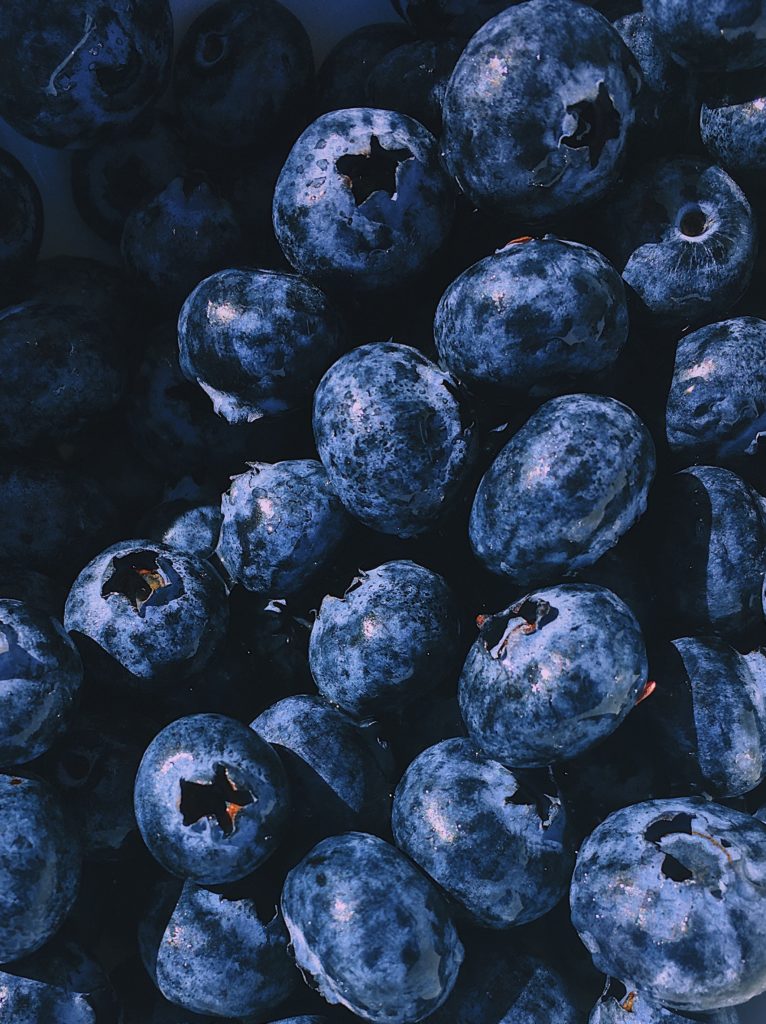
    Now, there is a mountain of biochemistry to explain this, but suffice it to say, these little compounds can be life altering in the best sense. In terms of prevention, flavonoid-rich foods like cocoa, green tea, blueberries, citrus fruits, cereals, and red wine, can launch a multitude of beneficial processes for proteins that protect and manage nerve pathways, as well as multiply and strengthen different types of brain and nerve cells.  More flavonoid-rich foods include onions, leeks, broccoli, celery, parsley, tomatoes and soy products.

    Flavonoids: what they are and what they can do to prevent disease is important to learn.

    There are so many types of flavonoids that the list is too extensive for us here. But the classifications include isoflavones, neoflavonoids, flavones, flavonoids, flavonones, flavanonols, flavanols, anthocyanidins, chalcones — defined by their chemical structure.

    (I really was a Chemistry nerd at Wellesley College!)

    But what is pertinent for me now — and for you — is what happens when neurological development goes awry.

    What Causes Alzheimer’s disease?

    Like in the case of Alzheimer’s disease (AD). Alzheimer’s stands out as a neurodegenerative disorder characterized by gradual, progressive memory loss, cognitive dysfunction, errors and confusion in daily routine activities, and a decrease in intellectual learning. We’re terrified of it. AD affects increasing numbers of adults as they age beyond 65, to 75, 85 and older. Sometimes it starts in people in their 50’s! About 35.6 million people worldwide live with Alzheimer’s today.

    But here’s the rub. 

    We don’t really know what causes Alzheimer’s …yet.

    Still?

    I knowwww…..

    Even so, some important findings have been established — such as deficiency of cholinesterases, deposits of beta-amyloid plaques, hyperphosphorylation of tau proteins, and generation of oxidative stress. They’re all there.

    And there are only 5 drugs on the market approved for use in Alzheimer’s. Four of them are cholinesterase inhibitors. The fifth one is a glutamatergic system modifier called memantine.

    You ask about flavonoids: what are they...found in tomatoes, citrus, and chocolate, they protect your brain.

    I get that all this might be a bit much. But what I’m getting to is that there are no effective medicines for Alzheimer’s…. the drugs that are out there can maybe help slow the progression of it.

    (But you ask, compared to what? Compared to whom?)

    What about this? Since flavonoids are known to block beta-amyloid from forming plaques and tau clustering… since they scavenge free radicals and sequester metal ions… wouldn’t it be a great idea to use flavonoids in the design and development of anti-AD drugs?

    Because in addition to those who suffer dementia, people like you and me sometimes just need a little relief from brain fog. Maybe flavonoid rich foods can help with that …?

    Why? They not only help get rid of toxins, they also modulate inflammatory actions on neurons.

    Huge!

    It’s inflammatory factors that create dendritic pruning— the pruning that actually prunes you — and makes you lose energy, interests, enthusiasm, drive, resilience.

    We live in concert with our biology, and when our dendrites get pruned, our lives get pruned.

    So…what if we incorporated concentrated forms of flavonoids into our diets every day? 

    When you come for IV ketamine treatment, you'll have a private comfy room.

    At Innovative Psychiatry, we talk to our patients about eating “all the colors” in their diets. The reason is that those rich colors hold treasures for your cognition, balance, focus, and wellbeing. They can also help protect your brain cells from attack by neurodegenerative processes.

    If you find that you’ve lost your sense of mental and emotional balance, perhaps due to anxiety or depression, and you’re not feeling in command of your life, call us.

    Sometimes you need a boost to achieve a level of remission that empowers you to exercise, eat all your colors, and follow all the other guidelines for wellbeing.

    IV ketamine treatment can revitalize your outlook, jumpstart your creativity, and fill in the patience and hope you’ve been needing.

    And when you come for treatment, you’ll find a comfy private room with a zero gravity heated leather recliner to help you truly relax and get the most from your infusion. We have space age technology that destroys viruses and bacteria in the air and on our surfaces, to ensure that no matter what the Delta variant is up to, you’re breathing air that is 99.999% safe. (We LOVE that!)

    You deserve a jump start on reaching your own remission and joy

    And we’re here to help you experience that fresh footing.

    Let’s work together for your fresh start.

    Lori Calabrese, M.D. is on the front end of the race to stop PTSD in its tracks using IV ketamine treatment.

    To the restoration of your best self,

  • Clean Out the Cobwebs in Your Life and Go Forward with Joyful Resilience

    Clean Out the Cobwebs in Your Life and Go Forward with Joyful Resilience

    Engage with family and friends. Exercise and move. Get your juices flowing. Remember to take time for you…snuggle with your cat…play with your dog. Use your brain, exert yourself mentally and physically. Build yourself up to prepare for the world after the Delta variant subsides.

    After all this time with isolation and social distancing, it may have been simplest to just tumble onto the path of least resistance and watch TV, stay alone, play online games. But you need people. You need your pets. Relationships are a function of the human organism and they’re extremely important to your wellbeing. They help you to move forward with joyful resilience.

    We offered a blog about brain fog recently…. You know it’s not that surprising so many have developed brain fog in our current situation where we don’t talk as much about our challenges, seek the support of friends and family, or spend as much time outside as we did before.

    That Delta Variant Just Had to Jump in and Spoil Our Re-Entry 

    Wouldn’t you know it? Just as the pandemic seemed to be subsiding with the advent of so many people vaccinated, here comes the Delta variant stirring up more trouble.

    But let’s take heart. No one expects this variant to last that long. Use fresh air to your advantage. Meet with friends in the fresh air until the virus status shifts. We just need to be patient a little longer, get vaccinated, wear our masks, use hand sanitizer… and hold a steady position against an infection that’s been so widespread that our global response has resulted in changes in our culture like we have never seen before.

    Even though Delta is severe, contagious, and deadly for people without vaccinations, for most vaccinated people who contract it, it’s like a summer cold. So the easy solution? Just get vaccinated. Like we did with polio, we’re conquering this terrible virus and we’re close to getting life as we knew it, back. Or at least something close to it.

    Global Changes Altered What Looks Normal

    So yes, we’ve seen major changes in our lifestyle and surroundings. Social distancing patches on the floor in businesses. A huge part of the workforce has been working remotely (at home) for the last year. Restaurants only serving for drive through and pick up. Changes we never could have imagined, right? We never could have. And now it’s routine.

    And that’s ok, as long as those changes are helpful to us. Like remote working can be good — but don’t let it separate you from human interaction. Whether you meet with others online or behind a mask, do meet. Go forward with joyful resilience.

    Don’t let the changes caused by this pandemic make you forget how to engage. Don’t let your interactions become flippant, superficial, or without connection. 

    Volunteer in person with a mask or online and by phone without one. But do connect.

    You need to connect!

    And others need to connect with you. How do you dig deep and intertwine with others?  How do you get past listening passively, to empathizing, caring, and helping?  It’s interactions on this level that make your life richer and more resilient. 

    Which brings up another discussion. Managing relationships as they bloom again can be a little tricky, if you remember. So think about this:

    Rule of thumb: when their actions infringe on your values that keep you feeling safe, they’ve crossed a boundary.

    Dr. Henry Clout, who wrote the book Boundaries, said it like this:  Boundaries show you where someone else ends and you begin. You may have a parent or sibling or friend who feels they need you to prop them up. But if it happens too often, you begin to feel like you’re in a cell. That you’re controlled by someone other than yourself.

    Those boundaries can exist between you and your parents, you and your children, you and your friends, you and your relatives.

    Relationships, to be meaningful, need to be balanced. You need to know your decisions are yours, that you are not manipulated to make others comfortable. 

    And you need to know that when you feed those relationships, to strengthen your bonds of friendship, each person involved comes away with helpful, supportive, and happy feelings. 

    If your friendships aren’t providing this type of relaxed support, give and take, and respect, maybe you’ll be happier with better friends…you know?

    Because of boundaries, you get to choose what sort of friends you embrace. Then you can go forward with joyful resilience intact, feeling safe, and spreading yourself around to more people.

    So exercise that power.

    And you can push forward with joyful resilience to a life that fulfills you.

    Kick frustration to the curb.

    After 17 months in the throes of the pandemic, complicated by depression, anxiety, trauma, as well as increased alcohol use and substance use…you now can get down to the cobwebs and clean out your life of people and activities that aren’t helping you become stronger or more resilient, and replace them with people and activities that are.

    Move forward with joyful resilience when you exert your emotions and your energy.

    Has your use of alcohol or substances increased during the pandemic? Kick ’em to the curb with IV ketamine treatment.

    Another look at Alcohol and Substance Use

    You might ask yourself whether the incidence of alcohol use and substance use increased for you in the last 17 months.  If they didn’t, that’s great. But for many people, the boredom, the worry, the fear, the loneliness, all contributed to more use of alcohol and substances.

    And if that’s the case, take a close look at whether your friendships contribute to that or not.  Because engagement, fulfilling friendships, family relationships, and having healthy activities includes people who also have healthy lives. People who can do their part in keeping a relationship with you rewarding.

    Consider using this shift in the pandemic to conduct your own house cleaning in your life. Start fresh with a new outlook. You can be free to move forward with joyful resilience after IV ketamine treatment.

    And…if relationships don’t work, or substances get in the way, or depression makes it too hard to exercise, remember that IV ketamine treatment can possibly offer hope for for challenges like these, and help you get a firmer footing for what lies ahead.

    Innovative Psychiatry provides IV ketamine treatment for postpartum PTSD.

    A welcoming place for restoration when you need IV ketamine treatment.

    At Innovative Psychiatry, our patients sometimes express their fears about being able to function well once the pandemic ends. We encourage everyone to exert themselves in their lives… reach out to friends and family online or with masks, use safety protocols but engage with others. Even engage with your pets!

    When you come in for treatment, you’ll be led to a private, comfy room to help you get the most from your treatment. You’ll find the air in the offices is clean and pure, because we’ve installed technology that removes all viruses, bacteria, and mold from the air and surfaces in every room. Plasma cell technology, designed by NASA and the Department of Defense, works around the clock to keep the air and surfaces clean. We want you to relax, settle in for your treatment, and know that you’re safe from infection when you’re here.

    And if you find too many obstacles to your moving forward, like substances, social anxiety, trauma, depression symptoms, and you can’t seem to get around them…then call us.

    Let’s put our heads together and consider IV ketamine treatment and whether you might be a candidate. If so, we can make an appointment for you within just a few days to get your treatment started.

    Meanwhile, practice good relationship skills. And good living skills.

    And expect your life to get better and better and better. Joyful resilience better.

    Lori Calabrese, M.D. is on the front end of the race to stop PTSD in its tracks using IV ketamine treatment.

    To the restoration of your best self,

  • The Connection Between a Man’s Violence and His Anxiety: How to Help

    The Connection Between a Man’s Violence and His Anxiety: How to Help

    When a man's violence is fueled by anxiety, people around him can be hurt.

    Know any men who can flip from mild annoyance to a violent rage in a short minute? Know any women who are wounded and intimidated by a man’s anger?  Now if that anger is violent then it’s likely lots of women and children as well are wounded and intimidated by it. Let’s talk about the connection between a man’s violence and his anxiety.

    Anxiety/alarm. 

    A good book written by Russell Kennedy, M.D., titled RX Anxiety, is full of great advice for men whose anxiety is expressed in violence. Dr. Kennedy explains that anxiety is experienced both emotionally …in his mind…and physically, in his body. Anxiety is produced in the mind, and alarm is the result that is experienced in his body…physically.

    So it should be no surprise that since a man feels this emotion in mind and body, that it would be expressed in both his mind and his body. 

    But in his body… how?

    One of the human physiology’s way of calming this anxiety/alarm, is crying. When we cry it rewires the brain. But what if, as a boy, they taught you to not cry?

    Tom was edgy, irritable. He woke up in an ambulance, which caught him off guard. They said he had a blackout. Once at the hospital, ER staff rushed to apply leads to all the right spots on his chest and legs for an EKGs. And then another one.  After a variety of tests, they moved him to a cardiac unit in the hospital.

    Tom felt fine. What was all the fuss? Then they handed him a pitcher that looked like it would hold a quart of milk with a wide open top. The nurse instructed him to “pee” into the pitcher !?!

    He blushed, grumbled, let out a few curse words and said he couldn’t “go” in that sitting position.

    From that point on, everything made him madder. Madder and madder. More and more irritated.

    When a lunch tray was delivered to him, he cleared it from his bedside table with one angry sweep of his arm. Food, cutlery, his plate and glass, all flew to the side of the room, hitting the chair and wall in a big mess.

    His nostrils flared. “Get all this away from me!”  

    In his most secret place of shame, Tom felt like crying. But that was unthinkable. So he had just lashed out…

    A man’s violence and his anxiety are so closely connected. A cardiac event can cause unbearable anxiety in a man, and it’s not unusual for a violent expression to follow.

    A man's violence can be connected to his anxiety.

    “Anxiety is an early warning system to help you survive… It’s not there to harm you, but in its constant warnings, it makes you feel unsafe.” -Anxiety RX

    Tom may have felt angry and irritable, and may have behaved with a lack of control. But what was really going on?

    Anxiety. There is very little in a man’s life to ignite anxiety like a cardiac event. Anxiety was eating Tom up inside.

    The “Straw” of Caring for Others Before Yourself Can Break the Camel’s Back

    This is such a common situation for men. Men who marry young, for instance, before they’re really equipped to be providers for themselves or a family. Maybe a young pregnant wife, or the perceived need to rescue a girlfriend from an abusive family. Crises like this can seem obvious and necessary, but can lead to a man’s overload.

    Or maybe parents whose special needs require unexpected and exorbitant care and financial support. 

    There are endless possibilities of circumstances that could add the breaking straw to a man’s back resulting in constant worry — like where will I get the money to pay all these bills? and when will I find the time to care for everyone who needs me? And fear of the fallout if he fails…

    You’d think true masculinity was just calm and collected happiness. So alpha male that it needs not or worries not. But typically masculine characters are always fighting, and most violence comes from some agitated level of fear and anxiety.”

    –Liev Schreiber

    Add to that, the belief that a man might unwittingly hold that being a caregiver gives his life power and purpose, a sense that he matters. However, he may not grasp at all that the burden that gives his life power and purpose may also break him under the load of anxiety and violence.

    Reducing a man's anxiety can reduce his violence.

    A Man’s Violent Release can Easily Follow the Anxiety that Accompanies His Responsibilities

    As we mentioned earlier, all these things can happen to a woman, too. But we’re focusing on men today because they’ve so often been taught to avoid showing their feelings, and to not cry because it’s a sign of weakness. (You know men like this. Maybe you are one. Or maybe you’re a woman who has seen this, over and over) And that can have dangerous results

    So when the pressure builds from a mountain of responsibilities they fear they cannot fulfill, instead of crying or panicking, that man can snap and become violent.

    So our goal is to help him find ways to lower the pressure far in advance of the melting point.

    To help him learn to take care of himself, give himself time to release pressure through enjoyable activities, and to spend time with the people who love him most.

    Sons Need to Learn Self Care from Childhood to Equip Themselves to Respond to Stress Because there’s often a Connection Between a Man’s Violence and His Anxiety-Depression

    And optimally, we need to train our sons to seek these releases as children and young men, before their responsibilities have so much power.

    Our quiet, private treatment rooms allow you to relax to receive your IV ketamine treatment.

    Each individual treatment room provides privacy and quiet, as well as an incredibly comfortable zero-gravity heated leather recliner — so you can be monitored during treatment, and relax deeply for the best possible infusion experience.

    At Innovative Psychiatry, we’re here for you, and for the men in your life. And we love to work with and complement your your healthcare team to offer treatments that can help you or the people you love. When the anxiety is seated in PTSD or social anxiety, IV ketamine treatment can be a remarkable aid. And we can schedule your treatments so that you can to get the most benefit from the neuroplasticity ketamine offers to do the best possible work in therapy.

    Above and Beyond

    We have a devoted program for administering IV ketamine treatment, and have installed space-age equipment to remove viruses, bacteria, and molds from the air and surfaces. When you come for treatment, you can feel safe from risks–because we go above and beyond to keep you safe! So you can focus on getting better. The environment-purifying technology designed by NASA and the Department of Defense keeps the environmental air and surfaces free of pathogens. There is nothing else even close. We’ve taken the best steps available to ensure your wellbeing when you’re here.

    When a man takes time to meet his own needs, he has less anxiety for his responsibilities and reduces his risk of violent thoughts.

    Taking care of yourself, giving yourself what you need, can equip you to take care of all those responsibilities more effectively… and keep the anxiety and depression from overwhelming you.

    Anxiety is not something to be ashamed of. It’s not weakness. But, like so many other things, it requires your attention to manage it, seek treatment, and be the best you can be for yourself and those around you.

    Anxiety can take on a life of its own, and drive you to do things you would never normally do. If anxiety and/or depression has tried to drive you to violence before, you can kick it to the curb.

    Please call us if we can help.

    We look forward to working with you.

    Lori Calabrese, M.D. is on the front end of the race to stop PTSD in its tracks using IV ketamine treatment.

    To the restoration of your best self,

error: Content is protected !!