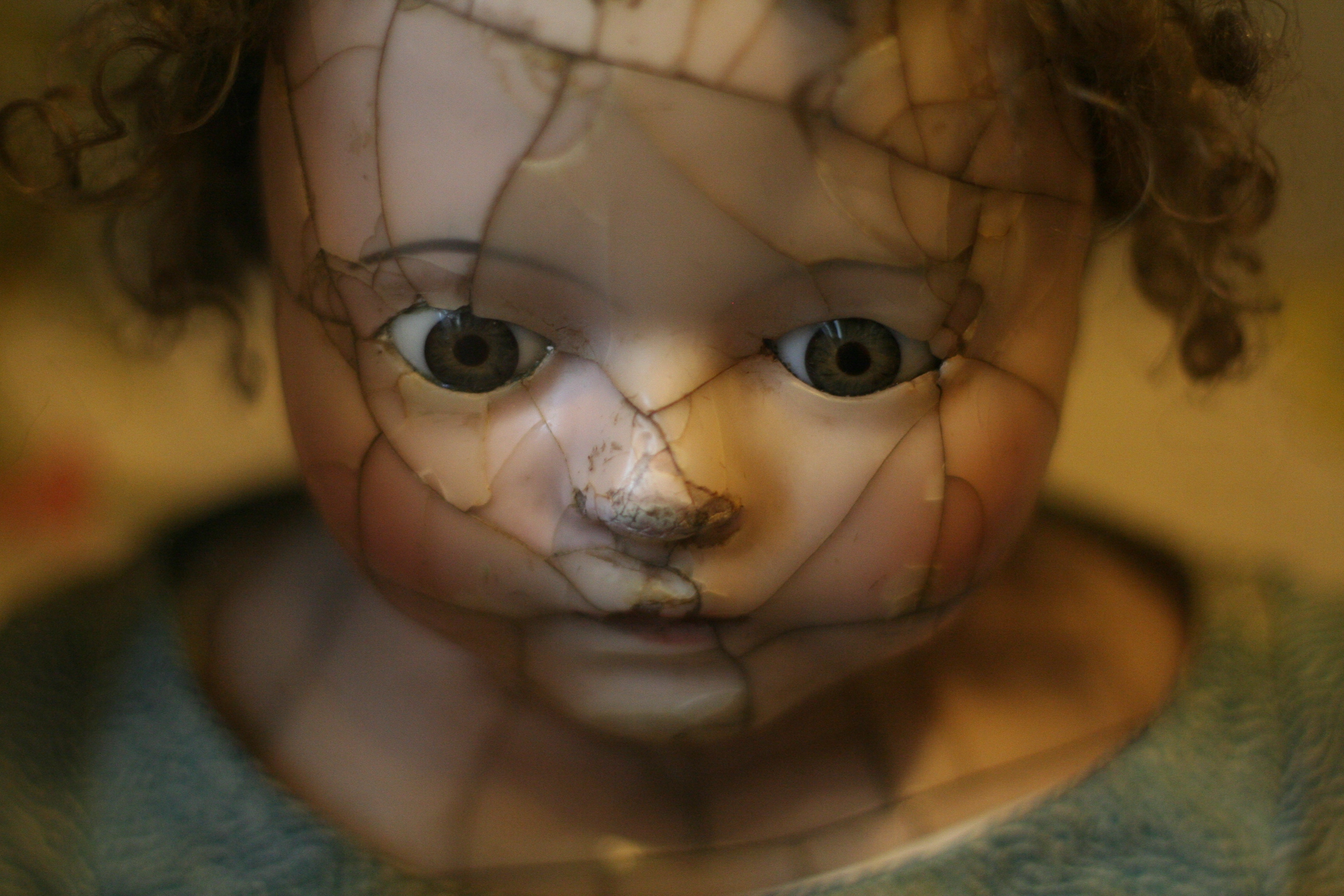
Studies Imply PTSD is a Gateway Condition That Can Lead to Other Critical Illnesses.
Ketamine treatment can bring PTSD to remission, and hopefully prevent these other illnesses.
Bang! A sudden loud noise breaks the stillness.
“What tha…??!! Your companion jumps with a startled exclamation, missing that you’re standing there frozen, pale, and in-one-motion spun around with fists raised and ready for a right hook.
In a flash, you’ve advanced from calm, to terrified, to ready-to-fight-for- your-life.
Your friend laughs at his own jumpiness. But you’re not amused. With adrenalin coursing through your body, you’re angry.
It’s awful to be so angry, when “nothing” has happened.
It’s just not that easy to calm yourself when the deafening sound turns out to be a slammed door, rather than a life-threatening attack.
Your hands are shaking, it’s hard to speak … you clench your jaws, trying to hold onto the thread of self-control that’s keeping you from doing serious damage. A thread that grows thinner by the second.
Your friend slaps you on the back in a good-natured gesture, to snap you out of it. That was the worse thing he could have done. In a fraction of a second, you’ve swung around and your powerful fist connects with his not-so-solid jaw.
He groans and hits the floor.
And suddenly you realize you may just have lost the best friend you’ve had all year.
You never told him about your PTSD. You didn’t want to start the friendship out with shame. You wanted to be on even ground. Now this.
PTSD Can Make You Sick
PTSD has been called “a life sentence” according to a review of large cohort studies by a team led by KC Koenen in the Journal of Psychological Medicine in January, 2017. This “sentence” is derived from the multitude of health conditions that accompany PTSD symptoms.
Several large studies have shown a link between PTSD and metabolic as well as cardiac diseases, such as myocardial infarction (commonly called “heart attack”), stroke, Type 2 diabetes, and coronary heart disease. Of these conditions, it seems that those hit hardest are African Americans and Hispanics.

Having PTSD increased their risk over other combat veterans from the same war zones…veterans who even had other psychiatric disorders. Over 660,000 veterans were studied. Compelling, isn’t it?
Another study led by A. O’Donovan and published in the Journal of Biological Psychiatry in February of 2015, showed that combat veterans from Afghanistan and Iraq diagnosed with PTSD were more likely to develop autoimmune and endocrine disorders.
They had a greater risk for IBS, thyroiditis, rheumatoid arthritis, multiple sclerosis, and lupus erythematosus.
Terrible diseases.
See the diseases and conditions piling up?
But there’s still more.
Genome studies of trauma and PTSD have identified specific genes that are linked to dysregulation of the immune system. Michael Breen led a team to write a mega-analysis published in Psychopharmacology of five studies that focused on genome effects from types of trauma and PTSD.
They found that there was lower expression of cytokine-related genes in men who’d been exposed to interpersonal trauma or combat… than was found in women.
With the collection of all the data, they identified the common pathways of inflammation in PTSD, and painted a picture of extensive dysregulation in the immune system in people with PTSD.
More Studies, Please, about PTSD and It’s Relationship to Illnesses
Researchers recognize that more study is needed to understand whether activation of these inflammatory pathways are caused by PTSD, or whether they’re a natural consequence of the behaviors and lifestyles of people with PTSD, or something else.

For example, people with PTSD reportedly often smoke tobacco, have erratic sleep patterns, lack of physical activity, poor diet choices, etc.
But if the associated illnesses are actually a result of the trauma itself and the conditions it triggers, it implies that PTSD is part of a broader systemic illness triggered by psychological trauma.
I’ve pointed out for a very many years that I’m not a fan of the term “mental illness” — as though psychiatric disorders are not part of the body, not physical, not legitimate. Something woo woo… Kind of unbelievable given that there are so many complex brain structures, processes, and functions involved.
Your brain is physical. Your heart is physical. Your kidneys are physical. We refer to illnesses of the heart, of the lungs, of the kidneys, as physical illnesses. Well disorders of the brain are physical, too.
So in this research that suggests that these psychiatric disorders are actually larger systemic illnesses, I’m surprised that’s not obvious but glad we’re talking about it.
How the Brain and The Body Interact
Let’s look at some simple examples, just to illustrate.

If you have anxiety, you probably have some sort of physical symptoms that express it. For some people, it may be that they break out in hives. In others, it may be a sick pit in your stomach, or intestinal cramps and watery stool. In someone else, it may be shaking.
When you’re in love… remember those butterflies? That’s a physical sensation that accompanies an emotional experience.
If your heart is broken, it can feel like your chest is ripping apart.
Rene Decartes was a French-born philosopher in Sweden who purported the theory of dualism. The idea that the mind and the body are utterly separate. But the simple act of shedding tears shows that the two are quite influential on each other.
This is another important step in vanquishing stigma, and getting help for those who suffer.

With that said, it’s vital we understand more about PTSD and what it triggers in someone who has it. In fact, perhaps with deeper study, we could see insurance companies beginning to pay for all aspects of the disorder… autoimmune, cardiac, lung, kidney, Type 2 diabetes…and psychological terror and pain.
PTSD Can Make You Sick. Can Ketamine Stop That Before It Does?
Multiple trials with ketamine treatment for PTSD have demonstrated its rapid and robust effectiveness in treating symptoms.
One of the ways it works is by influencing cytokine production. And since cytokine-related genes seem to be expressed less in certain men with PTSD, improving the expression of cytokine may be one of the reasons for ketamine’s effectiveness in PTSD.
There is so much to learn and understand about ketamine and how it works as well as it does. It doesn’t work with everyone…of course not. No medicine works for everyone. But, it works better and in a higher percentage of people than any medicine that’s ever been available for treatment-resistant mood disorders.
Ketamine for severe depression.
Ketamine for PTSD.
And ketamine for bipolar disorder, ketamine for social anxiety… plus ketamine for OCD, and ketamine for addiction… and yes, ketamine for suicidal thoughts.
At Innovative Psychiatry, we treat people every week with ketamine treatment for all of these psychiatric disorders.
We’ll take an in-depth history of your symptoms, treatment course, health and family history, and evaluate whether you’re a candidate for ketamine treatment.
We use only the best and most thorough practices when we provide your ketamine infusions. With a cozy and appealing environment, a comfy recliner or soft leather sofa, and warm blankets, the lights will be low and many people bring their own soft music to listen to.
You’ll be monitored continuously during the infusion, and treated for any uncomfortable side effects. Most patients tell us they have never felt so relaxed.
But what they really love is how they feel … better and better as the series of infusions advances.
Most leave our office with a new lease on life, and report later they can enjoy hobbies, work, friends, again, and that they have initiative and motivation to tackle projects they’d put off for years. They enjoy their family and their friends — and have the energy to build relationships and make them strong again.

Put simply, they have the power to build a rewarding and fulfilling life.
PTSD is a serious disorder that can lead to serious, even critical, additional illnesses. Can ketamine stop that before it happens?
If you wonder, how do I find a psychiatrist near me who can give me a good chance at getting better..??
We sure understand.
And if you suffer from PTSD, and no other treatment has helped you to function, call us. Call us now.
Let us help you get your brain working again as it should, so the nightmares fade, the flashbacks melt away… and you can enjoy loving your family and your life. You can even have fun again.
If you suffer from any of these conditions and haven’t improved with at least two other medicines or treatments, call us. We want you to live the life you wish for, the best life you can live.

To the restoration of your best self,

Lori Calabrese, MD






 To the reinvigorating of your best self,
 [line][line]

 may be the depressive part of the cycle in bipolar disorder. Depression of this magnitude can be debilitating. And it needs to be treated effectively. In fact, no matter what treatment is used, if you don’t feel better, then it’s the same as if your depression weren’t treated at all.
  which means they
  reason that non-psychiatrists and psychiatrists alike who use this one-size-fits-all method for treating depressed patients was resulting in a lower percentage of remission from mood disorders across the board.
  MATTER? Is it necessary to have dissociation for ketamine to “work?” Or for
  after or a day later.
 extraordinary impact on
 When Your Loved One Needs Treatment –
 What’s happened to her? he thinks to himself.
 of information about the brain and how it works that we don’t know yet, but society in general
  root of so many disorders, not to mention
  and 500 people who had none of these symptoms.
  conversation let’s focus on the point that stigma is born in wives’ tales…it’s not based on fact. And many people — more than we realize — still believe the archaic views that were passed down to them from older family members about psychiatric illnesses.

 Ketamine Can
  and performed well in school…receiving all sorts of academic awards.
 answering the telephone. School became an insurmountable mountain to climb. She began to hide under her bed for the school day so no one would know she didn’t go. She couldn’t go.
  Finally, she was placed on
  The verbal abuse and horrific scenes deteriorated to physical abuse, but just reminded her that she knew what it was to suffer. And he’d been alone without support, so she was determined to be that support and “help him heal.”
 Bangkok she suffered a gargantuan panic attack. She couldn’t think to find her luggage, her gear, or her phone. Finally, she called her family collect and asked them to help her get home. Knowing her fragile state, they readily complied.
  shoulders that left her left shoulder 3 inches shorter than her right one. She was unable to move her upper body without extensive treatment.
 she got out of the hospital.
 months. Then she began to feel the old depression returning, the critical thoughts, the anger, the hopelessness…but for the first time since she was a little girl…
 her through the illnesses and surgeries, and life is working for her now on an exciting new level.
 dangerous depression can be.
 your effort,
 to reduce stressors that wear down your
  antidepressants and other treatments.

 IV Ketamine is a Most Extraordinary Medicine
  Remember when you felt nothing…? A void. Empty. Isolated. But remission with ketamine treatment changes everything.
 reactions and responses, so you don’t pull the same old problems in after you.
  in a toxic relationship where you know you’re being abused and exploited,
 Does Your College Student Know Where to Find Mental Health Support?
 these students are still very much adolescent. Add to that the fact that 75% of psychiatric disorders are diagnosed before the age of 24, and you can see that the college years are predisposed to turmoil for many kids.
 17% reported learning disabilities. These are parents whose children have been diagnosed or treated.

 achieve remission with

 with anticipation to see if research this year will reveal even more.
 elation when interviewed that such a thing has happened in their lifetime.
  traditional antidepressants, and without any of the weight gain, sexual dysfunction, fatigue, or GI side effects they can cause.