Author: Lori Calabrese, M.D.

  • Food as Medicine: Using Food to Heal Your Brain

    Food as Medicine: Using Food to Heal Your Brain

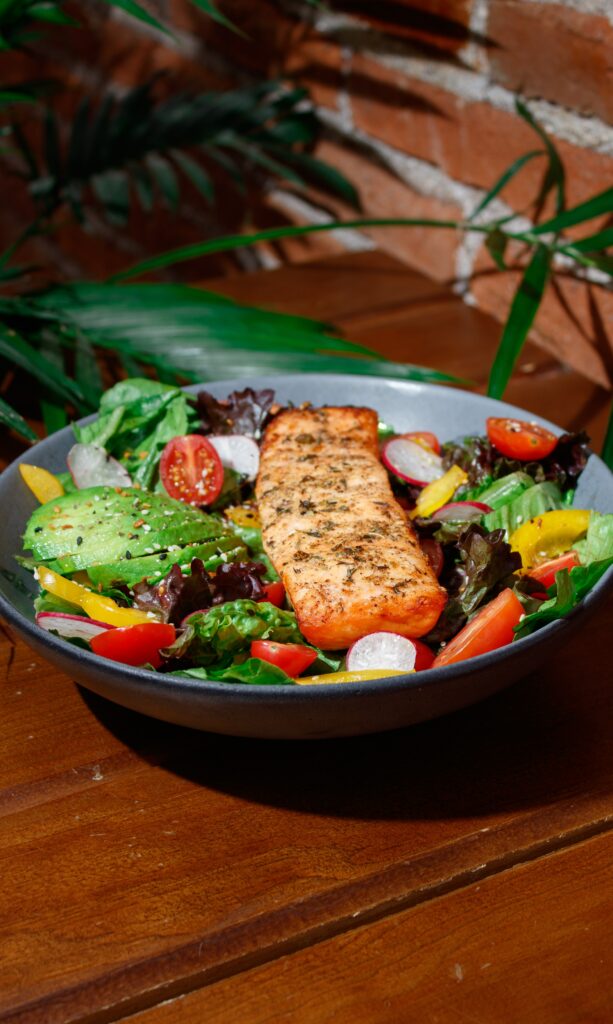
    Food is medicine for your body and brain when you eat a ketogenic diet.

    “I don’t want any more medicine, are you kidding me?” “I’m so sick of hearing I should take a pill.” “You mean I need another med to offset the side effects from this one?” “If one more person tells me I have to take more meds, I’ll scream.” Sound like you? Sometimes it’s you—or someone you know—who’s developed a cascade of symptoms that just seem to stack onto each other, higher and higher and higher… Depression, anxiety, OCD, PTSD, bipolar disorder… it can feel like you’re falling apart, and it can make you think, “Why me? Why is all this happening to me? I wish I could do something instead of taking more medicine.” You can—you absolutely can! You can upgrade your food choices, and you can use food as medicine because…food is medicine. It’s your best medicine.

    Sound like hype to you? Stay with me, because this is serious science.

    Food as Medicine for Metabolic Illness

    Migraines and other metabolic disorders can dissipate when food is medicine.

    You may not have all these ailments, but it’s not uncommon to suffer from more than one at a time. We call it comorbidity. (Sounds like a bad word—and it is.) Since metabolism is at the center of all your body does, when your metabolism is out of whack, the natural result is often a cluster of health problems or disorders. Maybe depression, anxiety, weight gain, brain fog or even dementia, for instance.

    You feel so defeated, so targeted, even doomed. And it’s so unfair!

    But you may not realize, you do have the power to change your mind and your metabolism with something simple: a ketogenic diet.

    Metabolic illness has crescendoed in the 21st century. So have psychiatric symptoms.

    Processed, high-carbohydrate foods full of sugars and seed oils actually reduce the energy the cells have to work with, because glucose (sugar) can be an inefficient form of fuel if it can’t get into your cells. When your cells lack the internal energy they need to function well, symptoms of disease begin to appear. The longer that goes on the more serious it gets.

    We’re talking about cells in your body everywhere, but for me (and for you!) we’re talking about cells in your brain. Neurons.
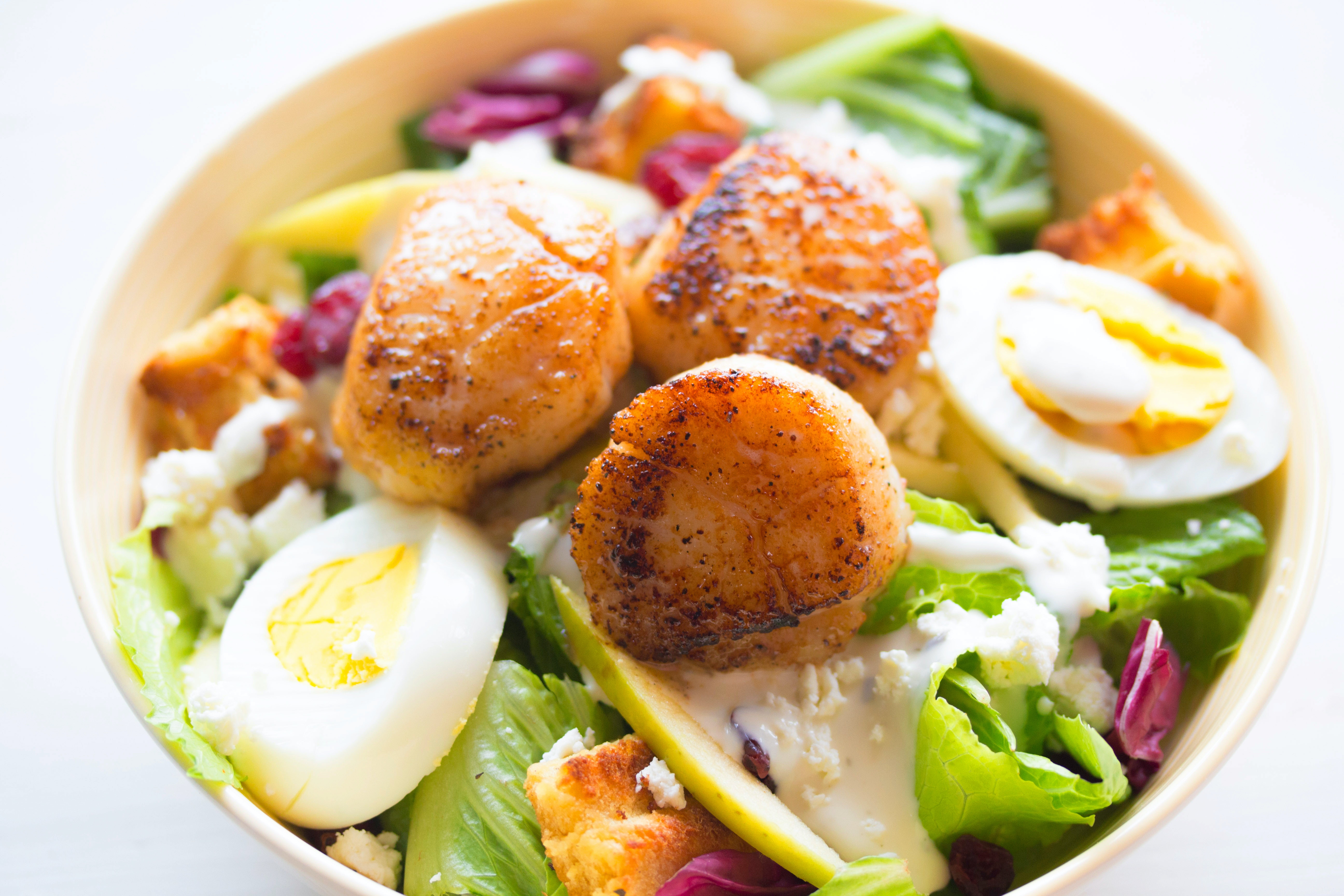
    A ketogenic diet is an example of food as medicine to heal illness.

    Boy do we have good news! The science behind a customized ketogenic diet is all about brain energy. It’s about metabolic psychiatry —ketogenic psychiatry — where we use nutritional ketosis as a treatment. You heard that right. Not as a wild diet fad, not as a YouTube promo, not on a whim. As sophisticated treatment. Turning on brain mitochondria by providing ketones for fuel, so cells can repair themselves and have the energy to function at their best.  

    Fundamentally, the brain is an energy demanding organ. More than any other part of your body. By adopting a therapeutic ketogenic diet, you can get your body to transition into nutritional ketosis. This nutritional ketosis changes your metabolism and actually changes your brain chemistry in the most excellent, elegant way.

    And those changes can optimize the neurotransmitters in the brain, and the energy levels in your brain. They can tamp down anxiety, mood swings and rage like nobody’s business.

    It’s Like Running on Diesel Instead of Gas — 24/7.

    That kind of swap reduces systemic inflammation in your whole body, which reduces neuroinflammation — the inflammation deep within and around your brain cells.

    Reducing inflammation is critically important, since neuroinflammation triggers a host of psychiatric disorders.

    When you consider the impact of therapeutic nutritional ketosis in your brain, you can see why I am so clear about the fact that a ketogenic intervention in psychiatry and in medicine is so much more than a “diet”… it’s a medical prescription. It’s treatment — and arguably, the best treatment — using food as medicine.

    What’s the Deal with Mitochondria?

    Psychiatrists, neurologists, oncologists, cardiologists, endocrinologists, internists, gynecologists, and fitness experts all gather at scientific conferences to share their data about the results they’ve seen using therapeutic nutritional ketosis (affectionately referred to as KMT, ketogenic metabolic therapy, or KD, ketogenic diet) in treating their patients. We use food as medicine to treat a wide variety of illnesses.

    A ketogenic diet can reverse your metabolic syndrome.

    And we focus specifically on using food as medicine to treat depression, anxiety and other disorders in your brain

    By drastically reducing carbohydrates and increasing the foods that generate ketones for your mitochondria, your brain switches its energy production in the cells from using sugar to using ketones. Ketones are produced when fats are broken down for fuel, so that process provides fuel and can reduce your body fat. (Especially around your internal organs—so important!)

    But there’s more to what mitochondria do than just providing fuel in your cells. They play a role in directing and allocating resources for cells. For one thing, yes, they take food and turn it into ATP, the energy the cells need. But mitochondria can also use your ketones as the perfect fuel for your cells to make serotonin and dopamine, which are necessary for your mood.

    And another thing, they make the energy that produces cortisol, a vital hormone. These energy powerhouses regulate these neurotransmitters and hormones as they become imbalanced in people suffering from psychiatric symptoms and disorders. And so important: mitochondria play a role in our response to trauma, and the psychological and social stressors that result.

    A fringe benefit of using food as medicine in a ketogenic diet is loss of excess weight.

    Ketones are the “Food” that is Medicine

    Since excess weight gain is connected to mood and anxiety disorders, and so much more, this weight loss in itself can improve your overall health and wellbeing. But there are so many more benefits than that.

    There is research going on all over the world by the best of the best in medicine and neuroscience.

    Epilepsy treatment using a ketogenic diet began back in the 1920’s and is now used worldwide with extraordinary results. We have more than 100 years of science, patient outcomes, and elegant, randomized clinical trials that prove it. As we study how nutritional ketosis has impacted, improved, and protected brain cells related to epilepsy, we see similar parallels with migraine treatment and a host of other brain and metabolic disorders. Type 2 diabetes, fatty liver, insulin resistance metabolic syndrome, obesity can all be reversed with a KMT, a ketogenic metabolic therapy.

    Reversed means gone.

    Food is medicine for depression, and a ketogenic diet can eradicate symptoms so you can live a rewarding life.

    It’s really exciting to see how brain cells respond to this ketogenic fuel to relieve symptoms of bipolar disorder, OCD, PTSD, depression, and anxiety. When brain cells have the fast, easy energy they need, they can really thrive, to bring you a sense of wellbeing and calm. Brain fog evaporates. Joy and energy replace misery.

    We see this every day, in person, on telemed, in the office, and when we’re out walking with our patients. (Yep—we go out 4 times a week on nature walks with them. We don’t just talk about this—we do it. We walk the walk.)

    Symptoms dissipate. And you gain the power to live a fulfilling and rewarding life

    Not Another Pill, but Food as Medicine

    The ketogenic diet consists of foods that are high in healthy fats, moderate in protein, and very low in carbohydrates. Since carbohydrates are only ever turned into glucose, when your carbohydrate intake is high enough, glucose wins. It’s all there is and your body doesn’t and can’t produce ketones.
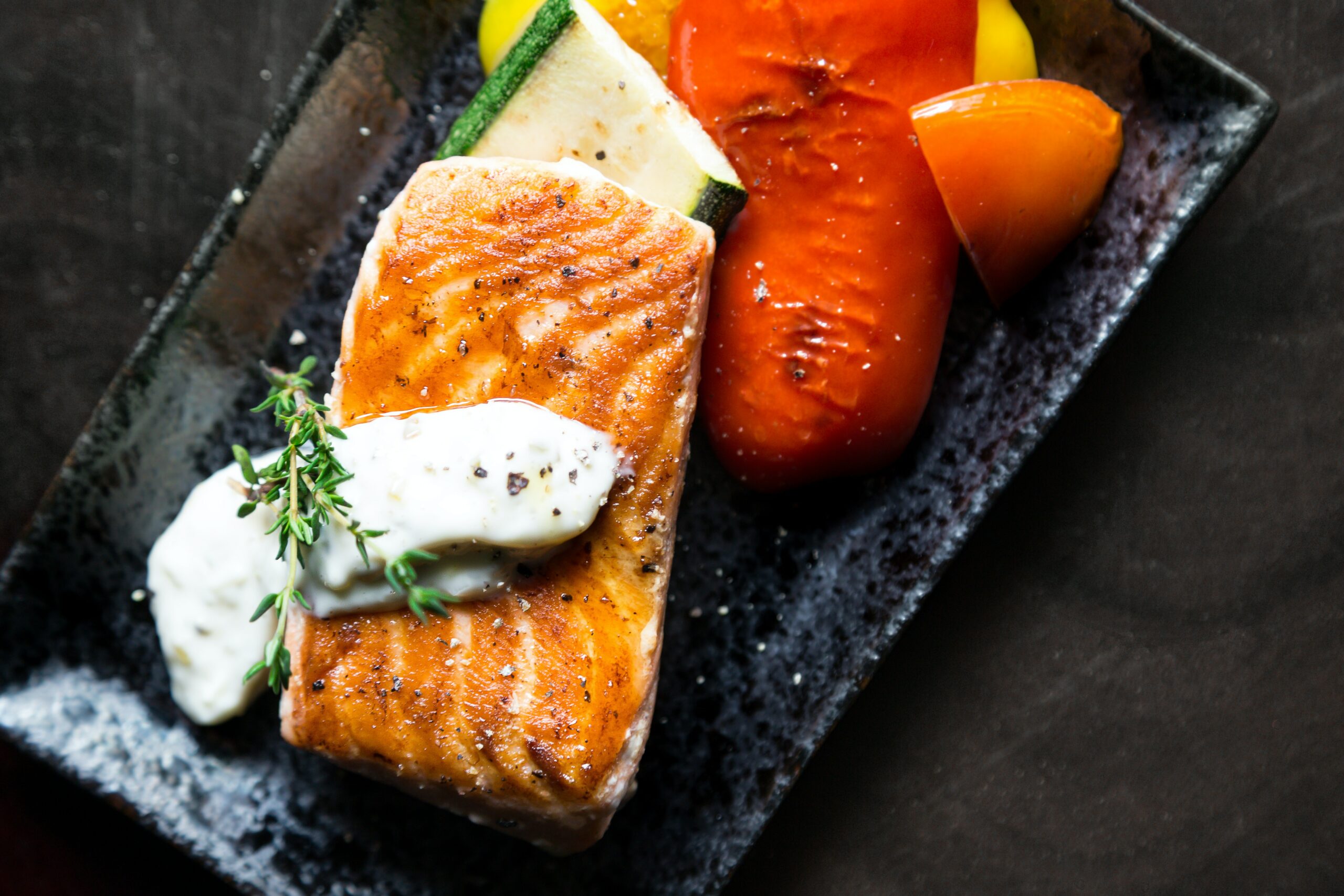
    Food is medicine for psychiatric symptoms, if your food is a ketogenic diet.

    By keeping your carbohydrate intake low, and your fat intake high, there’s no competition and your body starts to use fat to make ketones. And your body’s mechanism for burning your body fat and the healthy fats you’re eating — to supply the mitochondria in the cells with ketones — can function smoothly.

    Happily, if carbs are low and ketones available, your brain will want to use ketones because it thrives on them. They are easily and rapidly transported into your brain cells. So eat those avocados!
    Touchpoints 180™ is Dr. Calabrese's program to help you achieve therapeutic nutritional ketosis so your mind and body can heal.

    Touchpoint 180™

    At Innovative Psychiatry, we offer Touchpoints 180™ in our Metabolic Psychiatry program, and have a small team of experts to give you hundreds of touchpoints so that you can do a 180. There is nothing like this anywhere else in the United States. We know because we’ve been all over in the past year and have seen this for ourselves. We offer ketogenic metabolic therapies personalized for you, body composition analysis, frequent follow ups — in person, with telemed, and in nature — groups, family and friend groups, digital tools, ketone/glucose monitoring (we so believe in this we buy it for you and just give it to you!) walks and talks, recipes, texts, phone calls, and videos. We’re even on TikTok.

    Unreal, right?

    Oh no, it’s very real.

    When you see us, you know we’re not just talking about it, we’re living it.

    When food is medicine for you, a ketogenic diet erases brain fog and restores your mind and joy.

    We’ve seen striking remission of symptoms and restoration of energy, peace, focus, and health in our patients with therapeutic nutritional ketosis, using food as medicine.

    They glow.

    If your metabolism is off, or if you’re just off and you don’t know how to fix it, call us.

    Touchpoint 180™ is our Metabolic Psychiatry program that can treat your symptoms — depression bipolar disorder, anxiety, PTSD, OCD and eating disorders. Our patients with migraine, PCOS, brain fog, weight problems and several inflammatory conditions are thrilled to see those problems are also just no longer a part of their daily lives.

    We stay up late, get up early, scour the journals, study, and confer with global experts — all to find effective treatments for you. (And because we love it.) So we can offer the best treatments that medical and neuroscience evidence supports

    We’re here to help you get better, and relish being your best self.

    Lori Calabrese, M.D. is on the front end of the race to stop PTSD in its tracks using IV ketamine treatment.

    To the restoration of your best self,
  • Has Shattered Trust Caused PTSD? Find Your Joy and Hope Now

    Has Shattered Trust Caused PTSD? Find Your Joy and Hope Now

    Shattered trust in business and friendship can splinter your confidence.

    Kevin recoiled. He put his hand on the wall to steady himself. His business partner of 11 years, Max, informed him that he’d invited a new profit-sharing partner, William, into the business because he had so many fresh ideas. Trouble was, Max hadn’t discussed it with him! Kevin felt shocked, betrayed, and deeply hurt. Ever since Kevin had been on a business trip out of state, Max and William had been meeting and texting without Kevin’s knowledge. He and Max had started this thing with nothing, but over the last 11 years, built a 15 million dollar business supporting security software in Fortune 500 companies. They had hired and trained a team of 22 IT specialists, who traveled around North America wherever they were needed. They had been Best Man at each other’s wedding. Kevin and Max were super close friends — as well as business partners. Shattered trust splintered their friendship, then it got worse.

    A Fox in the Hen House

    William was ambitious and self seeking, and he didn't care whose trust he shattered to benefit himself.

    William was one of the specialists they had hired, but he did stand apart in his own right. He was creative and gregarious, and loved to network with IT guys at gatherings that drew a variety of enterprises. He was a magnet. And he’d made connections that led to more work, which added to his value as a contractor.

    But he was also ambitious, pushy, and self-seeking. He repeatedly pressured Max to make him a partner, because he “deserved” to be a partner and to share in company profits since he had contributed by bringing large contracts.

    Kevin could see the logic, but he had already learned that William was not loyal, except to himself. And by bringing him in as partner, he knew William would find ways to undercut their company… even stab Kevin in the back.

    Still, the greatest loss Kevin felt was the loss of loyalty from his long time friend, Max and — after all they’d been through together — that Max betrayed their partnership and friendship.

    Their entire partnership had been built on trust. They had built the company on their shared sweat and struggle. This business was their baby, and they had leaned on each other, often working through the night together, to make it strong. Kevin’s trust in Max was shattered.

    It had been fun, but suddenly, the fun drained out of it like water out of a broken cup.

    Kevin's trust was shattered by Max's betrayal.

    As weeks and months ran on, Kevin found it increasingly difficult to do the work he was so good at. Max brought his gifted public relations talent to their team, and had only adequate IT skills. Kevin was the technical genius, providing the know-how and support the specialists needed when they ran into difficulties with their own on-site assignments. 

    He was the problem-solver for everyone, including Max. But he was an introvert, and far less adept at networking and building profitable new alliances at conferences. (You know how that goes…. but between the two of them, he and Max were a dynamite pair.)

    Betrayal Magnified

    Then, William came along and drove a wedge between them, exploiting their small, young company to fill his own coffers, no matter whom he hurt. He wanted to be a CEO. No matter what it took, and no matter what it cost.

    Within 4 months, Max and William had withdrawn all their investments in the company and started a new enterprise of their own.

    Taking the best specialist contractors with them, the company Kevin loved had been gutted. Robbed.

    Depression and anxiety can accompany symptoms of PTSD after shattered trust.

    The rage and hurt that billowed inside Kevin was suffocating. It festered for a year… it made him sick …then a dark cloud took over Kevin’s mind. A terrible ache in his chest never relented. He lost his drive to keep fighting for the survival of his business. His shattered trust was destroying his life.

    His creativity that had underpinned everything for 11 years seemed to go silent. He felt ignorant. Useless. Inept. Helpless.

    If he ran into Max or William at a conference or gathering, he’d break out in a sweat, his breathing rapid, and just quake. Immediately, he needed to escape and would walk out and head for his hotel room.

    Then, as cruelty heaped on itself, he was engulfed in shame for his cowardice. 

    Finally, A Talk with His Wife

    He didn’t know what was wrong with him. Why couldn’t he just walk up to them and greet them and move on? Why did he feel so helpless and panicked?

    Finally, he opened up to his wife, Krystal, and confessed his behavior to her, and the shame he felt. She was so relieved he finally included her in his pain. Since the whole nightmare of Max and William had begun, her husband had been shut down, unwilling or unable to talk. Just stuck.

    She had grieved for him, for all the hard work and dreams that were crushed for him, and especially the shattered trust. It was as though when Kevin’s trust in Max was broken, he was afraid to trust anyone…even her.

    Together, they started googling for help…answers to their questions about the misery Kevin was experiencing. They read about broken trust, and how a severe unexpected assault, even one that wasn’t physical — but rather emotional and relational — could cause a condition like PTSD. 

    That such an assault can be a form of trauma that causes psychological damage. They even learned that seeing Max and William triggered the trauma all over again. His sickening feelings, his reaction to seeing Max and William, was a common reaction to deep trauma, an effort to avoid further trauma.

    Thinking about it that way gave Kevin some relief. It relieved some of his shame. His sense of failure.

    He knew all this had shocked him and hurt him deeply.

    But, he beat himself up that he couldn’t seem to go on as if nothing had happened.

    Shattered trust from his best friend caused him to sink deep into depression and PTSD.

    The more shame he poured on himself, the more withdrawn he became. The darker his thoughts grew, the more anxiety he felt around people.

    IV Ketamine Helps

    So they googled “PTSD treatment” and “anxiety treatment” and found a consistent pop was IV ketamine treatment.

    Hmmmm.

    Maybe they should at least look into that. 

    Instinctively, they had no intention of diving into some mysterious treatment without the advice of a doctor. But, Kevin and Krystal were healthy and young, and hadn’t felt the need for doctors at this point in their lives. So, they’d have to find one who could help.

    In the search results, they found a psychiatry practice not too far from them, where IV ketamine treatment was one of the treatments offered for depression, anxiety, and PTSD, among other conditions. 

    Kevin's wife comforted him from his pain after Max shattered his trust.

    It seemed like a good place to start, so they called for an appointment.

    The psychiatrist identified symptoms of depression and anxiety. After discussing what had happened, and his reaction to it, she confirmed that Kevin was suffering from his response to trauma, and that IV ketamine treatment could be very helpful for him.

    Remission is the Goal

    Kevin started treatment right away, and continued twice a week. The doctor explained that the dosage was titrated with each infusion to find a therapeutic dose for him that would bring optimum results.

    She said, “When we give IV ketamine, our goal is remission from your symptoms. We don’t always achieve that, but we do everything we can through dosage, rate, and frequency, with that goal in mind. Remember though, that ketamine isn’t for everyone. Some people just don’t get the benefits so many others do. But for those who respond to it, ketamine treatment can bring joy and hope as well as remission.”

    She was honest. Real. Knew her stuff.

    In Kevin’s case, he began to experience relief that was vague — but undeniable — after the 3rd infusion. From that point on, each infusion seemed to reduce that “frozen-with-fear” feeling. Then after the fifth, a faint sense of hope began to emerge inside him.

    After the 7th, he laughed for the first time in well over a year. He finished with the 8th infusion, and decided with the doctor he’d see how things went for a few weeks.

    As it turned out, he went for a booster a month later, because the frozen feeling seemed to be returning. And again a month after that.  

    Healing Begins

    Then, over the following weeks, he continued to feel more and more relaxed and confident. He and Krystal talked often about his grief from losing his friend, Max. The more they talked, the more he was able to let go of his bitterness and pain. 

    With IV ketamine treatment Kevin felt more relaxed and confident.

    Ironically, he got a call from Max about that time. Max apologized for his actions, and told him he deeply regretted what he’d done to Kevin. He told him he missed his friendship terribly, and wished they could try to rebuild it.

    Kevin told him he appreciated his call, and it helped to know that Max regretted his actions. It also helped to know he actually did value their friendship. He wished Max well, but explained that he didn’t know how to rebuild the trust they had. That it seemed pretty impossible. 

    Kevin and Max never spoke again, but Kevin was so glad they had talked. It helped to heal the wounds from the shattered trust, to some degree. And he was especially glad he and Krystal had found out about ketamine treatment. It had given Kevin a new start. Fast. Without wasting any more time. 

    Have you experienced trauma, and feel like a prisoner to depression, anxiety…maybe PTSD?

    IV ketamine treatment can be transformative by restoring connections between brain cells that have been pruned and damaged by stress and trauma. By working in the lateral habenula, it can repair your ability to feel reward. 

    If you can identify with the kind of trauma Kevin experienced from shattered trust — in business, in relationships, or just in lifecall us.

    You can live again, embrace life and challenges again, and ketamine treatment just may be the help you need to embark on that road.

    We’re here to help.

    Lori Calabrese, M.D. is on the front end of the race to stop PTSD in its tracks using IV ketamine treatment.

    To the restoration of your best self,

  • Diet for Polycystic Ovarian Syndrome? Get Better with a Ketogenic Diet

    Diet for Polycystic Ovarian Syndrome? Get Better with a Ketogenic Diet

    A ketogenic diet for polycystic ovary disease can help restore ovulation.

    Danielle and Zach had been married 6 years. They hadn’t wanted to have children right away, and decided to start their family 4 years ago. But as time went on without getting pregnant, they began to worry that something was interfering with conception. It had reached the point for Danielle that each time her menstrual cycle began, she felt sadness, loss, disappointment, and a growing hopelessness. They finally decided they needed to make an appointment with a fertility specialist. They wondered what could be wrong, and if there was anything more they could do on their own to conceive. Danielle secretly wondered if PCOS might be the problem, and if there was a special treatment or diet for polycystic ovary syndrome.

    Fertility Specialist Solves the Mystery

    After a thorough examination, the specialist told them that Danielle did, after all, have polycystic ovary syndrome, or PCOS. (Danielle had read about this in a magazine at the doctor’s office.) The doctor explained it was the most common endocrine/metabolic disease in women. Apparently, her ovaries were producing excessive amounts of androgens, which are male sex hormones. These hormones are commonly found in women in very small amounts, but the elevated levels they saw in Danielle were interfering with her ovulation.

    She explained that sometimes a woman’s body isn’t making enough of the hormones she needs to ovulate, which is to release a mature egg from her ovary. When she doesn’t ovulate, the ovary can develop small cysts. And these cysts make the androgens, causing the androgen levels to increase higher and higher.

    So what happens with high androgen levels? Well … things like infertility, missed or extremely light periods, excessive hair growth on the chest, stomach, and back, weight gain in her belly and trunk, acne, and hair thinning like male pattern baldness, to name a few.

    Danielle had been sad for a long time. She also struggled with tension about getting with friends, meeting new people, and fears of bad things happening. She’d never been like this before, but her reluctance to get out and about, to have fun and socialize, was becoming a bigger and bigger problem. 

    Sometimes Zach didn’t recognize her.

    The doctor sent them home with printed information. So Danielle and Zach got on their laptops. They read about PCOS, and learned about the changes it can cause.

    They continued to wonder if there was anything she could actually do — instead of medication — maybe a diet for polycystic ovary syndrome or lifestyle changes that Danielle should consider? They read a scientific article that described many of Danielle’s symptoms, but focused on depression, anxiety, and weight gain, in addition to infertility. 

    Not what she wanted to hear.

    She was also frustrated with her oily skin and new acne that was breaking out on her face and shoulders. She hadn’t had problems with her skin since she graduated from high school!

    A diet for polycystic ovary syndrome can restore reproductive hormones.

    But wow — as they began to understand depression and anxiety, she realized she was struggling with those symptoms, too. She just didn’t want to see herself that way. Neither of them had ever had these symptoms before, so this was new ground. And she had been gaining weight in the last year.

    The more Danielle learned, the worse she felt about herself. Her body was the obstacle to their starting the family they both wanted so much. She also was ashamed of the way she looked.

    They read more articles that described how PCOS seemed to be linked to shorter life spans, because of insulin resistance and Type 2 diabetes, cancer in the uterus, and cardiovascular disease.

    So the pressing question rose in their minds: How could they get this under control?? She felt like PCOS was out to destroy her.

    They read about medications that might help … and the risks that accompanied those medications. Danielle and Zach had a lot of talking ahead of them.

    What To Do?

    Zach had been watching his wife’s health and outlook deteriorate over the last year and a half. He was deeply concerned, but felt at a loss to help. However, all this information they’d discovered made him feel they were on a path of discovery to find out what they could do about it.

    Knowledge is power, right?

    They searched together for treatment options, and learned about medications for Type 2 diabetes, medications to prevent the hair growth and acne, medications to help Danielle ovulate, medications for depression and anxiety, and on and on.

    They both found the idea of taking so many medications unsettling, especially if they were able to find a way to conceive. So they kept reading.

    They searched on their laptop for a ketogenic diet for polycystic ovary syndrome and found Touchpoints 180™

    One Saturday morning, as they sipped coffee, they were reading more articles, and came across an article by Michael Monostra about seven studies that analyzed the use of a ketogenic diet for polycystic ovary syndrome. The article referred to this specialized diet as an intervention, rather than a means of losing weight in the traditional sense.

    Ketogenic Diet as a Treatment 

    It turned out that in these studies, women participated in this nutritional intervention for at least 6 weeks, and as a result their reproductive hormone levels improved considerably.

    They read that the ratio of luteinizing hormone (LH) to follicle-stimulating hormone (FSH) is normally around 1:2, but in women with PCOS it’s higher, around 2:3. This high LH needs to be brought down to balance with the FSH to reduce the symptoms and the infertility of PCOS. 

    These studies found that the dietary intervention of a ketogenic diet for polycystic ovary syndrome, actually did just that. What? And as a bonus, the women also lost weight. Because a ketogenic diet uses “good fats” to generate energy in cells, body fat is broken down, ketones are generated, and weight loss happens. The ketogenic diet consists of very low carbohydrates, so weight gain slows way down.

    And because this results in a balance between LH and FSH, the body can once again ovulate.

    Hope began to grow, and Danielle and Zach searched for a way to have medical supervision, and to get help for her depression and anxiety. They found a psychiatry practice that offered Ketogenic Psychiatry. 

    Hmmmm.  Now that’s interesting…

    So they checked out the website of that practice, and learned they offered a whole program for using a ketogenic intervention and lifestyle changes for psychiatric and metabolic conditions. There was a dietitian and a whole team who played an integral role in patient treatment. It seemed that this program could possibly help Danielle in multiple ways.

    From what they read, a ketogenic diet was not just for PCOS, but was proven to reduce symptoms of depression and anxiety, as well as eating disorders, cardiovascular symptoms, Type 2 diabetes… even dementia. It was all about making the cells more healthy and resilient by fueling them with ketones.

    Zach and Danielle decided to visit the practice together. They search had an individual evaluation—3 different appointments, lots of labwork, body composition testing… it was fascinating. They each got their own personalized treatment. And they loved the face that the doctor and the team joined them on taking walks in nature, meeting new friends on the same journey. Slowly they started to upgrade their food choices.

    They discovered they loved eating nutrient-dense healthy food instead of the sugar filled sweets and high carb bread and potatoes they had always relied on. And the processed foods like hot dogs, lunch meat, breakfast cereals, and packaged muffins.  

    But they never looked back. 

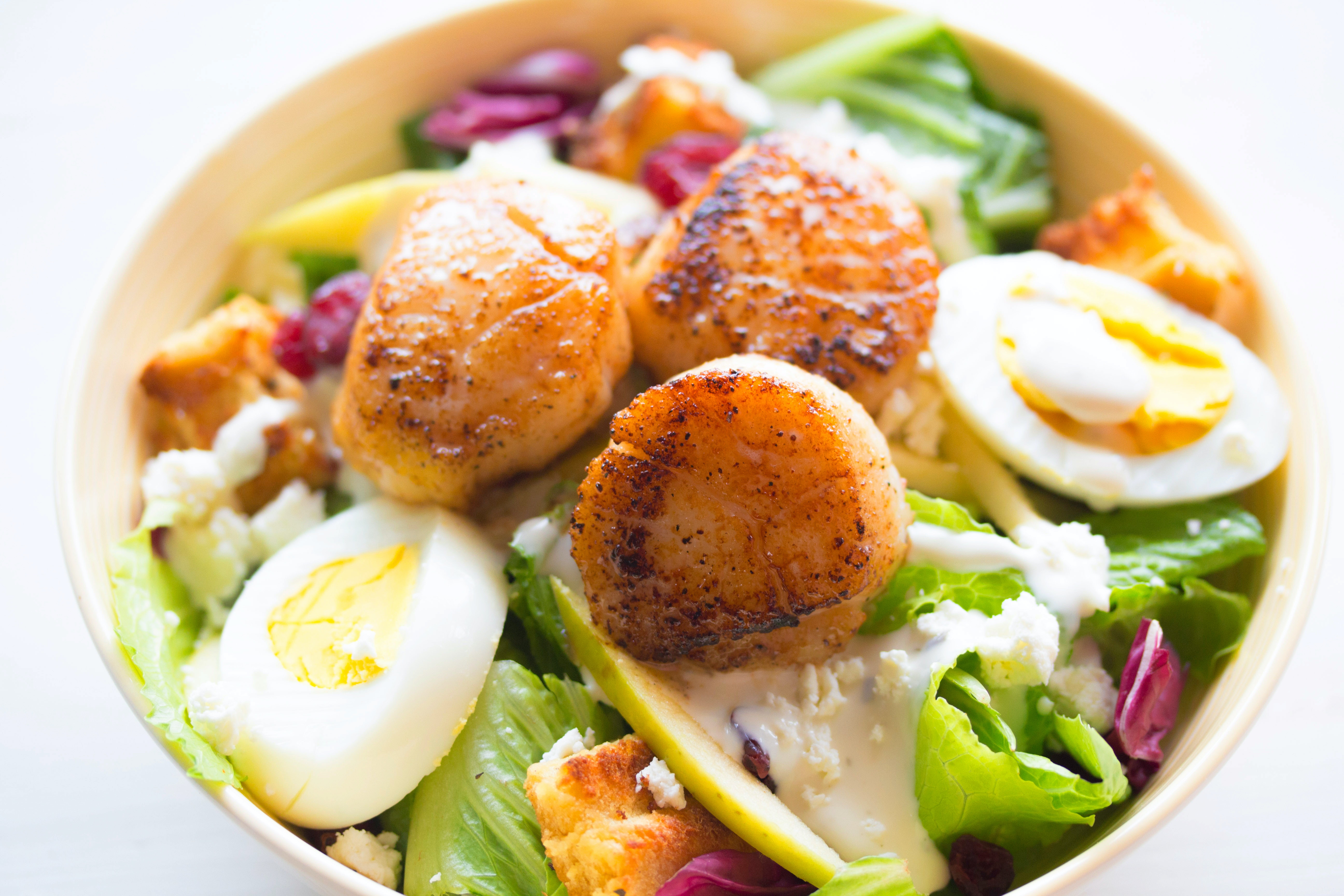
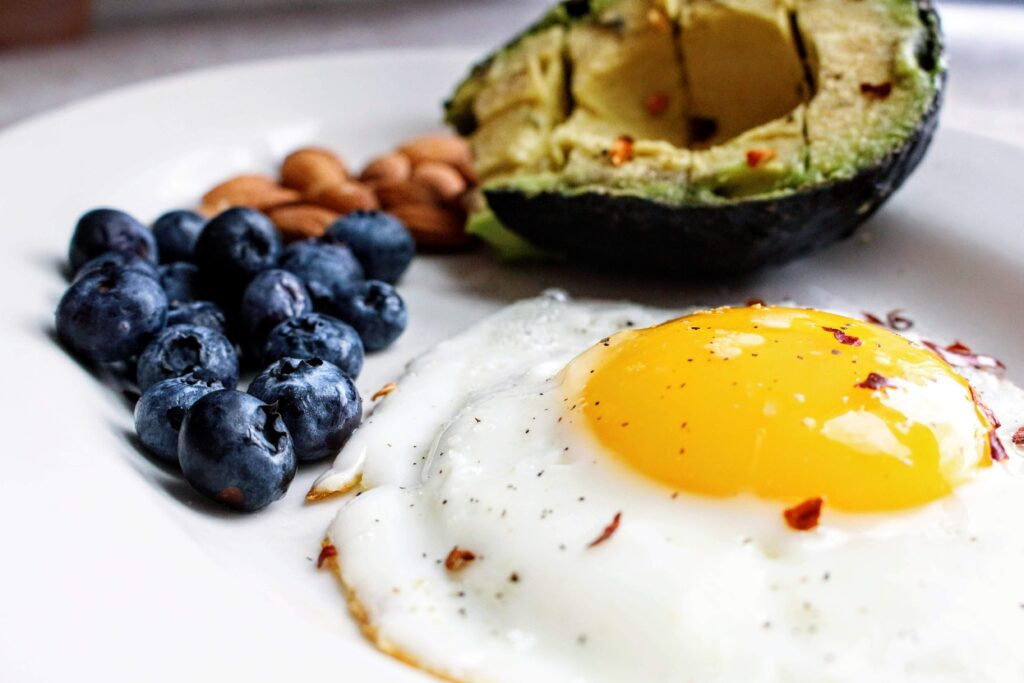
    Avocados, eggs, cheeses, cream sauces, salmon, scallops, trout, bacon, steak, fresh mushrooms, colorful vegetables, and so many other delicious foods made up their meals. Eating had become a treat. 

    A ketogenic diet is very low carbohydrate and high fat to feed your cells ketones.

    But more enjoyable was what happened to them. Within several weeks, the brain fog they both had experienced for so long, seemed to just lift. They both had a clarity they’d never really had before.

    They wouldn’t have believed it.

    Their energy for engaging in life, facing challenges, growing together as a couple, and feeling hope for the future began to permeate their minds and hearts. 

    Hope Was Growing

    Then, it happened. Five months after starting the ketogenic program, Danielle seemed to missed her period. She was worried that the PCOS was causing her menstruation to stop so she went to the gynecologist. 

    After an examination and checking her urine sample, the doctor came back in her exam room beaming.

    “Danielle,” she said. “You’re pregnant!”

    A ketogenic diet for polycystic ovary syndrome can balance hormones so you can ovulate.

    “Are you sure?? I have PCOS!”

    “Yes, I’m sure. You’re about 6 weeks along. Are you still participating in that ketogenic program?”

    “Yes, Zach and I both are. It’s helped us so much, we don’t plan to ever stop. It’s become a lifestyle. We’re both so much healthier and happier. And now we’re going to be a family!!”

    “I’m beyond happy for you both. I’m going to contact the author of that article you gave me about PCOS and ketogenic interventions and learn more. This may be a real breakthrough for other women like you. Please make a prenatal appointment for 4 weeks on your way out. And congratulations!!

    Danielle’s feet didn’t touch the ground as she walked to the appointment desk. She couldn’t wait to tell Zach. As soon as she got to the car, she called him.

    “Hi Daddy… “

    “Huh..? What do you mean?”

    “Just what I said. You’re a daddy. I’m 6 weeks pregnant!!!!!”

    Zach dropped the phone. She heard all the clunking clatter as he tried to retrieve it.

    “Are you serious???””

    “YES!!!”

    “I love you, Momma!!!”

    “Get off work as soon as you can. I’ll see you at home!”

    A ketogenic diet can restore reproductive hormones so you can ovulate. Congratulations.

    Thirty five weeks later, Danielle and Zach welcomed a beautiful 7lb. baby girl. For the next several weeks they were sleep-deprived, but phenomenally happy. Then, three and a half years after that, they welcomed an energetic 8 lb. baby boy. 

    The symptoms of anxiety, depression, insulin resistance, pre-diabetes, acne, and hair growth on her body had all long subsided. She felt resilient, confident, energetic and hopeful about her life and her family. Danielle could never have imagined a diet for polycystic ovary syndrome could have transformed their lives like it had.

    She and Zach had found metabolic balance and were vibrant. They relished their family life with exuberance. And they determined to bring up their children with healthy real foods that give their bodies the best foundation for health.

    Consider what Ketogenic Treatment Can Do For You

    You can reverse infertility with a ketogenic diet for polycystic ovary syndrome.

    What about you? Have you noticed how much can go wrong when your metabolism isn’t functioning at its optimum best? Do you suffer from depression, anxiety, brain fog… maybe insulin resistance causing weight gain? Do you have symptoms like Danielle did, or a diagnosis of PCOS? 

    It’s no less than remarkable what a ketogenic nutritional intervention can do to set your health on solid ground.

    If you can relate to any or all of Danielle’s symptoms, and you’re overwhelmed about what to do, call us.

    Touchpoints 180™ is Dr. Calabrese's program to help you achieve therapeutic nutritional ketosis so your mind and body can heal.

    Our Touchpoints 180™ program includes a customized plan by our registered dietitian with real food that you like, nature walks for exercise, relaxation, and fresh air, videos to show you how to prepare simple meals for your ketogenic diet, and lots of support. 

    We want you to enjoy optimum health, relief from symptoms, and the joys of a clear, bright outlook. Let us help.

    Lori Calabrese, M.D. is on the front end of the race to stop PTSD in its tracks using IV ketamine treatment.

    To the restoration of your best self,

  • The Amazing Symposium for Metabolic Health Was Smashing!

    The Amazing Symposium for Metabolic Health Was Smashing!

    Have you ever felt like you were drinking from a fire hydrant? Where the supply was so abundant you were overwhelmed at even trying to take it in? This is an understatement for the Symposium for Metabolic Health in San Diego hosted by LowCarbUSA with the Society of Metabolic Health Practitioners, August 17-20. Without question, this is one of — if not the — most powerful and informative conferences I’ve ever attended. Its impact on the care that we provide our patients has been extraodinary.

    So much of the value in the vast amounts of information, data, and research results that were shared, was in the depth of the science described and communicated by each speaker. The reasons that these strategies work.

    If I were to attempt to explain everything we heard at the Symposium for Metabolic Health, this blog would be 50 pages long! So while I hit a few of the highlights, know that what is here only scratches the surface from a throng of scientists and clinicians. Brilliant, dedicated professionals who delve into the biology and chemistry of life-changing strategies to restore health — and improve life — one person at a time through low carb and ketogenic interventions.

    The first day of the conference was dedicated to exploring ketogenic strategies in the treatment of cancer.

    Dominic D’Agostino, PhD talked about hyperbaric oxygen therapy, and how oxygen under increased barometric pressure can oxygenate a tumor and killl it from the inside out with oxidative stress.

    The Warburg Effect — tumors consume tremendous amounts of glucose compared to normal tissues, and the majority of glucose consumed by tumors is fermented to lactate.

    Tumor growth increases in relation to the amount of glucose in the blood.

    Ten years ago, there were 6 studies using a ketogenic diet in the treatment of certain cancers. Today, in August 2023, there are 62! Research is growing, and we’re learning more effective strategies to induce therapeutic ketosis effectively against some of the most aggressive and deadly tumors, like glioblastoma, a form of brain cancer.

    Nasha Winters, ND FABNO, talked about the impact of light on our metabolic health and how well our red blood cells receive light.

    She says we are living solar panels, and the red light we receive can penetrate our mitochondria. Light is the same as food for our cells. Photodynamic therapy uses a drug that serves as a photosynthesizer in the patient. Then, when the patient is exposed to light, the photosynthesizer makes a form of oxygen that can kill cancer cells.

    For example, niacin.. or niacinamide … is a possible photosynthesizer.

    Next up, Anthony Chaffee, MD spoke at this Symposium for Metabolic Health about the Metabolic Theory of Cancer. He pointed out that there are cancer driver genes in normal cells as well as malignant ones. And that cancer is rare in wild or properly fed zoo animals. In fact, there are no reports of breast cancer in chimpanzees. So why is that?

    Warburg’s Metabolic Theory of Cancer says that cancer arises due to damage to respiration in the cell. Cancer cells continue to ferment lactate in the presence of oxygen, and enhanced fermentation is the signature metabolic malady of all cancer cells. Since cancer cells need 400 times more glucose than normal cells, depriving them of glucose is a death sentence to cancer cells.

    Cancer cells cannot ferment ketones for energy. So, if ketones are increased, and glucose is reduced, then the lower glucose makes cancer cells unable to grow, while normal cells are unaffected.

    Regarding brain tumors, the more ketones available in your brain, the more your brain will run on ketones. Why? Because it will choose ketones over glucose when ketones are available.

    For example, a glioblastoma is the most aggressive malignant brain tumor. If you leave it untreated, most people will have a prognosis of 3 months. With traditional treatment removing it surgically, combined with radiation, you may have 15 to 18 months. Long story short, this diagnosis is not survivable with traditional treatment. It’s such defeating news for patients to hear. So they ask, “What can I do?”

    So, Dr. Chaffee then explains to his patient how a therapeutic ketogenic diet combined with strategic fasting can starve cancer cells in the brain.

    A full-time clinical neurologist in New Zealand, Matthew Phillips, FRACP stressed that a person needs hope, but hope alone isn’t enough. That person also needs a plan, not just in terms of “how”, but also he needs to know “why.”

    Currently, the Standard of Care includes surgery, radiation, and chemotherapy, not necessarily in that order.

    But metabolic strategies are methods that induce physiological ketosis. These include prolonged fasts, intermittent fasts, and ketogenic diets very high in fat, with adequate protein, and very low in carbohydrates (ideally, free of processed foods.)

    He described a case study. This woman received a diagnosis of a metastatic thymoma (a malignant tumor of the thymus gland). They treated her with a prolonged 7 day fast every 1-2 months, using a ketogenic diet in between fasting times. The tumor shrank. After a time, she relaxed the ketogenic diet to some degree, and the tumor grew again. So she returned to the ketogenic diet, and now six years later, the tumor has regressed 95% with no other treatment.

    The rest of this symposium was chock-full of digestible chunks of metabolic health and healing…

    Jayne Bullen, PhD, talked about the Gut-Brain connection. She described how the enteric nervous system has between 100 and 500 million neurons, which is the largest collection of neurons in the human body, outside the brain. This is why we call it the “second brain.

    The gut represents the largest surface area exposed to the external environment. The length of your GI system (from mouth to anus) is 30 feet. That’s a lot of surface area! And what’s surprising is that 90% of your serotonin, that beloved neurotransmitter that helps you feel right with the world, is located there!

    The GI tract contains the largest population of microorganisms in the human body. That ecosystem is comprised of microorganisms, including bacteria, fungal and arachaea, or single-celled organisms.

    This system knows when you’re stressed and reacts to how you feel. You can’t differentiate your digestive health from your mental health. They’re intertwined. So a happy gut co-exists with a happy brain, and by the same token, digestive issues can lead to problems with mood or behavior.

    And she discussed how 90% of diseases originate and are related to this microbiome.

    So about the vagus nerve. It’s a critical part of the parasympathetic nervous system, which soothes the sympathetic nervous system after it has activated the flight or fight response. When the vagus nerve activates, blood flows and  you can rest…and digest food.

    The vagus nerve controls digestion, heart rate, swallowing, and even your immune response.  Also it contributes to spitting, vomiting, coughing, and sneezing. So with that in mind, when the vagus nerve is quiet, and the sympathetic nervous system is activating flight or fight, you can’t digest food well. 

    So during this response, you should not be eating. The vagus nerve needs to quiet this response so you can rest and digest.

    She reports that within 2 years of developing Type 2 diabetes, most of her patients had suffered trauma.

    She stresses that human beings need to not eat when they’re stressed. They’re the only mammal on earth who does eat when they’re in an activated/sympathetic state. Their gut knows that when they’re in a sympathetic excited state, they cannot digest food; they should not be eating.

    She recommended an excellent article about this: Vagus Nerve as Modulator of the Brian-Gut Axis in Psychiatric and Inflammatory Disorders published in Frontiers in Psychiatry.

    Chris Knobbe, MD spoke on the apocalypse of vegetable oils and omega 6. He emphasized that vegetable oils are chronic biological poisons. He says we keep supplementing our animal fats with vegetables oils and we keep getting fatter and sicker.

    Omega 6 is linoleic acid (LA). Native populations consume less than 2% of their fats as LA, whereas western diets today consume 7-12% of their fats as LA.

    They are pro-oxidative, pro-inflammatory, toxic, and nutrient deficient, and put this together:  it is the ultimate recipe for metabolic disease and physical degeneration.

    He mentioned a review of the Maasai group of western Tanzania:

    They eat a diet of milk, meat and blood:  3000 kcal/day diet, 66% animal diet until 34, 40—46% saturated animal fat, and it is the highest fat diet in the world, but they have no heart disease. Most importantly, they have no vegetable oils.

    He talked about how the real culprit causing obesity and Type 2 diabetes is not sugar but seed oils. He said the sale of sugar has been falling since 2004, but obesity is rising. Since 1997, carbohydrate consumption has steadily declined and sugar consumption leveled off in 2016, but diabetes has increased 35 fold.

    In 1965, omega 6 (LA) consumption was 1.1%. By 2008, it had increased 10000%, which is 11-fold. 

    His declaration is that to be disease free, be seed oil free.

    I wish I could go on and on, sharing all I heard and learned from all the spectacular and knowledgeable speakers at this Symposium for Metabolic Health. (But I’d go on too long and you wouldn’t have time to read it all, anyway!)

    About  Brenda Lennerz, MD, PhD, who talked about Type 1 diabetes in children, and the unique risks of a ketogenic diet in these patients, the contrast between ketosis and ketoacidosis, the first being physiological and the other being pathological.

    About Robert Cywes, MD, PhD, and fitness vs. fatness, insulin resistance in heart disease, sudden cardiac death in people with diabetes, and the danger of excessive consumption of sugar and carbohydrates…a ketogenic low carb high fat diet and physical exercise restores insulin sensitivity, treats obesity and Type 2 diabetes, and reduces risk of cardiovascular disease.

    And about Joe Wortman, MD, who was vegan for 17 years and still developed Type 2 diabetes, so he switched to a ketogenic diet.

    About Tony Hampton, MD, who talked about 15 lessons why vegans and carnivores should live in harmony! Great points!

    And about Stephen Phinney, MD, PhD,  who talked about low carb, keto, or nutritional ketosis, and how most humans can safely live with a low carb diet for decades. He explained the difference in ketone levels with these nutritional approaches, compared to the pathologically high ketone levels in ketoacidosis. 

    and Mr. BenBo (Ben Bocchicchio), fitness pro bar none and author of Metabolism at a Glance, who talked about how, “exercise is working all of the muscle fiber types to a point of failure, to a point of threshold, so that we can activate all of these metabolic pathways.” Great and very practical talk about exercise and metabolism.

    …And of course, Mark Cucuzzella, MD a powerhouse whom I love listening to, speaking about the pathophysiology of coronary artery disease. He shared the beauty of a CAC, a Coronary Artery Calcium score — a $99 CT scan test that can measure the actual plaque in your coronary arteries. It blows away anything else they do in preventive cardiology looking at cholesterol.

    And I’m still just scratching the surface. There were so many who invested their time to teach so much and so many volunteers and sponsors who made it all possible! The talks, the groups, the exhibits, the break-outs, the chats in between… the new friends we made, the volunteers, the delicious dinners. Doug and Pam Reynolds are the superpowers who put this together. Thank you!

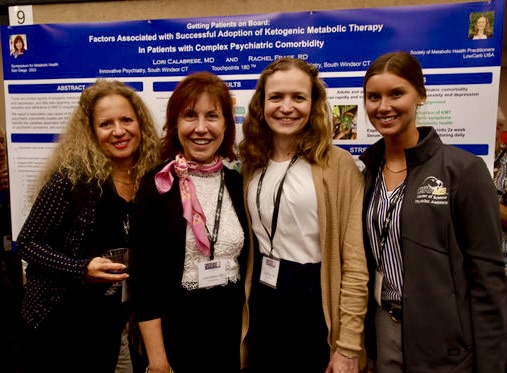
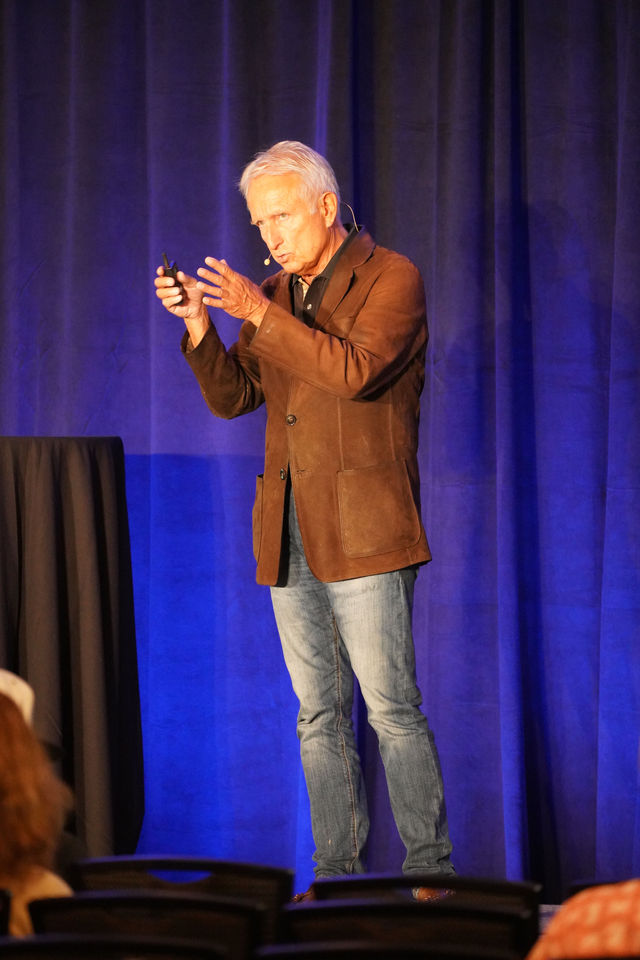
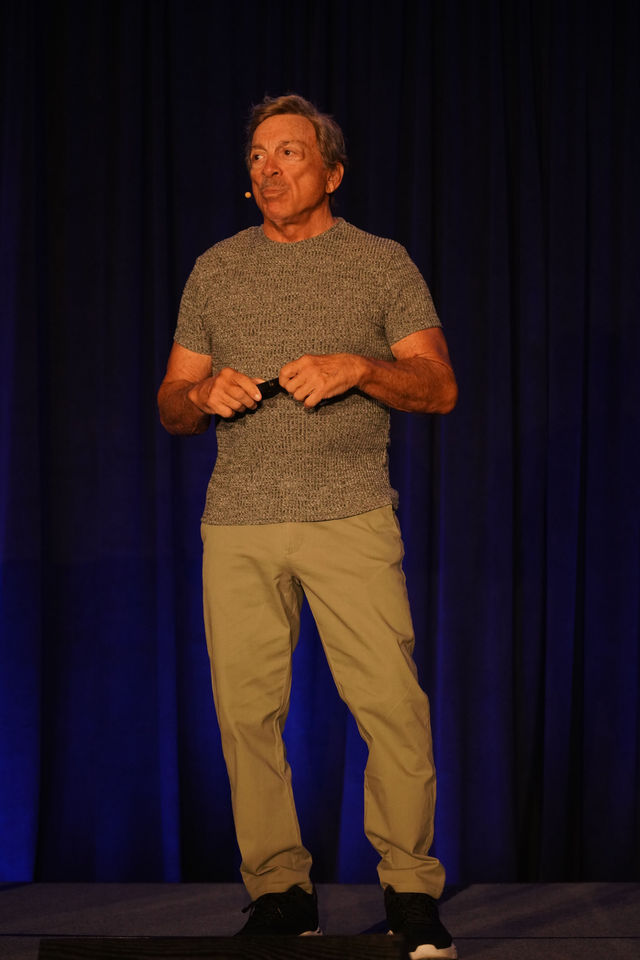
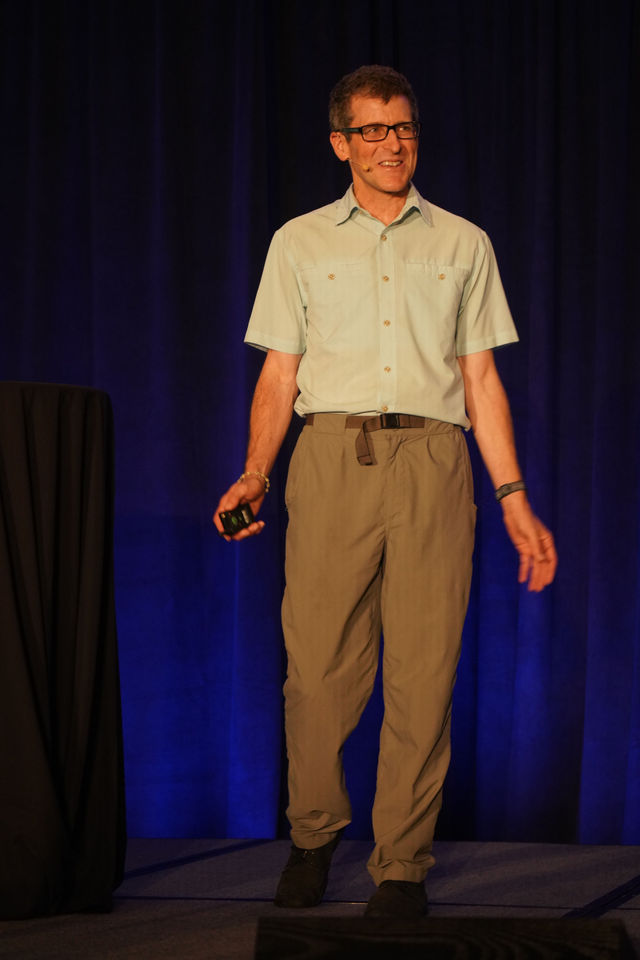
    At the top of this post, you can see us with friends in front of the research poster we presented from our Metabolic Psychiatry practice describing our results with Ketogenic Metabolic Therapy in Patients with Complex Psychiatric Comorbidity.

    I couldn’t resist bringing you these little nuggets. Keep checking back as we discuss more concepts brought forward during this conference.  The impact on health and longevity using ketogenic nutritional interventions for metabolic and psychiatric illness is staggering, and full of hope for your future.

    If you suffer with psychiatric symptoms, if your metabolism is off, if you can’t lose the weight you’ve gained along the way, and you’re sick of it, call us.

    Touchpoints 180™ is Dr. Calabrese's program to help you achieve therapeutic nutritional ketosis so your mind and body can heal.

    Touchpoints 180™

    We can introduce you to our Touchpoints 180TM program, and the possibilities for your dramatic health improvement.

    Check out our new TikTok account @loricalabresemd as well as our Instagram reels!

    Lori Calabrese, M.D. is on the front end of the race to stop PTSD in its tracks using IV ketamine treatment.

    To the restoration of your best self,

  • Exciting News!! The Symposium for Metabolic Health San Diego 2023

    Exciting News!! The Symposium for Metabolic Health San Diego 2023

    Hosted by LowCarbUSA and the Society of Metabolic Health Practitioners

    August 17 – 20, 2023

    This exciting Symposium for Metabolic Health San Diego 2023 is all about metabolic health. It includes up to the minute information about low carb treatments in oncology, neurology, cardiology, and psychiatry, including ketogenic psychiatry. The Symposium is hosted by LowCarbUSA and the Society of Metabolic Health Practitioners. It’s a strategic conference of experts on prevention as well as remission of metabolic disorders. Metabolic strategies can target conditions like cancer (including glioblastoma), obesity, Type 2 diabetes, and hypertension. Cardiovascular disease, epilepsy, and fatty liver can — and do — go into remission. We will cover Alzheimer’s, neurological disorders, mental health conditions, and more… Nutritional interventions and metabolic protocols address, and can dramatically improve mitochondrial functioning. They are literally life-saving and life-changing.

    Speakers represent a veritable “Who’s Who” in metabolic health breakthroughs and medical and nutritional interventions from around the world.

    Let’s get to know a few on a first-name basis. 

    Miriam Kalamian, EdM, MS, CNS

    Miriam is a leading voice in the keto movement, and she tells the story of her son’s brain cancer. She’ll be hosting a panel on the first day of experts using low carb approaches in cancer treatment. She has first hand experience in using a ketogenic diet to fight her son’s malignant brain tumor, write a book about it, and share her experience. It’ll be so wonderful to have her moderate the speaker’s panel on the first day of clinicians and scientists studying ketogenic metabolic therapies in cancer.

    Matthew Phillips, FRACP

    Matthew is a physician and research neurologist in New Zealand, and an innovator. He proposes a need to radically rethink the concept that cells are the building blocks of life. Instead, he argues that mitochondria are the fundamental essence of complex life. And — if you have good mitochondria and cell health, you’ll have good health. This Symposium, he says, is “not just about listening to presentations; it’s about engaging in critical discussions, questioning old paradigms, and being part of the shift towards more comprehensive health strategies.” He is a trailblazer, and the first physician to conduct randomized trials to examine the benefits of ketogenic strategies for people with Parkinson’s and Alzheimer’s. He’s currently conducting a trial using ketogenic diet and fasting in patients with glioblastoma multiforme. Remarkable!!

    Jayne Bullen

    Jayne is managing director of Nutrition Network with a research, science and MBA background. She’ll be speaking about “Gut-Brain” inspired by her own journey to achieve remission from metabolic illness and its connection to psychiatric conditions. “It’s obvious that all diseases begin and end in the gut, once we really start to look at it,” said Jayne. “So from an immunity perspective, every digestive disease that’s known is caused by and replays into the diet. And the massive increase in gut problems and dysfunctional digestive system conditions that we’re seeing in the world today is obviously directly correlated with the gross overconsumption of carbohydrates.”

    Brian Lenzkes, MD

    Brian is an internal medicine physician in San Diego who shares his own battle with metabolic illness. He is open about the fact that that in spite of his medical knowledge, he’s struggled with obesity all his life. In 2017, he even became prediabetic. Even so, he was voted “Top Doctor” in San Diego for 11 years, and yet saw more and more patients declining and needing more and more medication. Something was missing. Fortunately, he attended LowCarbUSA  two years ago, and what he learned there changed his practice and transformed his life. As a result, he is now a co-host on Low Carb MD, is Medical Director for TriSystem Nutrition, and has been a speaker on Nutrition Network and many podcasts. As you can imagine, he’s excited about the prospect of working with medical professionals to reverse the healthcare crisis the world is facing.

    Robert Cywes, MD, PhD

    Robert trained in South Africa and currently practicing in Jacksonville and Palm Beach, FL. He’s a pediatric surgeon, and adult bariatric surgeon, who developed the Carbohydrate Insulin Model of Obesity and Diabetes (CIMOD). He speaks internationally on the physiological impact of carbohydrate consumption as the primary cause of the Chronic Non-Communicable Disease (CNCD) epidemic. He developed a program for adolescents that treats carbohydrate addiction and obesity, and families with obese teens seek him out as a foremost authority on the treatment of adolescent obesity.

    Nasha Winters, ND, FABNO

    Nasha is a global healthcare authority and best-selling author in integrative cancer care. After creating robust educational programs for both healthcare and the public, she has a new focus: opening a comprehensive metabolic oncology hospital and research institute. Explicitly unique, it will offer the best standard of oncology care along with the most advanced integrative therapies.

    Chris Knobbe, MD

    Chris is an ophthalmologist and researcher, formerly from University of Texas Southwestern Medical Center, and is known for his work connecting westernized diets and polyunsaturated vegetable oils to numerous chronic diseases. Conditions like coronary heart disease, hypertension, stroke, cancers, type 2 diabetes, metabolic syndrome, obesity, Alzheimer’s disease, autoimmune diseases, and age-related macular degeneration (AMD) can all be linked to seed oils. Don’t miss his presentation, “Omega-6 Apocalypse: Vegetable Oils, Overweight, and Chronic Disease – What’s the Evidence?”

    The list goes on… and on!

    Dominic D’Agostino PhD, Anthony Chaffee, MD, Wafaa Abdel-Hadi MD, Patrick Philips, FRACP, Brad & Maggie Jones — and those are the giants speaking on just the first day. Jay Wortman, MD, Peter Ballerstedt, PhD, Michael Hoffman MD, Gary Taubes MD, Belinda Lennerz MD, Mark Cucuzzella MD, Tony Hampton MD, Steve Phinney, MD PhD…. does it get any better than this?

    This gathering is rich with world-renowned experts who have personally witnessed the gamut of diseases and catastrophic illnesses brought to remission by nutritional interventions focused on restoring metabolic health with a low carbohydrate / healthy fat lifestyle — for some that’s a ketogenic diet, or what we call a KMT (a ketogenic metabolic therapy used seriously as treatment), but there are other low-carb strategies we can use to achieve metabolic health.

    The first day of the Symposium for Metabolic Health will focus on cancer treatment. (Yes, cancer!)

    After that, for the remaining 3 days, we’ll hear from everyone I’ve mentioned and more — doctors, nutritionists, fitness experts, researchers… about insights, protocols, treatments, outcomes, emerging research, and significant successes with patients. And we’ll bring it home and use what we learn from these experts to enrich our care and treatment of you.

    We can’t think of any better way to learn the most up-to-date science, absorb the clinical research, and come back better.

    Our Presentation

    We’re excited to present our own clinical results at this conference. Our research poster showcases how we use metabolic approaches and Ketogenic Psychiatry to treat anxiety and depression across the board. Our results highlight how to figure out who gets better with this nutritional ketogenic approach — real life folks with complex and multiple psychiatric symptoms and disorders. We’ve got data on what it takes to engage, get into ketosis, get your symptoms into remission, and achieve metabolic health.

    And we’re so excited to share it at this Symposium in a veritable feast of trailblazers who are brilliant, passionate, and highly professional.

    Just imagine: Every person who is speaking at Symposium for Metabolic Health San Diego 2023 has seen the kind of dramatic remission that most people think is just not possible in a long list of life-limiting and life-threatening conditions: Alzheimer’s, stroke, epilepsy, brain injury, obesity, addiction, OCD, eating disorders, diabetes, depression, bipolar disorder, anxiety, cardiovascular disease, cancers like glioblastoma multiforme.

    We’re truly in a new era of healing and restoration based on scientific research into metabolic therapies.

    It’s changing lives. And it could just change yours.

    Everything we do is to improve our patients’ outcomes with more effective treatment… so you can enjoy a healthier, richer, more rewarding life. You’re why we get up in the morning.

    Lori Calabrese, M.D. is on the front end of the race to stop PTSD in its tracks using IV ketamine treatment.

    To the restoration of your best self,

  • Is Self Harm Tormenting Your Teen? Ketamine Can Help!

    Is Self Harm Tormenting Your Teen? Ketamine Can Help!

    Is self harm tormenting your child? Check in often on your teen's wellbeing.

    Kinsey recoiled when her mom screamed, “If you don’t cooperate I’m going to kill myself! Do you want that on your conscience??” The security she had felt when she was younger, with both parents making her world safe, seemed to be disintegrating. She felt guilty, confused, and terrified. She trusted her parents, but her mom was saying more and more shocking things, and Kinsey didn’t know what to think or feel. When her dad came home, they ate dinner, then from her room later she heard her parents shouting at each other. Kinsey sat in the corner in her room and pulled up her pants leg and slowly applied her Swiss army knife to the skin on her ankle…slowly but surely breaking the skin and making a tiny line of blood alongside the scars left from other times like this. Somehow as her skin stung from the cut, she began to feel some relief from the anguish. Self harm tormented Kinsey in the chaos of her family crisis.

    Strangely, Cutting Helped

    After awhile, she felt calmer. The angry sounds in the house became quiet.  She leaned her head against the wall and let out a breath. Pulling her sock up and smoothing her pants leg down over her ankle, she got up and crept downstairs. She found her mom in the kitchen.

    “Your father has become impossible to live with. I’m moving out tomorrow.”

    “Oh mom, NO!!!”

    “Yes, I can’t live with his self-righteous attitude another day. I need to be free to live my life.”

    If self harm torments your child, she may need IV ketamine for depression.

    Kinsey’s dad didn’t seem self-righteous to her… he just seemed tired. But she trusted her mom and if she said her dad was self-righteous then maybe he was. And if he was, then maybe it was his fault that her family was falling apart. Thoughts of self harm tormented and pulled at her.

    Her Parents Separate

    The next morning, while she ate her breakfast, her dad sat down with her and told how sorry he was that this was happening. He assured her he didn’t want her to feel she was choosing between her parents, but this was her home, her neighborhood, and if she preferred to stay here while her mom tried to figure out what she wanted, that was her prerogative. 

    He told her he loved her no matter where she was and would do all he could to support her through this.

    Tears filled her eyes. 

    When she got off the bus that afternoon and unlocked the door of her house, she discovered much of the furniture was missing.

    Kinsey was stunned.

    She didn’t even know where her mom had gone.

    Kinsey was shocked to discover turniture gone from her home. Self harm tormented her.

    She perched on a chair in the living room and wondered what to do with herself. Then, she began to cry. She felt afraid for her mom who seemed so lost. And angry at her dad for not preventing this.

    As was her habit at times like this, she pulled out her Swiss army knife and went to work on her ankle. There were now rows of scars from the cutting, and as she drew her finger across them, she felt a little better. Self harm tormented her as she drowned in anguish.

    Moving In With Mom

    A week later, her mom came by after school, told her where she had moved, and suggested they pack her belongings so she could move with her. Kinsey felt conflicted. She had grown up in this house, had friends in the neighborhood she’d known all her life. To move somewhere else sounded lonely.

    But, being without her mom seemed lonely too.

    Kinsey's mom had been nurturing throughout her life, in spite of her problems.

    Her dad was only home in the evening, and he was always tired. But he was the person who seemed to provide stability in their family. Even so, her mom had always nurtured her, in spite of her problems. And the thought of being without that left her feeling bereft and isolated…something like a life boat floating alone in the ocean. Thoughts of self harm tormented and nagged at her.

    So she filled her suitcase with clothes and her favorite items, along with her toothbrush, and loaded it into her mom’s car.

    Her anger toward her dad grew for letting this happen. And her need to stay near her mom to protect her became more intense.

    That night her dad called. He reminded her that he loved her, and missed her already. But he wanted her to do what she felt she needed to do. And invited her to come home for dinner on Friday night.

    She felt so alone as her mom withdrew from life.

    As the week dragged by she noticed her mom wasn’t doing well.

    Mom would be asleep when she got home from school, and didn’t wake up till dinner time. She told Kinsey there was bread and cheese in the fridge and to feel free to make herself a grilled cheese sandwich.

    What??

    Her mom not only moved out of their home, but was also no longer cooking for her? It was like Kinsey was living in an apartment by herself, taking care of herself. To add to that, her mom was barely functioning. Urges of self harm tormented her.

    At dinner on Friday she was afraid to tell her dad what was going on. The worse things got, the angrier toward him she felt.

    Weeks went by like this, and Kinsey felt herself sinking into a darker and darker place. Her life seemed so absurd, and her motivation to do well in her 8th grade classes began to fade. She clashed often with her mom, confronting her about her own responsibility, and her mom lashed back…often threatening suicide if Kinsey didn’t support her.

    Confrontations with her mom's threat of suicide led to self harm tormenting her.

    After these confrontations and her mom’s responses, Kinsey felt like she would explode. Sometimes she would slap herself and beat her fists against her head, unable to cope with the anguish she felt.  And there was just nowhere to turn for help. Self harm tormented her to find her knife.

    No one knew.

    Kinsey Withdraws

    Over the next few months, Kinsey and her dad went out for dinner once a week, and he’d try to encourage her to talk about her life, her school, her friends. She said very little, aside from frequent jabs at him for letting their family fall apart. 

    He tried to help her see that he hated all this, but did not have the power to control her mom’s behavior. He hinted that her mom had a disorder but was not willing to get treatment. So far…

    That just made Kinsey angrier.

    Finally, six months after her parents’ separation, he invited Kinsey to a long weekend trip at the beach. Kinsey loved the beach, the ocean waves, and the seafood.  But she didn’t want to be alone with her dad. Even so, she grudgingly agreed.

    They played in the waves, soaked up the sun, and enjoyed delicious seafood meals at the specialty restaurants along the boardwalk.

    After about 24 hours there, Kinsey began to relax.

    Is self harm tormenting your teen? IV ketamine can help.

    Dad Helps Kinsey Explore What’s Happened

    For the first time, her dad noticed that there were small parallel scars on Kinsey’s ankles. He was alarmed, but tried to not show it. As they sat in the shade, sipping lemonade freezes, her dad gently asked about the scars.

    She instinctively covered her ankles with her towel, because she didn’t want Dad to see how self harm tormented her. She didn’t understand it herself.

    “I don’t want to talk about it.”

    “I respect that, honey. Just know that I love you. No matter how awful all this is, nothing can change that…. The truth is, I’m hurting, too. I keep hoping we can put our family back together, and I don’t know how to do that. But meanwhile, you need to know how important you are to me, and that you’re not facing this alone.”

    “Mom’s not doing well.”

    “I can imagine that’s true. But do you feel safe at home?”

    “I feel like I have to take care of myself and mom. I’m tired. And I have no friends. I wish life was like it used to be. Sometimes I don’t want to live anymore.”

    Teens withdraw when they feel depressed and when self harm torments them.

    “Kinsey, it isn’t your job to take care of Mom. You’re 14 years old — geez! —and have your hands full with school and life. You need to have the freedom to spend time with friends and have fun. The truth is, you don’t have the power to change your mom’s choices. She has to do that for herself.

    “I’d like to ask you to at least think about coming back home and living with me, getting back with your friends, and letting your mom work out her own situation. It’s true that I can’t be there till dinner time, but maybe we could get help from your friends’ families for you to have company in the afternoons. 

    “Or maybe I could hire someone to be at the house when you come home from school, and cook dinner. We’ll figure something out so you aren’t alone. No pressure…just think about it. You deserve to be a kid.”

    Kinsey looked at her hands, and nodded.

    She thought about how many times when she was cutting her ankles, she thought how easy it would be to cut her wrists and escape all this.

    But she’d never done it. Not yet.

    They finished their lunch, then walked down the boardwalk and browsed in the shops. Kinsey bought a t-shirt and a tote bag to carry her towel and phone. She was relieved to not feel self harm tormenting her.

    Shopping can give a depressed teen a lift.

    She felt relief at being able to do these simple things in the sunshine after all these months in a dark apartment.

    Dad Offers Hope

    The next morning, over breakfast, Kinsey’s dad broached the subject again. 

    “Honey, I did some exploring on my laptop and learned some things I didn’t know before. I learned that sometimes teens cut or hit themselves when the anguish they feel is too much to bear.

    “That’s oversimplifying things, I know, but I wanted to suggest that we talk about what can be done to help you feel better.

    “Honey, it wouldn’t be surprising if your life has been harder to live the last couple years due to problems at home, and mom’s symptoms getting worse, and then your mom’s and my separation.

    “I can imagine it has all caused you a great deal of conflict, as well as feeling helpless. And it’s also possible that it has resulted in you becoming depressed. If that’s the case, then it’s treatable.  And you can feel better. Would you be willing to see a doctor to find out if there is something that would help?”

    “Dad, the idea that something can be done to help me feel more like living than wishing I could die sounds hopeful, in a way… But who knows? I have no idea.”

    Kinsey felt so much better after IV ketamine treatment.

    “Ok, I learned there’s a treatment that can do amazing things for depression. It’s called IV ketamine treatment. If it’s ok with you, I’d like to take you to the doctor to see what she says…”

    Ketamine Treatment for Depression

    The following Wednesday, Kinsey’s dad picked her up at school and took her to the appointment he’d made with a psychiatrist he’d found who offered ketamine treatment.

    After taking a thorough history, she agreed that Kinsey suffered from major depressive disorder, and that her self-harming behaviors were linked to it. She was very hopeful that IV ketamine treatment could make a real difference.

    So her dad left work early to pick her up at school twice a week, to receive these infusions.

    By the third infusion, she could feel herself relaxing. She told her dad she’d like to come back to live with him, she was just worried about her mom being ok.

    The idea of dying, or escaping through death, had faded away and she wasn’t thinking like that anymore.

    By the fifth infusion, she began to feel hope, and a sort of brightness. In all, she received 8 infusions, and continued to feel more and more upbeat for weeks after the last one.

    A teen girl needs friends outside her family to develop socially.

    She embraced her school work again, and laughed with her friends. When she woke up, she sang in the shower in the morning, and walked to the bus with a spring in her step.

    She finally realized she hadn’t cut herself in weeks, which was a relief when she realized it. Self harm tormented her no longer.

    Kinsey also had the resilience to call her mom and talk to her, no matter how her mom reacted, and to hang up knowing her mom’s problems weren’t her fault. That’s not to say her mom’s confusion didn’t cause Kinsey to cry at times, but it was because she was sad for her, and loved her, but not because she thought it was her responsibility to save her.

    In the safety of her home, with her dad’s support, Kinsey began to thrive again

    How About Your Teen?

    Your teen can recover from the torment of self harm and depression with IV ketamine treatment.

    More and more, we see teens whose life circumstances or psychiatric symptoms are so difficult, that they use self-harm to cope. It’s easy for parents to miss, because whatever harm they inflict on themselves is carefully hidden.

    Parents can gently and respectfully approach their teens, check on their wellbeing, and hopefully verify whether they’ve harmed themselves through hitting, cutting, burning themselves or even breaking bones repeatedly, so they can offer hope through treatment.

    If your teen can relate to Kinsey’s symptoms or circumstances, call us.

    Since teens don’t have the development to cope with severe circumstances that they may have in adulthood, it’s imperative to help relieve them of emerging behaviors like self harming.

    When self harm torments long enough, it can become compulsive. So early treatment is important. Ketamine treatment can be effective in stopping self-harm.

    Together, let’s help them thrive again and grow into a bright future.

    If you or your teen suffers from suicidal thoughts, Help is Available. Call the Suicide and Crisis Hotline 988 now.

    Lori Calabrese, M.D. is on the front end of the race to stop PTSD in its tracks using IV ketamine treatment.

    To the restoration of your best self,

    Let us help you help them.

  • Can Ketogenic Psychiatry Quiet OCD? You Bet It Can!

    Can Ketogenic Psychiatry Quiet OCD? You Bet It Can!

    Ketogenic psychiatry can quiet OCD symptoms.

    Jenni locked the door, then tried the knob. It wouldn’t open. Then, she inserted the key to unlock it, opened the door and closed it again, locked it, and tried the knob. It seemed locked, but what if it wasn’t? She inserted the key and unlocked it, opened and closed the door again, and locked it. Again. Better be sure. She again inserted the key, unlocked it, opened the door, and closed it again, and locked it. She tried the knob, and it seemed locked, but she had to be sure. One more time for good measure, she inserted the key, unlocked it, opened the door, then pulled it closed again, and locked it. It was hard to let go, but she just had to get to work. So she forced her hand off the knob and walked to her car. (She didn’t know that ketogenic psychiatry can quiet OCD.)

    Once she arrived at work, she lined up the papers on her desk to align them with the edges and angles of her desk. Then, for good measure she lined up everything again. Finally, she picked up the report on the top of the stack and began to analyze it.

    Ketogenic psychiatry can quiet OCD symptoms.

    Intrusive Thoughts – And Reactions – Interrupt

    After about 15 minutes of analysis, she headed to the restroom to wash, rewash, and re-rewash her hands again. The idea that the germs on the paperwork could have contaminated her drove her to wash her hands thoroughly. As the soap and warm water flowed over her hands, she felt such relief. Then, she returned to her desk.

    Jenni’s boss considered her an asset to the office, as she was efficient and intelligent, and nothing if not tidy. However, she took so many bathroom breaks. They seemed to be just to wash her hands at length; but on bad days, they interrupted her work flow to the point it was an obstacle to getting her work done. If only she had known that ketogenic psychiatry can quiet OCD.

    Fifteen minutes later, she walked back to the restroom.

    Her boss noticed, and thought, This is going to be one of those days, and quietly sighed.

    When Jenni returned to her desk, she carefully re-aligned all the papers and items on her desk, then opened the center drawer and re-aligned all the pens, pencils, and paper clips in that drawer, three times, before she started back with her analysis.

    But touching all those items triggered thoughts about all the germs she likely picked up, so she headed back to the restroom to wash her hands, again three times. On some days, she worried more than on others. Sometimes her fear of infection grew more and more intense inside her

    Washing her hands thoroughly was the only thing that seemed to relieve that tension inside her.

    True that her hands were dry and cracked from all the washing and soap, but it was a small price to pay to feel safe from infection.

    On her drive home, she often found it difficult to drive through stop signs. Each time she would start across an intersection, she would have the thought of hitting a pedestrian, so she’d stop, back up behind the stop sign, then slowly try again. Cars would stack up behind her, honking.

    Driving through a stop sign can seem treacherous with OCD.

    By the time she could force herself to proceed across an intersection, her hands were sweaty and shaking, and her heart pounded in her chest, frantically anticipating the sound of a thump as she hit or drove over someone. 

    Unfortunately, she started the entire process over again at the next stop sign.

    The commute, which would be a 20 minute drive for someone else, took her an hour to an hour and a half, because of these delays.

    Once home, she’d unlock the door, walk inside, and begin the task of locking and unlocking the door. Over and over and over.

    Then, she’d proceed to her bedroom and align and re-align all the items on her dresser, then refold all her garments in her chest of drawers, and finally the hanging clothes in her closet. She made sure there was exactly half an inch between hangers on the rod, with each shirt and jacket facing the same direction, and sorted according to color.

    Ketogenic psychiatry can quiet symptoms of OCD.

    Once that task was completed, she would go to the kitchen to clean out the refrigerator, as she did every day.  Only then could she begin to prepare supper.

    Hand washing had to be done when she returned home, as soon as she walked in, and again after the bedroom tasks were complete so she wouldn’t cross contaminate the germs in the bedroom with those in the kitchen, then after the refrigerator was clean and tidy, before she cooked, after eating, and after the dishes.

    There was so much work involved in her day, but taking the time kept everything tidy and clean, and that helped her to feel safe. Some day she would learn that ketogenic psychiatry quiets OCD.

    One day, Jenni’s boss Cara, called her into her office.

    “Please close the door, Jenni, and have a seat. We need to talk about your productivity. You’re an intelligent woman, and the work you do is exemplary.”

    “Thank you, Cara.”

    A ketogenic diet can quiet the symptoms of OCD at work and home.

    “The problem is that all the interruptions you have during your work day decreases what you actually produce so drastically that you show the lowest results of anyone in the office…”

    “Interruptions? No one ever talks to me or visits me at my desk…”

    “That’s what I want to talk about, Jenni. Your trips to the restroom are only minutes apart. Your rearranging of your desk and drawers gets redone sometimes 15 or 20 times a day. Can you imagine if you could focus on actually getting your work done how much you could accomplish in a day?”

    Tears filled Jenni’s eyes and she stared at her hands. 

    In a tiny voice, she said, “I know, but need to do those things. They help me. They calm my worrying. And then I can focus and I really get things done. ”

    “Jenni, I’m not a doctor, but it’s possible that there is something going on. If that’s true, I believe it can be helped with the right treatment.”

    “Cara, I know my habits are a little strange, but I’m not out of control or anything.”

    “Jenni, your intelligence and attention to detail are an asset to this department. But each year I’m required to lay off the lowest producer on my team and hire someone new. I don’t want to have to do that with you, but at this point, you’re the lowest producer. We have some time, and I’m hoping you’ll seek out some treatment that will help you get more done. I don’t want to lose you.

    A ketogenic diet can quiet symptoms of OCD.

    “Here is the website and phone number of a practice that has some innovative ideas for helping people with conditions like this. They call it Touchpoints180™ and they offer a program that’s remarkably effective. Would you please call them and see if they can help?”

    Jenni’s rituals continued without change that day, but she did make the call on her lunch hour. 

    That evening, she looked up the website on her lap top at home, and learned about the benefits of Touchpoints180™. She googled her experiences which the internet called “symptoms.” It had all been so consuming, she hadn’t thought of her behavior as “symptomatic.” It was just how she felt, and what she did when upsetting thoughts came into her head.

    But, what came out seemed to indicate she could have symptoms of Obsessive Compulsive Disorder or OCD. And apparently this ketogenic psychiatry can quiet OCD symptoms.

    It had quieted some of the worst obsessive thoughts and compulsive behaviors in her psychiatrist’s patients with anorexia — even in women who had suffered for years and whose repetitive thoughts would just not stop. So much so that she published a case report about it and a small clinical trial that demonstrated it.

    Recurrent, intrusive, unwanted thoughts…..those are obsessive thoughts. And recurrent, intrusive, unwanted behaviors…. those are compulsive behaviors.

    She hadn’t really thought of it that way.

    She hadn’t really thought about her thoughts.

    A disorder?

    As she read, she learned that her drive to wash her hands was a common symptom of this disorder, as well as her need to rearrange her desk, papers, counters, refrigerator, and clothes. Her struggle at stop signs was even included among common symptoms. What a shock!

    Ketogenic psychiatry can quiet OCD.

    Alarms went off in her head. What on earth?

    And her fear of germs

    That just seemed ridiculous. Everyone knows that germs are bad. They make you sick. What’s bad about avoiding germs??

    Still, she kept reading.

    Ketogenic Psychiatry

    She learned that the psychiatry practice Cara had told her about had a Metabolic Psychiatry program called Touchpoints180™. They offered a team of experts, and a ton of treatment touchpoints, including a ketogenic dietitian who could help you enter and stay in therapeutic nutritional ketosis. And this state is what can set up therapeutic changes in your brain that could relieve those upsetting intrusive thoughts as well as those behaviors… like repeatedly washing hands or unlocking and re-locking the door.

    She could see there was a mountain of information she could — and would — read about all this, but she needed to get to sleep for work tomorrow. She determined that she would read all she could over the coming weekend about how ketogenic psychiatry quiets OCD.

    Early child abuse can alter brain development.

    Jenni had made an appointment during her lunch hour the next day at this practice she’d learned about. Her psychiatrist diagnosed OCD, so Cara was right. They set her up in a comprehensive program that included a transition to a ketogenic diet with meal plans and recipes, groups for support, incredible digital apps for all kinds of careful monitoring, and walks and talks four times a week with others for exercise, fresh air, support and community building. They worked with local farms to source organic produce and grass-fed beef; this was a group of clinicians who who knew their farmers! (What?!) They even had short videos to help her prepare her meals. Lots of conversation, flexibility, personalization… and an opportunity to build community and meet other people who were successfully doing this.

    She learned that ketogenic metabolic therapy was a bona fide medical treatment that was developed more than 100 years ago — not just a YouTube fad — with specific recommendations that would be worked out for her to reduce her symptoms. It is low in carbohydrates, moderate in protein, and high in good fats.

    (Fats were good? This was news.)

    July 2023 Farm share with Garlic Scapes

    It included things like eggs, salmon, chicken, avocados, butter, olive oil, macadamia nuts, and great meats, cheese….and so many other things! It also included cruciferous veggies like brussel sprouts, cauliflower, and broccoli, as well as bell peppers, leafy lettuce, spinach, mushrooms, zucchini, and blueberries. And even garlic scapes (those wonderful wiggles in the basket), napa cabbage, radishes, kohlrabi — stuff she never bought or ate.

    But here they were in person and on videos, week after week, teaching her what was fresh on the farm, and what she could buy locally that was easy and delicious. She wasn’t a cook — but their videos were short and sweet, and the recipes so easy that it would be a snap to try them.

    The list went on, and she could see that delicious meals could be easy. And that they were her treatment.

    Easy was key. This didn’t have to be hard.

    She started to realize that her condition could greatly improve with this metabolic approach: she could upgrade her food choices… and doing it right could switch up her metabolism, fire up her brain power, quiet her anxiety, stop the repetitive thoughts.

     No meds. No drugs. Just food.

    Jenni determined to start this ketogenic metabolic therapy immediately to see what it could do, and to hopefully save her job.

    In a private meeting with Cara on Monday, she told her she had been to the doctor on Friday, and was beginning the treatment they recommended. She was hopeful that it was going to help and she’d keep her posted. Her confidence that ketogenic psychiatry can quiet OCD symptoms was getting stronger.

    Could food actually change her mind?

    Could it change the upsetting thoughts?  She could imagine that if it could, that she might feasibly cut back on the rituals she performedmaybe.

    Learning how a ketogenic diet relieves symptoms of OCD and other disorders is life changing.

    Over several weeks, she found the need to wash her hands less compelling and overwhelming. In a month she was able to reduce her hand washing at work to once an hour… in contrast to every 10-15 minutes. That was an improvement. 

    Could this be working? Jenni hoped so.

    After three months, it was easier to get through stop signs, and her commute had decreased from an hour to 30 minutes. She was far less distracted by thoughts of running over someone. It felt better. Freer.

    Jenni also found it more comfortable to sit at her desk and work, without constantly rearranging her desk and drawers. Thoughts about germs everywhere she touched subsided…i n fact, sometimes she didn’t even think about germs at all.

    Five months after her first visit to the doctor, Jenni was only washing her hands a couple times during her workday. Her productivity had increased so drastically that she was one of the top three producers in the department.

    You can feel good and enjoy life with ketogenic psychiatry.

    In a meeting, Cara asked her what she attributed to her remarkable improvement. Jenni blushed, and told her that all she could imagine was that the ketogenic metabolic treatment and the program she participated in had changed her brain and relieved what she now understood were symptoms. Ketogenic psychiatry really can quiet OCD.

    “I’ve learned so much, Cara. I’m so grateful to you for showing me where to get help. I see my life transforming every day, and I expect to continue getting better.”

    “Jenni, I’m so glad. I knew you’d excel if you could get those interruptions out of your way. I want you to know that your name has come up with leadership recommending a promotion. I’m not free to reveal it now, but expect an attractive offer in the next few weeks.”

    Jenni drove home feeling light and bright. She could hardly believe the changes in her life since the days of repetitions, rituals, and routines. The misery of that time was all but gone. Intrusive, upsetting thoughts and images — if they popped in at all — just flitted by. 

    Jenni had hope, freedom, and relief.

    If you can relate to Jenni’s experience, call us.

    Metabolic psychiatry, through a carefully designed and personalized ketogenic metabolic therapy, works in your brain cells and throughout your body, on your mitochondria, your neurotransmitters, your BDNF, your gut microbiome and more. It’s treatment that empowers your mitochondria in many ways so your brain and your whole being can be calm, balanced, and healthy. Ketogenic psychiatry can quiet OCD symptoms. And that can help you to enjoy being symptom-free.

    Let us help you achieve health, well-being, and freedom.

    Lori Calabrese, M.D. is on the front end of the race to stop PTSD in its tracks using IV ketamine treatment.

    To the restoration of your best self,

  • Is Your Teen Withdrawn, Listless, Depressed? Try IV Ketamine Now

    Is Your Teen Withdrawn, Listless, Depressed? Try IV Ketamine Now

    If your teen is withdrawn, listless, and depressed, IV ketamine can help

    Cherie knocked on her son Will’s door. “May I come in?”  There was a brief silence, then “Sure.”  She entered and found Will curled up in his bean bag chair — in the dark — with his back to the door. “How’re you doin’ honey? It’s about time you got ready for school, don’t you think?”  Will responded, “I’m not going.” Cherie sighed. Here we go again, she thought. “Honey, you really have to go to school. I can tell you’re feeling awful, and I wish I knew how to help. But you have to go.” Will didn’t move. The weight of darkness on his chest was suffocating, and he couldn’t face doing anything beyond lying here, hanging on. Her teen was withdrawn, listless, depressed. “I can’t Mom. I just can’t.” After struggling with him another half hour, she left to get ready for work.

    Her son was shut down, not moving.

    Once she was dressed for the day ahead, she came back in his room. He hadn’t moved. She didn’t understand what was going on with him, but she instinctively knew it wasn’t rebellion. She could see he was in some sort of pain… she just didn’t know how to help.

    “OK, I need to leave for work. Spend today psyching yourself up to go tomorrow. We have to find a way to get through this, whatever it is that’s going on.”

    When Cherie got home from work, she went upstairs to check on Will.  At this point, he was was lying in his bed, his eyes closed, the blinds darkening the room.

    Cherie opened the blinds and light streamed in.

    Will covered his head with his pillow.

    IF your teen is withdrawn, listless, and depressed, ketamine treatment can end the depression.

    “Mom, what are you doing?”

    “Will, have you been here all day?  Did you eat?”

    “No.”

    Cherie was exasperated. She felt like she was pushing a boulder uphill. Overwhelmed, she walked out of the room before she said something she regretted. She loved her son, and could see how he struggled, but the law said he had to attend school. What do you do when your teen is withdrawn, listless, and depressed? She felt so helpless.

    Her own life was stressful enough, with a project at work that required all her wits to complete, and Will refusing to go to school felt like the straw that broke the camel’s back.

    After changing clothes, she started dinner in the kitchen. Once everything was ready, she called Will.  

    Silence.

    After two more calls for him to come to the table, she climbed the stairs to confront him. He was in the dark, in his bed. 

    A depressed, listless, withdrawn teen can get relief from ketamine treatment.

    Silence.

    “Will, what are you doing? You need to eat something.”

    “I’m not hungry, Mom. I don’t feel like doing anything. Please just let me be by myself.”

    Cherie was becoming alarmed. She called her sister…she needed someone to talk to. This had been going on for weeks, and if anything, Will seemed to be getting worse. She wanted to force him, but he was 14 and not that easy to force. 

    Also, some part of herself questioned whether he could actually help this. His behavior may have looked like rebellion, but somehow she didn’t think it was. So what was it? What was going on? His room smelled bad — clearly he hadn’t showered recently. (She couldn’t remember when he last had a shower.) His hair was oily. He was just so out of it.

    She called her sister, who also had a teenager. Two, in fact. 

    Cherie described Will’s behavior, his shut-down demeanor, his withdrawal… and the helplessness she felt. Reecie empathized.

    How to help a teen who is withdrawn, listless, and depressed? Ketamine treatment.

    “Adolescence is so hard, Cherie. I’m so sorry you and Will are going through this. Of my two kids, only Maddie has struggled like this. I finally took her to see a psychiatrist. Her diagnosis was major depressive disorder. They say it can run in families, so maybe it’s no surprise that he has it, too.

    “You can get pretty desperate when your teen is withdrawn, listless, and depressed…even showing signs of phobias… you just feel so helpless.”

    “Reecie, what did you do? Did anything help?” 

    “I’ll be honest with you, Cherie. It was a tough time for awhile to find something that would help. She tried two difference prescriptions, which took months to try out, and neither made any difference. Didn’t help her at all. Meanwhile, her school work was suffering. I finally had to withdraw her from school. I homeschooled her to try to help her keep up so she would graduate on time.

    “Then, I read about IV ketamine treatment. It’s become more and more widely used in the last 8-10 years, and is apparently extremely effective with most people. Not everyone, of course. No medicine is effective for everyone.

    “But in Maddie’s case, it really brought her back to life. We re-enrolled her in school and she’s been doing very well ever since. That was 18 months ago and she seems happy, well-adjusted, and full of hope. She sparkles with joy like she used to before this happened.

    “I don’t know about Will, but social anxiety became a huge problem for Maddie while she was depressed. She just wanted to stay in her room. But ketamine treatment resolved that, too. She has friends now, and is active in a few clubs at school. It’s amazing..!”

    IV ketamine treatment

    Cherie got online and searched IV ketamine treatment for depression. She didn’t know if depression was Will’s problem, but his demeanor seemed similar to what Reecie had described in Maddie. So it was a place to start.

    She read several articles about ketamine treatment for depression. She could see this was a prominent and cutting edge treatment, and she found a psychiatry practice with a leader in the field, so she called for an appointment.

    A couple days later, Cherie called in to work, and drove Will to the appointment. After taking a thorough history, the doctor confirmed major depressive disorder and recommended IV ketamine treatment.

    She explained that 6 infusions was the standard minimum for depression, but that it could take more than that. Everyone was different, and they would gauge it by his response.

    They agreed to start his treament the very same day, after careful preparation for what to expect, and a wonderful app to accompany treatment that the doctor curated and provided with recordings, readings, check ins, and rating scales for this that no one else seemed to ask about—not just symptoms but flourishing, not just negative thoughts but self-compassion.

    It was pretty incredible.

    They set appointments about twice a week over the next few weeks.

    Ketamine treatment can relieve depression and withdrawal.

    While he didn’t feel much different after the first few infusions, he wondered if it was his imagination that he possibly felt the slightest bit of lightness after the third. After the fourth, he found himself taking a shower and dressing in fresh clothes… then making his bed. Cherie noticed all this, but didn’t say a word.

    With each subsequent infusion, he became more cheerful, more talkative. His withdrawal seemed to be subsiding.

    After the 7th infusion, Will told his mom he wanted to go to school the next day. They requested a note from the doctor before they left and decided to eat out and celebrate that he was feeling so much better.

    Words can’t express the relief Cherie felt for Will. 

    Will started back to school and relished seeing his friends. He met with his teachers to work out a plan to make up the school work he’d missed. What’s more, he embraced the work with enthusiasm and caught up as quickly as he could. 

    He was on a roll. 

    But, after weeks of makeup work, Will was feeling worn out.  He didn’t want to do anything but play video games…and he was worried the depression was coming back.

    Cherie called the doctor and described Will’s behavior and outlook. 

    The doctor explained that stress can cause depression symptoms, and Will’s diving into school and makeup work so quickly might have been too much too soon. She recommended a booster infusion to get him functioning again.

    IV ketamine treatment can relieve symptoms of depression.

    As it happened, that seemed to be just what he needed. The booster restored his hope and mental/emotional energy…he was back on track. Her teen who had been withdrawn, listless, and depressed was once again hopeful, enjoying life, and laughing with friends.

    It was good to know that a booster could help so much.

    Cherie was glad that Will’s makeup work was completed, because she wanted to help him avoid too much stress for awhile… to give him time to become established in his healthier, happier outlook.

    She encouraged him to walk often, either with her or with friends. She encouraged him to invite friends over and just laugh together.

    Will kept getting better and better over the weeks that followed, and seemed eager to shower… and clean himself up for a girl he’d met at school. He also joined the debate team, and traveled to out-of-town meets which took the team to the state competition. 

    Will won a 2nd place trophy, and came home beaming.

    Raising a human was challenging, that was for sure! But Cherie was flooded with relief to see her son engaging in life again and enjoying the rewards. 

    Treatment-Resistant Depression in Teens

    Ketamine treatment can bring back your joy, and hope.

    Do you have a teen who resembles Will or Maddie? Is your family suffering with a child who can’t seem to cope with life any longer?

    There’s hope through IV ketamine treatment.

    If you have a teen suffering withdrawal, sadness, and no motivation… and nothing is helping, call us.

    This can be a deeply troubling experience for both parent and child, but there is hope for recovery. 

    See what IV ketamine treatment can do for your child… and for your family.

    Lori Calabrese, M.D. is on the front end of the race to stop PTSD in its tracks using IV ketamine treatment.

    To the restoration of your best self,

  • The Ketogenic Diet Turbo Scrubs Trauma, Depression, and Anxiety

    The Ketogenic Diet Turbo Scrubs Trauma, Depression, and Anxiety

    Amanda screamed in pain, trembling… unable to move. The pain in her right leg was indescribable, more than she could bear. It seemed to spread to all of herself. Jillian had cantered by on her horse, but realized Amanda was no longer beside her, and turned around to find her. Then, she saw her on the ground, her right leg sprawled unnaturally over a rock. The horse she’d been riding was galloping in the distance toward the barn. As she got closer, she realized she could see bone and blood poking through Amanda’s jeans. Jillian pulled her cell phone from her pocket and called for help, then tethered her horse to a tree branch and rushed to Amanda. Removing her jacket, she folded it and tucked it underneath Amanda’s head. Amanda continued to cry out. What could be done to scrub this trauma, depression, and anxiety and give comfort to Amanda??

    Life flight helicopter rushes Amanda to trauma center.

    Trying to soothe her, Jillian held her hand, stroked her arm, and encouraged her to lie as still as she could. Within 15 minutes, they heard a siren, followed by an ambulance that worked its way along the bridal path then came to a stop. Paramedics rushed to Amanda to stabilize her leg, and started IV fluids. Then the sound of rotors as a Life Flight helicopter descended and landed nearby.

    Before long, Amanda was secured in the helicopter and transported to the nearest trauma center. Once inside, she was whisked to surgery and put to sleep. 

    The next thing she knew, she was groggily waking up and she saw there was a cast on her leg that started at her waist. A nurse told her that her femur had been broken in two places, but it had been set surgically, and after some months of recovery to allow the bone to mend, she would be as good as new.

    Whoa. What a lot to take in.

    A day that began with a leisurely ride on her horse, with her friend, had deteriorated into a shocking crisis, and a major disruption of her life. After a few days in the hospital, she was transported to her parents’ home where a hospital bed waited for her.

    This was going to involve months of laying on her back, using bedpans, and no freedom. How was she going to live like this?  What a nightmare! She was stunned at it all, and wished something could scrub away the trauma, depression, and anxiety that suffocated her. She picked up her cell phone and called her boss, explaining what had happened and that she would need a leave of absence… if that was possible.

    The doctor said she could be laid up for 5 or 6 months….

    The first couple of weeks there was the novelty of it all. Being fed on her back, waited on hand and foot by her mom, friends stopping by for visits. But then the novelty wore off, and it was the day in day out of sameness. Boredom. Worries.

    Laying in bed, unable to walk out of the house, made Amanda feel helpless and depressed.

    Amanda found herself dreaming of hopping in her car and taking off to meet friends for shopping, dining, or drinks, or a Saturday morning horse ride. She missed getting up, showering, dressing, and driving in rush hour to work. The energy in all that, the sense of anticipation and accomplishment. She missed it. Badly.

    By the beginning of the third month, the walls felt like they were closing in on her. She felt so alone and isolated — even though her mom was there during the day, and both parents were there at night. She should feel lucky, right? Her thoughts drifted to a darker place, and even the lightbulbs seemed dimmer.. gloomier. It was as though her perception of her surroundings was filtered through her dark thoughts. (She was ashamed of the isolation she felt, because she knew what a sacrifice this was for her mom who tirelessly cared for even her most basic human needs.) But she couldn’t seem to help it.

    But her mom’s presence just wasn’t somehow enough.

    She just lay there. 

    Dull. Without stimulation or hope. A listlessness invaded her mind and body. Hopelessness. 

    Helplessness.

    She craved sunshine, fresh air, activity, busy-ness. Excitement.

    Oh how she wished for something to scrub away this trauma, depression, and anxiety. It was awful.

    Amanda felt like the room was as dark as her despair.

    But in that room it was as though the sky was overcast, dark, the air heavy with dread.

    And the room had shrunk to a postage stamp in the last two months. Sometimes, she felt a rising dread, nervousness she couldn’t explain, sometimes she even felt panicky.

    Tears ran from her eyes onto the pillow.

    In the fourth month, she was transported to the hospital to modify her cast and check progress. Her orthopedic surgeon said the bone was mending nicely. Her cast was reapplied so that it only came up to her hip and she could now sit.

    Though there was some relief in that, she didn’t care. She was resigned to her isolation and helplessness.

    Her surgeon could see she was emotionally flat. It oozed out of every pore.

    “How are you coping with all this, Amanda?”

    “Fine.”

    He could see this wasn’t true.

    “You know, being in a body cast is pretty hard on some people. Few of us are prepared for the sudden cessation of the life we’ve come to know. The lack of activity, social life, independence. It gets to people. It’s nothing to be ashamed of. You’re an independent and capable young woman who has lost your independence. And even though it’s temporary, it can still take a toll.

    “I’m going to set up a referral to another doctor who may be able to help you get through this less painfully.”

    Amanda lay in bed for weeks, then months, and wished for a way to scrub trauma, depression, and anxiety away.

    Once Amanda was home and settled into a wheelchair, the phone rang. 

    It was the psychiatrist her orthopedist had recommended. They agreed upon a tele psychiatry appointment for the following morning.

    “Hi Amanda. I understand you’ve suffered an accident and a severely broken leg. Tell me what this has been like for you..?”

    “It’s been hard. The pain was terrible at first, but I had pain meds. It doesn’t hurt much anymore, but the huge cast has kept me nailed to the bed. I just couldn’t have dreamed how hard that would be.”

    After they talked about Amanda’s experiences the last four months, the doctor told her she was showing symptoms of depression, as well as anxiety. 

    “You need something that can scrub away the trauma, depression, and anxiety you’re experiencing. At our practice, we offer different treatment options to help your emotions heal — and one of them is treatment specifically that targets the metabolism deep within all your cells. Are you familiar with the keto diet, and what it can do?”

    Amanda hesitated. “Keto diet? I know some people use it to lose weight…”

    A ketogenic diet can scrub trauma, depression, and anxiety.

    “Yes, that’s true. But in psychiatry, we’re learning more all the time about how a diet that produces ketones can help resolve epilepsy, diabetes, Alzheimer’s, psychiatric illness, and more. Since many people suffer from more than one ailment, a ketogenic metabolic therapy — a treatment that gets your body to produce ketones — can address multiple issues at the same time.

    “For example, people with diabetes are more prone to depression, and people with depression often also have anxiety… and the list goes on. In your case, the trauma of your injury, and the subsequent treatment you’ve needed for it, have given way to depression and anxiety in you. 

    “By feeding the mitochondria — or power-producing mechanism in your cells — with ketones instead of glucose, your cells can able function more efficiently. The over-excitability in the cells that leads to anxiety can calm… and the cells that are functioning poorly can come up to speed, relieving depression symptoms, brain fog, hopelessness, and the other churning thoughts in your head.

    “We’re experts at getting this to happen for you—safely.”

    A diet that burns ketones for fuel can scrub away trauma, depression, and anxiety.

    A flicker of hope flashed in Amanda for a split second.

    “Amanda, I’m going to set up a full evaluation for our Metabolic Psychiatry program where we will help you upgrade your food choices so that you feel much better. Also, now that you’re in a wheelchair, you can roll yourself outside and soak up some sunshine. I want you to start doing that, in the mornings, if possible. Try to give it 30 minutes or so a day.

    “Also, there is an online broadcast that can help you understand this treatment better. It’s called Metabolic Mind. I think you’d like it and learn a ton.

    “Yes, I think so. I don’t feel like making effort of any kind these days, but I do want to feel better, and I don’t want more pills.”

    The evaluation was incredible—so detailed, so comprehensive, joint feedback and she got more and more excited by the process, all the tools, the digital apps, the group support. It was so personalized, and the support step by step, the monitoring of her symptoms and labs…

    She felt taken care of.

    A diet high in good fats and low in carbohydrates can scrub away trauma, depression, and anxiety.

    A couple hours later her mom returned with groceries, and enlisted Amanda’s help in preparing a simple but nutritious ketogenic lunch of salad with sliced avocado, grilled chicken, and almonds, with a drizzle of olive oil and balsamic vinegar.

    That evening, with salmon cooked in olive oil and feta-covered buttered broccoli for dinner, Amanda found she was really liking this new approach to food.

    Within a week she could tell a slight difference in her outlook. Was it being able to sit up? Or maybe the daily patio sessions in the sun? Was it the food?

    She wasn’t sure, but something was changing.

    Two weeks later, her mind was clearing. That dark dread was getting lighter, the fogginess and difficulty thinking was gone. Gone.

    The following month, she invited a couple friends for lunch, and they all hung out in the kitchen putting lunch together, chattering and laughing, catching up on the latest gossip.

    Cooking keto together can scrub trauma, depression, and anxiety away.

    Tears stung her mom’s eyes as she watched.

    Another month later, and Amanda’s cast was removed. She went to physical therapy to work on getting her mobility back, and walked with a cane for awhile. Eventually, she was driving again, and finally started back to work. She was enjoying relief from the whole nightmare… it seemed as if her metabolic treatment had scrubbed the trauma, depression, and anxiety that had plagued her for months.

    By the time she was back on the job, her leg was working better and better, but more important, her outlook on life was bright and hopeful.

    Amanda realized that the worst impairment had not been her broken leg, but her shattered outlook, and she was beyond grateful to see clearly again.

    Moving forward, Amanda didn’t want to risk the return of that anxiety or the depression, so it was a no-brainer to continue the metabolic regimen she had begun that had brought her so much relief. Besides, the weight she had gained lying in bed all those months was now coming off. What a relief. It had been a long seven months… but she was finally feeling like herself, and she was finally seeing the other side of this catastrophe.

    Ketogenic psychiatry scrubs away trauma, depression, and anxiety.

    Hope flourished.

    Have you experienced a life altering trauma that you found almost impossible to cope with? Did it feel like you had lost those aspects of yourself that make you who you are?

    If helplessness has turned into hopelessness and despair for you, call us.

    We offer more innovations than ever to help you feel better, and pursue the kind of rewards you seek for a fulfilling and fruitful life.

    Lori Calabrese, M.D. is on the front end of the race to stop PTSD in its tracks using IV ketamine treatment.

    To the restoration of your best self,

  • Male Midlife Crisis? If Depression Results IV Ketamine Can Help

    Male Midlife Crisis? If Depression Results IV Ketamine Can Help

    Male midlife crisis can feel threatening, but with support you can overcome the challenges.

    Wait a minute. Male midlife crisis is a psychiatric disorder? No…not exactly. Midlife is a time of life that everyone goes through if they live long enough. Being at midlife isn’t a crisis in itself. But for many, a crisis can strike from a major change of life at that time, like divorce or changes in work or health. For some it’s as simple as aging… noticing gray hair or gaining weight or needing blood pressure medicine… Whatever triggers the crisis, it often spurs a fear of dying in some way. Realizing that you’re mortal and won’t live forever. Feeling like you haven’t achieved by now what you intended to… wondering if you’ll ever achieve your goals. Or if it’s even worth trying. Futility. Dissatisfaction with your life. Feeling hopeless, powerless to change what’s inevitable, like old age, declining health, fearing you’ll reach the point where you’re no longer useful…to anyone.

    It makes you feel lonely and isolated. Work is no longer exciting, but a drudgery. And all that work just to pay the mortgage, the electric, gas, and water bills, the internet and grocery bills, clothes for the kids, college. 

    Where’s the energy, the fun, the hope for the future?

    Take Justin.

    At 43, he’s worked at this job for 14 years. He’s seen some of his co-workers come and go, but far too many continue to surround him with their bad habits, their complaining, their conflicts in the meeting room, and their bragging. HIs tolerance was running thin

    Male midlife crisis can be triggered by too much stress and loss.

    His long hours didn’t seem to pay off, either. He woke at 5am to shower and dress for work, fought traffic for over an hour to get there, then after a 10 hour day of high stress, fought traffic for an hour and 45 minutes to get home. 

    By that time, his wife was tired, kids were irritable… and so was he.

    On the weekend, his only time off, he spent most of one day mowing the lawn and attending sports games for his kids with what time that was left. Male midlife crisis was beginning to eat at him.

    What happened to enjoyment..? What a rat race.

    He brought home more money than he’d ever dreamed he would, but it was gone after paying bills… before he got the chance to enjoy it.

    As a young man, he enjoyed the thrill of conquest.

    Seeing a pretty girl, approaching her with charm, watching her melt under the warmth of his attentions. But now he’d been married 15 years, and the thrill had been replaced by familiarity and responsibility. He wasn’t one to assault his wife’s security with infidelity. He’d made vows, and he had stood by them. 

    But, he found himself thinking about what it would be like, just once ,to feel the thrill of the hunt again.

    Still, he wasn’t about to compromise his marriage or hurt his wife, even though a part of him loathed himself for it.

    He thought about other things he could do for a thrill. Like buying a sports car. Or a motorcycle — a powerful luxury one — so he could feel the power between his legs at night on the open road. Maybe a boat. Which would offer the most “bang” for the buck?

    Restlessness grew inside him as male midlife crisis progressed

    Gray hair was gathering at his temples, and the sight of it made him realize he was past his prime. He expected to be in upper management by now, maybe even in the C suite. While he had a group of sharp employees reporting to him, many of them with masters degrees or higher, he still felt like a worker bee.

    Over the next few months, his wife often looked into his eyes, searchingly.

    Like she was trying to read his soul.

    Finally, one day he approached her.

    A male in midlife crisis may seek out excitement.

    “Jen, I want to pull from our retirement savings account and buy a motorcycle. So we can have something to look forward to. Something nice, big, and powerful. We could go out at night and ride in the country. We need some sort of pleasure.”

    “A motorcycle, Justin? Seriously? You’ve never shown interest in motorcycles… Where’s this coming from?”

    Justin opens up

    I feel like I’m getting old. For the life of me, I can’t find any fun in life anymore. I do nothing but work at a job I’m fed up with, work in the yard, and go to the kids games. Nothing is for pleasure. My dad died at 54, which is not that far off for me. I wonder if we’ll both live long enough to actually need our retirement money. What does it all mean if all we do is work, then die?

    “Remember the passion we used to have? The excitement? Where is it? I love the kids, and wouldn’t trade for them, but since they were born there’s been nothing for us anymore.  I guess it’s been getting to me lately…

    “Half the time, I lie in bed at night with my mind spinning, instead of sleeping. I can’t seem to turn it off. Then, day after day after week I drag through work exhausted. Call it midlife crisis in men if you want to — but all I know is that I’m sick of it.”

    “Justin, honey, I really sympathize with what you’re feeling. I can imagine your work seems thankless at times. You’re a good man. And you do take such good care of this family. At the same time, it worries me to spend money out of our retirement savings on something as frivolous as a motorcycle. You are in that proverbial male midlife crisis age group, it’s true… but I have no idea if that’s going on with you or not.

    “You’ve always been such a stickler about our saving for the future, and it’s surprising to hear you wanting to spend down that fund. It worries me.”

    “Jenn, I think I regret not taking that promotion four years ago. It would have required our moving out of state and we wanted to keep the kids’ lives stable in school and with friends. We made the decision to stay here for their sakes, but my career seemed to stall as a result.

    “Quite honestly, I’m haunted by the ol’ saying, ‘what might have been…’ We’ll never know but the excitement and challenge of the trajectory I was on has died down to drudgery, sameness, routine nothingness. I’m bored. Disappointed.” 

    Male midlife crisis can cause irritability, anger, and depression.

    He slammed his drink down on the table hard.

    Alarmed, Jen shot him a look.

    “Let’s keep talking, Justin… I don’t know what the answer is, but I ache that you’re suffering. I’ve been so busy for so long, I wasn’t in touch with what you were going through.”

    Justin went off by himself under the pretense of organizing the garage. He just sat and stared ahead in the gasoline tainted air. He’d felt himself sinking for a good while. The motorcycle idea was his way of trying to find some release.

    It looked like that wasn’t going to go anywhere. 

    Life was quickly losing its luster.  Justin’s appetite diminished, because food tasted like cardboard…sawdust. Nothing. His responsibilities at work seemed to become overwhelming. He thought about death more and more, and about those he knew who had died. What had been a tragedy before was now overwhelming as he tried to wrap his head around what dying would be like.

    Male midlife crisis can cause anger, disillusionment, and depression.

    Jen noticed a marked decline in Justin’s engagement in their lives. He seemed withdrawn, detached, and maybe even despondent.

    She decided to invite his boss and wife over for dinner…hoping maybe it would give Justin a lift. Ed and Lizzie were solid, enjoyable people in their late 50’s and she felt like she and Justin needed an infusion of positivity in their lives.

    The evening was going somewhat smoothly, in spite of how quiet Justin was. Finally, Ed turned to Justin directly and asked, “How’s life treating you?”

    Justin replied, “Fine.”

    Midlife Crisis in Men is Common

    “When I was your age, Justin, I struggled. I don’t know what it’s like for you, but for many of us, the 40’s are no piece of cake. I questioned everything…my career, my marriage, my kids, my purpose. There were rough waters to navigate. I’m so grateful to Lizzie for riding it out with me. She couldn’t fix it, but she got me to go for counseling to help me resolve my disappointments with life, my fear of losing my purpose, and that horrific issue of missing the life of a young buck.

    “You’re at  the proverbial midpoint in your life, Justin. Do you think about it?”

    Justin stirred, then crossed his legs. “If I were honest, I’d have to say yes.”

    “Well, if you do, just know you’re normal. The hard part is to not make rash decisions when this is going on. I’ve known many men who lost their marriages. For me, the counseling helped. I also became depressed for awhile and sought treatment for that, too.”

    The conversation turned to sports and then gardening. Overall, it was a pleasant evening, though Justin seemed withdrawn and irritable after they were gone. He got up and went to bed.

    Jen realized she needed to give him space.

    However, over the next few days he searched online about midlife, male midlife crisis, depression treatment, and anxiety.

    Seeking help for male midlife crisis can help you turn your fears around.

    He read several articles that differentiated between midlife reevaluation and depression, but hinted that depression could result when a guy determined to avoid bad decisions, and turned his anger and disappointment onto himself.

    “Hmmmm…”

    Ok, so this is something you don’t have to ruin your life over…rather…you can get some help. 

    He figured he needed to do something about the depression (if that was going on), if it was possible.

    And he probably needed some sort of counseling to help him come to terms with all his regret and disappointment. He didn’t want to upset his family’s security and stability by losing his job or his marriage… even though a voice inside him screamed RUN!!

    Justin learned that a prominent treatment for depression was IV ketamine treatment. So he called to find out more at a psychiatric practice with a strong reputation he found. 

    Then he googled psychotherapy for male midlife crisis, and a number of links appeared. He read their websites, and chose one who seemed to have an approach he could relate to.

    Male midlife crisis can be challenging, but it doesn't have to be destructive.

    With the help of the ketamine infusions, the dark cloud – that seemed to hold his outlook hostage – cleared away, and he felt hopeful again, even joyful. It had been a long time since he’d felt joy about anything.

    In therapy, over the next year, he came to peace about his life, his age, his purpose, and the people he loved. He and Jenn did actually buy that motorcycle, and enjoyed day trips often. But they made the decision together to make time for themselves, individually and as a couple.

    As his sense of purpose improved, so did his performance at work, and a promotion was offered to him before long that was in the same building, with a pay increase. It didn’t make him rich, but it sure did improve his ambition. 

    The future looked brighter.

    A year later, Justin had lunch with Ed and told him how much his comments about male midlife crisis had been a lifeline to him, and how he appreciated Ed’s candor at a time when he couldn’t offer the same.

    Ed just said, “Pay it forward, Justin. It’s great to hear you’ve got your fire back.”

    And you?

    Everyone goes through midlife, if you’re lucky enough to live that long. It can feel like the end, but it’s really the beginning of the rest of your life. And, it’s the time when you get to use the wisdom you’ve fought hard to gain during your first half of life.

    You can come through male midlife crisis without losing your marriage or job with counseling.

    But it can be a time when you feel bad for awhile. Confused, disillusioned, disappointed, frustrated, and sad.

    If you can get support to help you navigate the feelings, and seek treatment if depression and/or anxiety become a problem, you can hopefully come out on the other side wiser, more settled, and at peace.

    If you can relate to Justin and his struggles, if you’re suffering from depression or anxiety symptoms, call us.

    Midlife is just a name for a milestone in your life, and can be manageable with the right support.

    That’s what we’re here for. To support your best and rewarding life.

    Lori Calabrese, M.D. is on the front end of the race to stop PTSD in its tracks using IV ketamine treatment.

    To the restoration of your best self,

error: Content is protected !!