Tag: IV Ketamine Treatment for Bipolar Depression

  • Interesting Times: How They Help You Overcome and Help Others, Too

    Interesting Times: How They Help You Overcome and Help Others, Too

    Ask yourself…”Do you prefer good times…or interesting times…?”

    We’ve talked about how to recover after a crisis or trauma so you can get back up. Let’s take another step. Let’s talk about making use of your experiences so you can — and will — move forward. First and foremost, like letting go of the memories of falling short in the past. A failed grade, a missed touchdown, the end of a relationship, a project that didn’t impress your boss… or all those times you were late in picking up the kids… or forgot the cupcakes for the classroom on your child’s birthday. Or those painful devastating memories when you over-reacted to your child’s mistake and left her heartbroken. These are the interesting times: how they help you and others depends on how closely tuned in you are to the lessons to be gained and put into practice.

    If you continue to revisit these moments of moral failure and apologize for them over and over, you’ll likely find yourself stuck in shame, remorse, and regret. These feelings can be so crippling. And you can find yourself immersed in interesting times… how to recover..?

    Move forward and build a rewarding life. To do that, you just must find the way within yourself to LET GO of the past. Only then can you invest in the present and the future, as well.

    Let go of the pain, too. A broken relationship, the memories of dysfunction, conflicts, betrayal, harsh, vicious words. All of these create scars, and scars can hold you back, tether you to those experiences and hold you in the past.

    So, you have to let those memories go, release them, and embrace your experiences of today. Allow yourself to enjoy the new developments in your life.

    Without these crippling memories and the pain…which tend to become the more interesting times that can help you eventually… without them you can’t learn how to exit them. To rise above them. To build your own good times with the insight that you have learned how to navigate another corner of life… because of the challenges, pain, and obstacles you worked to overcome.

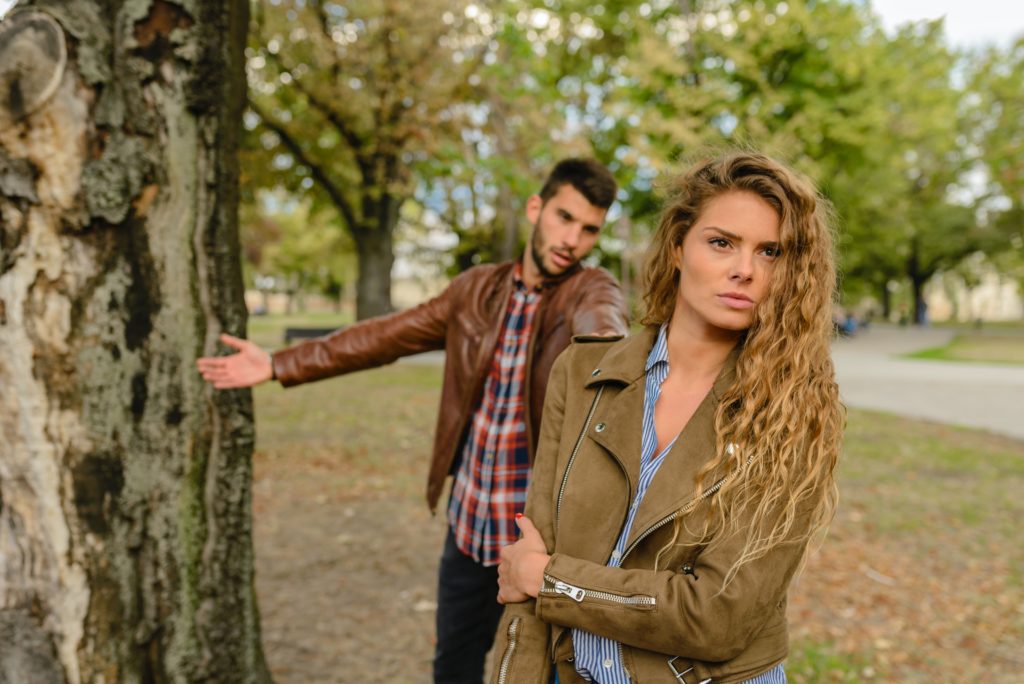
    Another thing to think about…and apply… is that when someone says something that annoys you, and you allow yourself to react, you’ll be the one who suffers. A big step toward letting go and moving forward is to let go of the need to have the last word, to punish the speaker with your anger, and to lash out.

    It’s far more liberating to step back, put on your “logic filter” and run their comment through that. Leave your emotions locked in the closet until you have seen the situation logically, calmly, and with compassion toward yourself and the one who is speaking. Be the presence of peace in the conversation.

    Build your sense of optimism on a pragmatic foundation. Rather than thinking of optimism as a DisneyWorld sort of reality, with streamers and balloons and fireworks and cartoon characters skipping around, think in terms of what has happened and the good outcomes that can emerge along with the bad ones.

    Dig in to find treasures in your life. Ways you can make the world a better place for others, or just for one person. But watch for those opportunities. Watch for interesting times, how they can help you and others make better decisions on this go round.

    Putting Trauma in Its Place
    To move forward, there are certainly things that you can do to invite a more hopeful frame of mind. But there are also traumas and pain that have to heal and be put behind you so the “overcoming” efforts can bear fruit for you.

    If you’re like most people, there were painful events, confusion, and even trauma and loss that emerged this last year. 2020 is a year we’ll not forget. Odds are, you acquired some trauma and sorrow in the process.

    Avoid wallowing. Grief must be faced, then suffered, and put away soon so you have the room in your mind and heart to embrace the good that’s emerging…along with the bad.

    The pandemic was …interesting. Not good times. And yet…good things happened. Babies were born, learned to walk and talk, some companies did well. Some employees excelled, and so did some students.

    Look back at your resilient moments. What did you learn? Can you take it with you to next year and the year after?

    Careers Have Been INTERESTING, TOO Lately… And oh yes…RELATIONSHIPS!

    It’s not at all uncommon to enter a career path, and advice comes from everywhere telling you to stick it out, have tenacity and perseverance.

    That’s just great advice for lots of things. But how do you know when it’s time to let go? 

    Well, no one can determine that but you. Whether it’s about a career path, or a relationship, or the city you live in… We know we can miss so much if we cut bait and leave before giving the current situation a chance. (At the same time, when you can see you’re going down with the ship, it may be time to swim for shore before it’s too late.)

    Your heart may not want to let go, but your experience says that this is not going to recover and you need to save yourself…to try again another day. Interesting times and how they help you gather the tools you need to move forward, giving your room for more good times to enjoy your life.

    Some principles apply to multiple types of situations… like relationships, jobs, projects…Here are some questions you can ask yourself as you work through your decision:

    • Do you sense a lack of respect for you in your environment or relationship?
    • And maybe most of the time you’re giving more than you take?
    • Do you find that you think more about the past than the present?  Are you in a good ol’ days mentality?
    • Are you crying more than laughing far too often?
    • And what about anger?  Is it more commonly the way you feel…or is love, contentment, and peace the way you usually feel?
    • Is the passion and joy gone?

    Do you find you feel “less than others,” because of others’ attitudes toward you?

    Do you feel physically and mentally exhausted…most of the time??

    If you know what it is to be appreciated, supported to grow and excel, and you’ve been stuck in a situation for a prolonged period of time, it’s possible you are ready to let go.  And move forward.

    And as you embrace that purpose, you begin to gain from not only the experience, but what you did with it. Purpose, direction, and hope can build and grow in you as a result. And with hope, strength and resilience.

    You don’t have all the answers, and neither do we. We’re all seeking to learn from our experiences so we can move forward in life. Because life isn’t perfect for anyone, is it? Fostering resilience is a great place to start.

    At Innovative Psychiatry, we wish like you do for the good times…but keep learning that it’s the interesting times that give us more to help you.

    It’s also true that sometimes choosing to face the obstacle of interesting times and push through it is overwhelming. Sometimes to face those interesting times you need depression, anxiety, and trauma treated effectively. That’s where IV ketamine treatment can come in.
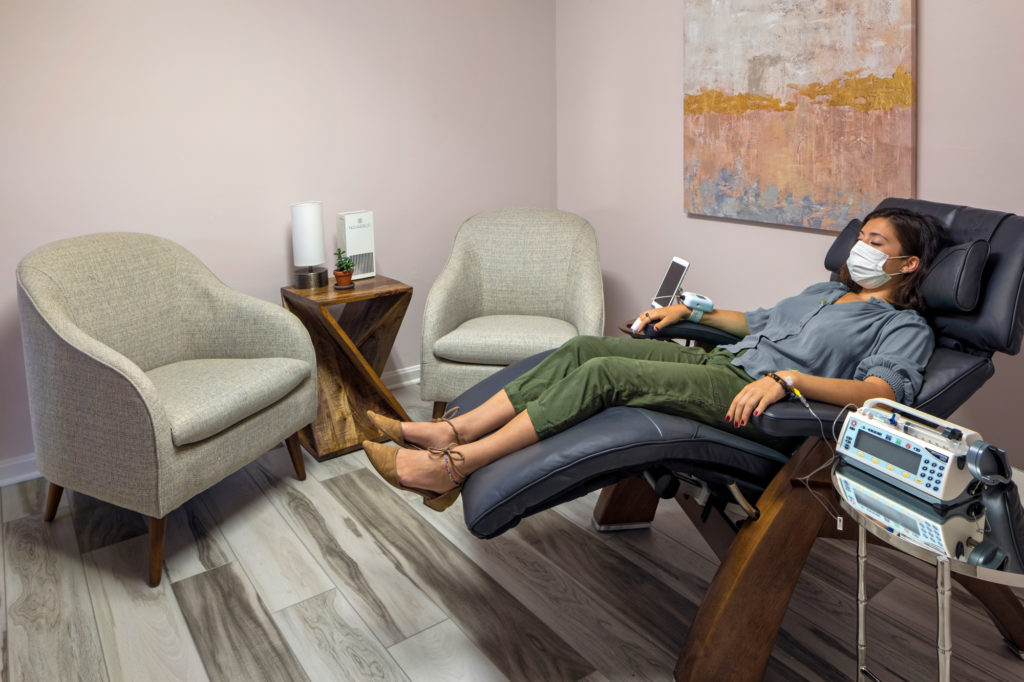
    Pandemic anxiety depletes bandwidth for coping with COVID, but you'll not be exposed to viruses in our office. You're safe here.

    IV ketamine can do things other medicines haven’t … and it can do so rapidly. That’s why we opened a separate arm of my practice that’s specifically equipped to provide IV ketamine treatment. Ketamine treatment has demonstrated repeatedly its unique ability to smash depression symptoms, sweep away anxiety, and stop suicidal thoughts in their tracks.

    Because making this remarkable treatment available to whoever is a candidate for it is so important, we encourage communication from your healthcare team.

    We want you to have hope.

    And, because the pandemic is still making people sick, we have equipped our offices with technology designed by NASA and the Department of Defense, to clean viruses, bacteria, and molds from the air to help you stay well. We’ve taken every precaution to protect you from infection when you’re with us.

    The result is peace of mind so you can focus on getting better.

    We invite you to reach out for a treatment that works rapidly in most people, even in interesting times, to restore your motivation, initiative, hope…and creativity. You should have a rewarding and fulfilling life.
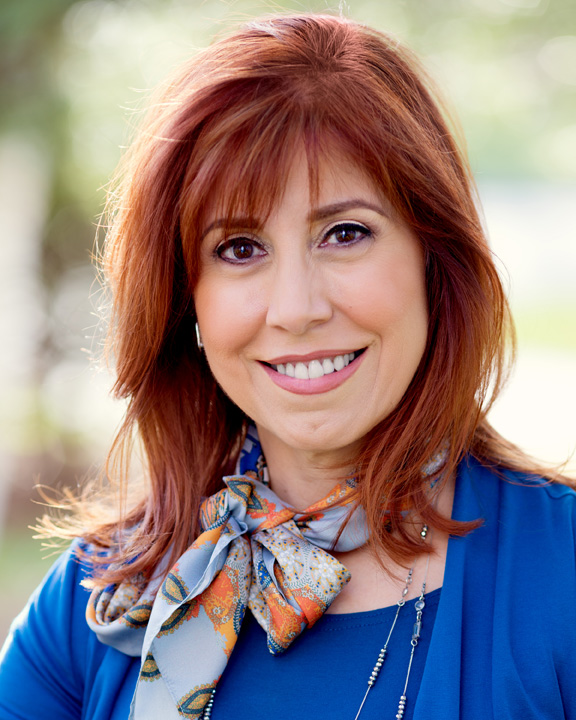
    Lori Calabrese, M.D.
    To the restoration and fulfillment of your best self,

    Lori Calabrese, M.D.

  • Some Wounds ARE Invisible… But There’s HELP… IV Ketamine Treatment Can Crush PTSD. FAST.

    Some Wounds ARE Invisible… But There’s HELP… IV Ketamine Treatment Can Crush PTSD. FAST.

    June has been National PTSD Awareness Month. And June is nearly over. But PTSD awareness shouldn’t end with June. If you have PTSD, it can go on day after day…after day.

    During flashbacks, Harry suffers from traumatic memories

    Something terrible happened. Over time, it seemed you slowly got past it. You hardly thought about it anymore. Then, in a split second, you’re there again. Something happens that triggers the memory, and you’re fighting all of the sickening feelings that just well up inside. You’re determined to break free and run. Turns out a friend is hugging you…. And you come back to yourself and feel embarrassed about your “over-reaction.” Some wounds appear invisible. But they run deep, and wide. And when they do, PTSD can be crippling, and it can take you captive in a moment.

    National PTSD Awareness Month gives us an opportunity to realize that PTSD exists — more often than you imagine, and in people you’d never suspect… that it’s sometimes surprising in the way it’s triggered… and (so importantly!) that those who suffer from it have experienced severe trauma. While it’s true that two people can suffer the same kind of car crash or the same horrible domestic violence, and only one of the two develops PTSD, that doesn’t mean one is weaker than the other. The impact of PTSD has NOTHING to do with how tough someone is. There are a lot of factors that come together to predispose you to PTSD. Genetics can play a big role. And one huge new mind-blowingly transformative treatment — IV ketamine — can be exceedingly effective.

    It’s important for you and for the people you know and love to learn the signs and symptoms of PTSD — for your own health and wellbeing, and to help others who suffer from it. Because since some wounds are invisible, so also the symptoms are sometimes only visible to those closest to the person suffering from them.

    You may have symptoms of depression, anger, rage, irritability, suddenly becoming startled… or feeling numb and disconnected. There may be flashbacks or nightmares, or you may just find yourself reliving the terrible experience over and over. You also may have increasingly aroused emotions and mental thoughts, which can make it tough to sleep.

    Ok, but there’s more to think about and watch for. Like the types of PTSD. Because all PTSD cases aren’t alike. 

    PTSD doesn’t accumulate traumas like depression can accumulate “reasons to be depressed.”

    Comorbid  PTSD – symptoms of trauma combined with symptoms of other disorders.

    It’s not at all uncommon for people with comorbid PTSD to also have substance use issues. Because most people who suffer from PTSD typically suffer with more than one disorder, comorbid PTSD is probably the most common form of PTSD. Some disorders that often occur with PTSD are panic disorder and depression.

    Normal Stress Response – This occurs during and following an experience that’s traumatic and stressful but before PTSD begins.

    Not all people who experience a normal stress response advance to PTSD. 

    Acute Stress Response – Typically, someone experiences an acute stress response after a huge stress, like being frightened by a perceived predator, a near miss auto accident

    …or even a frightening accident where all parties survived. But if acute stress symptoms keep coming back for a month or more, they may be transitioning to PTSD.  Symptoms of acute stress response may include headache, sweating, chest pains, palpitations, nausea, and stomach pain. Acute Stress Disorder can be treated using support groups or therapy …and medication. IV ketamine treatment has shown great promise in treatment.

    Complex PTSD – This describes a condition associated with more than one traumatic event.

    A cluster of events, each driving its own response. And the responses can interfere with each other, drive each other, and complicate each other. Because some wounds are invisible… but still present and exhibiting deep trauma, which causes more of its own.

    So… how can you know if you have PTSD?  Maybe you feel anxious in the moment, or sudden sounds cause you to jump.  Is that PTSD?

    When most people go through a shocking or traumatic experience, they feel shaken, and off balance for awhile, but in time and with the kind of self care that helps them feeling their own pain and loss, they usually move on. Certainly they keep a memory that never leaves, but they don’t experience the torment and flashbacks of PTSD. 

    The memories of that terrible day crash down upon Sarah, because some wounds are invisible.

    However, some people are deeply injured by a terrible experience, and may not improve without intensive treatment. As we’ve said before, while we don’t understand all the intricacies to explain why one person suffers so much more extensively than another, we do know there is a genetic link to this process.

    If it happened to someone you love, or even to you, would you recognize the symptoms and know what to say in support?  If you’re not informed and prepared in advance, you may be tempted to be irritable, dismissive, or annoyed.

    First, of course, there has to have been a traumatic event. Something has happened that terrified you, you felt threatened to the point of death, and what you saw in the process was shattering.

    Symptoms may emerge within a month…or they may not erupt for years. But once they emerge, they can cause severe problems socially, at work, and in relationships. Because PTSD symptoms show. Whether it’s a sudden panic attack in front of others, and you’re far too disrupted to explain, or in some other way, they make it close to impossible to go about your daily routine. Basic tasks can be impossible.

    These symptoms fall into roughly 4 groups:

    Intrusive memories, avoidance, negative changes in thinking …or mood, and changes in your physical and/or emotional reactions.

    The symptoms you suffer may vary in intensity. With time, they may seem to disappear, then out of the blue you may be confronted with a moment that mimics that first trauma, and suddenly you’re in it. You’re terrified.  You’re fighting for your life. Except that nothing dangerous or life threatening is happening. It just “feels” like it’s the same.

    You can see how these moments could be upsetting to friends or co-workers.  And eventually embarrassing for you.

    The image of Sarah's abuser hitting her returns over and over in her mind, because some wounds are invisible.

    You may wonder if you need to see a doctor. If these disturbing moments have been happening for more than a month since the original incident, then it is wise to see a psychiatrist. He or she can be very useful in directing your treatment, or referring you to additional treatment. Your psychiatrist is a specialist. Some wounds are invisible but he or she knows how to find them and treat them, to help you find your way back to a rewarding life.

    If you should have suicidal thoughts, call a friend, family member, or a neighbor to spend time with you. Call your doctor to reveal the severity of your symptoms. In a crisis, call the National Suicide Prevention Lifeline (800) 237-TALK or text CONNECT to 741741, or call 911. Remember this has nothing to do with your mental strength or courage. The fact that you reach out for help is a great step of bravery for you to protect your well-being.

    And if the thoughts are persistent, know that IV ketamine treatment can be dramatically fast working and can stop those thoughts in an afternoon. That reprieve will give you time to seek out more treatments.

    IV ketamine treatment can relieve PTSD symptoms quickly.

    At Innovative Psychiatry, we have seen IV ketamine treatment provide a wonderful lifting of symptoms and relief from PTSD to many patients. It’s nothing short of remarkable to see what this treatment can do for someone caught in the throes of trauma. Many patients find talk therapy and other forms distinctly more liberating after ketamine infusions. We like to work with your healthcare team to learn how we can help the process of restoration in your life.

    IV ketamine treatment ferrets out the painful memories and thoughts and can dramatically relieve them. Just because some wounds are invisible doesn’t mean they can’t be healed.

    Since we know that new strains of COVID are still emerging (and because frankly, we’re a health care office!) we wear masks, and have installed of the top plasma cell air disinfection at a level designed by NASA to remove viruses, bacteria, molds, and pollen from the air in our offices. So you can feel safe when you’re here, and you can focus on receiving treatment and getting better.

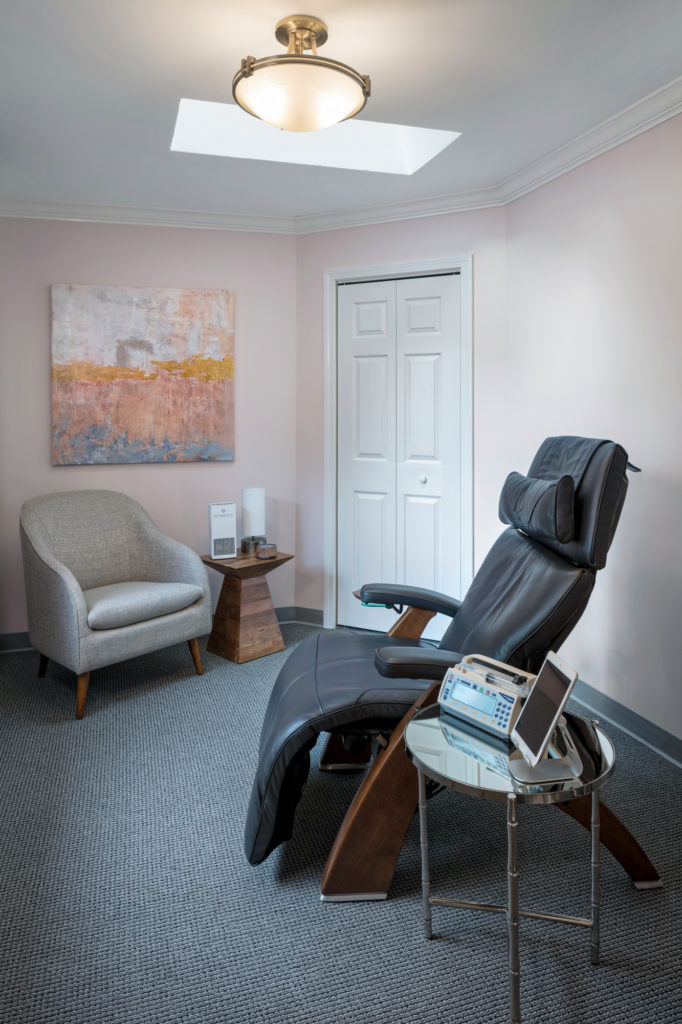
    You’ll have a zero-gravity, soft leather recliner to make your experience feel well supported and secure, and heat at the touch of a button. We want you to get better, and want to help that happen any way we can.

    To the restoration of your best self,

    Lori Calabrese, M.D.

  • How to Stay Resilient When Life Changes Knock You Down – Bounce Back!!

    How to Stay Resilient When Life Changes Knock You Down – Bounce Back!!

    Resilience – The power to bounce back emotionally after a major disappointment or event.

    Here we are. COVID cases have dropped dramatically…right along with COVID deaths. We’re slowly transitioning from the pandemic to what we hope will be post-pandemic. Slowly over time. It won’t be a one day change, but an advancing progressive adjustment to a less restrictive environment. Some people have stopped wearing masks. However, many of us still do. The CDC says fully vaccinated people can go without wearing masks, especially around others who are fully vaccinated. But this doesn’t apply to those who are unvaccinated. This is one of a thousand frustrations all around you. So you’ll want to stay resilient when life changes–and we’ll give you some ideas how to do that.

    A crowd of employers have begun calling employees back to work. Most employers of office workers have moved their employees home to avoid spread of illness, and all those employees are beginning to go back to work little by little. It’s not that they’ve not been working, but they haven’t had a commute as they work and meet on Zoom at home.

    Many others, if not most, will wait yet awhile. It does still seem early.

    But do you know what we’ve seen?

    People struggling with fear, worried whether it’s safe to re-enter company buildings. People who succumbed to depression, PTSD, and anxiety during the worst of COVID-19 and haven’t yet recovered.

    So this is not as simple as it may seem.

    Of course, our role is NOT to tell you when you should return to work in your company facility. Or when the kids should be back in school.

    We just want to help you make the transitions ahead, embrace the adjustment within yourself that will allow you to make this change when the time is right. To help you navigate your concerns or anxiety if you face it.

    You may have lost a loved one over the past year. Maybe you had to watch the funeral of a loved one over Zoom or Facetime. That must have been difficult for you. So many incidents and events were shocking. For so many people.

    You may have had a baby over the last year. Did you have a COVID baby? We’ve learned that the birth of a baby during all the isolation, social distancing, and mask wearing has created such intense loneliness for some new mothers that postpartum depression has been more widespread and support has been hard to come by for many isolated moms.

    One first time mom, who was weeping in frustration and overwhelmed, said, “I’ve always heard it takes a village to raise a child. So WHERE’S MY VILLAGE???” If you’re one of those parents, you will have to find your own transition and recovery. Make sure you’re fully vaccinated so you’re free to seek out friends and family to get their support, and improve your own resilience.

    Then there are the children. Children who’ve been involved in distance/remote learning have displayed behavior outbursts and other forms of acting out. But on the other hand, some children thrived from the closer nurturing they felt while being home. And as they move into summer, and then repopulate schools in the fall (or whenever that will happen!) they may need guidance to help them adapt smoothly, re-socialize, and integrate in their school’s routine.

    Maybe you’ve asked “Why me?” through the crises and losses the last year and a half. But when you think that way it nurtures self pity…which can be suffocating. Better to ask yourself in that instance…”Why NOT me?” Because if you’re alive in this world you’re going to have struggles, difficulties, and losses.

    And you may be tempted to want to run. But resilience comes when you plant your feet, square your shoulders, and get through it. You can be resilient when life changes.

    When my friend heard there was a pandemic wrapping around the world, her first thought was to get on a plane and escape it. Then she looked at the charts and maps on the internet and saw that this infection covered the globe, and there was nowhere to run. What a shock that felt like.

    But by staying where we are, using personal protective equipment, and isolating ourselves, using social distancing when in public, we as a nation and as a planet have survived together.

    Many say, “Failure is not an option”…but actually failure is a requirement for resilience. And in terms of the pandemic, as well as working at home, learning at home, there have been countless efforts that failed and required we try again and again to get whatever the need was to work. Stronger internet connections, getting food to people who needed it, keeping online services up and functioning well.

    Here are some strategies for building resilience now:

    Recognize that difficulties, losses, and inconveniences are part of life. Realize right off that all these things are not a sign of unfair punishment of you or me, but just part of life. And realize that you’ll find your way through it.

    Make the serenity prayer a part of you…to accept things you cannot change. To change those things you can (or change the things you cannot accept.) And hold onto the wisdom to know the difference. So focus on where to put your attention… changing the things you CAN change. And choosing peace about the rest.
    Choose Life. Choose what is good for you. Walk away from things that aren’t good for you. (Yep, we said walk away. Seriously walk away…) Then be patient and compassionate with yourself.

    Here’s a challenge for you: Every day, list 3 things you’re grateful for. It will help you maintain peace and the strength to face new challenges…because you know that challenges are part of being alive too, right?

    And… you know? every time there is a failure, or disappointment, or loss… once you’ve responded to it and moved forward, ask yourself, what you might learn from it… or whether someone was help from the natural fallout of it, etc. There is meaning all around you, and when you’re stressed with difficulty, it’s easy to miss it. So make a point to focus on the meaning you find in all those challenges… that will deepen those roots of resilience, too.

    Stay Resilient When Life Changes — If you fall, you can snap right back up on your feet

    Of course, not everyone can effectively build their own treasure chest of resilience. A disorder can make that very difficult. So we do offer IV ketamine treatment to help restore your resilience. To help your brain restore it’s own synapse connections, to take the G proteins off those rafts in the cell membrane and put them back to work. To slow down the bursting cells in the lateral habenula. And to generally help your hippocampus and amygdala function better, so YOU can function better.

    Sometimes it takes more than well-intended exercises. Sometimes it takes an intervention. And even though IV ketamine treatment doesn’t work for everyone, it can be transformative for the vast majority who have treatment resistant depression, PTSD, bipolar depression, social anxiety, substance use and alcohol use disorders, and suicidal thoughts. It can replace those miseries with resilience, motivation, confidence, initiative, and especially hope.

    So Reach Out for Resilience and the Life You Long to Build

    At Innovative Psychiatry, we have the privilege of seeing people who have achieved remission from these disorders every week. Remission means you have energy to support others, to build your own life and healthy strong relationships, and to face difficulties with strength. Remission means you once again feel like the very best self you’ve ever experienced. It means you stay resilient when life changes and can snap back in the face of difficulties.

    And while we’re transitioning from active pandemic to a post-COVID world, we’re not there yet. And we want you to have the confidence that in our office you’re completely safe from infection caused by any virus, bacteria, or mold. Our plasma cell technology that continually scrubs the air you breathe to keep you safe from viruses, bacteria, and molds while you’re receiving treatment with us.

    Reach out for resilience. If you struggle with the disorders we talked about, reach out for the hope of remission.

    We want that for you and we can help.

    Lori Calabrese, M.D. is on the front end of the race to stop PTSD in its tracks using IV ketamine treatment.
    To the restoration of your best self,

  • What Makes Ketamine Work? This Research Team Seeks Answers

    What Makes Ketamine Work? This Research Team Seeks Answers

    What makes ketamine work? It brings joy to this mother.

    We’ve talked about ketamine’s rapid antidepressant effects. Last month we talked about the role of dissociation in ketamine’s antidepressant benefits. Neuroscientists are studying ketamine to find out WHY it provides such rapid antidepressant results. They’re hoping they can determine what exactly ketamine does in the brain, and whether they can isolate that action from the side effects without losing its extraordinary effectiveness. It’s a long road (rife with trials!), but they soldier on… hoping to make new medications that could become more available to more people. So let’s follow this team of neuroscientists through their quest over nearly 2 decades so far, to see what makes ketamine work.

    Lisa Monteggia, Ph.D.

    A team of researchers, led by Lisa Monteggia, Ph.D., have studied this question for 18 years. Beginning in 2003, she and her team were interested in what makes antidepressants work. At the time, they knew that neurons released the neurotransmitter serotonin to keep the mood stable. Therefore, if the serotonin level was “low,” that was the cause of depression. (Or so they thought.)

    A lot of antidepressant medicines at that time were designed to increase serotonin availability. (They worked to prevent serotonin from being taken back up by the releasing neuron, and to keep it around in the synapse.)

    However, Dr. Monteggia’s team saw a problem with that whole explanation because those antidepressants (SSRIs and SNRIs–serotonin reuptake inhibitors and serotonin norepinephrine reuptake inhibitors) took weeks to relieve depressive symptoms — when the meds worked. So they realized other things must be going on at the same time, since serotonin alone wasn’t the key element.

    Next, her team identified an important aspect of neuronal signaling, as well as something vital for antidepressant effects… and that was brain-derived neurotrophic factor (BDNF).

    A variation of the gene that “tells” cells to make BDNF contains an error or oddity that can change what the gene and the BDNF do. And that’s significant. Because further studies showed that people who have this “odd” gene, can have a reduced, dampened effect from antidepressants.  

    Hmmm..!!

    Now don’t miss this next part of her story: As her team was studying this weird anomaly, another team (remember research was going on globally!) published their work about the ketamine, an anesthesia agent that can produce rapid antidepressant effects when given at a low dose — too low for it to produce anesthesia.

    Ketamine already had a reputation for abuse when taken in moderate to higher doses.

    But this finding was so important! That at a low dose, ketamine can effectively sweep away symptoms in someone who has severely treatment resistant depression. Basically, someone who has not been helped by anything else they’ve tried for their depression.

    So this really charged up Dr. Monteggia and her research team. They committed to learning all they could about ketamine. And they say they want to use it as a Rosetta Stone, so to speak. In other words, they want to use low dose ketamine as the key to understanding rapid acting antidepressant action. Why? Because maybe understanding the mechanisms of action of ketamine could fuel the development of new antidepressants without side effects… Ah!

    For one thing, it may hopefully show us how effective antidepressants work. (Actually work, not how we assume or think they work.) To learn the actual mechanism behind effectiveness; as in, something we haven’t yet seen or identified.  

    The other is that ketamine is known to impact a specific protein in the brain…the NMDA receptor. This receptor is found embedded on certain neurons — a lot of neurons!!

    The team confirmed that ketamine blocks the NMDA receptor. In addition, ketamine has specific effects on a certain signaling pathway, and when they blocked that pathway, ketamine didn’t work.

    Ok…the process of elimination. 

    But let’s see what else they learned.

    Here’s one exciting thing … and we count on it with ketamine treatment. They were able to show that when ketamine blocks the NMDA receptor which affects signaling…it produces a series of downstream effects which trigger a special form of neuroplasticity in the brain cells.

    Neuroplasticity is the ability of the connections (or synapses) between the brain cells to change their strength. So ketamine helps those synapses change their strength in new and unexpected ways.

    The team has tested other medications to see if they act like ketamine. (For instance, memantine is similar to ketamine in some ways, and it does block the NMDA receptor, but it goes about it in a different way. So interesting, though: despite all that, it does not have the same effect on signaling as ketamine, nor does it trigger this novel type of plasticity that ketamine does.)

    They only see this specific type of plasticity with rapid antidepressant action. Eureka!!

    (OK, so we’re a little excited here. I know.)

    So it occurred to them that perhaps this special form of plasticity may actually be an integral part of rapid antidepressant action.…? And they wonder whether this type of neuroplasticity plays a role in “healing” depression, and demonstrates what makes antidepressants work … Not sure yet. 

    But here’s something to keep in mind: some experts in the field of neuroscience call ketamine a “dirty” drug. 

    Don’t panic!

    When they say that, they don’t mean it’s grimy.  They mean that it works in many ways to affect many parts of the brain — it doesn’t do just one thing that explains definitively how it relieves depression. If they could develop a drug that targeted the absolute biologic mechanisms that are specifically involved in depression, bipolar depression, PTSD, suicidal thoughts, and the rest, that would be a breakthrough!

    So ketamine emerged as a treatment for psychiatric disorders — quite by surprise.  

    This team of researchers believe that ketamine’s actions are especially important in the hippocampus. They believe that after ketamine affects brain cells in the hippocampus, changes flow back to the prefrontal cortex (this part of the brain is behind your forehead) and other areas.

    So they’re hoping they can follow the path of those changes backward…from hippocampus to prefrontal cortex to other area. The more they learn, the closer they may come to understand rapid acting antidepressants better.

    They believe that blocking NMDA receptors results in that novel neuroplasticity and call it “homeostatic” neuroplasticity. This is a different form of plasticity than the one involved in learning.

    And as they continue forward with these experiments, studying homeostatic plasticity, which they believe is at the core of what makes ketamine work as an antidepressant, then they can work with other, perhaps newer, medications that do the same thing…to find more and better options.

    Meanwhile, we do have IV ketamine treatment. And people often experience remission with it. So we’ll keep using it, and celebrating your joy, freedom…and hope.

    At Innovative Psychiatry, we happily work with you in hopes you’ll achieve remission with IV ketamine treatment. We’ll joyfully welcome you for your treatment, and you’ll receive that treatment in a safe environment with clean, pure air. Sanitized to 99.99%. We take every precaution, like our intense plasma cell technology, to keep our environment here safe for you.

    Innovative. Super modern. Seeking the best.

    For you.

    IV ketamine treatment is just like that in our hands: innovative, supermodern, seeking your best self. Is it for everyone? Does it make everyone better? Sadly no. Which is why we’re so grateful that there are teams of researchers…around the world…who won’t give up, who seek more options and even better ones, for all of us.

    If you struggle with the kinds of disorders we’ve talked about, and treatments haven’t helped, call us.

    We’ll set an appointment to help you know whether you might be a likely candidate for this extraordinary treatment. Your rewarding and fulfilling life lies ahead.

    We look forward to meeting you.

    Lori Calabrese, M.D. is on the front end of the race to stop PTSD in its tracks using IV ketamine treatment.

    To the restoration of your best self,

  • Is Dissociation Important for Ketamine to Work?

    Is Dissociation Important for Ketamine to Work?

    Dissociation is necessary for antidepressant benefits of ketamine.

    The Big Question

    Is dissociation needed? Is it necessary? Can you get better without it, or with “just a little bit” of dissociation? Does the kind of dissociative experience you have during a ketamine infusion predict whether ketamine is going to work? Or how much it will help? …. or If it will help faster? If it will work better….? Will it be scary? Will it be negative? Can it set you back….or make you worse? Can you do anything to shape it (yep, the dissociative experience) to get the most out of it? Boy, what IS dissociation anyway? And is dissociation important for ketamine to work?

    I’m tellin’ ya, that is the question of the hour. Every hour. (Or every 90 minutes, I should say. Because that’s the time we set aside for you, when you receive a ketamine infusion. )

    When you come in for ketamine, we dive deep. We look for what you used to be like at your best selfreally like. Or… if it feels like you never had a best self, we go back further still. And then we look at all of the factors that have contributed to where you are today: what happened, how it happened, what the interplay is genetics, experiences, people in your life, work and the things you love, symptoms and how they’ve spiraled out of control, treaters and treatments that didn’t work out for you.

    We want to understand your narrative. Because if you are a candidate for treatment with IV ketamine, we want to offer you the hope and the possibility to change that narrative….and write a new one moving forward.

    So the question is what does that? What moves you forward? Ketamine itself? the racemic molecules, the NMDAR antagonism and disinhibition? glutamate activation? the multiple downstream effects involving AMPA activation, and g-protein fast action sliding off lipid rafts? The production of BDNF (brain-derived neurotrophic factor), and the growth of new branches on neuronal trees that leads to synaptic plasticity and flexibility of thought?

    There is a lot of action that ketamine creates (and a lot that we are still exploring because we don’t have all the answers yet about exactly how it works). And it is all very wonderful and scientific. We love the molecular, we love the granular….we love translational neuroscience. But more than that, we love the transformation that we see when science blooms deep in the mind.

    And that’s what happens in dissociation.

    Science blooms in the mind.

    Let me tell you what that means.

    Dissociation has been described with all kinds of terms, including feeling dreamy, floaty, spaced out …. Detached from yourself or not a part of yourself, feeling detached from your surroundings. Having changes in your sense of self and where you are–feeling like you’re not yourself but a collection of thoughts or a mind/heart somewhere in the universe.

    You’ll hear people describe it as feeling weird, loopy, or really trippy, with visual experiences, or feeling that time expands or contracts. Feeling an ineffable sense of awe. Or sometimes feeling like something dark is trying to intrude.

    Early reports with IV ketamine for depression suggested that dissociation was associated with a good response to ketamine. Not that it was to be avoided, but that it was actually OK. More than OK, it was part of the treatment and part of what might be helping lift depression.

    More recent clinical research, and the experience of countless ketamine clinicians and thousands of patients suggests not only that is it welcomed, but that the dissociative experience during your treatment could be necessary, maybe even IMPORTANT for you to experience, to remember, to analyze and to integrate into your life’s experience as your move forward…and AWAY from your depression, your anxiety, your trauma.

    We think dissociation is incredibly important, and that the way that you recall your experiences during dissociation, interpret them, and look for meaning will help you grow, develop flexibility of thought, open you up to new possibilities and reawaken old loves (like the love of music, or sports, or the outdoors) or invite you to seek out new ones. The biological changes that lay the structure, and the ineffable and sometimes spiritual or mystical experiences that can occur during dissociation can be absolutely transformative. Stunningly effective. In a way nothing else we have is.

    Is it important?

    You betcha.

    Can we prove it?

    Ah. That’s another story.

    Prominent Ketamine Researchers Seek Answers

    Recently, two veteran neuroscience researchers in this exciting “ketamine for depression” saga, Elizabeth D. Ballard, Ph.D. and Carlos A. Zarate, M.D., published a groundbreaking paper in Nature Communications. They addressed the question about whether dissociation is important for ketamine’s antidepressant effects.

    To do that, they scoured over 76 papers — peer-reviewed published reports and clinical trials of IV ketamine used in the treatment of depression, reviews, psychedelic research.

    There are physicians who offer 6 ketamine infusions at a “standard dose” of 0.5 mg/kg over 40 minutes. This was the early protocol used in early research trials. And there are certainly many who haven’t veered from it.

    There are others who have taken a more flexible path to help more people achieve remission. We’ve hinted about how we titrate the dose, the rate, and the number of infusions, in an effort to evoke a better response. Getting better is what matters. Living better is what sings.

    Still, there has been some controversy about the role dissociation plays in ketamine achieving that response, especially remission from severe depression. So, we applaud Elizabeth Ballard, PhD and Carlos Zarate, MD for their diligence in trying to find answers to the questions.

    Let’s talk about their paper, and address the current position ketamine holds among treatments for depression and other disorders, and how far it’s come.

    This beautifully written manuscript highlights the immediate antidepressant effects ketamine treatment produces, along with the short-term dissociative effects that often occur during the infusion itself.

    So… is dissociation important for ketamine’s antidepressant benefits? Let’s see…

    They say the primary purpose for their publication is to scrutinize other studies and to learn — through a close examination of other research — and figure out the answer to this question. Is the side effect of dissociation necessarily a requirement of the antidepressant impact that is so restorative to so many… you could even say most…patients?

    Oral antidepressants have a slow onset of relief, taking at least weeks, and often months, to bring relief. In fact, after all that waiting, sometimes those medicines don’t improve symptoms much at all. (If you’re reading, you probably know this firsthand.)

    Ketamine, in contrast, can create rapid improvements in many symptoms within hours or a day. Ketamine treatment is not for everyone (for a variety of reasons). But for those who are good candidates, ketamine usually provides more relief and more remission than any other medicine we use.

    Extraordinary Restoration in Treatment Resistant Conditions

    Ketamine shows its greatest effectiveness and rapid responses in treatment resistant depression, bipolar depression, PTSD, OCD, social anxiety disorder, substance dependence, and suicidal thoughts.

    As we’ve also talked about before, in a separate action, ketamine has become known for rapid eradication of suicidal thoughts. We’ve reported our own real world results about how ketamine can stop suicidal thoughts in an afternoon in the office, preventing visits to the emergency department and hospitalizations.

    Chemists originally developed ketamine as an anesthetic to replace phenylcyclidine (known as PCP) in the ’60’s because PCP caused delirium, agitation, hallucinations…and violence. So it was taken off the market. Those chemists set out to develop ketamine in the same laboratory to initiate anesthesia. Ketamine didn’t illicit violent behaviors, thankfully. But dissociation and out-of-body experiences accompanied it and it was labeled a dissociative anesthesia

    Then, in the early part of the 21st century, studies began to explore what ketamine might do for people with treatment resistant depressive disorders using small doses…and the results were eye opening.

    As far as the connection between dissociation and an effective antidepressant response to ketamine:

    A study in 2014 found that the other side effects of ketamine, such as systolic blood pressure changes, diastolic blood pressure changes, pulse changes, or manic symptoms, weren’t associated with improvement in depressive symptoms…not at 230 minutes, or at 7 days after the infusion.

    On the other hand, dissociative symptoms were associated with antidepressant improvement at 230 minutes, and at 7 days after the infusion.

    Another finding of note was that some subjects with treatment resistant depression respond enthusiastically to their rapid improvement. But, when healthy subjects received the infusions, some of them experienced a transient period of dysphoria, feeling uncomfortable and ill at ease, after a ketamine infusion.

    Beyond various side effects — including dissociation — that others have experienced, there’s more to consider. Let’s talk about the importance of a patient having the ability to access a “non-ordinary state” of mind to fully benefit from the work that ketamine does.

    This “non-ordinary state of consciousness” can usher in neuroplasticity in the brain. Where the synaptic connections are growing, proliferating, changing… and this state of change can open your mind to think new thoughts, and to think differently about things that happen.

    Like how you feel about a trauma, or a stressor, and to change your response to that experience.

    The experiences, the meaning, the imagery often open up new and deeper ways of thinking about the experiences in your life in new ways, and give you an opportunity to perhaps forge a new path.

    How exhilarating that can be!

    So now, ketamine treatment…a series of infusions over a few weeks….is building a reputation for effectiveness with treatment resistant depression, bipolar depression, social anxiety, PTSD, OCD, and substance dependence. And by a separate action, ketamine has shown it can eradicate suicidal thoughts rapidly.

    Because ketamine’s effects have been so remarkably effective in those it helps, it’s inspiring the development of new medicines in hopes of discovering more wonderful treatments for people who suffer.

    So what is dissociation, really?

    According to one expert, dissociation is defined as a discontinuity in the normal integration of consciousness, memory, identity, emotion, perception, body representation, motor control, and behavior. These veteran researchers acknowledge that it would be beneficial if ketamine could be as effective without the side effects of such things as dissociation. But it is not yet clear whether the dissociation is a core feature of the antidepressant response. Or, it could be just a side effect. Ballard and Zarate point out that the evidence is just not conclusive or clear.

    Yes…but what’s important about dissociation??

    Well, that depends on who you are…and where you’re coming from. The early researchers showed it was important because it was associated with a better response to ketamine treatment. Ballard and Zarate, in the paper we talked about above, question that because their analysis of the literature to date suggests the findings are inconsistent. They conclude that “the relationship between dissociation and ketamine remains an open question.” Part of the question may be that the rating scale used in most of the the studies to “measure dissociation,” the CADSS, might not be the right one. It was designed to measure dissociation just before and after the recall of traumatic memories in patients with PTSD. But it might not really be the best scale to capture the rapid dissociative experience that happens during a ketamine infusion and the range of experiences —like perceptual changes, peacefulness, bliss. (There are other scales out there that might capture these better.)

    So…if you’re a researcher, “important” means predictive of, or statistically associated with, or prognostic for. Then “is dissociation important?” means “is it necessary for response or remission?”

    Stick with us here.

    However, if you’re a pharmaceutical company, you might see dissociation as just a weird and hard to quantify experience. Troublesome. You list it as an adverse effect. (Because it’s not the primary goal of treatment–remission is.) It could get in the way of your FDA approval, and of allowing your newly developed drug to be approved for at-home use. It can affect your sales. It might get in the way, it might push you to test and produce low doses and leave it at that.

    BUT…if you’re the one sitting in the chair, what you want to know is this:  Is what I experience during an infusion important for ME?  How can I make sense of it? For me? How can I use the experience… to help me? Can dissociation—and the whole experience—actually help me?   

    Is dissociation important for ketamine to work?

    What ketamine infusions can do for you is what is important to you. The whole experience — from start to finish, from the beautiful serene setting to your mindset and your intentions (and your hopes and your fears) as the infusion begins — can and should be integrated so that you can move forward and into a better, richer, life.

    Infusion. Infused with hope.

    There really is hope.

    At Innovative Psychiatry, ketamine treatment continues to be the best treatment we offer for rapid relief and remission of depression and suicidal thoughts, and for rapid relief in so many of the conditions we’ve discussed. We look forward to following the research — and working with our own patients, who are often our finest teachers — and to learning from all of it as the field moves forward.

    We’re also set and ready to provide ketamine treatment for you in our safe offices. We’ve installed a system that destroys bacteria and viruses, including coronavirus, from the air and lifts them from hard and soft surfaces so you can get treatment, even in the midst of a pandemic, without hesitation or fear.

    We titrate your dose and adjust your infusion rate to make your treatment comfortable, productive, and effective. We want you to get better. We want you to find your joy again…to embrace bliss.

    If you’ve found that your medicine for your disorder isn’t helping, call us.

    We’ll talk about your history, your symptoms, your needs… and determine if ketamine treatment is a good fit for you. 

    Although we can’t guarantee your outcome (no one can), we’ll offer you our best judgment, and all of our clinical expertise. This treatment is very effective for the majority of our patients, and it could be transformative for you.

    Call us and let’s work together to see what ketamine treatment can do for you.

    Lori Calabrese, M.D. is on the front end of the race to stop PTSD in its tracks using IV ketamine treatment.

    To the restoration of your best self,

  • Do You Suffer From Pandemic-Induced Social Anxiety?

    Do You Suffer From Pandemic-Induced Social Anxiety?

    When you think about going to a gathering, walking into a room full of people, how do you feel? Tense…nervous…?

    People are getting vaccinated.  It’s highly likely, if you’ve had both vaccine injections, that you may be invited to an July 4th gathering of friends and family who’ve also been vaccinated. Can you imagine? How long has it been since you were invited to a backyard barbecue? Would you feel excited to go? Or would you find yourself feeling a bit nervous about it? You may have struggled with social anxiety for years, or you may be one of the new breed who never felt socially uncomfortable until the COVID-19 pandemic kept you socially distanced for a year and a half. Pandemic-induced social anxiety is an emerging real problem for so many.

    A study recently published in Lancet Psychiatry found that about 1/3 of COVID-19 survivors suffer from long term brain disorders. They looked at 236,000 who were diagnosed with the coronavirus over a six month period. Turns out that 34% display neurological or psychiatric disorders. Of those, 13% had never suffered from these before.

    They found that those who had survived the COVID infection were at increased risk for brain disorders. Psychiatric disorders. Neurological disorders.

    So you have to ask yourself…should that be a surprise?  Over a year of keeping to yourself, seeing no one in person except for your own household. If you live alone, that’s a long time to be isolated. And when you’re around strangers, at the grocery store, for example… Everyone is wearing a mask and you can’t tell if anyone is smiling or not. The world can become a drab place.

    At the very best, the last 14 months have been disruptive, challenging, and alarming. Routines have been tossed out the window, normal interactions with friends, family, acquaintances, and co-workers have all but stopped. Major conferences, gatherings, and events were cancelled. 

    In short, we’ve all adapted to a different way of living. And little by little, life is going to change again. And eventually, we’ll be changing to a world with lower risk. But not yet.

    For now: do you suffer from pandemic-induced social anxiety?

    It comes in all sorts of forms. We ask ourselves, has he been wearing a mask consistently?  Does she practice social distancing? And we still need support.

    That’s quite a jump from the way it used to be, when we’d say, “Of course we’ll be there! What can I bring?”

    There are also those who have dealt with social anxiety for years, so this isolation was easier to adjust to. Until it got old. While theirs isn’t pandemic-induced social anxiety, theirs has likely been exacerbated by the pandemic.

    Because on some level, we humans need some social interaction. Until the pandemic, we naturally chose the amount of interaction — and the type — that fit most comfortably.

    But now it’s harder. Scarier. And the stakes are higher. Add to that the nagging feeling that people around you are probably judging you… harshly. 

    If you already struggled with social anxiety before the pandemic ever happened, you know that feeling. It’s awful. That horrid sense that you just know the people around you are so put off by you… that they’re talking about you.  About you!  When in truth, they’re likely talking about where they’re going Friday night…or what they thought of the latest blockbuster movie.

    If you never tasted social anxiety before now, you probably had no idea what it’s like. But now, people who have developed social anxiety from the restraints, isolation, and precautions of the pandemic are experiencing that horrid feeling themselves for the first time. And, that feeling feels real. 

    When you’re in the throes of it, you are acknowledging as truth the FACT that everyone in the room is appalled by your appearance or behavior and they’re ALL judging you and verbalizing it to the person next to them. You believe that feeling.

    You know what?  

    This is an early stage of post-COVID reaction, specifically post-COVID social anxiety.

    And just like social anxiety probably didn’t go away on its own when there was no pandemic… it may not go away on its own now

    It may be that you can slowly help yourself adjust to the new reality and give yourself time to resolve it, or you may have to take intentional steps.  

    By treating yourself with compassion, you may find you can identify the scenarios that stir up anxiety for you, and not force yourself to do too much too soon. Determine to be your own best friend. Give yourself credit for baby steps. Maybe coffee with a friend, or taking a walk with a neighbor. As you find yourself comfortable in these smaller situations, then you can increase your exposure as you feel ready.  Lunch with two friends. Dinner with a friend, relative, or co-worker you really like!

    Because, if you’re paying attention to what pumps up anxiety for you, then you probably realize that dinner with someone you don’t like is unnecessary stress this early in your recovery … or maybe we should say …this early in your re-entry.

    And that really is what it comes down to, isn’t it? Everyone is re-entering society over this next year. And that means some will be re-entering in spite of pandemic-induced social anxiety. After you’ve had both your vaccines. After most others have had both of theirs, too.

    We can all expect to see people jumping into public places, parties, dinners, ball games, just as soon as it’s possible, but that doesn’t mean you should do the same.

    A friend who lives in Texas where restrictions have been lifted, stopped in a popular restaurant recently to get takeout for her family.  She expected the restaurant to be practically empty, but to her surprise it was packed, with a full waiting room! 

    She knew that ALL those people weren’t vaccinated. And most weren’t even wearing masks.

    This illustrates how much the general public may be chomping at the bit to get out and about again,  whether it’s wise or not.

    That being said, there are probably plenty of people pressuring friends to go with them to public places. And those pressured invitations may be just one more way this re-entry environment stirs up anxiety for you.

    Don’t put yourself through that. BE PATIENT with yourself, and stand up for yourself when others are moving ahead faster than you’re comfortable.

    Take it slow and do what’s best for YOU.

    By limiting your face-to-face interaction to only vaccinated people, you’ll automatically reduce your own anxiety to some degree because you know you’re safe.  Pandemic-induced social anxiety may be daunting, but you choose what you’re ready for day by day.

    And if these outings continue to be difficult, talk to someone you trust.  Whether it’s a family member, or a close friend, or a therapist, it can just help you to relax about the issue to say it out loud. It can help  you feel more normal. And will possibly help reduce anxiety, too.

    Finally, we have to address the question, “What if this anxiety doesn’t get better? What can I do?”

    If you’ve found you’re gripped inside every time you go out, and it never seems to get better in spite of all you’ve tried, you may be a candidate for IV ketamine treatment.

    Ketamine is that mild-mannered anesthesia medicine that wears a cape and leaps tall buildings in a single bound when it’s applied to treatment resistant depression, social anxiety, PTSD, bipolar depression, substance use disorders, and suicidal thinking.

    (I just couldn’t resist.)

    It has helped many of those who have received it to achieve remission. Because IV ketamine treatment is not one of those meds that just, you know, takes the edge off symptoms. Rather, it either doesn’t help someone… or it transforms them to a joyful, hopeful person with a new lease on life.

    And while ketamine treatment isn’t for everyone, it helps such a large percentage of the patients we treat that chances are good it will transform your life, too.

    At Innovative Psychiatry, we want to make your IV ketamine treatment give you the best it’s got. So we’ve worked out methods and protocols to give you the most personalized titrated dose and rate available. 

    We also have invested in a state-of-the-art system for destroying viruses, bacteria, and molds in the air and on hard and soft surfaces to protect you and keep you safe from infection like COVID, influenza, and even pollen. Your focus needs to be squarely aimed at getting better, without the worry of contagious disease. We want you to feel safe.  

    With that said, if you’re still sitting squarely in the midst of your anxiety, call us.

    Everything we do all boils down to our primary focus of seeing you get better, and live well with joy and purpose.

    Our patients each represent a wonderful story of restoration and resilience. We want to see your story join theirs.

    With only one life you get to live, it’s worth the effort to find the path for your best life.

    We’re here and look forward to hearing from you.

    Lori Calabrese, M.D. is on the front end of the race to stop PTSD in its tracks using IV ketamine treatment.

    To the restoration of your best self,

  • Overcoming Feelings of Shame and Worthlessness Even in a Pandemic!

    Overcoming Feelings of Shame and Worthlessness Even in a Pandemic!

    Grace had been depressed off and on since her she was a little girl. No one called it depression back then.  She was shy, and her withdrawal was dismissed by others as just another of her odd behaviors. They thought she just got more “wound up” than some people. After she was grown and married, the family psychiatrist diagnosed her depression and prescribed antidepressants. 

    Overcoming feelings of shame and worthlessness had proven her most difficult challenge. She tried the first prescription for a few years, with only a little improvement. She was accustomed to trudging. Eventually, her prescription was changed, and she began to feel much better. So much better in fact, that she considered herself overall better for years. She was grateful to be one of those 30% who were actually helped by medication.

    Even though Grace experienced loss from divorce and deaths in the family, and though she grieved, she never became depressed like she’d been before. Sadness was different than major depression, as a medical condition. She still functioned through her days, but felt sad for a good while after each loss. Until she could finally move forward again.

    But then the pandemic spread around the world. It imposed changes upon households everywhere, like isolation, mask wearing, and social distancing. Basically, adaptations were required from everyone.

    It was a shock. And it was tiring.

    As far as Grace was concerned, she began to notice her optimism was diminishing. The resilience she had come to expect and rely on weakened. The agitation and short tempers in loved ones she trusted startled her, shocked her, and shook her foundations. She felt beat up.

    More and more beat up… until she didn’t want to expose herself to the blows of others.

    And she withdrew.

    Of course, Grace told herself she was isolating herself to comply with social distancing, but little by little she had to admit to herself that this was something more. She found herself losing motivation and initiative, and a desire for interaction with others, as well. She began to read. In fact, she read all day until she went to sleep every night. She stopped answering the phone, and went to her mailbox at night to avoid running into anyone. 

    Heaven forbid she should have to see anyone…to be expected to interact. No way!

    Then, of all the horrors, her hair was falling out. Alarmingly quickly. What was this? She found wads of her hair on the shower drain. She felt it glide along her arms as it fell out and slid to the ground. Her brush and comb was full of her hair!

    Not to mention, she struggled with insomnia. She was still taking her usual medications, including her antidepressants and a sleep aid, but nothing seemed to be helping. It was baffling when it had all been under control for so long.

    Eventually she had to face that she was depressed for some reason, and what was worse, she suffered from pretty severe insomnia.

    Why? Where had this come from? 

    The state she was in was shocking when she’d been doing so well for years. Even decades!

    Overcoming these feelings of shame and worthlessness …well it seemed impossible.

    As a natural introvert, she couldn’t imagine that the isolation would bother her. It didn’t feel like it was bothering her…

    And she loved to read. She just hadn’t had time for so many years that she’d gotten out of the habit. The freedom to read one book after another was delicious. She reveled in it. 

    Well, not at first. At first the reading was more like something to fill her mind while she lay in bed. To keep her thoughts captured. But eventually, it became a pleasure. Her only pleasure.

    Even so, Grace was noticing some phobias in herself that had been absent for decades. What on earth? Seriously??

    She went out of her way to avoid contact with people. Trips to the grocery store were hard, but she managed ok as long as she didn’t look anyone in the eye. She had to have food, after all.

    Thankfully, her doctor had made small increases in her antidepressant and sleeping prescriptions, in hopes the changes would help.

    Along with the phobias, shame arose. Shame at her withdrawal and for avoiding people. Shame for all her life’s mistakes. Boy…when it rains it pours. And she was in a deluge!

    In all those quiet days and nights she had an abundance of time to think. To revisit the failures of her life. Those times when she handled conflict poorly. All those times she let someone down. The mistakes and misunderstandings of her marriage, and her divorce. She was drowning in regret, and the ways she failed her children. The shame of her human missteps was unbearable. So unbearable that she felt worthless. Unworthy to be loved, or to take up the air she breathed. 

    On one particularly sorrowful night, it occurred to her how easy it would be to make her life stop. She had various tools in the house that would simplify the action.

    Finally, as news of more people receiving vaccines led to hope that things might soon open up, Grace began to see some light at the end of the tunnel. She found that she laughed out loud as she read certain books. Then she found herself more animated as she talked with loved ones on the phone. Her energy began to return, and cooking seemed easier.

    Maybe she would eventually emerge from this…?

    After a year in a pandemic, severe ice storms unprecedented in some areas…depression, isolation, anxiety, brought on by isolation…  This has been a very — no, extremely — difficult year. Pat yourself on the back that you’re reading this and in one piece.

    No kidding! It’s been a bear, hasn’t it??

    What about you? How have you fared?

    You may be beating yourself up for what you didn’t do. Were you optimistic…or did you grow pessimistic and disgusted with the world…and yourself? Did you find ways to make the best of annoying circumstances… or has it been a struggle? Did you enjoy the camaraderie that came with the awareness that the entire world was in the same boat… or have you felt alone?

    Don’t punish yourself!

    Reports from across the globe speak of increasing numbers of people diagnosed with depression, when they’ve never been depressed before. You’re not alone! Those who already grappled with disorders found them getting worse. (Reports of hair loss have skyrocketed.)

    Overcoming feelings of shame and worthlessness can be so hard, and they can come unexpectedly. The world has seen a level of shock on an individual level that hasn’t been seen in over 100 years. If you think you haven’t been deeply affected by the happenings of the last year, you may have been touched in ways you didn’t realize.

    None of us is an island, as they say. We’re all connected in ways we may not understand, but also can’t really deny.

    If you haven’t tested positive for COVID-19, you may have been surprised like Grace at some of the impact that still invaded your life. Inexplicably. 

    On the other hand, if you already were receiving treatment for a disorder like severe depression, PTSD, bipolar depression, or suicidal thinking, it might have gotten worse.

    Are you like Grace, finding your treatment is no longer enough? Do you try and fail to overcome feelings of shame and worthlessness? Do you know those painful feelings are also a symptoms of some disorders, like severe depression, bipolar depression, and PTSD?

    If you can relate to Grace’s struggles, hurts, despair, and shame, you’re among friends. This pandemic has been tough on everyone, and it’s shown no mercy. In addition, if you were already trying to climb out of an emotional hole before the pandemic, this year of difficulty may have been business as usual for you.

    But there is help.

    If your medication hasn’t helped, IV ketamine just might. It reverses symptoms for so many.

    Understand that ketamine infusions aren’t for everyone. They never have been. Still, research continues to explore the depths and limitations of ketamine. And because of its wide therapeutic success in others with treatment resistant mood disorders and trauma, the likelihood it will help you is strong.

    At Innovative Psychiatry, we just want to see you free of defeating symptoms, with the energy, clarity, and hope to move forward and enjoy a productive and rewarding life.

    To that end, we’ve supplied protection for you from coronavirus and bacteria in the air and on surfaces in our office so you can focus on getting treatment so you can get better. Even though the COVID-19 cases have dramatically reduced, the pandemic continues. But when you’re in our offices, you will be protected and cared for.

    Everything we do is focused on helping you get better, achieve remission, and enjoy your life and your relationships. It’s amazing the energy and insight you can have in relationship building when the burden of symptoms is removed.

    Life is getting better and will keep improving. We want that for you and are here to help.

    Lori Calabrese, M.D. is on the front end of the race to stop PTSD in its tracks using IV ketamine treatment.
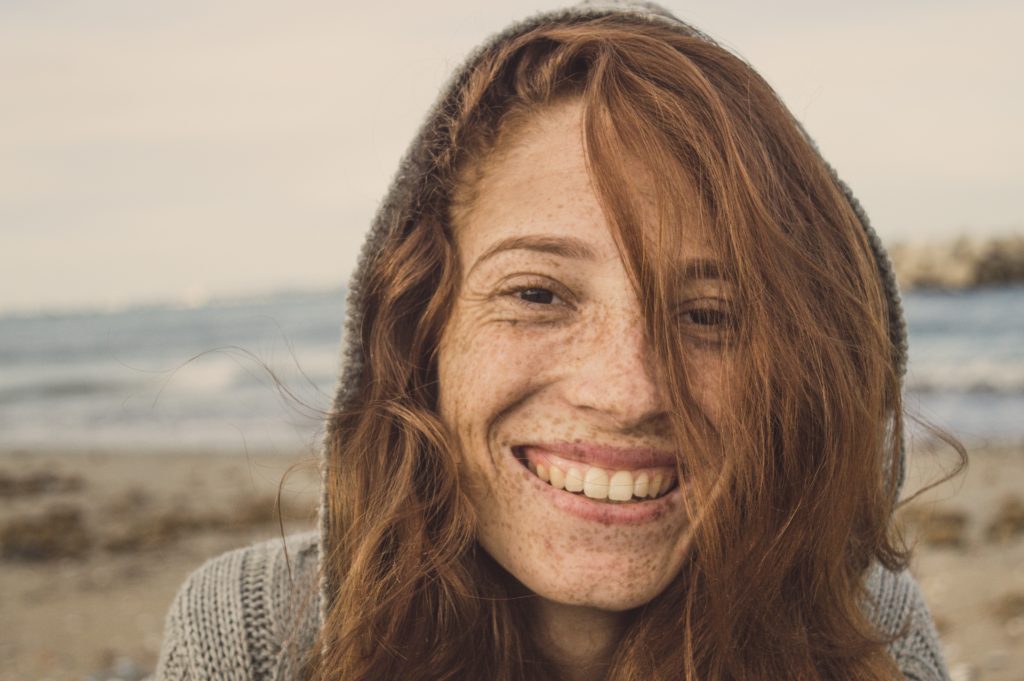
    To the restoration of your best self,

  • Pandemic Anxiety Depletes Bandwidth You Need to Cope With Stress of Living

    Pandemic Anxiety Depletes Bandwidth You Need to Cope With Stress of Living

    We’re all weary of hearing about COVID and mask wearing precautions. Aren’t we?

    About the negative impact of isolation. And while we see improvement on the horizon through wide spread vaccinations, there are still imminent risks, and new cases as well as deaths every day. Those risks add to your daily stress in ways you may not realize. Pandemic anxiety depletes your bandwidth for coping with daily living. The story of Carolee and Jacob illuminates the kinds of stressors that can go on behind closed doors…

    Carolee and Jacob walked the two blocks to the grocery story to pick up food for dinner. They were discussing a news story they’d read on the internet about how some states are lifting mandates for COVID precautions, like wearing masks, social distancing, and use of hand sanitizer. They liked walking to their neighborhood store when they could, just for fresh air and exercise.

    Since they passed a number of people on the sidewalk as they walked, they always wore masks, even when they were outside.

    Carolee expressed her frustration that those particular states were lifting the requirements, in spite of the fact that each governor had strongly encouraged citizens to continue to use precautions on their own.  

    Of course, there will be those who step up and “discipline themselves” and maintain the precautions. But she knew there would be so many… so so many…who would not. Her frustration and disgust exploded.

    “WHY?????  Why would they drop this requirement before we’re ready for it?  People aren’t going to do the right thing. They’re going to just be glad to be rid of it all and do what they want to do for fun!  And the cases will start growing…and more will die… and….”

    You Can’t Control Everyone… Just Yourself, Right?

    Jacob squeezed her hand and tried to soothe her. “Carolee, you know there are already so many who don’t follow the rules. But you and I can only do what’s best for us…Don’t you think it’s futile to struggle about everyone else, when it’s something we have no control over?  It’s really not worth you getting wound up and shaken about something you can’t control…is it?

    “It’s about bandwidth, Carolee. The amount of information your brain can receive…like per second. We’re flooded with so much more to consider about every detail of life than we’ve ever had to. This pandemic anxiety depletes the bandwidth we need just to get through every minute, every hour. We have to find ways to tamp down our own response to things, so we have more energy for everything else.”

    Jacob knew that Carolee hadn’t been sleeping well lately. She seemed to wake up frequently, sometimes walking through the house wringing her hands.  Sometimes just pacing. Staring out the window. Standing out on the patio.

    They’d talked several times about how the COVID-19 variants were spreading, asking questions about whether the new vaccines would be effective with the variants… About how long they were waiting on the list to get their own vaccines. Each time they talked, they agreed to let it go, for their own peace of mind.

    But that was easier said than done.

    To make matters worse, Jacob was feeling more and more worn down by the stress of the pandemic, his work responsibilities, and Carolee’s meltdowns.  He knew she would get past them, but he found himself worrying about her more and more. He needed to find a way to relax. In addition to Carolee, Jacob sure needed some relief.

    Worry. Worry. Then worry some more.

    Life was already full when COVID-19 came along. People were already stressed with daily responsibilities to job, family, faith organizations, maintenance of home and car, children and their struggles.

    When the pandemic appeared on the horizon like a vast dark cloud of pestilence, it pervaded everything.  Those aspects of life that were so routine and required little attention, came to require acute attention often overloaded with a sense of panic with fear of doing it wrong. 

    A psychiatrist wrote in Psychiatric Times about the fear and guilt she experienced when she stopped by the bank for cash only to find the drive-through banking not yet open. So she wrestled with herself about whether to go inside the lobby or park and wait  an hour for the drive-through to open. She went inside, but worried about whether she had been exposed to COVID-19 and  who she might expose through the day as a result. She worried about it all far more than she normally would have.

    Kate Murphy, a NYT journalist, made the point that your brain is overburdened by this pandemic. That things you normally relegate to your brain’s autopilot now require serious thought and risk analysis. And…as a result, you have less bandwidth for higher order thinking.  

    Less bandwidth.

    Isn’t it true?

    And those pandemic anxiety reactions eat up bandwidth.

    If you’ve depleted yourself through a panicky reaction to forgetting your mask when you MUST buy groceries, or driving through for a meal but your hand sanitizer is empty…how can you eat without sanitizing your hands?? Or you’re trying to cope with working from home and the kids are jumping out of their skins from cabin fever??

    What do you do when you keep hitting your thumb with a hammer?

    Those bandwidth-eating reactions are similar to hitting your thumb with a hammer, over and over and over…  because more and more damage is done. You can hardly cope with everything else when your thumb is screaming in pain, you know? You just have to step away from the hammer!!

    Then, if you’ve already been taking medication for anxiety, and the exponential expansion of anxiety caused by the pandemic sends your worry and panic through the roof, well, you have difficulties you hardly know how to manage.

    There was a time before the pandemic was anticipated, that worrying about little things blew up into worrying about disasters in your mind, and as your  grandma would say, “Honey, you’re borrowing trouble and making a mountain out of a molehill.”

    But now, the ongoing stream of changes and increased risks you face everyday can result in outright panic for some, and on a lesser scale, confusion and exhaustion…and dread. This pandemic anxiety just depletes your bandwidth for life.

    You probably know people who have contracted COVID-19. You may have seen some who experienced extremely mild symptoms, if any at all. Still, you may also know someone who experienced serious or extremely severe symptoms. Maybe you know people who have died.

    If you’ve known more than 1 person who has died, your anxiety about death may have filled you with alarm. Alarm about masks, about social distancing, about making sure OTHERS are doing what they’re supposed to be doing.

    And what’s more upsetting than people who won’t comply?? You just have to step away from that hammer…

    The more traumatic your experience has been, the more anxiety you may feel about the risks. On the other hand, if you have not known anyone who was hospitalized from COVID-19, exposure may not seem like a great risk to you at all.

    Unique Pandemic Trauma and Loss Requires More Bandwidth

    Either way, you need to be grounded. To let the world take care of the big solutions while you manage the challenges of your daily life. To help with that, take daily walks – wearing your mask! — but get out in the fresh air and sunshine. Take a friend or family member along and talk. Take care of YOU. Then look after your family.

    Pandemic anxiety depletes your bandwidth for your own life. Right now, you need all the energy and mental clarity you can get just to get through life, day by day.

    Because YOUR life needs to go on.

    Still, if your medications and fresh air and exercise don’t help at all, then you may need help getting your symptoms of depression, bipolar depression, PTSD, and suicidal thoughts under control. Then maybe… you should consider IV ketamine infusions.

    Since IV ketamine treatment is at the front lines transforming people when nothing else has helped, it may be an obvious next step for you. And receiving these infusions is a relaxing and comfortable experience. With your remission as our goal, your dose will be titrated according to your individual response during each infusion.

    Pandemic anxiety depletes bandwidth for coping with COVID, but you'll not be exposed to viruses in our office. You're safe here.

    At Innovative Psychiatry, we’re working every day to respond to the call for helping people who are against the wall in this pandemic. If your own bandwidth for coping with the demands of COVID on top of the demands of your life is growing slim, you’re not alone. A vast mob of stressed out, overwhelmed, exhausted, and depressed people surround you. You have to decide what to do about it, if your efforts toward exercise, fresh air, and medication have become futile.

    In that process, it could be that the results of stress have depleted your ability to cope anymore. You may need to reboot. You may need a remodeling project in your synapses to increase your synaptic plasticity. To relieve your symptoms of depression, PTSD, or suicidal thinking. To give you fresh bandwidth.

    For your safety, we’ve installed state-of-the-art technology that utterly removes and destroys COVID-19 and viruses and pathogens from the air and surfaces. So you don’t have to spend bandwidth on your safety, when getting treated is so important for you. Just one more thing to lighten your load. You have enough on your mind.

    If this sounds like you, and you’d like to discuss IV ketamine treatment, call us.

    This pandemic has been hard for everyone. You’re not alone. And we’re here to help.

    We look forward to talking with you and working together for your relief.

    Lori Calabrese, M.D. is on the front end of the race to stop PTSD in its tracks using IV ketamine treatment.
    To the restoration of your best self,

  • Keep Your Eyes on AKT: It Might Explain How We Learn and Forget Fear

    Keep Your Eyes on AKT: It Might Explain How We Learn and Forget Fear

    You may hear people say, “Antidepressants and other psych meds just don’t do anything…”

    Some people say, “…placebos work better…” Oh please. But why do they say that?  Maybe their own experience with prescribed medicines was disappointing. So — of course — they’re disillusioned about these medicines. We get it. And we know that any given medicine that works for some people won’t help some others at all, or might even make them worse. Sooo… what’s up with that? Well, the answer isn’t simple. We do know that antidepressants,when first prescribed, only help about 30% of depressed people. We know that psych drugs help some people but not others and that men and women can experience depression and anxiety and fear differently. It’s a tangle to unravel it all. That’s why we’re so excited about new developments. We want to keep your eyes on AKT because it might explain how we learn and forget fear.

    Meet Jill and Greg to see how differences affect their well being and livelihood:

    Jill and Greg own a coffee shop together and are partners in life as well. They have a great balance of power, in the tasks they divide between them and the strengths they each bring. Greg is a people person, creative, funny, and efficient at both designing new drinks and training staff to make them just right. Jill is a numbers person, and sometimes comes off a little stiff and awkward, because she just doesn’t have Greg’s gift for setting people at ease. She also has some social anxiety going on.

    She does ordering from suppliers, closes out the books every night, and keeps a close eye on profit and loss. They’re a perfectly matched pair and love working together. That is, as long as they’re both at their best. With Greg building relationships with customers and vendors, and Jill keeping the financial end sound, they really do provide strength for the weakness of the other.
    Unfortunately, they both suffer from disorders that periodically causes some lost time at the shop. When that happens, the one who is doing OK ends up carrying a double load. And both of them struggle with anxiety… or basically fear on some level.

    Greg was diagnosed with bipolar II disorder when he was a teenager. Jill was diagnosed with depression in college. She’s a worrier. He just explodes sometimes—and refuses to call it anxiety. Greg takes medication for mood stability that also has an antidepressant effect. Jill takes an antidepressant that only sort of works. They probably both need medicines that reduce anxiety.

    In a perfect world…

    Since their coffee shop venture requires all hands on deck to run smoothly, Jill and Greg are eager to find the right meds for both of them to help stay in the game. They need to be able to go in to work—they can’t afford not to. It seems to Greg that since his medication helps him as much as it does, Jill should ask her doctor to prescribe the same for her. She’s a nervous wreck! However, she knows enough about changing meds that she can’t just jump on another medication just because it works for Greg. She’s tried that before. It didn’t work.

    At this point, Jill has tried five different antidepressants over the past few years, and has researched enough about IV ketamine treatment that she wants to talk to her doctor about whether she’s a candidate for it.

    Considering something new takes a little bit of courage. She wasn’t sure what her psychiatrist would say. A visit with her psychiatrist surprised her–he was cautious but supported her trying something that might help. Jill decided to pay for it out of savings, because her bouts of severe depression were taking a toll on the shop and their income.

    She arranged for treatment and began infusions. When the treatment was complete, she had received 8 infusions over about 3 weeks, and she felt like she had a new lease on life. Her ketamine infusions seemed to wake up her brain. And that got better and better day by day — even after she completed treatment. She found she enjoyed singing and dancing, and painting became her new passion. When they had a problem in the shop, she had so many more ideas for solving it. Working on the book work was no longer a drudgery–she enjoyed it and got more accomplished in a shorter time.

    Jill and Greg’s life became so much better at work and at play. Greg still had slumps when his meds weren’t quite holding him, but their life was so much better overall. They had read that ketamine treatment could help bipolar depression, too. Maybe the next time he went through a bad bout of that, Greg would talk to his doctor about it. To see if it was right for him—not just to copy Jill.

    Finding the right medicine for you is sometimes a long search. And medicine that works for you may not work for your sister…or your son. But it’s well worth the work researchers do to better understand why.

    A research study at the University of Colorado Boulder offers one fascinating revelation about why those differences between people and genders might exist.

    It has to do with a key protein kinase in the brain called AKT…which functions differently between males and females.

    They found presence of a certain form of AKT (called an isoform) in male mice can help the male let go of fear from a past painful experience–and form a new adaptive response to get around the old fear. Wait, what? Doesn’t that remind you of the way synaptic plasticity helps you adapt?

    Ok, you’re right…mice aren’t people and it doesn’t work quite that way…. but AKT is remarkably similar across mice and humans and this kind of translational research can begin to give us specific information to make our medicines and medical care more specific. Potentially even gender specific.

    So you’ll do well to keep your eye on AKT because so much is being learned about how we learn and how we forget fear.

    By figuring out the very complicated cascades involved in creating synaptic plasticity, we may be on the verge of figuring out how to shape and foster the neuroplasticity–for the better.

    We may be able to personalize medication therapies so that they don’t just broadly address a disease state, but so that they can be specific for the man or woman who needs them. 

    Charles Hoeffer, the principal investigator of this study, said it like this: “We need to stop hitting every ‘disorder’ with the same hammer.”  Well said! (Wish I had said that!)

    We’re always talking about personalizing treatment. About how important it is to provide treatment that fits the individual. Just as that’s true with all of the fine details involved in ketamine treatment, it’s also true with all of the medicines we prescribe.

    So… about AKT. 

    It turns out AKT plays a lead role in synaptic plasticity. We’ve talked about that too…  The idea that the connections between cells in the brain can change and adapt. They can change and adapt as a result of an experience. (This is why trauma can change us.) But — so importantly — these connections can also grow, change, and adapt as a result of the deeply emotional experiences, like the incredibly deep and awe-filled experiences you can have during a ketamine infusion. So many of our patients do. We’ve talked about how taking advantage of that process by scheduling psychotherapy 24 hours after a ketamine infusion can enhance the effectiveness of the infusion. 

    Why? Because therapy helps you think differently about something…and synaptic plasticity empowers those changes in thought. Many of our patients also find that journalling, creative writing, meditation and other activities help to integrate those experiences into their lives, find meaning in the experience, and move forward. Keep your eyes on AKT… there’s so much more to learn.

    AKT helps you create memories. Like a child touching his hand to a hot stove. To encode that memory so that he will be cautious in the future around hot burners, his brain needs to activate protein kinases like AKT.

    In fact, AKT is one of the first proteins to present itself to form a memory like that.

    There are 3 main variants, or isoforms, of AKT and they do different things and affect people in different ways (More on that in a sec!)

    AKT1 is important in encoding new experiences and allowing you to forget the old.

    AKT2 is often found in the astroglia…which are star-shaped brain cells.

    AKT3 seems to be important in brain growth and development. This one plays a positive role in mental health and wellbeing. 

    And when AKT1 and AKT2 are working together in the prefrontal cortex, they’re vital for learning, for memory … for dynamic change.

    Maybe like the kind of dynamic change that you want for yourself. So yes. So many different forms, working singly and sometimes together, in ways we are only now just beginning to understand for people suffering with psychiatric disorders.

    Now. To add another twist to this picture. In this study, researchers found a dramatic difference between genders regarding AKT. 

    They found that male laboratory animals whose AKT1 was functioning well, had far more ability to replace unwanted memories with new ones…than those who were missing AKT1. 
    Draw that out for a moment now…. and imagine men who’ve experienced the trauma of illness, or assault, or combat… and imagine for a moment that they’re given the opportunity to experience something new — maybe hopeful, blissful, awe-filled, like they might during a ketamine infusion — and then the excitement of realizing that a tiny little protein kinase like AKT1 may play a part in helping to encode that new feeling. Turn it into a new memory. Make the old traumas fade. (That’s called extinction learning.) Teeny little AKT1 helps with this. In males. 

    Incredible.

    There are endless little nuances in your brain that translate your experiences, encode them, and shape your synapses…and your individual functioning. And maybe your future possibilities.

    AKT is one to keep your eyes on for sure.

    We keep learning, keep researching, and keep doing all we can to help you get better.

    (Let’s just say we read all this stuff for fun–at nights, on the weekends, and at 5 am with a double shot of espresso.)

    And at this point, serial titrated IV ketamine infusions still do the best job we’ve seen in bringing relief to more people with treatment-resistant depression and anxiety than just about anything else available today.

    But ketamine treatment doesn’t work for absolutely everyone. Is it because of AKT or something different? We don’t know. Not yet. Researchers like the ones at Boulder are still searching to understand the nuances of dendritic growth and synaptic plasticity in order to refine our treatments–and discover better ones.

    At Innovative Psychiatry, ketamine treatment is provided in a virus-free environment.

    At Innovative Psychiatry, we personalize treatment to fit you — all the complexity and all the wonderfulness of you! And we aim for remission. Not just response. That’s the reason we titrate your dose, duration of the infusion, and the number of infusions you need to help you discover — once again — your best self.

    When you struggle and suffer from the symptoms of disorders that can be tormenting and exhausting, getting treatment is paramount. And feeling safe is critical — so we have state-of-the-art technology that crushes 99.999% of all viruses and pathogens. During this pandemic we want to make things easy. We all need a little bit of easy.

    So now, reach out for IV ketamine treatment in a safe atmosphere where this treatment can help you live better, hope more, and enjoy the challenges and relationships in your life that give your life meaning.

    You can live a life of joy, fulfillment, accomplishment, and ongoing hope.

    If your meds have not been providing you relief from symptoms of depression, despair, PTSD, or suicidal thoughtscall us.

    Let’s talk about what you’ve tried that didn’t work. And if you’re a candidate for IV ketamine treatment, we can begin that.

    Even though ketamine treatment isn’t for everyone, it just might be a good fit for you.

    We’re here to help.

    Lori Calabrese, M.D. is on the front end of the race to stop PTSD in its tracks using IV ketamine treatment.

    To the restoration of your best self,

  • Don’t Let Stressors You Can’t Control Hurt YOU: Add Resilience

    Don’t Let Stressors You Can’t Control Hurt YOU: Add Resilience

    Turns Out Winter 2021 Hasn’t Run Out of Stressors to Throw at You Yet…

    People like you have been finding ways to adapt and endure this historical and very strange year. Never think that major factors in society, and in science, and in government, have no effect on you and your personal life. In fact, the ongoing onslaught of external pressures can take a serious toll. In fact, the toll can be so subtle you don’t realize it’s happening. If you find yourself sinking into what feels like quick sand, stop and take action. You don’t have to go down for the count. Stressors you can’t control don’t have to control you or even hurt you. But without intervention, you may find it all gets to be too much.

    Take Janeen and Carole, for example:

    Janeen and Carole were neighbors and had been friends for years. They enjoyed shopping together, stopping for coffee and pastries, or splurging on Italian food at their favorite white cloth restaurant. They were both upbeat single empty nesters and reveled in their freedom once their grown children built lives of their own.

    Carole was the more practical of the two, and Janeen was the more spontaneous, but oh, they had such fun together.

    As the pandemic emerged, and as surprising as it was, they didn’t expect it to have that much of an impact on their lives because they were both already so content doing things at home — together or individually. And they did, whether it was a craft project, or constructing a puzzle, or playing cards.

    However, with the spread of the pandemic, they each knew more and more people who became ill from it. Of course, Janeen and Carole were diligent with all the precautions including masks, gloves, hand sanitizer, and social distancing. Still, they knew someone who was critically ill with the coronavirus, and while she survived, it was pretty scary.

    Then Janeen learned that a life long friend of her family had died in the hospital from COVID. 

    Three weeks later, the brother of her co-worker also died. Both losses hit her hard. Then a cousin also died. Of course, they were reading about someone well-known who also died every day or two. The losses of dear people in this pandemic were unexpected and heartbreaking.

    You know that feeling when something so alarming happens that you hear about it in the news…but you never think it will happen to anyone you know..? Exactly. The alarming aspects of this disaster were getting too close to home for these friends. And in spite of the upbeat friendship Janeen and Carole shared, they discovered stressors you can’t control weren’t as easy to push aside when they plunder your personal life and those you hold dear.

    That Last Straw that Can Break a Camel’s Back…

    Finally, Carole’s sister Greta called and the tone of the conversation turned sour, then bitter…until her sister attacked her utterly unexpectedly. She attacked her political beliefs, her faith, and her family. By the time Carole ended the call, she was shocked and deeply wounded. Devastated. She felt betrayed at the deepest level. Carole trusted her sister. She respected her opinions and felt support from her so fundamentally, that she had always been confident they would never treat each other with disrespect. 

    Carole told herself her sister was just having a bad day. Or maybe the stressors of everything happening were wearing down Greta, too..? At any rate, Carole felt silly that she was so hurt by the things her sister said. She’d never been one to be so touchy with her family, to have her feelings on her cuff.

    But… for Carole, it was as if the clouds had covered the sun. The shades on her life had been drawn. And the light that had normally shone on her days disappeared. Carole didn’t understand what was happening to her. But the color in life had turned shades of gray.

    There was no reason to take her sister’s verbal assault so personally. But still, her outlook deteriorated. She couldn’t seem to help it.

    She read on the internet that depression seemed to be on the rise with COVID…and she wondered if that was happening to her for some inexplicable reason. It was as if she had lost her zest for life. As the days and weeks passed,  she realized she didn’t really care what her sister did…or what Janeen did. She felt so deflated she didn’t want to get out of bed

    So she didn’t. 

    Carole’s highly energized and determined personality went limp. Sad. Empty. 

    As days, weeks, and months passed, Carole knew she had become withdrawn. But she didn’t care. Nothing seemed to matter.

    Eventually, she realized she didn’t see any reason to keep living. Her children were living their own lives now, and she was no longer needed. She thought sometimes about how the end of life would come for her. Would she just not wake up one day?

    Or develop a catastrophic disease?  Then she realized she didn’t really have to wait…

    So she wondered how hard it would be to just put a STOP to her life.  To be released from the phenomenal stress she’d lived with.

    The more those thoughts built in her mind, the more reasonable they sounded to her.

    Janeen checked on her regularly, but Carole tried to end those contacts quickly. She just didn’t want to talk, visit, or exert any energy at all. She wished she could just sort of fade away.

    Above all, though, she knew she didn’t want to do anything that caused her family pain… Still, she continued to think about it…

    Another Perspective on Stress

    We talk about stress. How it can defeat otherwise unsinkable people. How it can reduce immunity and how it can contribute to disorders like depression, panic disorder, PTSD, alcohol use disorder, bipolar depression, social anxiety disorder, and suicidal thoughts. Stressors you can’t control are so much more difficult than those you can. And the helplessness that accompanies them does its own damage.

    When we look back in history to extremely stressful situations, we see how severe stressors can lead to suicide in masses of people. For instance, the stock market crash of 1929 for example, illustrates how extreme stress contributed to psychiatric crises for countless people.

    This winter — 2021 — has been a “perfect storm” of circumstances with the combination of the COVID-19 pandemic, flu season, the COVID variants, remote learning at home for kids, remote working from home, (where stressed parents try to do their job while supervising their children in the same space) and now a historical series of severe arctic storms sweeping from coast to coast, with snow, sleet, and ice causing life threatening traffic pileups, a break down in transportation of goods and services, preventing communities from having what they need… plus a presidential election and an impeachment.

    This is proving to be the most stressful, crisis-ridden winter this nation has seen in a very long time. And everyone is facing stressors they can’t control.

    And all this stress is dangerous. 

    Some people have taken every precaution to try to maintain health and safety, and to help contain the fallout of each of these crises.  Others have all but thumbed their noses at the need for precaution, and so many others have fallen somewhere in between. 

    Most people are relatively resilient, and will weather whatever is thrown across their path. But if major stressors are tossed at them day after day, week after week, month after month…eventually they’ll need some sort of reliefa break to recover.

    In this particular winter of 2020/2021, we may find ourselves isolated or quarantined. But we still need that break. We need to reach out for relief.

    By building a network of people we look forward to talking and laughing with online. Or writing for self-fulfillment and to draw interaction from others, or cooking meals and delivering them to neighbors nearby. 

    Stressors you can't control can hurt without resilience. Ketamine treatment restores.
    We all need to give. We all need to receive. And we all need feedback.  When we give, receive, and participate in feedback…well, those are stressors we can control…so they help.
    When the things we need as humans are accessible and balanced in our lives, it’s easier to maintain a certain equilibrium. 

    But our human needs aren’t always easy to fulfill, and as stressors pile high upon us, we may need more to help us survive.

    We may need a treatment to help restore equilibrium. These are highly stressful times for many, many people for a multitude of reasons. While we need to lean into our support system and find it’s not in place, we may need extra support.

    Something that IV ketamine treatment excels at is resilience. And resilience chases away the clouds of disillusionment and despair. It helps you bounce back after disappointment and devastation. You may have an abundance of resilience already. But if you don’t, ketamine treatment can sure restore it and arm you for what you face when you’re confronted with stressors you can’t control.

    At Innovative Psychiatry, resilience is a remarkable and startling bloom we often see in our ketamine patients. After years of living in a slump, stripped of courage, patience, hope, purpose…to see the same person develop a bright and open countenance, to hear the laughter in his voice, the hope, the confidence…the warmth; to see a life changed so splendidly makes what we do so rewarding.

    While ketamine is not effective for everyonewe so wish it was! — its extraordinary impact is life-transforming for many. Neuroscience researchers continue to probe to find reasons for those it doesn’t help.

    We also have protocols to ensure your safety when you come to our office for treatment. With Novaerus units in each room that remove the coronavirus from the air you breathe, and surfaces treated by Steramist, which removes 99.999% of all the virus, bacteria, and dangerous pathogens from ALL surfaces, we are diligent about keeping our air clean. We all wear masks, and keep the door locked. We’ve made so many changes… and reinvent down to the smallest details.

    You can feel secure knowing that, so you can seek treatment for your depression, PTSD, social anxiety, and suicidal thinking symptoms without fear of COVID infection.

    When it seems that the things in life you could always trust seem to fall around you, and the dread of it wears down your ability to try anymore, you might want to call us.

    You might want to discuss your options for getting your resilience back.

    And if you do, we’ll do our best to help you navigate your way through the barrage.

    To find the best you to face the circumstances around you and the stressors you can’t control.

    We look forward to talking with you.

    Lori Calabrese, M.D. is on the front end of the race to stop PTSD in its tracks using IV ketamine treatment.

    To the restoration of your best self,

error: Content is protected !!