Category: Anorexia

Articles about Anorexia Nervosa by Lori Calabrese, M.D. | The Ketamine Blog

Anorexia Nervosa is a psychiatric disorder characterized by extreme food restriction, intense fear of gaining weight, and a distorted perception of body weight and shape, that can be debilitating, life-threatening, and even fatal. Until recently, the treatments available were largely ineffective, had high rates of relapse, very low recovery rates, and medications have been mostly ineffective.

Even when weight is restored after extensive treatment, many adults with anorexia are plagued by fear of weight gain, and consumed by worry about their weight and body shape, phobias with various foods, and chronic, long term struggles with accepting themselves for who they are.

The Anorexic Voice

Because of these things, gaining weight isn’t enough. These thoughts often lead to more food restriction and relapse. They interfere with recovery. And so the healing process is interrupted, disrupted, and often reversed. This is what we call the anorexic voice, and unless it can be quieted, relapse is almost inevitable.

New Innovative Treatment Has Become a Game Changer

We have demonstrated through our initial study, and in practice since, that a ketogenic diet to establish a state of therapeutic nutritional ketosis, can bring healing to brain cells, and help with weight gain. Since it isn’t necessary to eat copious amounts of food for this dietary therapy, it is easier for adults with this illness to comply. But as their weight and metabolism restore, there is still that pesky, defeating “voice” pounding away in their head, telling them they’re fat, they’re disgusting, and they can’t eat that…whatever it is in their plate.

To respond to this, we have found a series of ketamine infusions following the ketogenic diet, can quiet the anorexic voice. Once that’s taken effect, the illness loses its hold, and recovery can follow.

We invite you to read the blogs below, as well as our study.

Freedom from anorexia nervosa is truly achievable.
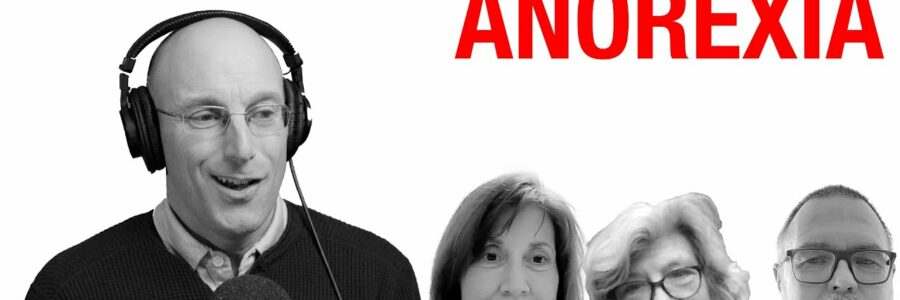
  • The Metabolic Mind Video about Anorexia

    The Metabolic Mind Video about Anorexia

    We’ve talked before about our work with Caroline to help her recover from anorexia nervosa, and the subsequent pilot study with 5 women who had suffered from anorexia for many years. In both cases, we used a combination of a nutritional intervention that created therapeutic nutritional ketosis without weight loss and IV ketamine infusions to silence the anorexic voice. Recently, we participated in an interview on a video posted on twitter by Bret Scher, M.D., on a Metabolic Mind broadcast.

    Dr. Scher interviewed three of the five of us who co-authored the pilot study: Barbara Scolnick, M.D., Guido Frank, M.D., Ph.D.

    The idea behind the whole project was really sparked by Barbara Scolnick, MD. Barbara is Caroline’s aunt and had been searching for a way to help Caroline since she was a teenager.

    Caroline began to suffer from the symptoms of anorexia when she was 14, and though her family helped her to get treatment, nothing worked. Even if she gained weight in treatment, she would lose it again once treatment was over. She had a drive to starve.

    The “Anorexic Voice”

    The problem was the need to silence the anorexic voice that mercilessly shamed and berated her for eating. 

    To silence the anorexic voice is the most difficult aspect of treatment.

    By the time Caroline was 30, she told her aunt she couldn’t live like this the rest of her life. Something had to change. She wanted help to find a way out of anorexia after suffering from it for 15 years. But, like most of those who suffer with anorexia, Caroline was afraid of food. The “voice” of anorexia convinced her that eating anything would make her disgusting and contemptible. So she had come to live on a few peanut m&m’s a day.

    Barbara realized that the ketones Caroline’s body produced seemed to make Caroline feel good. At least at first. That the state of starvation felt “right” to Caroline. So Barbara first suggested Caroline take a dose of MCT oil daily to see if the ketones that came from it would help her.

    Adding ketones to cells seemed to help

    Caroline reported that, in fact, she did feel better as she took the MCT oil. The ketones were helping. She believed she was getting better. But not enough better. So Barbara and Caroline flew to see Beth, a registered dietitian Barbara had met a few years before in her search to understand what a therapeutic ketogenic diet might be able to do to help Caroline.

    Beth taught Caroline about this way of eating small meals packed with nutritious fats to increase the load of ketones Caroline’s cells had at their disposal. And while Caroline started with small servings, she realized that this keto diet that made other people lose weight, did not make her lose weight. She said, “See? My body IS different!”

    After some time eating these ketone producing meals – not a weight loss diet! – Caroline realized she was feeling even better still.

    But there was a problem. 

    To avoid gaining weight, people with anorexia prefer to eat almost nothing.

    At times, while she was eating this way, she would say she was getting her old familiar “voice” back (the real Caroline). But the anorexic voice wasn’t fully gone.

    So Barbara contacted me, to talk about adding IV ketamine infusions to Caroline’s therapy. By this time, Caroline’s weight was stable, but she was still plagued by the cruel, shaming anorexic voice. We hoped that the neuroplasticity that ketamine created would reduce the anorexic voice.

    IV ketamine infusions

    And so we started IV ketamine infusions. We were all learning together with her, as we sought to find a treatment that would work. In other words, a treatment that would erase the anorexic voice.

    After the 3rd infusion, Caroline woke up the next morning and that shaming voice was silent. Gone!

    She told me she didn’t think she needed any more ketamine, and felt like she had found a cure! But we did one more infusion for good measure.  

    Caroline felt elated!  

    When you silence the anorexic voice with keto + ketamine, you can enjoy eating again.

    And so were we. 

    After Caroline experienced such wonderful results, we began to talk about expanding this protocol with more people.

    Caroline entered remission that lasted for months and months for the first time since she was 14.  And she worked with us to design and carry out a pilot study as we sought to see if a small group of anorexia sufferers could experience similar results from therapeutic nutritional ketosis, and we followed that up with a series of ketamine infusions, like we did for her. Caroline’s support role for the participants turned out to be invaluable. Could we silence the anorexic voice?

    Beth Zupec-Kania, the registered dietitian who specializes in ketogenic diet therapy, and who helped Caroline, designed a similar dietary intervention — like the one Caroline used — for the women in our pilot study. We carefully screened and chose 5 adult women who had suffered from anorexia for years, and were medically stable. 

    We invited them into a home setting, where we talked, prepared meals together, and ate together— 3 meals a day plus two snacks. All of the women helped prepare these ketogenic meals, and actually achieved ketosis by the end of the weekend… and it happened so gently and beautifully.

    Then, they went home and continued it with peer coaching, to maintain ketosis without weight loss, for 4 to 8 weeks. At that point, they received a series of ketamine infusions.

    Conquering Fear of Food

    When you don't erase the anorexic voice, the fear of food returns.

    Keep in mind that fear of food, fear of eating because of the fear of gaining weight, is a primary characteristic of anorexia. So for these women to participate in a study that was very different from the “all good is good food” approach they’d had in treatment settings, they wanted assurance they wouldn’t gain weight from eating fat.

    Fat is a four letter word for a lot of people with anorexia.

    Because they had anorexia, we wanted to assure that they wouldn’t lose weight. We didn’t want it to backfire and kick up their anorexia.

    That’s the beauty—and the challenge—of this dietary intervention: because the keto diet is famous for making people lose weight who WANT to lose weight, they were reassured that they would not gain. So they were willing to try this.

    It wasn’t “a diet.” It was a ketogenic metabolic therapy — an approach used as a medical treatment— in this case, to reduce psychiatric symptoms associated with anorexia.

    Happily, we got to witness wonderful outcomes from our work with these women. Then we wrote the paper together and published it. We’re so thrilled to have it out so that others can see our results, and spread the word about the continuing research that still needs to be done to bring this treatment safely to those who need it.

    Through this experience with Caroline and the women in our pilot study, we’ve come to recognize that the core of this illness … that thing we target to bring to remission… is the “anorexic voice.” 

    That even though a patient with anorexia may go into residential treatment and begin to eat and gain weight, once they are home from treatment, they often loses the weight they have gained…because of the cruel anorexic voice.

    To silence the anorexic “voice”

    The good fats of a keto diet can help you feel better.

    In Caroline’s case, it seemed the dietary intervention provided the ketones her brain needed and even hungered for, but it wasn’t enough until ketamine infusions silenced the voice. Still… can the voice be truly silenced without the therapeutic ketone dietary intervention? And what about our ketogenic metabolic therapy alone, without ketamine infusions? Can that work by itself as effectively as the combination did? We need studies that explore these and many more questions. And carefully controlled studies involving larger populations of people are also needed. 

    And these studies need to be conducted with strict supervision and care. 

    Dr. Frank pointed out that we don’t know what causes anorexia or depression, and the symptoms of both can overlap. In addition, anxiety plays a large role in anorexia. 

    But he emphasized that what you eat can change your brain. He is interested in dopamine. And neurotransmitters like dopamine can be normalized in the neurons by certain fats added to the diet. We can learn so much more by studies along this line.

    I often tell my own patients that we all start out with big, beautiful neuronal trees, branched out in gorgeous canopies. These broad, luscious branches become continually pruned by stress, trauma, inflammatory processes, and anxiety. As this happens, we have symptoms of depression, anxiety, eating disorders, and more. 

    Neuroplasticity can help us find a way out.

    If you can reduce inflammation through a therapeutic ketogenic diet, enhance GABA through a therapeutic ketogenic diet, provide emotional and metabolic support throughout this with per counseling and medical and psychiatric supervision… and put this together so that patients flourish metabolically, you might SPARK something that gets neuroplasticity going through BDNF (brain-derived-neurotrophic-factor). Then you may have real possibility for growth to happen. And that new dendritic growth can get myelinated by the lipids (healthy natural fats) that you’re eating on a ketogenic metabolic therapy that you weren’t eating before.

    Don’t Try This At Home

    A specially designed therapeutic nutritional ketosis diet can feed your brain ketones to help you feel better.

    We see enormous hope to silence the anorexic voice. But this protocol isn’t something to do on your own. Anorexia is a metabolically dangerous condition that must be managed very carefully. We need a foundation of extensive research to establish a safe protocol before this treatment is widely applied.

    And we do hope to see this effective treatment for anorexia nervosa emerge through more research.

    If you have symptoms of depression, anxiety, PTSD, or suicidal thoughts that aren’t being helped, call us.

    We address brain energy and how therapeutic nutritional ketosis as well as IV ketamine treatment can help a variety of psychiatric conditions every day through the arms of our Metabolic Psychiatry and Ketamine treatments.

    We’re on a mission to find new ways to help you get better and live your best life.

    Lori Calabrese, M.D. is on the front end of the race to stop PTSD in its tracks using IV ketamine treatment.

    To the restoration of your best self,

  • Smashing Anorexia with a Therapeutic Ketogenic Diet Plus IV Ketamine

    Smashing Anorexia with a Therapeutic Ketogenic Diet Plus IV Ketamine

    Halley put on her makeup and looked in the mirror. She abhorred her round face and the fat on her chest and arms. She quietly resolved that she’d swim more laps tomorrow, because the 30 laps she swam daily just wasn’t improving her appearance. It was hard, so hard, to go out in public because she knew in her gut that she would be secretly criticized for her excess weight. She saw an article about treating anorexia with a ketogenic diet plus IV ketamine, but she didn’t read it. She tossed it aside. Halley didn’t believe in anyone’s solution. She wanted nothing to do with it.

    Maybe it was denial. Or maybe it was some sort of cosmic nagging and shaming. She didn’t know. But she didn’t want to hear it. She fought guilt and shame every day.

    Halley had been avoiding family meals for a year or more, because she just  couldn’t load up on all that heavy food. It was easier to go to the gym during dinner time, and privately eat 4 peanuts, drink powerade, and chew a stick of gum. When she ate with the family, it always seemed to descend into a conflict over what she ate. Too exhausting.

    One day, Halley’s mom walked into her room and found her crying in front of the mirror.  

    “What is it, honey?” She put her arm around her painfully thin daughter and gently squeezed her. 

    Halley’s tears rolled down her cheeks.

    “I’m so fat! I try and try to diet and exercise but I stay so heavy. I hate myself.”

    Her mom embraced her. “Halley, you’re not fat! You’re really thin…”.  Then, her mom realized they might slip into a conflict, so she added, “Honey, you’re beautiful, inside and out.”

    Halley rushed out of the room. She felt like a total failure. 

    As her weight dropped more, her mom became more and more worried. Halley’s face went from slender to gaunt, and her arms lost shape, as her muscle mass diminished. 

    But Halley kept working out, running now and swimming laps, eating little to nothing. And feeling like she was heavily overweight. She felt appalled at her appearance, but it was a distorted perception. To observers, she looked rail thin, but when she looked in the mirror she thought she looked massive.

    At some point, Halley realized she hadn’t had a period in months. She’d been so busy with working out she hadn’t noticed. This scared her because she thought she wanted to have children some day. Her hair was brittle and falling out. It collected on her brush like a haystack.

    Finally, her mom convinced her to get a check up so the doctor could evaluate why her hair was falling out and her periods had stopped. 

    The doctor spent time evaluating her, asking questions, doing lab work, and listening. Then diagnosed anorexia nervosa. Her doctor referred her to a dietitian and a psychiatrist.

    But there was a problem.

    Even though the doctor recommended group therapy for Halley, the inner drive to restrict her eating and push through excessive exercise continued. There was a voice in her head that drove her. It shamed her for eating, it shamed her when she looked in the mirror, it degraded her and made her feel deeply unworthy.

    So she tired of the group therapy eventually. The reason? That anorexic voice still drove her.

    She was angry about the anorexia diagnosis. Didn’t believe anything was wrong with her. Not really.

    But she felt bad… sad…pretty hopeless. And empty. She felt ashamed to be around friends, and just didn’t feel very connected anymore. To anyone.

    Halley also felt light-headed more and more often. Sometimes dizzy, and somewhat weak.

    One day she collapsed.

    Her mom ran to her room when she heard the crash and found Halley on the floor unconscious. Mom dialed 911 and paramedics arrived in 7 minutes. They told her mom her blood pressure was low, and her pale color could be anemia. They transported Halley to the hospital and admitted her to ICU.

    Halley remained semiconscious for 3 days, while she received IVs of electrolytes, TPN (total parenteral nutrition), fluids, and iron. Lab work revealed her electrolytes were out of balance, and her liver and kidney function were out of whack, too. And she was very anemic. Thankfully, her heart wasn’t damaged — but it could have been.

    As her body’s electrolytes, fluids, and glucose balanced, Halley did a lot of thinking. She had to face that something was very wrong with her life … and potentially damaging. Even though she was glad she had survived this, she knew she needed to do something. She decided she needed to open herself to help, treatment, and changes in her life.

    The day before she was discharged from the hospital, a nurse came to talk to her. She told her that her own daughter had suffered from anorexia for years and but had recently turned it around using a special program developed by a team of specialists. Medical doctors, a registered dietitian specializing in medical ketogenic nutrition, peer counselling, and a psychiatrist.

    The approach included education, peer support counselling, a specially designed therapeutic ketogenic diet plus IV ketamine treatment.

    And it is new. We first wrote about it here 2 years ago, in a blog about Caroline, the first patient we treated with this sequence. And then published a case report about her remission from chronic anorexia.

    Another Study To Replicate Results

    Recently we conducted a pilot study with 5 women who had struggled with chronic anorexia for at least 10 years. This was our next step to replicate our outcomes from the first case study. We’ve just recently published that data in Eating and Weight Disorders: Studies on Anorexia, Bulimia and Obesity.

    Our team included an internist, a registered dietitian specializing in medical ketogenic nutrition, a psychiatrist, peer support counselling.

    Similar to the initial case study with Caroline in 2020, the subjects in our pilot study were thin—but partially weight restored—and medically stable enough to participate. (This was key.) But they were still plagued by the shaming anorexia inner voice, distorted perceptions of their shape and weight, and seriously low self esteem.

    They began a specially designed therapeutic ketogenic diet — aimed at nurtritional ketosis, not weight loss — and maintained it for several weeks.

    There is no psychiatric medication that targets specific residual symptoms of the compulsions, self-starvation, and the anorexic voice — and so they often continue even after weight has been restored to normal. And all too often, relapse occurs. Because the anorexic voice just hangs on and torments.

    To effectively treat anorexia, the compulsions and that shaming voice must be targeted and quieted.

    This is what this two-part protocol was aimed to address and where IV ketamine infusions come in.

    After at least 4 weeks of maintaining the therapeutic ketogenic diet, each participant received a series of IV ketamine infusions (modeled after the success of the first patient we treated with this approach.)

    And the voice quieted. In fact, it disappeared.

    We followed the participants closely, presented our preliminary results in Oxford, UK and published our results at six months follow-up. Four women showed significant improvements across the measures we used to assess recovery and remission; one relapsed and was admitted to a residential program.

    This approach of using a therapeutic ketogenic diet (an approach that induces safe, nourishing nutritional ketosis — not weight loss or starvation ketosis) may seem counterintuitive, but it’s based on science, and evidence supports it.

    This isn’t keto from YouTube.

    Our approach offers a potentially life-altering and lifesaving two-part treatment for a deadly disorder.

    More research is needed to understand the mechanisms in the brain that result in quieting these compulsions and the anorexic voice, and in studying this treatment sequence in anorexia. A lot more research. But we’re excited to discover and report something truly new and hopeful for so many who have suffered so long: a very careful therapeutic ketogenic nutritional approach followed by IV ketamine.

    If you’ve struggled with symptoms of chronic anorexia for a long time … if you think you might want to work with us … if you’re interested in the program we’re developing, please contact us.

    Tell us a little about yourself and your story.

    Let’s talk. Let’s start something new.

    Lori Calabrese, M.D. is on the front end of the race to stop PTSD in its tracks using IV ketamine treatment.

    To the restoration of your best self,

  • Every Body Deserves a Seat at the Table: Let’s Ensure They Have It

    Every Body Deserves a Seat at the Table: Let’s Ensure They Have It

    This is National Eating Disorder Awareness Week — NEDAwareness Week

    Every body deserves a seat at the table, every race, every color, every sexual orientation, and every new idea.

    People come in a wide variety, don’t they? No one more deserving than another. Whether there are differences in skin color, differences in gender, differences in sexual orientation, differences in religion…or differences in IDEAS. And no matter the differences, no matter the variety, every body deserves a seat at the table. We may speak of the table as a place to eat, or we may speak of the table as a place to exchange ideas. It happens that this week we’re talking about both. Because we want to think about how NEW ideas and NEW approaches can bring NEW FREEDOM to people with eating disorders.

    An eating disorder causes you to see food and yourself in a distorted way. A way that affects you both physically and mentally. That distortion creates distorted eating patterns. And those eating patterns can cause damage to your body and your mind… as well as your life expectancy. And of all the eating disorders, anorexia nervosa is the most dangerous. With its poor response to treatment, such persistence, such rigidity. It takes over. It’s exhausting. We need more effective treatment for anorexia.

    Eating disorders affect 32 million Americans. Twice as many women as men. Whether it’s bulimia, binge eating, anorexia nervosa, avoidant/restrictive eating disorder, or others, the need to raise awareness for support, education, and especially effective treatment, is paramount.

    And although we hate bad news, there’s more bad news. The death rate in women with anorexia is 10 times greater than in other women. One major reason is that the metabolic and medical problems caused by self-starvation can be critical, even fatal. And also because the desperation triggered by anorexia can lead to suicide… and often does.

    So let’s talk about what an eating disorder is…and what it isn’t.

    In general, a variety of biological, psychological, and sociocultural factors tangle together and lead to a disorder of this type. 

    The idea that eating disorders are a “girl’s disease” a disorder where a girl seeks her parents’ approval is false.  Archaic. Fiction. Can you say Old Wives’ Tale?? Similar to some other diseases, there is a biological basis for anorexia — and genetic studies identifying the first 8 genetic loci! — that is exacerbated by sociocultural and psychological/psychiatric components.

    And, by the way, let’s square off against the idea that eating disorders aren’t serious. They can, and often do, wreak havoc on you and the people who love you. They can interfere with your relationships, your livelihood, and your own sense of peace and self-respect. And they can tear down your health.

    We need to up our game if we want to erase this hold they have on us, and erase the shame and stigma they carry. We need to up our game if we want to make headway in treating the most deadly of these disorders — anorexia nervosa.

    Anorexia has the highest mortality rate of any psychiatric illness. (Or it did, until the opioid crisis recently claimed the lives of so many.) That mortality is caused by the medical consequences of binge eating, purging, starvation, over-exercising. And these consequences include heart attack, kidney failure, osteoporosis, electrolyte imbalance… and suicide.

    Because of the stigma attached to eating disorders, early diagnosis can be hard to achieve. And early diagnosis is important for effective treatment. Because these disorders can begin at any age. And last for years

    …and let’s get One Thing Straight Now:

    Eating disorders are NOT a matter of choice. They’re diseases governed by physiology and biology, with genetic, social, cultural, and psychological factors. Help remove the stigma associated with eating disorders, to make the world a safer place for everyone… because every body deserves a seat at the table.

    Stigma comes from ignorance. It’s the inclination to pour shame on anything not understood. And that shame can be crippling. It can force someone who suffers into hiding…isolation… when it’s light, enlightenment, and help that is so deeply needed.

    When you’ve been isolated in the throes of shame, (and you know you haven’t done anything to deserve it!) it’s hard…really hard...to come out. Sometimes it’s hard just coming outdoors, for Pete’s sake! But sometimes, it’s coming out with truth about yourself. About your sexual orientation, about your habits, or about the way you think…or eat. It makes you feel vulnerable… and like you’re making yourself a target for hatred, stigma, and judgment.

    Sometimes eating disorders live silently inside— and sometimes they can’t help but show themselves, and then the anguish, the anger, the frustration, and the way they take over your life becomes…unbearable. And stigma or not, you realize you just have to find help.

    And especially, if you suffer from Anorexia Nervosa.

    There is plenty of stigma about anorexia… and you may hear people toss the term around disrespectfully, because they don’t grasp the critical nature of the disease. If they suffered from it themselves, they would not speak hateful words in ignorance, because they, too, would be informed. But that’s the nature of the beast of stigma, isn’t it?

    The death rate in women with anorexia is 10 times the death rate in those who don’t suffer from it. But every body deserves a seat at the table, a chance to live well… and not die from the critical medical conditions caused by self-starvation.

    And again, remember that this self-starvation is not by choice, but is associated with genetic factors, and fueled by changes in the brain that happen in some women and men when they start to lose weight, get energized, and begin to exercise compulsively. And we recognize that there are a host of other factors that can contribute to a slow spiral, a continuous weight lose, the emergence of anxiety, fear, and rigid rules.

    Every body deserves a seat at the table.
    But sadly, the most distinctive and cruel of the symptoms of anorexia is the “anorexia voice.” A voice talking to you, controlling you, commanding you, every minute of every day, telling you what to eat, what not to eat, when to exercise, when to feel guilty, and on and on and on it goes.

    Treatment is effective only when “the voice” can be silenced, and you are free to make choices you want to make. About food, about love, about activity… about hope. 

    So what can be done?

    Sometimes if you have a new idea, it takes courage to offer it up — like Conflict Zone: A Play on Eating Disorder Recovery, a live-streamed one woman show with a compelling storyline about the lived experience of recovering from an eating disorder kicking off NEDAwareness Week — but it could be brilliant.  It could deeply resonate.  It could breed a whole new movement fueled by hope.

    And while it may draw stigma and resistance from those who don’t understand the idea, those who need what the idea could provide grab onto that thread of hope.

    We’ve had the opportunity to work with a few other researchers to write up and publish a case report that incorporated a specially designed modified ketogenic diet combined with ketamine infusions that resulted in complete remission of severe and enduring anorexia in a 29-year old woman who had been ill for 15 years. Striking. Striking that her remission is complete and sustained and has persisted now for over a year. (See our blog about Caroline)

    The case report has taken off, generated a lot of interest (and a lot of controversy — as you might guess when we put a ketogenic diet and ketamine on the table). It’s nice to see the metrics climb, the interest rise, to see the hope bud in people with anorexia who’ve lost hope of ever beating it… and to see the sparks fly in the imagination of the scientists, doctors, therapists and dietitians who try to help them. Our case report was recommended by Drs. Miletta and Horvath in Faculty Opinions as a New Finding, Interesting Hypothesis and Technical Advance, and written up in a lovely Faculty Opinions blog.

    So… we’re now following up with a small clinical trial involving more subjects which is registered on ClinicalTrials.gov. Because we need an N greater than 1. We need to see if what worked will work for more people with chronic anorexia. This next step will give us more information about the effectiveness of our new sequenced approach in the treatment of anorexia.

    As you can imagine, we’re cautiously excited to see what we can learn. And we’re hoping to see more and more studies to support novel treatments for anorexia.  

    Every body deserves a seat at the table for ketogenic diet and IV ketamine for remission.

    At Innovative Psychiatry, we’re so pleased to see people with severe treatment resistant depression, bipolar depression, social anxiety, PTSD, and suicidal thoughts achieve remission with serial titrated ketamine infusions. 

    When you consider that the first paper published using ketamine for the treatment of a psychiatric disorder was using ketamine infusions for the treatment of anorexia — unbelievable but true!– more than 20 years ago, it’s WAY past time for people with anorexia to have truly effective treatment options to help them achieve remission.  Every body deserves a seat at the table.

    As our clinical trial launches, we remain right here, in the office, with boots on the ground, and continue to treat all of our patients for the symptoms that interfere with their lives.

    If you suffer from depression symptoms, PTSD, social anxiety, or suicidal thinking, and medications haven’t helped, call us. You are welcome at our table.

    We work to help you get the treatment that will help you with your symptoms and give you the freedom to live a rewarding life. In addition, we also work with our colleagues over the phone, email, and at conferences to learn all we can to better help you find remission. And, we pursue research opportunities to increase the medical knowledge available to all of us. For you.

    Because every body deserves a seat at the table, including you!

    We want to see you build a fulfilling life. That’s our heart in all we do.

    So please call and let’s work together.

    Lori Calabrese, M.D. is on the front end of the race to stop PTSD in its tracks using IV ketamine treatment.

    To the restoration of your best self,

  • Keto Plus Ketamine:  A New Approach for Anorexia?

    Keto Plus Ketamine: A New Approach for Anorexia?

    A ketogenic diet can be a first step toward managing symptoms of anorexia.

    If you know someone with anorexia nervosa, you know how chronic… dangerous… and life-threatening it can be. I bet you didn’t know it could go into full remission.

    This is the story of a novel idea, a brand new course of treatment, an innovative treatment procedure, and a protocol that was born out of love.

    It’s a heartbreaking disease. And as surprising as it may be, there has been no effective treatment for it, whether it be medicine or psychotherapy. Self-starvation, hyperactivity, anxiety, body dissatisfaction, and difficulty managing one’s emotions all accompany this horrific disorder.  A new approach for anorexia is desperately needed… a new procedure, a new sequenced treatment…something.

    There are 32 million people–of all ages, races, and genders–in the US with an eating disorder. And someone dies every 62 minutes here because of their eating disorder. Anorexia is the scariest. The death rate in women with anorexia is 10 times higher than for other women, and that’s because the self-starvation causes medical problems that can be critical…. and because desperation can lead to suicide. A new approach for anorexia is vital.

    A new approach for anorexia is a ketogenic diet and IV ketamine treatment.

    To understand the persistence of anorexia, you need to recognize it’s not just about not eating…or losing weight.  Those are actually the results of the most crucial symptom, which we call the “anorexia voice.”

    Some medication solutions and some psychotherapy approaches may claim up to 60% response… meaning 60% got better. But for how long?  A couple weeks…?  A month? These patients require something different, a new approach to anorexia treatment.

    What’s more, 40% of adolescents never gain their weight back, and of the 60% who do, only half of them restore emotionally. On top of that, treatment is expensive. Multiple hospitalizations, out-patient treatments… the average cost of treatment is $110,000. This is what you might call the “white knuckle” approach. Hard work… mediocre outcomes.

    And there are so many who never get better.

    This is because they try to treat the actions of abstaining from food or over-exercising, rather than the symptom that’s most stubborn to relieve… that voice in your head we call the anorexic voice.

    A new approach to anorexia is with a ketogenic diet and psychiatric supervision, anorexic symptoms can subside.

    That voice that tells you you’re fat when you weigh 96 lbs and look in the mirror. The voice that tells you to not eat because you’re getting fat. The voice that says you’re ugly… that you’re too tall, or too short; too fat or too skinny.

    Like I said, we need to see something new and different, some new approach for anorexia.

    This singular aspect of anorexia is the most difficult to manage.

    And this symptom must be erased if you’re to get well and stay that way.

    Anorexia Nervosa often emerges in adolescence, but it can go on and on…. 

    In fact, if it continues for 3 years, it’s considered chronic and enduring… even treatment resistant, as we often say referring to other disorders.

    To find an innovative sequence of treatment, a new approach, a different protocol….that would dissolve the symptoms of anorexia nervosa…where the symptoms subside and the lack of symptoms lasts, and that voice goes SILENT…well, it could be life saving for many, and life restoring for the rest.

    A new approach to anorexia is bringing freedom to anorexic symptoms through a ketogenic diet and ketamine treatment.

    And that’s where a new approach for anorexia can bring hope.

    You may remember that we talked about the use of ketamine treatment to treat eating disorders back in May of 2018. And we pointed out way back then that eating disorders were actually the first psychiatric disorder studied with ketamine treatment. I.H Mills and his team conducted this study in 1998. 22 years ago!

    Well, I’m delighted to talk about my most recent work with a team of experts and an extraordinary 29-year old woman, Caroline, who’s suffered from anorexia nervosa since she was 14.  

    I was privileged to work with a medical doctor specializing in internal medicine and addiction medicine with a brilliant and compelling idea about a new course of treatment (Barbara Scolnick, MD), a reknowned dietitian and keto specialist (Beth Zupec-Kania, RD), a brilliant neuroscientist (Chiye Aoki, MD), an expert in eating disorders (Tom Hildebrandt, MD) and an extraordinary young woman, Caroline.

    And we’ve published a case report on the effectiveness of it for her.

    Iv ketamine treatment combined with a special ketogenic diet is a new approach to anorexia treatment.

    Effective isn’t the word. Exhilarating is more like it. Remission. Unexpected, fully sustained, and shocking. It comes from a brilliant idea, and from just being willing to look at anorexia with a different lens, with an innovative treatment that was upending and surprising in its rapidity and its effectiveness.

    Get ready. It’s time to open your mind.

    To understand the novel course of treatment we used, you need to understand a little neurology and pathophysiology. So, here’s a quick crash course.

    Lipids, and Lions and Bears, Oh Me!!

    Getting back to neuroscience,  metabolism, and hibernation, some studies have examined how the root cause of anorexia may be related to lipid signaling and how chronic starvation may be connected to hibernation.

    A ketogenic diet and ketamine treatment can turn off the anorexic voice.

    As you know, hibernation is what bears do in the winter, and lots of other animals, too. To survive the winter, their body metabolism slows way down, along with their temperature, so they can survive for several months without food. 

    In patients with anorexia nervosa, their long term starvation signals their body through their fats (lipids are fats), to slow down to help them survive. For the patient to recover, those lipid signals must be returned to normal both in their metabolism and in their central nervous system. This is vital information in the search for a new approach for anorexia nervosa treatment.

    To get those signals back to normal requires fats be introduced, even if they are processed at a much higher rate. So, a medical keto diet was developed by the team for Caroline, to ensure she had enough healthy, wonderful fats to improve her brain health and restore her metabolism. And her mood.

    And her anorexia improved. But it didn’t completely stop. The voice was still there.

    Then she began treatment with IV ketamine. We planned 6 treatments, but she didn’t need them. She got only 4. Because her anorexia symptoms — the obsessive thoughts, obsessive behaviors, and the anorexia voice in her head — completely stopped. And they’ve been gone for more than 6 months.

    A diet rich in good fats can feed mitochondria ketones and treat anorexia symptoms.

    Long enough to call it remission. And to know for sure that it’s real. Long enough to write it up as a case report, submit it for publication, and get it published.

    It is real. It’s so real that it’s a little unreal. If you’re in the anorexia world, you know how wild this sounds. Keto? No way. Anorexia experts and dietitians alike hate the idea, don’t trust it, see it as dangerous….and might think it’s just plain wrong. Ridiculous. Risky.

    Ketamine infusions? In a patient whose metabolically compromised? Unknown. Untested. Too risky. Until we carefully weighed the risks and benefits — for her– created the right set and setting, and gave it our best shot. Medicine is a science. And an art.

    So this is the new treatment protocol, the new combined treatment, the new procedure, if you will, that we designed: it’s a duo. And it worked.

    IV ketamine treatment and a ketogenic diet can silence the anorexic voice.

    Let’s talk about Caroline for a moment. She’s real, riveting, and absolutely raw.

    Caroline is 29, and had suffered from anorexia nervosa since she was 14.  Over the years she had intermittently struggled with alcohol dependence from the age of 18. She had seen numerous specialists, had been in and out of treatment programs, and she received supportive therapy periodically.  She also attended Alcoholic Anonymous meetings at least once a month.

    Obviously, she needed someone to come up with a new idea. The usual treatments just weren’t working. She desperately needed a new approach for anorexia.

    And before beginning this new procedural treatment course, she had abstained from alcohol for 15 months, which was a major accomplishment. It’s also an example of how psychiatric disorders are often found in clusters. This girl wanted to be better…she worked so hard. But that voice…

    She experienced the kinds of restrictions not uncommon for someone with anorexia.

    Caroline preferred to eat alone, and used a napkin rather than a plate. She ate only ice cream or peanut m&ms for days at a time. And used low calorie sweeteners excessively. She had “safe” foods which consisted of Splenda, frozen yogurt, zucchini, eggplant, and coffee.

    In addition, she exercised compulsively every day, usually for 2 hours. She had managed to keep her weight around 125 lbs. Hospitalization had been required two separate times in her life to help her metabolism stabilize. The first time was following a grand mal seizure 12 months after she was diagnosed with anorexia nervosa. She weighed 96 lbs at admission, that time.

    Personalized and Medically Designed Ketogenic Diet Specifically for Caroline

    Not something you can google or YouTube… personally designed for her body and metabolism by a registered dietitian renowned for her expertise in developing ketogenic diets for neurologic disorders.

    Enjoy a rewarding life with a new approach to anorexia treatment.

    And when you watch this remarkable story you’ll hear us talk about how the keto diet seemed to help her head clear. Her body began to respond. Her true personality emerged. She felt better.

    But that pesky, ruthless voice just kept cracking the whip. Constantly …constantly… trying to force her to stop eating and keep exercising.

    …Combined with Ketamine Infusions – An Innovative New Approach for Anorexia Treatment

    Then, came the ketamine treatment… as it turned out in her case: 4 infusions. And the voice died. It just disappeared.

    And she was free. For the first time in 15 years, she was free to be herself, make her own decisions…and pursue her own happiness.

    A case report, of course, is just that. It’s a report of one person.

    It’s exciting preliminary work, though. The novel treatment procedure and the dramatic outcome that Caroline experienced–sustained remission and recovery–with a medically designed ketogenic diet followed by IV ketamine infusions deserves further study and more research.

    We may be on a new horizon.

    Lori Calabrese, M.D. is on the front end of the race to stop PTSD in its tracks using IV ketamine treatment.

    To the restoration of your best self,

  • Anorexia, Ketamine, and the Default Mode Network

    Anorexia, Ketamine, and the Default Mode Network

    Anorexia, ketamine, and the default mode network study can reveal better treatment for eating disorders.Anorexia, Ketamine, and the Default Mode Network

    Do you feel good about what you weigh?  Or about how you look?

    If you hesitated to answer, you’re not alone. If you answered No…or…I’m not sure… again, you’re not alone.

    Survey Says: Majority Don’t Like the Way They Look

    Allure, a magazine centered on beauty, surveyed 2,497 people nationwide, and found that 64% of people look at someone and the first thing they notice is how attractive they are.  And 50% said they believed appearance defines us all… Really..? 

    Oh, and get this: 62% of both men and women said they believed they were more critical of their own appearance than others are of theirs.

    So, being preoccupied with your appearance is not constrained by age or gender. It’s happening in the majority of the population. And who knows how many people surrounded the people in those percentages and criticized them for their weight, their appearance, or their appeal.

    Is it any wonder that 30 million people in this country suffer from eating disorders?

    30 MILLION !!!

    Support for Your Eating Disorder

    In the early 1970’s, a nurse named Viv tried to find support for the family of a critically ill patient in herAnorexia, ketamine, and the default mode network may hold the solutions for eating disorder treatment. hospital. She was unable to find ANYTHING to offer for connection or support for this patient and her family.

    In the process of calling around, one healthcare professional after another told her that Anorexia Nervosa was such a rare disease, there probably weren’t even 2000 people with it in the entire U.S. They said she was wasting her time.

    So she decided to research the situation for herself. After all, she was a nurse, and nurses can have some serious determination when it comes to helping their patients.

    So she posted an ad in a newspaper…so seventies, right?…just a small block ad. The ad stated she was searching for others interested in information about eating disorders. Her town in Illinois had a population of about 30,000. It was no metropolis.

    Well, within a few days she received 8 responses to that ad from people who’d been diagnosed with anorexia or another eating disorder, as well as family and friends who were concerned about a loved one.

    But that was just the beginning.

    Somehow, as fate would have it, a national magazine got wind of her story and published their own Anorexia, ketamine, and the default mode network studies are expected to improve treatment for eating disorders.story about her.  When that was published, she was flooded with a deluge of phone calls and letters from people all over wanting to learn more.  She opened her home and established the first national helpline and referral service in the USA for people with eating disorders.

    Viv founded ANAD, the National Association of Anorexia Nervosa and Associated Disorders, or ANAD.org.

    That small group she started in her home took their training nationwide to establish professional support groups, helplines, and peer-to-peer support groups.

    Anorexia, Ketamine, and the Default Mode Network: Mental Health Awareness Month

    May is Mental Health Awareness Month, and this is the last post for this month, but going forward our posts will continue to address issues of mental health. Still, it seems fitting that we talk and share information about the deadliest of all psychiatric disorders — and that is eating disorders. Because somehow, it seems this is the quietest…least talked about … but deadliest… disorder of all.

    No One is Testing Ketamine for Eating Disorders

    Fact: there are currently 188 studies on anorexia nervosa listed in the National Institutes of Health databas, and not one of them is testing the effectiveness of ketamine combined with therapy … which we talked about last week.  Plus, of the 489 studies on eating disorders, none incorporate ketamine treatment in any way.

    Here’s what they ARE trying. Things like:

    • Warm ginger foot soaks
    • Zyprexa, an antipsychotic and mood stabilizer
    • Duloxetine, an antidepressant
    • Mobile phone apps
    • Omega-3
    • Deep Brain Stimulation
    • Oxytocin
    This is despite the high prevalence of suicidal thinking and actual suicide in anorexia. And despite the obsessive thoughts that ravage those who are restricting their food intake. Think about it. 

    If you suddenly imposed upon yourself that you were going to eat no more carbs… no potatoes, no bread, no sugar, no chocolate, no sweets, no ice cream…

    What do you suppose would be on your mind constantly over the coming days…?

    CARBOHYDRATES!Anorexia, ketamine, and the default mode network study will help find better treatment for eating disorders.

    Every commercial on TV would seem to be about ice cream, cake, sugar, chocolate, bread … carbs!  Every thought you have as you listen to your stomach growl…?  French fries, fast food, donuts, dessert ….

    Right??

    When you deprive yourself, you obsess over how to end that deprivation. And if that’s as true of you as it is the rest of the human race, just imagine what it’s like for someone with an eating disorder.

    When you’re sick with an eating disorder, you feel fat, see yourself as fat, and obsess over how to lose weight. And you restrict what you eat, and exercise excessively, or use laxatives or purging to prevent body fat at all costs. Even when you’re not doing anything, your mind is busy thinking, and your thoughts default to counting, criticizing, obsessing about fatness, thinness, calories, food…

    Because of that… for anorexia, ketamine and its effects the default mode network could reveal a very effective treatment for eating disorders.

    Anorexia, ketamine, and the default mode network study can improve treatment for eating disordersThe condition of those with severe eating disorders is critical. Life-threatening – as in death – due to organ failure as well as suicide.

    To take it a step further, studies involving the Default Mode Network that goes into play after ketamine infusions to make the most of cognitive behavioral therapy (CBT) are demonstrating some great results for other conditions.

    Why isn’t anyone studying that for eating disorders??

    The deadliest psychiatric disorder…!

    When you look at just the handful of studies above, do you wonder why they’re so diverse…? Is  that there’s so little we have to offer biologically

    Don’t you wonder why researchers aren’t JUMPING on studying ketamine treatment for eating disorders every which way but Sunday?

    SOMEONE SHOULD DO A STUDY!!

    After all, this is exactly how research questions are formed and carried through to studies and trials in search of answers. This is how new ideas spark! And tried and true treatments become established and trusted.

    So let’s think about this:

    How might ketamine treatment provide the best and most thorough impact to help those with eating disorders?

    A study comes to mind that might be extremely useful to consider. Sam Wilkinson and his group at Yale studied the effects of using ketamine treatment and cognitive behavioral therapy (CBT) together to prolong the anti-depressive effects of ketamine.

    The study, which took place last year, arranged for depressed patients to undergo 12 CBT sessions over 10 weeks, while also receiving 2 ketamine infusions a week for two weeks.

    The results indicated that remission from depression lasted longer in some than others, but in most Mental health issues in college students can be relieved by ketamine treatment.
    cases it lasted longer than it did with ketamine alone.

    (Remember the blog about the first international Ketamine Conference in England in March?  He discussed his data at that meeting!)

    They used only 4 infusions instead of 6 — a protocol that may be a little underpowered in terms of getting depressive symptoms to completely remit in the first place.  But people who achieve full remission early like that may be more likely to stay in remission…? We’ll see. Perhaps using CBT with strong early remitters allows a cleaner testof whether CBT prolongs remission after ketamine or not. 

    So let’s extend this for a moment to eating disorders.

    The First Study with Ketamine for a Psychiatric Disorder

    Jump back to 1998, and to I.H. Mills, who initiated studies in 1992 to establish eating disorders as compulsive disorders. Mills and his group were the first to study ketamine for treating the compulsiveness in eating disorders in 1998. Which, by the way, was the first study using ketamine to treat a psychiatric disorder ever.

    So, I think somebody really should do a study…where 6 infusions of ketamine are used in patients with eating disorders and then 24 hours after each ketamine infusion (more about that in a second), the subject receives cognitive behavioral therapy. …. Or maybe 8 infusions interspersed with CBT, and then 4 more CBT sessions tacked on to the end…?

    And what if the response was tracked not just by the usual rating scales for depression and OCD but by additional measures looking specifically at eating disorder symptoms and markers of improvement.. 

    Thrilling to think about, isn’t it?

    But they could take it even another step further.

    Anorexia, Ketamine, and the Default Mode Network

    They could exploit the Default Mode Network (DMN) in the brain for that study. If you remember, the Default Mode Network is a network of areas of the brain that work together to give your brain a restful state… where you complete a task you’re focused on, and instantly find yourself day dreaming… musing, reminiscing, worrying…or even obsessing about something negative about yourself, others, the past, or the future. 

    A brilliant group of researchers spear-headed by Meng Li of Magdeburg, has discovered through Anorexia, ketamine, and the default mode network may demonstrate a far more effective treatment for eating disorders.functional MRIs (fMRI) that the functional connectivity of the posterior cingulate gyrus (dPCC) changes after a ketamine infusion. This area is part of the DMN, and it is involved in more negative thought patterns. They see it change in the first hour after the infusion, but the change is much more dramatic after 24 hours. This change increases BDNF – remember what BDNF does?

    This changes the glutamate at the NMDA receptors at the AMPA receptors, and the synapses or connections between the cells in the brain proliferate rapidly, budding and branching and quickly improving the communication and movement of signals throughout the brain.

    At around 24 hours post-infusion, the functional connectivity of the dPCC is so greatly reduced that the DMN can use other parts of the brain to take over the resting thoughts. And that allows you to consider positive alternatives to the negative obsessing, worry, self-recriminations, and other negative thought patterns.

    So when the DMN opens up 24 hours after a ketamine infusion, the neuroplasticity in the brain cells that ketamine sets in motion can help CBT to be much more effective. It’s a potential path to remission… and that’s what we want to find.

    Not just for anorexia.  For so much more.

    May 2018 Mental Health Awareness Month

    Mental Health Awareness Month has been a time of talking, listening, offering patience, and treating those we don’t understand with compassion. In psychiatry and neuroscience, we find more answers about psychiatric disorders to bring relief to more who suffer.

    Including those who suffer in the shadows from disorders less understood.

    If you’re someone who suffers from an eating disorder, and don’t know what to do, please call us. We’re looking for solutions, and we want to help you, too.

    Innovative Psychiatry focuses on successfully treating the seemingly untreatable, most life-Anorexia, ketamine, and the default mode network study could reveal better treatment for eating disorders.threatening psychiatric disorders. We get to see remarkably widespread response and remission in the patients we treat.

    And we’re finding that ketamine treatment can smash through even the worst symptoms when administered properly. We’re thrilled when our patients feels restored and resilient. When they feel changed for the better.

    When you walk into our office, you’ll be treated with respect, compassion, and support. For your infusion, we offer private, beautiful and relaxing environments.

    And within about 6 infusions over 2-3 weeks, you can feel like your brain has been reset. You’ll feel joy…and hope. You’ll find you have more control over your life. And you’ll find you’ve rediscovered your best self. A new you?…more like the real you. Give us a call and let’s talk.

    Lori Calabrese, MD offers innovative psychiatric treatment like IV Ketamine

    To the fresh emergence of your best self,

    Lori Calabrese, M.D.

  • Ketamine for Anorexia? Don’t Let an Eating Disorder Be Your Default Mode

    Ketamine for Anorexia? Don’t Let an Eating Disorder Be Your Default Mode

    Ketamine for anorexia and other eating disorders will help you see yourself differently and help you live a healthy fulfilling life.May is Mental Health Awareness Month

    Eating Disorders Are Psychiatric Disorders

    Surprised? 

    Anorexia nervosa, bulimia nervosa, binge eating disorder… The National Eating Disorder Association lists 10 conditions as eating disorders. And, it so happens that ketamine treatment can work wonders and restore your life.

    Too many people who don’t have a family member suffering with an eating disorder find it easy to judge someone by their appearance alone. 

    Either she weighs too much, or she’s “disgustingly” too thin. 

    Either way, it’s because she’s self-indulgent, lazy, or doesn’t know how to eat right. Or so they think.

    Eating Disorders Cause Prolonged Torment

    But for those who suffer from eating disorders, the problem is far more complicated. And the last Ketamine for anorexia and bulimia helps restore your wellbeing and health.thing they need is criticism… or to be judged because of their appearance.  Individuals with eating disorders already criticize themselves more than anyone else ever thought about doing.

    In a moment we’ll talk about ketamine for anorexia, but first, let’s try to understand how these conditions develop.

    Here’s an example of of a problem that seemed to start out innocently …

    Picture yourself 14 and enjoying all the snacks at a sleep-over party with all your friends.  After you begin to feel full, you slip off to the bathroom, poke your finger in the back of your throat and up it all comes. You rinse your mouth, and rejoin your friends. Easy.

    Two hours later, you’ve been to the  bathroom twice more…  an observant friend asks if you’re ok?  You laugh a little and just say, “I can’t gain any weight right now but the food looks so good.  I just go in the bathroom and throw up, then I can eat more. Pretty cool, eh..?”

    Seven years pass … and you have to fit into that little black dress for the awards presentation ceremony at your university. Your dad always told you to “demonstrate your discipline in the way you look.” That “you don’t get a second chance to make a first impression.” There have been so many celebratory dinners lately … and you’ve learned you can always fall back on a quick trip to the bathroom to keep things under control.

    Five years later, the stress from performing in your new law firm has taken its toll. You’re snacking now, and not ever really eating at all. The drive within you to throw up is overpowering…  and you’ve dropped 3 dress sizes. 

    Anorexia and Bulimia Are Disorders, Not Self-Indulgence

    You feel fat, and hate what you see in the mirror…  You’re running 5 miles after work every night, swimming 30 laps before work in the morning.  You’re not sleeping, hating life, and hating yourself…

    Ketamine for anorexia and other eating disorders sets you free from the toilet to enjoy other things.

    Then, your boyfriend finds you unconscious in the bathroom… and calls 911.

    What happened…? 

    And why did it happen to you…?

    Eating disorders have been plaguing people since long before any of us knew they were a “thing.”  The first physician to identify anorexia was Dr. Richard Morton in England, in 1689.  Bulimic behaviors weren’t identified until much later by Pierre Janet, a French doctor, in 1903. In other words … this isn’t a new problem.

    Eating disorders are chemical changes in the brain, but they’re so much more than that. They’re a way that you use food and/or exercise to manage unmanageable circumstances in your life. When life seems so out of control, there has to be a way to get some control back … you know?

    A Race to Stay Ahead of Compulsions

    Even though an observer may judge your behaviors associated with food, for you, it’s rather logical. Because the underlying shame, self-hatred, and critical voices cause unbearable anxiety. And for you, the eating behaviors sort of help you cope with that. At first.

    In spite of the early identifying discoveries of these disorders, effective treatments remained hard to find until the late 20th century. And, even now, in spite of the best therapies available, anorexia is the most deadly of all the psychiatric disorders.

    What…? It is the most deadly psychiatric disorder.

    In terms of psychiatric diagnoses, anorexia holds twice the risk of death as schizophrenia, and 3 times that of bipolar disorder.

    Add to that, the risk of suicide is dangerously high. 20% of those who die from anorexia, die by suicide.

    The Battle For Effective Treatment of Eating Disorders

    Cognitive Behavioral Therapy (CBT) has proven to be the most effective treatment for the compulsive aspect of eating disorders like anorexia and bulimia. And there have been some improvements for those who received this therapy. 

    Still, 1 in 5 people with anorexia nervosa dies. That’s too many. As a psychiatrist, I want to see people recover and get well…

    And that brings us to ketamine treatment.

    Ketamine for Anorexia and Other Eating Disorders

    In the 1990’s, many psychiatrists thought of eating disorders as a compulsive behavior disease, fueled by involuntary, frequent anorexic thoughts. Excitement of the hippocampus and glutamate-NMDA receptors can be blocked — to prevent recall of those anorexic thoughts — by ketamine, which blocks NMDA receptors.

    Researchers developed a trial centered on ketamine’s potential effectiveness, combined with the useKetamine for anorexia and other eating disorders gives control and relief. of nalmefeme, which is an opioid antagonist, or a compound that prevents the effects of opiate-like substances on the brain. This medicine doesn’t interfere with ketamine’s effects on the glutamate-NMDA receptors; it was added to keep patients awake.

    An Early Trial: Ketamine for Anorexia and Other Eating Disorders – 1998

    As early as 1998 — way before the early studies on using ketamine in depression — IV ketamine infusions were given to a group of 15 women with very severe, chronic anorexia. The patients chosen for the trial had been failed by other treatments they’d tried over the years.

    It turns out that 9 of the 15 patients in the group achieved remission from anorexic thoughts and behaviors. They were given anywhere from 2-9 infusions of 20 mg/hr… which were long in duration – 10 hours – and repeated at intervals from 5 days to 3 weeks.

    It was a little sporadic, but it worked rather well. And it was a first try at treating a psychiatric disorder with ketamine.

    These participants reported a significant drop in their “compulsion” score, from 44 before they Ketamine for anorexia and other eating disorders can bring healing to the deadliest of psychiatric disorders.received the ketamine, to 27 after they received it.

    The other 6 participants had no apparent response to the ketamine treatments. However, this took place before ketamine treatment was being used for depression and other psychiatric disorders. It’s been 20 years since that trial, and we’re now finding that some individuals seem to not respond to ketamine… initially. 

    Then, a few months down the road they experience extraordinary improvement … seemingly out of the blue.

    We don’t yet understand what causes the delay.  But it’s too bad those researchers didn’t follow up with the other six participants a couple months later. They might have been surprised by the results. 

    Help Spread Information and Awareness of Psychiatric Disorders

    May is Mental Health Awareness Month. We’re all working together to openly talk with each other about our experiences with psychiatric disorders.

    Many in our society have no idea that some people have a psychiatric disorder that causes the way they look and act.  Anorexia, Bulimia, Binge Eating Disorder, Pica, Avoidant Restrictive Food Intake Disorder, Rumination Disorder, Orthorexia, Compulsive Exercise, Diabulimia, Night Eating Syndrome … are all eating disorders. 

    If you notice someone who seems to eat too much…or too little… resist the temptation to pass judgment. Chances are this is far more complicated than you realize.

    Treat her or him with compassion, not criticism. Let this be a day where they can judge themselves less harshly.

    And, if you struggle with behaviors you don’t understand, or with diagnoses that don’t respond to treatment, call us. Life is too short to be wasted criticizing yourself. Let us help you find the real you again.

    Ketamine Treatment at Innovative Psychiatry

    Ketamine treatment at Innovative Psychiatry is expertly provided in a beautiful and relaxing environment (complete with low lighting and a warm blanket to keep you comfortable). We continuously monitor your vital signs and your response during the infusion. With finely-tuned skill, we adapt and adjust your dose, rate, and the frequency of your ketamine treatment to cultivate the most outstanding results for you. 

    Ketamine treatment isn’t for everyone. There’s no psychiatric treatment that is. But even if you’ve tried other treatments without improvement, it’s very likely ketamine will help you in a dramatic way. It’s the most effective treatment available for many people whose symptoms seemed treatment-resistant.

    Benefit from Extraordinary Outcomes from Ketamine for Anorexia and Other Mood Disorders

    We see extraordinary outcomes from ketamine treatment for depression, anxiety, bipolar disorder, Ketamine for anorexia and other mood disorders wipes away the torment.PTSD, OCD, suicidal thoughts, and other psychiatric illnesses that have not responded to prior treatments. Ketamine enhances neuroplasticity, and we desperately need fresh, updated studies of this treatment in anorexia and other eating disorders. 

    Schedule an appointment and see what can happen when ketamine goes to work to set your brain right by:

      • Pushing the habenula to stop those depressing cell bursts

    Ketamine is a force to be contended with in a depressed and disordered brain. 

    We’re here to help you get well. It’s what we live for. Give us a call, reach out with a quick email, and let’s help you get better.

    Lori Calabrese, MD offers innovative psychiatric treatment like IV KetamineTo the blooming of your best self,

    Lori Calabrese, MD


  • Gut-Brain Axis – How Your Gut Microbiome Communicates with Your Brain

    Gut-Brain Axis – How Your Gut Microbiome Communicates with Your Brain

    This young woman is enjoying her healthy lunch of fresh raw vegetables for feeding her gut bacteria to affect her brain through gut-brain axisYour gut-brain axis is one of of the most effective systems you can use to transform your mood. Really? Really. We’ve been talking about that microbiome eco-system community that lives in your gut, and how it affects your mood, your wellness, and your mental health. The gut-brain axis is the pathway of communication between your gut microbiome and your brain — and it’s the system that makes all this possible.

    The Gut-Brain Axis is Complex and Powerful

    By definition, the gut-brain axis is the two-way communication that takes place between the GI tract and the central nervous system, using biochemical components. They include:

      • neuroendocrine and neuroimmune systems
      • hypothalamic–pituitary–adrenal axis (HPA axis)
      • sympathetic and parasympathetic arms of the autonomic nervous system
      • enteric nervous system (the nerves the run through the gut)
      • vagus nerve
    • gut microbiota

    The Vagus Nerve Highway is the Gut-Brain Axis

    How does all this stuff work? Your gut microbiome combines forces with the nervous system in your intestines, your hormone or endocrine system, your neuro-immune system, and your autonomic nervous system. Then it sends signals along the “highway” of the vagus nerve from gut to brain and back to carry communication signals between the two. 

    About that nervous system in your intestines… The GI tract has been called the “second brain” because of its intricate network of mesh-like neurons that determine its function. In addition, it fits the “second brain” picture because of the massive trillions of cells that live there in the form of synergistic bacteria – which provide 75% more DNA than the human body does. And, because of the signals that are delivered back and forth to create equilibrium in the body and mind.

    The two-way communication between gut and brain occurs via hormonal and chemical signals like norepinephrine, serotonin, and tryptophan, as examples.

    Chart shows how gut bacteria affect the brain and body through the gut-brain axis.

    Gut Bacteria Can Undermine or Equip Your Mind and Emotions

    And let’s be clear: the operations between these trillions of bacteria work to help your body accomplish much of what it does. They also have a significant impact on your frame of mind,  your mental acuity, your inclination towards emotional distress – or toward recovery – and countless other feats.

    The purpose of this article is simply to show you there’s a highway between your gut and brain. And if you want your brain to fare well, treat the microbiome in your gut well. On the other hand, neglect it, and there’ll be dear prices to pay.

    Feed your gut with beneficial bacteria like lactobacillus acidophilus, and freight trucks will barrel up that highway to your brain bearing peace of mind, pain regulation, and stress management.

    But neglect it – feed it fats and sugars and keep your life idle and sterile – and a freight train will charge for your brain bringing infection, depression, anxiety, and insecurity.

    Studies Pull Back the Curtain

    Myriad studies have been conducted to see what the results are from this communication, from gut peristalsis, to immunity from disease, and emotional and mental well-being.

    In one study, mice born and raised in a germ-free environment had a very weak microbiome and showed a panicked reaction to difficulty. On the other hand, when certain beneficial bacteria from a broad and healthy microbiome were given to these mice, they reacted with a calm confidence in managing the high-risk situation.

    Then in another, mice were injected with the fecal matter from people with depression. (Remember, the microbiome lives in the intestines so the fecal matter contains a sample of that microbiota). The normally carefree mice showed signs of depression and anxiety. When they were offered sweet water as a treat, they turned it down, and through a variety of tests displayed anxiety with more and more intensity. So in their case, their behavior dramatically changed when microbiota from a depressed person entered their body.

    And in still another study, 22 healthy men were given a capsule that contained bifidobacterium longum for a month.  Remember this one? – it reduces cortisol, the stress hormone. You won’t be that surprised to learn that…you guessed it…they reported feeling less stressed.

    You Can Change Your Personal Outcomes

    The point is, even though you have neurons throughout your body, nearly three-fourths of those outside your brain live in your intestines, and are connected to your brain by way of the vagus nerve “highway.”

    It’s not that easy to just trade in your current microbiome for another. But, you can definitely influence the balance between beneficial probiotic organisms and those that cause dis-ease. In other words, those that make you sick or miserable on some level. They foster stress, depression, agitation, anxiety, and mental distress. To gain beneficial balance over the dis-ease, feed your microbiome probiotics and prebiotic foods.

    Those prebiotic foods include non-digestible fiber that you find in raw foods like garlic, jicama, onions, leeks, and artichokes. They feed the Raw veggies that feed the microbiome and gut-brain axisprobiotics and improve your digestive processes. Remember, as silly as it may sound, probiotics eat prebiotics, so feed them well!

    You can take that information and change what you do. Trade computer and TV time for gardening and working out. Eat healthy foods to reduce inflammation, improve immunity, improve mood, reduce your response to stress, and create an inner peace and tranquility you may not have imagined.

    You Really Can Change Your Destiny Through Your Gut-Brain Axis

    Meanwhile, as you work to improve your microbiome, we can improve your well-being from treatment-resistant depression and anxiety. If you need help gaining a brighter outlook, let’s talk. Because with the use of advanced psychiatric treatments like IV ketamine therapyTMS treatment and medications, you can experience a real improvement, and still keep getting better through your improved microbiome. Contact me and let’s work through this together, step-by-step.

    To your ever-developing best self,

    Lori Calabrese, MD

    Lori Calabrese, MD offers innovative psychiatric treatment

error: Content is protected !!