
Category: Misuse and Dependence

Articles About Misuse and Dependence

Activities and Behaviors such as sex, shopping, surfing the internet, gambling, pain-seeking, cutting, viewing or attaining pornography, eating, playing video games, exercising…
Because misuse and dependence is complex, treatment can be complex also. In these articles about misuse and dependence, you’ll find posts about how ketamine can reduce or stop craving. You may still require counseling or psychotherapy to help you change your thinking patterns that lean toward misuse and dependent behaviors. Even so, it can be an immeasurable help to not have to fight cravings in the process.
The rule of thumb is to consider whether the use of a substance or a behavior interferes with your daily living. Does it affect your relationships at home, or socially? Does it interfere with your family life? How about your relationships with co-workers, as well as your work performance? Are you breaking any laws?

Denial is the first and perhaps hardest obstacle to overcome so you can seek treatment. When you evaluate the role this substance or behavior plays in your life, the objective opinion of a close friend or family member might add .some distance and perspective

IV ketamine treatment has emerged as a rapid and robust treatment for depression and other psychiatric disorders. Elias Dakwar, M.D., has done exceptional work demonstrating ketamine’s ability to stop craving in patients with dependencies.

Ketamine is proving to be a dynamic tool to break the craving cycle and to enhance psychotherapy by providing neuroplasticity to support change.
Since many dependencies are accompanied by depression, IV ketamine treatment can also slash the depression while reducing craving and enhancing psychotherapy.

Keep reading to learn more.

  • Let’s Talk about Ketamine in the News and Set the Record Straight

    Let’s Talk about Ketamine in the News and Set the Record Straight

    Ketamine treatment can be extraordinarily effective under a physician's supervision.

    In recent times, we’ve seen ketamine in the news in a disparaging light. We know that sensational articles sell publications, and don’t always report the full picture. Let’s shed some light on the context, and balance these sensational headlines with some facts. When they found beloved actor, Matthew Perry, drowned in his hot tub, shock and grief circled the globe. An adoring public wanted to understand, and make sense of the loss. An autopsy revealed that he died from the “acute effects of ketamine.” Alarm reverberated through the public outcry. “But I thought ketamine was safe…” you’ve thought. Then, Elon Musk revealed that he takes a prescription dose of ketamine for depression and it helps. He faced a backlash of negative criticism, probably because of public alarm and confusion regarding Matthew Perry’s fate.

    Ketamine In the News
    ketamine is the depression dragon slayer.

    We’ve often talked about ketamine’s history as a dissociative anesthetic, developed 50 years ago. Anesthesiologists have safely used it in that capacity for five decades. Then around the dawn of the 21st century, researchers discovered it was effective as a rapid acting antidepressant. In fact, they found It especially helpful for those whose other treatments failed.

    At Innovative Psychiatry, we began offering ketamine infusions in 2015. Since then, we’ve done ground-breaking clinical work, and presented it at US and UK conferences, and published papers in peer-reviewed journals. Our data demonstrated ketamine’s effectiveness in treatment of depression, suicidal thinking, and the “anorexia voice.” We write up our clinical results and we tell the truth about what we see — and submit it for peer review. (There is an honesty and vulnerability in that that makes us humble—and incredibly sought after at the same time.)

    As of today, ketamine treatment is in the news as the most sought after treatment for depression and other psychiatric mood disorders. It not only helps, but brings remission in many cases.

    We’ve also been outspoken about the importance of administering ketamine for the treatment of psychiatric disorders under the supervision of someone who is an expert in treating those, like a psychiatrist who is an expert in treatment-resistant psychiatric disorders. That’s why we don’t run a ketamine-only clinic — we are deeply committed to the field and want to see this treatment offered properly, when indicated, and with a comprehensive evaluation to determine and discuss risks and to discuss real alternatives. So that that patient can make a truly informed decision.

    (Maybe that’s one of the reasons our patients get so well.)
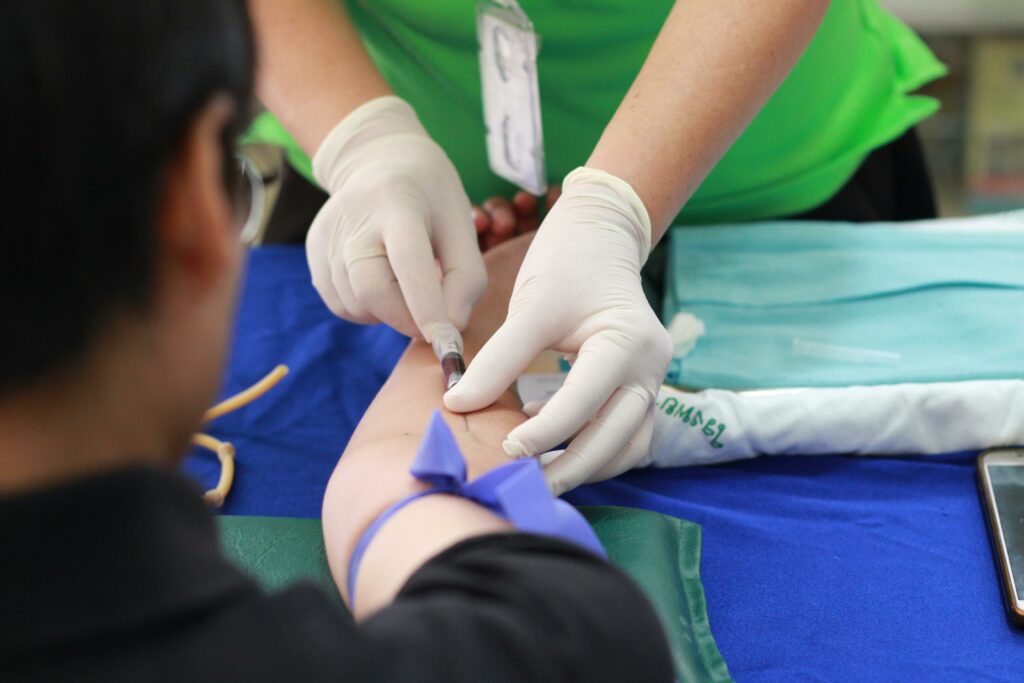
    We work in safe dosages, which are smaller than the safe dosages used for anesthesia. But determining the best individualized dosage has a considerable impact on this medicine’s effectiveness. 

    Requires Personalized Dosage and Rate

    There is no one-size-fits-all dose that helps everyone. What brings remission for one person may not be enough to make a difference for another. 

    In addition, because of the dissociative aspect of ketamine, there is a pleasant, floating sensation for some patients, and other revelatory experiences for others. This sensation makes this medicine appealing to some who want a recreational experience — hence, the use of ketamine on the street, known as “Special K.” 

    This kind of unsupervised use has given ketamine a bad name in the news and by word of mouth. High doses, way beyond therapeutic, simply to increase and extend the experience, that can result in severe bladder damage, cardiovascular collapse, and more.

    There is an explosion of interest in ketamine …. and it’s getting dangerous to think that it’s so easy… famous people use it… wealthy people swear by it.

    And they can wind up dead because of it. Don’t let that be you, or someone you love.

    While Matthew Perry had been receiving ketamine treatment for depression, his most recent dose had been a week and a half before his death. The half life of ketamine is so short that a treatment under medical supervision 10 days before means that medicine from that treatment was long gone. It could not have played a role in his death. 

    His medically supervised ketamine treatment was not the cause of his death.

    The acute ketamine effects that the forensic pathologist reported was likely caused by a very large dose he had acquired “on the street” and without medical supervision.

    Ketamine should never be used recreationally. It’s dangerous in large, unmonitored doses. But it’s extraordinarily effective in medically prescribed and supervised treatment of treatment-resistant disorders like severe depression, anxiety, PTSD, suicidal thinking, and much more.

    Like so many medicines effective for a variety of different disorders, when taken in doses larger than the prescribed therapeutic dose, ketamine can be dangerous, and even fatal. Imagine taking digitalis or insulin in large doses that are multiples of the therapeutic dose! It would likely be fatal.

    Without Physician Supervision You Risk Overdose
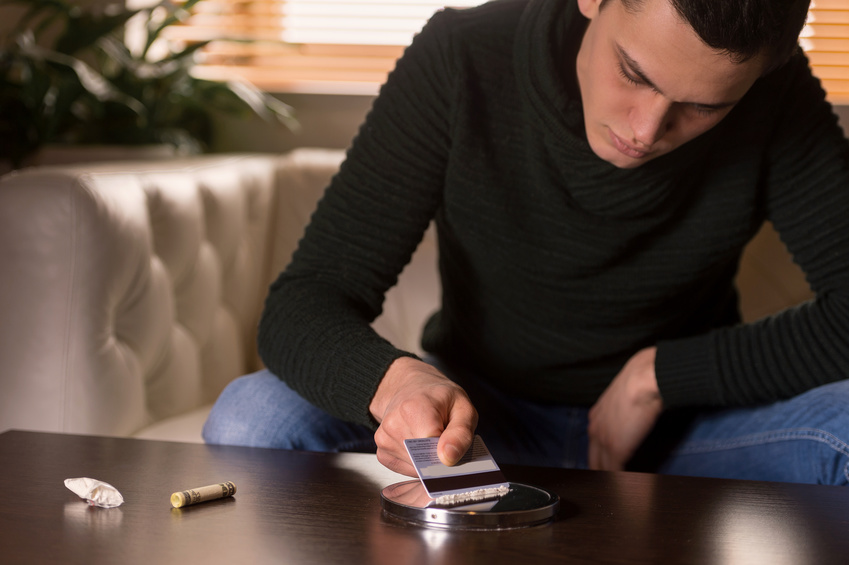
    Self medicating can lead to a ketamine overdose.

    There is also the added risk that accompanies a medicine like ketamine. Because of the appeal of the dissociative experience, once under the influence, an unsupervised user can be easily tempted to take more… and more… and more to enhance and extend the experience.

    Those overdoses can dangerously interfere with blood pressure, cause the heart to race, impair cognition, and lead to unconsciousness. And sometimes, all of that can result in death.

    But, just as insulin and digitalis are lifesaving in therapeutic doses under medical supervision, so also is ketamine.

    Ketamine treatment can stop suicidal thoughts in an afternoon.

    That’s lifesaving.

    It can also stop the anorexic voice. And when combined with ketogenic therapy, we’ve shown it can reverse anorexia nervosa, the most life threatening psychiatric disorder of all.

    That’s lifesaving, too!

    Matthew Perry had been receiving ketamine treatment under medical supervision and was feeling good again. He was healthy and happy. His closest friends and family marveled that this could have happened because even that very morning he was upbeat and joyful. Ketamine treatment does that… and it was working.

    But somehow, he accessed a non-prescribed form of ketamine and used way too much. The pathology report referred to coronary artery disease, the effects of a medicine prescribed to treat opioid use disorder, and the acute affects of ketamine (with its severe suppression of respiration at this high dosage) led to accidental drowning.

    Ketamine treatment should not to be feared, but respected. And received under experienced medical supervision.

    Remarkable Medicine Deserves Respect

    So, if you’re suffering from severe, unrelenting depression, you probably need the kind of extraordinary effectiveness ketamine treatment can provide, with a doctor’s help. Don’t try to treat yourself, of course. Don’t be a headline… ketamine has been in the news about that—and people are still talking about it. But avail yourself of this help with a psychiatrist who’s experienced with ketamine treatment and who has helped to move the field forward. And make news in your life!

    The standard accepted research has reported effective outcomes in 70% of patients who receive it. At Innovative Psychiatry we’ve seen outstanding outcomes in even more. We don’t just go for response — we go for remission, and we help you sustain it.

    So don’t continue to suffer from treatment resistant depression, panic attacks, social anxiety, PTSD, bipolar depression, and suicidal thoughts without relief. Ketamine treatment offers hope for a rewarding and fulfilling life.

    Let us help you find your joy and peace again. That’s why we get up in the morning… To help you find your very best self.
    Lori Calabrese, M.D. is on the front end of the race to stop PTSD in its tracks using IV ketamine treatment.

    To the restoration of your best self,
  • Breathtaking Ketamine2022: Ketamine and Related Compounds Conference, Oxford, UK April 4-6

    Breathtaking Ketamine2022: Ketamine and Related Compounds Conference, Oxford, UK April 4-6

    It’s coming, and we’ll be there!

    This conference, hosted by Rupert McShane, Consultant Psychiatrist and Associate Professor, Oxford, UK will be a stunning international hybrid event and the list of speakers reads like the Who’s Who of the field. This is, quite simply, the most important and prestigious conference on ketamine and related compounds for mood disorders and other psychiatric conditions this year.

    Period.

    And it’s not too late to sign up. Come in person, show up online. Listen and learn from the people who actually break fresh ground. If you are a patient, a study participant, a scientist, scholar, researcher, a doctor, therapist, psychiatrist, psychologist, anesthesiologist, a policy-maker, journalist, a stakeholder, investor, funder, or regulator…. clear your calendar.

    Don’t miss this opportunity.

    Experienced researchers and clinicians from all over the world are coming together in a unique forum to talk about… everything. Like what? Like practice-defining large randomized clinical trials, exciting preclinical studies shedding light on mechanism of action, the operation of ketamine clinics, the use of ketamine in the emergency room…. updates about new devices, new forms of administration, regulatory issues, exploration of novel compounds — the breadth and depth is pretty stunning, along with asynchronous presentations, and e-posters. There is so much more, so many more presentations that we can’t describe it all here, but if you are interested, you can be a part of it. You can join us. Stream us. You can be on the cutting edge.

    If you remember, the first Ketamine and Related Compounds Conference in Oxford, UK in 2018 proved to be monumental in the findings and research that was presented. Those were early days. Rupert was young. (We were all young–my goodness!) I was there presenting a poster on my earliest findings with using ketamine for suicidal thinking in my own practice. Real world research. Real world results. Later, I published a large retrospective analysis on using ketamine to stop suicidal thinking in the office.

    At that first conference in Oxford in 2018, we pointed out how diligently we work in psychiatry. And even more so in the emerging field of therapeutic ketamine for psychiatric conditions, to gather information.

    How we read the research, scour the published studies in the field, pore over data, gather and analyze the latest information. We keep up with whatever is happening. The science…. and the misinformation. (And wow, has there been misinformation: sensationalism, commercialization, pseudoscience, hucksters. Be careful out there.)  

    In those early years, when off-label ketamine treatment for treatment resistant depression was finding its way into real world practice, the common complaint was that there was too little research.

    Too little information. Too many unknowns. Not enough data. No clear protocols. Some said it was like the wild west out there.

    (Some say it still is.)

    But five years and one pandemic later — with war exploding in Ukrainedepression, isolation, suicide, trauma, and anxiety are skyrocketing.

    And despite an explosion of research on the mechanisms of action of ketamine, and the use of ketamine for suicidal thoughts, mood disorders, PTSD, alcohol and cocaine addiction….. even with all of that, there are still physicians and therapists who claim there is still too little research on ketamine and related compounds in psychiatry for them to recommend it.

    Here’s to bringing them (and you!) important, relevant, game-changing information…. data that is transforming our field, and that we hope will be able to change people’s lives.

    What a privilege it was to be in Oxford, UK at the beginning in 2018 exchanging ideas and learning from the world’s leading ketamine researchers, scientists, clinicians and thought leaders! Their work, and the work of many before them, has opened doors for thought-provoking and ground-breaking new treatments in psychiatry.

    Now, once again, Ketamine2022 and @Oxfordpsych is presenting the brightest and best international researchers and experienced clinicians on ketamine.

    Here are just a few (with big apologies because I can’t do them–and the rest of the best–justice.)

    Carlos Zarate from NIMH is kicking off the conference and is an undisputed leader in ketamine research for psychiatric disorders. He’ll speak on glutamatergic modulators and next generation antidepressants. What refreshing hope it brings to look forward to new medicines that will give depressed persons a chance to feel better again.

    Roger McIntyre from Toronto will address the real world evidence that supports long term treatment with ketamine, and how the face of depression has transformed in the wake of ketamine treatment. (And he’ll be engaged in what is sure to be a fascinating debate on whether current data in the field supports widespread therapeutic use of ketamine in psychiatry

    Jeff Becker and Jason Wallach will speak on a new subcutaneous delivery system they’ve been developing for ketamine. Look how far we’ve come!

    And then Jason Wallach comes back again (full of brilliance and passion!) to dive into dissociatives–NMDA receptor antagonism and structure/activity relationships.

    I’ll speak on the results from a brand new clinical trial my team and are are conducting using ketamine in the treatment of chronic anorexia — with a therapeutic ketogenic diet (yep! in anorexia) followed by a series of ketamine infusions. (The publication is in the review process, so this is the first sneak peak at the data.)

    Gerald Sanacora will present the closing talk, expounding on lessons learned during two decades of ketamine research.

    (Let’s just say Rupert knows how to keep people in their seats til the very end!)

    But there’s so much more in between!

    Lisa Monteggia is talking about the mechanism for rapid and prolonged antidepressant action. You don’t want to miss this!

    Chadi Abdallah will present data on PTSD treatment: a large randomized controlled trial (RCT) of ketamine in veterans. And how does ketamine affect the connectome? 

    Pouya Movahed Rad presents ECT vs ketamine: results of a 1 year randomized, open-label trial in resistant depression

    Emma Robinson will talk on Filling the Half Empty Glass, referring to ketamine and negative affective bias

    David Monks will speak on the results of a feasibility study using ketamine to prevent postpartum depression after a planned C-section

    Paul Glue will be talking about the Bedroc Study, using controlled release ketamine tablets for treatment-resistant depression

    Rebecca Price will speak on extending the benefit of a single ketamine infusion with automated neurocognitive training

    Robert Shoevers will present qualitative data on patient experiences with oral esketamine treatment

    Alison McInnes presents real world data from the Osmind data platform

    David Barbic’s presentation on Agitation in the ER: an RCT of ketamine vs midazolam

    Rod Machado-Vieira presents his work on kynurenine pathway and biomarkers of response to ketamine

    Terry Kelly breaks ground with a single, ascending dose study of R-ketamine

    Amanda Jones will give a sneak peak at AXS-95, a new oral NMDA receptor antagonist for major depression

    Dong Jing Fu will speak on long term efficacy data for esketamine

    Esther Hagai introduces an oral form of esketamine for daily at home use (all eyes on this one!) I bet it’ll generate a lot of interest

    Gisèle Pickering will talk about using ketamine pain and depression both in RCTs and in real world clinical practice

    Polymni Georgiou will present data on how CRF primes the antidepressant response to ketamine and its metabolites

    Fabrice Jollant presents the results from a French multicenter RCT using IV ketamine for severe suicidal ideation

    Joshua Rosenblatt will speak on whether all depression subtypes respond similarly to ketamine

    These descriptions barely scratch the surface. (Apologies to all!) The depth and breadth of the research that is about to be presented is, quite simply, extraordinary.

    Treatment of depression, bipolar depression, PTSD, social anxiety, substance use disorders, suicidal ideation has transformed this century. And transformed how we look at things (….like even flavonoids…. social media….. and neglect).

    So why do we do this?

    Why do we read journals, attend conferences, talk to each other on the phone, compare outcomes, present, and publish our own papers about the therapeutic use of ketamine?

    Because people suffer. Because we want to know what else is being discovered to help more people. We want to see people get BETTER who’ve suffered without relief from severe treatment resistant depression, bipolar depression, social anxiety, PTSD, substance and alcohol use disorders, suicidal thinking, and eating disorders.

    We want to learn what works and why with ketamine and related compounds. And when it doesn’t work, why not?

    So we travel across the world in the midst of a pandemic to sit in a seat and listen and learn and share. Or we tune in to watch the conference online, never wanting to miss a thing.

    It’s because of all the researchers who study and publish their findings from every continent that we have such effective treatments in psychiatry now — one of the most groundbreaking being ketamine. Ketamine and other compounds have opened countless doors for patients who suffer.

    Jump in. We hope you can attend this breakthrough informative gathering, either in person or online.

    Lori Calabrese, M.D. is on the front end of the race to stop PTSD in its tracks using IV ketamine treatment.

    To the restoration of your best self,

  • Thanksgiving’s About More than Food… Think About It…

    Thanksgiving’s About More than Food… Think About It…

    Thanksgiving isn’t just turkey and dressing. Shocking…right? But it’s not about the food.

    Thanksgiving's not just about food, but about gratitude, forgiveness, generosity, and kindness.

    It’s about being thankful. Appreciating every good thing in your life. Expressing your appreciation, recognizing you can’t do this life alone. Thanksgiving’s about more than food, and it’s worth the effort to focus on what gratitude is really about.

    You may feel alone in the world, but there’s an army of faithful workers who make your life function. From those who work for utilities companies, to those who farm your food and those grocers who sell it to you, the list goes on…and on.

    It’s an attitude of gratitude that empowers you to live in joy. Without gratitude, you may be left with dark resentment twisting into bitterness and anger deep in your gut. But it’s amazing how allowing yourself to choose gratefulness and appreciation can transform bitterness to joy. Watch what happens when Grace tries out an attitude of gratefulness:

    Grace walked along the sidewalk, grumbling to herself. She was a graphic designer for a marketing firm, and when the decorations went up at work…her outlook plunged. The holidays had arrived again, and she wasn’t happy about it.

    She felt so alone in the world, and holidays were a time for sharing with loved ones. Grace knew she’d burned her bridges, but how she wished her family and friends would forgive her failures and welcome her back into their gatherings.

    Grace knew why they ignored her. Because she had caused scenes at so many gatherings in the past. She either stomped about in a rage, or drank too much and ended up breaking something or making an utter fool of herself.

    She didn’t like herself very much because she knew others didn’t like her either.

    She’d been going to AA, and the leader talked about doing the next good thing. That you didn’t have to have all your life and future figured out…that was overwhelming to anyone. Just do the next good thing. Maybe load the dishwasher, or wash a load of clothes. Then, there was walking the dog. Or maybe making brownies for the elderly lady next door. If you keep doing the next good thing, it keeps your hands busy and your heart engaged. 

    And it’s easier to not drink.

    Even so, Grace could’t seem to stay focused on the next good thing. She was angry, resentful, bitter. Her other siblings were loved and admired by her parents. They were invited to every gathering.

    They were the crown jewels of the family…she was yesterday’s garbage.  At least that was the way it seemed to her.

    And when she had been invited to the family gathering, the feelings of inferiority she had led to her drinking before she arrived. Just to get the courage. But that’s what caused the problems.  

    Grace couldn’t seem to have a single drink of wine, beer, or “special” eggnog. She always wanted another. The more she drank the better she felt and the easier it was to blend with everyone.  

    At least, that’s how she felt.

    Because Thanksgiving’s about more than the food. It’s about a loving gathering of people. She wanted to fit in. Still, she always seemed to mess up.

    And then, they began ignoring her, resenting her behavior… and showing their disrespect of her

    By the time she felt woozy, she realized the family was offended, and she’d failed again.

    Now the family didn’t speak to her anymore. And she resigned herself to going to AA everyday to get through the holidays without a binge.

    At the meeting that day, someone talked about how important it is to come to peace with your feelings toward the people who have hurt you. To face that you’ve also hurt them. And to turn it over to your higher power while you practiced forgiving them and expressing gratitude for the power to forgive them.

    Grace hadn’t looked at it that way before … the power to forgive them. She didn’t have to live with the bitterness that was eating her alive.  She had the power to forgive them.

    Because again, Thanksgiving’s about more than food.

    After the meeting,  a friend told her about a treatment that can make it much easier to not drink, so she can put these forgiveness lessons into motion more effectively.

    She told Grace about IV ketamine treatment, and how it can remove the desire to drink.

    It sounded too good to be true, but her friend said she had received this treatment herself, and actually felt transformed. That she’d been sober for five months so far.

    She said the treatment actually makes you feel better.  That it hadn’t occurred to her that depression had fueled her drinking, but she didn’t feel depressed anymore and actually felt a lot of joy…and hope for the future.

    Grace decided then and there, she would find out how to get this treatment. She also decided she would adopt an attitude of gratefulness and give it a chance to change her angry bitterness.

    What a delight it was to realize that what she was learning from AA and her friend about IV ketamine treatment was creating new expectations for her holidays going forward. Thanksgiving’s about more than food now, and she was learning to live with freedom, gratitude, and sharing.

    So Grace expressed her gratitude for the people she met at AA, and all she was learning.  She was grateful that she had people with good hearts to spend her time with when she felt so alone. She was thankful she didn’t have to face the holiday season alone, and that there was a way to have gratitude…and peace…at a time when she had seethed with bitterness in the past.

    She realized she needed to ask forgiveness of her family for creating the scenes she’d made before, and she needed to make every effort, partake of every solution she could, to stop the drinking, and all that went with it.

    She called the psychiatry practice her friend had told her about to learn more about IV ketamine treatment. And she made an appointment.

    Three days later, she walked into the practice wearing her mask for the pandemic. The nurse led her to a long consultation with the doctor, and then later, a private treatment room and she settled into the comfy recliner.

    The treatment lasted about 45 minutes and she went back for a few more over the next couple of weeks. By the time she received her 4th treatment, she was feeling so much better. She felt hopeful. After she’d had 7 treatments, her desire to drink had become very weak.

    She found it was so much easier to forego offers of alcohol, and her hope kept growing.

    Grace decided to write a letter to her family right before Thanksgiving, so they could read it together. She told them she was receiving treatment for her drinking, and was also attending AA.  That she hoped they could all forgive her for the messes she had made during previous holidays. She was also hopeful that she’d be able to join them some year for holiday gathering—but she wasn’t pressing for that to happen

    She set about making a Thanksgiving meal for the AA group, and experienced such joy doing it for those who had nowhere to go and no family to share with. Grace was astounded at the joy flowing inside her as she chose gratitude to hold in her heart through the holiday season. 

    While she was sad to miss her family time, she was grateful she had the wherewithal to provide Thanksgiving dinner for her AA “family” and anticipated sharing her effort with excitement.

    She knew in her heart that the time would come when she’d be with her family again, but meanwhile, she was learning to bloom where she was planted.

    And she did bloom, didn’t she? Gratitude, forgiveness, and a generous heart combined with IV ketamine treatment transformed her holiday, didn’t it?

    And the same can happen for you.

    We talk about the infrastructure that helps you maintain the benefits of ketamine treatment, like forgiveness, joy, generosity, and kindness. Practicing gratitude and joy…practicing forgiveness, can pave a smooth pathway for ketamine treatment to take hold and continue working. 

    The stress of anger, bitterness, and resentment can make that road rough and difficult…and can weaken the benefits of your treatment.

    IV ketamine treatment is a safe and extraordinary treatment for depression, bipolar depression, PTSD, social anxiety, substance use disorder, alcohol use disorder and suicidal thoughts.  And while it’s treating and relieving one disorder on the list, it may also treat others you’re suffering with.

    Like with Grace’s friend, it relieved her depression along with her alcohol misuse.

    Ketamine turns on mRNA which switches DNA to ON, signaling the brain-derived-neurotrophic-factor to trigger dendrites and dendritic spines to flourish in the brain cells. The result is a bumper crop of connections to move signals around the brain fast.

    You feel energized, motivated, full of initiative, joy…and hope. You can excel in your job, build strong, healthy relationships, enjoy life!

    While ketamine is amazing, it’s not for everyone. It works best in those with severe treatment resistant disorders. For whatever reason, it seems to be at its best in those with severe illness, and sometimes has a less dramatic effect in those with milder symptoms. While we don’t understand why this remarkable treatment isn’t equally effective for everyone who needs it, the percentage of those for whom it’s not effective is small. For this reason, chances are that it could be transformative for you.

    At Innovative Psychiatry, we love seeing people like Grace — who’ve been unable to stop drinking or using substances — find the kind of relief ketamine can provide. To see their hopelessness changed to hope is extraordinary. and sometimes breathtaking.

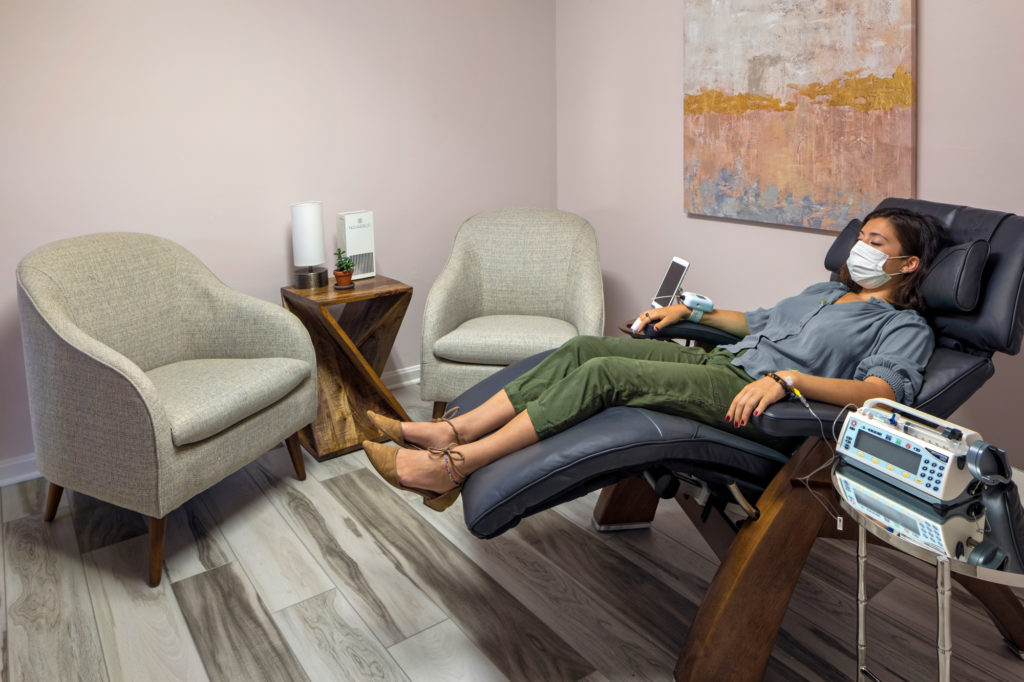
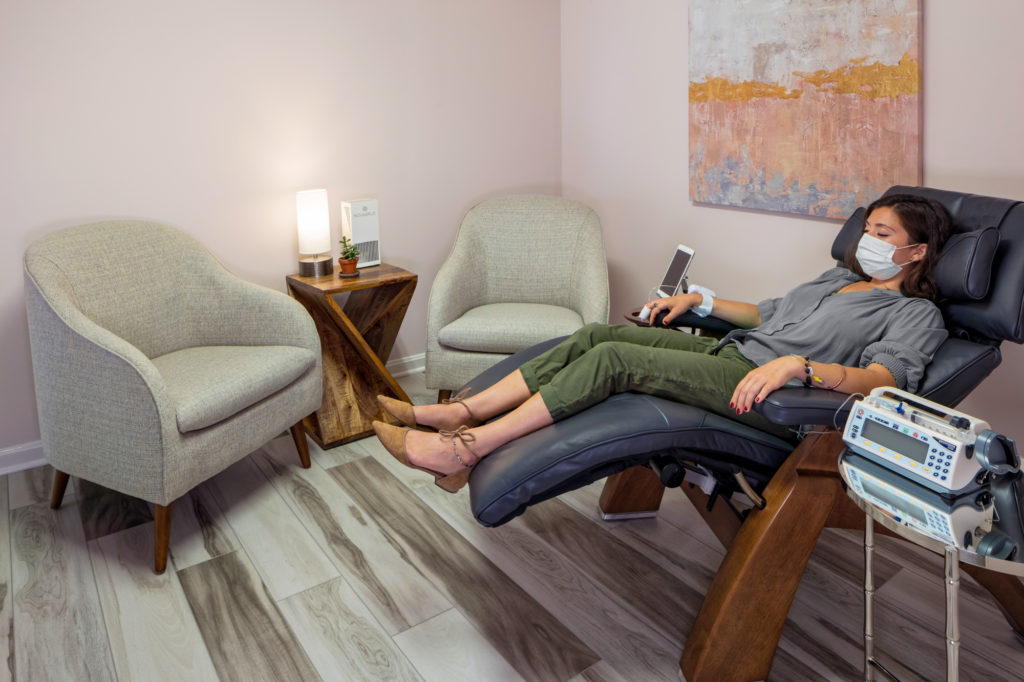
    When you come for treatment, we’ll meet you at the door and lead you to your private treatment room where you can settle into your comfy recliner. Because we go the extra mile, you’ll see a white box on the table that’s busy destroying all the viruses (including COVID and its variants), bacteria, and molds that are in the air. We also have surfaces disinfected in a similar way. 

    We want you to rest in confidence, knowing you’re as safe as possible from infection while you’re with us… so you can focus on getting the most from your treatment.

    When you come for ketamine treatment, you'll have a comfortable, quiet room to get the most from your treatment.

    IV ketamine treatment can restore the synapses — nerve connections — in your brain to such thorough function that it’s as if they’ve been turbo boosted. In addition, ketamine tamps down the bursting cells in the lateral habenula so you can feel pleasure, experience joy, and rise above depression. Ketamine also moves the G cells off lipid rafts so they can get to work helping your thoughts and feelings to move around your brain.

    You deserve to feel better, to function at your best, and to share your hope with others. 

    Reach out and embrace gratitude. Revel in hope.

    If you suffer from the symptoms we’ve talked about here, call us.

    Hope, gratitude, and a rewarding life are yours for the taking.

    Lori Calabrese, M.D. is on the front end of the race to stop PTSD in its tracks using IV ketamine treatment.

    To the restoration of your best self,

  • Will Cannabis Harm Your Teenage Brain?

    Will Cannabis Harm Your Teenage Brain?

    Luke and Sam walk home from school. Luke says, “Hey man, I’ve got some weed, wanna share a joint?”

    Sam looks up, pleased at the prospect. “I have a better idea. Let’s call Dom. She’s throwing a party with brownies and cookies, too. Brownies are such a fun way to get high…” As you watch Luke and Sam, do you wonder…will cannabis harm a teenage brain..?

    Lukes smiles. “M’kay…I’m game. I’ll text her.”

    Luke says, “You know my dad gave me another talk. He insists weed is hurting my brain and my future. But how could it?  It just makes me feel mellow, man. And it grows from the ground. It’s a plant. It’s not some poisonous chemical. I don’t get why they’re so uptight about it.”

    Sam shakes his head and says, “It’s not logical, man. They’re trying explain but they don’t understand. They’re afraid of something that’s been made legal? The government wouldn’t have made it legal if it wasn’t safe…”

    Will cannabis harm your teenage brain?

    Talk about an age old controversy. This is one of the oldest and most intense.

    Cannabis is marijuana, and can be smoked, mixed into edibles like brownies and cookies. It’s natural…grows out of the ground…so obviously it’s healthy and good for you, right? Maybe? Or maybe not…

    Cannabis can harm your teenage brain…

    It often starts during adolescence78% of people using cannabis for the first time are between the ages of 12 and 20. But cannabis is used at every age. It may not be too bad for adults in midlife, but that’s a discussion for another time. What about teens?

    Today, let’s talk about whether it’s beneficial in adolescence.

    A landmark study just published in the JAMA Psychiatry (credible, right?) took a look at the long term effects of cannabis use by teenagers.

    The researchers behind this incredibly important long-term study point out that even though there has been more and more legalization of cannabis, there have been few longitudinal imaging studies to show the impact of its use during this formative time of life. When they speak of longitudinal studies they’re talking about following the subjects over a period of time.

    To understand more, Matthew D. Albaugh, Ph.D., and his research team began imaging studies gathering MRI information for 799 European participants ages 14 and up, then again at the end of the study five years later.

    The researchers found some surprising results at the five year mark. For instance, in teens who reported moderate to heavy cannabis use, there was a reduced thickness in the prefrontal cortex, both left and right.

    This means there was altered development of the neurons in the left and right prefrontal cortex regions.

    Now, maybe you’ve heard people say that a young person should avoid major decisions before the age of 25…. Why? Because before that the prefrontal cortex isn’t fully developed. Or maybe to avoid marrying before that age for the same reason. Or maybe they used it to explain poor judgment, and impulsivity.

    The prefrontal cortex is important. It empowers us to plan, make decisions, memorize and remember, and learn. Plus manage time and organize. 

    Think about it. What if you couldn’t do any of those things? Or do them well. How would it affect your life? Will cannabis harm your teenage brain..? Let’s not put our heads in the sand about it.

    You might not be able to organize school work, or organize your job responsibilities when you’re older. You might always be kind of confused and behind, because of your inability to organize and manage time. Imagine that.

    You might not learn to drive — well.

    You might not feel like studying or learning… you might not be able to do all the things you could have when your parents and teachers said you ”had so much potential.”

    You Coulda Been a Contender.

    In fact, you might not do a good job planning your senior graduation party. Or where to go to college. 

    Basically, you might just forget college, or a job using your mind. You might have to be told what to do and when to do it. Over and over. Picture that.

    The researchers also learned that the amount of cannabis adolescents used was directly related to the amount of thinning. Those who used it heavily had the most severe thinning in the prefrontal cortex regions.

    And it gets more alarming.

    Since the prefrontal cortex in a teen is less developed, this underdeveloped portion of the brain caused greater amounts of impulsiveness.

    The right cerebral cortex, as well as the left, are both densely populated with cannabinoid 1 receptors. They undergo their greatest age- related change in mid-to-late adolescence. Research with lab animals has shown that teens are most vulnerable during this time to the impact of tetrahydrocannabinol (which is THC, the psychoactive chemical in cannabis) on their brain structures and function.

    So these effects on the brain related to cannabis use, according to this study, link teen cannabis use with a variety of negative outcomes, including psychiatric symptoms in adults.

    Ok, now the logic. You’re a teenager from age 12 to age 20. Eight years of your 75 year life span are taken up by adolescence, but the decisions you make during those 8 years can alter the course of the next 55 years, more or less. Cannabis: will it harm the teenage brain?

    Be Logical

    Just think, if you got through adolescence without using cannabis, the risks of psychiatric disorders that are often increased by cannabis use are removed from your future. Those risks are gone. Plus, the impulse control that’s lost as a result…that can lead to arrest and imprisonment, or impulsive decisions like ending your life? Those risks are gone too, if you never use it.

    If you stop and think about it, you need all the impulse control you can get, you know?

    Studies have been lining up for years, showing that cannabis changes important parts of the brain, especially in the prefrontal cortex. And to be at our best, to have access to the best we can do, we need to stay away from those things that damage brain systems.

    To develop yourself for the future, whether through college or art or creative endeavors or learning a trade, it’s all education…and you need it to enjoy a rewarding life. You need all your faculties. You need to protect your brain.

    So while we can’t fix what cannabis damaged in the past, we can offer a healing experience with IV ketamine treatment that can restore the damage depression, anxiety, and stress cause. It can also help with alcohol and substance misuse.

    At Innovative Psychiatry, we work with people everyday who’ve used cannabis, and report impairments they’ve become aware of. In addition, many are depressed and/or anxious. While we can’t erase the years of cannabis use, we can treat the depression and anxiety that never seems to let up. Especially if they’ve already tried other medicines and treatments.

    We specialize in treatment resistant depression and anxiety, as well as substance and alcohol use disorders, bipolar depression, and PTSD…and have seen IV ketamine treatment do wonderful things for them. IV ketamine puts 100% of ketamine right where it’s needed, on the brain tissue that’s showing impairment from the pruning caused by stress.

    The result is restorative, transformative, and fast. Rather than you having to wait for weeks or months to experience improvement like you do with oral antidepressants, ketamine flows into your brain systems and switches on the light.

    That’s not to say that we think ketamine heals the damage cannabis can cause — but we are saying that it can be wonderful at restoring your outlook from dismal, dark, and dreary to happy, hopeful, and expecting good things.

    If you feel you’ve lost your initiative, motivation, and hope, if you’ve tried antidepressants that haven’t helped, IV ketamine treatment may be just what you need to get on track again.

    Ketamine isn’t for everyone, but it is for most.  The percentage of those who are helped is so high that chances are you’ll be set on higher ground by this treatment.

    Receive your ketamine treatment in a comfy recliner to erase memory triggers of alcohol use.

    When you come in for treatment, forget about waiting rooms—we’ll meet you at the door and take you straight to your treatment room. (And what a room it is! Skylights, windows, treetops, dimmable lighting—we’ve got it all.) You’ll find yourself in a beautiful environment, and a zero-gravity heated recliner…and you’ll have privacy to make the most of your treatment. You can be at ease because we took a preemptive step and installed plasma cell technology to destroy all airborne viruses, including COVID and its variants, plus bacteria and molds. And they’re destroyed, not caught on a nasty little filter. 99.999%.

    So, while we can’t fix what cannabis damaged in the past, we can offer the kind of healing and repair with IV ketamine treatment that can restore the damage depression, anxiety, and stress cause. It can also help with alcohol use disorder and substance use disorder.

    September has been National Suicide Awareness Month, and we’ve tried to confront suicidal thoughts each week. They can come from a variety of disordered thinking, or even from sheer desperation. But these thoughts are dangerous. And it’s important to get them to subside….which is ketamine’s specialty.

    So whatever has led to suicidal thoughts, IV ketamine can erase those thoughts in a few hours, or an afternoon. It can save your life. So you’ll have more life to live and recover in.

    The National Suicide Prevention Lifeline:  1-800-273-TALK (8255)

    You’ve been through a lot. You’ve suffered. And you want to feel better and function better.

    Believe that your life can be better. 

    Or at least, give yourself the opportunity to see what improvement can feel like. What remission feels like.

    Lori Calabrese, M.D. is on the front end of the race to stop PTSD in its tracks using IV ketamine treatment.

    To the restoration of your best self,

  • Erase Alcohol Memory Triggers and Empower Your Control Over Drinking

    Erase Alcohol Memory Triggers and Empower Your Control Over Drinking

    Alcohol Use Disorder is the most common substance use disorder. It causes economic, psychosocial, medical, and personal burdens across the globe that nothing else compares to.

    During the pandemic, people who’ve lost jobs and income, or been hospitalized with COVID, or who’ve lost loved ones to the vicious virus, have clear and easy-to-identify reasons for depression. But the vast majority of people who haven’t experienced things like this still struggled with depression and anxiety — and didn’t understand why. For many, that anxiety led to heavier drinking and substance use than was typical for them. And so for them–and maybe for you–taking a second look at ketamine’s effectiveness in erasing alcohol memory triggers is even more relevant if they’re trying to reduce the heavier drinking they’ve been doing. People need to get jobs again, and need to reduce their use of alcohol and other substances they’ve been turning to to cope. They need to take action

    If this is you, maybe you need to take action. Jump in.

    We know that the rate of relapse for those attempting to achieve sobriety is very high. Unfortunately, with so many alternative and creative FDA approved treatments available, none has really demonstrated robust success. So, that leads to a closer look at ketamine treatment.

    While there are good outcomes with ketamine treatment for alcohol use disorder, this treatment calls for in-depth exploration through further studies.

    Two recent studies offered more information about these outcomes. (Still, more are needed. We know that and applaud our colleagues who continue to break ground in this field.)

    One study published in the American Journal of Psychiatry December 2019 right before COVID-19 began to grow in the US revealed plenty. The stress of COVID-19 might show a thwarted effect. The monumental stress so many experienced. And to which so many succumbed.  Thankfully, during this study, no one had heard of COVID.

    Elias Dakwar, M.D., led this study, then followed it with one focused on cocaine use. He’s Assistant Professor of Clinical Psychiatry at Columbia University. And he’s become intrigued with whether ketamine can reduce craving in addictive disorders. …Interesting, right?

    Motivational Enhancement Therapy targets a person’s motivation and determination to stop drinking alcohol. Ketamine can improve motivation and initiative… and motivational enhancement therapy can, too.

    So the synergy between the two can be remarkably effective.

    But wait…

    There is another way that ketamine helps empower an individual to stop drinking. It impacts your memories tied to drinking in the past by erasing alcohol memory triggers.

    In a study published in Nature, Ravi Das and his research team looked at whether ketamine could put the brakes on a phenomenon called maladaptive reward memories. They play a big role in substance abuse.

    The idea is that when you see a cocktail, or a cold beer, it triggers memories associated with drinking it in the past.

    (The same thing happens to sugar addicts. See a moist brownie, or a sundae dripping with hot fudge, and it triggers memories of the depth of enjoyment you experienced when you ate those before.)

    And you want more.

    Who can drink just one beer… or eat just one s’more?

    We say these are maladaptive reward memories, because that decadent taste and texture, or the good feeling you had when you drank that cocktail or ice cold beer, is the reward you received from it. It’s maladaptive because those rewards are not necessarily good for you. More of the chocolatey treat leads to weight gain… and all the ills associated with too much sugar. 

    By the same token, the desire to have more of that feeling you get with more beer or cocktails, can lead to intoxication, impaired driving… and, we all know, to a PROBLEM.

    So that’s where control comes in. To have one treat, or one alcoholic drink, then to stop and have no more. (We’re using the example of chocolate to make the problem more relatable for you if you don’t use alcohol. Hits a little closer to home, doesn’t it?)

    Back to this new study. The researchers displayed a glass of cold beer, along with photos of people drinking, laughing, having a good time. It was all about studying the effect of memories associated with drinking alcohol. Ketamine treatment blocks the memory formation associated with alcohol consumption. They believed it could erase the triggers in the environment that seem to spur you to drink.

    Their conclusion was that while ketamine can erase alcohol memory triggers, it is not a magic bullet all in itself—but rather it would be most effective when it’s combined with motivational enhancement therapy.

    So if you understand that you need to incorporate the two together, to get the most out of treatment… then your power to stop drinking, or even greatly reduce drinking alcohol can be dramatically increased.

    It’s like 1 + 1 = 3.6. (I love this kind of new math.)

    It’s interesting that ketamine’s ability to erase or rework memories has been considered by some as a negative. So let’s be really clear here: ketamine doesn’t erase memory. But it can and it does dampen and strips the thrill away from memory rewards.

    Innovative thinking and an innovative approach to alcohol—a problem that just about everyone thinks they have an answer for. We’re grateful to Drs. Dakwar and Das for giving us a whole new fresh idea for a substance use disorder that kills millions every year.

    Sometimes it takes a village.

    Sometimes it takes an innovator.

    At Innovative Psychiatry, we see so many people whose drinking has changed dramatically following IV ketamine treatment. Reduced cravings, renewed motivation, abstinence. They get their lives back, they get their jobs back, and they get their relationships on track. Since alcohol use disorder can be right in there along with depression, anxiety, PTSD and other substance use disorders, IV ketamine can address multiple disorders at the same time. Ketamine’s ability to rewrite those memories, to change your experience when you’re exposed to scenarios that had previously provided triggers for you, can bring such freedom, hope, and a sense of control over your life… that you’ll be thrilled to get to know your best self.

    We offer IV ketamine treatment in a soothing, relaxing, and private environment so you can settle in and get the most from your treatment.

    Receive your ketamine treatment in a comfy recliner to erase memory triggers of alcohol use.

    We also have prepared our offices for you by installing technology that destroys viruses, bacteria, and molds in the air and on surfaces. See the little white box in the photo? It’s amazing that such a small container can be so powerful. NASA and The Department of Defense designed our disinfecting technology. (We’ve learned we can’t be too safe, haven’t we?) So you can rest reassured when you come for IV ketamine treatment. You can rest. You can set an intention… create a mindset… that will allow you to move forward while ketamine goes to work.

    If you have found you don’t have the control you wish you did over alcohol, call us.

    It delights us to talk with you, and with your healthcare team, to coordinate treatment to help you enjoy more success as you build your life and relationships.

    Innovative Psychiatry is a full service psychiatric practice, and we offer IV ketamine treatment. If you find you drink more alcohol at a time than you wish, or more often than you intend, give yourself the benefit that ketamine can provide. Call us and let’s find out if you’re a candidate for this extraordinary treatment.

    Ketamine isn’t for everyone. But we can absolutely evaluate whether you’re a good candidate or not for this treatment. Since the percentage of those who don’t respond is low, chances are IV ketamine will give you the advantage you need to move forward in your life without the burden of excessive and harmful drinking.

    Cut yourself some slack.

    Lori Calabrese, M.D. is on the front end of the race to stop PTSD in its tracks using IV ketamine treatment.

    To the restoration of your best self,

  • Does Problematic Drinking Follow You Around Damaging Your Credibility?

    Does Problematic Drinking Follow You Around Damaging Your Credibility?

    New study reveals extensive genetic links not only to alcohol use disorder, but also problematic drinking without physical dependence

    Problematic drinking follows you and can damage your credibility.

    Brandon caught his breath and stopped.  He looked around him.  Where am I … and how did I get here? He was surrounded in pitch blackness. Couldn’t see a street light, not even moonlight. He realized he’d been walking at a fast pace, but where from? And where was he going? He remembered nothing, knew nothing, except this very moment. He felt terrible, and realized with horror he was about to be sick… After retching up his insides, the odor of undigested alcohol wafted from the ground. Then it all made sense. He’d had a lot of alcohol, apparently. Again. Problematic drinking follows you around just waiting to trip you up, he thought. He gingerly tried to move forward on ground that was shifting like a rough sea to find his way home. He wondered how long he’d been gone, and whether he’d hurt anyone… or broken any laws. It was torture no knowing.

    Creeping forward, slowly, reaching in front of him to find something to steady himself, his hand touched something cold and solid like concrete or stone. As he followed what felt like a long wall, Brandon eventually emerged into the open where there were street lights, and the moon was shining brightly.

    He looked behind him and realized he’d been in some sort of tunnel. A police car drove by and he instinctively hid. He had no idea what he’d done — and whether they were looking for him. But it was the not knowing that made him afraid. 

    Does problematic drinking follow you even though you know you can avoid alcohol if you want to?

    Shame, Humiliation, Fear

    This was all too familiar. Finding himself lost. No memory of where he’d been. Staggering to find his way home. 

    Brandon woke up in an alley. His shame and self-loathing sucked all courage out of him. Self respect always eluded him. The sun was up and he could find out where he was and get home. But, what then? His wife would be so furious. Why was he like this? 

    He just wanted to die.

    Genetic Links When Problematic Drinking Follows You Around Like a Stray Cat

    Neuroscientists have explored the genetic links to problematic alcohol use for many years. But more recently, a research team lead by Joel Gelemter, M.D., conducted a study published in Nature Neuroscience that included over 435,000 subjects (and of those, 200,000 came from MVP — the VA’s Million Veteran Program). Their paper found nearly 3 times the locations (they call them “loci”) in the human genome that seem to correlate to critically increased risk of problematic drinking.

    As you know, we refer to the pathological use of alcohol as alcohol use disorder. These neuroscientists use the term “problematic alcohol use” in a similar context that includes those with alcohol use disorder, as well as those who are not physically depending on it or, as some say, addicted to it, but when they do use alcohol, it results in problems in their lives or those around them.

    Both of these conditions interfere with your life, your work, and your relationships. 

    For generations, people like Brandon were judged “irresponsible” or “weak.” But the more we learn about your brain and your DNA, the more we come to understand how complex these conditions are.

    Neuroscientists explore the genetic links for problematic drinking.

    Your genes determine the color of your eyes, your skin, your hair… they determine your height, your natural talents, whether you like chocolate or cilantro, the pitch and clarity of your voice.

    They also lay a road map for the likelihood you’ll struggle with asthma, diabetes, depression, bipolar disorder…and yes, problematic alcohol use. Just as you would be cruel to criticize or judge a person by the color of a their skin or their eyes, it’s also cruel to judge their propensity for one of these disorders.

    That’s why so much work is being done to better understand what people deal with regarding alcohol use. Problematic drinking can follow you and seem to never let go.

    Research Reveals Links Between Problematic Drinking and Tobacco Use, Depression

    Knowing the details of the links between DNA and problematic drinking  doesn’t solve the problem, but it helps us know how to approach treatment. 

    For instance, this massive study revealed DNA connections with other related traits like tobacco-use disorder and substance abuse disorders.  Since the human genome is 3 billions pairs of “letters”, they learned that even a single variation in one single “letter” impact these disorders. 

    Tough to wrap your head around it, isn’t it?

    Long story short: problematic drinking can be related to tobacco use, schizophrenia, ADHD, and depression. 

    The study also revealed that about half your risk for problematic drinking is inherited, which can help us understand why willpower sometimes just isn’t enough to gain control of pathological drinking.

    And while there is no panacea, no 100% perfect and effective treatment for all these disorders and conditions, there are things you can do, treatments you can reach out for, that can help restore your freedom.

    Ketamine treatment, for instance, can slow down your drinking after just one infusion. And if depression or social anxiety is fueling your drinking, ketamine treatment can lift those symptoms so remarkably, you can achieve remission.  

    Ketamine treatment can remove the desire for problematic drinking.

    We’ve talked about alcohol use disorder, and today we’re including problematic alcohol use. But if you want life to be different, and to have the freedom to build a rewarding life, you may be a good candidate to see if ketamine treatment can help.

    If problematic drinking follows you around, turning a social gathering into a nightmare for you, there’s hope. Maybe you don’t believe you have a disorder, maybe a 12 step program doesn’t seem like a good fit.

    But several infusions of ketamine within a few weeks could be just the thing to give you back control in your life.

    Reach Out for Change and Freedom

    At Innovative Psychiatry, we see people who want balance in their lives, who want to restore their self respect and credibility. People who suffer from alcohol use disorder, and those who just have bouts of problematic drinking that strain the foundations they’ve worked hard to build.

    And we see these people marvel at the benefits they’ve experienced from ketamine treatment. Some completely lose their desire to drink alcohol at all, others find their interest in a drink dissipates halfway through it. And if they also suffer from depression, PTSD, or even suicidal thoughts… they can leave our office after treatment feeling restored.

    Do the struggles we’ve talked about sound familiar? Call us.

    That problematic drinking with genetic links may be treatable. Reach out for help to get your life back in order.

    We’re here to help, and offer ketamine treatment safely in our office.

    Give yourself the opportunity to live really well.

    Lori Calabrese, M.D. is on the front end of the race to stop PTSD in its tracks using IV ketamine treatment.

    To the restoration of your best self,
  • Gender-Related Psychiatric Conditions Caused by Forced Abstinence from Alcohol

    Gender-Related Psychiatric Conditions Caused by Forced Abstinence from Alcohol

    There’s more to getting sober than to just stop drinking…

    Ever heard someone say, “Oh, she’ll never stop drinking…she’s just weak…” I’m here to tell you there is more to it than just not drinking anymore. And certainly it’s not about being weak or strong. There’s a condition that causes more conditions, and altogether they sabotage a person’s hard efforts to get sober. Abstinence from alcohol, after prolonged heavy use of it, can lead to changes in the brain that trigger other disorders. Gender-related psychiatric conditions like depression, PTSD, anhedonia can be triggered by abstinence. Disorders like these emerge as a result of sudden abstinence, and to maintain abstinence you may need treatment to relieve the other disorders, too.

    Meet Leann…

    Leann tripped as she skittered down the steps of the theatre. It was a beautiful July night, with a soft breeze on her shoulders. Collie and Jack were soon right beside her by the time she regained her footing.

    “You ok Leann? Watch that first step…it’s a doozie!” Everyone snickered at the bad joke.

    “Ok,” Jack took over. “Fun play, but let’s focus on our next course of entertainment…”

    Collie jumped in. “Let’s do a bar hop!”

    Jack joined in. “Ok yes…there’s a great little place at the next corner. We can stop there and decide where to go next!”

    All three filed into the pub and found a table. They’d each enjoyed a couple drinks at intermission, but that was an hour ago. Time to recharge. After ordering mojitos all around when the waiter came by, the friends split up to go to the restrooms, and found themselves back at the table just after their drinks were served.

    Time was passing fast as they talked and laughed, and after a second round, it was time to move on.

    Bar-hopping? Might Lead to Excessive Alcohol Consumption…

    The next stop was 4 blocks to the east, so they enjoyed the aromas of downtown restaurants and strolled those blocks in no time.

    Then, after a variety of chef-created drinks that seemed to crank up the atmosphere all the more… they staggered out….laughed at their unsteady gait…and crossed the street to a well-known hotel bar. 

    And 2 margaritas each with limes stuck onto the glasses that were cut to look like little suns surrounded with rays. The girls ordered theirs frozen and Jack requested his on-the-rocks. 

    It was getting late so they decided to have one more. Leann went for a Bailey’s Irish Cream martini, Collie requested a Godiva smoothie, and Jack ordered 2 fingers of Kentucky Honey neat.

    Then they called for a cab and helped each other stagger to the cab at the curb, laughing and snorting every step of the way.

    The next morning, Leann and Collie had spent the night in Leann’s apartment, and someone’s cell rang.  They both startled awake…then groaned and grabbed their heads.

    “Turn off that noise!!“

    They were miserable. 

    Utterly.  Heads splitting, stomachs rolling and threatening to erupt.

    They looked at each other, and one of them whispered…”it was fun last night…wasn’t it?”

    “Oh my gosh, Collie, what were we thinking??? I feel so so sick….” And with that Leann ran to the toilet heaving… and barely got there in time.

    After Collie left to go home and nurse her hangover, Leann poured herself a drink, to hopefully make the symptoms milder….

    And so it went. That pattern….going out under the guise of “fun”…drinking too much… then waking up sick and drinking more and more every day to feel better.  

    By Friday, she was ready to start the cycle over again…

    (Watch how gender-related psychiatric conditions emerge and threaten her ability to get control in her life…)

    But on one of these Friday nights, Leann was with a group she didn’t know that well. When she reached that stumbling down part of the night…someone she barely recognized insisted on driving her home, so she’d be “safe.”  Except, he wasn’t about her safety, but about isolating her and taking what he wanted. She landed in a parking lot, her underwear torn off, her clothes filthy from the asphalt…her makeup smeared all over her face. 

    And deeply humiliated…traumatized…and feeling like a fool.

    She got a cab home…then took a shower… and cried.

    The next day, after drinking lots of water and tomato juice, she realized she needed to talk to someone she could trust, so she called Jack. She’d known him since high school, and he’d always made her feel safe.  And he had a good head on his shoulders.

    Sometimes You Need a Reliable Friend

    She felt so foolish…but she told Jack through sobs what had happened. He was angry some creep had assaulted her. But they talked about her lifestyle, and that if it didn’t change, she could be hurt again, or worse.

    They made a pact that day. They agreed to start spending Friday nights together, without alcohol, and play cards or something, but break this cycle. After spending every Friday and sometimes Saturday this way for the last 3 years… popcorn and vita water was a BIG change.

    Well, they played cards and board games all weekend, just as they planned. By Monday, Leann was feeling a bit down. It was neat to do something companionable for a change, and she and Jack had talked and laughed. But still…she felt sort of bummed out.

    By the end of the week, Leann was wanting to drink. But she remembered that horrible assault in an asphalt parking lot, and determined to play games with Jack. No matter what.

    And that’s what they did. But she was having a hard time caring about the games by now. They decided to watch TV together all weekend, just to stay occupied.

    Jack hadn’t imbibed in as much alcohol during the weeks as Leann had, and he was suffering less than she was.

    Gender-related Psychiatric Conditions

    This “fast” from alcohol was affecting her more intensely than she ever dreamed it would. It was as if her body had become accustomed to it. Like she was in a sort of withdrawal like someone with a drug addiction. She had had no idea this could happen…and the realization shocked her. 

    Leann’s abstinence, she realized, was not just physically hard, but emotionally hard, too. Was that a thing? She’d never heard of this before. But she was feeling depressed, nervous…and listless.  She was jumpy, easily startled.

    As her emotions sank, her hope evaporated, and she had little interest in food or sweets. A huge change for her. Eventually, Leann began to think about dying a lot to escape this misery. She just didn’t think she was strong enough to endure much more of the body shakes and aching or the depression and anxiety that had become her constant companions. Either she was going to start drinking again, or she would die.

    What else could she do??

    Treatment for Gender-Related Psychiatric Conditions Can Help Prevent Relapse

    Well, interestingly enough, there were options she didn’t know about. Leann’s story is a common one, as teens and young adults learn their limitations with alcohol, and find out they’ve developed disorders through overuse.

    Alcohol Use Disorder is a common and costly neuropsychiatric disorder, that robs sufferers of their health and stability. Once this disorder is established, withdrawal from alcohol can result in a wide variety of destructive conditions, such as depression and anxiety. These, in turn, increase the risk of relapse and make it extremely difficult for the sufferer to abstain from alcohol in the long term.

    Studies have shown that there are changes in the brain cells that vary by gender. For instance, women are more likely to relapse due to the emotional impairments they experience as a result of abstinence, like depression and anxiety. Men, on the other hand, are more likely to relapse when enjoying the social presence of others who are drinking alcohol.

    In the story above, there is no mention of Jack’s history before that night, but if he’d been abstaining, the barhopping with friends was an easy setup for relapse for him. On the other hand, Leann’s depression and anxiety after a couple weeks of abstinence was intensifying her craving to drink, and might have led to relapse for her. 

    Because gender-related psychiatric conditions determine different changes in brain cells, and therefore different vulnerabilities to relapse.

    Her listlessness, her reduced interest in food or sweets… the sudden forced abstinence had triggered anhedonia.

    She needed treatment to help her maintain her abstinence. A treatment that would relieve the neuropsychiatric changes that abstinence had triggered. Depression, anhedonia, PTSD, anxiety symptoms….these comorbid conditions threatened to push her to relapse.

    So what could she do?

    She could reach out for ketamine treatment, that’s effective with each of those comorbid conditions and with alcohol use disorder.

    We’ve talked before about how studies have shown that even one ketamine infusion can dramatically reduce alcohol consumption. Also, if you’re female, the comorbid conditions increase the risk of relapse for you.

    Since ketamine treatment can be so remarkably effective with these conditions, it’s almost like a firehose extinguishing the fires of these additional symptoms, too. And gender-related psychiatric conditions affect your ability to maintain abstinence but ketamine can prevent relapse.

    What can you do if you’re struggling with alcohol use disorder?

    Combine abstinence with ketamine treatment. Feel better, engage in life and the things that matter most. Build your career, your relationships, your self respect, and your hope. 

    Gender-related psychiatric conditions during abstinence can be alleviated by ketamine treatment.

    There really is a way out of alcohol over use. And a way up to better, more fulfilling living.

    If you can identify with Leann’s story, call us. 

    If you want to control your drinking, and have failed when you tried before, call us

    Independence Day is ahead, and you can be in control of your sobriety before the celebration. You can enjoy the joys of life…and love…without the impairment of excessive drinking. You’re understood and accepted here… we understand how social drinking can sometimes cause changes in your brain structures that lead to a risky lifestyle.

    We want to help you achieve the life you want. To enjoy celebrations safely and without impairment. We want you to revel in your wellbeing.

    Lori Calabrese, M.D. is on the front end of the race to stop PTSD in its tracks using IV ketamine treatment.

    To the restoration of your best self,

  • Ketamine Plus Motivation Enhancement Therapy = Better Abstinence

    Ketamine Plus Motivation Enhancement Therapy = Better Abstinence

    Study shows abstinence from alcohol improved when ketamine and talk therapy were combined.

    We’ve talked before about the benefits of ketamine to reduce the craving for cocaine and for alcohol use, as well. A substance use disorder is can be a prison with no way out. We’re going to talk about the work of researcher who works for relief and freedom for those with disorders like this, Elias Dakwar, M.D., and his study using ketamine plus motivation enhancement therapy. But first, Jackson’s story can give an idea about how much suffering can happen for those with this type of disorder.

    Jackson’s Story

    Jackson wiped the sweat from his forehead, and told himself he could do this. He had an AA meeting in a few hours. Surely, he could make it till then.

    He tried to focus on the TV, to get his mind off the yawning craving he felt for a drink.  It had been three days since his last drink, and he knew if he started drinking again, he’d be right back at the crack house.

    Nobody told him it was like this. 

    If he could stay away from crack, he might almost be able to get clean and stay clean. But he knew from experience that if he saw some on the table, there would be no avoiding it.

    But what was really frustrating, was that drinking alcohol always led to his seeking out crack cocaine. He didn’t know why…but it just happened that way.

    You know, when you’re partying with friends, or even just getting together for dinner… everyone’s always drinking. And you think Why not? Glass of wine or a beer… no big deal, right?

    But one drink would lead to another… and another. And the next thing he knew he was waking up wasted. Hating himself.

    Why oh why did he ever try cocaine the first time? It had wrecked his life. But he couldn’t blame it all on that. He knew that tendency to have one drink after another could be a problem, even if he hadn’t tried crack cocaine.

    It definitely was not a well thought out, informed decision, by any stretch. It was sudden, impulsive, and fit right in with the fun he was having.

    And it destroyed his life.

    There was no way he realized at the time how it would put a ring in his nose and lead him around whether he liked it or not.

    Ketamine plus motivation enhancement therapy can break addiction that began at parties like this.

    It was fun for awhile, but after some time he’d burned through his paychecks, his credit cards, and sold what he had just to get more. He’d stolen from his family, and betrayed everyone who mattered to him. 

    He wanted out.

    But there was no getting out…  it was like a vice clamped on his mind that wouldn’t let go. 

    Sheer Will is Often NOT Enough

    So he’d stayed away from it for nearly a week, then went to dinner with friends. Of course, everyone had drinks, so he ordered one too.  By dawn…he’d been using this stuff all night long. And had no idea what had happened to his car.

    That happened over and over…and over.

    He would have the best intentions, and ask his family to loan him money for his car payment, or help him buy a new car, so he could go to work and keep his job. And over and over again… he’d have a drink with friends and end up at the crack house.

    So now. He had been going to Alcoholics Anonymous, and to Narcotics Anonymous. He was determined to win. 

    Then, his girlfriend just got fed up with it all and broke up with him. He NEEDED her.   Why would she leave him now when he needed her the most??

    He just needed something to help him relax…So he picked up a six pack of beer. Three days later he finally dragged himself out of that same awful flop house… and he was hating himself. Why couldn’t he find the willpower to stop drinking and stop using crack cocaine?

    What Do You Do When You Can’t Stop?

    If you suffer with substance use disorder or alcohol use disorder, the cravings  can be so strong because of changes in your brain that cause them. But as far back as 2013, Elias Dakwar, M.D., published his research showing that IV ketamine can dramatically reduce these cravings.

    Now, a research team led by Dr. Dakwar that includes shining stars like Sanjay Mathew, M.D., Frances Levin, M.D., and Carl Hart, M.D. has published another study that has taken this work a step further.

    This new pair of studies shows that ketamine plus motivation enhancement increases abstinence for people with dependence.

    In our story of Jackson above, we learned about his experience trying to abstain from both alcohol and cocaine. There are also those who struggle to abstain from either alcohol or cocaine individually.

    This man is trapped in cocaine use disorder and can't stop.

    People who fit in both of these categories can benefit from the work of Dr. Dakwar’s team.

    They completed two studies in 2019 and 2020. One for alcohol use disorder and one for cocaine use disorder.

    Cocaine Use Disorder

    Dr. Dakwar’s team, including Sanjay Mathew, M.D., Frances Levin, M.D., and Carl Hart, M.D., has published another study that has taken this work a step further. These researchers were part of the team who conducted the 2013 study.

    His early study included 8 volunteers and demonstrated how IV ketamine could reduce cravings for cocaine.

    This new 2019 study included 55 cocaine dependent individuals who were admitted as inpatients for 5 days. During this study, they were randomly divided and one group received a single ketamine infusion and the other received a midazolam infusion. In addition, they began a 5 week course on mindfulness-based relapse prevention.

    As it turned out, 48.2% of those who received ketamine with the mindfulness-based course maintained abstinence through the last 2 weeks of the treatment course, whereas only 10.7% of the midazolam group achieved the same.

    So, this led to the study with alcohol use disorder.

    Alcohol Use Disorder

    It’s surprising to realize that death from alcohol use disorder accounts for a whopping 3.8% of all deaths globally. 

    And that’s just the deaths. It goes without saying that the impairment of life, the breakdown in families, the cost due to sick days related to alcohol use disorder is gargantuan and is an enormous social and economic problem in our society. 

    And while 12 step programs provide a valuable service, helping many to abstain and rebuild their lives, there are too many that fall through the cracks.  Because of cravings.

    Ketamine Plus Motivation Enhancement Therapy

    So this team designed a study that involved more subjects than the earlier work, and that measured the impact of combining IV ketamine plus with motivation enhancement therapy in subjects with alcohol dependence.

    These subjects were enrolled in motivation enhancement therapy, which had been determined to be only modestly effective by itself. They were given 6 sessions during a 5 week period, with a single ketamine infusion at week 2 then a motivational enhancement session 24 hours after that infusion.

    Social drinking is hard to resist except with ketamine plus motivation enhancement therapy.

    Another group was given midazolam instead of ketamine infusions during week 2 with a motivation enhancement session 24 hours after the infusion.

    As it turned out, the subjects who were given ketamine with the motivation enhancement therapy were able to abstain from alcohol longer than those given midazolam. 82% of them were still abstaining at the end of 3 weeks when the study completed. Of those given midazolam, only 65% were still abstaining.

    And possibly one of the best outcomes of all, was that more of those given ketamine resumed abstinence if they relapsed than those given midazolam. 

    And this was with only one infusion. 

    Studies are conducted under strict controls, but imagine how much a full ketamine plus motivation enhancement therapy 24 hours after each infusion can do for you ability to stay sober and build the life you want to live.

    She is free of substances and happy thanks to ketamine plus motivation enhancement therapy.

    Ketamine plus motivation enhancement therapy can be life-changing for you if you can relate to someone like Jackson.

    At Innovative Psychiatry, we welcome the opportunity to collaborate with your therapist and the rest of your healthcare team to help you break the hold that cocaine or alcohol may have in your life.

    There is evidence that talk therapy 24-48 hours after your ketamine infusions can be far more effective than talk therapy alone. One reason for this may be the neuroplasticity that ketamine stimulates. It makes it easier for your brain to change, think new and different thoughts…see things in a new way.

    There is hope for Jackson, and there is hope for you. Don’t give up if substance use disorders have made you lose control of your life. Ketamine plus motivation enhancement or some form of relapse prevention therapy can give you back your life and your sense of control.

    Of course, it will take work, but you don’t have to feel helpless. You can get your self respect, your dignity, and your joy back. You can rebuild those damaged relationships and build a rewarding life.

    If you can relate to Jackson, and want out of the vicious cycle, call us. If you need freedom from alcohol or other substance abuse disorders, call us.

    We want to see you whole and free.

    Lori Calabrese, M.D. is on the front end of the race to stop PTSD in its tracks using IV ketamine treatment.

    To the restoration of your best self,

  • Can Use of Opioids Lead to PTSD? And If So, What Can You Do?

    Can Use of Opioids Lead to PTSD? And If So, What Can You Do?

    You know how a disorder – like bipolar disorder or PTSD – can make you so miserable…even make you want to self-medicate?  

    Doing so is rarely a good idea, though it may seem at the time that it helps.  But that’s for another post. Anyway, you know how self-medicating often accompanies these disorders, and we’ve assumed that the self-medicating is driven by the symptoms of the disorder: the ups, the downs, the agitation and rage, the misery… If the symptoms were to go away, there would be no need for self-medicating. Right? Doesn’t that seem logical? Well, a recent study says no…in fact, self-medicating with opioids… or even using prescribed opioids may lead to PTSD!

    Mood Swings in Bipolar Disorder Make You Want to Self-Medicate

    Take bipolar disorder, for example. You feel yourself swinging up, up, up until you’re confident, then agitated, shooting words like a machine gun, and feeling more energy than you can manage… you just want to feel normal, you know?  So you start drinking beers as fast as you can to slow down… and…well, it’s not an exact science.

    You end up drinking way too many until you’re frankly drunk…but there’s still energy you have to manage, somehow. You may want to jump in a car and head down the freeway… but thankfully, you can’t find your keys.

    OR… your mood starts plunging and plunging.  Way too fast… and before too long you want to scream and cry. You feel so hopeless, and disgust and self hatred take over your mind… and it feels like you have fire ants on your brain. 

    You need something to help you feel better. So you reach for something that helps you feel like you’re at a party. Then, after awhile, you’re a mixed up ball of horrific and frustrating feelings…and you decide to go for something different that will help you chill.

    This is a dangerous and destructive path, but it’s tragically common. This is self-medicating.

    And, unfortunately, you may not even realize that use of opioids may lead to PTSD.

    =============

    Meet Zach. He served two tours in Afghanistan. He wanted to go back for a third, but his family needed him at home. (At least that’s what he told himself.)

    Zach never talked about it, but he’d gotten high with friends off and on in high school. He had joined the Marines for the hard work and discipline, to get himself back on track.

    Now this.

    Anyway, he had rehab. Who was he kidding? There was no way he could go back. He figured he was nervous about going home after all that happened…

    The truth is, Zach got through the first tour fine. Then, on the second tour, he and some fellow marines were helping some children carry water to their homes.

    He and Rex were heading in the same direction when a little girl approached them with eyes as big as saucers. Rex naturally reached for the child and at that moment she detonated. The child had been wrapped in home-made explosives under her clothing.

    Rex blew apart, as did both children. Zach lost his right arm and his ear. Such an inhuman thing to do. The scene was tattooed in Zach’s memory and he couldn’t escape from it. Children’s body parts, his friend and marine brother’s hands, leg, organs, everywhere.

    Rage Begins… and Panic

    Rage burned within him that anyone would stoop to the evil of murdering children that way just to get rid of a marine or two.

    When he got home, he wasn’t the help to his family he wanted to be. He had trouble holding a job… any sudden startle stirred up the fight in him and sent him into a cold sweat at the same time. Like the wait staff dropping a dish. The clatter sounded like that explosion inside his head. His only thought in moments like that was to tear apart the reprobate who did this to these little kids. And stole his friend.

    Zach was seething all the time. Going through surgeries for his arm stump and ear reconstruction. Jumpy, easily provoked, irritable…and at times terrified. His marriage was deteriorating. His children afraid of him.

    He talked to a buddy about getting his hands on something to calm him down… he hated being like this.

    Something had to give…then his wife learned about a “new” treatment for PTSD…

    ============

    Researchers Asked, Can Use of Opioids Lead to PTSD?

    So…  it turns out this self-medicating road goes both ways. A new study released in December 2019 demonstrated that heavy opioid use over time before a traumatic event influences us to be traumatized by the event… basically it alerts us to be so fearful of that experience that we can develop PTSD as a result.

    We’re talking about Post Traumatic Stress Disorder, or PTSD. And like bipolar disorder, PTSD has an established reputation as a disorder that is quite often co-morbid (meaning you have more than one illness at the same time) with substance use disorder.

    In fact, 40% of people diagnosed with PTSD also struggle with substance use disorder (SUD) …meaning they may have addictions, or they may regularly use a substance that masks or combats the way they feel…until it doesn’t. 

    Now get this: almost 35% of people who struggle with an opioid use disorder also suffer from PTSD. Sound familiar?  

    PTSD <=> SUD

      40% <=> 35%

    A bit of a coincidence you think..? Maybe, but more likely this two way street of comorbidity with PTSD and substance use disorder does cause us to stop and think….can opioid use play a role in the development of PTSD?

    Laboratory Animals Develop PTSD after Opioid Use

    This study I mentioned was just published in Neuropsychopharmacology last month, by a team at UCLA led by Zachary T. Pennington. Their carefully planned study involved laboratory animals and demonstrated how the use of opioids during a time that preceded a trauma increased fear learning.  Or, to be more clear… use of opioids may lead to PTSD.  

    Interestingly, in cases where the opioid use occurred after the traumatic experience, there was no lasting fear or PTSD reaction.

    The team used an upsetting/frightening stimulus to create a traumatic experience for the animals and noted their reaction to it. Then after creating the condition of “withdrawal” from opioids using morphine and naltrexone (a medicine used to block the effects of opioids) they placed the animals in an environment where only a mild stimulus was used, and saw that the animals reacted strongly in fear — basically they froze in place — as though it was the original severe experience.

    Sounds a lot like PTSD, doesn’t it?

    Remember Zach? The guy who is a combat veteran with PTSD freezes when someone pats him cheerfully on the back to greet him. It’s all he can do to avoid turning and fighting that person to the ground. Why? Because it feels like he’s being assaulted, and all those horrific memories flood him as if they’re happening right now.

    Researchers also gave control animals (the ones who don’t receive opioids so they can be compared to the ones who do) saline injections instead of morphine, and then followed with the traumatic experience. Those animals experienced far less fear and anxiety reactions compared to the ones who had been given morphine prior to the traumatic experience.

    Stress Enhanced Fear Learning (SEFL)

    They call this approach “stress-enhanced-fear-learning” (SEFL) and it’s a model for us of PTSD and how it ca develop. 

    And this demonstration shows us that people who’ve used opioids, whether they were prescribed — or obtained illegally — could be vulnerable to PTSD from traumatic experiences in the future. The resilience necessary to quickly recover from trauma seems to be drastically reduced in those who are exposed to opioids.

    The media is full of the dangers of the opioid crisis, but this is one we didn’t see coming. Use of opioids at a particularly vulnerable time can lead to PTSD …or at least that’s what this study seems to tell us.

    Still, the researchers emphasize that there’s a difference between fear learning and fear expression. Fear learning is the process we go through where we’re frightened by something unpleasant that we don’t want to experience again…and by it we learn to be cautious and recognize danger.  (This is a good thing.) The amygdala is the primary place in the brain where fear is processed and stored. Some types of fears are then sent to the hippocampus for further storing.  But that’s not the point.

    Fear expression is what we do and how we look when we feel fear. Fighting or running are expressions of fear. Freezing can be an expression of fear, too.

    Fear expression is our response to the fear we feel.

    The way we express fear has nothing to do with the learning process we go through to establish a fearful memory. But the process we go through to learn the fear has a lot to do with whether we quickly recover from it, or whether it turns into a fearful memory that becomes traumatic every time we think of it…and that’s the story of PTSD.

    What we didn’t know before this study, is that using opioids may make you really vulnerable to PTSD, so avoiding them if you can is better for your overall wellbeing going forward. 

    Because use of opioids may lead to PTSD…

    Of course, since this is the first study that has identified the role opioids may play in the development of PTSD, there are lots more studies needed. We’d like to see studies that test the development of PTSD if the opioids were used 6 months ago, a year ago, 2 years ago…?  

    In this laboratory setting, with lab animals — not human beings — it had only been a week.

    And because this study focused on the reactions of lab animals, we don’t yet know how the results would look in human subjects. In addition, we can’t know without more research, what this means for people who already take opiates for pain.

    It’s certainly true that none of us knows when we might experience something traumatic. It can happen to anyone… at any time. An assault, a vehicle collision, a catastrophic illness, a vicious divorce.

    The study demonstrated this phenomenon only in cases where the animal had previously had the opioid before experiencing the trauma. When the opioid was administered after the trauma there was no PTSD reaction.

    So… of course we’d like to avoid opioids as much as possible for unexpected surgeries, accidents, and injuries just in case of trauma in the future…? At the same time, we don’t know enough yet to be alarmed.

    This is how it works with new discoveries. Tiny pieces of information eek out…one bit at a time. And so we look forward to what else can be learned about this PTSD – Opioid connection.

    Still, we’re excited about an effective treatment for PTSD if it does develop, and for certain substance use disorders, as well.

    IV ketamine treatment has demonstrated what it can do for both of those, both in studies and in real world practice.

    At Innovative Psychiatry, we use novel and advanced treatments for disorders that haven’t responded to traditional medicines and treatments. IV ketamine treatment reigns proudly at the top of that list. 

    And we’re always thrilled and amazed to see how effective ketamine can be in reversing a cluster of disorders all at once. By treating PTSD and depression with IV ketamine, we often see phobias disappear, too. By treating suicidal thoughts with ketamine, which can be utterly life-saving…we often see depression lift, and PTSD with it.

    There’s nothing magical about ketamine. It’s just a man-made molecule that happens to work in a surprising number of ways. But when you’ve been tormented by the traumatic flashbacks of PTSD, disrupting your life and your family, and then those terrifying visuals and experiences subside with ketamine infusions, it sure can seem like it’s magic. And it thrills your family just as much as it does you…when they see your new-found peace and resilience.
    If use of opioids leads to PTSD for you, IV ketamine treatment can help you achieve remission like this relaxed guy on the beach.

    If you suffer from fear and the fearful memories that disrupt you life, your career, and your relationships — or if you’ve been diagnosed with PTSD but treatments haven’t helped, you owe it to yourself and the people you love to reach out for the freedom you can enjoy after IV ketamine treatment.

    Your life can change through the extraordinary effects of IV ketamine treatment. 

    Expect around 6 -8 infusions or so… and be patient if you don’t immediately feel better after the first one. Give it a little time and a few more infusions…

    On average, it’s common for people to experience ketamine’s benefits after the 3rd infusion. But that’s an average and individual experiences vary.

    You do your part, we’ll do our part…and we’ll also eagerly embrace collaboration with the healthcare team who knows you well.

    You can have a better life. You really can. Find out how you can enjoy the resilience to snap back after something goes wrong. Reach out for help to get better with IV ketamine treatment. We’re here to walk you through it, and to help it go smoothly. You’ll be in a quiet, comfortable room, with lights turned low for your infusions. And you can bring soft music to play, if you like. A blanket to keep you warm and secure.

    This is your chance to emerge better, balanced, and joyful. This is your opportunity to restore hope.

    We look forward to talking with you. Call us.

    Lori Calabrese, M.D. is on the front end of the race to stop PTSD in its tracks using IV ketamine treatment.

    To the restoration of your best self,

  • Reach Out for Ketamine… to Get Better… and Make 2020 Your Best Year Yet

    Reach Out for Ketamine… to Get Better… and Make 2020 Your Best Year Yet

    This is the first Monday of the New Year…so how do you start a new year?

    With resolutions? A diet?  Maybe more exercise? Lots of people do. But what about you? What if you don’t have an appetite…?  Might be hard to stick to a diet more than a couple days… and what if you haven’t slept in days…and you’re exhausted… who cares about the new year and any good intentions? When you feel crummy, the beginning of the year seems like just more of the same ol’ misery. Maybe you wonder, why try? You’ve been so depressed, with so much anxiety, and have felt so alone, so vacant, for so looong, it seems futile to try something new…  BUT. What if there really IS an answer that could sweep away your misery and you could finally feel like the best you you’ve ever been…?  I know, you probably think that sounds impossible. But wait a sec…this is the 21st century, my friend. Treatments have improved. Or a better way to put it, there’s now a treatment that’s a game changer. But it won’t come to you.  You’ll have to reach out for ketamine so you can get better now. You’ll have to do something…because this treatment won’t magically show up in your living room. So why not do it now?

    IV Ketamine Treatment – The Game Changer for Psychiatric Disorders

    Of course, I’m talking about the treatment that came out of the woodwork the last decade. The one that started as a trusted anesthesia medicine listed on the World Health Organization (WHO) List of Essential Medicines. The one that’s been so safe for 50 years that it’s been used in surgical settings for people of all ages across the globe, and also in surgical settings for pets of all sizes. 

    Like most exceptional medicines that are designed for sedation and/or pain relief, it’s been abused by people on the street and in the club scene for its dissociative side effects. As a result, it’s sometimes been misunderstood as a result.

    But under psychiatric supervision, it’s nothing less than extraordinary in its effect on people whose disorder has not responded to traditional medications. Which is one of its many endearing charms.

    Why wait any longer? Why not reach out for ketamine now and start this new decade on far better footing..? Stick your neck out and make the call for treatment now because you deserve the chance to live a fulfilling life, free of symptoms that keep your life shackled.

    Ketamine Treatment Relieves a Broad Variety of Disorder Symptoms

    It happened last week, and it shocked me. Someone asked me about the best treatments for depression, anxiety, and PTSD. As I began to talk about treatments, I saw a blank look on his face when I mentioned ketamine infusions. He’d never heard about them…! And I realized that though this medicine is always in my radar, there are countless people who know nothing about what it can do.

    Someone who suffers from unrelenting and severe depression, bipolar depression, PTSD, OCD, social anxiety, substance use disorder, alcohol use disorders – and sometimes eating disorders like Anorexia Nervosa – can achieve remission with IV ketamine treatment.

    IV ketamine treatment can be a bit tepid in relieving symptoms for those with milder cases. But, let me quickly say that when you feel bad, it doesn’t feel mild. And that’s why we have criteria to help us measure the severity of each case.

    Just knowing how severe it is – or not – can guide us in how to treat it. When we see someone who has suffered with symptoms for years in spite of multiple medication trials, in spite of other treatments, who has also been hospitalized for symptoms, and may have attempted suicide multiple times, we realize this patient has suffered severely for a very long time. And patients like this usually experience a dramatic remission after IV ketamine treatment.

    Not always. But usually…

    IV ketamine treatment doesn’t work like this for everyone… sadly, not even for everyone who’s severely ill. But it has a remarkably fast and vigorously thorough effect on a very high percentage of patients… higher than any other office treatment for these disorders.

    And that’s not all.

    Freedom from the Doldrums

    You know how it is with depression that hangs over you…month after month and year after year… even if you have a few days that are a bit better…and you can actually smile some…as soon as someone says something that hits a nerve – you plunge again…back into the pits. It’s like you have nothing to fight with, like a tightrope performer with no net. So even a lighter feeling for a few days is temporary and you know it. You can feel how fragile it is.

    But with IV ketamine treatment, that fragile-ness seems to evaporate. You get offended by the guy at the party who ALWAYS has his foot in his mouth, and it burns you up. But the nosedive you expect floats away, as you think through that guy’s words and realize your peace is too important to jeopardize… and ::::poof!:::: you move on. And it’s forgotten.

    One reason may be the resilience ketamine builds. You’re able to adapt and quickly recover from the offenses that happen and you have the power to just snap back and be ok. It’s amazing…in fact, it’s priceless.

    So, reaching out may require that you talk to yourself. Maybe you’ll need to “psych yourself up,” but when you do whatever you need to do, and reach out for ketamine treatment, you’ll find yourself surprised at all that happens for you.

    Neuroplasticity + Psychotherapy = Peace & Joy in life

    Then, to point out yet another talent of this treatment, researchers and therapists have learned that because of the neuroplasticity ketamine creates in your brain circuitry, psychotherapy can be much more effective about 24 hours after an infusion.

    At Innovative Psychiatry, we love working with your psychiatrist and therapist to help make that benefit available to you with scheduled infusions coordinated with your therapy appointment 24 hours later.

    But, the fact is, that none of this can be available to you unless you reach out. It requires that you call us. Let us coordinate with your healthcare team.

    You’re probably thinking, How Can I Do THAT?  I Can’t Seem to Get Out of Bed??!!

    And there’s the rub.

    There is more help available for your tormentous symptoms than has ever been seen by your parents or grandparents or great grandparents… 

    But the biggest obstacle between you and having a healthy, balanced, rewarding life is actually a characteristic of your illness. To get to that rewarding life (you may have all but given up on,) you have to do something you may not think you can do. And here it is…

    PUSH through.

    …and make the call.

    And you know how you can do that..? 

    By grabbing on to HOPE. 

    The drowning man has to take hold of the rope. If he’s passive and tries nothing, he’ll drown.

    The mountain climber who loses his footing and careens over the cliff has to reach out and GRAB – something. A rock…a rope…a bush…?

    Once you reach out, it gets easier. We step in. You’ll still have to show up, but each time it will probably get easier and easier. And as ketamine goes to work in your brain cells – the systems and circuits and structures – surging hope and strength and resilience will billow from within you.  

    It doesn’t happen all at once the very first minute…

    Maybe it just trickles at first, but then the trickles become waves, and the joy and initiative surges, and you find you’re CAPABLE of doing things you want to do, that you’d all but forgotten about.

    For some it’s during the first infusion…for some it’s after the second one. For others it’s after the third… and in some cases it’s even after the fourth.

    Your family may notice the changes in you before you do. You may show unexpected initiative before you FEEL all that much better. (Miranda, are you actually folding clothes? Unbelievable!)

    Reach Out for Ketamine!

    More than likely, you’ve heard of ketamine treatment. Maybe you dismissed it, because you’ve heard of it as “Special K” or thought it was just a horse tranquilizer. You think it all sounds bizarre, or the creepy kind of experimental treatment that happens in somebody’s garage.

    If so, maybe it’s time you do your own homework? The National Institute of Health funds extensive research about ketamine treatment because it’s so extraordinary.

    Esteemed neuroscience researchers around the world submit their research to peer-reviewed medical journals. Conferences of psychiatrists, neurologists, neuroscientists, and physicians in other fields are hosted in major cities like Oxford (UK), NYC, Austin, San Francisco, and more. And this has been going on for years.

    IV ketamine treatment is the most effective medicine for psychiatric disorders we’ve ever seen. It’s not FDA approved because no one wants to pay for FDA trials if they can’t make a profit off a patent. And..ketamine is too old…there’s no patent to be had.

    So, we lobby for it to be covered by insurance companies, anyway. And until then, you have to pay for this treatment out-of-pocket. However, there is medical financing available everywhere. And your resurrected life, your ability to pursue your dreams, build strong, healthy relationships, and enjoy your hobbies on your terms…isn’t all that worth a small loan?  To be able to live again?

    Reach Out for Ketamine and Get Better for 2020

    This is a new year, and a new decade. Right now, this week, is the perfect time to turn the tables on misery, take hold of your hope, and reach out to get better.

    Tell yourself that it’s your turn to get better. And that you’re not going to give in to excuses. That you want to live better, healthier, and more balanced. That you want your life to BE better. Give Hope the benefit of the doubt.

    This step can turn your entire life around for the better. But you’re the one who has to take it.

    Because it’s not right for everyone. We need to be sure you’re a candidate. And we’ll evaluate that first. 

    So…you may say, What if it doesn’t work for me?

    This young woman chose to reach out for ketamine and it changed everything about her life.

    Well…we say, What if it does??

    The likelihood it will transform your life is much stronger than the likelihood it won’t work for you.  Much stronger.

    Do you really want another decade to crawl by while you’re trapped in the misery and despair of this disorder?

    Reach out for Hope and for a better life in 2020 and beyond. 

    We’ll walk you through the process, answer your questions, and make it as easy for you as we possibly can. We’re here waiting for you to call us because we want to see you enjoying a full life.

    Reach out for ketamine and grab onto HOPE.

    Lori Calabrese, M.D. is on the front end of the race to stop PTSD in its tracks using IV ketamine treatment.

    To the restoration of your best self,

error: Content is protected !!