Category: Resilience

Articles About Resilience from Lori Calabrese, MD | The Ketamine Blog

What the dictionary says…

The dictionary definition of resilience is the capacity to recover quickly from difficulties; toughness.  It’s knowing how to cope and maintain an even keel in spite of setbacks, barriers, or limited resources. It has to do with emotional strength. We offer these articles about resilience to dispel stigma, and to show how you can gain resilience. In addition, to show how resilience has set itself as a key factor for determining that someone is doing well, and possibly even achieving remission from depression.

In this day and time, when IV ketamine has been helping so many achieve remission, it has become commonplace to judge outlook and frame of mind by the level of resilience. For some, even inklings of resilience indicate symptoms are dissipating.

What Resilience Does

The early twinkling of bits of resilience gives hope to someone suffering from depression that they may be improving.

Resilience is a quality, a factor, a tool, and a hope-instigator.

It’s also the ability to adapt to adversity …and to manage strong feelings and impulses.

When you’re depressed, a disappointment or hurt can set you back for weeks or months. You find you can’t recover because the pain of it just goes on and on mercilessly.

How IV Ketamine Treatment Can Restore Resilience

This is where IV ketamine treatment can transform your outlook. Resilience and initiative can return. Hope can take the place of despair. And resilience can introduce remission.

With the help of IV ketamine treatment, you can learn to change the way you see crises. Rather than viewing difficulties as insurmountable problems, you can learn to see them as challenges to be resolved.  You can look at your past experiences and learn from them then apply what you’ve learned as new challenges arise.

The Result of Developing Resilience

As you make steps in this direction, your self confidence can grow. Your belief in your ability to handle what comes into your life can become stronger.

We hope you’ll read these articles about resilience and see ways to grow it,  develop it, strengthen it, and maintain it. We also want to show how IV ketamine can kick start that process when a disorder has drained away your your ability to cope at all. 

  • How Optimism Improves Your Healthy Outlook

    How Optimism Improves Your Healthy Outlook

    When life wears you down, optimism improves your healthy outlook.

    How is it that some people seem to maintain a bright outlook in their daily life, including in times of difficulty? Is it naiveté or something else? Others say that their “realistic” outlook has served them well and they rely on it, but their realistic perspective can typically be dangerously pessimistic. And what’s so bad about pessimism? Nothing really, that is if you’re happy with your life. On the other hand, if you suffer from depression or anxiety, your pessimism may actually contribute to it, and be a symptom of it, to boot. If this is the case, you may wonder if there’s a way to develop a more upbeat way of thinking. Because thinking optimistically drives out negativity. And a depressed mind does tend to think negative thoughts. Optimism improves your healthy outlook.

    Ashley was 36, and had her share of bumps in the road. A single mom who’d weathered divorce, she had two teenaged children. The strain of working full time, getting the kids to the school bus on time in the morning, then coming home in the evening to supervise homework, cooking dinner, doing laundry, and talking through problems that came up, kept her on her toes.

    Stresses of life can overwhelm you but optimism improves your healthy outlook.

    Over time, the daily grind, stressors at work, the heartache of her divorce, and dealing with her ex regarding the children, seemed to drain her enthusiasm for living. She’d always been a realist, facing life’s difficulties as they came, and not with a dreamer’s outlook.

    She tried to cope with disappointments by reminding herself that everyone had problems, so what made her any different?

    But then, a major blow invaded their lives. Her ex was in a serious car accident, and her child support stopped. He was in the hospital for a month, then rehabilitation… and she had to find a way to get by. She took a second job at night and on weekends to pay the bills, which added enormous stress to her family. The kids had to fend for themselves for dinner, and be responsible about their homework without her supervision. They also had to do their own laundry. 

    Ashley hated being away so much. She felt desperate. The kids needed her. She checked their homework when she got home at night, and sent notes to their teachers to let them know the family was under an unusual strain for awhile.

    Unfortunately, she found herself venting as she got ready in the mornings, and during her commutes to work. She hated herself for marrying, for bringing innocent children into this mess, for not getting a better education so she could make enough to support her family with one job instead of two.

    The more she vented, the more she wanted to vent. Her anger expanded, her temper sharpened, and her tolerance for all that was required of her weakened. Before too long, she found herself slamming doors, shoving drawers, and snapping at the children. After each scene, she loathed herself. 

    It wasn’t her children’s fault she was so angry…or that she found herself and her family in this situation.

    Finally, she talked to her friend and co-worker, Ginny. Ginny was an optimistic person, and tended to shine a brighter light on life’s events to shed a more positive perspective.]

    When you don't think you can go any further, optimism improves your healthy outlook so you can live again.

    “Ashley, you need a break. It’s no wonder you’re wearing down. You’re working 7 days a week, without relief, and  your kids are raising themselves right now. It’s too much. But your outlook is just making everything worse

    “Somehow you’ve got to break the cycle. There are things in your life you can’t change, but there are things you can. And you can start with being your own best friend. You never talk to me the way you talk to yourself. You’ve got to find a way to bring some optimism into your thoughts. Optimism improves a healthy outlook.

    “If I’m struggling, you tell me how great I am, and how my situation is going to get better. You tell me I’m smart, and loving, and capable. You tell me to be patient with myself. But you only talk smack about yourself, Ash. You need to be your own best friend. The things you mumble to yourself when you’re frustrated sink in, and I daresay it works against you in your own mind.

    “Tell yourself, on purpose, the things you tell me when I’m struggling. Tell yourself how faithful you are, how devoted to your children you are. Remind yourself that this is a difficult time, but it’s temporary. Remind yourself that everything is going to be alright, and that you will come out of this on top. Make yourself introduce optimism…optimism improves a healthy outlook, and your need that right now.”

    Ashley was silent.

    She thought about what Ginny said. Her instinct was to argue and refute all of it, but she knew in her gut that Ginny was right.

    It was just that Ashley had never made the effort to talk to herself on purpose. And she’d never talked about things in a hopeful way. She just mumbled to herself about how things were…and quite honestly that was pretty negative. She just never thought about it all like this. This idea that optimism improves a healthy outlook was foreign to her. But she thought she should at least try it.
    Optimism improves your healthy outlook when realistic thinking has defeated you.

    I am capable… she said to herself.  

    It felt strange, sort of a bit contrived. Maybe even a little phony…? But she tried again.  I’m going to help my family get through this difficult time. And again: We’re going to come out of this ok.

    She thought deeper about her situation. I didn’t do anything to cause these problems. I married the children’s father in good faith. But life happens. And our marriage didn’t survive. But we are doing our best to pull together as a family and get through this. And we will. We’ll all learn from it, and we’ll be stronger as individuals and as a family as a result.

    Yes, that’s true…”. She said to herself. So she said out loud: “I’m going to be ok. My kids are going to be ok. I love my family and I’m what they need to get through hard times in life.” 

    The sound of her own voice was jarring.

    But she also realized that what she was saying seemed to be helping her feel better. Maybe even hopeful?

    She thanked Ginny for her patient encouragement, and told her she would think about everything she said. And she told her she really appreciated her friendship.

    Ginny also used the opportunity to tell Ashley about the depression her own husband had recently recovered from. She explained how pressure at work over years had led to a diagnosis of depression for him. She had watched him deteriorate emotionally and mentally over six months, until he was no longer coping…and was having a tough time performing at work. 
    Ginny's husband is resilient and joyful since his ketamine treatment.

    His boss had seen this happening, and spoke privately with him about the pressure he knew the man had been carrying. He told him about ketamine treatment, and about a psychiatrist who offered it in her office.

    As it turned out, following this treatment, her husband had gotten better and better, embracing challenges at work again, and his restored resilience had helped him function better at home and at work.

    Ginny just said that maybe that information could help Ashley, too.

    After 5 months, Ashley’s ex-husband was back at work and she started receiving child support again. He talked to her and thanked her for her forbearance during the months since his accident. He told her he had taken out a loan to repay her the support he missed during those months and would be sending her monthly payments with 5% interest until it was all reimbursed.

    This was wonderful news, and she quit her second job to be home with the kids again in the evenings and on weekends.

    Happily, her teens had learned to do laundry and cook simple meals during the interim, so she kept those responsibilities in place going forward. This allowed them to do things they enjoyed together as a family on weekends. It was a great reward for their added maturity.

    She also talked with them about the things she learned about pessimism, self hatred, self love, and optimism; and positive self talk became a frequent subject of conversation at home.

    Ketamine treatment and purposeful optimism improved the healthy outlook for Ashley and her family.

    The better Ashley felt, the more she wanted to learn about improving her frame of mind. She wanted to be equipped to build resilience through her ketamine treatment, combined with her newly developed skills of using optimism for her wellbeing. So she read books and blogs to learn more and develop her positive outlook. As it turned out, optimism had improved a healthy outlook in her and her family.

    Taking her life back turned out to be a combination of taking care of herself, supporting herself emotionally, mentally, and physically, feeding herself and her family nutritious meals rich in flavonoids and good fats, and low in carbs, and getting out and having fun together.

    What a life-changing year it had been.

    You can change your life and your outlook, too. Changing your mind to nurture your own brighter perspective can usher in better circumstances. Building an upbeat and hopeful inner life can result in your outer life flourishing.

    With optimism and IV ketamine treatment, joy springs up in your life.

    And if the stress of life has worn down your ability to function, ketamine treatment just might prove to be an important part of your solution.

    If you struggle with hopelessness, despair, feelings of failure… maybe self loathing… and nothing else has helped, call us.

    Let’s talk about whether you’re a candidate for ketamine treatment.

    Ketamine’s not for everyone, but it can be transformative for most, and just may open up a whole new level of wellness for you. When combined with an inner life that fosters healthy thoughts, as well as a diet and activity that foster wellbeing, it can transform your world.

    We want to help you find the best you possible.

    Lori Calabrese, M.D. is on the front end of the race to stop PTSD in its tracks using IV ketamine treatment.

    To the restoration of your best self,
  • When You Need Resilience, IV Ketamine’s Got Your Back

    When You Need Resilience, IV Ketamine’s Got Your Back

    Chronic Illness Creates Physical Stress

    Janie has a chronic illness that causes her to be admitted to the hospital — often the ICU — relatively frequently. Her condition becomes urgent, throwing her electrolyte balance, her pH balance, and her other systems into disarray. Each time she’s admitted, she suffers dreadfully with overwhelming nausea, vomiting…. and her awareness dims. Janie needs resilience to get her through these times.

    When this happens, she’s under extreme physical stress.

    At the same time, Janie fights depression related to feelings of inadequacy because the hospitalizations that occur so often have interrupted the normal development of her life. Being sick has put her life on pause. She blames herself for not building a career, and considers herself “worthless” because of her lack of success in the business world.

    So Janie suffers from physical and emotional stress. Unbelievable stress. And expanding shame.

    Work Pressure Creates Mental Stress

    Brandon has a severely stressful job. As a manager in a fast-paced, intense environment, he is constantly bombarded with problems that need to be resolved. Things his team members are not in a position to solve themselves. The mental stress of this constant bombardment prevents him from having even a few minutes to recover. Brandon works from 8am to 10pm… and often through the weekend. Sometimes the bombardment continues far into the night. 

    He has very little time with his family, and wonders how long he can hold up under this prolonged onslaught of demands. The mental strain he experiences threatens to break him.

    Janie and Brandon need a heaping dose of resilience. We can think of resilience as the power to quickly bounce back and recover from extreme stress.

    Stress can be emotional, mental, or physical. All three types of stress can prune and wear down the synapses, or connections, between brain cells in the prefrontal cortex, the hippocampus, and the amygdala. According to research, the prefrontal cortex has heavy connections to the emotion-linked areas of the brain in people with a lot of resilience. 

    You NEED those connections.

    Resilience Can Diminish if Not Supported

    While it’s true that the prefrontal cortex is heavily connected to the emotions in a resilient person, non-stop stressors can still wear down those connections and resilience can wane. When your resilience is high, you have incredible flexibility of thought. But as your resilience diminishes, so does that flexibility. So does the synaptic plasticity that creates it.

    There is a plethora of neurotransmitters that play a part in resilience: norepinephrine, neuropeptide Y, galanin, corticotropin releasing hormone, dehydroepiandrosterone (DHEA), dehydroepiandrosterone sulfate (DHEA-S), dopamine, serotonin, abrineurin (BDNF), and allopregnanolone (ALLO). These neurotransmitters and proteins are an integral part of the networks that help create resilience.

    And here’s an important point: not only is your gut involved in your response to stress, but large parts of your brain are involved in your response to stressful stimuli. Are you resilient in your response to the stress you face? Resilient people use higher levels of brain power — as in 3 times the number of genes — than those who have less resilience.

    Think about that.

    Developing Resilience

    And how you develop resilience is influenced by your personality, your temperament, physical fitness, and your social support network. Do you see stress as a challenge or a threat….? It’s unclear how much of a role genetics play in developing resilience, but you can improve your ability to recover from stress by choosing an optimistic solution to problems, by honing a problem-solving outlook, by investing yourself in seeking what’s important to you in life and what brings meaning to it for you, by surrounding yourself with people who support and believe in you

    Pushing Yourself to Stretch Beyond Your Comfort Zone

    You can also develop your own confidence by pushing the envelope, and see how much you can accomplish under duress… without disrupting your peace of mind. And you can support and help others with their challenges…which helps them and puts your own life challenges into perspective. And, by the way, this keeps your brain engaged in life, projects, work, and pleasure.

    Can Janie or Brandon stretch? Can you?

    When Janie’s in the ICU, and barely conscious from her severe condition, she’s not in a position to apply these lessons to improve her resilience. But when she recovers—each time she recovers—it’s a good time to think about her outlook, her problem solving, and her optimism.

    The science of resilience helps you overcome difficulties .

    And when Brandon’s in the throes of one thing going wrong after another at work, he may not be able to think of anything but the pressures that pound him. But when he’s off, he can work on his outlook, his physical fitness, his purpose, and he can choose to surround himself with people who support him and believe in him.

    Sounds good, right?
    Except when it doesn’t work.

    When the onslaughts of stress are severe, they can wear down those connections between brain cells and reduce the neurotransmitters… and it may be just too overwhelming to build resilience.

    You may need help with that.

    IV Ketamine Can Restore Resilience

    IV ketamine can restore resilience. It can build up the connections between brain cells in the prefrontal cortex. It can give you the benefit of turbo charged BDNF to create dendritic growth and spark those connections. The more connections, or synapses, the more you can reach out and the world can reach in. The better you feel.

    Then you have the freedom to build your own inner thought life to support the resilience you’ve gained as a result of treatment. It’s a sort of “leg up” to better living and recovery ability.

    Do you have stressors that overwhelm you? Have you tried treatments or medications that haven’t helped?

    Call us

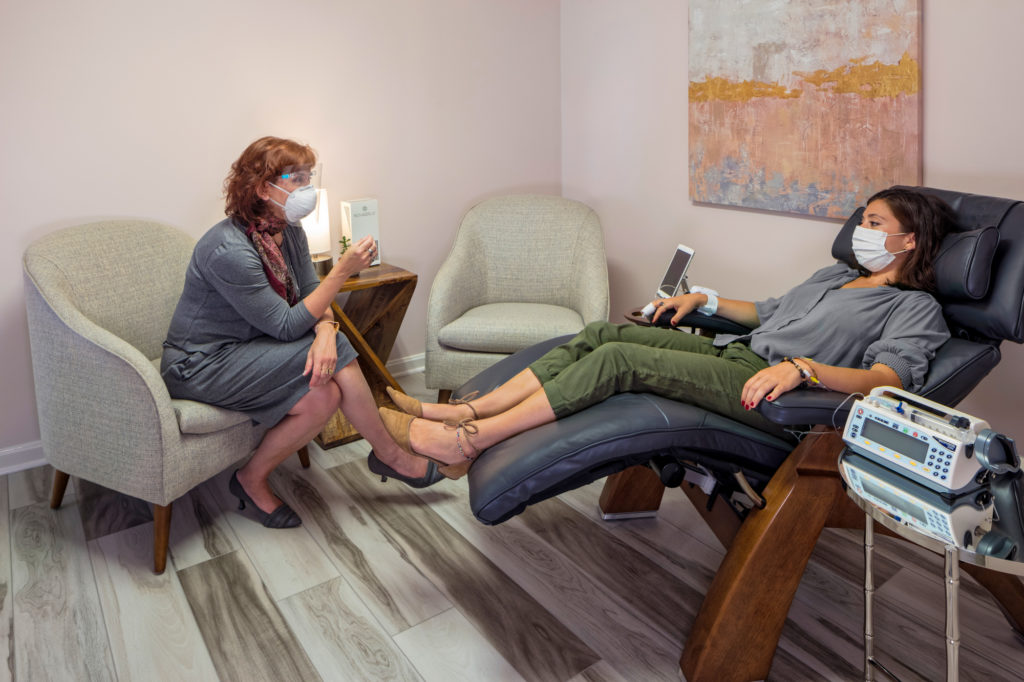
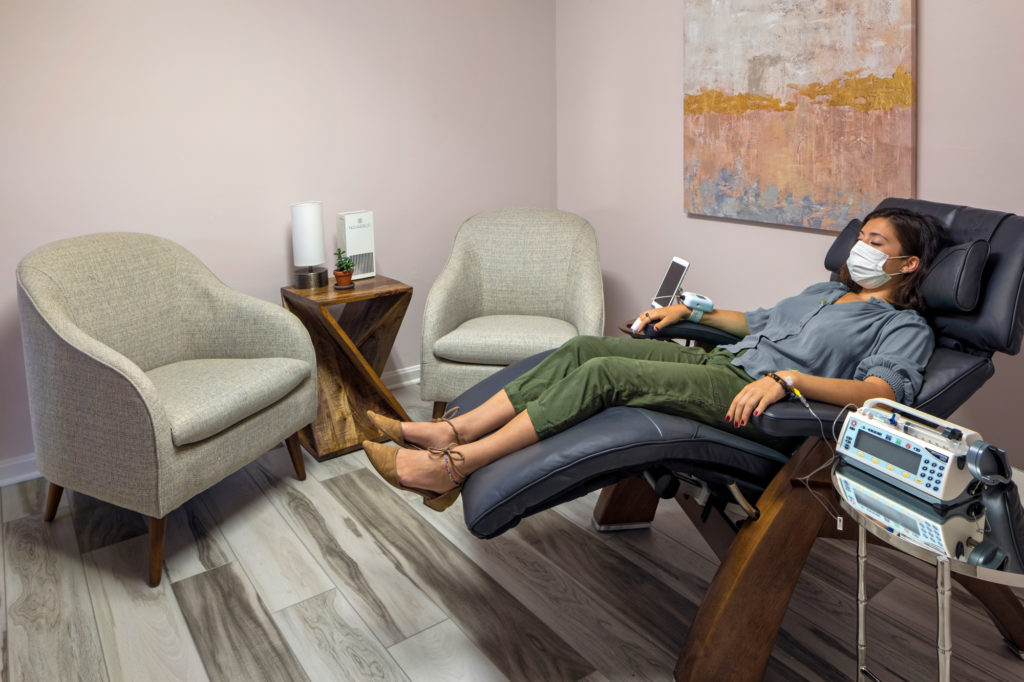
    When you come for ketamine treatment, you'll have a comfortable, quiet room to get the most from your treatment.

    IV ketamine treatment can set you on higher ground, so you can not only develop resilience but you can maintain it. So you can face difficulty with confidence.

    Let’s work together to equip you to thrive — not just cope — with the challenges you face.

    You have just one life. Make it a joyful one filled with hope and confidence.

    We’re here to help

    Lori Calabrese, M.D. is on the front end of the race to stop PTSD in its tracks using IV ketamine treatment.

    To the restoration of your best self,

  • Feel Like Giving Up?  That’s When You Need Resilience

    Feel Like Giving Up? That’s When You Need Resilience

    Find out how to get it fast.

    Feel like giving up lately? Not just giving up what you’re doing, but giving up on life…?  You’re not alone, you know. Still, just because you feel something a lot of other people feel, you don’t have to act on it. This is why you need resilience. Resilience can give you the power to overcome hopelessness and try again.

    Take Kevin. He has a good job, but he hates it. He doesn’t get along with his boss, and his marriage is not going well.  Kevin feels like he’s always the target of someone’s criticism and ridicule.  (Maybe it’s his imagination, but it sure feels legitimate.)

    At New Years, he went to Las Vegas and played blackjack. He had a great time. Maybe he drank too much to maintain good judgment — didn’t have a clue at the time, of course — and he ended up losing his retirement savings. (You heard that right.) He didn’t realize how bad it was till he was sober, and by then it was too late. It would be different if he’d just lost fun money. But it was his retirement… at least the portion he had access to.

    Kevin felt like such a total fool.

    Of course his wife was horrified. And he knew it was a foolish thing to do.  He thought he could recover it, until he realized it was really gone and there was nothing left to wager.

    Dead end. Empty pockets.

    The shame that engulfed him threatened to drown him. He was humiliated and afraid. So afraid. It felt like there was no hope of recovering. It felt like he was against a brick wall.

    Sometimes being suicidal is a symptom of a severe psychiatric condition, like depression or bipolar disorder, and sometimes it comes on more suddenly in response to complex circumstances.

    Like the men who jumped from office buildings during the stock market crash of 1929. That’s not to say psychiatric conditions weren’t involved. It’s safe to say those people lacked resilience.

    When you need resilience ketamine treatment will life you above the difficulties.

    But sometimes, circumstances become so extreme, leaving you to think you can’t face what the next day will bring…and sometimes giving up the fight seems the only viable option…at least from where you’re standing in the storm.

    A child is ridiculed at school, and her parents find her hanging by the neck in her closet.  Or those people who lost everything in the stock market crash and impulsively jumped to avoid the horrors they faced with no money. Or someone like Kevin, who feels the world is against him, and his self respect is destroyed… so he thinks if he ends his life he would be free of the ridicule.

    For someone in that position, a desperate craving to escape is often one factor in the decision, but there are usually many more. And without confidence and resilience to know he’ll bounce back, he’s left with hopelessness.

    It’s hard, really hard, to live without hope.

    To lift you. above your circumstances ...that's why you need resilience.

    People call it a selfish decision, or a coward’s decision, and I hate to hear that. The duress that someone has endured to reach the point of ending his life is hard — if not impossible — for us to grasp. We all have stress, and stressors, and it may be tempting to compare your own struggles and resilience to his decisions and outcome. But you can’t do that with someone who’s suffering. 

    That person leaves behind loved ones who are grief-stricken but it doesn’t mean it was done thoughtlessly. Often, he has convinced himself that his loved ones will be better off without him.

    So then, it can seem like there is a pathway to suicide that appears on the surface to be fueled by circumstances, and a pathway paved by illness. (And oh it is so much more complicated than that!) But in both cases, resilience can offer hope and strength to move forward.

    What is resilience?

    It’s the capacity to recover quickly from difficulties, to spring back with energy to overcome when circumstances knock you down. When you feel like giving up, resilience is what you need to stand up and overcome. So what do you do if you don’t have resilience?

    Big question. If you’re in a hurry, if you don’t have time to fool around, if things are down to the wire…

    One thing you can do is reach out for IV ketamine treatment to restore your resilience, your joy, and your hope. And…the emotional energy to face what life throws your way..

    When that internal pressure to give up becomes more and more daunting, resilience helps you to resist that defeating pressure and keep trying. Keep overcoming.

    When you come for ketamine treatment, you'll have a comfortable, quiet room to get the most from your treatment.

    At Innovative Psychiatry, applying ketamine treatment to suicidal thinking is one of our most important responsibilities. Ketamine has a unique ability to STOP suicidal thoughts that’s even apart from and before it helps severe depression, bipolar depression, PTSD, social anxiety, alcohol use disorder, and substance use disorder.

    Sometimes in an afternoon. It can save you a trip to the ER. It could save your life. Or someone you love.

    Give yourself the opportunity to overcome defeat and shame, and to stop suicidal thoughts. Reach out for resilience and hope.

    We’re here to help.

    Lori Calabrese, M.D. is on the front end of the race to stop PTSD in its tracks using IV ketamine treatment.

    To the restoration of your best self,

  • Self-Blaming Depression: Forgive Yourself for Being Human

    Self-Blaming Depression: Forgive Yourself for Being Human

    We often think of depression as being caused by loss. Things like death, or loss of an important relationship, loss of job or status… Sometimes there is a period when everything is going well, then suddenly things begin to go equally badly. You can experience a sort of whiplash that occurs that brings on depression when fulfillment changes to deprivation.

    But there’s another type of depression that works surprisingly differently. Self-blaming depression. In this case, you feel the loss you experience as a form of punishment for your failures. When that happens, it’s harder for you to be supported or comforted, because you’re convinced you don’t deserve comfort or support. In fact, you blame yourself mercilessly

    Celina had been a happy preschooler, confident, expecting others to believe the best of her. She had a spring in her step and joy in her heart until her family moved out of state when she was in 3rd grade. She didn’t feel welcome in her new school, it was hard to make new friends, and she felt her teacher didn’t respect her.

    The sunshine that had filled her life that she had enjoyed in her early years, seemed to disappear and be replaced by deprivation. Oh she had food to eat — but emotionally and socially her young heart withered. A crawling, creeping darkness seemed to ooze around her and inside her. She had no idea what was wrong or what she could do. So she just tried to muscle through.

    Signs of depression mounted within her until by junior high she found it difficult to be in school, and stayed home more and more often. That continued through high school. Seeking to become something more, she married the first year of college… she just so believed that marriage would brighten her life. (It’s supposed to do that, right?) She believed her dreams finally would come true. But the problems of keeping college going in a new marriage was tough on their budding relationship and once again, sunshine was replaced with more deprivation. And depression took over again… leading to suicidal thoughts this time.

    Eventually she was functioning with the help of an antidepressant, which helped. She got good at putting one foot in front of the other.

    Then, came March of 2020, and the COVID-19 pandemic.

    People worked remotely from home, and Celina was no exception. She lived with her small dog. Alone. All that isolation resulted in time to think about all her mistakes and misfires in her life. Month after month. Self-blaming took over her life.

    She didn’t just think about her mistakes a little … or in passing. She thought about her missteps long, hard, and deep. How could she have been so callous? Insensitive? Uncaring? While she hadn’t intended offense at the time, she now was tormented about the pain and hurt she must have caused others. She couldn’t forgive herself.

    Celina knew her situation was like everyone else’s. Her prolonged isolation wasn’t unique.  Every few months she would drive a couple hours to see her family. They had all been diligent about isolation and felt safe to see each other. They were all fully vaccinated and no one in the immediate family had tested positive for COVID. These were good times — but they didn’t happen very often. And her mind felt compelled to chew on self-blaming for her failures to others.

    But here’s the thing. All that time to think led to second guessing all the major mistakes she’d made in life, including decisions that weren’t even necessarily wrong. Certainly work takes time, but  she was dissecting every decision of her life with all the time she had when she wasn’t working. And with each one, she came up short. Shame wrapped around her like a slithering serpent. She finally found it almost impossible to work.

    And with the shame, a creeping darkness filled her like a fog, but so dark and suffocating. For a year or more she couldn’t seem to rise above it, to even breathe.

    She thought about her younger sister, Suzanna, and how Celina believed she’d neglected Suzanna when they were girls, not including her when Suzanna had been lonely. She remembered times when she was impatient with her, intolerant of her quirks …and now Celina had no tolerance of her own treatment of Suzanna.

    In spite of the fact that preadolescent girls cling to friends and private sharing, she could not give herself understanding or compassion for those failures. It was unreasonable to expect a mature, adult type of compassion and support in herself toward her sister, when she had been a preteen herself. But somehow Celina just couldn’t seem to see it for what it was.

    She called her sister and told her how sorry she was for not being a better sister and friend when they were growing up. Her sister appreciated her intent, but knew they had both been just kids and didn’t want Celina to suffer over it. It was long in the past and she encouraged her to let go of it.

    For Celina, that was easier said than done.

    Medications to treat her depression that had worked for her in the past were just not working for her now. The depression was unrelenting. Period. It consumed her. The shame she felt for being such a selfish person threatened to eat her alive.

    Do you torment yourself for your past failures?  Maybe mistakes you made in adolescence… or in your relationships… or your marriage?  Maybe in your childrearing? 

    For Celina, it was as though her compassion turned against her. Her compassion for her sister, when she’d been insensitive to her, was far greater than any compassion she had for herself. The shame threatened to swallow her up.

    That self-blame was profound. And penetrating.

    Celina needed to decide to forgive herself, just for being human. She needed to stop self-blaming… and start self-nurturing.

    Yes.

    It’s not hard to imagine how such deep depression created its own stress, combined with the stress of isolation, the pandemic, and her own self blame. That stress wears down synapse connections that create a network for signals to travel around the brain. To restore resilience and remission requires that those synapses be fleshed out again so that the network is in full function — so that you can flourish again.

    And that can happen with IV ketamine treatment. It has for so many. When mRNA triggers DNA to release BDNF (brain-derived-neurotropic-factor), those synapses sprout like crazy, and like oak trees branch out in every direction, proliferating connections. And those connections can light up your emotions, giving you energy and hope…and the power to build a rewarding life.

    Self-blaming depression is deeply stressful, and can be difficult to treat by traditional means, but IV ketamine treatment has the potential to restore the connections needed to get your brain working properly again.

    You can turn that self-blame to self-compassion with IV ketamine treatment and practicing kindness toward yourself.

    If that sounds exciting — if these symptoms sound familiar, and nothing you’ve tried has helped — just call us.

    Self-blaming depression is self-defeating. But you can turn it around and enjoy your life again.

    We’d love to help.

    Lori Calabrese, M.D. is on the front end of the race to stop PTSD in its tracks using IV ketamine treatment.

    To the restoration of your best self,

  • Childhood Abuse Alters Girls’ Brains And Delays Emotional Maturity

    Childhood Abuse Alters Girls’ Brains And Delays Emotional Maturity

    Most of us realize that the abuse of young children is cruel and heartbreaking, and can scar their emotions. This is especially true of girls. But there’s more to it….

    Childhood abuse alters girls’ development of the connections between neurons in the hippocampus, prefrontal cortex, the parietal cortex, and insular cortex …all important parts of your brain associated with processing emotion. These experiences, are not only hurtful for the child, but damaging. And the damage can last.

    Take little 18 month-old Ava:

    “Stop that!!” 

    The sound of a slap reverberates through the store, followed by a wail. Most shoppers stop and look around. Then, they spot an 18 month-old wailing. Her huge fat tears run down both her cheeks… one of which bears a blooming red mark. 

    “I said, we’ll eat when we get home!! Stop that right now or I’ll give you something to cry about!!!”

    One experience like this is not what traumatizes Ava. It’s that this happens all the time, every day — sometimes more than once. At times, it’s more than a slap. Sometimes there are bruises. And little Ava doesn’t understand…

    With all these incidents Ava endures, she learns to withdraw into herself. And to tell herself things that help her endure. And survive.

    Because early childhood abuse alters a little girl’s brain development, and delays her emotional maturity.

    As a teen, Ava turns out to exhibit a short temper, and seems to lack the skill to reason through conflict. She just starts yelling. Screaming. And reaches out in anger. She slams things down. She starts cutting herself long before anyone else ever teaches her how.

    By the time she’s 32, she has no idea why she’s so miserable. Why people avoid her, or why she’s always fighting with them. She can’t remember ever feeling peaceful…or confident. Or like she had it together. And she doesn’t know why.

    Many of us have witnessed scenes where a frustrated mom berates and slaps her child. And many of us have been in those scenes… as the child, or the sib, or the bystander. In public. Just imagine what happens in private.

    Two thirds of children experience violence by age 16– they endure physical abuse, sexual abuse, or witness violence at home or in the community.

    Two out of every 3 children. Think about it. 

    This is not about the wonderful, attentive nurturing and cooing that helps children grow and flourish.

    This is just ugly. When a scenario like this one happens with an 8 year-old, maybe you wonder… why is she pushing the envelope at her age? Maybe she best knows getting yelled at? Or always slapped? Does her parent think they’re “teaching her a lesson?”

    But then you see an 18 month-old crying sorrowfully, after a sound slap. You think, this child is too young to be “taught a lesson” in a department store. (For Pete’s sake!) The look in her eyes conveys hurt and confusion. But not rebellion.

    Have you ever heard a mother scold a baby, and say, “You know better than that!”

    And you think…ummmm no…she doesn’t. She’s too little…

    No, a newborn infant doesn’t understand harshness…and early childhood abuse alters parts of her brain and impair her ability to process emotions properly.

    The same is true of a 2 year-old. If she’s crying incessantly, your gut says she needs something. She’s not rebelling. She’s relying on his caregivers to meet his needs.

    So when a parent swats a 2 year-old and yells…the parent is traumatizing this toddler. She’s finding out the world is not a very safe place. Maybe she just feels hungry (or tired) and is signalling that. She doesn’t understand why she receives pain instead of nourishment.

    Here’s another scenario: a 7 year-old girl only wants to be loved, supported, and protected by her parents or caregivers.  However, sometimes caregivers hold motivation for things within themselves that ignore her need for safety.

    Sometimes, parents, uncles, cousins, or neighbors find opportunities to cause her harm, and warn her to “not tell”…This leaves her hurt, confused, and afraid.

    When abuses like these take place, she is susceptible to altered development in her brain — and to psychiatric disorders later.

    Some people don’t understand the difference between discipline and abuse. (Really, you ask? I ask that, too.) Other people don’t care to even learn– they just vent frustrations on their kids.

    A human person — a little human person who is a child — is a delicate organism and requires gentleness, love, and care to grow and develop well.  However, some children don’t get that…. instead they get served a slap, a scream, or sometimes torture, and confusion.

    And that causes damage.

    Quite often the victim of abuse morphs to the abuser herself.

    When an innocent child is subject to hurt, abuse, and injury, there can be serious fallout. Instead of fostering confidence, the abuse causes scars she may never get over.

    But what’s the story with those scars? What’s the nature of them?  How do they affect the child as she grows?

    A paper published in the American Journal of Psychiatry took a closer look at girls who were abused at a young age, and the effects on their brain development and the possible development of psychiatric symptoms.

    The team studied 234 girls, ages 8 – 18. Some of these girls suffered no abuse as children and ended up with no psychiatric diagnosis. These were labeled “typically developing” for purposes of the study. (And honestly, every child has a right and a need to be in this category.)

    Sadly, many are not.

    The abuser was often abused herself.

    Another group had been abused in childhood but had not acquired a psychiatric diagnosis by the time they were studied–but remember they were studied still as children or teens; they might not have had access to care because of their ages. They were labelled “resilient.” We talk about resilience often and it’s the power to rise up again after being knocked down. Every person needs it, but not all develop it.

    And for these girls, it might be the wrong word to use, because could still develop psychiatric symptoms in a year or two, or more. Related to the abuse.

    The third group of girls had been abused and did receive one or more psychiatric diagnoses. They were labeled “susceptible.” These are the ones whose scars from abuse were already showing while they were still children or teens. And who are likely to need help for their symptoms in order to live fully rewarding lives.

    All of these girls were given MRI brain scans, and detailed medical and psychiatric histories were compiled. Their brain scans were correlated with the abuse, their symptoms and the severity of their symptoms… then analyzed using machine learning methods that generated information about the maturation of each girl’s brain, and compared the biological and structural changes in their brains to their chronological age. The gap between where they should have been and where they actually were is referred to as BrainAGE.

    Early childhood abuse alters girls' brains and delay emotional maturity.

    The BrainAGE calculation showed whether the maturing of the brain was advanced or delayed compared to where it would have been for the child’s age. They compared the BrainAGE of girls who had suffered physical abuse or neglect to girls who had never been abused.

    Of those 85 girls who were “susceptible” 38 had an anxiety disorder, 59 had a depressive disorder, 56 had PTSD, and 62 had at least two of these disorders. That’s 72.9%.

    That’s huge.

    Here’s the most important thing: Abuse in a girl’s childhood (regardless of whether the girl was resilient or susceptible) was associated with delayed structural maturing of the brain.

    But even more significant: This lack of maturing occurred in those neuron connections used in processing emotion.

    Childhood abuse alters a girl’s brain development and alter how a child will process emotions and emotional triggers. If you were a girl who suffered abuse early, wrap your arms around yourself. Take a slow breath.

    Furthermore, the delayed maturing of those same neuronal connections occurred with a tendency for the girl to develop hyperarousal symptoms. Hyperarousal is often seen in PTSD and other anxiety states. It causes you to become hypervigilant, extremely sensitive, as well as distressed or even utterly disabled by whatever is happening in your environment (that may not even be a real threat). 

    There were more findings, but for our purposes here, it’s crucial to understand that if you’ve experienced trauma as a young child, and you feel you’re easily anxious, triggered or terrified, or others tell you that your reactions are extreme for the situation, there are reasons.

    You may have had changes in your developing brain development where connections between brain cells have been altered, especially those connections involved in processing emotion.

    So we have to ask, since early childhood abuse alters girls’ brains and delays emotional maturity and can result in things like PTSD … could this delayed development in certain neuronal connections respond to ketamine treatment?

    Hmmm… That question hasn’t been answered. It hasn’t even been asked.

    Since ketamine switches on mRNA which turns on DNA to turbo boost brain-derived-neurotrophic-factors (BDNF), the connections between the neurons in the emotion processing center can proliferate by leaps and bounds. Those restored connections, called synapses, can improve your ability to process fear, panic, and depression.

    At Innovative Psychiatry, we see people every day who’ve lived through childhood abuse. They withstood it somehow. We see their deep pain, and the results of that pain in their lives and their behaviors. For those who suffer from extreme anxiety or PTSD, ketamine can be enormously effective. It’s not for everyone, of course. (There isn’t anything in medicine that always works for everyone.) But it may be able to offer you an opportunity to move beyond yourself and beyond your symptoms. It might offer you the opportunity for healing.

    Wow. What would that be like?

    Treatment happens in our gorgeous private treatment rooms–with skylights, windows, treetops, or cozy warm quietness. You’ll sink into lovely heated recliners where it’s zero-gravity floating relaxation… and you can bring a playlist with you on your iPad or phone. We monitor you carefully. We want you to be assured that you’re well taken care of.

    IV Ketamine treatment can help you find the freedom of a rewarding life, even during COVID.

    You also may notice a little gorgeous white box in your treatment room that says Novaerus on it. This is plasma cell technology developed by The Department of Defense and NASA. It seeks out and destroys the DNA in any little particles of bacteria, virus, or mold. This includes the delta variant (…and the mu and the new lambda variant that has entered the US).

    So be confident that you can come and receive treatment and look forward to getting better. Even if you’ve known fear, it doesn’t live here.

    And since early childhood abuse alters girls’ brains, if you’re that child, give yourself room to imagine what it would be like to feel better.

    If you’ve struggled with PTSD, call us.

    If you suffer from treatment resistant depression and nothing you’ve tried has helped, or bipolar depression, social anxiety, substance use, alcohol use disorders, suicidal thoughts, or anxiety that just doesn’t stop: call us.

    Better days are ahead for you. Give yourself the best possible chance for better living.

    Lori Calabrese, M.D. is on the front end of the race to stop PTSD in its tracks using IV ketamine treatment.

    To the restoration of your best self,

  • Interesting Times: How They Help You Overcome and Help Others, Too

    Interesting Times: How They Help You Overcome and Help Others, Too

    Ask yourself…”Do you prefer good times…or interesting times…?”

    We’ve talked about how to recover after a crisis or trauma so you can get back up. Let’s take another step. Let’s talk about making use of your experiences so you can — and will — move forward. First and foremost, like letting go of the memories of falling short in the past. A failed grade, a missed touchdown, the end of a relationship, a project that didn’t impress your boss… or all those times you were late in picking up the kids… or forgot the cupcakes for the classroom on your child’s birthday. Or those painful devastating memories when you over-reacted to your child’s mistake and left her heartbroken. These are the interesting times: how they help you and others depends on how closely tuned in you are to the lessons to be gained and put into practice.

    If you continue to revisit these moments of moral failure and apologize for them over and over, you’ll likely find yourself stuck in shame, remorse, and regret. These feelings can be so crippling. And you can find yourself immersed in interesting times… how to recover..?

    Move forward and build a rewarding life. To do that, you just must find the way within yourself to LET GO of the past. Only then can you invest in the present and the future, as well.

    Let go of the pain, too. A broken relationship, the memories of dysfunction, conflicts, betrayal, harsh, vicious words. All of these create scars, and scars can hold you back, tether you to those experiences and hold you in the past.

    So, you have to let those memories go, release them, and embrace your experiences of today. Allow yourself to enjoy the new developments in your life.

    Without these crippling memories and the pain…which tend to become the more interesting times that can help you eventually… without them you can’t learn how to exit them. To rise above them. To build your own good times with the insight that you have learned how to navigate another corner of life… because of the challenges, pain, and obstacles you worked to overcome.

    Another thing to think about…and apply… is that when someone says something that annoys you, and you allow yourself to react, you’ll be the one who suffers. A big step toward letting go and moving forward is to let go of the need to have the last word, to punish the speaker with your anger, and to lash out.

    It’s far more liberating to step back, put on your “logic filter” and run their comment through that. Leave your emotions locked in the closet until you have seen the situation logically, calmly, and with compassion toward yourself and the one who is speaking. Be the presence of peace in the conversation.

    Build your sense of optimism on a pragmatic foundation. Rather than thinking of optimism as a DisneyWorld sort of reality, with streamers and balloons and fireworks and cartoon characters skipping around, think in terms of what has happened and the good outcomes that can emerge along with the bad ones.

    Dig in to find treasures in your life. Ways you can make the world a better place for others, or just for one person. But watch for those opportunities. Watch for interesting times, how they can help you and others make better decisions on this go round.

    Putting Trauma in Its Place

    To move forward, there are certainly things that you can do to invite a more hopeful frame of mind. But there are also traumas and pain that have to heal and be put behind you so the “overcoming” efforts can bear fruit for you.

    If you’re like most people, there were painful events, confusion, and even trauma and loss that emerged this last year. 2020 is a year we’ll not forget. Odds are, you acquired some trauma and sorrow in the process.

    Avoid wallowing. Grief must be faced, then suffered, and put away soon so you have the room in your mind and heart to embrace the good that’s emerging…along with the bad.

    The pandemic was …interesting. Not good times. And yet…good things happened. Babies were born, learned to walk and talk, some companies did well. Some employees excelled, and so did some students.

    Look back at your resilient moments. What did you learn? Can you take it with you to next year and the year after?

    Careers Have Been INTERESTING, TOO Lately… And oh yes…RELATIONSHIPS!

    It’s not at all uncommon to enter a career path, and advice comes from everywhere telling you to stick it out, have tenacity and perseverance.

    That’s just great advice for lots of things. But how do you know when it’s time to let go? 

    Well, no one can determine that but you. Whether it’s about a career path, or a relationship, or the city you live in… We know we can miss so much if we cut bait and leave before giving the current situation a chance. (At the same time, when you can see you’re going down with the ship, it may be time to swim for shore before it’s too late.)

    Your heart may not want to let go, but your experience says that this is not going to recover and you need to save yourself…to try again another day. Interesting times and how they help you gather the tools you need to move forward, giving your room for more good times to enjoy your life.

    Some principles apply to multiple types of situations… like relationships, jobs, projects…Here are some questions you can ask yourself as you work through your decision:

    • Do you sense a lack of respect for you in your environment or relationship?
    • And maybe most of the time you’re giving more than you take?
    • Do you find that you think more about the past than the present?  Are you in a good ol’ days mentality?
    • Are you crying more than laughing far too often?
    • And what about anger?  Is it more commonly the way you feel…or is love, contentment, and peace the way you usually feel?
    • Is the passion and joy gone?

    Do you find you feel “less than others,” because of others’ attitudes toward you?

    Do you feel physically and mentally exhausted…most of the time??

    If you know what it is to be appreciated, supported to grow and excel, and you’ve been stuck in a situation for a prolonged period of time, it’s possible you are ready to let go.  And move forward.

    And as you embrace that purpose, you begin to gain from not only the experience, but what you did with it. Purpose, direction, and hope can build and grow in you as a result. And with hope, strength and resilience.

    You don’t have all the answers, and neither do we. We’re all seeking to learn from our experiences so we can move forward in life. Because life isn’t perfect for anyone, is it? Fostering resilience is a great place to start.

    At Innovative Psychiatry, we wish like you do for the good times…but keep learning that it’s the interesting times that give us more to help you.

    It’s also true that sometimes choosing to face the obstacle of interesting times and push through it is overwhelming. Sometimes to face those interesting times you need depression, anxiety, and trauma treated effectively. That’s where IV ketamine treatment can come in.

    Pandemic anxiety depletes bandwidth for coping with COVID, but you'll not be exposed to viruses in our office. You're safe here.

    IV ketamine can do things other medicines haven’t … and it can do so rapidly. That’s why we opened a separate arm of my practice that’s specifically equipped to provide IV ketamine treatment. Ketamine treatment has demonstrated repeatedly its unique ability to smash depression symptoms, sweep away anxiety, and stop suicidal thoughts in their tracks.

    Because making this remarkable treatment available to whoever is a candidate for it is so important, we encourage communication from your healthcare team.

    We want you to have hope.

    And, because the pandemic is still making people sick, we have equipped our offices with technology designed by NASA and the Department of Defense, to clean viruses, bacteria, and molds from the air to help you stay well. We’ve taken every precaution to protect you from infection when you’re with us.

    The result is peace of mind so you can focus on getting better.

    We invite you to reach out for a treatment that works rapidly in most people, even in interesting times, to restore your motivation, initiative, hope…and creativity. You should have a rewarding and fulfilling life.

    Lori Calabrese, M.D.
    To the restoration and fulfillment of your best self,

    Lori Calabrese, M.D.

  • How to Stay Resilient When Life Changes Knock You Down – Bounce Back!!

    How to Stay Resilient When Life Changes Knock You Down – Bounce Back!!

    Resilience – The power to bounce back emotionally after a major disappointment or event.

    Here we are. COVID cases have dropped dramatically…right along with COVID deaths. We’re slowly transitioning from the pandemic to what we hope will be post-pandemic. Slowly over time. It won’t be a one day change, but an advancing progressive adjustment to a less restrictive environment. Some people have stopped wearing masks. However, many of us still do. The CDC says fully vaccinated people can go without wearing masks, especially around others who are fully vaccinated. But this doesn’t apply to those who are unvaccinated. This is one of a thousand frustrations all around you. So you’ll want to stay resilient when life changes–and we’ll give you some ideas how to do that.

    A crowd of employers have begun calling employees back to work. Most employers of office workers have moved their employees home to avoid spread of illness, and all those employees are beginning to go back to work little by little. It’s not that they’ve not been working, but they haven’t had a commute as they work and meet on Zoom at home.

    Many others, if not most, will wait yet awhile. It does still seem early.

    But do you know what we’ve seen?

    People struggling with fear, worried whether it’s safe to re-enter company buildings. People who succumbed to depression, PTSD, and anxiety during the worst of COVID-19 and haven’t yet recovered.

    So this is not as simple as it may seem.

    Of course, our role is NOT to tell you when you should return to work in your company facility. Or when the kids should be back in school.

    We just want to help you make the transitions ahead, embrace the adjustment within yourself that will allow you to make this change when the time is right. To help you navigate your concerns or anxiety if you face it.

    You may have lost a loved one over the past year. Maybe you had to watch the funeral of a loved one over Zoom or Facetime. That must have been difficult for you. So many incidents and events were shocking. For so many people.

    You may have had a baby over the last year. Did you have a COVID baby? We’ve learned that the birth of a baby during all the isolation, social distancing, and mask wearing has created such intense loneliness for some new mothers that postpartum depression has been more widespread and support has been hard to come by for many isolated moms.

    One first time mom, who was weeping in frustration and overwhelmed, said, “I’ve always heard it takes a village to raise a child. So WHERE’S MY VILLAGE???” If you’re one of those parents, you will have to find your own transition and recovery. Make sure you’re fully vaccinated so you’re free to seek out friends and family to get their support, and improve your own resilience.

    Then there are the children. Children who’ve been involved in distance/remote learning have displayed behavior outbursts and other forms of acting out. But on the other hand, some children thrived from the closer nurturing they felt while being home. And as they move into summer, and then repopulate schools in the fall (or whenever that will happen!) they may need guidance to help them adapt smoothly, re-socialize, and integrate in their school’s routine.

    Maybe you’ve asked “Why me?” through the crises and losses the last year and a half. But when you think that way it nurtures self pity…which can be suffocating. Better to ask yourself in that instance…”Why NOT me?” Because if you’re alive in this world you’re going to have struggles, difficulties, and losses.

    And you may be tempted to want to run. But resilience comes when you plant your feet, square your shoulders, and get through it. You can be resilient when life changes.

    When my friend heard there was a pandemic wrapping around the world, her first thought was to get on a plane and escape it. Then she looked at the charts and maps on the internet and saw that this infection covered the globe, and there was nowhere to run. What a shock that felt like.

    But by staying where we are, using personal protective equipment, and isolating ourselves, using social distancing when in public, we as a nation and as a planet have survived together.

    Many say, “Failure is not an option”…but actually failure is a requirement for resilience. And in terms of the pandemic, as well as working at home, learning at home, there have been countless efforts that failed and required we try again and again to get whatever the need was to work. Stronger internet connections, getting food to people who needed it, keeping online services up and functioning well.

    Here are some strategies for building resilience now:

    Recognize that difficulties, losses, and inconveniences are part of life. Realize right off that all these things are not a sign of unfair punishment of you or me, but just part of life. And realize that you’ll find your way through it.

    Make the serenity prayer a part of you…to accept things you cannot change. To change those things you can (or change the things you cannot accept.) And hold onto the wisdom to know the difference. So focus on where to put your attention… changing the things you CAN change. And choosing peace about the rest.
    Choose Life. Choose what is good for you. Walk away from things that aren’t good for you. (Yep, we said walk away. Seriously walk away…) Then be patient and compassionate with yourself.

    Here’s a challenge for you: Every day, list 3 things you’re grateful for. It will help you maintain peace and the strength to face new challenges…because you know that challenges are part of being alive too, right?

    And… you know? every time there is a failure, or disappointment, or loss… once you’ve responded to it and moved forward, ask yourself, what you might learn from it… or whether someone was help from the natural fallout of it, etc. There is meaning all around you, and when you’re stressed with difficulty, it’s easy to miss it. So make a point to focus on the meaning you find in all those challenges… that will deepen those roots of resilience, too.

    Stay Resilient When Life Changes — If you fall, you can snap right back up on your feet

    Of course, not everyone can effectively build their own treasure chest of resilience. A disorder can make that very difficult. So we do offer IV ketamine treatment to help restore your resilience. To help your brain restore it’s own synapse connections, to take the G proteins off those rafts in the cell membrane and put them back to work. To slow down the bursting cells in the lateral habenula. And to generally help your hippocampus and amygdala function better, so YOU can function better.

    Sometimes it takes more than well-intended exercises. Sometimes it takes an intervention. And even though IV ketamine treatment doesn’t work for everyone, it can be transformative for the vast majority who have treatment resistant depression, PTSD, bipolar depression, social anxiety, substance use and alcohol use disorders, and suicidal thoughts. It can replace those miseries with resilience, motivation, confidence, initiative, and especially hope.

    So Reach Out for Resilience and the Life You Long to Build

    At Innovative Psychiatry, we have the privilege of seeing people who have achieved remission from these disorders every week. Remission means you have energy to support others, to build your own life and healthy strong relationships, and to face difficulties with strength. Remission means you once again feel like the very best self you’ve ever experienced. It means you stay resilient when life changes and can snap back in the face of difficulties.

    And while we’re transitioning from active pandemic to a post-COVID world, we’re not there yet. And we want you to have the confidence that in our office you’re completely safe from infection caused by any virus, bacteria, or mold. Our plasma cell technology that continually scrubs the air you breathe to keep you safe from viruses, bacteria, and molds while you’re receiving treatment with us.

    Reach out for resilience. If you struggle with the disorders we talked about, reach out for the hope of remission.

    We want that for you and we can help.

    Lori Calabrese, M.D. is on the front end of the race to stop PTSD in its tracks using IV ketamine treatment.

    To the restoration of your best self,

  • Postpartum Stress Is Vicious: Reach Out for Support…It Takes a Village

    Postpartum Stress Is Vicious: Reach Out for Support…It Takes a Village

    Do you have a COVID baby?  If so, you’ve had compounded stress.

    Most moms are familiar with the exhaustion (and the overwhelm!) that often takes over when your newborn comes home from the hospital. It isn’t as though you were sleeping great before you went into labor.  Then contractions started and progressed to active serious labor. Then the hard pushing. Bottom line, giving birth is hard, hard work. You think you just can’t wait till the baby is OUT of your body so you can finally sleep.  WAKE UP CALL!!! Actually, once baby is outside your body, she’s adjusting too.  So she cries.  And cries. What can you do but nurse her till she drops off to sleep… until 30 mins later she wakes up in your arms crying again. So you put her back on the breast. And then it starts. And a challenging pattern emerges. Baby feels warm, secure, and happy when she’s nursing. Then, bereaved when the nursing stops. And you? Stressed to the max. Postpartum stress can be persistent if you’ve had a COVID baby…and even if your baby was born before COVID.

    The trouble with that is that anxiety can shoot up when baby nurses, wakes, and nurses some more. Because you want some sleep… you NEED sleep.

    And when anxiety rises, it’s hard to go to sleep. Your mind just keeps racing.

    So what do you do?  You call your mom, your sister, or your best friend to come and walk baby while you get some rest. And that’s not all it’s cracked up to be either, because you lay on the bed, wide awake….staring at the ceiling…worrying about the baby. 

    This is especially true for first time moms who so want to be perfect moms in every way but hadn’t counted on exhaustion and stress making you miserable. In fact, postpartum stress can be especially brutal for moms who try to be perfect.

    Try to relax and let go. Perfect moms don’t exist. Cut yourself lots of slack and call in help when you feel like you’re at the end of your rope. Don’t keep pushing. Because you just have to break the stress cycle periodically.

    And kick guilt to the curb!

    This is also true for moms with a baby/toddler and other children…. it can be so hard to cover all the bases of everyone’s needs. Plus laundry, cooking, baths, keeping the house picked up after you’ve been up all night with the baby.

    And You Wonder…Where Can You Find Postpartum Stress SOLUTIONS?

    Parenting books are full of advice about how to manage your baby AND your other children when there’s no one to help. (Ha! is what I said when I read them, on baby #4.) But, when you try to put their advice to work…well it’s not as easy as it sounds.

    Postpartum stress is that midlevel and escalating stress that occurs after the baby blues but before postpartum depression takes over.

    If relief isn’t found, postpartum depression can settle in.

    FAST FOWARD 10 months…

    You finally got the baby into a schedule where she sleeps several hours each night and you depend on that chance to rest.  Then you go on vacation. (Ha! they say it’s a vacation….) The changed vacation schedule disrupts baby’s schedule and she starts wanting to find comfort in constant nursing again.

    By the time you get home from your trip, you’re exhausted again. And not sleeping. And you’re crying more than baby. Sound familiar?

    Stress plus exhaustion is a devastating combination.

    First, understand that babies are individuals with temperaments unique to them. Some are easy going, relatively relaxed, and honestly, some seem almost self contained. Moms with babies like this have no idea why you’re so stressed. So ignore what those moms say. Right??

    Some babies are “high need” and may require lots of patience.  This type of baby may also be colicky, and as the saying goes, it takes a village. To walk her, to soothe her, and to give you a break to rest and breathe.

    You always hear that childbirth is a natural part of life…and it is. But it’s still a huge strain on your body and emotions. If you don’t have support, it can be difficult to recover.

    And women who don’t receive support during childbirth have a harder time recovering from it. They can continue to struggle for weeks or longer. In fact, a study by researchers led by CT Beck found 18% of American moms reported symptoms of PTSD. We call that postpartum post-traumatic-stress-disorder –really!–and we’ll be talking about that, soon.

    What is postpartum stress anyway?

    It’s like this…when something goes on that sets you on edge, but it doesn’t happen just once…or twice. It happens all the time, all the time. Like a baby crying incessantly…or children screaming because they’re mad, The longer this cacophony goes on the more it strips your patience…your ability to cope…to endure. And it goes on and on, day and night, week after week after month. It goes from acute stress to chronic stress… postpartum stress.

    When this happens, think of it as wearing down the synapses — those connection between neurons in the brain that help messages go from one part of the brain to the other. Those synapses can break down. The dendrites and dendritic spines also break away. You can think of it as pruning, like you do to a tree. But in terms of synapses, this is not a good thing. As those synapses break down, the connections between neurons are lost. And what’s left is a depressed mood. Anxiety. Misery.

    Postpartum Stress Needs to be Relieved

    Whether by natural means of relief and support, or by a remarkable treatment. Because left untreated it can easily advance to postpartum depression, a more dangerous condition.

    What it comes down to is that you need all the synapses you can get in the right parts of your brain so you can be resilient and not defeated. So you can embrace challenges as they arise.

    This is why it takes a village. Because you must have support from grandparents, friends, family, and as your baby grows older and is easier to manage, you can help another young mom.  

    But what if postpartum stress has resulted in damage too extensive for you to find the relief and resilience you need just by taking a nap, or walking and relaxing while someone else cares for baby?

    Well maybe that’s where IV ketamine treatment comes in.

    Nothing restores resilience like IV ketamine treatment. Nothing restores those synapses as thoroughly or as fast as IV ketamine treatment. For so many. Because ketamine restores resilience by restoring those synapses, by causing mRNA to flip on DNA to turbo boost brain-derived-neurotrophic-factors. By moving those G proteins off the lipid rafts to get those neurotransmitters revved up to do their job. By stopping the cell bursting in the lateral habenula… all these things working together to help you feel up to the tasks before you… Full of initiative, the motivation to do what needs to be done, and the hope for making your life rewarding again.

    Postpartum Stress Disorder can be overwhelming so reach out for help.

    At Innovative Psychiatry we’re in place to meet you here when you arrive for ketamine treatment. Because if you want to rise above the hopeless and dark listlessness that is overshadowing your time with your baby, we’re here to help. And for the safety of you and your baby, and the confidence it brings, we’ve outfitted our offices with a space station technology developed by NASA to remove 99.99% of the viruses, bacteria, mold, and pollen from the air and surfaces in our office.

    We keep the door locked so that only those who have been scheduled to be there will be there. You can feel safe here.

    We’re here to help you get better, feel better, and have the power to enjoy your baby, and your family. To have the power to face the challenges with resilience.

    Take affirmative steps to find out if you’re a candidate for IV ketamine treatment. Call us.

    We’re here to help.

    Lori Calabrese, M.D. is on the front end of the race to stop PTSD in its tracks using IV ketamine treatment.

    To the restoration of your best self,
  • You Can Call It Seasonal Affective Disorder or Any Other Name, It’s Still Depression

    You Can Call It Seasonal Affective Disorder or Any Other Name, It’s Still Depression

    Across the country, extreme winter storms have descended upon us. Even in the Gulf states, short sleeve weather is suddenly shifting to snow. Temperatures are dropping from 70 degrees to 17 degrees.

    And the gray skies that bring snow, also contribute to Seasonal Affective Disorder. Gray on the outside can turn some people gray on the inside. And typically, about 5% American adults suffer depression symptoms this time of year only. These sufferers feel fine the other seasons of the year. But something about gray skies, less light, and snow trigger sadness. Which is why they call it SAD. Call it seasonal affective disorder or SAD or any other name. It still feels like depression.

    Symptoms include sadness, low energy, fatigue, weight gain or loss, and reduced interest in things they used to enjoy.  

    And specifically, symptoms begin in late fall…and subside in spring.

    Sound familiar? If you’ve ever suffered from depression, you probably recognize these symptoms. Because this disorder that’s associated only with winter is a seasonal depression.

    Some believe that the longer nights and shorter days interfere with your body’s internal clock. And that can result in changes in the brain. So using natural light and light boxes can help.

    But this year… Katie Bar the Door!!

    This year all bets are off. Due to the extra strain and anxiety caused by the COVID pandemic, plus the addition of flu season, the pandemic is causing anxiety and depression on its own. As the infection and death rate have grown, there is also SAD pulling people into darker places.

    Social distancing reduces social interaction. Increased stress arises from financial difficulties, employment layoffs and remote learning. That cooped up feeling from being inside the house all day…as well as heightened alert about health… These stressors can cause brain cell changes that can lead to depression. 

    It goes without saying that so much time in the house because of COVID means less exposure to natural sunlight.  You see where this is going.

    SAD +  COVID precautions + Flu season = Increased risk of depression and anxiety

    We’re not making light of the bombarding risks facing you this winter that threaten your wellbeing. On the contrary, recognize that this season holds a unique storm of confusing symptoms. These symptoms can emerge in your health and your wellbeing. 

    The symptoms can be from depression you’ve had all year, or the result of COVID’s strain, or if it only happens this time of year it could be from SAD…. That’s why they call it seasonal affective disorder.

    And being informed and familiar can help protect you from confusion and overwhelm if a tangle of symptoms should emerge in you or your family.

    There are things you can do. For SAD, light therapy is helpful for lots of people. 

    Symptoms of SAD intersect with symptoms of major depressive disorder, and some of the symptoms can also be found in cases of flu and COVID, like fatigue.

    So don’t be too unnerved if you find you have feelings of a deep dread, or increased agitation, or nervousness. If at all possible, this is not the time for controversial conversations about politics or religious differences. You may not realize the the underlying agitation or fear you feel may actually be stimulated by the pandemic and its restrictions, rather than the subject that seems so upsetting.

    Families have been thrown into upheaval and even split apart by this dread and agitation that only began since the COVID crisis. Keep your relationships shielded and safe.

    This is a great time for finding ways to reassure the people in your world, to find light-hearted discussions, and to maintain a sense of humor. This is a time for helping the people around you to maintain stability and get through this, rather than allowing controversy to up-end those already on shaky ground.

    Call it seasonal affective disorder but ketamine can bring remission.

    Find Healthy Ways to Bring Light Into Your Life

    Seek out healthy and productive ways of occupying your thoughts, and avoid those counter to your wellbeing, such as alcohol and substance use. Do your best to find ways to brighten your family and friends with online games, painting projects, sewing and knitting (not just for the ladies now… you guys are missing creative fun if you don’t try it!), and all the ideas you can come up with that will get everyone talking and laughing in front of the computer screen!  

    If you’ve experienced SAD in prior years, this year may be more severe, so seek natural light as often as possible… You can call it seasonal affective disorder or just depression… either way, there’s hope.

    And if you do have depression symptoms that don’t respond to medication, there’s hope. If the medication that has been effective for years has suddenly become ineffective over the past year, hang on. IV ketamine treatment just may make the difference you need.

    Ketamine treatment is a series of individually titrated infusions within a couple weeks. Ketamine has a remarkable ability to tamp down feelings of hopeless and despair, while building up the connections between brain cells proliferate a dense communication network.

    The result is a brightness of emotion, clearer thinking, restored energy for daily living, improved creativity, and the power to build healthy relationships. And…hope. It happens fast…and it can last.

    Is it the same for everyone?

    We have patients who may require a few more than the traditional six infusions, who recover so dramatically they haven’t needed more. That’s not to say those same patients might not eventually need another infusion eventually. They know to watch for the signs. 

    But sometimes people read articles and misunderstand about how ketamine treatment works. They think they have to keep getting infusions every couple months, or they read that ketamine treatment can’t really last.

    Broad assumptions should be avoided when it comes to treatment in the brain. Results vary among different people, and as we often remind our readers, ketamine doesn’t work for everyone.  But when it works, it can work dramatically well. And it can do a transformative work in most patients who are candidates for it.

    Whether You Call It Seasonal Affective Disorder or Something Else, You Might Want to See what Ketamine Treatment Can Do for You

    Call it seasonal affective disorder if depression only happens in winter, but ketamine can bring you joy.

    And when the clouds dump snow, make snow angels!

    At Innovative Psychiatry, we’ve witnessed such extraordinary outcomes with repeated and titrated IV ketamine that we offer it to the community to help more people get better and live rewarding lives. 

    We also invite our ketamine patients to ask their healthcare team to collaborate with us as we deliver the infusions and they can follow up with any needed therapies.

    Also, for the sake of safety, we have a protocol for patients who come to the office that involves special instructions, mask wearing, and special safety precautions.

    To this end, we’ve installed technology that destroys viruses including the COVID and flu viruses, as well as bacteria and molds in the air and on surfaces. This means that when we open the door for your appointment, you can come inside for treatment with confidence, knowing you’re safe.

    Don’t wait.

    You may call it seasonal affective disorder…or SAD… or major depression or other affective disorders, but if they’re not helped by medication, call us.

    This is a tough winter, and these intensive winter storms aren’t making it any easier. Reach out for resilience.

    Your remission is what we live to help you achieve. 

    Life really can get better.

    Reach out for hope. 

    Lori Calabrese, M.D. is on the front end of the race to stop PTSD in its tracks using IV ketamine treatment.

    To the restoration of your best self,
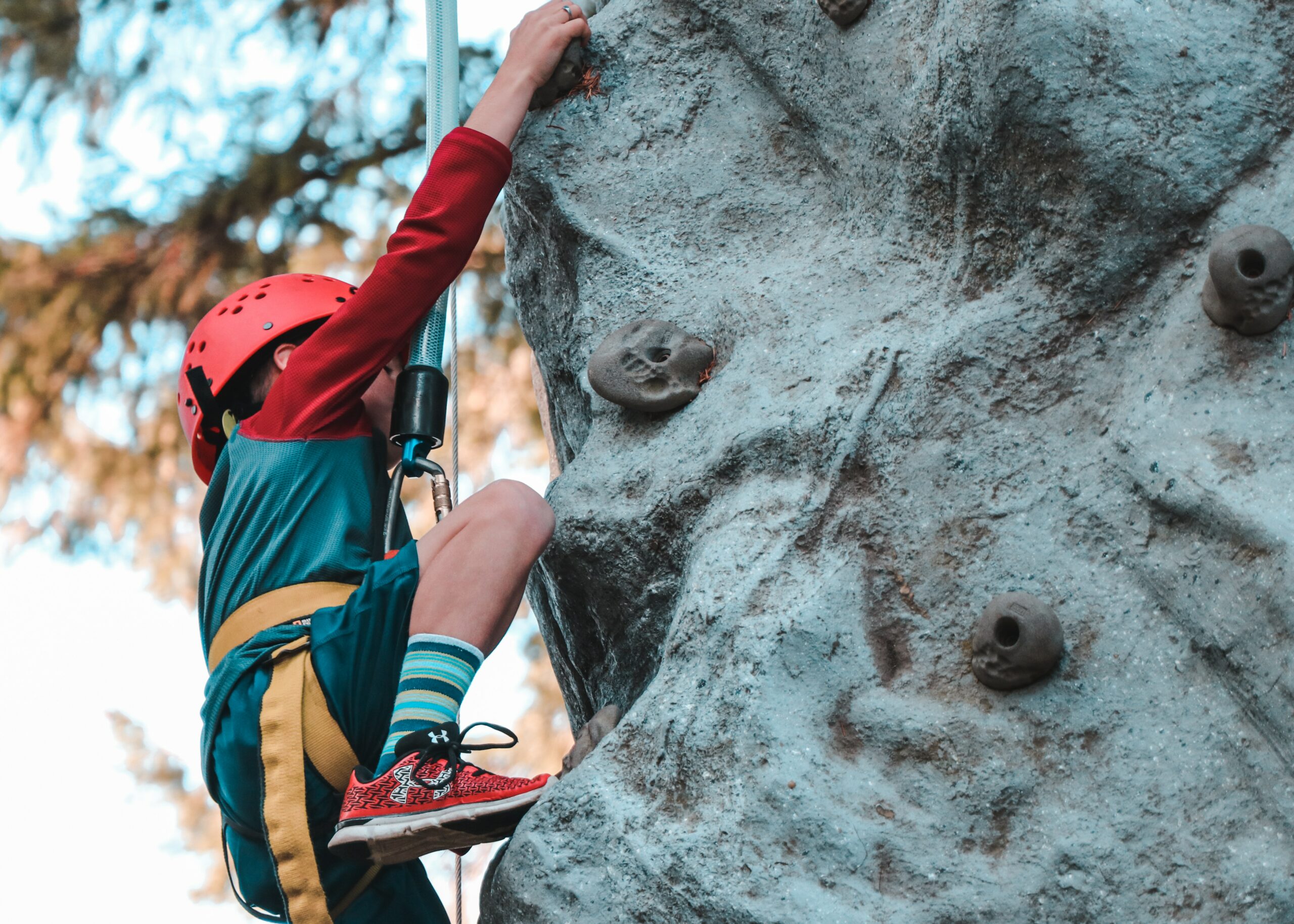
  • Resilience: Key to Your Wellbeing Through COVID 2021 and Beyond

    Resilience: Key to Your Wellbeing Through COVID 2021 and Beyond

    Resilience is doing well when you shouldn’t be doing well.

    — Dr. Sood, executive director of the Global Center for Resiliency and Well-being.

    We’ve passed the 1-year mark of this pandemic, and it’s time to draw from our personal stores of personal strength to maintain our pace through the rest of the pandemic triumphantly. And the buzz word seems to be resilience. It’s the key to your wellbeing through COVID 2021 and beyond. Resilience means you bounce back from difficulty, recover, and more forward.

    We don’t know yet if we’ll see this pandemic wind down in 4 months, 6 months, 9 months or a year. But for your own wellbeing and that of your family, your co-workers, our economy, and our community, we must develop the power to hold steady and see this challenge through.

    The way we can do it is by developing and strengthening our resilience.

    Since resilience is vital to our life and ability to survive emotionally, financially, in our healthy relationships, our mental and physical health, as well as our ability to handle trauma and loss… even our basic happiness… Well, we need to build it up, don’t we?

    In fact, bolstering your resilience is probably the best thing you can do to prepare yourself for the challenges and changes you’ll face this year.

    So How Can You Strengthen Resilience?

    Each time you push past something that feels like a limit, you’re strengthening your resilience. Doing your sit-ups even though you’re not in the mood, getting up and dressing and leaving the house when you don’t feel like getting out of bed, choosing healthier foods like a salad when you’d rather have the smothered bacon fries…these are acts of resilience. They come from discipline and build resilience. 

    When you turn off the TV and get yourself out the door to volunteer to help others who need what you can give, your resilience grows.

    It’s choosing self -control. It’s choosing to not give up.  Things you do every day that build your inner reserves to call upon when the need arises.

    While it’s true that some people are born with more resilience than others, it’s still good to invest in developing it. And even people who have a lot of natural resilience tend to keep cultivating it.

    The challenge is to invest yourself to cultivate it when you never have before. Because by doing that, your ability to meet the challenges this year and next year will be far better than it was last year. 

    It’s worth the effort. 

    Motivation can power resilience. Getting up and doing those things you know you need to do can help you build the purpose so you can see the point of doing those things.

    Practicing jazz on the saxophone for the hundredth time may feel like monotony, but it’s building skill on your instrument, as well as resilience.

    How Do You Acquire Resilience?

    We acquire resilience from the inside out and from the outside in. What does this mean?

    Resilience comes from the rich stores inside you of self-love, self-worth, faith, hope, positivity, gratitude, courage, and conviction.

    Resilience that comes from the outside in draws upon our support system, your community of people who care about you and for whom you care, your family, your friends, and your co-workers you feel connected to.

    So it’s not hard to see how important it is that you choose that community carefully, guarding its impact on you, to help you build the inner strength and resilience you’ll need to draw from in difficult times. Because it’s the key to wellbeing through COVID 2021 and beyond.

    Neuroplasticity Is a Wonder that Improves Resilience

    As you know if you’ve been reading my posts awhile, neuroplasticity is the ability of brain cells to change or adapt. We’ve often talked about the neuroplasticity that ketamine treatment initiates.

    That’s something a normal healthy brain does to help you adapt through life.  But when you’re depressed, or affected by another disorder, that ability to change can become impaired.

    On the other hand, when you build your resilience, neuroplasticity can function as it should.

    The big obstacle is stress. We’ve talked about stress often, because it is so destructive to brain structures in the hippocampus, the prefrontal cortex, and the amygdala.

    And one of the most important things you can do to bolster your resilience is to reduce the stress in your life. Because when you reduce stress, and let some time go by in a more “de-stressed” state, the brain cells in these structures can return to their normal working condition.

    Then again, we also know that this stressed state can become severe enough that de-stressing isn’t enough to  restore healthy function.  Sometimes symptoms become so severe that suicidal thoughts begin to dominate your thoughts.

    That’s when you need an intervention. Sometimes, lots of interventions. In some cases, medication can help. But since it only helps a small percentage of patients, you may need to seek out new help, other strategies, or other treatments.

    When medications fail to bring you relief, and you’ve tried at least two different trials…you may want to find out if you’re a candidate for IV ketamine treatment. 

    That’s where we come in… because if you are a candidate, IV ketamine can be masterful at cranking up your neuroplasticity and your resilience.

    And transformation can be soon to follow.

    Resilience is the key to your wellbeing through COVID 2021 and beyond.

    At Innovative Psychiatry, we meet people who are depressed, anxious, and sick of it all to determine if ketamine treatment might help. Many walk out at the end resilient, joyful, and full of hope.

    Invest in resilience and build your inner joy to face what lies ahead. But if your efforts aren’t enough, and medications haven’t helped, call us.

    If you’re a good candidate for serial titrated IV ketamine treatment, it will be our pleasure to help you through that process.

    We also take your safety to heart in the midst of this pandemic and have invested in world class technology that removes COVID-19 causing virus from the air and surfaces in our offices. We use additional air sterilization processes that lay down microbarriers. And even with that presence, we still wear masks and ask that you wear them, too. We test ourselves and our staff with SARS-CoV2 PCR tests with a local DNA lab that gives us same day PCR results–incredible!–at least once a week. We also keep the door locked, to ensure that only those we’ve prescreened can enter. You can feel safe with us, and we know you need to feel safe so you can relax, receive treatment, and recover.

    Don’t hesitate. Let’s find out if IV ketamine treatment can help you get your traction back. Your resilience. Your life.

    We want to help.

    Lori Calabrese, M.D. is on the front end of the race to stop PTSD in its tracks using IV ketamine treatment.

    To the restoration of your best self,
error: Content is protected !!