Category: Resilience

Articles About Resilience from Lori Calabrese, MD | The Ketamine Blog

What the dictionary says…

The dictionary definition of resilience is the capacity to recover quickly from difficulties; toughness.  It’s knowing how to cope and maintain an even keel in spite of setbacks, barriers, or limited resources. It has to do with emotional strength. We offer these articles about resilience to dispel stigma, and to show how you can gain resilience. In addition, to show how resilience has set itself as a key factor for determining that someone is doing well, and possibly even achieving remission from depression.

In this day and time, when IV ketamine has been helping so many achieve remission, it has become commonplace to judge outlook and frame of mind by the level of resilience. For some, even inklings of resilience indicate symptoms are dissipating.

What Resilience Does

The early twinkling of bits of resilience gives hope to someone suffering from depression that they may be improving.

Resilience is a quality, a factor, a tool, and a hope-instigator.

It’s also the ability to adapt to adversity …and to manage strong feelings and impulses.

When you’re depressed, a disappointment or hurt can set you back for weeks or months. You find you can’t recover because the pain of it just goes on and on mercilessly.

How IV Ketamine Treatment Can Restore Resilience

This is where IV ketamine treatment can transform your outlook. Resilience and initiative can return. Hope can take the place of despair. And resilience can introduce remission.

With the help of IV ketamine treatment, you can learn to change the way you see crises. Rather than viewing difficulties as insurmountable problems, you can learn to see them as challenges to be resolved.  You can look at your past experiences and learn from them then apply what you’ve learned as new challenges arise.

The Result of Developing Resilience

As you make steps in this direction, your self confidence can grow. Your belief in your ability to handle what comes into your life can become stronger.

We hope you’ll read these articles about resilience and see ways to grow it,  develop it, strengthen it, and maintain it. We also want to show how IV ketamine can kick start that process when a disorder has drained away your your ability to cope at all. 

  • A Few Words of Reassurance

    A Few Words of Reassurance

    Our Nation is in Crisis, but We’re Here to Help You Get Through This

    The current Coronavirus – COVID-19 pandemic has increased fear and intensified depression and other psychiatric symptoms for many. News about COVID-19 evolves daily – thank goodness! We’ve never appreciated more how medicine can move so fast, how scientists can work at breakneck speed, around the clock, around the world. We’re so fortunate – all of us — to have such extraordinarily dedicated scientists and doctors, who know so much, who put their lives on the line, who are learning more by the second. So that they can share it with us all. So that they can help our families.

    Let’s hold them in our hearts. Because their minds hold the key to this pandemic.

    We just need to hold on.

    It can feel terrifying. Overwhelming. Devastating. And it is creating a whole new kind of trauma, and a whole new level of fear and grief. But you don’t have to suffer alone.

    We Want to Help.

    At Innovative Psychiatry, we’re experts in relieving suffering. We’ve always been. And we’re here for you and responding to the needs of our patients while maintaining safety for patients and staff like. The U.S. Center for Disease Control (CDC) and the World Health Organization (WHO) are monitoring this crisis and offer guidelines for containing the virus. And they’re updated continuously as scientific information evolves.

    Please know that your safety and health are top of mind with us. Your physical, mental, and emotional health during this coronavirus crisis matters.

    Staying well has never been more a matter of life and death.

    So in compliance with CDC and WHO guidelines, we’re at the forefront to protect you and our staff.

    And we shared our own, early guidelines — what we’re doing in South Windsor, CT — nationally with our colleagues at ASKP3, the American Society for Ketamine Physicians, Psychotherapists, and Practitioners, while they were drafting their own.

    Everyone in Connecticut who is a non-essential worker was been asked to “Stay Safe, Stay Home.” By following this directive, you’re protecting others, as well as yourself, from the spread of the virus. And even though Connecticut and much of the country has opened up, the pandemic rages.

    And so we still recommend safety first, and we believe we’ve set the standard for a whole new level of safety and attention during ketamine treatment.

    Doctors are essential. 

    Our practice is essential. What we do is life-saving.

    And we continue it, especially now, with meticulous measures to give you the care you need, protect you, and protect ourselves.

    For Psychopharmacology Patients

    All psychopharmacology appointments are currently being conducted by telemedicine. If you need an appointment, please call us at 860-648-9755. We’ll explain the logistics of how telemedicine can work for you.

    We make it easy.

    For New and Current Ketamine Patients

    During such a time of stress and anxiety, the benefits of ketamine treatment can refresh, relieve symptoms, and bring you hope as you work through the challenges of staying at home for work, school, and family time.

    There’s no question your life has been disrupted, but with patience and cooperation, you and your family can make this a productive time of closeness you’ll remember for a long time to come.

    Even so, for some, effort and cooperation isn’t enough. Anxiety can become so intense it’s crippling. Depression can rise like a high tide till you find you can hardly breathe…much less function. PTSD can become more threatening and volatile than ever…  unless you can get help. And isolation can make it next to impossible to stay indoors when you miss the support of your friends.

    For reasons like these, making ketamine treatment available now – of all times – is paramount.

    And offering IV ketamine treatment now with dedicated staff gives us greater flexibility and more opportunity to treat you.  It eliminates the possibility that you will have contact with nurses doing shifts in ERs and ICUs, or on the front-lines of exposure to COVID-19.

    We’ve changed our scheduling so that you avoid contact with other patients, and minimize contact with us. We’re serious about social distancing, and use it to protect you and ourselves. And we use extensive sterilization procedures, antiviral plasma cell technology in each treatment room to destroy airborne virus particles, as well as masks, faceshields and gloves. And… on top of that, we use VBEnviroCare services to sterilize our entire suite regularly (see this in action with our videos), and microbarrier shields on all surfaces.

    We’re serious about the air you breathe. And we want you to be able to finally breathe easy.

    In addition, we are proud to regularly test ourselves and all of our staff with weekly PCR tests for COVID-19 (the highest standard and the highest degree of reliability) using a local DNA lab which gives us same-day PCR results. (Who else does this? We care deeply for your safety — and for ours.)

    When we say we’re on the cutting edge, we mean it.

    There are no deliveries, and there’s no one who can just walk in. We lock the door to make sure. And we open it for you.

    But only after we’ve carefully screened you by phone the morning of your appointment for COVID-19, and again the moment you arrive. For protection of you, our incredibly wonderful staff, and ourselves.

    We’re here for you.

    If you need us, we’re here. And we’re still standing.

    And we’re just a phone call away at 860-648-9755.

    Lori Calabrese, M.D. is on the front end of the race to stop PTSD in its tracks using IV ketamine treatment.

    To the restoration of your best self,
  • Strong Support System Can Protect You From COVID-Related Depression

    Strong Support System Can Protect You From COVID-Related Depression

    HAPPY NEW YEAR! Here’s our hope for you that you’ll find ways to make 2021 a more fulfilling and rewarding year for you and your family.

    Let’s talk about the difference in between  isolation, solace, and quarantine. People need people, and the pandemic has created an atmosphere where it’s hard to tell if you’re just enjoying solace, or if your isolating yourself and pulling back from socializing in a way that builds the habit of avoiding social interaction. And there there is quarantine, where you isolate yourself to avoid spread of COVID-19 after being exposed to it. But a strong support system can protect you from depression symptoms caused by isolation.

    In the hustle bustle world of daily activity in a non-pandemic world, it can be difficult to find peace and quiet for an hour. That works fine for some people, who soak up quiet and refuel in a quiet atmosphere of solace.

    You know who you are. Lovely quiet periods help you refuel, and give you energy to get back out there.

    There are also people who draw their energy from being with people, listening to and absorbing their energy. If you’re one of those, it can be really difficult to be stuck at home in silence all the time. Without outside stimulation, your battery can run down dead and flat. Both in your personality and your emotions.

    This is true even when there is no pandemic to deal with.

    However, in a pandemic it can get more complicated and put more people at risk for depression.

    We want to get a handle on what can make life better while we see the pandemic through to its resolution. Right?  We do!!

    Quarantine can cause isolation if it goes on too long, can’t it?

    When a family of 5 is exposed to the COVID-19 virus, and all test positive, they need to quarantine until they’ve been symptom free, according to CDC guidelines. But what can be done to help prevent the isolation that can lead to depression…?  Interaction is a big and important step.

    Online friendships are lifesavers during this time of isolation and quarantine. Family and friends in your support system can help protect you when discouragement threatens to cause depression.

    Here are two stories…about two different friends and how their outcomes compared in isolation vs. quarantine with online support.

    First meet Tamara. She’s 19 and was attending community college for her first semester when the COVID-19 pandemic emerged. 

    About 2 months into the semester, her school was closed and all classes were switched to remote online learning from home. Tamara was relieved at this because it’s natural for her to enjoy solitude, and looked forward to the peace and quiet and the chance to read voraciously without interruption.

    But there were some unexpected obstacles for Tamara. For one thing, as much as she loved to read, she struggled with algebra and chemistry. Quite honestly, in those subjects she’d always tried to get involved with study groups to help her grasp what she couldn’t seem to wrap her head around on her own.

    While study groups were available online, she didn’t benefit as much. However, she tried, and kept reaching out to various people in the group for help to understand the mysteries of those classes.

    So… she put in her time, worked on her assignments, and spent most of her free time reading books she enjoyed. 

    For the first 3 months, her freedom to enjoy the quiet and read one book after another was an indescribable luxury.

    However, because her mom had passed away a few years before this, she didn’t have her to talk to anymore. And talking to her dad didn’t go that smoothly. So she didn’t really have a true support group. Her only sibling was a brother who was in the Air Force, and his life was full.  She rarely heard from him.

    Long story short, Tamara was alone. Quite alone. 

    And the natural social interactions that had happened on campus before the pandemic weren’t available anymore.

    By the fourth month of the pandemic, she noticed she was losing her desire to have contact with anyone.  Online or in person.  She wore her mask and used hand sanitizer when she went to the pharmacy or grocery store…  But avoided eye contact.

    As Tamara moved into the summer months, she found she had far less energy she had before.  She didn’t want to leave her apartment. It became harder and harder to go to the mailbox. And she wasn’t really keeping up with friends anymore on facebook, text, or email.  

    Then someone stopped by and realized Tamara didn’t appear to be cleaning up her place — or even showering. She seemed shut down.

    Tamara was embarrassed, but honestly didn’t have the energy to do more than she was doing.  She was managing to keep her grades up in most of her classes, though Chemistry seemed a lost cause.

    Finally, her dad came by to see her.  He wore a mask and so did she, and they sat across the living room and tried to talk. Seeing her like this alarmed him. Dishes piled high in the sink, her own hygiene seemed to have lapsed…this wasn’t the Tamara he knew.  

    And he realized she was missing the support system that can protect against the threats of isolation and depression.

    So he asked her to let him help by getting her a telepsychiatry appointment.  That was actually a good solution, so she wouldn’t have to see anyone face to face…

    Now, meet Carolina. Carolina is 20, and knew Tamara in high school. They’d ended up at the same community college, but had not run into each other before classes closed for COVID-19. 

    Even though Carolina also enjoys solace, she has a nice group of friends to study with, and talk on her phone and text with. So even though she, too, has been home with remote online learning since a couple months after the semester started, she also has friends she talks to. 

    She doesn’t see them face to face, but they talk on FaceTime and Skype, as well as Marco Polo just so they can have live interaction. Carolina also lives at home with her family. Her parents are both working remotely from home, and her sister and three brothers are all learning remotely online.

    So, in spite of not seeing much of friends or relatives face to face, they meet up on Zoom, have a party, talk about their friends and their classes, music and the food they have delivered to their houses.  What’s tasty and what isn’t.

    If one of them is exposed to COVID-19 and then tests positive,  they all gather online to encourage and offer suggestions for managing it.

    The truth of it is that Carolina and her friends really haven’t struggled that much with feelings of depression. Maybe because they keep each other so engaged in daily living.  Somebody in the group always has a story to tell. All in all they offer each other a strong support system can protect against the damage that comes from too much isolation.

    Maybe it’s because their long term friendships have kept them all feeling more supported, resilient, and less vulnerable.

    It’s true that too much isolation can lead to depression symptoms in some people. And as we move into 2021, it’s a good idea to embrace the new year with a willingness to reach out to those who seem to lack support.  

    A really good idea.

    Everyone around you needs a support system right now. Some have it, others don’t really. But you can help with that online. 

    And there are also those who have been suffering under the weight of depression for a long time, and nothing has helped. Those who are sick and tired of feeling so hopeless, despondent, alienated, and drained.

    IV Ketamine Treatment Opens Doors of Hope

    For those, there is further hope in IV ketamine treatment. A series of 6 or maybe 8 infusions spread over a few short weeks, and expertly titrated to ensure you get the dose that’s right for you. Ketamine has blown the doors off depression treatment in the last ten years and especially the last 5. It’s reputation has grown from skeptical to celebrated in that time. Why?

    Because ketamine treatment does so much. In the brain-derived-neurotrophic-factor, the lateral habenula, the synapses, the G proteins heaped up on lipid rafts, the AMPA receptors and signals flying at high speed around your brain. For so many, ketamine can work so much better than the medications, therapy and treatments they have tried. It targets areas that were otherwise ignored before this.

    IV ketamine treatment can be extraordinary in its effectiveness to help you achieve remission.

    At Innovative Psychiatry, we’ve been so encouraged by the help ketamine offers that we’ve dedicated a section of our office for treating those who need to receive this breakthrough treatment. We’ve also responded to the concerns caused by COVID-19 by installing and using specialized technology that keeps the air and surfaces free of the virus that causes COVID-19, as well as the other viruses, bacteria, and molds that can threaten your health.

    While we’re not attempting to conquer the entire pandemic we are busily at work to help you get better, free of depression symptoms, in an environment where you feel — and are — safe.

    In spite of all the other challenges in the world, you can take them in hand best if you’re at your best. It helps so much if you’re strong, functioning, and creative to embrace today’s challenges. You need to be the best you, you can be. And a strong support system can protect you and help you build the resilience you need.

    We’re here to help with that, and to get you off to a much better start for the year.

    If you’ve been suffering, trudging, and feeling overwhelmed by daily living… if nothing much has helped, call us.

    We believe in what you can accomplish without depression symptoms holding you back.

    Lori Calabrese, M.D. is on the front end of the race to stop PTSD in its tracks using IV ketamine treatment.

    To the restoration of your best self,
  • Fallout From the Covid Pandemic May Not Be All Bad

    Fallout From the Covid Pandemic May Not Be All Bad

    As tough as these times have been, there have been some bright spots. 

    In fact, some people who have suffered terribly from symptoms of their disorders are actually stabilizing and improving. Feeling as though they’re less “disordered” and almost more normal than they’ve felt before. Can you imagine? In fact, as much as we’ve struggled with grief, loss, and frustration, as well as worsened conditions from disorders, fallout from the covid pandemic may not be all bad.

    It’s something of a phenomenon.

    On the other hand, it may just be common sense. For instance, for some who struggle with shame and increased anxiety because of social anxiety, to be allowed to remain at home, and visit with your doctor through telepsychiatry, the pressure to interact in a public setting among strangers is gone.

    On top of that, that telepsychiatry visit gives you a sense of closeness with your psychiatrist you may not feel in the office. Some people feel less intimidated, and are even more likely to ask the doctor how she’s doing.

    Some with agoraphobia may also feel more relaxed, since so many others they know are also safely locked up at home.  

    Even those under a dark cloud of depression, feel less like the “odd man out” because there are so many experiencing depression for the first time and are so alarmed, so baffled, and are looking for someone to talk to about it.

    On the other hand, for most of the rest of us, there are all sorts of ways the pandemic has affected us. And it’s been a burden.

    It might have been novel and interesting for the more optimistic the first month or two, but few still find it engaging now.

    The Difference Between Depression and Grief

    It’s important to understand that what you’re feeling may not be depression or anxiety at all. In fact, it may have nothing to do with any pathology, per se.

    The process you would naturally go through when you grieve the loss of what used to be… could be affecting you. You may be also grieving the loss of a loved one. But grief is a natural part of life, and it includes feelings that are painful and troubling. 

    Think of it like you’re adapting: a completely healthy way to adjust to new challenges. Feeling deep loss, then over time adjusting to that missing person or those elements in your life, and finding ways to live with it. 

    Because the fallout from the Covid pandemic may not be all bad at all…in spite of the things you miss.

    Do you miss eating at your favorite restaurant..?  The wonderful food, yes…but you can pick that up and take it home…no it’s the entire experience, isn’t it?  The way the wine tastes after they pour it, the wonderful service, the ambiance. Do you miss your children catching the bus each morning after breakfast, and the peace and quiet that settles over your home while you drink your coffee…? 

    It’s the little things.  And you miss them, and that’s ok.  While it’s not uncommon to get angry…(that’s the first stage of grieving, by the way)… it’s also not all that productive to get stuck there, is it? 

    So you look for ways to reduce the impact of it all by finding ways to help others, reaching out with kindness… and catching up on your reading. 

    We’re All In This Together and Fallout From the Covid Pandemic Can’t Keep Us from Getting Through To Brighter Days

    And it stands to reason—doesn’t it?—that you are experiencing different effects from the pandemic and its side effects than your neighbor, your co-worker, and your family members.

    If you’ve not been someone with a depressive disorder in the past, but you feel terrible right now, don’t panic. Because you’re walking your own path. You may be grieving the loss of life as you knew it up until December 2019… or…you may actually have been so devastated by these blows that you’ve developed a disorder and need treatment. 

    If you need it, you’ll get it. And if you need to try some experiences we’ve talked about before to nourish your resilience, strengthen your compassion, and improve your wellbeing…  well how much better is it if there really is something you can do yourself?

    On the other hand…

    But if you can’t lift your head above the din of stressors, then there are treatments like  ketamine treatment to  restore your resilience, so you in turn can show kindness and support to others.

    Which is why at Innovative Psychiatry we continue to be mask-wearing essential services for you, if you need us.

    If you find yourself despondent, hopeless, unable to see any way to function, call us.

    We provide ketamine treatment in a safe, protected environment so you can get a fresh breath of air, a sort of new lease on life, and the energy and initiative to make changes in your life you want to make.

    I hasten to say that ketamine treatment really doesn’t accomplish these things for absolutely everyone who receives it, simply because there isn’t any treatment that makes everyone well.

    Even so, its beneficial effects on most of those with treatment resistant depression is nothing short of extraordinary. So much so, that NO ONE should suffer indefinitely without remedy.

    There is hope.

    And joy.

    And the promise of a rewarding and fulfilling life.

    Let us help you take the next step to wellbeing and peace.

    Lori Calabrese, M.D. is on the front end of the race to stop PTSD in its tracks using IV ketamine treatment.

    To the restoration of your best self,
  • For Relief From Misery in These Difficult Times – Be Kind and… Compassionate

    For Relief From Misery in These Difficult Times – Be Kind and… Compassionate

    You see them everywhere… t-shirts proclaiming “In a world where you can be anything…be kind.” 

    Does that make you roll your eyes?  Or does it affirm to you to focus on the way of living that can help us all get through these difficult times? Because in times like these, with upheaval, disruption from a pandemic, and hurting people everywhere, there is a shortage of generosity, support, understanding. So be kind and compassionate to everyone you meet, show gratitude for the little things, and you may find the struggles shrinking and becoming more manageable.

    Kindness makes some people shy away.  They don’t like the word.  Makes them feel weak.  But kindness is actually rooted in courage—the courage to do the right thingand in strength to keep doing it even if your kindness is not acknowledged

    Did you grow up in a kind household — or one where you felt undervalued and roughly handled…?  It matters, you know. When you never see kindness, it’s not so easy to create it yourself, is it? 

    And yet, ask yourself: If you were surrounded by kindness, kind words, kind actions, and kind support, do you think you’d find that annoying…or would you possibly begin to bask in the safety and nourishing of it…? The fact is: we all need people in our lives to be kind and compassionate, and when they aren’t… we find ourselves lugging around a burden of isolation and neglect.

    Healthcare Workers Give All They Have to Give

    The world is in turmoil, and it doesn’t feel all that safe these days, but you do have the power to change it. One kind act at a time.

    Isn’t it amazing how hard it is for humans to experience change?  I heard someone complain that he liked to travel, and the forced quarantine was really causing him to chafe.

    In his case, he wasn’t sick, wasn’t laid off, wasn’t struggling financially …but there was a mountain of inconvenient changes in his plans. A nice guy, a wonderful person…. but enforced changes were pressing on his comfort and stirring up…what? Impatience? Irritation? Annoyance?

    So we have a world in turmoil, and it is forcing us to change our normal way of living.  Some are suffering severely right now, and they need us to care, to listen, to show patience. You don’t know who they are — with a few exceptions, maybe, in your circle — but that’s why you need to be kind and compassionate with everyone because it’s the best response to those you don’t know.

    Healthcare workers give all they have so be kind and compassionate to them.

    Healthcare workers in hospitals, for instance, infected patients fighting for their lives, or the families of those who have lost the fight. These brave and heartbroken ones need your kindness and support most of all.

    When you’re impatient because someone is standing at the checkout at the store too long…and you’re tempted to start throwing up your hands and saying, Move Along, Already!!

    Stop.

    Take a breath. She might have spent the last 14 hours with a mask on trying to save a patient’s life…only to watch him die. Be KIND.

    Job Loss and Income Reduction Is a Part of Life Right Now…

    Then there are those who suffer because of job loss, lack of sufficient income, and scads of difficulties caused by it. They need kindness and support, too.

    The Guy At the ATM Who Keeps Sticking in His Card

    …and you wait and wait.  

    Don’t HONK.

    It could be that the last funds are gone from his account because of his reduced income…and he’s trying to find a credit card to borrow from.

    Have compassion…he’s in a serious crisis. Because his family needs food, gas, and diapers.

    Remember to Care.

    But there are millions of us who are frustrated by the changes in our routine, changes in our access to stores and restaurants, changes in our lifestyles. Changes.

    Be kind and compassionate because you need others to be kind and compassionate with you.

    You can allow those changes to give you permission (or an EXCUSE) to treat others badly, or you can use those changes as fuel to empower you to lift the outlook of the people around you.

    So what can you do to ensure you have more kindness to give to others?  

    Start, by nurturing yourself. Do things for yourself that improve your own sense of fulfillment, your own stores of patience. Soothe away the day’s tensions in a hot shower or go all out in a hot bath. Go fishing and listen to the quiet sounds of nature. Spend time with someone who is important to you…

    It’s true that it’s terribly hard to offer patience, kindness, understanding when your own mind is raw with tensions, burdens, and mistreatment. So DO SOMETHING everyday that’s just for you.

    Then, when you mess up, make mistakes, even bad ones, give yourself patience, kindness, and forgiveness. Because it’s in practicing kindness toward yourself that you learn to cultivate kindness and patience toward others.

    Unhappy people often rail on themselves when they make mistakes, or fail in some way …. but truly, in order to be kind to others, you need to show yourself abundant kindness. (Abundant kindness, you’re thinking. What is that, even?)

    In a World Where You Can Be Anything, Be Kind.

    If you’re the first to respond to someone’s struggle, start with compassion. Show you care. Then, as you provide support, do it with kindness and patience.

    And you know what??

    To be kind and compassionate yourself brings more happiness to you…and to them.

    Have you heard of a “WIIFM”? …. No..?  So what’s a WIIFM?  It’s finding out “What’s in it for me???”

    When you are already happy, doing kindness for others, showing patience, doing something that adds to someone else’s happiness… these things make you happier too!

    This very idea was confirmed in a study by a team social researchers led by Keiko Otake. Their results showed that when happy people actually count the number of times each day they show kindness, it makes them even happier. In addition, they found that showing kindness increases their own sense of gratitude in the simple things of life.

    During this disruptive time, finding joy in simple things, and expressing gratitude for them, can be a path to peace and increasing joy in spite of circumstances. And it can be contagious. 

    Delivering kindness to those in your circle can spread gratitude and joy to them, who in turn may offer more kindness to their own circle. At the same time, offering generosity and kindness stokes the fires of happiness within you, too. So crank up happiness …be kind and compassionate every day. All day.

    It will transform you.

    And What If You’re Just Tired of the Struggle? What if You Can’t Muster Joy, Patience, or Even the Power to Care?

    Sometimes the prolonged stressors of times like this can wear down your resilience. Sometimes, no matter how deep you dig within yourself, you can find no joy, no hope, no energy to cope with anything.

    And sometimes, if you live with depression, if you’ve been bruised by trauma, not even your antidepressants can help anymore. In spite of your medications, listlessness takes you over. 

    When that happens, you can reach out for ketamine treatment. 

    Stress prunes the dendrites and dendritic spines that build the synapses in your brain. Those connections between the brain cells that communicate and help signals travel with speed and abundance. They become broken down, sparse, weakened. 

    But since ketamine turns on mRNA and switches the DNA to “ON” to produce brain derived neurotrophic factor (BDNF), all that new BDNF turbo boosts the replenishment of these connections, and triggers a cascade of changes. The result — for many people, though not all — is a rapid and robust improvement in your outlook, your hope, your energy for challenges, your motivation and initiative… and you can feel tremendously better. Like renewed. Pretty much well.  

    It can be extraordinary.  Life changing.

    Then, keep building that wellbeing with kindness, warmth, generosity…giving your best to lift and support those in your path.

    At Innovative Psychiatry, we continue to be an essential service, and are set up to provide you with ketamine treatment in a safe environment.

    While none of us knows how long the precautions and ups and downs of the pandemic will last, you can reach out for the help to be who you want to be, for yourself and everyone around you.

    You don’t have to be dragged down by the stressors of this pandemic. You can rise higher than the challenges, and sprinkle kindness in your wake.

    We’re here to help if you need us.

    Lori Calabrese, M.D. is on the front end of the race to stop PTSD in its tracks using IV ketamine treatment.

    To the restoration of your best self,
  • What If You’re Just Tired of Coronavirus??

    What If You’re Just Tired of Coronavirus??

    So… the pandemic continues…  

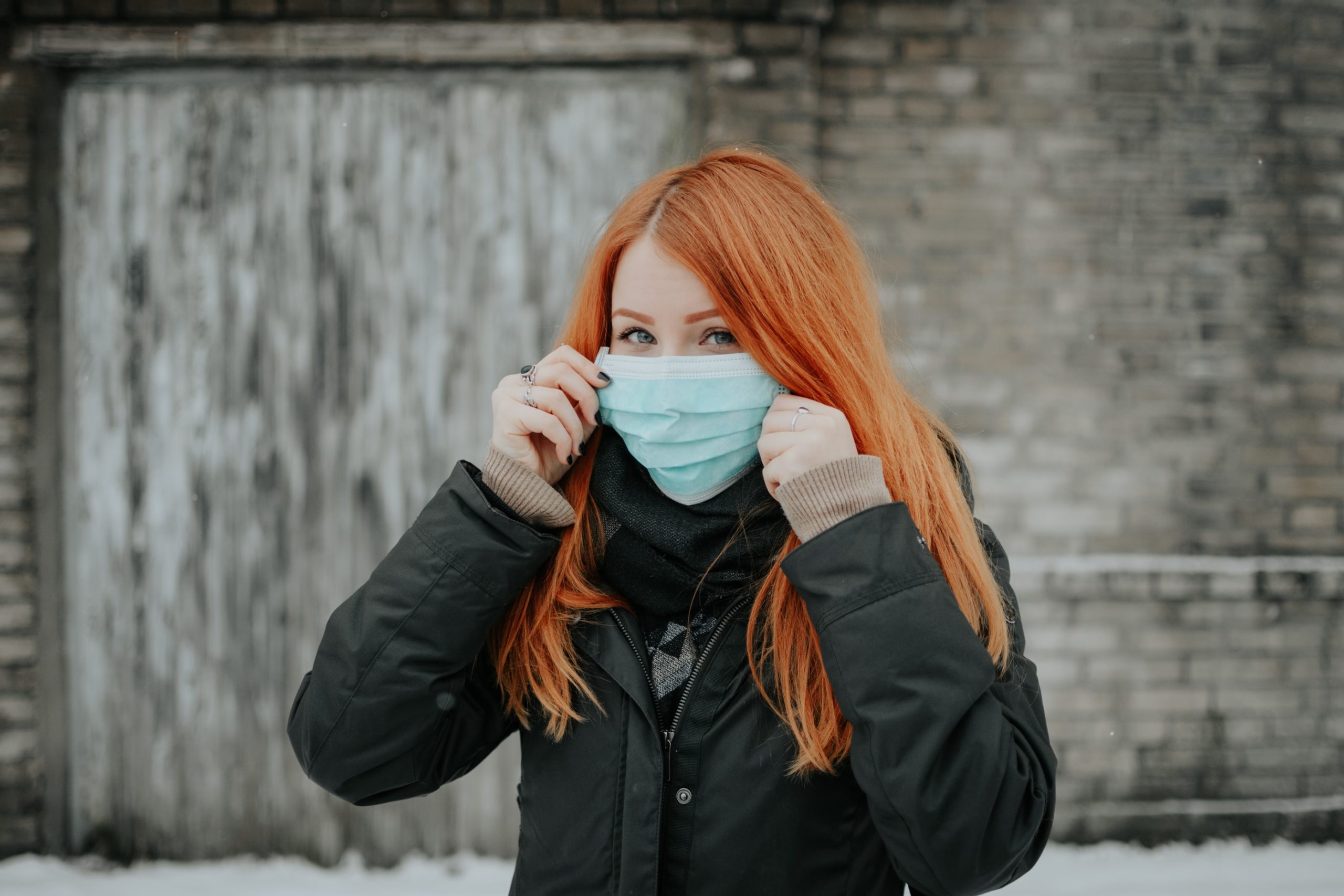
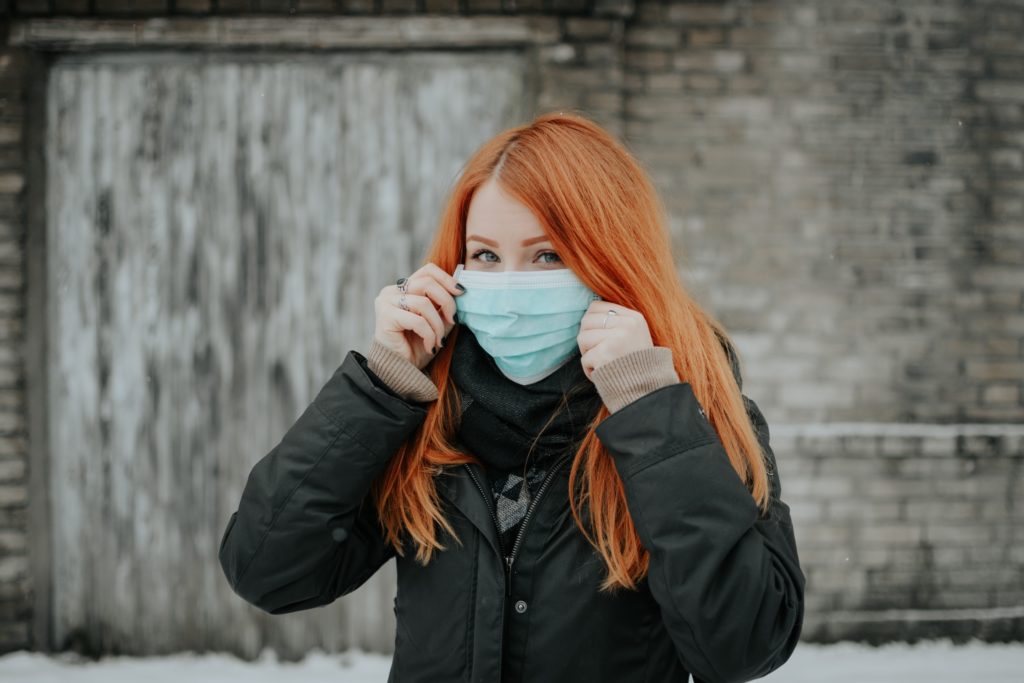
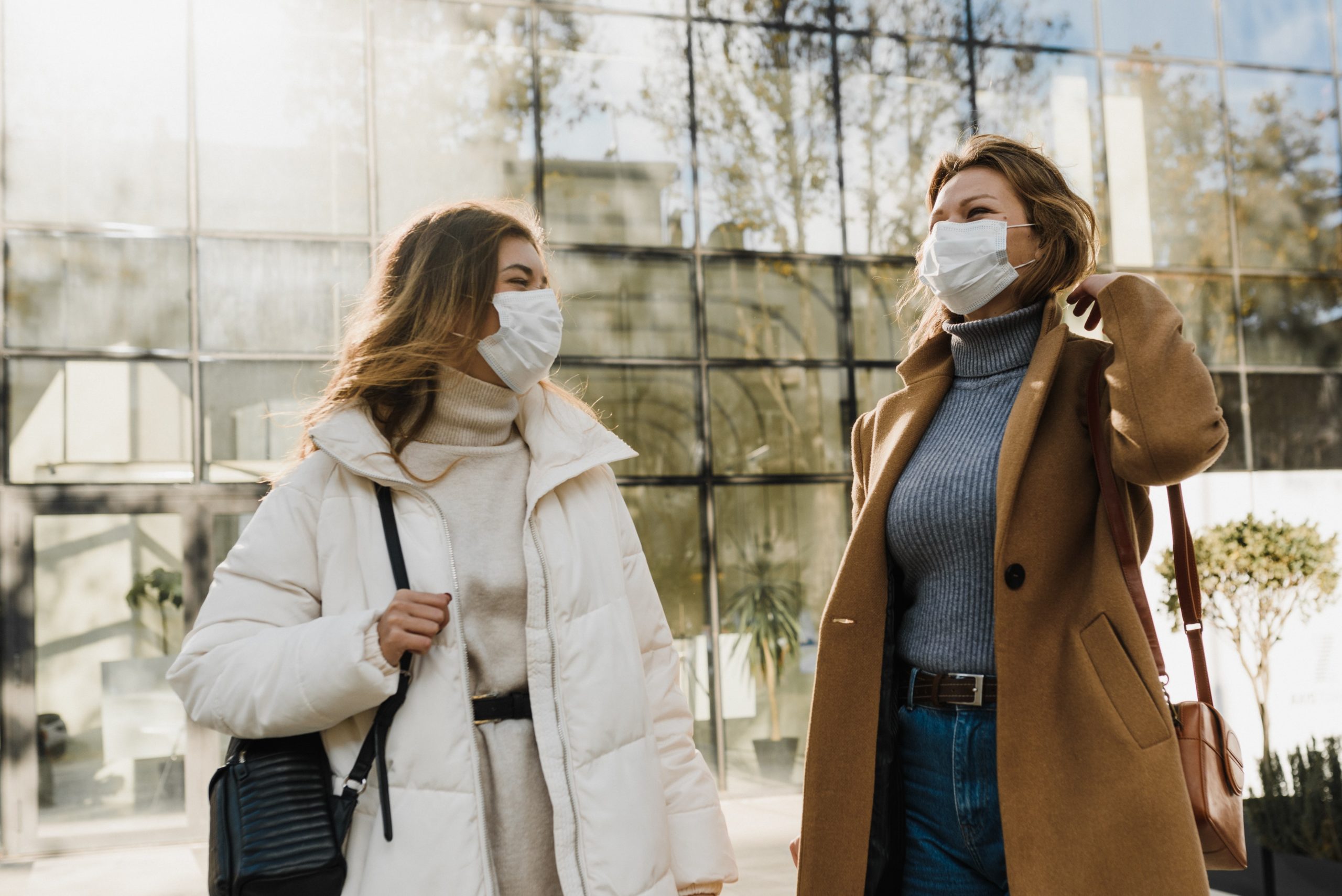
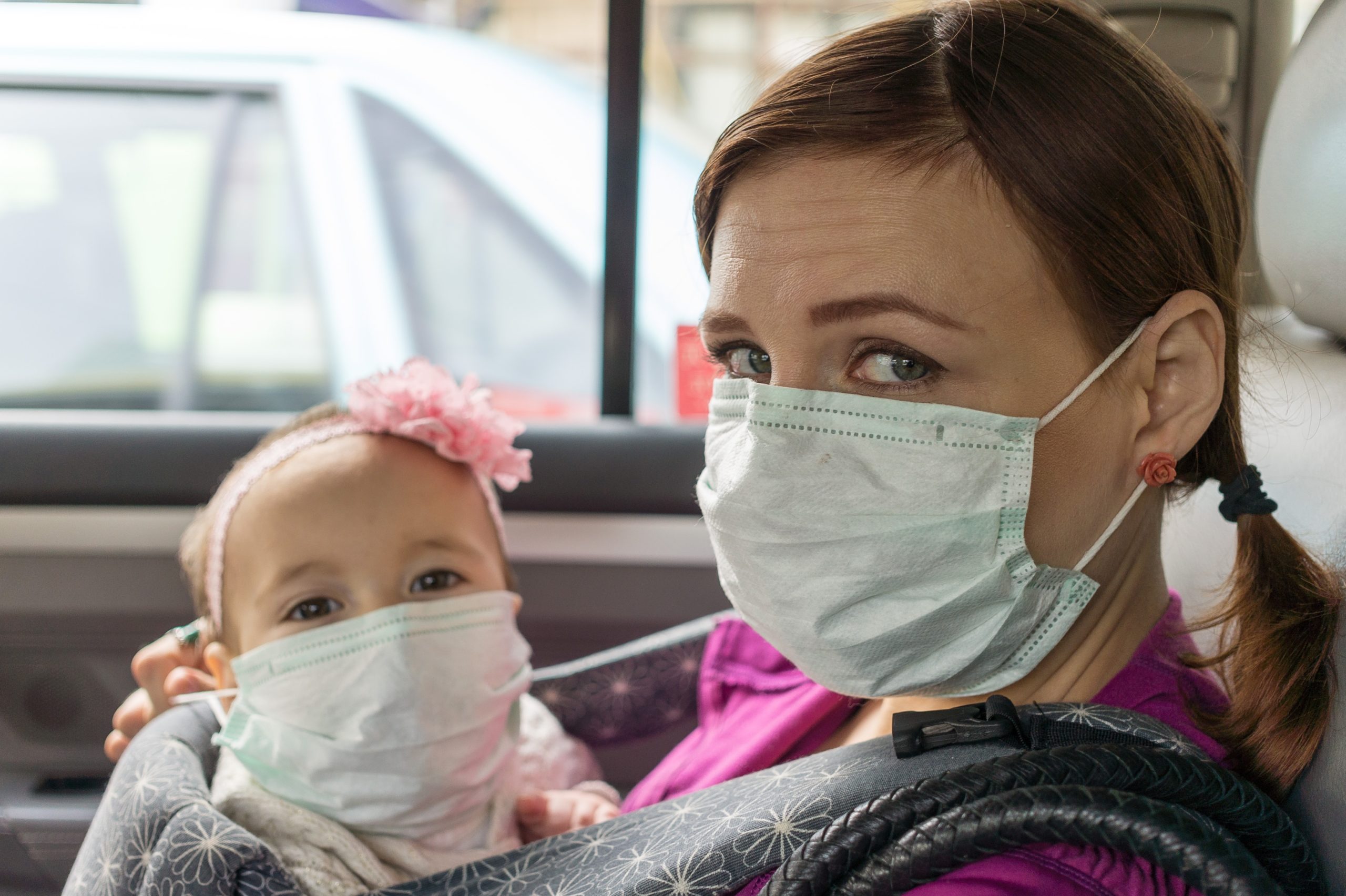
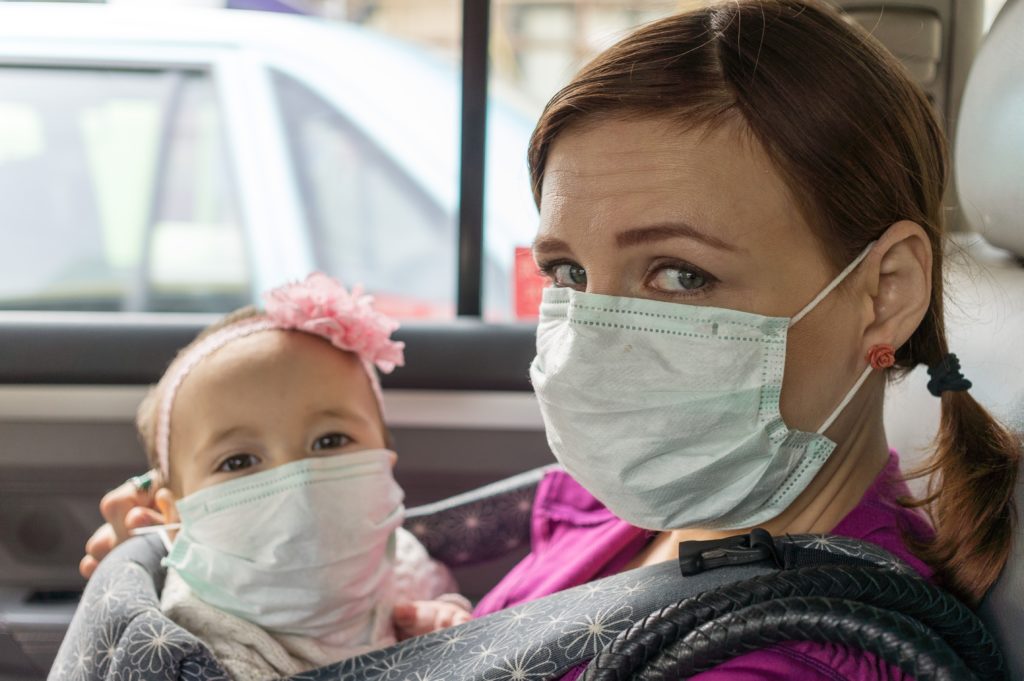
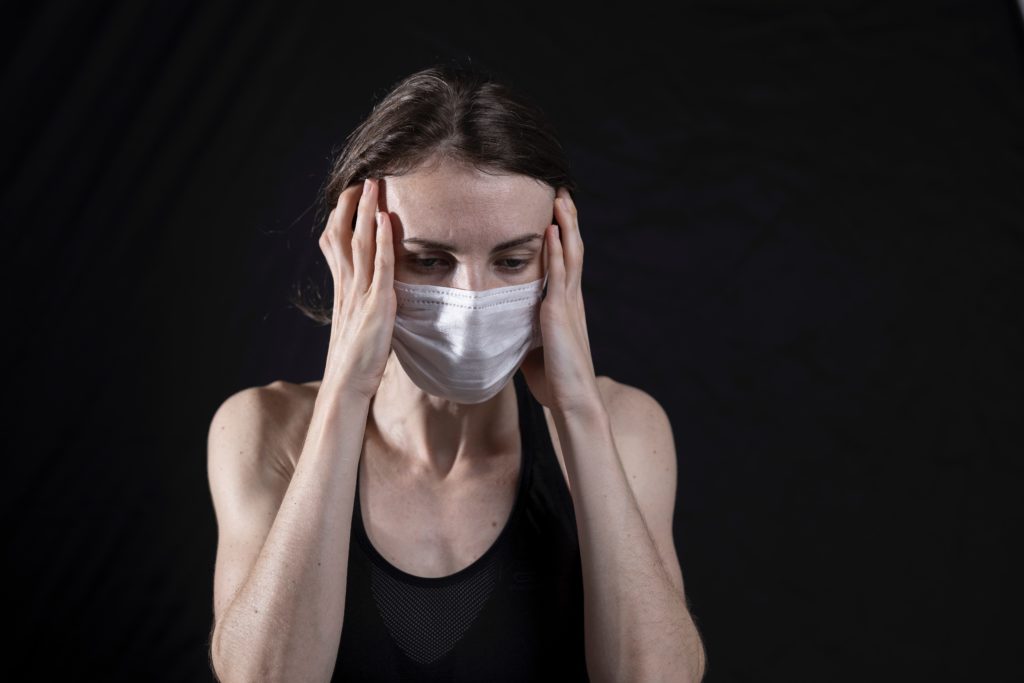
    Wearing a mask is adaptability in the pandemic and it's worth it for this woman.

    And millions of Americans are required to wear masks unless they’re at home with family. When you shop, there are yellow markers on the floor that show you where to stand in line to maintain social distancing… Certainly, this is a once-in-a-lifetime occurrence. Like the 100 year flood. We’ll never forget. Very few people in our midst have actually witnessed this before. Only those who lived during the Spanish flu in 1918 and are living today… and that’s about it. So, basically, only people older than 100. And as the conditions, precautions, and lockdowns become more restrictive, or less, or more again… you can find yourself disoriented, annoyed, and fearful. How do you cope? What if you’re just tired of coronavirus??

    Could you have imagined that 6 months ago, when news of the pandemic spread around the world, that by midsummer precautions would be reinstated again? 

    Well, you’re not alone. Most everyone shares your outlook. And by the way, some segments of this country has required masks outside of home since March.

    Keep reminding yourself…in the name of generosity and your own adaptability, that you’re not alone. Millions upon millions of people are in the same boat.

    So how do you do that…?  How do you maintain your sense of yourself, your identity, your good will and benevolence when you feel so worn down?

    Have you noticed in line at the grocery store, waiting 6 ft behind the person in front of you, how much more easily people around you seem to snap? To attack the poor girl at the register, who is dutifully wearing her mask? This girl didn’t create the pandemic, and yes she’s getting the brunt of everyone’s ill humor.

    So what can you do to nurture generosity and patience in this atmosphere?

    Honestly, what if you’re just tired of coronavirus?? Consider adaptability and resilience.

    Adaptability and Resilience in the Face of Hardship – Develops Your Patience and Confidence

    When faced with crises, you have choices. 

    You Can React and Let Your Tattered Emotions Lead…

    or you can respond from the resilience and patience you’ve cultivated in past crises.
    Adaptability in the pandemic or in nature can help you survive on a hike like this one.

    A tree that’s blown with hurricane force winds can bend and bend and bend.  If it snapped from the pressure, that would be the end of that tree. But by bending, the trunk of the tree is strengthened. It becomes stronger and more flexible.

    When you see a 200 year old oak tree, you can know that it’s seen lots of hardship, but it bends to the wind, it doesn’t allow itself to be drowned by flood or killed by drought. That tree has seen it all, yet it stands tall and strong, because it adapted.

    This tree has learned how to send its roots deep and wide to nourish its needs. It takes its challenges one at a time, tucks its chin and stands strong in the face of wind gusts and hurricanes, freezing temperatures, and blazing heat.

    Our beautiful oak doesn’t need to weather all the challenges that occur in ten years all it once. It stands, sways, bends, and replenishes itself, one challenge at a time.

    It uses its adaptability to be flexible in the face of hardship, then springs back to its normal state and prepares for the next one. Always standing strong and resilient. And with each season it grows a little stronger, a little more equipped to face harder assaults in the future.

    Adaptability means bending to accommodate the circumstances around you. And it’s vital because bending makes you stronger.

    These principles apply to countless crises, assaults, and hardships. Just like this beautiful old tree, you learn to nourish yourself, to put down roots deep and wide that will help you stand strong in the face of trouble, to reach for the sky with exercise and nutrition.

    You may be tired of coronavirus and all that goes with it, but if you think about it, things could be worse…a LOT worse. So nurture and nourish yourself, so you can give warmth and patience to others around you who are struggling too. Remember this isn’t permanent…it’s just right now.

    Simple, random acts of kindness and generosity can also beef up your own resilience and confidence.

    But to live to see another day can be a worthwhile goal in the thick of things.

    But What If I Can’t Think of a Creative Response? 

    What if I can’t imagine a better way to respond or feel?

    Just because you want to be calm, and respond wisely, doesn’t mean you have the power to do that. If you suffer from PTSD or depressive disorders the calm and wise response may be beyond reach.

    They say, “It’s not the strongest who survives, nor the most intelligent. But rather it’s the one who can best adapt to change.”

    To avoid the panic this woman feels, practice adaptability in the pandemic.

    And when you nurture resilience, and you’re flexible in the face of changing circumstances, you become stronger and you have more patience to offer the ones around you who are also tired of coronavirus.

    Which is where ketamine comes in.

    IV ketamine treatment can reduce stress and the damage it has caused in your synapses, in your hippocampus and amygdala. As the stress dissolves, and your synapses are rebuilt and become abundant and highly functional again, your ability to face a threat and make good decisions is remarkably improved.

    This new level of function reduces depression symptoms dramatically, to the point that you feel well. You have the needed energy to think of the needs of others and make decisions that benefit them. You have the creative thought to adapt in difficult circumstances, making them less distressing. In fact, you can enjoy the opportunities you find in the midst of them.

    And you can imagine…and enjoy.

    And if you have suicidal thoughts, or too many thoughts about dying, ketamine can stop those thoughts in a few hours. You could be an afternoon away from relief and hope.

    Ketamine Doesn’t Help Everyone – But It Can Transform Most People Who Reach Out for It

    At Innovative Psychiatry, every week we see people enjoy that relief, hope, and freedom because of their ketamine treatment. They marvel at the night and day change that replaces the depressive darkness and anxiety. 

    And as ketamine treatment restores their power to enjoy and imagine, they realize that instead of being tired of coronavirus, they have a renewed patience for taking it as it comes. And giving a leg-up to those around them.

    But, first, a word of caution: Ketamine treatment doesn’t have this robust effect on everyone who needs it. But no other treatment is currently available that relieves these symptoms so easily for as many. If you’re one of the ones whom ketamine doesn’t help, there are other treatments we can talk about. 

    Interestingly, ketamine treatment is often most effective on patients with the most severe symptoms. And that’s why we focus on patients who have not been helped by other medicines.

    Adaptability in the pandemic can allow you to maintain your joy in adversity like Carol here.

    So, if you struggle with anxiety disorders, PTSD, social anxiety, severe depression, substance use disorder, alcohol use disorder, or suicidal thoughts, and nothing else has helped, call us.

    Because letting ketamine improve your mood, your outlook, and your resilience also equips you with improved adaptability in other crises you face.

    We’re here to listen, and to help you find relief, even achieve remission, from these symptoms that impair your best life

    Ketamine can remove the obstacles that prevent you from pursuing happiness, building strong relationships, and investing motivation and initiative in your career. 

    You really can have a fruitful and rewarding life, and we’re here to help.

    Lori Calabrese, M.D. is on the front end of the race to stop PTSD in its tracks using IV ketamine treatment.

    To the restoration of your best self,

  • Resilience During Social Distancing in the Pandemic

    Resilience During Social Distancing in the Pandemic

    “May you have interesting times always…” the asian proverb says.

    Annie's resilience during social distancing helps her to enjoy the moments wherever she is.

    Well, these are interesting times. Some of us might think a little too interesting…!  And I guess most of us are eagerly looking toward the time when we’ll have times that are less interesting and more peaceful and predictable. Who could blame us?  Still, for now, these interesting times require most to be shut-in in the name of social distancing, to “flatten the curve.” And prolonged periods of missing our routines, our friends, our gatherings, and enjoyable habits can really take a toll. Many otherwise healthy people are experiencing anger..even rage…, depression, feelings of anxiety, and grieving over the loss of friends or family members, as well as the loss of what makes life feel “normal.” But it’s actually possible to experience resilience during social distancing, believe it or not.

    Even the basic loss of freedom to do what you want when you want to is devastating for some. And even though we know in our heads that this is temporary, that doesn’t necessarily help as much as you think it should. 

    And while there’s no right or wrong way to feel through this challenging time, there are some things you can do to improve your own resilience.

    For Some, Resilience is Second Nature

    Take Annie, for instance. 

    Annie is a single, middle-aged woman who lives alone with her orange tabby cat. She has always been upbeat, generous, and helpful, while taking care of her responsibilities. The one who bakes cookies as a gift when a new neighbor moves in, pitches in after the garbage collectors come by returning her neighbors’ receptacles to their garage doors, and offers a bright smile to whomever she meets.

    When the COVID-19 pandemic emerged, she was dutiful in washing her hands often, and being careful during trips to the grocery store. Then the social distancing order meant she stayed in her house or garden at all times. She was fine for the first few weeks, enjoying contact with her friends and family online.

    Resilience During Social Distancing May Not Be as Easy as Expected

    But, after awhile, she noticed a dark wave of melancholy creeping over her. She was surprised by it, and discouraged. What was the matter with her…? She didn’t object to staying home awhile, to help stop the spread of the virus, and prevent more people getting sick.  

    Why did she feel this way?

    Day after day, the gloom grew darker, and more overwhelming. Then she even found it was hard to get out of bed.  

    Why??

    Where was this coming from???

    She tried to fight it, to drag herself out of bed, clean and disinfect the house, and sweep the porch and sidewalk. She tried to pull weeds from her flowerbeds…but after 2 or 3 weeds, she just lost interest. And went back to bed with a book.

    For a week, she forced herself to be productive, hoping this weight that was getting heavier would dissolve. 

    Resilience during social distancing helps Annie to maintain hope.
    Eventually, she stopped sleeping. Laying in bed in the dark all night long, watching the sun come up then dozing a little while.  Night after night. She grew more and more tired, and anxiety wound her up till her thoughts raced all night long.

    She had a prescription the doctor had given her for sleep in case she needed it about 6 months ago. So she took the prescribed dosage, and it made no difference. All night long — wide awake.

    Who would have thought that the lack of resilience during social distancing could interfere with sleep?

    Finally, she decided to stop fighting it. She could do nothing about the social distancing, or about the weight of gloom. But she could just take the time to take care of herself and see what happened.

    So Annie gave some thought to her dietary habits. For one thing, she decided to be careful to eat what was good for her, as she had avocados, walnuts, salmon, and chicken from her last trip to the store. She stayed away from the  chips and cookies in the cabinet and tried to eat foods that actually benefitted her brain and body.

    And she gave herself the next week off. No cleaning or gardening unless she wanted to. Why not?? She was home every day anyway.

    It was an experiment, and the world wouldn’t end if she didn’t clean for a week. She hoped that by taking pressure off, and taking care of herself, resilience during social distancing would become strong again.

    Since news of the pandemic began, Annie had searched the internet throughout the days looking for information about hospital capacities, testing availability, and masks and gloves up till now. So she decided to stay off the internet for the coming week, too.

    “They’ll have to figure it out without me I guess…” and she laughed to herself at the absurdity.

    And she chose books to read that had hope in their message. Fiction with happy endings, non-fiction with a message of hope. About that time, a trusted friend sent her an email to see how she was doing. 

    It seemed like a good idea to get some of this off her chest. So she told her friend how she’d been feeling, and how baffling it was.

    A Friend Can Divide the Burden

    Her friend, Carrie, was so understanding. Carrie said, “Annie!  You’re not alone! I’ve been having some bad days, too. I think lots of people have. When you look on facebook, it’s everywhere!”

    Resilience during social distancing is important for Carrie.

    Carrie went on, “Some people are angry, others are whining and complaining, others are criticizing the government or other countries or whoever they can find to blame. I think that these changes, along with worry about whether we will get it, or someone we love will die, along with the uncomfortable reality that we’re out of control, just takes a greater toll than we realize. I think we all need to be patient with ourselves. This pandemic is going to end. It’s not permanent.”

    Nothing Carrie said was a surprise, but somehow talking about all this, and hearing her support, seemed to help a little.

    When Resilience is Natural for You, It’s Easier to Restore

    So Annie embarked on her “week off” and just did what she felt like doing and what she enjoyed. She read books, relaxed, drank coffee in the mornings, and San Pellegrino at night with her healthy foods. 

    After 3 days of this, Annie woke up and realized she had slept all night. That was a breakthrough. The next day she went for a walk on her street. 

    Then, the next day, she worked in her flowerbed, and pulled out weeds and turned the soil. Her heart was getting lighter, she could tell. A few days later, she was ready to clean her house, a little at a time. Most importantly, she sensed hope emerging inside her again. A little exercise, reduced pressure, good food, and sunshine…as well as avoiding depressing news sources …and Annie was almost as good as new.

    Resilience during social distancing helps Annie find productive ways to enjoy each day.

    You may find that Annie’s remedy can help you, too. It’s helped lots of people going through these “interesting” times.

    When You Aren’t Naturally Resilient, There’s Still Hope…

    But, if you’ve been depressed, anxious, overwhelmed since long before the pandemic began, Annie’s remedy may not be strong enough to make the difference you need. And if that’s the case, don’t worry. 

    There’s no shame in a condition that saps your energy and darkens your outlook. It just might mean that you need treatment to help you find the hope Annie did.

    Because hope is something every human needs to live well.  And resilience is a product of hope. You need both.

    Ketamine Treatment Restores Resilience

    We have a treatment that can restore hope, joy, and resilience for you if you’ve lost them.  It’s not a temporary or artificial “fix” like some people seek in shadowy places. Ketamine treatment goes into your brain cells and stimulates the growth of essential elements that are missing.

    Things like brain derived neurotrophic factor (BDNF) that proliferates the production of synaptic connections that brighten the communication of thoughts and creative signals in your brain.

    It’s more like ketamine sets your brain cells in optimum working condition, like they should be. 

    And when that happens, your mind can function to provide you with a sense of wellbeing, so you feel hopeful, joyful, and resilient.

    At Innovative Psychiatry, we’re an essential service in this crisis, present and ready with a full safety protocol for treating patients who need to be treated during this difficult and challenging time of social distancing. 

    The coronavirus hasn’t reduced the need for treatment of depression, PTSD, anxiety, suicidal thinking, and other conditions, but has actually increased it. And we’re here to help you get through this uncertain time with treatment that can reduces, or even eradicate your symptoms.

    Resilience during social distancing due to the pandemic is important, and can be restored in you.

    Resilience during social distancing helps you find joy in the midst of the pandemic.

    We understand the difficulty of social distancing, of feeling isolated, and of coping with symptoms that traditional medicines aren’t helping. 

    If you believe ketamine treatment can help you, call us.

    We’ll talk about whether ketamine treatment might be a good fit for you and talk you through the process of treatment.

    There really is a way to function and feel up for the challenges of life during this time. You really can have joy again, and hope.
    Lori Calabrese, M.D. is on the front end of the race to stop PTSD in its tracks using IV ketamine treatment.

    To the restoration of your best self,

  • When Coronavirus Illness and Grief Hit Home

    When Coronavirus Illness and Grief Hit Home

    Leia dragged herself off the couch.

    Good grief. She felt soooo tired. She didn’t sleep that well last night…couldn’t get comfortable… maybe that’s why, she guessed. After walking into the kitchen to brew some tea, she decided to just take it easy and read a book on the coffee table. After awhile…she dozed off. Then, her phone beeped and woke her with a start. Shoot. Her tea was cold. She dragged herself up to go make more… uggghhh… what was this burning…?  Sort of a weird sensation from her windpipe to her lungs…  strange. Surely not, she thought.  She hadn’t heard anyone mention this sensation when she read about symptoms of the dreaded coronavirus. Covid-19, they called it. Coronavirus illness and grief was all over the news. But she and her friends never expected it to affect them.

    Leia realized she was too tired to wait for hot water for her tea. She slunk back to the couch and collapsed. She needed to go to the bathroom but didn’t know if she could get there without rest first.

    What’s the matter with me??

    Then, Leia remembered a little test people talked about online to help you see if this was “the virus.”  They said to fill your lungs with air, hold it for ten seconds, then let it out. 

    They said if it hurt to hold it, it might be a sign you’ve contracted the covid-19 virus.

    Ok, she thought to herself. I’ll do that.

    She filled her lungs and counted…1… 2…3…owww!

    She quickly exhaled.

    That really hurt. Leia wished she had tried the test when she was well so she could see what it’s supposed to feel like. But it had never been painful to hold her breath.  She knew that much.

    The Coronavirus Illness and Grief Is Worse Than Imagined

    The next morning, Leia woke up feeling desperately worse. The aching all over her body felt like her body was breaking. To call it an ache was far too mild a description. Especially in her back and all her joints.

    She had to get to the bathroom. She steadied herself on the side of her bed… then gingerly crept slowly to the bathroom. This is overwhelming…! What was she going to do ?  The severity of whatever this was surprised her.

    After she awoke from a nap, she let out a little cry from the body pain. It occurred to her to take her temperature. Where was the thermometer…? She pulled herself up from the couch, holding onto the lamp table until she was upright. Her chest hurt… exerting herself a little made her gasp for air.

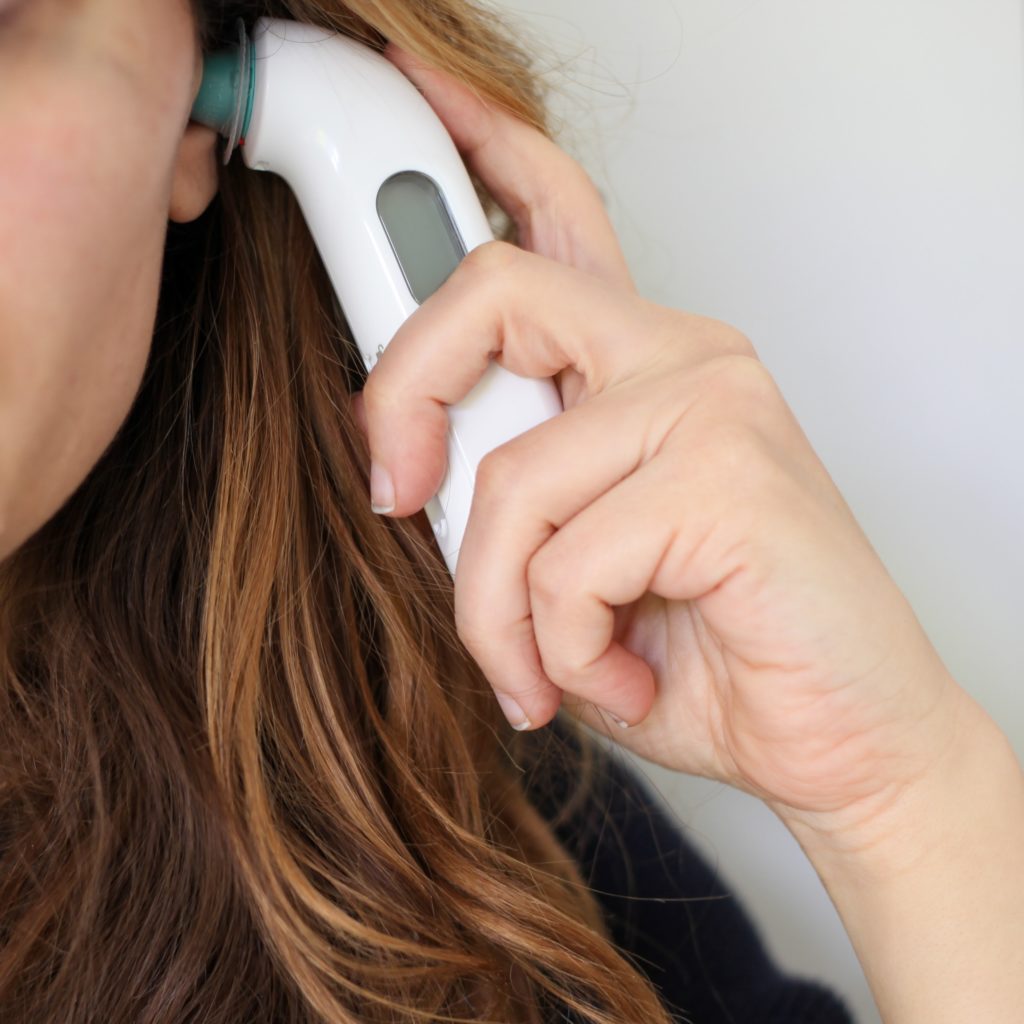
    The coronavirus illness and grief requires checking for fevers.

    Inching slowly, she made her way into the bathroom and searched for it. When she thought she couldn’t stay on her feet much longer, she spotted the thermometer, grabbed the alcohol and made her way back to the couch. Her labored breathing alarmed her…

    Once near the couch she started coughing…long and hard. She leaned in to get the alcohol bottle and thermometer to the coffee table. Then, holding onto the table she braced herself till she reached the couch and collapsed.

    This is terrible! What’s going to happen to me here..? Her thoughts scared her, so she tried to calm herself.

    Honestly, she needed someone there with her. Even getting her own fluids was so hard. The simple act of going to the bathroom was terribly difficult. 

    Leia wondered if she should carry her pillow and blanket with her on her next trip to the bathroom so she could lay down there and not have to walk back to the couch.

    Coronavirus illness and grief is hard to bear when you're alone.
    She thought about the night she had dinner at a friend’s house with a few other friends. Everyone there was sure they hadn’t been exposed to that virus. These were 20-somethings who’d lived their lives without incident and had come to call this pandemic an “old person’s disease.”

    They had even laughed at the thought that they needed to be that careful, locked in their houses, washing hands all the time. Sillyness.

    That was six days ago.

    Oh dear… how could we all have been so naive..? So wrong??

    She needed help, but knew she mustn’t ask anyone to come over. This was an awful illness, and even though she felt scared, she wouldn’t wish it on anyone.

    She’d heard about someone in their circle of friends who was staying with his girlfriend’s family while he fought it. She wondered how he could expose them that way. It seemed wrong to her.

    She coughed hard again. A dry cough with nothing that came up. But it hurt. Her lungs hurt. She thought to herself that it would be hard to describe to someone what it felt like.

    She managed to reach her thermometer from the coffee table, and checked her temperature. 

    102.4F

    Oh no.

    The cough, the aching and weakness, the fever… she’d bet the farm she had “it.” If she had the energy she’d text others who were there that night at the dinner… see who else was sick. But it was too much.  Coronavirus illness and grief was a Goliath… She drifted off to sleep again.

    Leia woke up drenched in sweat. But she was too weak to move to get dry clothes… This must be COVID-19. She’d never felt anything this severe. Coronavirus illness and grief filled her with sorrow and regret. How she wished she’d stayed home and avoided that dinner.

    Her chest felt tight. She tried to take a deep breath but couldn’t.  And it hurt so much.

    The next time she woke up, she could barely breathe. She could barely move. She could tell her fever was up again but it was too hard to reach the thermometer.

    Leia drifted off to sleep, fighting for air…

    Avoiding Coronavirus Illness and Grief Justifies Isolation

    Is COVID-19 just like the flu? Really?? Is that what you’ve heard? One report after another emerges where you read that someone believed all this caution was part of an elaborate hoax. And then they suffer from this infection themselves… and try to spread the word that this sickness is terrible, so take it seriously.

    Worse than anything they’ve experienced before. Unfortunately, some even die.

    You know, it’s probably safe to say that our whole country’s population is grieving on some level.  Elizabeth Kübler Ross wrote a book decades ago about the stages of grief. It starts with denial, then advances to anger, then  bargaining, then depression/resignation …and finally acceptance.

    Do you find yourself in any of these stages?

    Actually, you may experience more than one stage at the same time…and you may repeat stages, too.

    Coronavirus illness and grief can be so suffocating when you're alone at home feeling scared and sick.

    If you’ve heard about “corona parties” where people thumb their noses at quarantine and lockdowns by gathering for a party… Not only are they likely to be cited or arrested, but these people are in the first stage of grief…Denial.  It’s really not a river in Egypt, right?  

    Denial’s about telling yourself something isn’t really happening, and as a result you can sometimes put yourself and others at risk..  and even in grave danger.

    So, when you see that going on, don’t adopt that outlook. Leia, in our story above, made that mistake along with her friends. And she paid a dear price.

    Even so, you need connections, interactions, exchanges that say you care, and that others care about you, too.

    If you have complied with self-quarantine, you may still be grieving. Most are. And that’s ok.

    It’s hard to see the changes taking place in the world, and to not know what to expect.

    Will life ever return to the way it used to be?

    It’s ok to ask the questions, and to ponder the answers. There’s uncertainty for everyone. 

    Coronavirus Illness and Grief Can Seem Overwhelming

    Still, try to reassure yourself that you’re not alone. Most people are grappling with the same questions, and will find answers together.

    Even so, just knowing that may not be enough. If you find the questions and uncertainties go around and around in your mind, if you find that you’re weary and losing hope… if it seems insurmountable, call us.

    We’re here to help you through times like these. It’s possible you may need treatment beyond what’s been in place up till now for your depression and anxiety or PTSD. Being cooped up and losing your routine can be so unsettling. Possibly frightening.

    Ketamine treatment can bring you resilience to cope with the coronavirus illness and grief.

    Our patients find that ketamine treatment can help them balance, restore, and become resilient again in the face of times like these.

    If you wonder, call us. We’ll speak with you on the phone to determine if you’re a good candidate for ketamine treatment and to screen you for possible exposure to COVID-19.

    You will get through this, and we’re here to help. While non-essential workers are locked in their homes, our medical services are essential for helping you cope with your life now, and to help you get better for your future.

    We’re here to help you breathe in life again.

    Lori Calabrese, M.D. is on the front end of the race to stop PTSD in its tracks using IV ketamine treatment.

    To the restoration of your best self,
  • Your Generosity’s Impact on Depression

    Your Generosity’s Impact on Depression

    Your generosity's impact on depression is remarkable.

    This is a time of year when we do lots of giving, don’t we? 

    And for the most part, we receive the giving of others, too. While it’s fun to receive and get stuff, receiving doesn’t have the impact on our brain, our outlook, our health and immunity, as well as our sense of well-being, that giving does. In fact, when we really give of ourselves, give a piece of ourselves, hoping it will truly help or benefit the person we give to, something wonderful begins to happen. I guess most of us feel a certain amount of obligation this time of year to make sure we have a gift for each person in our world… family, co-workers, neighbors, friends and those in all our other circles. But there’s an important distinction between obligated giving and true generosity from the heart. So let’s talk about one of the most important results: your generosity’s impact on depression.

    It turns out that when you give out of obligation, it doesn’t really trigger any magical benefits in your brain. You still feel bad and you suffer a smaller balance in your checkbook. Plus you know…you still don’t know how to make things better.  

    Giving the Best of Yourself

    But when you give of yourself – from your heart – something amazing happens. It can be a check you write from the money you’ve worked hard for. It can be giving your time and support to someone who needs something you specifically can provide.  

    No matter what you give, when you really want that person to deeply benefit from it, that’s when it helps you, too. Well, at that point things start clicking in your brain in a way that turns up the heat in your immunity protection. It also turns up the connections in the signals moving in your brain, and – no small thing – it turns your attention from yourself and how bad you feel to someone else and how you helped them feel great. You may have even given them hope.

    Generosity is so Good for Your Depression

    So why is giving so valuable, and your generosity’s impact on depression so life changing?

    Good question!!

    Generosity's Impact on depression helps to release joy during the holidays.

    It starts in the mesolimbic pathway in the brain. Weird word, I know. But this strange phrase refers to a circuit in the brain that takes advantage of the neurotransmitter dopamine to link your behavior with a feeling of pleasure. You may have heard it called the “reward pathway.” 

    (It probably won’t surprise you to know that because of that, this area is studied by researchers seeking understanding and solutions for addiction.)

    So, when you’re a giver, a series of events takes place triggered by a special set of chemicals like dopamine and its mesolimbic activity, endorphins that give you almost a sense of euphoria, and oxytocin.

    Oxytocin is associated with tranquility and inner peace, as well as a sense of belonging, cuddliness, and connection. It’s the same hormone secreted when a mother nurses her baby….it causes the bonding between mother and child.

    Stress is a Destroyer

    Now when you’re spread too thin, or disasters are happening around you, both natural and figurative, that stress prunes and breaks down the synaptic connections in your brain. 

    Stress tells your body to prepare to fight or take flight. When your body keeps going into this state, believing you’re facing life or death, it wears it down. It depletes neurotransmitters, prunes the synapse structures and connections that allow for signals to be delivered, and increases cortisol. And when cortisol increases, these neurotransmitters stop producing.

    But, it turns out, that even if you do experience a lot of stress, something as simple as giving of yourself, volunteering, and helping and supporting others can combat the destructive effects of stress… and prolong your life.

    Generosity’s Impact on Depression and Mortality

    A study led by Michael Poulin published in the American Journal of Public Health, 2013, found that a stressful life did not predict the mortality rate in those who provided help to others. However, in those who did not provide help to others, stress did predict their mortality.

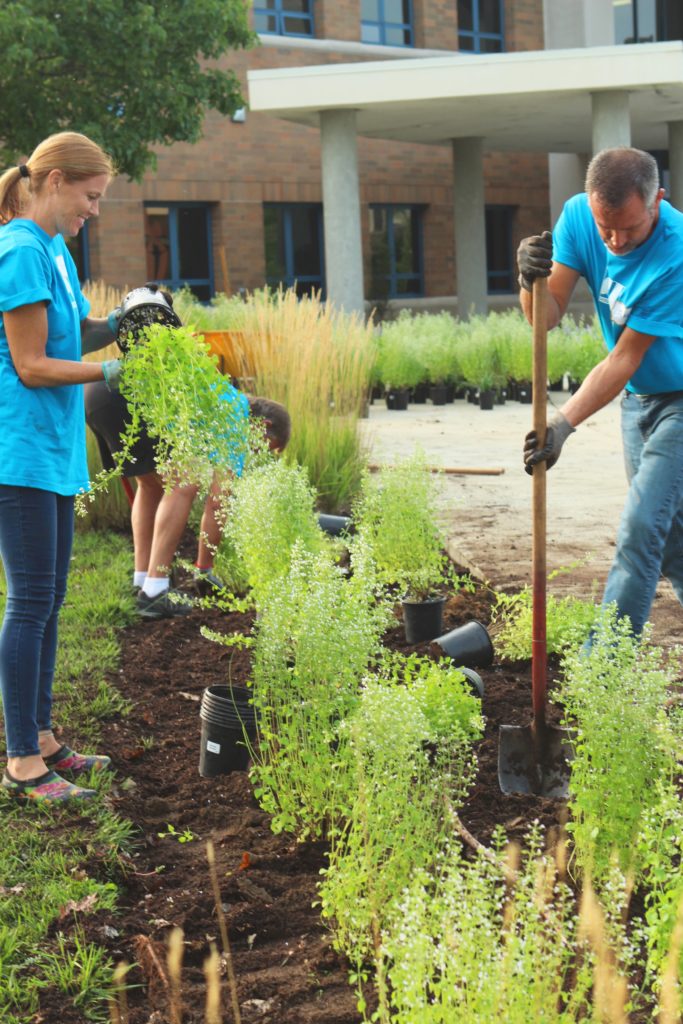
    Generosity's impact on depression is increased by the mutual support and fresh air and exercise of these volunteers as they give of themselves.

    A study published in the Journal of Health Psychology that focused on volunteering found that volunteering reduced mortality rates in a group of 2000 people more than exercising 4 times a week and regularly attending church. 

    Get this: it found that of the 2000, those who volunteered for 2 or more causes enjoyed a 63% reduction in mortality in contrast to those who didn’t volunteer at all.

    Volunteering is a Category All Its Own

    One thing about volunteering is that you have to really give of yourself. Your time, your energy, your comfort zone.  And you probably believe in the cause and truly want to help the recipients. So with volunteering, you’re probably meeting the criteria for health benefits. And yet…that’s not why you do it, is it?  

    You do it because you really do want to help, to make a difference.

    And it’s that heartfelt commitment to make a difference for someone and that deep desire to help, that triggers this cascade of neurotransmitter reward. Someone called it the “giver’s glow.” 

    It’s your generosity’s impact on depression in your life. It can help you go from shutdown…to glowing…!

    What it does do is to reduce the effects of stress in your life and improve your immunity, while flooding you with a warm sense of connection, and belonging, and soul satisfaction.

    These studies found that when someone is helpful regularly for a prolonged period of time, the benefits to their health and outlook compound, and carry on for a prolonged period of time.

    Which is why it’s not only better for the organization to know they can rely on you every Tuesday for a year, but it’s much better for your wellbeing and longevity.

    May Your Giving Season Be Your New Beginning of a Generosity Approach to Life

    And, so here we are. It’s the Giving Season. We’ve had Giving Tuesday which helped to organize donations all around, and… which helps you with a tax write-off. But let that be only the start. Because if you donated for the tax write-off, that’s your benefit. 

    Still, if you make this the beginning of a new year of reading to the elderly, or teaching English as a second language, or literacy support, or anything that can help make another life or many lives better, healthier, and with more hope, then you may very well be on your way to a ripe and healthy old age.

    Giving from the heart…giving unselfishly, giving of yourself in your own creative way, and giving your hard earned money to make life better for someone… can improve your outlook, your energy, and your sense of purpose. It can increase the neurotransmitters that move signals around in your brain, and improve your immunity.

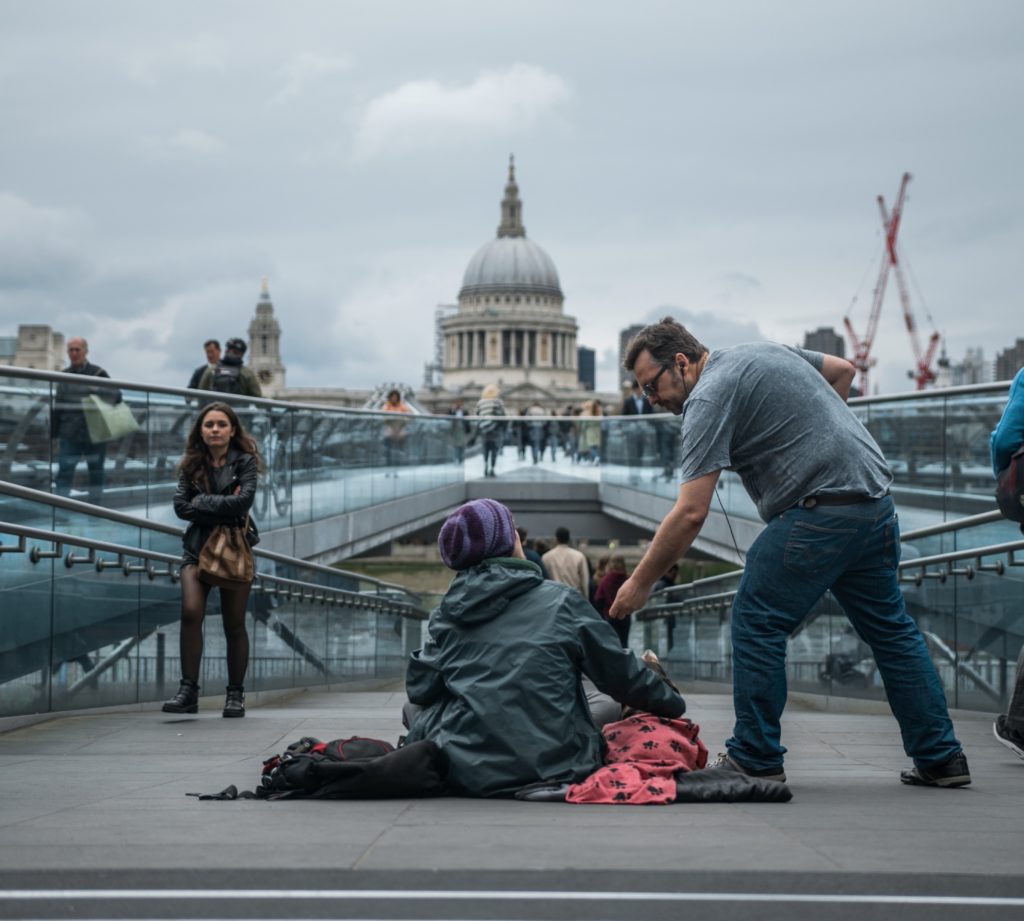
    This man offers another a helping hand because generosity's impact on depression is unmistakeable when you help someone outside yourself.

    What a truckload of benefits for you from giving of yourself.

    And, if we at Innovative Psychiatry can help you with symptoms you can’t resolve yourself, please call us. IV ketamine treatment can give you the transformative restoration so you really can give your best self to others.

    We want to help you find the power to live, and give, and bloom. To be satisfied and fulfilled with your life, your work, your relationships…all of it.

    Have a Wonderful and Fulfilling Holiday Season!

    Lori Calabrese, M.D. is on the front end of the race to stop PTSD in its tracks using IV ketamine treatment.

    To the restoration of your best self,
  • IV Ketamine Can Create Resilience For You This Season

    IV Ketamine Can Create Resilience For You This Season

    Even during the holidays you can find yourself alone when everyone else is having a  good time, but ketamine can help you enjoy being with people again.

    This time of year conjures up visions of sugarplums, elves, and Christmas trees guarding piles of gifts.

    There are carolers singing on the corner, and menorahs and dreidels and flickering candle light. Families come together, and friends are invited to share in the celebrations. A manger with a Baby surrounded by angels, shepherds, and wise men. Oh the wonders of this time of year. And oh the suffering for those who find it difficult to cope. But, IV ketamine can create resilience for you… Some suffer because of painful losses and deaths brought to mind again by both treasured or painful memories. Others suffer because of disorders that make it difficult for them to blend at family gatherings, whose symptoms impose so much pain and heartache, even chaos, they’re unable to enjoy any of it. 

    It’s for these loved ones we write today. The ones who’ve suffered for years – even decades – because their symptoms of depression, anxiety, phobias, addiction, eating disorders, PTSD, OCD, and the suicidal thoughts that eventually often show up and threaten have not been helped by the medicines prescribed for them.

    Dreading a gathering can disappear because ketamine can create resilience.

    Dreading the family gathering, or finding something else to do so they can justify missing it, they’re often ostrasized for “creating a scene and making the holiday about them.” Cruel judgments and short-sighted disapproval abound. But few realize how very much these dear ones wish they could seamlessly fit in.  

    Their “scenes” may very likely be due to untreated symptoms. 

    This is the time when IV ketamine treatment can make all the difference. And it’s not just for this holiday season. It’s for all the holiday seasons that will come in the future.  For all the school days, business days, birthdays, and everydays that lie ahead. Ketamine can create resilience for facing whatever life brings…

    And let’s be clear about something.

    IV Ketamine Treatment is NOT Esketamine Nasal Spray

    The ketamine molecule is racemic, which means it is made up of two sides, or enantiomers, which are mirror images of each other. This has caused some confusion. Because they’re NOT identical. Each one possesses its own traits, it’s own strengths and weaknesses. It’s own benefits. 

    Esketamine nasal spray is the left mirror image. We call each side an enantiomer. Esketamine is the left enantiomer. It has strengths and weaknesses, but it’s not the complete ketamine molecule. This is often misunderstood. It’s also a great deal more expensive than ketamine.

    However, esketamine nasal spray is “covered” by some insurances, at least partly. (It’s very expensive and eats up most of your high deductible very quickly.) But having the medication pad for may be a benefit that may make it worth trying for you. The office visits required for administration are another fee–and they are very poorly covered by insurance companies.

    Ketamine infusions on the other hand, are not usually covered.

    We’re joining with others in psychiatry promoting the idea that IV ketamine treatment should be covered by insurance. It should be. Ketamine is the complete compound with all the benefits. When it’s administered properly, it can be — and often IS — transformative.

    IV ketamine treatment can liberate you from the symptoms that make the holidays so painful. Those things that make it nearly impossible for you to enjoy family gatherings. 

    IV ketamine helps build something to make life so much easier, even holiday gatherings.

    Ketamine Can Create Resilience: And It Empowers You to Enjoy

    It’s resilience. Depression, alcohol use disorder, anxiety, PTSD, OCD, opioid use disorder, social anxiety, bipolar depression…all of these conditions have symptoms that are sometimes hard to treat. You might say “treatment resistant.” And when the symptoms go on and on, they wear down circuitry in your brain in certain regions. 

    Enjoy the giving season - ketamine can create resilience for you.

    When the circuits are worn down, the dendrites and synaptic connections between neurons are pruned back and the signals are hard pressed to make much progress getting from one area to another. So you feel vacant…numb…dull…and dark.

    But ketamine treatment restores those circuits. It stimulates mRNA to turn on DNA to turbo boost your brain-derived-neurotrophic-factor. When that happens it’s as if a rich compost infuses fast prolific growth into those dendrites, and dendritic spines…and your synapses multiply like gangbusters. Suddenly, your brain comes alive with a wealth of signals darting at the speed of light to help you think, create, plan, accomplish…and to bring you joy…and hope.

    Then, there are those G proteins floating along on their lipid rafts. Ketamine shoves them off those rafts and puts them back to work, which gets signals moving really fast, too.

    That’s where the resilience comes from. Your active brain communication transforms your outlook and cognitive function. And if something comes along to knock you down, you finally have the resilience to think it through, get back up, and snap back. You have energy to face difficulty, energy to be around difficult people. Energy to contribute, and to rebuild strong, healthy relationships.

    Ketamine does that. Ketamine can create resilience by working in so many parts of the brain and it works fast.

    Think about it like you’ve rebuilt your car’s engine and you have the capacity now to take on difficult terrain, climb mountains, pull trailers, and get the job done. (I sound like a truck commercial but you see what I mean.)

    Restoration for the Holidays – Is There a Better Gift?

    If you enjoy this time of year, that’s wonderful. It’s supposed to be a wonderful time of year.  Enjoy it. Savor every moment.

    But if you don’t …if you can’t… call us. Let us help you find the resilience you wish you had. The resilience to rise above the struggles, and the ability to actually enjoy people you care about. 

    See how relaxed and joyful this woman is because ketamine creates resilience?

    IV Ketamine treatment may seem expensive at first blush, but when you consider how it can transform your life, and give you hope and resilience for the future, it’s worth finding a way. There are opportunities for financing your treatment through medical financing services. We also see families helping financially to get their loved one a chance to recover.

    Feeling better changes everything.  Everything.

    When you’ve felt like this so, so long, it’s hard to imagine what feeling good would be like. No worries. You’ll definitely know it when you see it. And your family may detect the changes in you before you even notice them yourself. 

    Reach for brighter days, healthier relationships, better performance in your career. Reach out for resilience.

    Lori Calabrese, M.D. is on the front end of the race to stop PTSD in its tracks using IV ketamine treatment.

    To the restoration of your best self,
  • Each 4-Hours of Exercise Reduces Future Depression

    Each 4-Hours of Exercise Reduces Future Depression

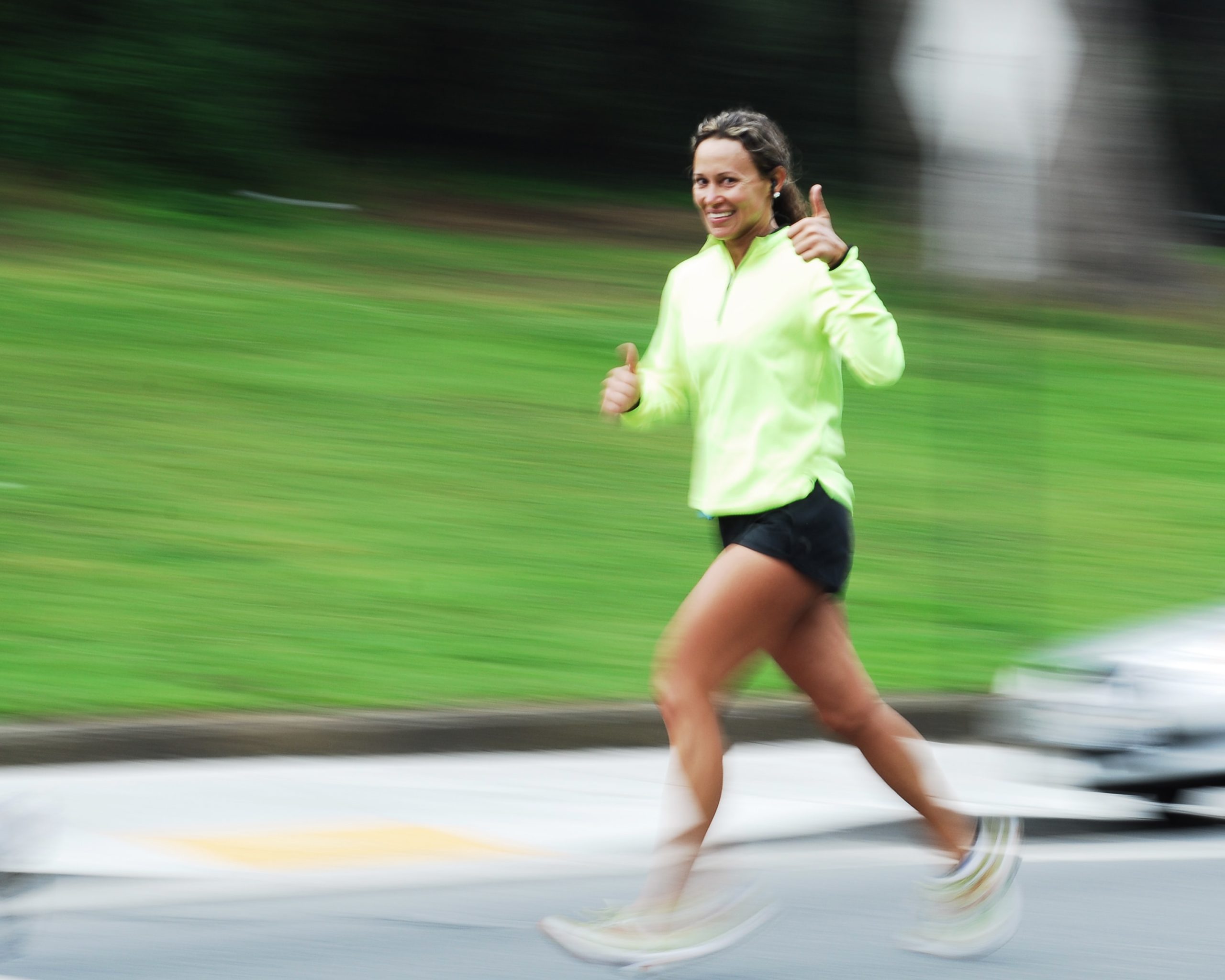
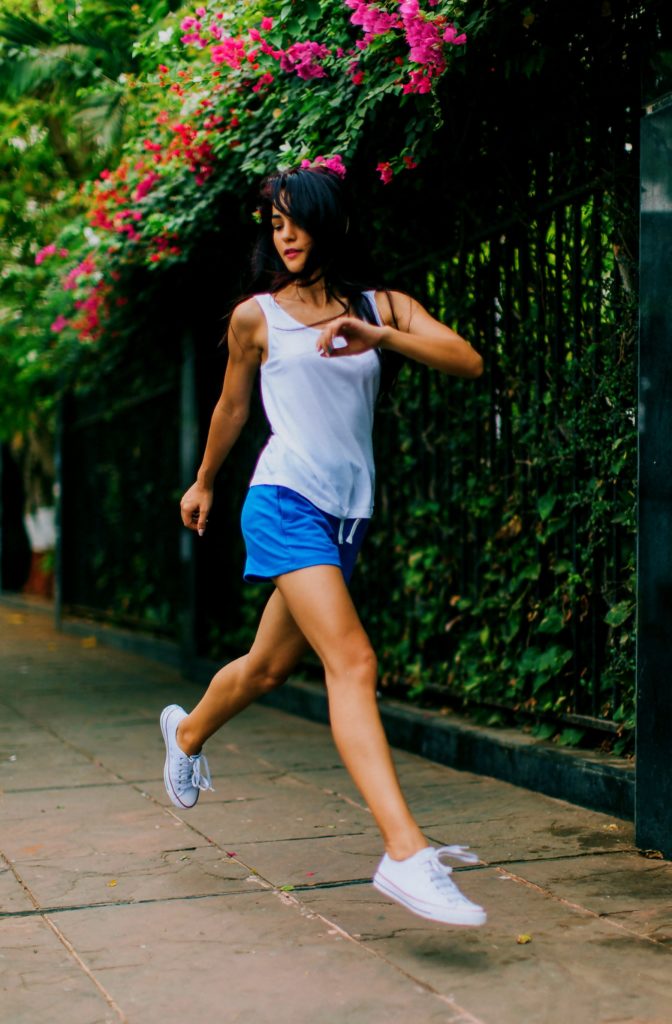
    This lady is jogging and knows that exercise reduces future depression.

    Can you believe it’s already December? 

    We’re smack in the middle of the holidays!  The last month of 2019 has begun. If this December is anything like the past, it will zoom by like a rocket. I hope your Thanksgiving was a joyful time for you. Going forward, it’s part of the tradition at this time of year to overindulge …then let diet and exercise obligations pelt us like hail at the start of the New Year. But I have another suggestion, and it’s related to exercise now. Beginning today, increasing your exercise can reduce your risk of depression going forward. In fact, exercise reduces future depression even in the holidays ahead. Wouldn’t that be nice?

    As you know, depression can run in families, and when you’ve experienced recurring bouts of depression all your life, it can seem like an albatross. Something that’s part of your life that robs you of resilience and the energy to face the demands of a busy time of year like this.

    If you have other family members who also struggle, you can start to think this is just how life is. And that there is just nothing you can do about it. 

    Trudging as if in mud, a dark cloud hanging over you…feeling listless and overwhelmed, and just wanting to go to bed.

    But it doesn’t necessarily have to be that way.

    Inherited Depression Isn’t a Life Sentence

    There really are things you can do. Things like eating foods that support a brighter outlook by strengthening the microbiome, and by strengthening circuitry through omega-3 fatty acids. 

    Another way is to spend at least 30 minutes a day in the sunshine, and in good weather, more than that. Good for your spirit, good for your body as it makes Vitamin D. It’s essential for nearly every chemical reaction that occurs in your body, and especially those that impact your emotions and frame of mind.

    And here’s another big one: the E word.   

    The E word?

    That word we dread hearing from our doctorS, and when they ask about it, we look at the floor and mumble.

    EXERCISE!!

    Now don’t tune me out.  Stay with me…

    Many of us are on a guilt trip about working out, about not exercising enough on a regular basis. There are those inspiring icons who are at the gym every day, running, lifting weights, building muscle, stretching… the SLEEK ones. You can pick them out anywhere. The mall, the grocery store, your favorite restaurant.  

    But, my friend, believe it or not, those people are not the mainstream. And you are NOT shameful that your exercise schedule doesn’t match theirs. 

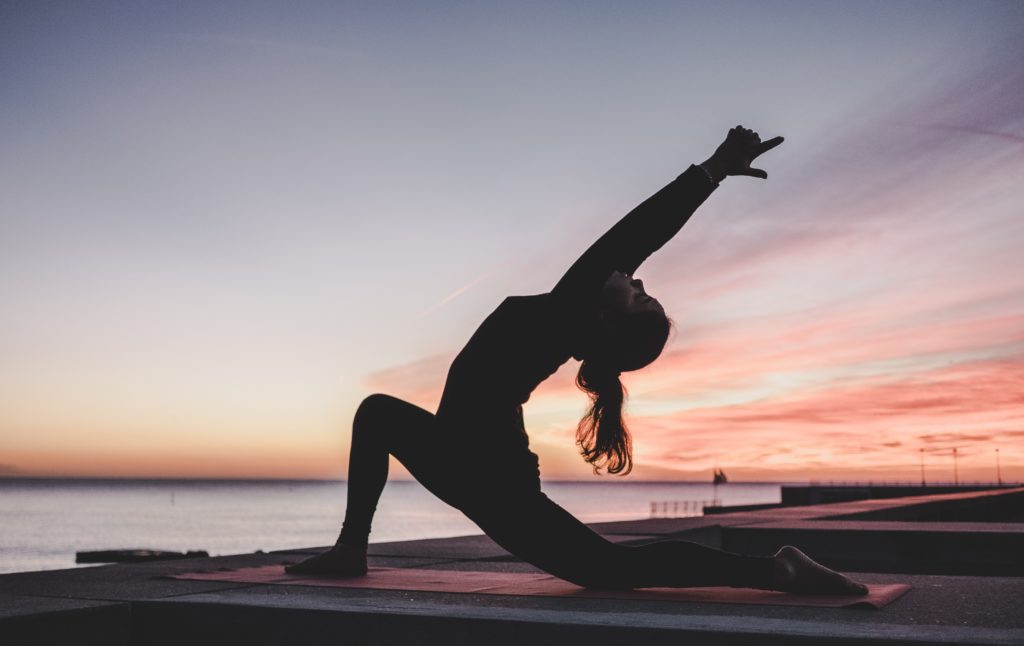
    Exercise reduces future depression, even if it's just stretching.

    The truth is, exercise is for YOU. It’s for your enjoyment (no I’m not kidding), for your own release of tension, it’s for your health to keep your arteries clean and clear and your heart strong…and to ward off diabetes and other diseases.  

    But that’s not all.

    Exercise Reduces Future Depression

    Did you know that?  

    You’ve probably heard it will help you combat depression now…but who feels like getting out and moving anyway?  When you feel crummy, exercising is the last thing you feel like doing.

    Except that getting outside, breathing in fresh air, and moving your  body, your joints, your muscles… can be a lifeline of hope if you let it.

    In fact, a biobank cohort study published in Depression & Anxiety, showed that when you’re active it can help prevent depression in the future regardless of your genetic predisposition.

    Using a data base of 8000 people of European ancestry, Karmel Choi, Ph.D. and her colleagues determined that an increase in physical activity was associated with decreased likelihood of depression episodes in the future. And this wasn’t just in cases of people with a background of heavy daily workouts or participations in sports. 

    Whether the activity was intense, like aerobic exercise or the use of exercise machines, or lower-intensity movement like yoga and stretching, each time they added a 4-hour block of activity in per week it was linked to a 17% reduction in the likelihood of a new episode of depression going forward. According to these findings, exercise reduces future depression. It’s worth pushing through.

    Exercise – At Least As Important in Fighting Depression As What You Eat

    Recognizing this can help your psychiatrist prescribe more movement and activity to reduce depression for you going forward.

    When you’re depressed, it goes without saying that you just don’t feel like getting out, being active, pushing through the fog and inertia to initiate exercise, but doing so anyway can open the door to better days ahead.

    Jogging like this lady can lift your outlook with fresh air and beauty and exercise reduces future depression episodes.

    And even if your doctor tells you to be active 4 hours each week, it doesn’t mean that you will.  It can really seem futile, when your outlook is dark. But it’s worth the commitment and the effort.

    And if you find you can hardly get out of bed…if at all… and you really do need some sort of a leg up just to start the exercise, you may be a candidate for IV ketamine treatment.

    IV Ketamine Treatment Gives You a Head Start

    At Innovative Psychiatry, our patients often find they’re so much more able to participate in their own recovery after IV ketamine treatment. By restoring synaptic connections and signaling pathways in key brain regions, returning the lateral habenula to optimal function, your energy can improve dramatically — for getting exercise, building relationships, enjoying your family, doing things with friends, pursuing hobbies, and performing at work.

    The G proteins can slide off their lipid rafts to enhance neurotransmitters to do their jobs, and you can enjoy motivation and initiative you’ve lacked for so long…to do things like exercise for the sake of your future health.

    It’s true that IV ketamine treatment isn’t for everyone… Some people just don’t benefit like we want them to. But those are the exception rather than the rule. Sometimes when a patient doesn’t respond at first, several weeks later they’ll experience restoration as a sort of delayed response. It can seem to bubble up on its own.

    In fact, there has never before been a medicine for depression that has been so quickly and so widely effective. Never.

    You Can Enjoy Energy, Initiative, and Hope

    As this man carries his exhausted dog, he enjoys the glow of sunset.

    If you’ve tried antidepressants without improvement, you owe it to yourself to let IV ketamine treatment show you what it can do. We have financing options to help you access this extraordinary treatment, and we can schedule you within a few days in most cases.

    Whether you suffer from depression, bipolar depression, PTSD, opioid use disorder, alcohol use disorder, and/or suicidal thinking, IV ketamine treatment can transform your life. You really don’t have to just endure. You really can have the life you’ve wished for as long as you can remember. 

    If you want to be proactive toward your recovery with better diet and more exercise… and to invest yourself in the lives of people you love… but you just can’t find the initiative or energy to do it, call us.

    IV ketamine treatment offers the most robust, remarkable antidepressant benefits to more people with treatment resistant mood disorders than any treatment we’ve seen in psychiatry to date.

    This is YOUR time. 2020 can be your best year yet.

    Lori Calabrese, M.D. is on the front end of the race to stop PTSD in its tracks using IV ketamine treatment.

    To the restoration of your best self,
error: Content is protected !!