Category: OCD

Articles About OCD from Lori Calabrese, MD | The Ketamine Blog

These articles about OCD (Obsessive-compulsive disorder) are offered to increase understanding and reduce stigma. OCD is a long lasting disorder where a person has recurring, repetitive thoughts and then related compelling behaviors or actions they feel inner pressure to take and repeat over and over…

The Obsessions are thoughts or images that illicit anxiety such as:

  • Fear of germs or contamination
  • Unwanted, forbidden, or taboo thoughts involving religion, sex, or harm
  • Aggressive thoughts toward others or self
  • Wanting things to be symmetrical or else in perfect order

Compulsions that follow the thoughts

In response to those obsessive, intrusive thoughts, a person feels pressure within to repetitively take these actions, or perform these behaviors. These behaviors may be

  • Hand washing or extreme and excessive cleaning
  • Arranging things or putting them in a specific order
  • Repetitiously checking something, like the door knob to ensure it’s locked or that the oven or iron are off.  Over and over and over.
  • Compulsively counting and recounting

Now, we all know that checking things, or counting, or handwashing are normal behaviors we all do, but it’s different for someone with OCD. This person:

  • Can’t control his thoughts or behaviors, even if he can tell that what he’s doing is excessive.
  • He still spends at least an hour a day doing these things. Sometimes far more.
  • He doesn’t experience any pleasure from these thoughts or behaviors. However, the thoughts produce anxiety, and performing the behaviors may offer a small relief from it.
  • These behaviors create troubling problems in his daily life

A troubling symptom that affects some people with OCD:

A tic disorder can affect this person in some cases, and can be a motor tic or a vocal tic. In the case of motor tics, the affected person may shrug his shoulders repeatedly, or make a facial grimace, blink his eyes, or jerk his head or shoulder. In each case these are repetitive actions.

Vocal tics include throat clearing, sniffing, and grunting.

All of these symptoms may come and go, may re-emerge in the presence of stress, and may seem normal to children and some adults. However, most adults understand that their behavior is abnormal but feel helpless to control it.

Neuroscience researchers work to find relief for these distressing symptoms.

Because of promising outcomes with IV ketamine combined with mixed results at other times, more studies are being performed.

Cause and Risk Factors

While causes of OCD are unknown, risk factors include genetics, brain structure and functioning, and environment.

As you read these articles about OCD, consider the symptoms and treatments available and we hope you’ll share your understanding with others who suffer.

  • FDA approves new nasal spray medication for treatment-resistant depression; available only at a certified doctor’s office or clinic

    For Immediate Release

    March 5, 2019

    Release

    The U.S. Food and Drug Administration today approved Spravato (esketamine) nasal spray, in conjunction with an oral antidepressant, for the treatment of depression in adults who have tried other antidepressant medicines but have not benefited from them (treatment-resistant depression). Because of the risk of serious adverse outcomes resulting from sedation and dissociation caused by Spravato administration, and the potential for abuse and misuse of the drug, it is only available through a restricted distribution system, under a Risk Evaluation and Mitigation Strategy (REMS).

    “There has been a long-standing need for additional effective treatments for treatment-resistant depression, a serious and life-threatening condition,” said Tiffany Farchione, M.D., acting director of the Division of Psychiatry Products in the FDA’s Center for Drug Evaluation and Research. “Controlled clinical trials that studied the safety and efficacy of this drug, along with careful review through the FDA’s drug approval process including a robust discussion with our external advisory committees, were important to our decision to approve this treatment. Because of safey concerns, the drug will only be available through a restricted distribution system and it must be administered in a certified medical office where the health care provider can monitor the patient.”

    Patients with major depressive disorder who, despite trying at least two antidepressant treatments given at adequate doses for an adequate duration in the current episode, have not responded to treatment are considered to have treatment-resistant depression.

    The Spravato labeling contains a Boxed Warning that cautions that patients are at risk for sedation and difficulty with attention, judgment and thinking (dissociation), abuse and misuse, and suicidal thoughts and behaviors after administration of the drug. Because of the risk of sedation and dissociation, patients must be monitored by a health care provider for at least two hours after receiving their Spravato dose. The REMS requires the prescriber and the patient to both sign a Patient Enrollment Form that clearly states that the patient understands they should make arrangements to safely leave the health care setting to get home and that the patient should not drive or use heavy machinery for the rest of the day on which they receved the drug. Additionally, Spravato must be dispensed with a patient Medication Guide that outlines the drug’s uses and risks. 
    The patient self-administers Spravato nasal spray under the supervision of a health care provider in a certified doctor’s office or clinic, and the spray cannot be taken home. The health care provider will instruct the patient on how to operate the nasal spray device. During and after each use of the nasal spray device, the health care provider will check the patient and determine when the patient is ready to leave.

    The efficacy of Spravato was evaluated in three short-term (four-week) clinical trials and one longer-term maintenance-of-effect trial. In the three short-term studies, patients were randomized to receive Spravato or a placebo nasal spray. In light of the serious nature of treatment-resistant depresison and the need for patients to receive some form of treatment, all patients in these studies started a new oral antidepressant at the time of randomization and the new antidepressant was continued throughout the trials. The primary efficacy measure was the change from baseline on a scale used to assess the severity of depressive symptoms. In one of the short-term studies, Spravato nasal spray demonstrated statistically significant effect compared to placebo on the severity of depression, and some effect was seen within two days. The two other short-term trials did not meet the pre-specified statistical tests for demonstrating effectiveness. In the longer-term maintenance-of-effect trial, patients in stable remission or with stable response who continued treatment with Spravato plus an oral antidepressant experienced a statistically significantly longer time to relapse of depressive symptoms than patients on placebo nasal spray plus an oral antidepressant.

    The most common side effects experienced by patients treated with Spravato in the clinical trials were disassociation, dizziness, nausea, sedation, vertigo, decreased feeling or sensitivity (hypoesthesia), anxiety, lethargy, increased blood pressure, vomiting and feeling drunk.

    Patients with unstable or poorly controlled hypertension or pre-existing aneurysmal vascular disorders may be at increased risk for adverse cardiovascular or cerebrovascular effects. Spravato may impair attention, judgment, thinking, reaction speed and motor skills. Patients should not drive or operate machinery until the next day after a restful sleep. Spravato may cause fetal harm and women of reproductive potential should consider pregnancy planning and prevention; women should not breastfeed while being treated.

    Esketamine is the s-enantiomer of ketamine. Ketamine is a mixture of two enantiomers (mirror image molecules). This is the first FDA approval of esketamine for any use. The FDA approved ketamine (Ketalar) in 1970.

    The FDA granted this application Fast Track and Breakthrough Therapydesignations.

    The FDA granted the approval of Spravato to Janssen Pharmaceuticals, Inc.

    The FDA, an agency within the U.S. Department of Health and Human Services, protects the public health by assuring the safety, effectiveness, and security of human and veterinary drugs, vaccines and other biological products for human use, and medical devices. The agency also is responsible for the safety and security of our nation’s food supply, cosmetics, dietary supplements, products that give off electronic radiation, and for regulating tobacco products.

    [Read the Official FDA Release Here]

  • Ketamine KRIYA Conference 2018

    Ketamine KRIYA Conference 2018

    KRIYA!!

    Ketamine KRIYA Conference 2018-Dawn of a new field.

    The most phenomenal ketamine conference to date!  

    Last weekend I attended and presented at the ketamine KRIYA Conference 2018 in San Francisco. This conference emerged as the most dynamic gathering of front-line ketamine practitioners I’ve ever experienced.

    And what an event!

    The ketamine KRIYA Conference 2018 was extraordinarily different than any other research or clinical conference I’ve attended. It’s clear that the realm of ketamine treatment for psychiatric disorders is growing wider and deeper. 

    There was a true spirit of inquiry, extraordinarily open collaboration, and presentations of risks, failures, and triumphs. Sheer transparency. Openly exposed vulnerabilities. A clear admission of the limitations of what we know. The latest information about clinical uses of ketamine in psychiatry. 

    The insider news.

    What happened when Raquel put all of it — and all of us — together?

    Palpable energy instantly exploded!

    During the presentations — which were riveting. As we met for coffee. Chatted on the beautiful conference grounds, sprawled out over the steps, snugged down into comfy couches, talked over creative and inventive lunches, inhaled coffee (for some of us, all throughout the day!) — there was the sense that we needed to learn from each other as fast as we could. So … we shared Ubers and Lyfts and dinner tabs. 

    We came from all over the country … and from as far away as Russia.

    We’re serious about this.

    And what a weekend! We learned so much from each speaker and each other. We talked about our data, our practices, our experiences, what we’ve learned. What we still don’t know.

    Ketamine KRIYA Conference 2018 helped this man reach light in his life.

    Soooo many different backgrounds, so many different approaches providing patient care, so much desire to reduce suffering in our patients.

    Founded by Raquel Bennett, Ph.D., KRIYA is the Ketamine Research Institute and it is devoted to understanding the use of therapeutic ketamine in psychiatry and psychotherapy.

    I must give a shout out to Raquel Bennett.

    In such a few short years, she single-handedly founded, organized and grew KRIYA, an organization devoted to helping people heal and live fuller lives through safe, legal, and effective ketamine treatment. She is originator of the first international ketamine conference — KRIYA’s first conference, in 2015 — on the therapeutic use of ketamine.

    Raquel has earned our respect, appreciation, and applause for the enormously hard work of bringing together experts who work with therapeutic ketamine in very different ways, using different routes, for different therapeutic purposes, in all aspects of psychiatry and psychotherapy, as well as in chronic pain and hospice.

    Ketamine is a visionary medicine.

    But Raquel Bennett, Ph.D, is a visionary.  

    Fantastic speakers, wonderful food, and gorgeous (read: non-hotel) settings gave all of us opportunities to pick the brain of someone nearby. We shared, we ate, we discussed, we listened. And at the end, we kept talking until they put away the chairs, and turned out the lights … until we each left for the airport. And then checked in and kept going.

    Meet me in Terminal 2. I’m at Starbucks. Find us in the International Terminal.  We’re sitting in the food court.

    Until one by one, each had to break away to catch a plane.

     … You haven’t seen anything til you’ve seen the excitement that comes from connection.

    Many thanks to Raquel and her incredibly talented, organized and generous team for making this all possible.

    Ketamine KRIYA Conference Founder Raquel Bennett.
    Raquel Bennet, Psy.D.

    Though our backgrounds are different, and our methods varied, it was clear that we share the same passion: to help reduce suffering from psychiatric symptoms and physical pain.

    Next, let me say, I can’t possibly share it all with you here — there were 30 different speakers over 2 days, fascinating and varied discussion panels, and a lively sharing of experiences and ideas that kept us on our toes till the wee hours.

    This conference was thrilling.

    Thrilling.

    I attended KRIYA last year.  But there has been so much growth, so much more research, so many new frontiers since then … that this gathering really can’t compare.

    These 30 speakers ran the full gamut of experience with using therapeutic ketamine in psychiatry — different practice settings, different studies, varied doses, varied routes of administration, varied preparation. Varied goals.

    This was no room for small or closed minds.

    We ALL learned and grew during those two days.

    Raquel Bennett opened to set the stage for this smorgasbord of ideas. 

    She said, “We are witnessing the birth of a new field.”  She spoke about how ketamine was developed for anesthesiology and has served that field well. But the therapeutic use of ketamine has birthed a new field of ketamine in psychiatry.

    Ketamine KRIYA Conference 2018 demonstrates the difference between anesthetic ketamine and psychiatric ketamine.

    And she emphasized that the two are as different as apples and toast.

    One way they’re different is in the goals of treatment. For anesthesiologists, ketamine has been used for managing consciousness or sedation and addressing physical pain. In psychiatry, the goal of treatment is all about treating psychiatric symptoms and managing psychiatric distress.

    The second difference is in training and areas of expertise, diagnostic skills, and managing emergencies, and she described the differences between anesthesiologists and psychiatrists. Anesthesiologists are best at managing surgical emergencies, interventional pain procedures and life support.  But psychiatrists are experts in diagnosing psychiatric conditions and managing psychiatrist emergencies.

    The third difference is in the type of patient who presents for treatment.   In psychiatry, our patients need a lot of contact, a high degree of emotional safety, and a great deal of emotional support and reassurance. Things we’re deeply attuned to by our psychiatric training.

    She also talked about the differences in routes of administration as well as the dose used  for each type of patient to reach the individual goals of sedation vs. relief of psychiatric symptoms.

    Add to that the amount of preparation required in each field. An anesthesiologist can walk into the surgical area, say hello to his patient, and tell him to count backwards from 12. 

    However, psychiatrists and psychologists offering ketamine treatment invest in substantial and detailed preparation of the patient before beginning ketamine treatment — to prepare for the treatment itself, the treatment experience, and how to metabolize or make sense of the treatment experience. 

    And the preparation involves not only  a thorough history of symptoms, treatment course, previous medication and treatment failures, but also a thorough developmental and social history. 

    Our education and training centers on entering into an ongoing therapeutic relationship with our patients and the critical understanding and provision of a safe, therapeutic frame to do the deep work we do.

    These two fields are two different animals. 

    Dr. Bennet encouraged everyone to learn from everyone else, in effect, to “cross pollinate” these fields and help each other to improve in clinical practice.

    Then she described the use of ketamine in psychotherapy as a “lubricant” for psychotherapeutic work. 

    Several of the speakers described this method in their practices.  This is called ketamine-assisted psychotherapy, or ketamine-facilitated psychotherapy.

    Ketamine KRIYA Conference 2018 demonstrated what ketamine treatment can do.

    And she went a step further, to describe the use of therapeutic ketamine in psychotherapy as a tool for deep spiritual exploration. This is where the goal of treatment is not symptom relief per se, but personal growth, self-knowledge, or transcendent exploration.

    All in all, she encouraged matching the treatment to the individual patient, recognizing our responsibility to learn more about varied strategies and to share our findings within our field.

    Speakers were diverse and fascinating. If you’ve been keeping up with progress in the field of psychiatric ketamine treatment, some of these names are sure to jump out at you:

    Will Van Derveer, M.D., Wesley Rylan, M.D., Scott Shannon, M.D., Michael Stanger, M.D., Jeffrey Becker, M.D., Jason Wallach, Ph.D., Dan Engle, M.D., Lori Calabrese, M.D., John Krystal, M.D., Phil Wolfson, M.D., Jeff Guss, M.D., Elias Dakwar, M.D., George Greer, M.D., Evgeny Krupitsky, M.D., Patrick Sullivan, D.O., and Jennifer Winegarden, D.O.

    And we had some lively and fascinating panelists, including Gary Bravo, M.D., Alison McInnes, M.D., Steven Levine, M.D., Steve Best, M.D., Veronica Gold, M.F.T., Greg Wells, Ph.D., Bob Grant, M.D., Genesee Herzberg, Psy.D., Jessica Katzman, Psy.D., Jennifer Dore, M.D., Julie Megler, P.N.P., Steven Levine, M.D., Steve Best, M.D.,  Sandhya Prashad, M.D., Steve Mandel, M.D., and me.

    Oh yes, I mentioned I also presented my own data, and am excited to tell you more about that…

    But… that will have to wait for another day … Without question, our fledgling new psychiatric field has turned a corner.

    Ketamine KRIYA Conference 2018. 

    We’ll never forget this one. We can only hope they keep getting better…if that’s possible.

    As exciting as this wealth of information may be, if you’re suffering from depression, bipolar depression, PTSD, OCD, social anxiety, substance use disorders…and even suicidal thinking, don’t wait. Call us

    Thankfully, if your symptoms are mild, there are a host of antidepressants and other medicines and treatments that can hopefully help you.

    Ketamine is at its best for those who are severely suffering. 

    Ketamine KRIYA Conference 2018 educated psychiatrists to help this woman get better.

    If you’re deeply affected by severe symptoms of depression and anxiety, we can help.  Call and arrange an appointment.

    Ketamine isn’t for everyone. Of course not. It doesn’t help everyone. But even among those who aren’t helped initially… sometimes there are those who get a delayed response and in a few months reach remission quite by surprise. 

    And even though we can’t promise everyone they’ll reach remission, the truth is that a very large percentage do.

    As we’ve said before, ketamine is the most rapid and effective treatment for depression that we’ve seen in our lifetime … and really … ever.

    We’re constantly learning ways to help more people benefit and get better. And chances are…you’ll experience the most remarkable transformation you could have imagined.

    Our Results

    At Innovative Psychiatry, we see people with these symptoms and disorders get better every week with ketamine treatment. Our results are extraordinary, and our remission rate is very high. Call for an appointment and let’s talk.

    Ketamine works in some different areas of the brain in different ways than traditional medicines you might have tried that didn’t work for you. Your life really can improve dramatically.

    Find out what this remarkable treatment can do for you.

    Ketamine KRIYA Conference 2018
  • ASKP Meeting Notes:  The 2018 Inaugural Conference of the American Society of Ketamine Physicians

    ASKP Meeting Notes: The 2018 Inaugural Conference of the American Society of Ketamine Physicians

    New Advances in Ketamine Treatment

    2018 has been a good year. A very good year.

    In this fall season of harvest and bounty which surrounds us outdoors, we find ourselves as ketamine physicians with wonderful gifts to work with:  in our world of neuroscience and psychiatry, the soil is rich, the seeds have been planted, and hard work has been done – sometimes for years! – by experts who have paved the way, and brilliant emerging experts whose work and insights inspire us all.

    I’m talking about the 2018 ASKP Meeting in Austin, TX.

    Ya shoulda been there

    It was the Inaugural Meeting of the American Society of Ketamine Physicians – hence, ASKP – and it was a conference that fueled excitement, embraced inquiry, acknowledged the need for temperance … and left all of us thirsting for more opportunities to work, study, collaborate, and publish.

    I want to tell you about the meeting.

    Especially if you or someone in your life suffers from a mood disorder. If you’ve been struggling for a terribly long time. If you’ve begun to think of yourself with symptoms that have become “treatment-resistant.”  Sound familiar? Then dial in to learn about IV ketamine treatment advances.

    What you learn may help you think outside the box you’ve found yourself in.

    Hard Pruning Can Leave You Unable to Recover

    Ketamine treatment advances help more people escape depression.

    As you know, it’s terrible to struggle to live your life when your confidence, your hope, your ability to think and perform, are all dulled, impaired…broken down.

    Major depression, panic disorder, social anxiety, PTSD, OCD, bipolar disorder, addiction … the list goes on …  all of these can make it nearly impossible to reach the goals you may have for your life.

    You’ve probably seen your doctor and tried some different medicines, but if you’re not feeling better, you may be part of the large group of depressed or anxious people for whom conventional medications don’t work.

    If you’ve heard of ketamine, you may know that it’s showing great promise for helping a majority of people who weren’t helped by antidepressants.

    But, you may not have been able to find someone who administers ketamine treatment properly. Because until recently doctors have just been on their own offering ketamine the best way they know how.

    Sometimes their methods don’t work very well.

    So physicians who provide ketamine treatment are beginning to organize into groups to exchange their ideas, experiences, and discoveries, in hopes of solidifying some of the true “best practices” that provide the best outcomes for their patients.

    An important organization that’s doing this is the American Society of Ketamine Physicians, or ASKP — and we just held our Inaugural Conference September 20-22, in Austin, TX.

    Let me start by saying how grateful I am for the many opportunities to meet with other medical pioneers who are committed — like we are — to helping people who suffer with treatment resistant psychiatric disorders.

    Ketamine treatment advances lead to more remissions.

    Conferences are a festival for the mind.  Ideas spark, slides fly by, data positively crackles in the air — and so does good humor, agreeableness, collaboration, and humility.  We are humbled by the pain our patients experience, and inspired by our colleagues to learn more, think critically, design carefully, proceed with integrity.

    We are privileged to have ketamine in our toolbox and to be able to offer ketamine treatment to patients whose suffering has become unbearable.

    ASKP is helping us do just that. 

    IV Ketamine Treatment Advances: Leaders

    We were treated to a lineup of seminal leaders in the field. Steve Mandel, M.D., the President of ASKP and Ketamine Clinics of Los Angeles, James Murrough, M.D., of Mount Sinai and Sam Wilkinson, M.D., of Yale, Steve Levine, M.D., of Actify Neurotherapies, Carl Bonnett, M.D., of Klarisana in San Antonio who has been working with veterans for years treating depression, PTSD and pain; Rupert McShane, M.D., whom I met at KRIYA and Oxford, Raquel Bennett, Ph.D., the founder of KRIYA Institute and the KRIYA Conference, and Jason Wallach, Ph.D, of University of the Sciences, a brilliant synthetic chemist and expert on the pharmacology of ketamine and related novel NMDAR antagonists. 

    Dr. Mandel’s opening address caught everyone’s attention when he opened with statistics about suicide. He reported that 44,000 people die by suicide each year, and 25 times that number attempt to end their lives. There are more suicides among physicians than any other profession.

    Ketamine treatment advances can transform depression to joy.

    He stressed that there are so many people who need this medicine and not nearly enough doctors providing it — if for no other need than to help prevent suicide. But of course, we shouldn’t stop there.

    He also pointed out that in his practice, he’s seeing more and more patients who have a delayed response, just as we see at Innovative Psychiatry.

    Because of this, it’s so important that if you don’t feel better after your series of infusions, that you must not give up. You may be a late responder and we’re learning more about this all the time.

    Extensive Research That Began During Residency

    James Murrough, M.D., Ph.D., was next and he talked through the history of ketamine’s research for treating psychiatric disorders. He spoke of Carlos Zarate’s work in 2010 which was the first study in patients with treatment-resistant bipolar disorder.

    He got involved in ketamine research as a resident  in a study of 47 patients led by Sanjay Mathew, MD who, with Zarate, co-authored the book Ketamine for Treatment-Resistant Depression. It was a difficult study, and ketamine treatment was surrounded by skepticism at the time. (For some people, it still is.) But it was the largest number of patients studied clinically at that point.

    Dr. Murrough did a beautiful, comprehensive review of the clinical literature on ketamine’s effectiveness. He and his team published a study in 2015 that demonstrated that ketamine’s effect is rapid and robust.

    Then, studies accumulated that showed ketamine’s effect lasts longer when given in a series. (Which is why we give a series of 6 – 9 at Innovative Psychiatry.)

    Groundbreaking studies…over and over and over. 

    Steven Levine, M.D., talked about what he’s learned through 30,000 ketamine infusions with 3000 patients over the past several years.

    And he made the point that stress itself is a risk factor for relapse.

    Raquel Bennett, Ph.D.

    I don’t have room here to tell you enough about every presentation, but really quickly I want to tell you about Raquel Bennett’s presentation. 

    Raquel Bennett, Ph.D., spoke about the varied ways ketamine is used in psychotherapy and the importance of selecting patients appropriately for each type of treatment.  

    She also chaired a panel discussion with Eli Kolp, M.D., Robert Grant, M.D., and Jeff Becker, M.D., about their varied therapeutic approaches and their work with ketamine in psychotherapy.

    Sandhya Prashad, M.D., spoke about the hallucinogenic potential of ketamine. While many physicians have been reluctant to delve into this aspect of ketamine, the dissociative symptoms patient experience are key to their improvement.

    This wonderful gathering included research scientists, clinical researchers, full-practice physicians, and psychologists who explained their own discoveries for us to assimilate.

    So many luminaries, so little time…

    Rupert McShane, M.D.

    Sam Wilkinson, M.D., explained the challenges of research and reviewed key studies. Rupert McShane, M.D, presented data on oral ketamine and abuse concerns. I first met Rupert at the KRIYA conference and he encouraged me to attend the Oxford International Conference on Ketamine for Psychiatric Disorders 2018 conference last March. He chaired the Oxford event, which was spectacular. He’s been generous with his mentorship in so many ways. Such a lovely man.

    Rachel Dalthorpe, M.D., talked about hormonal factors in ketamine infusion treatment. She referred specifically to premenopausal women and proposed an ideal time during the menstrual cycle for scheduling follow up infusions. Such valuable information.

    I was delighted to see so many of the luminaries there who have previously spoken at Kriya… like Jason Wallach, Jeff Becker, and Steve Levine … and from the Oxford Conference like Rupert McShane and Jenny Southgate … Such friends … and such a hall of fame!

    Benjamin Keizer, Ph.D., talked about pain and the impact it has on the brain. Jennifer Southgate, Ph.D., spoke about her work with urothelium and bladder inflammation, and how ketamine can affect the bladder. 

    Ronald Hertz, M.D., explained his important work on the use of ketamine for treating severe and chronic pain…and CRPS. Randall Malchow, M.D., talked about his own studies treating pain. Jason Wallach, Ph.D., spoke on the pharmacodynamics of ketamine, expounding on the history of derivatives of PCP. He also discussed the difference between r-ketamine and s-ketamine. He is brilliant, engaging and makes chemistry fascinating.

    Ketamine Advocacy Network Helps Physicians and Patients Alike

    Finally, Dennis Hartman, who founded the Ketamine Advocacy Network, spoke about the extreme importance of patient advocacy. I was delighted to meet Kim Juroviesky. Kim hosts a Facebook group for ketamine patients, which is growing fast and helping so many.

    Ketamine treatment advances help you perform in your job.

    The entire two days was chock-full of data, expert opinions and suggestions regarding clinical use of ketamine.

    What an inauguration! Ketamine treatment is growing rapidly in use and in its positive effects. The more we can learn, the better able we are to effectively treat more patients with bright outcomes.

    IV ketamine treatment advances help you transform.

    At Innovative Psychiatry, we administer ketamine and other treatments for treatment-resistant mood disorders. And we align our methods with best practices to help you achieve the most favorable outcome.

    If you suffer from severe depression, social anxiety, bipolar disorder, PTSD, OCD, substance abuse disorder, and suicidal thinking, please call us.

    And know that you don’t have to suffer with your symptoms. Let us help you find the life you want to live, and discover the best you, you can be.

    Lori Calabrese, MD offers innovative psychiatric treatment like IV KetamineTo the reinvigorating of your best self,

    [line][line]

  • Why Ketamine Over Esketamine? It Works and It’s Available NOW

    Why Ketamine Over Esketamine? It Works and It’s Available NOW

    Why ketamine over esketamine? Because it's twice as effective.Treatment for Psychiatric Mood Disorders Has Been Quietly Waiting To Do Its Magic for 50 Years

    He was 48, in the midst of a booming career, and like some others who demonstrate that special kind of genius, he had periods when depression came over him unexpectedly…and made it extremely difficult to function.

    Because of his star-level performance most of the time, his boss gave him some room during these times to find “whatever he needed to find” to get back on his feet. It was humiliating…and he felt powerless to change it. He wished he could disappear into a hole and never come out.

    After a lifetime of trying to physically and mentally brute his way through the days, training himself to function anyway no matter what…using muscle memory...he was growing weary of the battle.

    Prolonged Years Fighting a Mood Disorder – Demoralizing

    These long bouts made him feel foolish and stupid…like he couldn’t find two thoughts to rub together, and anyone who knew him could certainly see the pain and vulnerability in his face.

    His productivity and accomplishments tanked during these times, and co-Why ketamine over esketamine? Because it's twice as effective.workers made insensitive and cruel remarks.

    “They’re jealous, honey,” his wife tried to soothe him. “Because they can’t keep up with you most of the time. You’ll be yourself again…just hang on.”

    Finally, in desperation, he decided to pick up the card his sister had given him six months ago for a psychiatrist she really liked, and make a call. He didn’t know what he’d say…but at least he was calling.

    …You Have to Take the First Step

    Mary answered the phone. She had a soft voice, and she didn’t sound rushed. And at the end of her greeting, she asked him, “How may I help you?” It blew his mind. He didn’t know.

    So he hesitated. He hadn’t called a doctor’s office in years.

    “Uh. I’m wondering if I could have an appointment. I’m in bad shape. A couple times a year I get like this. Depressed, I think, but it makes me feel dumb, and weak. 

    “May I ask your name?”

    “James.”

    “Thank you, James. I think you’d really give yourself a chance to feel better if you met with the doctor as soon as possible. She has a number of advanced forms of treatment for depression that might make a real difference for you.”

    “Well, I ran out of hope a long time ago.”

    “Not today you didn’t–you called!”

    When James arrived at the office, it was his Hail Mary last ditch effort. He sat Why Ketamine Over Esketamine? It works and it's available now.down in the waiting room and spotted beautiful binders with The Ketamine Library on the front.

    They were filled with articles and studies about ketamine treatment. It seemed the more he browsed, the more the articles answered any question he could think of…Something new for depression. hmmm.  As he began to read the articles, he was astonished at the reports people gave and how much better they felt…

    The articles also referred to esketamine, something about mirror images … and said it wasn’t yet available. He wondered why it was advertised when it wasn’t yet available. And he wondered how the two were related… so he kept reading…until his name was called. He stood up and walked into the office, hoping beyond hope that this time would be different

    Why Ketamine Over Esketamine  (Still Testing for FDA Approval)

    As esketamine nears completion of its FDA trials, and crawls closer to the Why ketamine over esketamine? Because it's twice as effective.coveted approval status, people all over the US who suffer from mood disorders are clamoring for more information.

    Why Ketamine Over Esketamine?

    The answer is rather logical.

    Recently, I was asked some questions about the behavior of s-ketamine and r-ketamine, the two enantiomer Siamese twins that you get when you divide the ketamine molecule. S- stands for left, and it’s the left half of the ketamine molecule that has been named esketamine.

    Someone said he had been excited about esketamine, but as he understands more about it, his enthusiasm is waning. So he asked:

      • What is an AMPA receptor?
      • Is it a part of the NMDA receptor, or a separate thing itself?
    • And is it possible that there could be a synergistic effect of ketamine (Dextro + Levo) combined — meaning is it necessary to have both halves of the ketamine molecule to get the full benefits when ketamine is used for depression and other psychiatric disorders?

    Why Ketamine Over Esketamine? Because It Works…and It’s Available NOW

    This was my response:

    “Thanks! Wow–these are great questions!

    “There are 3 kinds of glutamate receptors: NMDA receptors, Why ketamine over esketamine? Maybe because it's twice as effective.AMPA receptors, and kainate receptors. (Each kind has variants.) So AMPA receptors are just one of the 3 kinds of glutamate receptor and they’re different from NMDA receptors. They exist independently of NMDA receptors but they can be on the same cells next to NMDA receptors–and they often are.

    Even though there is so much interest in glutamate receptors, it’s the AMPA receptors that are really responsible for the majority of FAST excitatory transmission in the brain.

    “And it’s the changes in AMPA receptors that are really at the core of synaptic plasticity.

    The Nitty-Gritty On NMDA vs. AMPA Receptors – Clearing the Fog

    “And long-term synaptic plasticity can last from minutes to a lifetime–a brilliant phrase that’s well known in neuroscience. Hold that thought.

    Here’s where it gets so exciting: a molecule (let’s think medicine) can bind to an NMDA receptor or to an AMPA receptor.. or to either or to both. Sometimes, a molecule can bind to an NMDA receptor and when it does, the NMDA receptor tells the neuron to make more AMPA receptors and bring them up to the surface quickly

    “Then, the numbers can increase rapidly, dramatically, and can stay high. Why ketamine over esketamine? Maybe because it's twice as effective.This helps create quick responsiveness, flexibility, growth and change….and it can be for the long-term.

    Ketamine binds to NMDA receptors. And for a long time, people thought this was why it helped with depression. But then a lot of other drugs that bind to the same place failed when tested in depression and function as antidepressants.

    “Hmmm…

    The More We Learn, The Better It Gets

    “What we now know is that ketamine directly binds to AMPA receptors and directly increases their numbers and the phosphorylation of those receptors (i.e., the activation of them) — wow! If AMPA is a major player in plasticity (and it is!) and AMPA production, activation, and movement in neuronal members increases long-term synaptic plasticity (and it does!), it may help you understand why we are all so incredibly excited about using sub-anesthetic doses of ketamine for depression: because it not only directly activates NMDA receptors (which can up the number and the location of AMPA receptors on the same cells), and because it also directly activates AMPA.

    “More action, more firing, more growth… more opportunity for flexibility of thought, more opportunity for the kinds of changes that people with depression want to see in their lives.

    “We see this every day in my office.

    “Finally, it’s possible that there is a synergistic effect when both the r- and s- forms (the dextro- and levo- forms) of the ketamine molecule are present — which is what we use in our IV ketamine infusions. I need to explore this more, and we need more research into which form of ketamine — the r-, the s- or the racemic compound — best activates AMPA.

    “Calling all neuroscientists!”

    Another Question: Why Aren’t All Doctors Seeing Equal Results?

    Truth be told, this is only a smattering of questions we’re all asking about ketamine,  about esketamine, and about what might be the best treatment for the majority of patients who suffer with symptoms of major depressive disorder, panic disorder, social anxiety, bipolar disorder, PTSD, OCD, and substance use disorder…not to mention suicidal thinking.

    Because there are a variety of ways doctors are administering ketamine, and Why ketamine over esketamine? Maybe because it's twice as effective.because research is going on in laboratories and hospitals around the world to better understand what ketamine does, how it works, and what its limitations are, there are mixed reports coming from all directions.

    Outstanding Outcomes Emerging in Private Practice

    My intent in telling you what I see is to inform you to make the best decisions for your health. And at Innovative Psychiatry, we’re seeing the majority of our patients with treatment-resistant disorders enter remission daily, weekly, and all the time in between.

    Now it’s true that there are some patients who don’t seem to be helped by ketamine, and we don’t yet know why. But. We’ve found that even some who weren’t helped initially…and went home disappointed…later responded to the treatment and entered remission within a few months. We can’t explain that….

    It does matter how this medicine is administered, and we adhere to the bestWhy ketamine over esketamine? Maybe because it's twice as effective. research, the best recommendations, and the best psychiatry we can offer — and we see outstanding… really extraordinary… results with IV ketamine treatment. We know that all doctors, and all clinics, aren’t getting the best results. But those of us who are … well, we know at least part of the reason why.

    The only thing that motivates us here at Innovative Psychiatry — and always has — is finding solutions that help our patients get better. So they can live and enjoy their lives, their work, and their families. 

    If you’ve tried at least two traditional antidepressant treatments with no relief, ketamine treatment may be the solution. It has been for over 80% of our treatment-resistant patients up till now. No other medicine for mood disorders has come close.

    If you haven’t been helped by other treatments, call us.

    This is National Suicide Prevention month, and we’re here to tell you that ketamine treatment can stop suicidal thinking in just a few hours. Often less. So that when those obsessive thoughts of death and dying stop, you can use the freedom that gives you to really dive into treatment and therapy that can help you save and rebuild your life.

    Find out how much better you can feel. 

    Lori Calabrese, MD offers innovative psychiatric treatment like IV KetamineTo the reinvigorating of your best self,

    Lori Calabrese, M.D.

  • Rapid-Acting Antidepressants Help You Get Better FAST

    Rapid-Acting Antidepressants Help You Get Better FAST

    Rapid-acting antidepressants like ketamine can restore dark emptiness to joy.Smash Treatment-Resistant Mood Disorders with Rapid-Acting Antidepressants: Like Ketamine Treatment

    We’ve talked before about the line to the throne where ketamine treatment now reigns. Formulators in a lab were seeking to create a new anesthesia, and they thought they’d found one.  They called it Sernyl—but the unpredictable side effects, hallucinations, and sometimes violent behavior, drove the pharmaceutical company to take it off the shelves.

    It was not the kind of medicine doctors wanted to give their patients. Rapid-acting antidepressants help you get better fast. Through a series of leaks and improprieties however, it began to drift onto the streets as an illegal substance. The drug was phencyclidine, or PCP. Remember during the ’70’s and ’80’s? If so, you know the havoc that PCP – or angel dust – wreaked on the street crowd.

    Rapid-acting Antidepressants

    But those researchers weren’t willing to give up. They kept working and developed another safer anesthesia that had some of the dissociative properties Sernyl had, but less in side effects when used at therapeutic doses.

    They coined it a “dissociative anesthesia” and it became internationally popular in the surgical suite, in the emergency department, and in war zones around the world.

    That medicine was ketamine hydrochloride. And testing for treating depression began forty years after ketamine was developed and widely used as an anesthetic. 

    And we’re now seeing outstanding results, as in remission of depression and other mood disorders, in both research studies and the clinical setting.

    So it’s not surprising, is it? That ketamine treatment has become the role model for emerging new medicines that treat mood disorders. 

    Still, knowing what ketamine treatment can do for major depression, Rapid-acting antidepressants like ketamine treatment restore inner joy.postpartum depression, social anxiety, bipolar disorder, PTSD, OCD, and suicidal thinking isn’t enough for neuroscience researchers.

    They want more.

    If ketamine does great work treating patients with treatment-resistant mood disorders, there must be more medicines that will also work as well.

    Or so they hope..?

    Antidepressants that Work as Well as Ketamine Treatment

    So the search is on to find other rapid-acting antidepressants that eradicate major depression, PTSD, bipolar disorder, OCD, social anxiety… and stop suicidal thinking in four hours…or less, like ketamine treatment does.

    It’s a tall order, but it’s the quest of the hour.

    Conventional antidepressants improve symptoms by increasing levels of neurotransmitters like serotonin and norepinephrine.

    But it takes 9-12 weeks or more for someone to experience that improvement. So the loud and strong need for rapid-acting antidepressants shouts its demand for these solutions.

    Why? Because when patients with severe disorders are inundated Rapid-acting antidepressants like ketamine treatment bring relief to despair.with thoughts of suicide, if those thoughts can’t be eradicated quickly, the risk of death is high.

    In addition, lost work time as well as abandonment of  the medication regimen, is more likely to happen. In short?  Patient safety is compromised.

    Seeking Ketamine Wannabes

    So, there’s a strong focus on compounds that CAN bring fast relief. They include ketamine, scopolamine, and “mechanistically-related” compounds. We’ll get to those in another blog post.

    But researchers added some newer ones to this list in the surge to find more rapid-acting medicines.

    Compounds like:

    • Antagonists of metabotropic (mGlu) 2/3 receptors
    • Negative allosteric modulators of α5-containing GABA A receptors
    • Psychedelic compounds like psilocybin

    I know…I know… sounds like Greek.

    How about this?

    These compounds need to demonstrate their effectiveness in large groups of people. Most importantly, when medications fail to help people get better, these compounds need prove they can be effective.

    And…as always…the biggest challenge is finding ways to make the positive effects last.

    Rapid-Acting Antidepressants Help You Get Better Fast

    Since the use of ketamine for depression began, the path of discovery started when ketamine first caused remarkable relief for depressed patients, but that relief didn’t last more than a few days or a week.

    Researchers tested a variety of methods, and discovered an effective regimen was 6 ketamine infusions given every few days over 2 weeks.

    By doing this, it seemed to bypass the short term beneficial effects Rapid-acting antidepressants deliver relief and peace to those who suffer with treatment-resistant mood disorders.and instead prolong them. As we’ve moved forward in clinical practice, we’ve found that increasing the number of infusions in some cases can ensure remission. That is, if the initial six fell short of that goal. And we’ve worked with different infusion protocols over 2-3 weeks.

    Like all aspects of psychiatry, personalizing the treatment to fit the patient’s needs yields the most effective outcomes.

    Review of Literature Clarifies the Search

    A brand new review was published in Current Pharmaceutical Design July 29 focused on these specific compounds and their potential. The team, led by Jeffrey M. Witkin, reviewed the current literature on compounds that produce immediate symptom relief.

    They determined that a foremost system for producing rapid effects is by amplifying excitatory neurotransmission (by glutamate) while activating AMPA receptors.

    These drugs cause glutamate to flow out of the cells which provide what researchers hypothesize is a triggering mechanism to increase the amplitude of AMPA receptors. 

    They concluded that the focus in pharmaceuticals these days is rapid-acting antidepressant compounds like ketamine, scopolamine, and psilocybin. All of these need extensive study. And they pointed out that two medicines, rapastinel and esketamine are in the last stages of FDA trials.

    So let’s look again at the up and coming compounds and medicines in the running to potentially supply the benefits that ketamine is now providing:

    • Ketamine — still at the top
    • Esketamine (developed by Jansen, a division of Johnson & Johnson)
    • Rapastinel (developed by Allergan)

    It’s probably fair to say that in the next few years we’ll be bombardedRapid-acting antidepressants bring hope in darkness for those with treatment-resistant mood disorders. with many new medicines that operate quickly to treat mood disorders. But that’s the way of progress.

    Even though esketamine is only half the ketamine molecule — with its own challenges and problems — it’s generating anticipation despite the problems that can come with an intranasal medication.

    Keep in mind that FDA approval doesn’t guarantee a medicine is superior to others. But it’s a sign we’re in a new era of better, faster, and more effective medicines for psychiatric disorders.

    Ketamine still reigns supreme. And physicians will likely need to combine esketamine with traditional antidepressants and mood stabilizers. Even so, mood disorder treatment is better than it used to be. Remember before ketamine treatment?

    Back then, it was necessary to wait for weeks or months to enjoy the benefit of a medicine.

    Times are changing and suffering is declining.

    At Innovative Psychiatry, we’re celebrating the onward development of pharmaceutical progress, while also providing the outstanding benefits that ketamine can offer to our patients with treatment-resistant illnesses.

    Our specialty is treating disorders that haven’t gotten better with other treatments. We’re here because we want to help you experience life like you were meant to live it.

    Lori Calabrese, MD offers innovative psychiatric treatment like IV KetamineTo the restoration of your best self,

    Lori Calabrese, MD


  • Outrageous Behavior: Mood or Personality??

    Outrageous Behavior: Mood or Personality??

    Outrageous behavior mood or personality? Ketamine can heal mood disorders.Outrageous Behavior: Mood or Personality Disorder?

    You met her at your friend’s house, and you’ve been dating a few months… Then you notice a blouse in her purse with price tags… no receipt.  What???

    Did she steal this stuff? You really like her, but ….  theft?  What the heck is going on…?

    When you ask her about it, she tells you she borrowed the top from a friend for your date on Friday.

    Hmmmm…

    A week later you notice the blouse is hanging in her closet.  Is she going to return it?

    She’s been a little on edge lately… could it be guilt?  But you hate to rock the boat because the nights are so HOT lately…

    Then, another shock. She borrows your credit card to put gas in her car…(which seems off)…and you discover she spent nearly a thousand dollars on dinner with “friends!”

    Outrageous Behavior: Mood or Personality…?

    Confrontation time. Is this amazing and beautiful woman a scammer? A con artist? Is there any other explanation?

    Her response is to lash out, scream expletives, and take off in her car. She returns in a couple hours and she’s been crying. She tells you she doesn’t know what got into her, or why she did any of it. That she really likes you and wants you to respect her – and trust her.  That sometimes she loses her perspective and just does things she can’t explain.

    After a long and tearful discussion, you learn that she did shoplift the blouse. She won’t take it Outrageous behavior: mood or personality?back to the store, or pay for it— too risky. She could get arrested. But she’s got a better idea, she says: she’ll give it away. Donate it. And the next thing you wonder is… if you’re in over your head…

    Scammer? …or maybe bipolar disorder..?

    So is she messed up?  Is she just someone who gets off breaking the law? or is there another explanation?

    To find out, she needs to put her trust in a skilled and experienced psychiatrist.

    good one, who will tease apart her symptoms, their causes, and work to bring her disordered mind to order and peace.

    It could possibly be that she’s fundamentally a rule-breaker. Someone who doesn’t think they apply to her–and doesn’t think what she’s done is a big deal. On the other hand, since she seems to care a great deal, you should pause. Ans she should be evaluated.

    Untreated bipolar disorder can cause all kinds of outrageous behaviors along with the sorrow and remorse

    Is She Hysterical or Just Seeking Attention…?.

    Sometimes, outrageous behavior can be a source of embarrassment to those who love you.

    Take Jason, the manager of the cell phone shop in town. You have no idea what he deals with until one day a glamorous woman walks into the shop crying, “Jasie, Jasie…pleeease I need your help!!  There’s a spider in the car!!”

    You can see Jason is embarrassed.  He tells her he’ll be able to break away in a minute after he rings up this customer.

    “But Jasie!”  She’s all a-flutter, breathless, in a panic.  She takes off her beautiful shoe and Outrageous Behavior: Mood or Personality?holds her tan, pedicured little foot up to show him. “See that dot?  I think it bit me!!” And she sobs and sobs big tears that splash on her cheeks… 

    You can see Jason has his hands full. So, you gesture for him to go ahead and tend to her…it’s ok…you don’t mind waiting. He takes her to the back and her sobs get louder. “I was at home, all alooone…. So I got in the car to go see Celia, and suddenly I saw that spider!!  I was terrified Jasie!  I didn’t know what to do!!!”

    Unbelievable.

    Jason tells her under his breath that her foot looks like it will be fine, and promises to take her to dinner after work.  She goes out the door smiling ear to ear and tells him to call her at Celia’s.  Her bracelets jingle as she waves.

    You Can Love Them… But Do Get Them Help

    You really feel for Jason. He was clearly embarrassed for his customers to get this glimpse into his private life. You wonder how on earth he stays with such a drama queen. You know you couldn’t take it.

    He smiles half-heartedly and rings up your purchase. Then apologizes for the scene. He quietly explains she’s had some serious blows lately and she’s been upset a lot by a series of little things.  “I guess she’s just having a bad day…” he quipped.

    So what on earth is the story with this lady? Is she like this all the time? Is this anxiety or drama? How can you tell the difference?Outrageous Behavior: Mood or Personality?
    Once again, her story needs to be teased apart, and a deeper history collected. It’s possible that the “blows” Jason referred to were multiple deaths in the family, betrayal by her best friend, combined with a lost pet, or some other major crisis.

    People do sometimes reach the “end of their rope” and find it hard to cope with the most minor thing.

    When that happens they may exhibit signs of depression or anxiety, which can be treated … to help them get their footing again.

    But it’s important to know the full picture. Was she always a drama queen? Or did she have a history of coping well until just recently…?  Enduring traits can suggest an underlying personality structure that just seems to get more and more fixed and unyielding as a person gets older.

    Outrageous Behavior – Mood or Personality?

    Meanwhile, your boss’s secretary is silently miserable. She’s married to a guy who acts superior to everyone. He boasts all the time and makes degrading comments to waiters at restaurants or when he’s buying something in a store. 

    Then word gets out that he’s having an affair with her next-door neighbor. Another affair.Outrageous Behavior: Mood or Personality? After all the I’m sorry’s and all the lies. After all the promises. She’s devastated.

    What is the matter with someone like him? Is he just a total jerk?

    Maybe he is. I know you may wish you could give him a swift kick, but there’s likely more to the story.

    On the one hand, he could be a narcissist. But to find out would require some in-depth information gathering to figure that out. Still, there are other possibilities, too.

    Has he suffered a job loss? Maybe he feels betrayed by a layoff right in the middle of his career. He may be depressed if something like that is the case. It’s still not an excuse for making his family miserable.

    Nor is it an excuse for infidelity. But, sometimes people take that road when they’re down on themselves. In fact, sometimes people do all sorts of destructive things when they feel bad, rather than seek help.

    Still, sometimes depression shows up in men by their anger, irritability, and short temper. If it’s depression, it can be treated. And getting the depression successfully treated may help him set things right again in his life.

    Miss Jekyll or Mrs. Hyde…

    The romance you’d always dreamed of. Finally, you’d met the most interesting and charming woman. She was everything you’d hoped to find: beautiful, fun, a hilarious sense of humor, always with a twinkle in her eye… and a wildcat in bed.

    She was so natural in a crowd and loved to entertain. She seemed like the ideal companion, Outrageous Behavior mood or personality?lover, and partner. You felt so lucky.

    Oh, there were little moments while you were dating that caught you by surprise, sure, where she seemed to react to a small thing you did or said. Moments that seemed to come out of nowhere… but the next time you talked, all was forgotten.

    Her charm was addictive…and made you feel like a million bucks.

    But several months later, everything seemed to change. She wasn’t so pleasant when you were alone. Sometimes you felt like she drank too much. And when she did, she wanted to do more and more risky things. She said you just didn’t know how to have fun.

    The next day she stormed into her job and slammed her keys on her boss’s desk, shouting, “I QUIT!!”

    When she got home and told you the story… well, you didn’t say a word. You didn’t dare.

    Then, one night, she stormed out of the house. Again. You got in the car to find her… and when you spotted her she was walking in the dark…and agreed to get in the car. But, as soon as you asked what was going on, she screamed she was going to kill herself and threw open the car door as you were flying down the highway.

    You were so relieved to park in the driveway. So much drama.

    The next week she tells you she’s having an affair with her optometrist. That you just weren’t spending enough time with her.

    What happened…?

    You’re friends tell you she’s crazy and you should pack your stuff and leave no forwarding address. You think there’s more to it. You see her when she’s sweet, thoughtful, caring, nurturing… she can be a wonderful person.

    But this is scary.

    What do you do??

    Once again, there can be a handful of explanations. Some are more hopeful than others.

    This is a good time to get an insightful psychiatrist involved. Because she may just be a brat who never learned to be accountable for her behavior. However, that’s probably not the most likely explanation.

    People with bipolar disorder sometimes have these outrageous behaviors, but when they’re nooutrageoust manic, they can be deep thinking, insightful, considerate people.

    People with borderline personality disorder can sometimes appear like this.

    Even people with substance abuse disorders can show these symptoms.

    You’re right to not make a snap judgment. As to what you should do, that’s another matter. If she has a psychiatric mood disorder, she can be treated and go on to live a fulfilling life.  But you may want to see a counselor you trust, to help you navigate this relationship.

    With counseling, you can learn how to be a therapeutic presence in her life, while taking good care of yourself. With counseling, you may also determine this relationship is not the best for you or for her. But follow your instincts and get support for both of you in the interim.

    You’re not alone.

    So many, many stories. So many lives in disarray. Outrageous behavior rings the gong.  It makes everything stop–or it should make everything stop. Because so often it damages the lives of everyone it touches. Sometimes it’s personality, plain and simple and enduring. (Which is really hard to take.)

    But so often, outrageous behavior is the bellwether of damaged or disordered brain functioning. Sometimes, the ones with outrageous behaviors are likely damaged (by genetic factors, environment, concussions, illnesses, substances–you name it) and unable to function in a normal, healthy way. So they behave in ways that cause damage to others and to their own overall lives.

    In cases like these, the first step is to withhold judgment, as tempting as it is to judge and label. How often have you heard that you don’t know someone’s story until you walk a mile in their shoes?

    When you see behaviors like these, you may be seeing symptoms of a disorder, rather than someone who’s deliberately choosing to be a brat. Deep down, it’s the desire of most of us to enjoy the respect of those around us. Most of us restrain our reactions to maintain that respect. But there are those who just can’t.

    Rule of thumb: If it looks like bad behavior, check it out.

    Ask an expert. Not your friends. Not a Facebook group. Because you might be mistaking a terrible mood or anxiety disorder as someone’s personality — or personality disorder. And that same person just might behave “respectably” and with constraint if their disorder were effectively treated. This is where shame lives. This is where stigma comes in.

    Let’s take a breath before we judge. Let’s stop the stigma.

    If you’ve experienced some of these behaviors and you secretly carry your shame and wonder what’s wrong, or if youOutrageous Behavior Mood or Personality? see outrageous behaviors in someone you love, reach out. Innovative Psychiatry offers novel and advanced treatment for psychiatric mood disorders, including IV ketamine infusions — one of the most extraordinarily effective treatments in psychiatry. It can give you your life back.

    We want to see you well and are eager to work with you to determine what will give you the best results.

    Call or schedule an appointment. You can have control over your impulses, and build strong relationships in your home and your work.

    Lori Calabrese, MD offers innovative psychiatric treatment like IV KetamineTo the release of your best self,

    Lori Calabrese, M.D.


  • How Stress Takes Down the Best People…and What To Do About It

    How Stress Takes Down the Best People…and What To Do About It

    Stress takes down the best people, but ketamine treatment restores them.Heather was 38, and had had a series of extreme stressors over a period of several years. She was a giver at heart, always looking for ways to help — always trying to make the lives of people she knew easier or more fun.

    But then her husband left her. It was the same old, tired story — an affair with her closest and dearest friend.  But still … she was left with two enormous losses, and a crippling sense of betrayal about both of them.

    She tried to function for the sake her of two children, Katie and Noah. One foot in front of the other. One day at a time.

    Another Devastating Crisis

    Three years later, Noah was hit by a school bus and rushed to the hospital. He had a Stress takes down the best people, but ketamine treatment puts them back in working order.concussion and his pelvis and femur were broken in so many places they gave her minimal hope he’d walk again.  Weeks in the hospital, then months of rehab. Asking neighbors and family members to pick her daughter up at school, get her to piano lessons, grab dinner.

    She was exhausted. And Noah was beginning to walk with a walker and just starting back to school when she got a phone call from her mother.

    Another Overwhelming Tragedy

    Her dad had died when she was 25 and her mom lived alone. Mom just found out she had an aggressive form of breast cancer. She’d been told to expect a year minimum of treatment then re-evaluation. But when her mom got so tired she couldn’t drive back and forth to chemo, there was nothing to do but have her mom stay with her. She’d probably be there through radiation, too. Heather asked her mom’s neighbors to look in on her house.

    So a household of three greatly stressed people became a household of four extremely stressed people. Heather just held her chin up and set out to get through this, too.  The idea of losing her mom when she was so young was terrifying.

    She cooked, cleaned, ran the kids around. Made dinner. Went to work. Drove her mom to chemo. Did everything.

    Stress Takes Down the Best People

    Finally, 6 months later, her mom had to be admitted to the hospital. Her next door neighbor Stress takes down the best people, but they can restore with ketamine treatment.offered to take care of Katie and Noah for a few days. Thank goodness.  But then … Heather didn’t get out of bed or out of her pj’s for three days … and she felt less and less like getting out of bed after that. She went through the motions of getting her kids to school and back home again … and feeding them when they were hungry.  But she was numb. She was barely functioning.

    Finally, darkness wrapped around her like a cold box, and she felt hollow. Numb. Adrift.

    Someone from the church came to see her. When they saw how she looked, they could see she’d been through too much for too long. They went to work to take over the care of her mom, and took her to the hospital. Heather was admitted with severe Major Depressive Disorder.

    Heather’s a giving, kind, and generous person. But chronic and repeating stress can take down the best people, and Heather was no exception. It brought her to her knees.

    How Stress Brings Someone Like Heather to Her Knees

    We’ve talked and talked about what stress does to your brain, and how it contributes to depression.

    But let’s talk about why that happens.

    Thanks to recent studies sponsored by Brain and Behavior Research Foundation, we’ve learned some things lately.

    And I’m excited to share them with you.

    It all makes so much sense when you get a peek inside the brain to see what happens.

    MIcroglia Unwittingly Launch a Destructive Attack

    There are immune cells in the brain, called microglia, that are responsible for defending against infection, among other things. One of the other things they do is help build and change the construction of neural connections in the brain.

    Huge. And hugely important.

    In this study, the research team, led by Ronald S. Duman, periodically caused laboratory mice to undergo stress-inducing conditions over a period of weeks. Then they evaluated the effects of this chronic stress on their brains.

    It’s not surprising that the mice displayed symptoms of depression and anxiety. The team demonstrated that the neurons in the prefrontal cortex — which control your abilities to make decisions and function socially — react to the stressors.

    Specifically, these brain cells signal the microglia to begin “remodeling” pyramidal neuronal circuits … which basically WEAKENS them. The outcome is that the synaptic connections between the neurons in the prefrontal cortex begin to break down. And too many of them are lost.

    Sounds like Heather. Broken down.  Lost.

    Maybe that sounds like you.

    How to Stop the Damage?

    Then the team carried it another step.

    When they blocked the neurons from signaling the Stress takes down the best people, but ketamine treatment can put them back on their feet again.microglia, the chronic stress the mice were subjected to did not affect their synapses in their prefrontal cortex so they did not become depressed.

    The research team concluded that finding a way to block the neurons from signaling the microglia could be a way to treat anxiety and depression. 

    (It seems to me this could be a fantastic way to prevent anxiety and depression in those subjected to long term chronic stress, such as first responders, those with chronic illnesses, and more.)

    You can imagine that if you undergo extreme stress over an extended period of time, that more and more of these connections will be lost due to microglia activity. And depression and its accompanying anxiety become more and more severe.

    So what can be done about this deconstruction… these massive losses of synapses?

    Restoration through an Extraordinary Medicine

    Enter IV ketamine treatment, which has been shown to rapidly rebuild and proliferate these synapse connections that have been broken down by depression and anxiety … which are caused by stress and which create more stress of their own.

    Remember that tiny doses of ketamine, administered properly, turns on mRNA to switch on Stress takes down the best people, but ketamine restores synapses and restores peace.DNA which turbo charges the brain-derived-neurotrophic-factors (BDNF) so the synapses grow, branch out, and proliferate creating a dense forestation of neuron connections.

    And when all these neurons in the prefrontal cortex are tied together with a dense network of synapses, you come alive. Joy returns. Creativity blooms. Initiative and motivation billow.

    This is what we can do about those lost synaptic connections.

    Innovative Psychiatry Offers Expertly Administered Ketamine Infusions

    We know that stress takes down the best people. You probably know someone like Heather who tries to help everyone, but eventually she’s the one who breaks down and needs help.

    At Innovative Psychiatry, we see extraordinary, positive outcomes in treatment-resistant depression and bipolar depression, as well as in PTSD, OCD, social anxiety and suicidal thinking. That means that very ill people can get really, truly better. As in happy, upbeat, full of energy, initiative, and hope for the future.

    You can feel like yourself again. With the energy to embrace each day, the hope to look forward to the future. You can enjoy an afternoon breeze, a beautiful ocean view, or the fragrance of a summer rose.

    When was the last time that happened?

    If you suffer from depression, anxiety, bipolar disorder, PTSD, OCD, social anxiety or suicidal thoughts, and medications haven’t helped, call us. We can help you leave psychiatric disorders behind, and live a fulfilling life.

    Live as the best you you can be.

    Lori Calabrese, MD offers innovative psychiatric treatment like IV KetamineTo the emerging of your very best self,

    Lori Calabrese, M.D.

  • International Conference on Ketamine for Psychiatric Disorders 2018
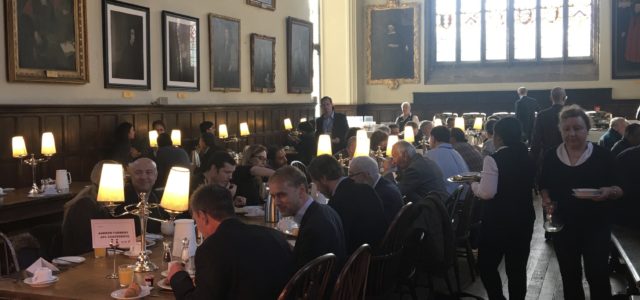
    International Conference on Ketamine for Psychiatric Disorders 2018

    Ketamine for Psychiatric Disorders breakfast.Can you say PHENOMENAL???

    Let’s hear it for Ketamine Treatment and Oxford!!

    I just returned from a history-making global conference focused on research and clinical evidence for ketamine for psychiatric disorders. Experts from nearly every continent spoke of their own data and evidence from this emerging field of the the science behind ketamine and the extraordinary help ketamine treatment provides. The entire room was held spellbound for three days, from the first word spoken until the final applause Friday afternoon. It was an unforgettable event in the most beautiful and historic venue at Wadham College, Oxford, UK.  

    A 400-Year-Old Chandelier in a 400-Year-Old Room

    In the 1650’s, a group of individuals including such celebrated thought leaders as Robert Hooke, Robert Boyle, Christopher Wren, and Thomas Willis began an “Experimental Philosophy” club where the fundamental premise required that orthodox thought was rejected and the world was viewed through the “broadened lens of experimental scrutiny.”

    Well, this club became the Royal Society when members of the family of King Charles II got Ketamine for Psychiatric Disorders International Conference 2018involved. When that happened, the revolutionary became the norm.

    It seems only fitting that this international conference on the revolutionary breakthroughs for treating psychiatric disorders should be held in this same building, and on these same grounds.

    Rupert McShane chaired this ground-breaking event. Hats off to him for beginning what we hope will become an annual international conference.

    Luminaries in the Ketamine Adventure

    Gerard Sanacora, a frontline researcher for ketamine treatment in psychiatry, spoke first. He previously served as the lead researcher of the American Psychiatric Association Counsel of Research Taskforce for Novel Biomarkers and Treatments which published a consensus statement about ketamine for this purpose in mid-2017.

    Dr. Sanacora kicked off the conference with an overview of the literature and key studies that have explored ketamine’s mechanism of action in treating psychiatric disorders. It was brilliant!

    We’ve been keeping you informed about some of those in recent times … but there was so much more that was discussed.

    Luminaries all around!  We were graced with Peter Somogyi and David Lodge whose seminal work on NMDA and axoaxonic cells paved the way. Many of the top ketamine researchers and clinicians in the world presented their findings: Colleen Loo, Jennifer Southgate, Nuri Farber, Steve Levine, David Feifel, Declan McLoughlin, Haggai Sharon, Alison McInnes, Samuel Wilkinson, Michael Grunebaum, Elias Dakwar, Rupert McShane, Raquel Bennett, Karen Lascelles, Jeffrey Becker, Ian Anderson, Gordon Fernie, James Stone, Meng Lei, and Dan Iosifescu. Jose Miyar covered regulatory issues. Jonn Donello and Suresh Durgam discussed new breakthrough findings for the mechanism of action of Rapastine, and Jaz Singh presented new data about the safety and efficacy of esketamine.

    And of course, the extraordinary international collaborative teams involved in all of this work … the freshness of perspective emerging across the field — from doe-eyed young researchers to seasoned principal investigators … the breadth and energy of molecular, cellular, neuroimaging, and clinical work represented in the posters.

    Breathtaking doesn’t do it justice.

    We talked about everything ketamine from mice to men … and from chandelier cells (just as gorgeous as the chandeliers King George IV gifted to Wadham College for the Holywell Music Room) to psychotherapy.

    How fitting that we heard about paradigm shifts in the very room where Handel and Haydn first played! Raquel Bennet, Founder of KRIYA Institute, explored the importance of the dissociative experience as transformative, and the many ways ketamine has been used in clinical practice.

    Biologically to induce neuronal plasticity (we talked about this before), as a sort of lubricant  to enhance psychotherapy, and to deliberately induce dissociation … which can be transformative for the patient.

    Jeffrey Becker offered us an elegant unifying hypothesis for ketamine in clinical practice, exploring the GABAergic interneurons and Jungian archetypes in treating people with depression. 

    The depth and breadth of this conference was amazing. The sheer richness of talents in the room, the knowledge and experience gathered into this one place from all over the world. Everyone talked about how much more we need to learn, and the questions that still need to be answered.

    Ketamine for Psychiatric Disorders – Global Conference! Stunning.

    These were basic scientists, principle investigators, neurimaging experts, clinical researchers, psychiatrists, anesthesiologists, Ketamine for Psychiatric Disorders International Conference illuminated ketamine's many therapies.psychologists … it’s astonishing to realize the scope of interest and exploration there is in perfecting this most remarkable treatment to help you get better.

    When you feel depressed, deeply and severely … or when your vigilance and terror from PTSD is tearing apart your family … or when bipolar disorder rips you apart … It can feel like you’re all alone and no one out there cares. You know you don’t know the solutions. So you feel like you’re relying on scientists to figure out the solutions … but … is anyone really trying to help you?

    This is why I tell you about this conference.  This sharing of data, preliminary findings, hypotheses, results… just to show you there are people all around the world who explore the solutions to your pain, and work on solutions for you … and others like you … as feverishly as they can. They care. And they’re dedicated to learning more and more. All to help you.

    As for me, I presented data from my clinical practice. It demonstrates that ketamine can be used to stop suicidal thoughts. And it happens often in a real-world outpatient clinical practice. What’s more, it provides an alternative to hospitalization.

    Someone recently mentioned to me that he predicts the excitement over ketamine will fade away.

    Of course, he’d probably read negative media accounts and had probably missed the science … and all the studies. But I have to say, I wish he and others who share that “doom and gloom” outlook could have been present to hear all the extraordinary work going on with ketamine and related compounds.

    It seems pretty clear to me: ketamine treatment is going to be with us a good while.

    Ketamine Can Make Antidepressants Work Better for Hospitalized Patients

    Declan McLoughlin spoke of his study in Dublin using ketamine to try to prolong remission after ECT. He also explained his work using ketamine as an additional treatment combined with antidepressants for hospitalized patients in Dublin.

    These are just examples. But they don’t even scratch the surface of all the topics covered these three days last week.

    There’s no question that ketamine treatment has a long way to go to reach “mainstream status.” Everyone in the upper echelons of research and practice seems to agree we need to know so much more. The more we learn the more questions arise that we need answers to. But we know so much more than we did even two years ago.

    This is the breakthrough we’ve wished for … depressed and anxious people, suicidal people, Ketamine for Psychiatric Disorders international Conference 2018people wracked with PTSD, or torn by bipolar disorder, trapped by OCD. This is what you’ve yearned for. So have I. Many say this is the greatest breakthrough in fifty years in psychiatry. But we can go further than that.

    This is the best, life-changing breakthrough for people who suffer with psychiatric mood disorders EVER.

    There is so much more to learn…so much! Ketamine is the new frontier in psychiatry and the treatment of psychiatric mood disorders and more.

    Ketamine for Psychiatric Disorders like Substance Use Disorders

    One more story I have to tell you about. Elias Dakwar (we’ve talked about his work) discussed his research with ketamine in treating substance use disorders. You might remember our post on crack cocaine use in February.

    We talked about how Dakwar and his team studied responses of crack cocaine users. Those who were currently using and had no intention of stopping.  When they had been given ketamine infusions the day before being offered either crack or money, they had the motivation to turn and choose money, and their craving was so diminished that they also had the power to turn down crack.

    That brings up something we’ve talked about here: that ketamine restores initiative and motivation.

    All in all, this conference gathering of great scientific minds, young researchers, and brilliant clinicians was a huge step forward for the needs of depressed and anxious people. A huge step forward for the use of ketamine in the treatment of psychiatric disorders.

    Research is ongoing to test ketamine’s use with psychotherapy, ECT, TMS, and traditional antidepressants. Plus, its effectiveness intravenously, intramuscularly, subcutaneously, orally, and intranasally.

    Now we’ve all gone back to our home offices, and our work will continue. And this time next year I hope we’ll see that ketamine’s advantages have taken another big step forward.

    Meanwhile, at Innovative Psychiatry, we’re still here providing IV ketamine treatment. And we see life-changing results with it for people with treatment-resistant depression, bipolar depressionsocial anxiety, bipolar disorderPTSD, OCD, and suicidal thoughts. 

    If you’re suffering from a mood or anxiety disorder, treatment hasn’t helped, I’m sure you’re far more concerned about your desire to feel better and function again, than about a conference. And that’s why we’re here and want to help. We try to offer you the best that the world has to offer. This time from the first International Conference for Ketamine and Related Compounds.

    Call us or schedule an appointment here to be evaluated.

    There is hope. You can feel truly better. 

    So don’t judge your next treatment by the ones you’ve had before. This time, chances are, you’ll see a difference. And you’ll remember how to live again.

    Lori Calabrese, MD offers innovative psychiatric treatment like IV Ketamine

    To your life and the emerging of your best self,

    Lori Calabrese, MD

  • Mental Health Issues in College Students — Prepare Early

    Mental Health Issues in College Students — Prepare Early

    mental health issues in college students.Does Your College Student Know Where to Find Mental Health Support?

    Jonathan stood at the curb, watching his parents drive till they were out of sight. He felt lost. Vulnerable. Tired. He didn’t know much about mental health issues in college students … or even first graders, for that matter.

    Jonathan had been depressed most of his life. His parents noticed the pain in his eyes from the time he was a preschooler, and tried to help in every way they could. He was their first child, and they didn’t recognize he needed professional help.

    His sadness and social anxiety held him back in countless situations.  He was very bright and did well in school, but socially he was isolated much of the time. He searched early, and visited colleges with his parents. But contributed very little to the decision.

    They chose a small private college, where student/faculty ratio was intimate and friendly. And when it was time to go, they packed him up and drove the 4 hours to the campus. He followed as they carried his belongings to his dorm room. Afterwards, they all went to dinner, then back to the dorm. Hugs all around with words of encouragement. And they left.

    Jonathan had no idea what he would do. As time moved on, he tried very hard to do well in his classes. But his energy for it eventually faded. And after a year he told his parents he wanted to leave school. He withdrew, packed up his belongings, and drove away.

    Treating Mental Health Issues in College Students – A BIG Problem

    A rising problem in the US education system is the minimal attention given to the mental health of students — especially college students.

    Since 80% of incoming freshmen are 18, some 17 or younger, and others 19 or older, most of Mental health issues in college students can be relieved by ketamine treatment.these students are still very much adolescent. Add to that the fact that 75% of psychiatric disorders are diagnosed before the age of 24, and you can see that the college years are predisposed to turmoil for many kids.

    And if you don’t really believe your student is susceptible to mental health issues, think about this: 45% of parents say their child has been diagnosed or treated for a psychiatric disorder. Add to that: those who need help but haven’t sought it. Those who are afraid … of stigma, cost, and the rumors they’ve heard about psychotropic medications. Or children of parents who are misinformed. 

    Do the math, and you’ll see that your daughter or son has more than a 50/50 chance of needing psychiatric treatment in the years ahead.

    Yikes.

    How Common are Psychiatric Symptoms in Teens?

    A survey was conducted with 712 parents of children in grades 9-12 and first year of college this past fall.  The question asked if their child had been diagnosed or treated for anxiety disorders, stress, mood disorders, learning disabilities, self injury or suicide attempts, and more.

    A full 20% reported anxiety disorders, 18% reported stress, 17% reported mood disorders, and Mental Health issues in college Students.17% reported learning disabilities. These are parents whose children have been diagnosed or treated. 

    Of the same group of parents, 54% said their children had not been diagnosed or treated for a psychiatric illness.

    Not because they hadn’t seen symptoms. But because they had not sought treatment. Some percentage of that 54% includes families with psychiatric suffering that they’re not recognizing or acknowledging.

    Some People Don’t Believe in Psychiatric Illness…Still

    There are still factions of society in this 21st century world who still don’t believe in the validity of psychiatric illness.

    So, if they’re faced with it in a child, they consider these disordered behaviors as a lack of discipline, or misbehavior, or rebellion. So they apply more discipline to the situation. Consequences maybe. But nothing that treats the very real symptoms in the brain.

    When teens from that kind of home environment enter the university environment, we see symptoms emerge that often require attention. The stress, the social pressure, and exhaustion from disordered sleep patterns sometimes lead to a crisis … sometimes even a need for hospitalization.

    And again, by the way, the years a student spends in college coincide with the years the largest number of people in the 15-24 age group are diagnosed with a psychiatric disorder. Is there any wonder why…?

    The Need for Diagnosis and Treatment in College is Steadily Rising

    The Center for Collegiate Mental Health reported in 2017 that the demand for mental health services on college campuses has increased continuously over the last seven years. Hands down, the most often repeated request is for counseling for anxiety and depression.

    Parents who were surveyed listed their top criteria in choosing a university with their child. Those criteria included things like affordability, distance from home, academic reputation … but mental health services weren’t included on that list.

    While it may not be all that unreasonable that parents don’t automatically explore availability of mental health services in the colleges they consider, you probably should place these services high on your list. It’s just smart.

    Get Your Student in Touch with Mental Health Services Near His Campus

    If your son or daughter is already seeing a counselor or psychiatrist, continuing treatment or finding mental health professionals they can trust on campus or nearby could make the difference in their academic success or failure. Cradling the idea that he or she can just “wing it” is not a recipe for satisfactory outcomes.

    On the other hand, if your child has shown no signs of psychiatric stress or disorder, just be awareMental Health Issues in College Students can be relieved by ketamine treatment., and stay informed.  The student with the highest performance in high school can still develop depression, anxiety, or bipolar disorder in college. That’s not to say your child will fail. Not by a long shot. 

    But in far too many cases, parents are caught by surprise when a child with excellent performance falls into severe depression … and just withdraws and shuts down.

    High Performance Students May Suffer Burnout

    Sarafina was voted Most Likely to Succeed in high school, along with Class President, Homecoming Queen, and president of the honor society. She was hard working and disciplined, and maintained a 4.0 GPA even with a part-time job.  When she started college, she got a work-study job on campus from the very beginning, and secured loans for her tuition.

    She worked tirelessly toward her goal of acceptance into medical school.

    But during her third year, something began to go wrong. Stressors that included unstable family members, a volatile political environment on campus, and the pressures of school and work finally capsized her ability to function. She had to withdraw from classes to seek psychiatric treatment for bipolar disorder, complicated by way too much drinking.

    She just couldn’t do it any longer.Mental health issues in college students can be relieved by ketamine treatment.

    This is not an uncommon scenario with high achieving students. In some cases, the years of strain to get ahead, the sacrifices… and the pressure, culminate in an overwhelmingly bad place.

    There Is Effective Treatment Available Now

    If your child struggles with psychiatric mood disorders like depression, anxiety, bipolar disorder, social anxiety, PTSD or OCD, there is treatment that can help – therapy, and medications like SRIs.

    And…even if they don’t, there is IV ketamine treatment.

    Ketamine Treatment..?

    Ketamine treatment for psychiatric mood disorders uses a tiny dose compared to the small amount used for anesthesia. We give these doses 3 times a week for a 2-3 weeks, depending on your individual needs.

    Ketamine turns on mRNA to switch on DNA that turbo boosts the Brain Derived Neurotrophic Factor (BDNF). BDNF is like a rich compost…that infuses dendrites and stokes neuronal (brain cell) connections, called synapses.

    These dendrites branch out in fast motion to create dense dendritic spines, causing the signaling system in your brain to bloom like tomatoes at the county fair. When that happens, the signals start flying around in your brain connecting your thoughts, emotions, and well-being and bringing healthy, alert stimulation and balance.

    At the same time, ketamine can erase suicidal thinking. Why is that important? Because there is no medication besides ketamine that has been shown to stop suicidal thinking in 4 hours or less. This is life-saving for someone in crisis, intent on suicide.

    Your son? Your daughter?   …You?   

    The second highest cause of death in college-age students?  Suicide. 

    This is serious, and can mean life or death for the child you love. The best protection for your child is prevention. And after that, treatment. Ketamine treatment can prevent suicide now.

    Innovative Psychiatry Treats Your High School or College Student

    And, if you do have a teen who exhibits signs or symptoms of anxiety, depression, social anxiety, panic disorder, bipolar disorder, PTSD, OCD, or thoughts of suicide, call us. The earlier they receive effective treatment, the higher their prospects of recovery.

    At Innovative Psychiatry, we see 80% of treatment-resistant psychiatric mood disorder cases Mental health issues in college students can be relieved by ketamine treatment.achieve remission with IV ketamine treatment. Eighty Percent!  

    There’s never been such an amazing medication for depression and anxiety before.

    Let us help you and your family restore, rejuvenate, and rebuild on solid, healthy ground.

    Lori Calabrese, MD offers innovative psychiatric treatment like IV KetamineTo the restoration of your best, happy self,

    Lori Calabrese, MD

  • 2018: Neuroscience Breakthroughs like IV Ketamine Treatment Mean Breakthroughs for YOU

    2018: Neuroscience Breakthroughs like IV Ketamine Treatment Mean Breakthroughs for YOU

    Neuroscience breakthroughs with IV ketamine treatment make the future look bright. Neuroscience breakthroughs like…IV ketamine treatment..?

    Exactly.

    2018 lies before us, like a valley that spreads to the horizon. And while it’s impossible to access the future, you can move forward knowing that each “today” you live has promise that was unheard of until recently.

    Especially if you suffer from untreated or treatment-resistant depression, anxiety, bipolar disorder, PTSD, or anxietysocial anxietyOCD or phobias.

    Neuroscience researchers have been discovering more and more about treating psychiatric mood disorders that has transformed our approach to treatment — and the outcomes, as well. 

    The 21st century breakthrough of IV ketamine treatment for depression is transforming psychiatric medicine. Studying the effects of this treatment has revealed that depression and other mood disorders wear away at the signaling structures in the brain, leaving synapses, dendrites and dendritic spines broken, weakened, and sparse.

    Neuroscience breakthroughs like IV ketamine treatment can bring breakthroughs to you … to your life.

    The clearing away of those broken down structures, and the rebuilding of new ones in a denser, more prolific, forestation turns out to be key to treating depression. The old theory that depression was caused by levels of serotonin or dopamine that were too low … well they’re ancient history now.

    Neuroscience Breakthroughs like IV Ketamine Treatment means Breakthroughs for You

    Actually, so far we know of four ways ketamine clears away depression and erases suicidal thinking so quickly. And we’re watching Neuroscience breakthroughs with IV ketamine treatment mean breakthroughs for you.with anticipation to see if research this year will reveal even more.

    So another intervention ketamine performs is related to the G proteins that are piled on lipid rafts in the cell membranes of the neuron cells in the brain.  Depressed people have these G proteins piled up on lipid rafts, where they can’t do their job to enhance signaling from synapse to synapse.

    For those who are helped by traditional antidepressants, it takes several hours for those G proteins to slide off the rafts and become productive.

    This is one reason it takes so long for traditional antidepressants to work for those they help. But when ketamine is given, they slide off the rafts within minutes. Remarkable. 

    Yet another healing action of ketamine is its effect on DNA. Turns out it also switches on mRNA which in turn flips the DNA switch to “ON” and that fire hoses BDNF across the synapse network.

    BDNF is a growth factor like the richest of composts, and it empowers the dendrites and dendritic spines to burst into blooming branches like a giant oak tree.  When the BDNF is fueled by ketamine, it turbo boosts that prolific branching of synapse structures, and your brain lights up like New York City. Unprecedented.

    A well-lit brain is a happy brain.

    Quoting from our earlier post entitled, “Breaking News: Another Way IV Ketamine Smashes Depression,”Neuroscience breakthroughs like IV ketamine treatment mean breakthroughs for you.

    As new synaptic connections are built, and greater communication between brain cells develops, the brain gains the ability to see things in a different perspective, and your outlook becomes brighter and healthier.

    IV ketamine can jump start that process. Wait. No. It can turbo-charge it.

    Extraordinary.

    And the fourth action IV ketamine treatment performs is increasing glutamate levels to equip synapses to send more and faster signals across the brain, which traditional antidepressants don’t touch. Brilliant.

    APA Task Force Issued a Consensus Statement in May 2017

    What a year it’s been!

    Four actions of ketamine we know about so far. The outcome is so extraordinary, so successful in such a large number of treatment-resistant cases, the American Psychiatry Association assigned a task force to issue a statement about the use of ketamine, this anesthesia medicine, off-label for treating depression.

    Their statement was one of the most momentous and widely read articles of the year. In fact, it’s listed as #3 on JAMA Psychiatry’s “Most Talked About Articles of 2017.” Suffice it to say that those who were on the task force are true experts in our field. They’d seen ketamine’s power to lift depression right out of the water.

    So they offered guidelines and cautions, and expressed theirNeuroscience breakthroughs like IV ketamine mean breakthroughs for you. elation when interviewed that such a thing has happened in their lifetime.

    They also specify that ketamine should be administered under a psychiatrist’s supervision.

    TheHealthSite.com featured a list of the 6 best medical achievements of 2017 that everyone should know about…. Ketamine for depression stood strong on that list.

    Of course, we know ketamine’s discovery didn’t happen this year.  Many years of studies and clinical trials laid the groundwork for ketamine’s popularity now.

    Thousands of patients have experienced the relief, the return of joy, initiative, creativity, and energy without side effects that ketamine provides.

    Never before has there been such a medicine that treats so many disorders in such a huge percentage of the population as ketamine.

    Ketamine has delivered HOPE.

    At Innovative Psychiatry, we see 80% of patients who’ve suffered for years with treatment-resistant depression, crippling panic attacks, suicidal thoughts that won’t stop, severe bipolar disorder, PTSD, social anxiety, and OCD experience relief, restoration, and relaxation after treatment.

    Another neuroscience breakthrough that means breakthroughs for you is Transcranial Magnetic Stimulation or TMS. It uses a coil to create a focused magnetic field over the front left side of your head. Specifically the left dorsolateral prefrontal cortex region.

    Then it sends tiny repetitive pulses deep into the brain to the emotion-regulation region. This stimulates the nerve cells and wakes them up. When they wake up, they begin to function again and give you better emotional regulation and function.

    With TMS treatment, you sit quietly for anywhere from 16 to 37 minutes, five days a week for 6-8 weeks. About halfway through the series of treatments, depression begins to lift, and you begin to feel better and better. Again, faster than Neuroscience breakthroughs like IV ketamine treatment mean breakthroughs for you.traditional antidepressants, and without any of the weight gain, sexual dysfunction, fatigue, or GI side effects they can cause.

    The sophisticated technology of TMS continues to develop. Even 5 years ago TMS seemed experimental and wasn’t widely available. But, like ketamine,TMS built a strong reputation for effectiveness. 

    In general terms, clinicians and hospitals report 60-75% success with TMS around the US. We see 75% of our patients consistently respond — and often remit — at Innovative Psychiatry. 

    Again, HOPE.

    Curcumin has gained an ever stronger reputation for its use as an adjunct in treating depression. Plus the connection between the brain, mood, and the strengthening of the microbiome is growing and gives us more and more opportunities to work with your diet and lifestyle to improve your mood.

    No known treatment lifts depression, anxiety, bipolar disorder, PTSD, or OCD in 100% of cases at this point. But these innovative treatment options prove successful for 75 – 80% of people who suffer in spite of traditional treatments. Obviously, hope soars for you if suffer with depression.

    If you suffer from suicidal thoughtsdepression, bipolar disorder, PTSD, social anxiety, OCD, you can feel better. The age of despair for sufferers is quickly dissipating. This has never been the case before. You really can feel better….lots better….as in really good.

    If you’d like to start 2018 on a brighter, fuller, more functional, and happy path, call us. We live one day at a time, because “now” is all we really have. But live well. Live as the best you you can be.

    Lori Calabrese, MD offers innovative psychiatric treatment like IV KetamineTo your very best self in 2018,

    Lori Calabrese, MD

error: Content is protected !!