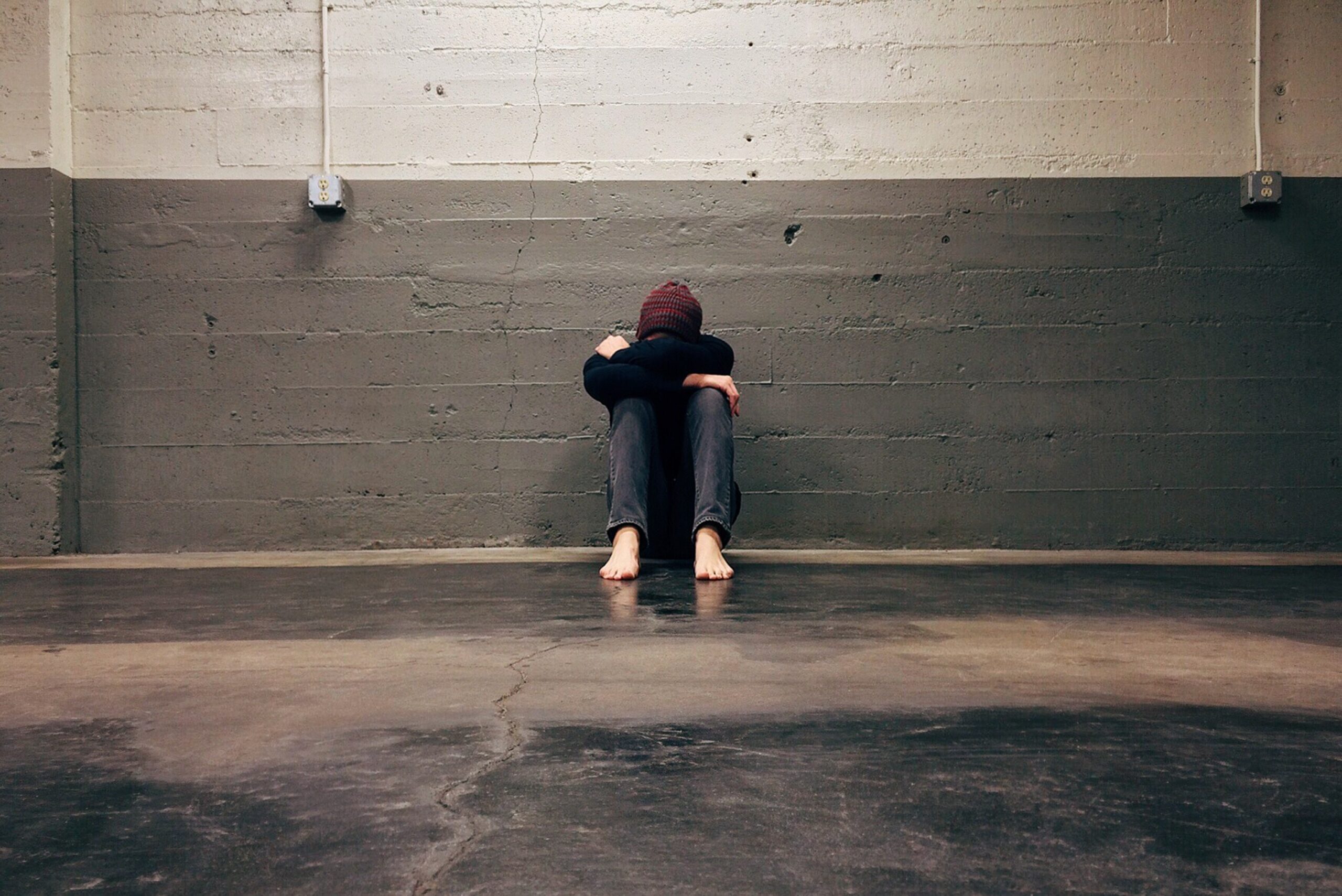
Category: Kids, Teens, and College Students

Articles about Kids, Teens, and College Students from Lori Calabrese, MD | The Ketamine Blog

We offer these articles about kids, teens, and college students to provide real information. We hope this improves understanding about psychiatric disorders in people under the age of 22.

First, it’s true that Lori Calabrese, M.D., is not a pediatric psychiatrist. However, she treats teens from age 14 to adult with IV ketamine infusions when they’re candidates for this innovative treatment.

Ketamine Treatment for Psychiatric Disorders

Parke-Davis developed ketamine and the FDA approved it for anesthesia in 1970, Ketamine demonstrates its safety  every day in countries around  the world. Of course, that reputation for safety goes with its use in small doses for babies, children, adolescents, and adults.

When we treat a patient with ketamine infusions for depression and other psychiatric disorders, the dose we use is even smaller than the doses used for anesthesia.

Suicide in Children

You may not be aware that some children, not just teenagers, reach a point of desperation and sometimes think about death, dying, and suicide.  Just as there is a difference in the methods male suicide victims use as opposed to women, there is a difference in the methods children use in contrast with teens or adults.

Whether a child or teenager makes an impulsive decision on the spur of the moment or methodically plots, plans, and executes the plan depends partially on personality, maturity, and frame of mind.

But, this one thing is indisputable. If suicide is successful, opportunities for treatment, relief, and hope, are gone.

Ketamine Can Rapidly Erase Suicidal Thoughts

This may be the most important reason for my use of ketamine in treating my patients. To circumvent suicidal thoughts, we can turn to IV ketamine treatment, and the suicidal thoughts usually dissipate within an afternoon.

And, this is life-saving.

Until ketamine emerged, we could only prescribe a daily medication and wait for weeks or months for it to do its job. This delay was life-threatening for those who were suicidal. Ketamine is saving lives now.

These articles about kids teens and adults can hopefully provide you with information and fight stigma, as well.   

See you inside…

  • Anxiety, Panic, and Depression in Teens:  IV Ketamine Offers Hope

    Anxiety, Panic, and Depression in Teens: IV Ketamine Offers Hope

    Anxiety, panic disorder, and depression can be relieved with IV ketamine.

    Anxiety. Some people never struggle with it. A little bit of anxiety for them can be a motivator to study for a test, practice lines for a play, or learn math. Those who experience small spurts of anxiety can often perform very well. But when anxiety grows out of bounds it’s no longer motivating. When it explodes into fear, it can freeze you in place, making it extremely difficult to take care of things you need to do. That’s especially difficult for teens in school — including getting ready for college. And when issues crop up like anxiety, panic, and depression in teens, it can be just too much to manage.

    Emma’s Anxiety

    Take Emma. As a young child in her elementary school, she loved learning to read, working on group projects, and helping with the scenery for the class play. She wasn’t shy… but wasn’t outgoing either. She was just task oriented, good at things, and liked to excel.

    But as she got older, social anxiety crept in. Going into a full classroom if she was late made her feel like she would die a thousand deaths. (So she tried very hard to not be late.) The anxiety that built inside her about giving a report in front of the class or participating in group discussions or projects robbed her of the motivation to do a good job. She worried and worried about it and then, exhausted, just wanted to disappear.

    Some days she was so exhausted by it all that she just stayed home. Told her mom she had a sore throat or upset stomach.

    Anxiety, panic disorder, and depression can make it difficult for a teen to function in school.

    Then, when Emma was 15, she woke up one day and the anxiety about going to school overwhelmed her. She dropped to the floor crying and couldn’t move. Her mother came in to tell her to get dressed or she’d be late. But Emma couldn’t do anything. She felt frozen and helpless. She cried and cried harder, and told her mother she couldn’t do more than she was doing. Her mom was caught by surprise… but thought Emma was testing her boundaries. She was sick of the drama, tired of the hormones, and wanted Emma to just get up and go to school.

    But no matter what her mother said, Emma remained in a heap on the floor.

    Anyone who has had a weeping teen knows that you can lead a horse to water but you can’t make them drink. Her mom knew she could try to get her daughter dressed out the door, but she couldn’t force her to participate in school. She decided she better try a different approach.

    She asked her daughter what was wrong. Why was she crying? Emma took a long time to answer but finally said she didn’t know what was wrong. So she stayed home again and spent the day relaxing. Anxiety, panic disorder, and depression created a complex knot of overwhelm for this teenage girl.

    She took a mental health day.

    She took a lot of them.

    Eventually, Emma graduated from high school. She was so relieved to be away from that world that she was euphoric… and hoped she’d be ok now.

    Emma spent the summer doing things she enjoyed with her closest friend. She didn’t have a ton of friends since social anxiety caused her to stay to herself or with the friend she knew well. In August, it was time to move into the dorm at the college where she was scheduled to start. The last week she was home anxiety choked her. She wasn’t sure she could do this… so many people she didn’t know! How would she register? How could she move into a dorm with a stranger? Who would she eat with? 

    The fears spun in her mind faster and faster. She felt like she was frozen in a vault unable to communicate with anyone. Her parents tried to help her get ready and pack, though she couldn’t focus on it. They drove her to the campus and helped her carry her boxes to her dorm room.

    Then they drove away and she was alone.

    Anxiety interferes with life changes

    She froze where she stood. She was the first one in the room. And it was small. The terror of being in her room and facing her roommate was too much. She didn’t move. Emma worried that her roommate wouldn’t like her, and she’d have nowhere to escape to get away from her. She finally walked to the library to find a place she could be alone. It wasn’t long before she found a cool, dark corner where she could huddle. 

    Social anxiety, panic disorder, and depression can be relieved by IV ketamine treatment.

    After a couple hours there, Emma forced herself to go back to her dorm, and after standing outside the door for 20 minutes trying to get the courage to go in, she finally held up her card key, buzzed herself in, and walked in. She and her roommate introduced themselves but neither wanted to talk much.

    And so it began.

    Emma managed to go class, spent her weekends studying in her room or the library, and got through the semester. But once the next semester started, she was in trouble. Anxiety rose more and more until she couldn’t leave her dorm room.  She didn’t make it to many classes. 

    She stayed in her dark dorm room and slept instead of going to class. Emma slept all the time. Kids down the hall and acquaintances from her classes stopped by but she didn’t answer the door. She couldn’t face going outside and walking to class.  Couldn’t face other students. She’d gotten so far behind she felt too overwhelmed to fix it. And she was placed on academic probation. Now she had to tell her parents what was going on.

    Emma felt so much shame. Abject failure. But no idea what to do to turn this around. She felt like there was something wrong with her. She believed she was just weak. Inept. Worthless.

    Social anxiety, panic, and depression were a complex set of problems, on the heels of COVID, that proved too difficult to overcome.

    Reaching out for help

    She decided—finally—to talk to one of the campus counselors. Even though she had no idea what they could do, Emma knew she needed some sort of help.

    The counselor asked lots of in-depth questions about Emma and her history, her school life, and her family life. She got Emma to talk about what her thoughts were when she avoided class. Counseling on campus is short-term. So she gave Emma the name of a psychiatrist nearby who might be able to help.

    Emma called her parents and told them what she was going through, about her grades, and about the counselor. She cried — a lot. She asked her parents if they would help her see the psychiatrist. They agreed. 

    Her visit with the psychiatrist was enlightening. He told her that she had social anxiety, and depression—and probably panic disorder. He prescribed meds that day and she started taking them. But she felt tired, wasn’t sleeping well, and after a couple months she was still getting no relief. She felt no different. He tweaked her meds—a couple of times—and suggested a different therapist to see one-on-one for CBT (cognitive behavioral therapy) for anxiety… but she didn’t want to do that. Her social anxiety was too intense for her to tell her story. All over again.

    And then he told her that 30-40% of people with anxiety and/or depression aren’t helped by traditional medicines and treatments.

    She wished she’d known that before wasting so many months. 

    And he gave her the name of a psychiatrist who offered IV ketamine treatment.

    Really? How would she know if she was even legit?

    Emma called and made an appointment.

    But she felt no different after the first infusion. And started to worry—maybe this wasn’t going to work?—even though she knew that it could take a few infusions before her symptoms turned around. The dissociation was interestingweird but interesting. She hoped it would help.

    That panicky feeling calmed a little after the second infusion later that week. Just a bit. But every little bit helped.

    A few days later, she went for the third infusion.  She felt just a bit better the next day. Not a lot. But a little.

    Social anxiety, panic disorder, and depression can go into remission with IV ketamine treatment.

    Then, on the day of the 4th infusion, she began to feel less and less anxious, less out of control of her life, less afraid. She could tell it was helping. With the 5th and 6th infusions, she felt better and better… but was still a little shaky as she tried to make arrangement for a new semester. The doctor suggested she come in for another one or two infusions. She was almost there.

    After 8 infusions, she wasn’t afraid anymore. The depression was gone. Emma had the courage to face the school officials and made a plan with the campus counselor about repairing the damage to her GPA… She embraced her responsibilities and met with tutors. She started spending time with her roommate (who turned out to be a really nice girl) and they actually became good friends. Emma was so much better that she felt normal.

    Anxiety and panic disorder can go together. We call that co-morbidity. (What a word, right?) In Emma’s case, her depression was another whole thing she suffered from. With so much going on, she couldn’t figure out how to function or manage her life.

    This is actually pretty common in teens and college students. New stressors—like starting high school or college—can trigger even more severe anxiety. It can bring on depression. And make your teen—or youshut down.

    It’s important for parents to talk with their preteens and teens about mental health symptoms, and seek help when symptoms interfere with daily living. Symptoms like anxiety can be easy to misinterpret or overlook, so it’s really valuable to talk about how they feel. If they learn to talk about their experiences as they go through challenges, it will be easier to identify problems that need to be addressed…and treated.

    It will be easier to develop resilience.

    And if unexpected symptoms emerge, you’ll be in a better place to help.

    If Emma’s experiences sound at all familiar — and if treatment isn’t making a dramatic difference — call us.

    We’re here to help you with innovative solutions—and to help you reach for remission.

    Let’s see if we can get your life back.

    Lori Calabrese, M.D. is on the front end of the race to stop PTSD in its tracks using IV ketamine treatment.

    To the restoration of your best self,

  • Ketamine for Bipolar Depression in Teens

    Ketamine for Bipolar Depression in Teens

    Jarrett woke up with the weight of the world on his chest. He was so weighted down, so hopeless, and felt like he’d explode.  He went to the kitchen, poured a glass of milk, drank it, and slammed the glass down on the counter. Then stomped outside, gripping his fists at this side. Jarrett didn’t realize he had bipolar depression in teens.

    He was fed up with feeling this way. So irritable, sometimes explosive, impatient, and full of shame. He felt like a monster when he was like this. With such a short fuse, he snapped at his family, then stormed out of the kitchen.

    Later, at school, he felt saturated with self-loathing and despair. Agitation stirred in him as he went to class and tried to focus. Just sitting in his seat seemed impossible, so he’d ask to go to the restroom just to be able to move around. And he dreaded going back to class. So he messed around, procrastinated going back. Finally, he returned to the classroom and folded his arms, stared at his lap, and just sat there until class was over.

    This misery wasn’t new to Jarrett. He had been struggling with bipolar depression in teens for two or three years… just irritability at first, but then one day his parents had said something to him about inappropriate behavior and it cut him to the quick. 

    Suddenly, he felt himself getting angrier and angrier, and spewing words with an intensity he never had before. His mind was swirling with panic and offense, and he felt utterly betrayed. 

    The shocked look on their faces revealed they didn’t understand his reaction. He felt justified in his rage, more than he ever had before. The pain he felt from their accusation was the deepest he had ever felt. They could see he was genuinely hurt, but couldn’t understand why he felt so strongly.

    And that was the beginning.

    After that, other situations and disagreements led to similar reactions. His forceful words were peppered with profanity and vulgarity. Sometimes the culmination of this upheaval gave way to Jarrett storming out the door, ignoring their calls for him to come back.

    Sometimes he was gone an hour, sometimes two or three. But he usually eventually returned in a calmer frame of mind, sometimes sorry for his outburst.

    As he got older, the outbursts grew louder and went on longer. Then he began to form friendships with more troubled kids his age. His parents grew increasingly more worried and tried to influence how he spent his time. But it became more and more difficult to supervise him. 

    They were afraid for him, and made an appointment with a psychiatrist to try to get him help.  The doctor diagnosed Jarrett with bipolar I disorder. Jarrett grew darker, and more depressed… and hopeless. They could hardly get him out of bed. He missed school because he just wasn’t functioning. Bipolar depression in teens can be so debilitating that school attendance can become almost impossible.

    He seemed to sleep around the clock. Getting him to wake up and go to a doctor’s appointment was difficult…sometimes next to impossible. When they finally did, the doctor prescribed some medicines, some of which had intense side effects. Jarrett’s tolerance for the added difficulties caused by the medicines wore thin.

    The medicines weren’t making much of an improvement in how he felt, and the side effects were complicating his misery.

    He didn’t want to live like this any more. He wanted to die.

    Teens with bipolar depression can recover with IV ketamine treatment.

    Finally, Jarrett read online about IV ketamine treatment for bipolar depression.  He read about people who had been greatly helped by it. Even though it wasn’t a solution for all his symptoms, it might help resolve the depression symptoms that wound their way through everything.

    When he told his parents about IV ketamine treatment, they searched online for more information, and for a psychiatry practice that offered it.  They called the doctor who diagnosed Jarrett’s bipolar disorder to see if he would provide it, but he told them he didn’t offer it. Then they found a psychiatrist who offered IV ketamine treatment and made an appointment.

    After a thorough evaluation, he began his first infusion treatment.

    That afternoon after the infusion, he didn’t feel quite as deeply depressed, but he wondered if it was just that he was hopeful that this treatment would help. Sort of a placebo maybe?

    The infusion was a new experience.  He felt like he was floating and had sensations and images in his mind. It felt like he was moving through time and space. Overall, it was pleasant, and a bit curious.

    A few days later, he went for his second infusion. That evening, he definitely felt a mild improvement. It wasn’t his imagination this time. He could tell something was changing. The difference was mild, but a great relief. Jarrett wondered if this was the full result of the treatment.

    But, the following week he went for his third infusion and felt even better afterward. His hope was growing.

    Teens with bipolar depression can be helped with IV ketamine.

    The 4th, 5th, and 6th infusions led to his feeling better and better and better. And in the weeks that followed his outlook continued to improve. He still needed treatment for his manias, but they didn’t come that often, and the freedom from depression made it so much easier for him to manage his school work. 

    Jarrett had hope for the first time in years.

    He began to focus on his schoolwork to make up the time he had lost.  For the first time since third grade he felt like he might have a future after all.

    Bipolar disorder is the 4th leading cause of disability in young people ages 10-24. Often diagnosed in adolescence, it can wreak havoc during your teen’s formative years. Symptoms like emotion dysregulation, impulsivity, and irritability can show up during earlier childhood before mania appears. Bipolar depression in teens is a severe form of depression that can interrupt your child’s childhood and adolescence, interfering with their normal growth and development, distorting their perceptions of themselves, and crushing their ability to succeed.

    IV ketamine treatment can be transformative for your teen. The chaotic symptoms of bipolar disorder can scramble your child and make it difficult for him to focus on goals. When symptoms of depression disappear, the illness can become much more manageable. Your teen can feel more in control of his life.

    Kids don’t understand when these symptoms emerge in them. They often feel angry and justified in their anger, incensed that they would be challenged. (Sounds like adolescence, doesn’t it? The difference is the intensity of the anger, how misunderstood they feel, and a cluster of other symptoms at the same time.) That son or daughter you were able to reason with in the past may no longer negotiate or cooperate.

    If he or she seems irrational, panicked, and possibly violent, get help. This may not be a war of wills, but a mood disorder.

    We can help.

    Lori Calabrese, M.D. is on the front end of the race to stop PTSD in its tracks using IV ketamine treatment.

    To the restoration of your best self,

  • Ketamine for Teenage Depression: How To Set Your Teen on Solid Ground

    Ketamine for Teenage Depression: How To Set Your Teen on Solid Ground

    Set your teen on solid ground with IV ketamine treatment.

    Brittney dressed for school and left for the bus. She waited 20 minutes then slipped back into the house and slid under the bed. And she waited. She couldn’t face school…. all the kids who she felt judged her. The sleepiness that made it impossible to pay attention in class. The expectations from teachers she couldn’t meet. What can set a teen on solid ground? Brittney didn’t know about ketamine for teenage depression, so she had no hope that anything would change.

    She wasn’t intending to do anything dishonest, she was just trying to survive. School was a problem she didn’t know how to solve. She had no energy or drive for homework, for the tension of being around people all day she had no rapport with. Every day, every day, every day…it never stopped. 

    She felt she would be trapped in this misery forever. So she found a safe place to avoid it.

    Under her bed there was no pressure. No tension from unfulfilled expectations. No students asking her intrusive questions. 

    “Are you on something? You always sleep in class… What do you do at night?”

    “No.”

    “Why do you always sleep?”

    “I don’t know.”

    She just couldn’t stay awake. And she didn’t want to, anyway. 

    When it was time to be arriving home from school, she slipped out of the house… And when the bus stopped she walked into her home by the front door, went upstairs and watched TV. Teen depression can drive them to do desperate things.

    Her mom came in. “Hi Brittney, how was your day?” “Fine.” 

    “Do you have homework?”

    “I finished it at school.”

    “Well, that’s good.”

    Her mother never suspected she was not going to school until the teacher’s conference. And it came out that she … a former “A” student… was failing from missed homework, absence from class, and missed tests.

    Talking with your child often can help set your teen on higher ground.

    After a long talk, and lots of tears, Brittney’s mom realized her daughter needed help. And that was the beginning of a long, painful road. Brittney wasn’t thumbing her nose at the system, she was trying to survive. Her mom racked her mind to find solutions, but didn’t know about ketamine for teenage depression.

    For years, we’ve been fighting a crisis of adolescent depression, bipolar depression, anhedonia, PTSD, social anxiety, substance and alcohol misuse, addiction, and suicide. As teens like Brittney drop out of adolescent society to withdraw into a seemingly safe, though dark place, they need someone to reach out and help.

    Someone who recognizes their misery and is willing to help them discover how to find freedom and joy. Because these symptoms aren’t a natural part of adolescence. Misery isn’t a required rite of passage … so if your teen is exhibiting a sullen withdrawal, they may very well need treatment rather than punishment.

    Because here’s the thing.

    Adolescence is a challenging time with hormone fluctuations, changes in self image, reduced energy associated with fast growth and less sleep, and the problems that arise from being suspended between childhood and adulthood.

    It’s no walk in the park to be a teenager, or the parent of one.

    But it’s not an illness. When you see symptoms of illness, that’s the time to seek help.

    And when it comes to illness… i.e., a psychiatric disorder…finding people who can help and a treatment that works can be easier said than done.

    Some teens want to see a therapist and some refuse. Some respond to oral medication and some don’t. If your teen can take a pill and feel better, function better, and get better, wonderful. But if he or she doesn’t respond, something else needs to be done. These are formative years when your teen is forming ideas about who he is and what he wants his future to hold.

    To let time go by without helping them feel their best is blocking that development. But it’s possible to help set your teen on solid ground.

    And for that, stop and consider IV ketamine treatment.

    Set your teen on higher ground with IV ketamine treatment for depression.

    Effective with a broad percentage of people, and responsible for helping so many more achieve remission, IV ketamine is a novel and advanced treatment that can be used for teens be used who suffer with psychiatric disorders like the ones we’ve talked about.

    There has never been a medication that helps everyone, but no medication we use has ever helped so many as quickly as IV ketamine has. It doesn’t help everyone — but in our practice, it does help most of those who need it. And when it helps, it can transform.

    If your teen struggles with anxiety about school, or social anxiety, or depression that hasn’t gotten better, or PTSD, IV ketamine treatment may be just the thing to relieve those symptoms and give him or her the chance to start the year on solid ground in high school or college

    It’s normal to be a little nervous about a new experience, but if your teen is depressed rather than excited about going to school, meeting new people, living in a dorm, and tackling harder classes, he or she may need the boost that IV ketamine for teenage depression can give.

    Receive your ketamine treatment in a comfy recliner to erase memory triggers of alcohol use.

    If you start now, you have time to benefit from a series of infusions before school starts.

    Back-to-school treatment to restore resilience and hope is far more important than back-to-school clothes shopping. Take advantage of 21st century neuroscience so that your teen (or you, if you’re a teen) can reap the benefits of IV ketamine treatment.

    Let us help you prepare your child for the challenges ahead. Call us now.

    Set your teen on solid ground and equip her to meet the demands.

    Sometimes it takes a village.

    Lori Calabrese, M.D. is on the front end of the race to stop PTSD in its tracks using IV ketamine treatment.

    To the restoration of your best self,

  • Your Family Can Help You or Hinder You in Being Your Best Self

    Your Family Can Help You or Hinder You in Being Your Best Self

    When we think about family, what does your mind conjure?  A mother, a father, and a few children?  Or maybe a mother and children. Or a father and his brood. How you achieve being your best self is largely influenced by your family.

    Maybe your experience with family is having two moms, or two dads. You might have a foster family with a mom and several children of various races with different backgrounds.

    Or you just might have developed a family of your own by gathering people in need you’ve met, who need the support of family. Maybe you needed the presence of others who needed you, and found you needed them too.

    Family can come in lots of shapes and sizes.  A mother and a grandmother leading the brood, or a father and grandfather, like we see on the TV show, Blue Bloods. Fact is, it’s not about whether family members are related or not, it’s about people who feel a connection to each other, who may live together or not, but feel some sort of bond and mutual support that keeps them tied together. That bond can play an important part in your being your best self.

    For those who have good family relationships, thoughts of family likely bring a sense of togetherness, laughter, and warmth.  These are the people you can talk to about your problems and disappointments, and trust you’ll be heard without judgment.

    They’re also the ones who will share your joys and triumphs.

    Fundamentally, family has your back. Or at least it’s supposed to.

    But, if you can’t relate to the warmth, laughter, and togetherness, you may have a family who doesn’t know how to function with support and lack of judgment. And if that’s the case, you may be suffering from wounds and scars from your family. And those can be hard to overcome and heal.

    Family members in families like this are often scarred from being hurt by damaged people. It’s easy to see that in cases like this, your family might not be a strong influence in being your best self.

    Family members who were treated harshly, or even abused, and who in turn, repeat those same behaviors with their loved ones. Because of their own scars, they may not be fully aware that their behavior toward people they love could be causing deep seated damage.

    But for right now we’re focusing on you.

    Mistreatment during your formative years can result in excessive anxiety, depression, PTSD, and suicidal thoughts, as well as substance use disorders.

    What about you? Is your family life full of joy, laughter, sharing, loving, and support..?   Or is it a place you feel alienated and alone, defensive and afraid..? Or if you’re grown now, what are your memories like?  Positive or hurtful?  Maybe you feel anger and don’t know why.  

    It’s possible it started when you were too young to remember, or that you do remember the pain and you can’t figure out how to get over it.

    Here’s the thing. It can be a lot of work to get the therapy you need to come to peace with your past traumas, but ketamine treatment can help resolve the symptoms and the fall-out. It can help you feel better, and by feeling better you can understand your feelings and even change them. If your family has hindered you in being your best self, ketamine can help.

    How? Well, ketamine has the unique and mighty power of neuroplasticity. It helps the neurons in your brain to change, which helps you to change the way you see things. It’s effective in treating PTSD, treatment resistant depression and bipolar depression, and social anxiety, substance and alcohol use disorders, and suicidal thinking.

    At Innovative Psychiatry we help people every week — who suffer from disorders like these — achieve remission with ketamine treatment. Your relationships with your family can be wonderful, or they can be extremely difficult. Sometimes, they’re a combination of both. But if you’ve been wounded, and scarred, ketamine treatment is something you can do to help you heal.

    When you come for ketamine treatment, you'll have a comfortable, quiet room to get the most from your treatment.

    And when you come for treatment, we’ll take you to a private treatment room with a soothing atmosphere, so you can relax. We also have installed plasma cell technology to destroy all the bacteria, viruses, and mold in the room. You can rest assured that you’re safe from infection and can focus on your treatment…and getting better.

    When you’ve lived with these painful symptoms for so long, you can’t imagine you can be free of them, it’s hard to imagine how some infusions can resolve your misery, but they often can.

    We’ve been doing this for years, and we know that ketamine treatment isn’t for everyone. For some people It doesn’t work. For others, it doesn’t seem to work initially, then weeks later, remission sneaks up and takes over. In still other cases, symptoms dissipate after the first or second infusion. Ketamine response is different in different people, just as everyone is different, and everyone’s brain is unique.

    But the bottom line is that you are likely to transformed by ketamine treatment.

    If you suffer from symptoms that interfere with your life, call us.

    We want you to get better. That’s what we’re about.

    Lori Calabrese, M.D. is on the front end of the race to stop PTSD in its tracks using IV ketamine treatment.

    To the restoration of your best self,

  • How Neglect in Early Childhood Changes Girls’ Brains for Surviving

    How Neglect in Early Childhood Changes Girls’ Brains for Surviving

    We talked last week about how childhood abuse alters girls’ brain development, slowing down the maturing of emotional circuits in key areas. But what about neglect?  Does the neglect of a little girl do the same thing?

    The light grew darker as the sun had set and Bryanna shivered. She didn’t like the dark. She scooted her stool to the light switch and turned on the light to chase the monsters away, then did the same in the hall, kitchen, and family room. Bryanna knew her parents had to work so they’d have food, but she so wished she had her family at home. This was the third night in a row that no one was home when she had to turn on lights. (Neglect in early childhood puts a little girl at risk.)

    Her tummy growled and she realized she was hungry, so she opened the fridge and found some lunchmeat and mustard. Then she found bread in the pantry and put it on the table. She reached up and opened the silverware drawer and felt around above her eye level. She felt the long table knives and wrapped her fingers around one and pulled.

    Back at the table, she worked and worked to open the mustard, and finally snapped it open. Then squeezed the plastic bottle upside down until some clear juice and some mustard came out on her bread. She frowned at the clear stuff. That’s not mustard, she murmured to herself. 

    But she just stirred her knife in the clear stuff, then spread it all on her bread. Next, she freed a piece of lunchmeat from the package and carefully put it on the bread and covered it with more bread.

    Taking a bite out of her sandwich, she walked with it to the family room and turned on the TV. A big blob of mustard plopped from her sandwich onto the carpet. Bryanna frowned and scrubbed it with a napkin.

    Switching channels to her favorite Disney show, she settled on the sofa to eat.

    Bryanna felt her aloneness, and wished someone would come over or even call. She knew Grandma wouldn’t because she lived 8 hours away. She didn’t want Uncle Jason to come because he wasn’t very nice. So, she picked up her teddy bear and hugged him tight so she’d feel better.

    Finally, as the night grew later, she leaned over on a sofa pillow in front of the TV and went to sleep.

    When she woke up, the house was filled with morning light.

    So, dragging her bear by the arm, Bryanna went to the kitchen to find her cereal. But first, she looked in the driveway.

    Empty.

    No one came home. Siggghhhhhh.

    Does Bryanna know she’s neglected? Probably not. At least, not yet. Once she’s in school and hears about the kids whose moms are home waiting for them, she’ll begin to make the comparison. And eventually, it’s likely she’ll become increasingly unhappy about it.

    At this point, however, she just knows she’s tired of being lonely, and wishes they would return, because neglect in early childhood is hard for little persons who ache to be nurtured.

    Bryanna decided to get a pen off the table, and she put a mark at the top of an old newspaper. That was for yesterday. Then she put a mark next to it. That’s for today, she whispered.

    How many days would they be gone before they came home..?

    Bryanna is 4. Her ability to care for her own needs seems mature, considering her age. But Bryanna has been left alone many times in her life. She gets lonesome, sometimes scared, but she solves problems, feeds herself with what she can find, and entertains herself very well for a 4 year-old.

    She loves her teddy bear like any 4 year-old. And using her stool, she can turn the lights on when the dark becomes frightening. She knows how to make her own sandwich, eat cereal, entertain herself to help the time pass, and keep track of how long her parents are gone this time.

    Like any young child, she might wish to be surrounded by family, and conversation, and laughter. But that is not her life. Waiting is her life. And when you think of a four year old that you know, you probably don’t see such self sufficiency.

    What’s the difference?

    We spoke last week about a paper published in the American Journal of Psychiatry where a group of 234 girls aged 8-18 were given MRIs, then scanned again 5 years later.

    They studied the impact abuse in early childhood had on girls. They found that while abuse alters their brains specifically in the emotion processing areas, causing delayed maturing of emotion processing in very specific brain areas, neglect actually accelerates brain development of the entire brain.

    Think about that. 

    If a child has no one to care for her, her brain hurries and advances quickly so she can take care of herself. So she can survive. There are actual changes in the cells of her brain that race to mature ahead of when they should.

    Maybe that improves her ability to survive.

    You can see an example of that in Bryanna, above. It’s just a fact that neglect in early childhood poses too great a burden on a young child and results in markedly increased risks of depression, anxiety, and other disorders.

    (This scenario doesn’t only happen in third world children, or somewhere else far away — it happens right here in the US, in all kinds of families, including homes with parents who have jobs and could choose to parent differently.)

    As a result, you see that little girl’s BrainAGE accelerated beyond her chronological age.

    Parents may think if they leave their 4 year old with cereal and peanut butter and the TV on, she’ll be fine for awhile. They may even think they can leave a four year old to care for her younger siblings. But to survive, and to help her siblings survive, her brain ends up advancing in maturing… so she can manage the responsibility. 

    We now have MRI proof of that.

    This is abuse by neglect. It doesn’t mean you have a really smart child…though you do. It means you’re abusing your children and putting all of them at risk.

    (That tidbit was tossed out free to any parent who makes this mistake.)

    Neglect is no joke. No parent should pat themselves on the back, proud of how their little girl is “so grown up.”
    The more severe the neglect, the more advanced and matured the whole brain of the child becomes. A little girl living on the streets, without parents, is likely to advance in whole brain maturity even more dramatically, in order to dodge authorities and keep her siblings together, find daily shelter for them, and food.

    This is in contrast to the abuse we talked about last week, where yelling, berating, and hitting abuse led to delayed development in the emotion-processing circuits in the brains of those girls who experienced that kind of abuse.

    So, to recap: little girls who are neglected experience advanced maturing across their whole brain, but those who are physically, sexually and emotionally abused experience changes in specific circuits that process emotion, and those changes specifically delay their emotional development.

    Both are bad.

    Neglect in early childhood causes whole-brain advanced maturing.

    So how does this affect the little girl? These MRI findings are exciting — but preliminary. They add to the body of research that shows that childhood abuse and/or neglect are associated with increased risks of developing depression, anxiety, PTSD, and substance misuse (alcohol, cannabis….the gamut) throughout her life.

    Depression and anxiety that seems to come out of nowhere? It may well be the direct fall-out of the stress of the neglect or abuse in childhood. That type of stress causes hypervigilance … and it can prune dendritic branches and wear down the synapses between your brain cells.

    And you know what happens? When they get pruned, you get pruned. We live like our biology. You lose energy, interests, enthusiasm, focus, friends, resilience. Words can’t reach you. Therapy feels useless.

    At Innovative Psychiatry, we often work with women who were abused or neglected as children. Now they suffer from disorders that disrupt their lives. Severe stress does that. But we find that even though we can’t rewrite their history, we can treat some of the disorders that have resulted from their past abuse or neglect…or both.

    We’ve seen it do such wonderful work in people with depression and other disorders. And many times the result of trauma and neglect is depression, substance or alcohol use disorders, social anxiety, or PTSD. Sometimes it’s hopelessness that seeps in as thoughts of death as a relief or frank suicidal thinking. So often, treating the symptoms of these disorders, and making suicidal thoughts go away, holds the key to a fulfilling and radiant life.

    IV ketamine treatment has a fifty year history of safe, effective use in children, adolescents and adults of all ages.

    If you suffered neglect in early childhood, you’ve probably experienced recurring problems through the years. Anxiety? Depression? PTSD?
    Ketamine isn’t for everyone, but it helps so many that it’s reasonable to hope it can do wonderful things for you.

    When you come for ketamine treatment, you'll have a comfortable, quiet room to get the most from your treatment.

    When you come for treatment, bring a sweater and wear a mask. We’ll meet you at the door and take you to your treatment room where you can nestle into a welcoming recliner. You’ll note a snazzy white box on the table with the label Novaerus. That’s the plasma cell technology developed by the Department of Defense and NASA that destroys bacteria, viruses, and molds in the air… and can even lift them off hard surfaces and destroy them. It actually destroys their DNA.

    This technology was designed for the Space Station to prevent contamination. (And we were the first ketamine treatment center in the country to install it!) You need to know when you come in for treatment that you’re in the safest possible environment — and that we’ve gone above and beyond to protect you from COVID-19 and all the new variants…delta variant, lambda, and mu. (And even the flu.) While you’re in our office, you can breathe easy. Because we’re on the forefront of innovation.

    Music (without words) and soothing sound can deepen your experience. So you can settle in and flow as the ketamine begins… and get the most from it.

    You’ve been through enough. It’s time to get better. And to move forward in your life with hope and purpose…as well as the energy to fulfill your desires and live with joy.

    Lori Calabrese, M.D. is on the front end of the race to stop PTSD in its tracks using IV ketamine treatment.

    To the restoration of your best self,

  • Childhood Abuse Alters Girls’ Brains And Delays Emotional Maturity

    Childhood Abuse Alters Girls’ Brains And Delays Emotional Maturity

    Most of us realize that the abuse of young children is cruel and heartbreaking, and can scar their emotions. This is especially true of girls. But there’s more to it….

    Childhood abuse alters girls’ development of the connections between neurons in the hippocampus, prefrontal cortex, the parietal cortex, and insular cortex …all important parts of your brain associated with processing emotion. These experiences, are not only hurtful for the child, but damaging. And the damage can last.

    Take little 18 month-old Ava:

    “Stop that!!” 

    The sound of a slap reverberates through the store, followed by a wail. Most shoppers stop and look around. Then, they spot an 18 month-old wailing. Her huge fat tears run down both her cheeks… one of which bears a blooming red mark. 

    “I said, we’ll eat when we get home!! Stop that right now or I’ll give you something to cry about!!!”

    One experience like this is not what traumatizes Ava. It’s that this happens all the time, every day — sometimes more than once. At times, it’s more than a slap. Sometimes there are bruises. And little Ava doesn’t understand…

    With all these incidents Ava endures, she learns to withdraw into herself. And to tell herself things that help her endure. And survive.

    Because early childhood abuse alters a little girl’s brain development, and delays her emotional maturity.

    As a teen, Ava turns out to exhibit a short temper, and seems to lack the skill to reason through conflict. She just starts yelling. Screaming. And reaches out in anger. She slams things down. She starts cutting herself long before anyone else ever teaches her how.

    By the time she’s 32, she has no idea why she’s so miserable. Why people avoid her, or why she’s always fighting with them. She can’t remember ever feeling peaceful…or confident. Or like she had it together. And she doesn’t know why.

    Many of us have witnessed scenes where a frustrated mom berates and slaps her child. And many of us have been in those scenes… as the child, or the sib, or the bystander. In public. Just imagine what happens in private.

    Two thirds of children experience violence by age 16– they endure physical abuse, sexual abuse, or witness violence at home or in the community.

    Two out of every 3 children. Think about it. 

    This is not about the wonderful, attentive nurturing and cooing that helps children grow and flourish.

    This is just ugly. When a scenario like this one happens with an 8 year-old, maybe you wonder… why is she pushing the envelope at her age? Maybe she best knows getting yelled at? Or always slapped? Does her parent think they’re “teaching her a lesson?”

    But then you see an 18 month-old crying sorrowfully, after a sound slap. You think, this child is too young to be “taught a lesson” in a department store. (For Pete’s sake!) The look in her eyes conveys hurt and confusion. But not rebellion.

    Have you ever heard a mother scold a baby, and say, “You know better than that!”

    And you think…ummmm no…she doesn’t. She’s too little…

    No, a newborn infant doesn’t understand harshness…and early childhood abuse alters parts of her brain and impair her ability to process emotions properly.

    The same is true of a 2 year-old. If she’s crying incessantly, your gut says she needs something. She’s not rebelling. She’s relying on his caregivers to meet his needs.

    So when a parent swats a 2 year-old and yells…the parent is traumatizing this toddler. She’s finding out the world is not a very safe place. Maybe she just feels hungry (or tired) and is signalling that. She doesn’t understand why she receives pain instead of nourishment.

    Here’s another scenario: a 7 year-old girl only wants to be loved, supported, and protected by her parents or caregivers.  However, sometimes caregivers hold motivation for things within themselves that ignore her need for safety.

    Sometimes, parents, uncles, cousins, or neighbors find opportunities to cause her harm, and warn her to “not tell”…This leaves her hurt, confused, and afraid.

    When abuses like these take place, she is susceptible to altered development in her brain — and to psychiatric disorders later.

    Some people don’t understand the difference between discipline and abuse. (Really, you ask? I ask that, too.) Other people don’t care to even learn– they just vent frustrations on their kids.

    A human person — a little human person who is a child — is a delicate organism and requires gentleness, love, and care to grow and develop well.  However, some children don’t get that…. instead they get served a slap, a scream, or sometimes torture, and confusion.

    And that causes damage.

    Quite often the victim of abuse morphs to the abuser herself.

    When an innocent child is subject to hurt, abuse, and injury, there can be serious fallout. Instead of fostering confidence, the abuse causes scars she may never get over.

    But what’s the story with those scars? What’s the nature of them?  How do they affect the child as she grows?

    A paper published in the American Journal of Psychiatry took a closer look at girls who were abused at a young age, and the effects on their brain development and the possible development of psychiatric symptoms.

    The team studied 234 girls, ages 8 – 18. Some of these girls suffered no abuse as children and ended up with no psychiatric diagnosis. These were labeled “typically developing” for purposes of the study. (And honestly, every child has a right and a need to be in this category.)

    Sadly, many are not.

    The abuser was often abused herself.

    Another group had been abused in childhood but had not acquired a psychiatric diagnosis by the time they were studied–but remember they were studied still as children or teens; they might not have had access to care because of their ages. They were labelled “resilient.” We talk about resilience often and it’s the power to rise up again after being knocked down. Every person needs it, but not all develop it.

    And for these girls, it might be the wrong word to use, because could still develop psychiatric symptoms in a year or two, or more. Related to the abuse.

    The third group of girls had been abused and did receive one or more psychiatric diagnoses. They were labeled “susceptible.” These are the ones whose scars from abuse were already showing while they were still children or teens. And who are likely to need help for their symptoms in order to live fully rewarding lives.

    All of these girls were given MRI brain scans, and detailed medical and psychiatric histories were compiled. Their brain scans were correlated with the abuse, their symptoms and the severity of their symptoms… then analyzed using machine learning methods that generated information about the maturation of each girl’s brain, and compared the biological and structural changes in their brains to their chronological age. The gap between where they should have been and where they actually were is referred to as BrainAGE.

    Early childhood abuse alters girls' brains and delay emotional maturity.

    The BrainAGE calculation showed whether the maturing of the brain was advanced or delayed compared to where it would have been for the child’s age. They compared the BrainAGE of girls who had suffered physical abuse or neglect to girls who had never been abused.

    Of those 85 girls who were “susceptible” 38 had an anxiety disorder, 59 had a depressive disorder, 56 had PTSD, and 62 had at least two of these disorders. That’s 72.9%.

    That’s huge.

    Here’s the most important thing: Abuse in a girl’s childhood (regardless of whether the girl was resilient or susceptible) was associated with delayed structural maturing of the brain.

    But even more significant: This lack of maturing occurred in those neuron connections used in processing emotion.

    Childhood abuse alters a girl’s brain development and alter how a child will process emotions and emotional triggers. If you were a girl who suffered abuse early, wrap your arms around yourself. Take a slow breath.

    Furthermore, the delayed maturing of those same neuronal connections occurred with a tendency for the girl to develop hyperarousal symptoms. Hyperarousal is often seen in PTSD and other anxiety states. It causes you to become hypervigilant, extremely sensitive, as well as distressed or even utterly disabled by whatever is happening in your environment (that may not even be a real threat). 

    There were more findings, but for our purposes here, it’s crucial to understand that if you’ve experienced trauma as a young child, and you feel you’re easily anxious, triggered or terrified, or others tell you that your reactions are extreme for the situation, there are reasons.

    You may have had changes in your developing brain development where connections between brain cells have been altered, especially those connections involved in processing emotion.

    So we have to ask, since early childhood abuse alters girls’ brains and delays emotional maturity and can result in things like PTSD … could this delayed development in certain neuronal connections respond to ketamine treatment?

    Hmmm… That question hasn’t been answered. It hasn’t even been asked.

    Since ketamine switches on mRNA which turns on DNA to turbo boost brain-derived-neurotrophic-factors (BDNF), the connections between the neurons in the emotion processing center can proliferate by leaps and bounds. Those restored connections, called synapses, can improve your ability to process fear, panic, and depression.

    At Innovative Psychiatry, we see people every day who’ve lived through childhood abuse. They withstood it somehow. We see their deep pain, and the results of that pain in their lives and their behaviors. For those who suffer from extreme anxiety or PTSD, ketamine can be enormously effective. It’s not for everyone, of course. (There isn’t anything in medicine that always works for everyone.) But it may be able to offer you an opportunity to move beyond yourself and beyond your symptoms. It might offer you the opportunity for healing.

    Wow. What would that be like?

    Treatment happens in our gorgeous private treatment rooms–with skylights, windows, treetops, or cozy warm quietness. You’ll sink into lovely heated recliners where it’s zero-gravity floating relaxation… and you can bring a playlist with you on your iPad or phone. We monitor you carefully. We want you to be assured that you’re well taken care of.

    IV Ketamine treatment can help you find the freedom of a rewarding life, even during COVID.

    You also may notice a little gorgeous white box in your treatment room that says Novaerus on it. This is plasma cell technology developed by The Department of Defense and NASA. It seeks out and destroys the DNA in any little particles of bacteria, virus, or mold. This includes the delta variant (…and the mu and the new lambda variant that has entered the US).

    So be confident that you can come and receive treatment and look forward to getting better. Even if you’ve known fear, it doesn’t live here.

    And since early childhood abuse alters girls’ brains, if you’re that child, give yourself room to imagine what it would be like to feel better.

    If you’ve struggled with PTSD, call us.

    If you suffer from treatment resistant depression and nothing you’ve tried has helped, or bipolar depression, social anxiety, substance use, alcohol use disorders, suicidal thoughts, or anxiety that just doesn’t stop: call us.

    Better days are ahead for you. Give yourself the best possible chance for better living.

    Lori Calabrese, M.D. is on the front end of the race to stop PTSD in its tracks using IV ketamine treatment.

    To the restoration of your best self,

  • Will Cannabis Harm Your Teenage Brain?

    Will Cannabis Harm Your Teenage Brain?

    Luke and Sam walk home from school. Luke says, “Hey man, I’ve got some weed, wanna share a joint?”

    Sam looks up, pleased at the prospect. “I have a better idea. Let’s call Dom. She’s throwing a party with brownies and cookies, too. Brownies are such a fun way to get high…” As you watch Luke and Sam, do you wonder…will cannabis harm a teenage brain..?

    Lukes smiles. “M’kay…I’m game. I’ll text her.”

    Luke says, “You know my dad gave me another talk. He insists weed is hurting my brain and my future. But how could it?  It just makes me feel mellow, man. And it grows from the ground. It’s a plant. It’s not some poisonous chemical. I don’t get why they’re so uptight about it.”

    Sam shakes his head and says, “It’s not logical, man. They’re trying explain but they don’t understand. They’re afraid of something that’s been made legal? The government wouldn’t have made it legal if it wasn’t safe…”

    Will cannabis harm your teenage brain?

    Talk about an age old controversy. This is one of the oldest and most intense.

    Cannabis is marijuana, and can be smoked, mixed into edibles like brownies and cookies. It’s natural…grows out of the ground…so obviously it’s healthy and good for you, right? Maybe? Or maybe not…

    Cannabis can harm your teenage brain…

    It often starts during adolescence78% of people using cannabis for the first time are between the ages of 12 and 20. But cannabis is used at every age. It may not be too bad for adults in midlife, but that’s a discussion for another time. What about teens?

    Today, let’s talk about whether it’s beneficial in adolescence.

    A landmark study just published in the JAMA Psychiatry (credible, right?) took a look at the long term effects of cannabis use by teenagers.

    The researchers behind this incredibly important long-term study point out that even though there has been more and more legalization of cannabis, there have been few longitudinal imaging studies to show the impact of its use during this formative time of life. When they speak of longitudinal studies they’re talking about following the subjects over a period of time.

    To understand more, Matthew D. Albaugh, Ph.D., and his research team began imaging studies gathering MRI information for 799 European participants ages 14 and up, then again at the end of the study five years later.

    The researchers found some surprising results at the five year mark. For instance, in teens who reported moderate to heavy cannabis use, there was a reduced thickness in the prefrontal cortex, both left and right.

    This means there was altered development of the neurons in the left and right prefrontal cortex regions.

    Now, maybe you’ve heard people say that a young person should avoid major decisions before the age of 25…. Why? Because before that the prefrontal cortex isn’t fully developed. Or maybe to avoid marrying before that age for the same reason. Or maybe they used it to explain poor judgment, and impulsivity.

    The prefrontal cortex is important. It empowers us to plan, make decisions, memorize and remember, and learn. Plus manage time and organize. 

    Think about it. What if you couldn’t do any of those things? Or do them well. How would it affect your life? Will cannabis harm your teenage brain..? Let’s not put our heads in the sand about it.

    You might not be able to organize school work, or organize your job responsibilities when you’re older. You might always be kind of confused and behind, because of your inability to organize and manage time. Imagine that.

    You might not learn to drive — well.

    You might not feel like studying or learning… you might not be able to do all the things you could have when your parents and teachers said you ”had so much potential.”

    You Coulda Been a Contender.

    In fact, you might not do a good job planning your senior graduation party. Or where to go to college. 

    Basically, you might just forget college, or a job using your mind. You might have to be told what to do and when to do it. Over and over. Picture that.

    The researchers also learned that the amount of cannabis adolescents used was directly related to the amount of thinning. Those who used it heavily had the most severe thinning in the prefrontal cortex regions.

    And it gets more alarming.

    Since the prefrontal cortex in a teen is less developed, this underdeveloped portion of the brain caused greater amounts of impulsiveness.

    The right cerebral cortex, as well as the left, are both densely populated with cannabinoid 1 receptors. They undergo their greatest age- related change in mid-to-late adolescence. Research with lab animals has shown that teens are most vulnerable during this time to the impact of tetrahydrocannabinol (which is THC, the psychoactive chemical in cannabis) on their brain structures and function.

    So these effects on the brain related to cannabis use, according to this study, link teen cannabis use with a variety of negative outcomes, including psychiatric symptoms in adults.

    Ok, now the logic. You’re a teenager from age 12 to age 20. Eight years of your 75 year life span are taken up by adolescence, but the decisions you make during those 8 years can alter the course of the next 55 years, more or less. Cannabis: will it harm the teenage brain?

    Be Logical

    Just think, if you got through adolescence without using cannabis, the risks of psychiatric disorders that are often increased by cannabis use are removed from your future. Those risks are gone. Plus, the impulse control that’s lost as a result…that can lead to arrest and imprisonment, or impulsive decisions like ending your life? Those risks are gone too, if you never use it.

    If you stop and think about it, you need all the impulse control you can get, you know?

    Studies have been lining up for years, showing that cannabis changes important parts of the brain, especially in the prefrontal cortex. And to be at our best, to have access to the best we can do, we need to stay away from those things that damage brain systems.

    To develop yourself for the future, whether through college or art or creative endeavors or learning a trade, it’s all education…and you need it to enjoy a rewarding life. You need all your faculties. You need to protect your brain.

    So while we can’t fix what cannabis damaged in the past, we can offer a healing experience with IV ketamine treatment that can restore the damage depression, anxiety, and stress cause. It can also help with alcohol and substance misuse.

    At Innovative Psychiatry, we work with people everyday who’ve used cannabis, and report impairments they’ve become aware of. In addition, many are depressed and/or anxious. While we can’t erase the years of cannabis use, we can treat the depression and anxiety that never seems to let up. Especially if they’ve already tried other medicines and treatments.

    We specialize in treatment resistant depression and anxiety, as well as substance and alcohol use disorders, bipolar depression, and PTSD…and have seen IV ketamine treatment do wonderful things for them. IV ketamine puts 100% of ketamine right where it’s needed, on the brain tissue that’s showing impairment from the pruning caused by stress.

    The result is restorative, transformative, and fast. Rather than you having to wait for weeks or months to experience improvement like you do with oral antidepressants, ketamine flows into your brain systems and switches on the light.

    That’s not to say that we think ketamine heals the damage cannabis can cause — but we are saying that it can be wonderful at restoring your outlook from dismal, dark, and dreary to happy, hopeful, and expecting good things.

    If you feel you’ve lost your initiative, motivation, and hope, if you’ve tried antidepressants that haven’t helped, IV ketamine treatment may be just what you need to get on track again.

    Ketamine isn’t for everyone, but it is for most.  The percentage of those who are helped is so high that chances are you’ll be set on higher ground by this treatment.

    Receive your ketamine treatment in a comfy recliner to erase memory triggers of alcohol use.

    When you come in for treatment, forget about waiting rooms—we’ll meet you at the door and take you straight to your treatment room. (And what a room it is! Skylights, windows, treetops, dimmable lighting—we’ve got it all.) You’ll find yourself in a beautiful environment, and a zero-gravity heated recliner…and you’ll have privacy to make the most of your treatment. You can be at ease because we took a preemptive step and installed plasma cell technology to destroy all airborne viruses, including COVID and its variants, plus bacteria and molds. And they’re destroyed, not caught on a nasty little filter. 99.999%.

    So, while we can’t fix what cannabis damaged in the past, we can offer the kind of healing and repair with IV ketamine treatment that can restore the damage depression, anxiety, and stress cause. It can also help with alcohol use disorder and substance use disorder.

    September has been National Suicide Awareness Month, and we’ve tried to confront suicidal thoughts each week. They can come from a variety of disordered thinking, or even from sheer desperation. But these thoughts are dangerous. And it’s important to get them to subside….which is ketamine’s specialty.

    So whatever has led to suicidal thoughts, IV ketamine can erase those thoughts in a few hours, or an afternoon. It can save your life. So you’ll have more life to live and recover in.

    The National Suicide Prevention Lifeline:  1-800-273-TALK (8255)

    You’ve been through a lot. You’ve suffered. And you want to feel better and function better.

    Believe that your life can be better. 

    Or at least, give yourself the opportunity to see what improvement can feel like. What remission feels like.

    Lori Calabrese, M.D. is on the front end of the race to stop PTSD in its tracks using IV ketamine treatment.

    To the restoration of your best self,

  • Bipolar in Teens: When Loving and Learning Takes All You’ve Got

    Bipolar in Teens: When Loving and Learning Takes All You’ve Got

    Learn to recognize signs and symptoms of bipolar disorder in your teen. Then get help. Fast.

    It’s the worst shock to hear your adolescent child has done things you raised him not to do. Every parent experiences this. But some parents get socked in the gut. Instead of your teen sneaking out with friends at a sleepover, you hear he got rowdy and broke out a sliding glass door. Or that your son was found in bed with a 14 year old daughter of your family friends. Or that your 15 year old daughter was arrested for possession of marijuana, and has been selling it, too. Loving teens with bipolar disorder can include many scenarios like these…. and worse. I’m telling you…bipolar in teens. You hope you handled each incident well, that your teen learned (they do learn, right??) …and that it won’t happen again. And then something worse happens the following week. Each shock drains you, and leaves you feeling like a bad parent — even when the cause of all this is a disorder in your teen’s brain.

    Is your teen acting in a way she never has before?  Is she storming angrily around, maybe slamming whatever is in her hand and breaking it? How many times has she broken her mobile phone since Christmas?  3?  4?  5?  Oh no…even more??

    Does your child — who has always been a conscientious student — seem to have lost interest in school.. and is even furious about it?

    Does he quietly sneak off… spending hours who knows where? Maybe he’s in bed when you check in the morning…? Do you get calls from other parents about destructive things your child has done? It’s embarrassing, and you feel so helpless. 

    Where Does Discipline Fit When You Seek Help for Bipolar in Teens?

    Oh, you can give them a lecture, sure — but it seems to fall on deaf ears… and may even trigger rage. Still, they need love, patience, and structure. And most of all, medical care.

    Your child needs structure, natural consequences, and firmness. But most of all, your teen needs lots of love, understanding, and support in the face of his consequences. He wonders: how does it happen? How did he land here…again? He’s ill and his urges are often counter to what a peaceful society dictates. And you know what? He’s probably just as confused by them as you are.

    Does she seem to want time alone, maybe playing the piano or guitar…Then a few hours later is cursing her life, her friends, her future..?

    Does he sleep on and on 12 or 18 hours at a time, then go for 3 days hardly sleeping?

    Are you noticing that he talks about sex, talks about his “sex life” when you feel he’s way too young for all that…? 

    Maybe you feel you just have a rebellious teen on your hands…and you might…but don’t hesitate to look deeper. Heavy punishment will not “get his attention” or “teach him to submit to authority” … This is a disorder in his brain. He needs loving structure. On occasion, you might restrict him, without shame, and use that time to spend with him, working on hobbies or cooking together. Bipolar in teens requires your time, attention, quick-thinking, and support. You can give him time with you to help him center himself.

    Even so, depression can pull him into a pit of despair at some point that’s so overwhelming. It’s a cruel disease, and so painful to watch. You may be tempted to take his dark mood personally, but he’s not intending to offend you. It’s his brain function doing this. He’s miserable…

    And the alarming changes in your son or daughter could be signs of something that has gone awry in their brain.

    Like bipolar disorder.

    At What Age Does Bipolar Begin?

    Bipolar Disorder is often diagnosed during adolescence, but it can be seen in children…or not emerge until college or later in adulthood.

    But it needs to be identified and diagnosed as soon as possible, because diagnosis opens the path to treatment. And the earlier effective treatment begins, the better his chances to find stability and lead a rewarding life.

    Bipolar in teens can be puzzling, and stretch your need to learn to the max.

    Bipolar in teens isn’t easy to accurately diagnose. It’s up, down, and all over the place and doctors often get it wrong. It shares some symptoms with ADHD, and sometimes with psychotic disorders. And certainly with depression. In fact, we think these disorders are linked in some way. Sometimes bipolar in teens causes hallucinations or delusions just like in primary psychotic disorders. And ADHD-like symptoms are often seen in bipolar teens—the distractibility and the impulsivity when they’re manic, the not paying attention during long stretches of depression. All of these symptoms are the result of disordered brain function and we shouldn’t be surprised to see the overlap.

    The hard thing, really, is to figure out what’s going on.

    Bipolar in teens is the biggest challenge to your love, and the more you learn HOW to love them, the more hope you build together.

    Parenting a teen with bipolar disorder can be scary. So much change, so many alarming reactions. You may look at them and think (secretly): who are you and what have you done with my kid?

    And school. What about school? If he’s going to class and doing homework, whew, that’s a relief. But for many teens who are living in a chaotic brain, school is at the bottom of their list. The chaotic condition affects their ability to learn, to read, to do any kind of work consistently. A teen who learned to read at age 4 can find it impossible to read when he’s in the throes of mania or the darkest depression of his life. As a result, without effective treatment, he’s at high risk for failure. It can change the course of his life…

    But if it’s scary for you, imagine how frightening it is for your teen to have so many things happening in his mind. He feels powerful at times, more powerful than anyone, and doesn’t understand why he’s not being treated with the deference and respect he believes he’s due.

    Then, later he may crash from his mania, plunge into depression… and lay in bed for hours sobbing, feeling so so sorry for his behavior. They say there are two persons in bipolar disorder. The one who creates the messes, and the one left to deal with the fallout. And as his parent, you are the one who tries the hardest to find solutions … and probably find yourself feeling more helpless than anything else.

    So even if bipolar in teens can be heartbreaking, you can’t give up. Because your child is suffering. And you’re suffering, too.

    What Do the Symptoms Look Like?

    Bipolar disorder can look really different in different kids. In one you may see sorrow, listlessness, despair. In another you may see “acting out,” as people like to call it. It can be all over the map. Even in the same day. Sometimes at the same time. What you see in behavior is often the outward expression of what’s happening in her brain. 

    Friends with the same problems who are self medicating the same way become threatening to your child’s sobriety, and ability to stabilize.

    And then there are the comorbid conditions (other disorders that accompanies the first one) that complicate… everything. Perhaps you find alcohol in his car, or marijuana or pills in his drawer — and then all of a sudden substance use threatens to take hold.

    And sadly, substances can make the bipolar symptoms so much worse. You could face a DUI or DWI with him. Charges. Calls to the police. And social isolation because people feel they need to protect their family from your child.

    If you’ve been there, you know what I mean.

    Maybe your 13 year old daughter has condoms in her purse. You’re so alarmed! Heartbroken. Terrified of the potential consequences for her. Pregnancy, STDs, assault. And of course you panic. But hypersexuality is a common symptom of bipolar disorder, even in teens.

    Take care when you respond to your teen’s behaviors. At times you may be in a rage — because you feel helpless and angry and overwhelmed. But moderate your response. Because you have a child with a fragile stability… as much as he tries to convince you otherwise. Too much humiliation, too much shame, and he could feel he has to escape himself. Because he feels helpless, too. Suicidal thoughts are common in teens with bipolar, and the impulsive behaviors and fragile self image can lead to sudden suicide attempts or suicide death.

    If you see suicidal thinking in your teen, IV ketamine treatment can stop those thoughts in an afternoon. We conducted a large real-world study in our practice using ketamine in hundreds of patients—including adolescents — with depression and suicidal ideation that shows how incredibly effective it can be.

    Bipolar in teens can lead to suicidal thinking, but ketamine treatment can stop it in a few hours.

    Get help. Seek medical care. Find therapy. For your teen and for you.

    We’re happy to say that IV ketamine treatment has a strong and promising effect on bipolar depression specifically. It’s fast and it’s thorough. It doesn’t work for everyone —because everyone’s brain is unique. But it works for many people who have treatment resistant depression or bipolar depression, even when everything else fails. No other medicine can lay claim to that. Chances are it will work so well for you that you’ll feel transformed.

    Ketamine sees bipolar depression like major depression. It releases mRNA to turn on DNA which triggers release of Brain Derived Neurotrophic Factor (BDNF) which turbo boosts the proliferation of synapses (connections between brain cells). When that happens, signals fly across your brain at rocket speed, which rapidly opens up communication between parts of the brain.

    Creativity turns on. Fear gets turned down. That sad hollow feeling and the inability to enjoy anything pleasurable are kicked to the curb when ketamine hits the lateral habenula to tamp down those restrictors of good emotions. Neuroplasticity flourishes in your brain cells so they become able to change, and you become able to embrace change in your thinking… which can help you get better.

    — Lori Calabrese, MD

    Imagine this for your teen. It could change her life. It could SAVE her life.

    We’ve talked about the difficulties with bipolar disorder. Let’s talk about the blessings of it. When your teen is stable on medications, and symptoms are controlled, she will be one of the most sensitive, caring, affectionate of your children. He’s creative and may write poetry, or music, or lyrics…or may paint or write books.

    Some of the most talented musicians, artists, and poets currently in the world, and throughout history, have struggled with bipolar disorder. The gifting of this beautiful person will hold you in awe. Their capacity for love and giving can be second to none. To watch these abilities expressed is a gift you’ll carry in your heart forever. Don’t give up. There is more help now than ever before.

    At Innovative Psychiatry, we provide IV ketamine in a virus free environment.

    At Innovative Psychiatry, we know that treating both the depression and the mania or hypomania in bipolar disorder is crucial. There isn’t one medicine that treats all the symptoms equally and perfectly for everyone. So you need your doctor’s full attention.

    While IV ketamine treatment often relieves bipolar depression dramatically, it doesn’t work on the manic or hypomanic symptoms. But they’re treatable.

    It may take a collection of meds to treat the manic symptoms. Or…one pill might do it for you. But it’s more likely it will require more than one. For adults and teens with bipolar II disorder—some people call it bipolar 2–if depression is the dominant symptom, IV ketamine treatment can be transformative. So many others — just like you — say that every day.

    If you’re hoping that you or that teen you love might a candidate for IV ketamine treatment — and want to find out — call us and come in for a consult.

    When you begin treatment, you’ll find yourself cozy in a quiet room that feels like a spa so you can fully relax and let the tensions of the day melt away. To make you feel safe here, we’ve installed plasma-cell technology that destroys 99.999% of viruses, bacteria, and molds in the air and on our surfaces…. so you don’t have to worry about delta and mu variants. Our technology was developed by NASA and the Department of Defense — groundbreaking stuff, really, that we’ve invested in to keep you safe. So you can settle in to making the most of your treatment.

    We’re pretty groundbreaking. Always have been. (You don’t get to be a doctor’s doctor without that.)

    If you or your teen (or someone else in your family) suffers with symptoms that treatments and medicines haven’t helped, call us.

    We want to help you discover the freedom available through IV ketamine treatment.

    So you can feel your joy, your hope, your initiative, and motivation restored.

    Lori Calabrese, M.D. is on the front end of the race to stop PTSD in its tracks using IV ketamine treatment.

    To the restoration of your best self,

  • IV Ketamine for Teens ? Ya gotta be kidding me, right?

    IV Ketamine for Teens ? Ya gotta be kidding me, right?

    We’re not. We’re dead serious. We want to keep them alive.

    Maybe you have a teen like the ones we see. Maybe you are are one… like the ones we see. Or maybe you’re quiet. Kind. Smart. Everybody’s friend. Absolutely gorgeous. An athlete. A contender. Someone who’s had it all. Or maybe you’re NOT any of that. Maybe you’re a worrier, shy, awkward. Maybe you feel like you’re always messing up, like no one wants to be with you, like no one knows how to help you. Like you’re lost. Like you just don’t get it. How everybody else is goofing around, laughing, having fun while you just sit there, wondering how it ever happened that things got so screwed up, and that you got so messed up. Know anybody like that? If you do, or if that is you–or your teen, or your sister, or your best friend–listen up. You’re in the right place. Because there is IV ketamine for teens.

    Just when you think that nothing can help, know that we have help. We have the experience, and the guts and the compassion–and we had the foresight–to see the potential that ketamine infusions could offer adolescents who are just suffering.

    We knew it years ago, when we first started using IV ketamine for treatment resistant depression. Then bipolar depression. Suicidal thoughts. We saw it, and decided to really look at what happened to real people (who always have 50 million things going on, not just one rarified condition or syndrome. We looked at our own patients, in our own practice. We wanted to look at our own numbers, the truth of who gets better, how many get better, what does it take– (in terms of ketamine) — how much? how often?

    We stepped up, powered up, and wrote up a critical research report and published it in a peer reviewed journal about what happens for patients who come to see a psychiatrist to see if ketamine treatment can help–for their depression, it was back then–and find that it can stop hopelessness and suicidal thinking in an afternoon.

    The thing is, we saw years ago it could help adolescents… Adolescents who weren’t just needing to take a pill to get better. These didn’t get better with one pill, or two…or a combination of several. And when they didn’t get better, it was said they had treatment resistant depression.

    But treatment resistance is a funny thing. It used to be that it meant you’d tried 4 different meds, then it was dropped to 2 different meds, and now in this adolescent study, treatment resistance was defined as having been treated with one medication that didn’t work.

    We’re glad that the requirement was just one failed medication trial before they were given the opportunity to be treated with IV ketamine.

    Why?

    Because so much is happening in a teen’s life and it’s happening so fast. They’re rate of growth is so intense that a day, a week, a month, of loss causes too much loss. And when there is no resolution found, time can fly by in years, and a teen loses a major block of development they never can get back.

    IV ketamine for teens to put a stop to loss.

    So what losses can they afford? To miss a month…or a semester…of high school? Or college?? To drop out of basketball? Lose friends? Teens often don’t have the patience and tenacity for a friend who just doesn’t show up. Or one who is always down. Defeated.

    Adolescents need action. They need solutions that work quickly. They don’t have the time to wait for 4 different medicine trials that go on for weeks or months. There is just too much loss.

    That’s why IV ketamine is so important.

    When there’s no time to lose this is something that works fast.

    How much can your kid afford to lose …how much can you afford to lose?

    Hopefully we’ll able to have more and more data coming out so that our kids won’t have to suffer so long… so they get better faster. So we can treat them with what is most likely to work before trying something first that probably won’t.

    We do the best we know in this profession. But we need more studies and more information. And until we have it…well, like I said, we do the best we know.

    And we know this treatment has been in use to help adults of all ages for years. But what if you’re a teen? Teens get depressed, suffer social anxiety, even suffer from PTSD, suicidal thoughts, and bipolar depression. And when it’s treatment resistant, the unrelenting symptoms can interfere with your life, your development, and your hope. So we step forward and reach for IV ketamine for teens.

    A study was just published about treating these kids with IV ketamine, to see if it was truly effective and safe…more about that coming up. But get this:

    76% of this study group below had relief within 3 days of the ketamine infusion!

    Imagine what that would mean to a teen who’s suffering, hopeless, and giving up.

    So IV ketamine treatment has been effective in smashing those symptoms in thousands of people. But let’s look at this study especially for adolescents:

    IV Ketamine for Teens

    A team of researchers at Yale University led by Jennifer Dwyer, M.D., conducted a 4-week study using IV ketamine in teens with treatment-resistant depression recently published in the American Journal of Psychiatry. They selected 17 adolescents ages 13 to 17 who had been diagnosed  with major depressive disorder, or MDD. 

    It’s a massive undertaking to find kids that don’t have 6 different things going on with them… a cluster of co-morbidities. Teens who have just one diagnosis are the only ones that fit into a study like this. Just finding the subjects for a study is hard.

    Each teen in the group had been failed by at least 1 antidepressant medication treatment, but overall the average of failed treatments among the group was 3.24. (That’s a lot!–a lot of trials, a lot of weeks and months waiting for medications to help and being disappointed when they didn’t.) The average length of the current depression episode for these teens was 21 months. Almost two years. Too long.

    This crossover study gave each teenager either IV ketamine 0.5mg/kg over 40mins, or IV midazolam 0.045mg/kg over 40 mins. 

    Then 2 weeks later, each teen received an infusion of the other medicine. 

    It’s important to understand that midazolam (which is from the Valium family) is often used as the “placebo” tested against ketamine because it provides an experience of deep relaxation, so at low doses it can be a bit difficult for the subjects to know which one they’re receiving. (Often, though, there are little clues and little differences between them so that they can tell.) But midazolam provides no antidepressant benefits.

    It turned out that 76% of the adolescents experienced at least a 50% or greater antidepressant response within 3 days following their ketamine infusion.  (Compare this for a second: with an oral antidepressant, only 35% get 50% better….after 6-8 weeks.)

    IV ketamine for teens prevents loss of important moments in their lives.

    Were there side effects during the infusion in the study? Of course. But minor. For example, adolescents who had received ketamine experienced an increase in blood pressure compared to the midazolam infusion, but within a few hours those effects subsided.

    Oh, the beauty of it.

    When you’ve struggled and hidden in sullen isolation, sometimes for years… and you don’t know whether to search for a solution or hide, it’s so darn hard. You’ve missed class, missed practice…because it was too hard.

    Until something happens… and you realize you only seem mad at others — and the world — because you feel so terrible.

    Because you’re depressed.

    And you also may be laboring under the weight of other disorders as well, like trauma, PTSD, OCD or social anxiety…ugghhhh. When all of these different symptoms or disorders cluster and tangle together, it’s so much harder to find relief.

    Then, after months or years of searching for help, you learn about IV ketamine treatment. 

    And you come back to yourself after treatment. Older and a bit wiser maybe, but joyful and creative again. Able to love again.

    This is the beautiful story about how IV ketamine can transform adolescents…and can restore their hope.

    For years, the use of ketamine treatment was up in the air. Respected doctors and neuroscientists were quick to offer their professional opinion… which was to wait. They said that ketamine had not been researched enough. There was not enough information to back it up…so they said.

    But now we know that IV ketamine can transform adolescents, adults, and even children. It can erase suicidal thoughts, and give you … a teen… the time you need to get the help you need to see things differently. To redefine what life can be for you. To rebuild your hope. You purpose. And to restore the energy you need to build friendships that are strong and healthy.

    We’ve waited a looong long time. Too long for some adolescents…

    Even though we need more studies and more questions answered, we have to be willing to step up and take care of our kids who have everything on the line. For them it could be a matter of hope vs despair…life and death.

    We live on that line all the time.

    For all of us. We choose life. We need to choose it for our kids, too.

    Every body deserves a seat at the table for IV ketamine treatment and ketogenic diet for remission.

    At Innovative Psychiatry, we find great joy in watching young promising people like you — who come to us without hope or confidence — tell us enthusiastically after their treatment how good they feel and how their life is getting better and better.

    And because this process, this treatment, is so important, we took steps to make our office a safe place for you. We have technology that destroys viruses and all kinds of germs in the air and on surfaces, so you can feel safe and protected from infection of any kind. Whether it’s COVID-19 or influenza, or strep…it all dies immediately. So you can be in the safest possible environment during this pandemic and focus on your treatment and getting better.

    If you’re an adolescent with symptoms of depression or anger, if you have tried antidepressants that haven’t helped, ask your Mom or Dad or someone who cares about you to call us.

    We want you to find your joy again. To find your freedom and your hope.

    We’re here to help.

    Lori Calabrese, M.D. is on the front end of the race to stop PTSD in its tracks using IV ketamine treatment.

    To the restoration of your best self,

  • Prepare Your Family to Respond to the Risk of Adolescent Suicide

    Prepare Your Family to Respond to the Risk of Adolescent Suicide

    September is National Suicide Prevention Month And Adolescents Have the Highest Risk

    So let’s look at adolescent suicidal behavior. If you have an adolescent in your family, you may not be able to even imagine your child contemplating suicide. Or, if your child visits a psychiatrist regularly for a disorder, you may worry that he considers death or dying, and you may privately feel terrified about it. But, it’s ok to ask. Have you? This is not a taboo subject, and since risk of adolescent suicide is so much greater than it is for adults, it’s a subject to be discussed openly in every family.

    Did you know that about half of all teens who attempt suicide for the first time die? 50%! It’s so alarming. How can you prepare yourself, and more importantly, prepare your child, if you had no idea she was thinking about it?

    Brain and Behavior Research Foundation funds dedicated suicide researchers across the globe who seek to learn as much as possible about suicidal behavior in youths. And that gives you an edge over parents a generation ago. By studying teens who consider death, dying, and ending their own lives, these researchers have been learning ways to help you make your child at least somewhat safer.

    And of course we want to do those things that can interrupt a self-destructive plan…to make time for treatment, relief, and hope.

    Because one thing about adolescents is that they can be unpredictable, impulsive, impetuous, and lack emotional regulation — even when they’re healthy and having a normal day!

    But, when a teen is struggling with a disorder, when his or her emotions are all over the map and something has happened that seems irreparable to him, or when he finds himself in crisis and can see no way through it, he can make an irreversible decision that silences his options.

    Of course there are some teenagers who never consider self destruction.  Some whose sense of survival is strong and immovable.  And if you were that kind of youth yourself, you may not be able to grasp that your own teen could be different…might think there is no way out, might think that he has no other option.

    Did you know that the risk for suicidal behavior in an adolescent is about 100 times higher than it is for an adult?

    It’s true.

    And because of this, as a parent you can’t presume this risk doesn’t apply to your family. So it can be so helpful to have some ideas about what to look for. 

    You need to be informed and alert enough to watch for signs that your youth could be at risk for suicidal thoughts or behaviors. 

    There are screening programs for uncovering risks in your youth, more sophisticated programs than charts you fill out on paper. Machine learning has been developed that collect more detailed information. 

    These researchers have learned that 10.7% of those who die by suicide visited the Emergency Department within the last 2 weeks. 

    And this will surprise you…  

    Their reason for the ED visit is not about suicidal thoughts…but other complaints, like chronic medical illness like diabetes or asthma, aches and pains in their body, assault, head injury, alcohol or drug intoxication, or because they are using the ED as a primary care clinic.

    This is so important

    It’s important because it’s during these visits for physical maladies that patients can be screened for suicidal behavior risk. 

    Just think about it… when someone you love attempts suicide or dies by suicide, and you realize they visited the ED 10 days earlier, how could you not want to throw your hands up? 

    As parents, keep this aspect of your adolescent front of mind for all medical treatment, and if you have concern that your child may be considering dying, ask for help. 

    Parents do the best we know, but do reach out for medical help, psychiatric evaluation, and diagnosis. 

    More thoughts that may surprise you:

    These conditions may predispose your youth for suicidal behavior:

    If they’ve attempted suicide before

    (And remember, 50% of teens who attempt suicide die on the first try)

    If they have problems sleeping
    Or, if there is marital conflict in the home
    If they have a tattoo  

    (Remember, not everyone who has a tattoo is at risk for suicide, but a large percentage of those who consider or attempt suicide DO have tattoos. So consider that if your child wants a tattoo that it’s not unreasonable to explore whether he may have pain he hasn’t talked about.)

    Also, if they have been imprisoned (again, a source of pain)
    Of course, if they have a mood disorder
    And pay attention if they use negative words commonly that are associated with death, dying, evil, darkness, self-hatred, etc. Because this is also a risk factor.

    Use of positive words like happy, joy, sunny, sunshine are not typically part of the vocabulary of a teen at high risk for suicidal behaviors.

    Risk of adolescent suicide drives us to prevent it using a Safety Plan.

    Create a Safety Plan

    Finally, when you do have risk of adolescent suicide in your family, participate with your youth’s healthcare team, therapist, and psychiatrist to create with your child a Safety Plan together. Identify those triggers that can increase distress and work together to find those things that can decrease it. 

    The effectiveness of the plan you form relies on the involvement of all involved, and your child’s willingness to help and respond.

    And then, in the case of an unexpected suicidal young person, for whom you have no prepared plan, you can start by helping him or her call:

    The National Suicide Prevention Lifeline: 1-800-273-TALK (8255)

    With all that said, remember there is an option available as a part of your safety plan that can intervene without hospitalization or a trip to the Emergency Department.

    Ketamine treatment can has been so remarkable in its ability to stop suicidal thoughts in a few hours or less. It can stop them. Erase them. 

    And when that happens, it gives you the freedom to work on getting better. Because the crisis can pass.

    This is so extraordinary that I conducted and published a retrospective chart review on a patients I’ve treated — with complicated stories, real life issues, lots of different symptoms, and the suffering that happens when treatment doesn’t work, with such promising results that I’ve had the opportunity to share what I learned with colleagues across the US and in the UK.

    Ketamine Suicidality

    Ketamine treatment can rapidly replace thoughts of death and dying with hope to give you the opportunity to work toward getting better, and even remission.

    Risk of adolescent suicide is frightening, but prevention gives a child her life to live.

    At Innovative Psychiatry, we offer ketamine treatment to people as young as 14, in a safe environment during this pandemic. We see teens and adults improve dramatically every week. Not all—some teens and adults don’t respond—but many experience complete remission from their symptoms.

    Risk of adolescent suicide is high. It’s the second leading cause of death in persons age 15-24.

    If you or your teen suffers from symptoms of depression or suicidal thoughts or behaviors, reach out or text one of the support hotlines, or call us if you would like to consider ketamine treatment to stop those thoughts.

    We understand all too well how these symptoms can not only disrupt — but endanger — your life, and we want to help. Seeing you experience relief from your pain, torment, and suffering is why we get up in the morning.

    Your desire to pursue a fulfilling and rewarding life is your fundamental human need, and we want to help that happen for you.

    Reach out for remission.

    Lori Calabrese, M.D. is on the front end of the race to stop PTSD in its tracks using IV ketamine treatment.

    To the restoration of your best self,

    We can all help prevent suicide. The National Suicide Prevention Lifeline provides 24/7, free and confidential support for people in distress, as well as prevention and crisis resources for you or your loved ones.

    The National Suicide Prevention Lifeline 1-800-273-TALK (8255)

    The Veterans Crisis Line and Military Crisis Line 1-800-273-8255 Press 1

    Crisis Text Line: 741-741 Free text hotline 24/7

error: Content is protected !!