Category: PTSD

Articles About PTSD from Lori Calabrese, MD | The Ketamine Blog

Our purpose in offering these articles about PTSD is to reduce stigma. It’s also to help the reader better understand the causes and symptoms of PTSD. Better understanding helps each of us to offer support to those in our lives who need understanding for episodes they’re unable to prevent.

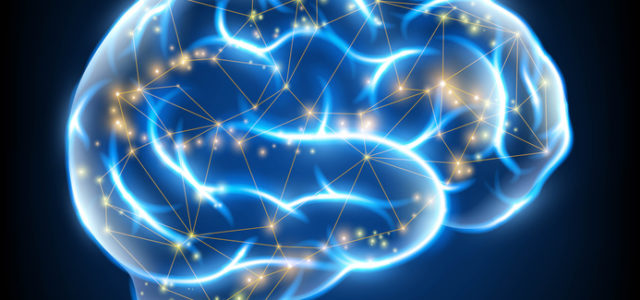
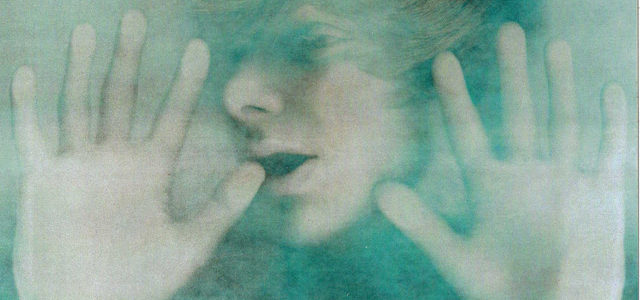
Post-traumatic-stress-disorder (PTSD) occurs following a terrifying experience, in some people. It prevents the sufferer from recovering after witnessing a traumatic event. PTSD can last for months or years. In addition, memories of the event can trigger extreme physical and emotional reactions.

Symptoms of PTSD

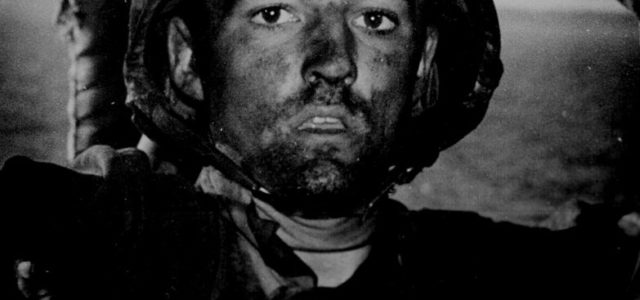
The scars that remain from active combat or other traumas cause recurring memories that seem as real as when they first happened. Originally known as “shell shock, PTSD was thought to be exclusive to soldiers returning from battle. But over time, it became clear that PTSD was a disorder anyone could develop who’d been through a traumatic experience.

When someone suffers from PTSD can have recurring flashbacks of the terror they experienced during the traumatic event, as well as intense nightmares. They may feel afraid, or intensely frightened, whether there is anything presently threatening or not.  It’s as though their “fight-flight” response malfunctions, and a small stimulus can bring all the horror of the initial experience back instantly.

PTSD affects around 8 million people a year in the US. These people who suffer have been far too often misunderstood and misjudged for their reactions.

Articles About PTSD Treatment

Talk therapy

The most widely used treatment for PTSD is talk therapy. By talking through the traumatic memories, as well as those moments that seem to trigger the flashbacks, the individual can sometimes learn a healthier response to the trigger.

Medications

Medicines are used in some cases to help patients cope with their anxiety and anger in the face of an unrelated situation that stimulates the reaction, i.e., a trigger. Since adrenalin is a hormone that’s released in overabundance with each trigger point, addressing the individual’s hormonal reactions sometimes improves relief.

IV Ketamine infusions

This treatment makes a remarkable difference in many cases of PTSD. The Veterans Administration works with IV ketamine to treat PTSD in combat veterans, and has for years with excellent results. And IV ketamine shows remarkable outcomes for people with a wide variety of PTSD causes. PTSD from major disasters, to domestic violence, assault, battery, and rape, to catastrophic illnesses, transportation accidents, and other disastrous injuries.

IV ketamine isn’t for everyone. No treatment is. But chances are it will help you enjoy a dramatic relief from symptoms of PTSD.

More studies show IV ketamine infusions can also prevent PTSD in combat military and first responders. Extraordinary.

By offering these articles about PTSD, we hope to increase understanding and compassion for those who suffer, and drive back stigma with factual information.

Keep reading…
  • Ketamine: PTSD and Depression Treatment For Veterans …and For You, Too

    Ketamine: PTSD and Depression Treatment For Veterans …and For You, Too

    PTSD and depression treatment - ketamine.There’s No PTSD and Depression Treatment Like This Treatment: IV Ketamine

    Do sudden noises make you jump and feel like your heart just stopped?  If someone pats you on the back while saying hello, does it take everything inside you to keep from beating them to the ground?  Do you find yourself on edge, feeling more and more tense and vigilant as the sun goes down…? 

    If this sounds familiar, you may be suffering from Post Traumatic Stress Disorder, or PTSD.

    PTSD is cruel, and happens as a result of severe traumatic experiences that live on in your head even after the event is over.

    Military men and women who’ve seen active combat sometimes suffer from PTSD. As time passes, the symptoms are more likely to become worse than better.

    PTSD Caused By More Than Combat

    But, it’s not only the combat zone that causes it. It can be caused by a dangerous event, like a car crash, or domestic violence, or a major natural event.

    Whatever the original cause, PTSD has a way of creating a life of its own. You tend to reach a point where you separate the past from the present based on date of that event. Life before the trauma, and life after the trauma.

    That particular battle where you were ambushed, and your friends were maimed or killed.

    That specific day when the beating was so vicious, his rage so terrifying, that you dream about it every night and wake up in a cold sweat.PTSD and depression treatment are needed for domestic abuse.

    That storm of storms that ripped your house apart while you trembled in the bathtub with your children…

    As painful and terrifying as these memories are, many people just don’t know what to do but try to white-knuckle the nights of terror, then pull themselves together and muscle through the days.

    The trouble is, “just muscle-ing through” doesn’t improve the symptoms. At least most of the time.

    Instinctive Responses to PTSD Symptoms Don’t Help You Get Better

    People tend to respond to the horrific symptoms of PTSD in either of two ways.  Either they avoid thinking about the event, the traumatic memories, and anything associated with it, or they become extremely alert and on edge.

    If you’re trying to avoid thinking about the painful and terrifying memory, it might look something like this:

    • You’d probably avoid going places, or seeing people that reminded you of what happened. 
    • You’d also likely avoid discussing it with anyone, or talking about anything that might stir up the memory
    • As a result, you’d likely not want to be around other people, since you can’t know when someone might talk about something that conjures that pain
    • And you’d probably feel safer just not going out, and not making plans to do much of anything in the future, because you just feel safer at home.

    PTSD and depression treatment ketamine is the only fast acting treatment available.On the other hand, if you’re one to respond to this trauma with extreme alertness, you might have these reactions:

    • You can’t go to sleep or even if you can, it doesn’t last.  Sleep becomes almost impossible to maintain.
    • Emotional outbursts are frequent, out of proportion to the circumstances, and leave others shaken and you embarrassed.
    • Concentration is tough. Focus almost impossible.
    • Irrational reactions to common everyday things like a barking dog, a ringing doorbell or honking car, or even someone patting you on the back…

    These are part of your daily life.

    PTSD and Depression Treatment

    As widespread as PTSD is, you’d think treatment would have been figured out long ago.  But that’s not the case. Until now, PTSD and depression treatment have been limited to certain SRI’s that have been prescribed like Zoloft and Paxil, with limited results. These are the only two medications approved by the FDA for PTSD. But they aren’t always effective.

    PTSD has a long-standing reputation for being really hard to treat. And that’s been especially true among those who are serving and have served in active duty military settings. In real English: Combat.

    Combat PTSD Conference

    On October 18 of this year, Dr. John Krystal, Chair of the Psychiatry Department at Yale University, spoke to a group of researchers at the PTSD and depression treatment ketamineSan Antonio Combat PTSD Conference.

    Dr. Krystal studies ketamine, and how it affects the brain. As he spoke, he expressed that ketamine works rapidly relieving symptoms of depression in trials, and some patients showed a reversal of symptoms after just one intravenous dose.

    With excitement in his voice, he spoke about the astonishment of working with people who suffer from treatment-resistant depression, and seeing their response to a single dose of ketamine. He said, “it’s the most remarkable thing I’ve seen in my career…!”

    When he spoke about ketamine’s impact on men and women with PTSD, he noted that while not all achieve complete remission from symptoms, the average achieve 50-75% reduction in symptoms. Since traditional antidepressants only provide about 10% reduction in symptoms, this is clearly a remarkable relief for these patients.

    And, he added, ketamine’s dramatic improvement over symptoms isn’t the only reason for its promise for PTSD patients.

    Its rapid onset makes it the one medication that can reverse the suicidal thinking fast in these people.

    Ketamine Does More Than Anesthetize Symptoms – It Restores Brain Structures

    As we’ve talked about here before, PTSD and depression can cause the synaptic structures in the brain to break down. Dr. Krystal refers to this as “loss of synaptic connectivity.” When these breakdown, certain mental functions are impaired. Things like memory, planning ability, andPTSD and depression treatment is most effective with ketamine. emotional control are greatly affected – as seen in patients with PTSD.

    The beauty of ketamine is its action in restoring those structures, replenishing them, and doing it very fast.

    A 4 week study is underway on ketamine and its use in PTSD. The study takes place in San Antonio, TX and West Haven, CT, involving nearly 200 military personnel. The aim of the study is to test various ways of dosing ketamine, and its effectiveness.

    We welcome studies conducted to learn more about ketamine. My professional reaction to the impact of this remarkable drug on those who suffer from PTSD, depression, and other psychiatric mood disorders is similar to Dr. Krystal’s: “It’s one of the most remarkable things I’ve seen in my career.”

    Ketamine: Most Remarkable PTSD and Depression Treatment Out There

    At Innovative Psychiatry, we’ve consistently seen 80% of cases of PTSD, depression, anxiety, and other mood disorders achieve a strong response to ketamine treatment. We offer a variety of innovative treatments, but ketamine is hands-down the most extraordinary PTSD and depression treatment we offer.

    If you suffer from PTSD, you know that this condition can wreck your life and relationships. You know the helplessness and shame you feel after flashbacks, irritable over-reactions, and night terrors.

    I’ve heard PTSD patients who endured traumatic combat experiences say they refuse to see anyone who hasn’t been in the military. And I PTSD and depression treatment ketamine brings relief. understand why.

    But, this medication is not like the others. Patients with PTSD emerge from ketamine treatment feeling as if a weight has been lifted off, feeling more at ease, less vigilant, and more able to process their trauma.  They feel more resilient, more able to contribute to healthy relationships. They feel safer in their own skin.

    After treatment, we encourage you to work with your own psychiatrist or therapist to continue to rebuild your life. You’ll most likely find your ketamine treatment has dramatically transformed your ability to process the trauma you’ve experienced, your outlook, and your desire to move forward in your life.

    To the restoration of your best self,

    Lori Calabrese, M.D.

    Lori Calabrese, MD offers innovative psychiatric treatment like IV Ketamine

  • Is TIME Telling the Truth about Ketamine?

    Is TIME Telling the Truth about Ketamine?

    Is TIME telling truth ketamine?Is TIME Telling the Truth about Ketamine?

    In the most recent issue of TIME magazine (7/27/17), the cover story by Mandy Oaklander celebrates the potential of ketamine treatment for depression. While we’re thrilled to see ketamine’s remarkable benefits for psychiatric mood disorders broadcast to such a large readership – (26 million!), we’re concerned about misconceptions arising from the article.

    “Since 1923, TIME Magazine has been one of the most authoritative and informative guides to what is happening in the worlds of health and science, politics, business, society and entertainment,” at least that’s what TIME says… about TIME.

    There’s no question TIME is a recognized and revered publication, and because of that, most readers assume whatever is printed in TIME is true. But is TIME telling the truth about ketamine for depression? Since TIME’s articles are written by human journalists, mistakes can happen, and misconceptions can arise. 

    We’re going to take them on.

    Take on TIME Magazine? Takes a lot of guts, to tell you the truth. Guts, and more than 2 decades in the trenches, in all kinds of settings — from among the best that academic psychiatry has to offer (Massachusetts General Hospital, Harvard, Yale)… to the days and nights and weekends in hospitals, ERs, and my own office… with the thousands of real-live people I’ve treated who’ve suffered the most severe, unrelenting, and deadly forms of depression, mania, anxiety and trauma imaginable. To suicide so close it rattles.

    Takes guts, alright. A love for this work. An incredible reserve of hope and goodwill. And a ton of experience with ketamine infusions — and the patients, families and clinicians who wind their lives around a clear little vial of hope in a jar.

    Clearing up Misconceptions about Ketamine for Depression

    So let’s clear up some of those misconceptions. In each numbered example, the quote from the TIME article is in italics, followed by my comment.

    1. TIME:In large doses, anesthesiologists use ketamine to put people under before surgery. In smaller doses, clubgoers use “Special K” to trip and hallucinate…”

    Dr. Calabrese: The dosage of ketamine used in the club scene under the name “Special K” is quite large compared to doses used in anesthesia, and the dosage used in treatment of depression is even smaller. This is an important distinction since the most troubling side effects occur in club goers and people abusing ketamine on the street, rather than in patients being treated for depression. Abusers of the drug use it in higher and higher doses, repeatedly over time…. often mixing it mixing with alcohol, opioids, and barbiturates, which is what can cause serious and life-threatening outcomes.  

    2. TIME: “Studies have shown that 60% to 70% of people with treatment-resistant depression respond to ketamine.”

    Dr Calabrese: In all fairness, statistics like this vary based on unknown variants among those collecting the data and the patients themselves. But I can say that in my practice, which includes hundreds of IV infusions, 80% of patients respond, which rivals the best results of the institutions where I’ve trained and taught.

    Infusion Treatments … Not a TRIP

    3. TIME:Ketamine trips are known to help people disconnect from their bodies and their thoughts, and it worked that way for Is TIME telling truth ketamine...? Reiger. After her first trip, she remembers feeling better than she had for years. ‘I immediately felt relief … a lightness of the depression kind of lifting,’ says Reiger. And it all happened in less than an hour.”

    Dr. Calabrese: Use of the term “ketamine trip” is misleading… and sensationalizing. It sounds as though what we’re doing is encouraging drug abuse and proposing “tripping” as treatment. Nothing could be further from the truth. The abuse of a respected and valuable medication by those who use it illegally should not taint it’s value when administered carefully in controlled settings. Ketamine has been a safe and widely used medication in anesthesia for a half century.

    RED CROSS says Ketamine is Irreplaceable

    The following excerpt is a statement by the International Federation of Red Cross (IFRC) and is their stand about ketamine placement on a list of internationally controlled substances:

    Ketamine is the anaesthetic of choice when reliable manual and mechanical ventilation equipment is not available or when advanced airway management (tracheal intubation) is not possible (e.g. in mobile clinics, road-traffic accidents with crushed vehicle and trapped persons). Ketamine has a very favourable safety profile in clinical use and is particularly useful in healthcare settings where task- shifting is required due to a lack of skilled anaesthetic staff.

    “In resource-poor hospital settings without anaesthetic machines, often without oxygen and sometimes even without electricity, ketamine is the only anaesthetic drug that allows even major surgery being performed. Its usability in traumatology makes it the preferred drug in mass casualty situations, such as earthquakes.

    IFRC position on placing ketamine under international control:  Is TIME telling truth ketamine?

    “Ketamine has an undisputable role in humanitarian assistance and in prehospital and disaster medicine. There are no available alternatives to ketamine to provide safe anaesthesia in some of the most challenging clinical situations and emergency settings.

    Ketamine is a Humanitarian Drug

    “Ketamine has a very specific but not insignificant – thus not ‘limited’ – value for humanitarian assistance. Ketamine’s clinical benefits and safety profile, coupled with its usability and importance in some of the most vulnerable and fragile countries far overweigh the risks associated with its misuse. In our view, the addictive potential and the scope of misuse of ketamine does not support its inclusion as a internationally controlled substance as defined by the 1971 schedules of International Drug Control Conventions.”

    The value of ketamine as an emergency and disaster medicine is irreplaceable, and its use in surgery carries obvious value. My point is that it’s an invaluable medication first, and it’s now becoming the most rapid and remarkably effective medication we’ve seen yet for treatment-resistant depression and PTSD.

    It’s true that it can cause side effects and hallucinations in high doses, but the illegal and unsupervised use of it on the street doesn’t diminish the good work it can do when properly administered under supervision of a psychiatrist.

    Is TIME telling the truth about ketamine…??

    How Ketamine Works to Reverse Depression and Anxiety

    4. TIME: “Experts aren’t sure exactly how ketamine works, although they agree it doesn’t target the standard antidepressant route of serotonin, norepinephrine and dopamine. Instead, they think it stimulates a series of receptors in the brain, kick-starting something called synaptic plasticity–the ability of parts of the brain to grow and change. While antidepressants have been shown to also increase plasticity, ketamine seems to do it much more quickly–and much more powerfully.”

    Dr. Calabrese: We’ve learned so much already, and there’s so much more to know. Neuroscience researchers are finding out more all the time about how ketamine treatment works. TIME refers to kick-starting synaptic plasticity, and that’s true. So far, neuroscientists have identified 4 different actions that that come in to play when ketamine acts rapidly to lift depressive symptoms and suicidal thoughts.  Ketamine:

    I’m sure even more of ketamine’s actions for reversing depression and anxiety will emerge soon.

    Ketamine Wannabe Drugs

    5. TIME:In a race to shape the next generation of antidepressants, Johnson & Johnson and Allergan are fast-tracking new medicines inspired by ketamine. The FDA could be reviewing new drug submissions by as early as next year.”

    Dr. Calabrese: We’re all excited to see the new frontier of ketamine wannabe drugs unfold. Ketamine has caused a paradigm shift in psychiatry, and good money is being invested in other closely-related compounds to bring more help to more people.

    6.TIME:Ketamine’s effects are temporary; depression reliably creeps back, so people need infusions every few weeks or more to keep their symptoms at bay.”

    Dr. Calabrese: I would say, Sometimes. Some patients receive a short series of infusions and go into remission…and stay there. They’re well.  Others do need a maintenance infusion periodically.  But I wouldn’t say that “depression reliably creeps back.”  Whether or not depression recurs — and when — for anyone depends on many different factors. The mechanism of action with ketamine is so complex and different than any other treatment we’ve ever been able to offer, and for some people it appears to be extremely long-lasting.  And we have a lot to learn about the best methods and treatment intervals for maintaining remission.

    Ketamine Should Not Cause a BAD TRIP Under Physician Supervision

    7. TIME: “For his part, Ian Hanley is waiting to see if ketamine, which he recently crossed off the list of treatments he has tried, will be a success or just another failure. His first IV infusion left him dazed and, after a long nap, uncharacteristically energetic. The night of his first trip, he shocked his parents by cleaning his room and going for a walk for the first time in ages. But about half of his subsequent treatments sent him on bad trips. He was consumed with worries that he’ll stay depressed, that ketamine won’t work for him and that, if it doesn’t, he won’t know what to do next.”

    Dr. Calabrese: Again, TIME calls ketamine treatments trips — yikes! A provocative word that makes people worry about what the treatment is really like, worry that they’ll get addicted. It evokes all kinds of fear in your mind and all kinds of fear for people who are suffering . . . and who just want relief.  They don’t want weird.  They don’t want scary. The floaty or out-of-body experience that happens with most infusions is not the point of the treatment. This is enormously reassuring to so many people who already live with hellish thoughts — they don’t need any more.

    When ketamine is administered carefully and slowly in a controlled medical setting as an infusion with state-of-the-art monitoring, the dose and the rate can be adjusted to avoid the awful side effects and risks that people have described with IM injections, intranasal sprays, or infusions that are too rapid or too strong.

    It’s a fact that there are people who are not helped by ketamine. It’s not for everyone.  But there is no other office-based treatment for depression and anxiety that brings such rapid and dramatic response in 80% of cases.

    Not for Everyone… but may be just right for you

    Ketamine treatment isn’t the answer to everything, but it can do so much to restore your power to enjoy and engage in your life. If you’ve suffered from depression, anxiety, and other mood disorders that have not responded to other treatments, please do give us a call. Let’s spend the time to do a comprehensive evaluation, and determine what will help you the most.

    There really is hope — even if that seems hard to believe. You really can have your life back.

    To the emerging of your best self,

    Lori Calabrese, M.D.

    Lori Calabrese, MD offers innovative psychiatric treatment like IV Ketamine

  • Joie de Vivre with IV Ketamine Can Replace Last Resort Treatments

    Joie de Vivre with IV Ketamine Can Replace Last Resort Treatments

    Listless woman can't make herself function needs to know that IV ketamine can replace last resort treatments.When Depression Doesn’t Get Better

    When you’re sick of one more trial. One more dose increase. A new augmentation agent. Another cross taper…reducing dosage on one drug while increasing it with another… When you’re sick of just feeling so sick and tired and miserable. When you can’t stand the thought of gaining more weight. What then?  

    With the rising use of IV ketamine infusions for treatment-resistant mood disorders, more and more people who are sick of their symptoms are seriously stopping and thinking about their best course of action. Since oral antidepressants can take weeks – if not months – for their full benefits, people are looking at brain-targeted treatments that have faster results.

    Life Threatening Symptoms

    One reason is that the suicidal thinking that can occur with depression can be life-threatening. If you have thoughts that it would be a relief to be dead, or thoughts of killing yourself, waiting 2-3 months for oral medication to kick in and relieve these thoughts can be dangerous.

    Another reason is that once you reach the point that you’re looking for alternatives to oral antidepressants, you’ve probably been depressed for months or years. And the longer it goes on, the more life-robbing it becomes.

    Then, there are studies that show the longer someone suffers from a psychiatric mood disorder, the harder it is to get better. And the more Woman needs to learn that IV ketamine can replace last resort treatments.medications you try . . . the less likely that another SSRI (selective serotonin reuptake inhibitor) or SNRI (serotonin-norepinephrine reuptake inhibitor) is going to help.

    So you try a different class.  You take one of the medications on reserve that we pull out when other things don’t work.

    . . . And your symptoms slowly become “treatment-resistant” — even though you take what you’re supposed to take, do what you’re supposed to do. You keep every appointment, try to exercise, meditate in the morning.  Sometimes nothing seems to make a difference. It’s exhausting even thinking about it.

    These are all reasons to shift to a different treatment … an innovative one that can go above and beyond oral antidepressants.

    Now wait just a minute… oral antidepressants help lots of people…!

    Yes. They do. Millions.

    Actually, 350 million people in the world are depressed.

    16 million in the US.

    4% of kids between ages 8-15 are, too.

    Anxiety disorders are the most common mood disorder in the US — and 18% of adults suffer from anxiety disorders … almost 57,000,000 people.

    Shocking, isn’t it? 

    Anxiety is the most widespread of all…

    Every single one of these millions of people struggles and the struggle is real.  Sometimes it’s just to get out of bed in the morning, sometimes it’s being paralyzed by a vague fear, sometimes it’s just to follow through and do what they know they should do — make the phone call, finish cleaning up the yard, deal with the paperwork. They can be pretty disabled by malfunctions in specific portions of their brain. Is it any wonder that so many take antidepressants hoping for relief that will allow them to function?  

    Most just want to be able to get back in the game.

    Over 10% of Americans take antidepressants for depression and anxiety.

    And we know that they’re really helpful for some people.

    Just not all…not by a long shot.

    Only HALF the Time

    Jennifer Payne, M.D. is director of the Women’s Mood Disorders Center at The Johns Hopkins University School of Medicine — my alma mater.  She says, “Even our best antidepressants work only about half the time.”  And she goes on to say that the chance of success drops if the patient doesn’t respond to the first drug they try. In fact, the hope of recovery diminishes with each new antidepressant regimen that fails.

    Their mood disorder slowly becomes “treatment-resistant,” even if they’re not.  It’s for those who still suffer that we’re discussing options today.

    Like IV ketamine, TMS, and ECT.

    ECT – Its Troubling Side Effect

    Woman thinking of suicide needs to know IV ketamine can replace last resort treatments.Until recently, after all the failed med trials, the gold standard for treatment-resistant depression was ECT, or Electroconvulsive Therapy. (The snazzier new term for it is Electrocortical Therapy.  They took out the “convulsive” part.) 

    ECT has been in use in psychiatry for over 80 years, and it’s still available at hospitals for inpatient and outpatient treatment.  Although it gets a bad rap in the popular press and in the media, it can be a lifesaving, effective treatment for severe depression and particularly for depression when psychotic symptoms are present — like hearing voices, or having delusional beliefs.

    With ECT, you’re given general anesthesia and an electric current is passed through your brain to create a generalized seizure that lasts 30-45 seconds under very controlled circumstances, with muscle relaxers. The seizure is “seen” on an EEG monitor but your body doesn’t shake or convulse — just a toe wiggles.  Treatment begins in a hospital center after you’ve been admitted as an inpatient and continues three times a week until the depression lifts–sometimes after 4 or 6 or 12 treatments.   

    ECT may be continued on an outpatient basis and stretched out and administered on a maintenance schedule (sometimes as infrequently as once a quarter) to help preserve remission.

    Sometimes, ECT is offered on an outpatient basis to patients who can safely remain at home with family support — but they usually can’t work or go to school or drive during the weeks of treatment.

    Clinical studies show this treatment to be 50-80% effective in reducing depression symptoms, and in those cases the patient feels much better. Because of this, ECT has been the “go-to” treatment for those with treatment-resistant mood disorders for whom no antidepressant regimen was successful for many, many years.

    But there’s a problem with ECT.

    Despite all of the modern advances in the administration of this treatment, ECT can inhibit the ability to lay down new memories around the time period of the treatment, and it can cause irreversible memory loss in a “piece-y” kind of way.

    Bits and pieces of memories are lost. Certain things or certain periods seem fuzzy. It’s frightening because it can involve both recent and remote memory.

    Well, when you’re at the end of your rope, when it feels like there is no choice, maybe a little bit of fuzzy thinking or poor recall around the time of ECT doesn’t seem like such a big deal . . .

    But if you want to go to a wedding, recall a client’s name or the details of a contract, have an important discussion with your wife (or your accountant), drive to your cousin’s summer place without having to use a GPS … then fuzzy thinking, poor recall, or no memory of it at all are incredibly BIG things.  It’s to be able to engage in and savor the moments that you’re getting treatment in the first place.

    Remember, ECT was the “go-to” alternative treatment for treatment-resistant mood disorders because there was no real alternative.

    Until now.

    Now, there are more options, like TMS and IV ketamine infusions.

    TMS Offers A Strong Success Rate And It’s Non-Invasive

    TMS, or Transcranial Magnetic Stimulation, is a non-invasive treatment option that’s become more and more Treatment-resistant depression is erased because IV ketamine can replace last resort treatments.prominent in recent years. It’s more expensive than meds, but it’s effective for treatment-resistant depression as well other mood disorders and other maladies.

    It’s Non-invasive. Nothing enters your body. 

    In this case, you’re is seated in a comfortable reclining chair – fully awake – because there’s no need for sedation. A magnetic coil is placed over your left temporal lobe just over the dorsolateral prefrontal cortex … and it sends pulses through your scalp into brain centers just below the surface. The pulses stimulate brain cells to send signals deep into the brain to activate, restore, and bring balance to the areas of the brain that control mood and anxiety.

    TMS can be effective in 55-75% of people with treatment-resistant depression and other mood disorders. Because it’s non-invasive, there is nothing that lingers in the body to create lasting side effects between treatments or in the long-term. The effect that’s sometimes reported is a headache in the area where the tap tap tapping is heard when the impulses are released. This subsides in a little while.

    No memory loss.

    Great success in reversing depression.

    No need for hospitalization… no need to suspend driving… no need for a leave of absence from work or from school like with ECT — even outpatient ECT.

    For so many reasons, and for so many people, TMS is a much better alternative than ECT, which has become a last resort.

    But there’s more… and I’ve probably saved the best for last.

    TMS is effective, comfortable, and safe.

    But there’s another option that’s even more effective.

    That’s IV ketamine treatment for depression and other mood disorders.

    IV Ketamine Can Replace Last Resort Treatments

    Ketamine infusions are best given IV to ensure safety and to guarantee bioavailability — so that 100% of your precise dose (down to a tenth of a milligram) quickly reaches the areas of the brain and can get right to work. Like ECT and TMS, it’s recommended for those who have first tried an oral antidepressant without improvement.

    You’re seated in a comfortable reclining chair (or maybe stretched out on a leather sofa!) in relaxing surroundings during the infusion. This treatment Man shows relief after IV ketamine can replace last resort treatments.is so fast and effective, many patients are feeling better by the time the infusion is over.

    Ketamine also treats suicidal thinking, basically erasing suicidal thoughts within 4 hours. This life-saving feature makes it a most desired choice for those who are are suicidal.  

    It’s a breath of fresh air.  For some people, it feels like their first breath.

    IV ketamine is typically given in the office as a series of six 40 minute infusions over about 2-3 weeks. And then you walk out … and go to dinner, get some sleep, and drive yourself to work the next morning or scoot off to class. There’s no hospitalization, no lost time. At Innovative Psychiatry, we schedule ketamine infusions in the evenings, so you don’t have to miss work or school.  No one needs to know.

    Like TMS, there are no side effects between infusions.  There’s no memory loss. Period. That’s HUGE. During an infusion, you might experience mild nausea, so we just plan to avoid that altogether for you. There’s also a floaty, dissociative effect during an infusion — you should expect this.  Most people find it very pleasant , not frightening, and it’s actually predictive of a good response to treatment.  

    Of course, there are other rare side effects of ketamine when it’s used in high doses in anesthesia. But we just don’t see them in our practice.

    The effectiveness rate of IV ketamine infusions in our practice is 80%. That means that 80% of people who come in with treatment-resistant depression can get WELL. Depression symptoms disappear. For some people, maintenance infusions are used to maintain this wonderful, balanced, quality of life.

    Joie de Vivre – the Joy of life.

    If you’ve struggled to break out of the hollow, dismal, dark place of depression, consider this thrilling treatment. It can fill you with HOPE, then transform that hope to real, here-and-now, life-joy.
    Man sighs with relief after IV ketamine replaces last resort treatments.

    For us, it’s exciting to see people who have been so terribly ill come to life again. Live again. Love again.

    The old days of suffering…without hope… are behind us.

    There is hope for you, even if you haven’t been helped by antidepressants before.

    Let’s meet and discuss new options.

    To the recovery of your best self,

    Lori Calabrese, M.D.

    Lori Calabrese, MD offers innovative psychiatric treatment like IV Ketamine

  • Breaking News: Another Way IV Ketamine SMASHES Depression

    Breaking News: Another Way IV Ketamine SMASHES Depression

    Another way IV ketamine smashes depression is by moving g proteins off lipid rafts in cell membrane.Another way IV Ketamine SMASHES depression

    Sometimes news is so hot it sizzles.

    It lures you away from whatever you’re into.  It captivates you.  And then — just face it — you think to yourself, with admiration, OMG.  You say to yourself … whoever came up with that is brilliant. They nailed it.

    Well, Mark Rasenik and his group from the University of Illinois Chicago College of Medicine nailed it.  They presented absolutely breathtaking work in May at the SBP meeting — the Society of Biological Psychiatry.  It’s the meeting where research is presented that is just so brilliantly conceived and executed that it’s mind-blowing.

    Rasenik’s work is like that.

    He and his group came in from left field with their brilliant discovery of a new way ketamine works which just might explain how and why it can begin to lift depressive symptoms in minutes.

    Understand ketamine’s talents, then get creative

    The goal was to learn what happens on a molecular level that causes IV ketamine’s fast depression relief.  Because, of course, someone wants to design a drug just as effective as ketamine but without its side effects. This is the ever-loving quest for new drugs that wannabe like ketamine.  

    Now, we’ve talked before about how IV ketamine acts on synapses to stimulate them to grow, branch out, and flourish — multiplying the numbers of connections between neurons that send signals deep into the brain. We’ve also talked about neuroplasticity, and how it’s key to this process that causes the brain to change.

    As new synaptic connections are built, and greater communication between brain cells develops, the brain gains the ability to see things in a different perspective, and your outlook becomes brighter and healthier. IV ketamine can jump start that process. Wait. No. It can turbo-charge it.

    How to Get Those G’s Back to Work

    So Rasenik and his team found that “g proteins” were packed on “lipid rafts” in the cell membrane with people G proteins on lipid rafts are moved off the raft shows another way IV ketamine smashes depression.who are depressed. In addition, their brain cell signaling is stifled, which may be the cause of that numbness depressed people experience.

    If this is you, listen up.  Numbness is no joke.

    They’ve demonstrated that when SSRI antidepressants are used, they move g proteins from lipid rafts (I love that visual…like the G’s are languidly floating on a raft in the pool…taking time off being lazy) very gradually, and back into WORK mode. Which is how SSRI’s help some people who are depressed — but it takes weeks or months for relief.

    You see, G proteins produce cyclic AMP, which is vital for the nerve cells to properly send their signals.

    And, Rasenick and his team noted that the movement of the G proteins under the influence of SSRI antidepressants, was gradual … over a period of several days.

    So, let’s take a breath here.

    The Many Talents of IV Ketamine

    We’ve talked about how IV ketamine stimulates neurons to flourish, grow branches, and become prolific with healthy connections for sending signals throughout the brain, especially into the deep brain structures like the hippocampus.

    Now, Dr. Rasenick and his team have discovered that IV ketamine also gathers up the tools the nerve cells need so they actually can send signals throughout this new and bountiful network of connections, or synapses.

    Those unemployed g proteins that were hanging out on the rafts, are pulled off the rafts and put to work to equip the brain cells to do their job.

    And they work fast.

    Remember how it takes several days for the g proteins to move off the rafts with an SSRI? Well, with IV ketamine, it happens in 15 minutes!!

    So … do you see why ketamine acts so fast to remove suicidal thinking and depression?Young man is relaxed as he benefits from yet another way IV ketamine smashes depression.

    I’m telling you, the more we know about IV ketamine, the more hope explodes with all of its potential.

    Letting Go of OLD Ideas

    There’s been a belief for years that ketamine’s one action was to block NMDA receptors.  (Boy, does that seem like the dark ages now!) But ketamine is the only drug that blocks NMDA receptors AND moves g proteins off lipid rafts. It’s a double whammy, a one-two punch!

    Once again, ketamine shows its highly targeted prowess in its assault on depression and its potential for assault on other psychiatric disorders.

    In addition, ketamine and other compounds like it, improve glutamate levels, which SSRIs really don’t touch. When the processing of glutamate doesn’t function properly, that also contributes to depression.

    So…wait a minute…that’s three actions ketamine uses to turn depression on its ear!

    Oh, and the fourth:  it turns on mRNA … to turn on DNA … to make more BDNF (Brain Derived Neurotrophic Factor) so that neurons grow new branches.

    The Four Ways.  Four different ways that ketamine smashes depression.  This has brought a level of excitement into psychiatry like nothing else.

    Someone should write a book.

    A full 80% of those who are treated with IV ketamine infusions in our Relieved and relaxed lady shows another way IV ketamine smashes depression.office respond, and many of those achieve complete remission of their symptoms. But, I’ve said before that it isn’t for everyone.  If it’s not for you, we have other treatments like TMS to help you get better.

    If you have symptoms of depression (chronic, recurrent, bipolar, postpartum),  PTSD, and treatment-resistant OCD and have not been helped by anti-depressants, call or email us to arrange an appointment for a consultation. We’ll thoroughly check you out, and analyze what we learn, to determine the treatment most likely to truly help you feel better. I don’t mean to reduce your current symptoms, but to actually get well.

    We’re Innovative Psychiatry.  (Um, you’d have to be to translate lipid rafts and g proteins into treatment that works in your office … )  And we’ll work with you to find the best steps that will help you get well and live the life you want to live.

    To the discovery of your best self,

    Lori Calabrese, M.D.

    Lori Calabrese, MD offers innovative psychiatric treatment like IV Ketamine

  • IV Ketamine + Neuroplasticity = Relief, Relaxation, and Relishing Life

    IV Ketamine + Neuroplasticity = Relief, Relaxation, and Relishing Life

    Woman relishes a spring day after IV ketamine for her treatment resistant depression.I could use some of that.  We hear that all the time. Relief, relaxation and relishing your life can sound so far away … but it doesn’t have to be. As word gets out about IV ketamine treatment for depression and other psychiatric mood disorders, more and more studies are emerging.

    New information is surfacing about the effectiveness of this medication. And it’s inspiring more discussion, more research, and deeper understanding of the causes of depression.

    And there’s more.

    As evidence grows through research and clinical data, it seems clear that depression interferes with the neuroplasticity in the brain. Including diminished neurogenesis in the hippocampus and diminished synaptogenesis in the prefrontal cortex. In other words, depression messes with the growing neurons or brain cells and the synapses or connections that allow the neurons to communicate with each other.

    A big factor in this is that stress reduces an important growth factor called BDNF, or Brain Derived Neurotrophic Factor. Sort of a “compost” for neurons. Without BDNF, your neurons become tattered and sparse.

    They diminish in size and number … and thin out.

    When you’re depressed, these measly neurons with their poor synaptic connections just have a much tougher time communicating with each other … so there is less creative thought, if any. Well-being tanks. And your world becomes darker, less hopeful, and without future. It’s a bad place to be in.

    A brain that is well-connected is a brain that experiences creative thought and well-being. A brain in the dark is a depressed brain.

    IV Ketamine + Neuroplasticity

    Here’s where neuroplasticity comes in.  (Don’t let the word shut you down.)

    In this context, plasticity refers to the brain’s ability to change at any age … whether for better or for worse. So the term “neuroplasticity” refers to the ability of your neurons to adapt and remodel themselves. In the past 10 years or so, neuroscientists have come to understand that your brain is constantly remodeling itself throughout your life.  And when it remodels itself, it remodels its networks,  And because of that, it remodels how it works.

    So, to put it briefly, when you think dark and despairing thoughts, or angry and vindictive thoughts, day after day after month after year, this thinking actually reshapes and remodels your brain. It’s kind of shocking, really.

    The brain remodels itself.  Your brain remodels itself.

    This spectacular image of a neuron shows the rich prolific regeneration of neurons and synapses with IV ketamine + neuroplasticity.

    Dark, negative and hopeless thoughts have a detrimental impact on your brain’s structure and on how it functions. Your brain changes to fit your thought processes … to respond to your stressors.  By the same token, if you read inspiring and creative books, spend time with joyful people, and create joyful experiences, your brain can change over time for the better.

    The very structure of your neurons can change — in a lush way. Richly. For the better.  For your good.

    Wow.  

    This is where people say, “I want some of that.”

    Well, this is an oversimplification, of course.  It doesn’t account for all of the different factors, illnesses, and environmental influences that shape the way your neurons look and act — grow and function — but it IS an illustration of one way the brain can change. At any rate, It appears that one reason IV ketamine treatment is so effective for so many different psychiatric symptoms is because of the way it enhances neuroplasticity in the brain.

    Growing Your Brain Structure Garden

    For example, when you take the time to learn a new language as an adult, you’re putting parts of your brain to work that respond by growing to accommodate.

    A study of taxi drivers in London revealed that through the process of memorizing the streets of London to pass certification, that a specific structure in the brain enlarges to manage that information. The hippocampus is the memory center in the brain, and this study revealed that drivers who’d been driving taxis for decades had the largest hippocampi of the group.

    Just an example to show how the brain changes with the right type of stimulation.

    By the same token, the amygdala is the fear center in the brain, and it’s been studied extensively in childhood trauma, and in adult anxiety, depression, and bipolar disorder.  The newest research shows that the size of the amygdala can change rapidly in response to recent stressors — even in people who’ve never had any of the these conditions. The left amygdala was smaller in people who’d had a recent stressor — it didn’t even have to be longstanding or chronic. And the shrinkage was enough to be seen on an MRI.

    depressed man needs the relief from treatment with IV ketamine + neuroplasticity

    So here’s the point.

    Ketamine’s Rapid Action

    Ketamine acts rapidly in numerous ways, and its fast action is changing lives, as well as saving them. It stimulates changes in the brain that affect its structure and its function.

    One example is that it quickly matures new neurons so they’re functionally mature and doing their job within 2 hours. Traditional antidepressants just can’t do this.  As more neurons proliferate, mature, and migrate from the hippocampus into far-reaching brain regions, ketamine also stimulates the formation of more synapses, especially in the prefrontal cortex. The greater the communication throughout the brain, the better functioning the brain, and the greater the well-being of the individual.  You.

    The more synapses that are generated, the more neuroplasticity, or ability to change and grow, the brain will enjoy. And a growing, adapting brain provides a higher level of living and learning for you to experience. Plus a greater sense of joy and well-being.

    Let the Sunshine In

    It’s as if the proliferation of neurons – and the synaptic connections that empower them to communicate – opens doors and windows in the brain to let the light and fresh air in. This wonderful circulation of signaling gives the brain new thoughts, new hope, new relief.

    Basically, IV ketamine + neuroplasticity = relief, relaxation, and relishing your life.

    If you’d like to know more about innovative treatments for your psychiatric symptoms, please call for an appointment so we can evaluate what’s going on.

    Innovative Psychiatry is committed to help you find and develop your best self. Let’s work together.

    Joining forces with you to discover your best self,

    Lori Calabrese, M.D.

    Lori Calabrese, MD offers innovative psychiatric treatment like IV Ketamine

  • IV Ketamine and Treatment-Resistant Mood Disorders

    IV Ketamine and Treatment-Resistant Mood Disorders

    This man feels good after treatment for PTSD because of IV ketamine and treatment-resistant mood disorders.

    IV Ketamine and Treatment-Resistant Mood Disorders

    After reading today about a beautiful young man – let’s call him Tom – whose life ended tragically at the crossroads of despair, I started thinking.

    Like many of my own patients, he had a wondrously warm and giving heart — and a compassionate heart the size of Montana for homeless animals.

    His talent for music generated moving, exquisite collections of melody and lyrics that stunned listeners with its charm.  

    Such sensitivity, such beauty for the world to enjoy.

    But his life ended far too soon, because he could find no relief for his illness.

    Bipolar disorder.

    Tragedy Without IV Ketamine

    I’ve treated many people with similar stories in my office.  I’ve offered the best that we had–medications, combinations, the latest research, the newest adjunctive treatment, supplements, recommendations for lifestyle changes, collaboration with the the best therapists in the area, resources, articles, support–everything I had.  I never stop trying.  But until a few years ago, we had little to offer those who didn’t respond to traditional treatment.  Or who were just sick of it.

    And that’s tragic. Really, really tragic. But more common than we can bear to think.

    It’s not just about bipolar disorder or treatment-resistant depression. We’re talking about postpartum depression, PTSD, and other psychiatric mood disorders.

    Listless depressed mother is not responding to crying baby because of postpartum depression. Needs treatment with IV Ketamine and Treatment-Resistant Mood Disorders

    I thought about Jacie. Jacie wasn’t expecting to get pregnant when she did, but she was happy about it, and enjoyed the feelings of wonder about this tiny new person growing inside her.

    But around the time her second trimester began, she noticed her initial lilting emotions weren’t lilting anymore. In fact, she felt gray…dull…and couldn’t seem to relate to the idea of a baby.

    Once the baby was born, everything was a struggle. She felt angry, frustrated, and exhausted beyond belief. And guilty that she wasn’t enjoying this innocent baby girl. In desperation, she talked to her doctor honestly about how she had been feeling. And her fear she might do something to hurt herself or her child.

    He referred her to a psychiatrist he trusted, and she began seeing her. Her depression had gone on a long time — untreated.

    IV Ketamine and Treatment-Resistant Mood Disorders

    When depression comes during pregnancy, it can be so much worse than postpartum depression that begins after the baby is born … and so hard to treat. In Jacie’s case, her depression didn’t budge, and the persistence of it affected her relationship with her baby, and her marriage.

    She was surrounded with people who loved her. She was fortunate in that sense. But nothing seemed to ease the agitation and misery she endured. Or her self-hatred and guilt that she resented her baby and didn’t know how to change it, or feel better. To be the kind of mom her baby needed.

    Traditional antidepressants and psychotherapy just aren’t effective for some people.  If you’re one of them, or you know one of them, you know what I mean. Since depression is caused by a complexity of changes in the brain, there’s no simple solution.

    And in my musings, another man came to mind — Dan. He’d suffered with PTSD for over 15 years. War time trauma, loss of friends in combat and the powerlessness he felt to save or protect them; it all tormented him.

    He’d been told he should be “getting over this” by his friends and his family. Oh, they meant well. But they had no idea what they were saying. And suggestions like those didn’t help. Not at all. 

    He struggled just to get through the day … to have a relationship with his wife … to work at a job, to pay the bills.

    The trauma of active combat can result in mood disorders. But IV ketamine can help.

    He wanted to be productive, but every time he had a few good days or weeks, it didn’t last because of the dreams, the night terrors…the reactions to noises or touch. Then he’d lose his confidence, walk off the job, and withdraw again.

    The loss of life, of peace, of relationships, of fulfillment, for people like these has been unavoidable till now.

    For those who couldn’t benefit from the traditional treatments for mood disorders, there just weren’t any solutions. IV ketamine and treatment-resistant mood disorders went to war. 

    Your treatment-resistant mood disorder won’t win over IV ketamine.

    These stories are just examples, but they represent multitudes of individuals whose lives have been interrupted, oppressed, tormented, or in some cases cut short, by symptoms of disorders that remained unaffected by traditional treatment.

    And that’s why I thought of all of these people.

    Because the ineptness of so many antidepressants left me feeling powerless to help; too many of my patients were crippled by their disorders, but desperately wanted the same chance at building happiness and fulfillment as anyone else.

    Too many.

    And that’s why I’m excited now and so full of hope.

    That’s why I talk so often and so enthusiastically about this emerging frontier of new therapeutic uses for that  anesthetic-turned-antidepressant, IV ketamine.

    Mom with postpartum depression can now show daughter affection because IV ketamine and treatment-resistant mood disorders.

    Because for all all the Toms, Jacies, and Dans who found no help at all from previous treatments, 80% now experience relief, restoration, and often total remission after IV ketamine treatment.

    We’re still working to find solutions for that other 20%, and we won’t stop. But we’re helping 80% of those for whom we had nothing, nada, zip…zero… that would help.

    All my training didn’t prepare me for the heartbreak of those who are so desperate for relief and can’t find it. But hope is growing, and ideas are flourishing for ways to use this new knowledge to spawn more solutions.

    Relief and Solutions are RISING

    So after my musings about those who weren’t helped, and the sadness I feel that we didn’t find solutions soon enough, it’s exhilarating to know there’s an entire frontier opening. A new world of treatment for those who weren’t helped before, through the discoveries surrounding ketamine for depression and other new solutions that will spring from it.

    IV ketamine and treatment-resistant mood disorders … it’s a fight to the finish, and ketamine is winning.

    Are you wondering if you’ll ever be able to have a life…?  If you’ll ever get to feel stable — emotionally, financially, socially?

    You really aren’t alone. Sometimes you just can’t see there’s support at your fingertips… help just beyond your line of sight. 

    Reach out and let’s talk about the things in your life and feelings that interfere with the power to live life the way you want to.

    Power to find your best self, and share it with those around you.

    Power to enjoy.

    To the power for finding your best self,

    Lori Calabrese, M.D.

    Lori Calabrese, MD offers innovative psychiatric treatment like IV Ketamine

  • PTSD Has a New Predator: IV Ketamine

    PTSD Has a New Predator: IV Ketamine

    PTSD has a new predator: IV ketamine which can help these men after surviving war zone trauma.PTSD Has a New Predator: IV Ketamine

    He’d seen active combat in Iraq and Afghanistan.

    His unit had grown close. Tight. Trusted each other with their lives.

    They’d cheered when word came that Jarrett’s baby had been born.

    They’d gotten drunk with Ben when his mom died.

    They had each other’s back, and knew each other in a way civilians couldn’t comprehend.

    Then one day, an explosion.

    He’d looked up and both of Ben’s hands were blown off.

    Jarrett’s legs were 10 feet away, and he was shrieking.

    He held him, tried to stop the bleeding. He couldn’t think but his mind was screaming — he had to save him.

    Somehow.

    PTSD Has a new predator: IV Ketamine and this tormented man needs it.He’s stateside now. Trying to work a “normal” job. But a friendly slap on the back puts him back in that desert. It should have been him, not Jarrett, that didn’t make it home.

    Someone drops a tray in the kitchen, and he’s surrounded with mortar shells, blood, and Jarrett’s legs.

    It’s tough to hold any job for long, and he doesn’t feel like he fits in anywhere he tries. At times, the simplest of tasks seems to be more than he can manage.

    And it’s getting worse …

    PTSD Knows No Favorites, No Gender

    She was a friendly, warm, and fun-loving girl.

    She’d worked at a wings place near the beach. She met him at a friend’s party. His flashy smile, his rugged good looks … wow! She couldn’t resist.

    In a couple of weeks, they were living together. It seemed like they’d known each other forever.

    But … then their first fight.  It was cruel, dirty, and it broke all the rules. Demeaning, and anything but loving. She cried, and wondered what she’d gotten herself into.  But she couldn’t stay away long.

    Things went smoothly at first.

    Then, a worse fight … that started with accusations, then escalated to a choke hold, bruises, a bruised and bloody face.

    But she couldn’t bring herself to leave. She believed his “recovery” depended on her faithful and patient loyalty.

    Until, one day, she was sure he would kill her.

    She passed out from asphyxiation with her neck in the vise of his clamped arm. When she woke up, he was raping her.

    The blows from his fist slammed her to alertness, and when his guard was down, she ran from the house.

    Now she’s staying with her sister, her nights filled with nightmares of all the terrors she had endured.  She wakes breathless, covered in sweat, PTSD has a new predator: IV ketamine which will help this traumatized woman recover from PTSD.and deeply shaken. The next day is a loss. She can’t pull herself together.

    During the day, she panics at the smallest frustration, is volatile, reacts to unexpected sounds as if she’s under attack.

    She doesn’t trust anyone, and believes everyone she encounters is purposely humiliating her, lying to her, or out to hurt her in some way.

    Four years with a violent abuser shattered her trust. Her confidence. Her ability to even function. She wonders if she’ll ever find herself again.

    How Can You Heal?

    Two examples of people with PTSD. Both experienced traumatic, even devastating, events. How can you heal from the terrible memories that torment you? 

    PTSD affects more than 3 million Americans a year. The Lone Survivor Foundation says that 1 in 3 of all veterans suffer from PTSD.

    Post-traumatic stress disorder (PTSD) is serious and potentially debilitating. It occurs in some people who have experienced or witnessed a natural disaster, serious injury or loss of friends in an active combat zone, a terrorist event, or personal and violent assault such as battering or rape.

    While most people who experience the traumatic events that cause PTSD recover eventually, for many that can take years. And years.

    The symptoms can be so severe you may be unable to work, unable to participate in healthy, loving relationships, and unable to sleep. Your nightmares can trigger memories that are so real that you may be overcome by intense and painful emotional and physical reactions.

    Night after night.

    Day after day.

    IV Ketamine Erases PTSD Triggers

    Then there’s the depression and anxiety, and the flashbacks, and amplified reactions to certain music, or smells, or types of touch, sounds, or flashes of light. The triggers are sometimes unpredictable, out of the blue. You can’t relax, and neither can those who love you.

    While the standard of treatment for decades has been psychotherapy and medication, But for you, treatment may not be that effective. The torment goes on, and your loved ones are often left alone, baffled, shaken.

    Until recently.

    In 2014, the US Army funded a study to learn about the effects of IV ketamine on combat veterans with PTSD.

    “Our results provide the first evidence that a single dose of IV ketamine was associated with rapid reduction of core PTSD symptoms and reduction in comorbid depressive symptoms . . . ,” the authors wrote.

    And hundreds, maybe thousands, of individuals with PTSD have been successfully treated since then. We’ve seen it over and over at Innovative Psychiatry, as have other psychiatrists through the US who offer their patients this groundbreaking, almost miraculous, treatment.

    PTSD has a new predator: IV ketamine.

    And as we’ve said often lately, there’s still so much to be learned. But IV ketamine infusions are changing lives, changing traumatized men and women, and giving them the freedom to build a life free from terror.

    Society’s stigma overshadows you if you have PTSD, and the war of images and terror inside you makes healing and recovery so difficult. But IV ketamine infusions bring rapid and immediate relief, liberating you to live in peace, free from fear of memories or triggers.

    Woman at peace because PTSD has a new predator: IV Ketamine, and her ketamine treatment has helped her relax and feel safe.If you suffer from PTSD and wish for peace, a sense of safety, and the breathing room to relax and build relationships, call for an appointment. We’re Innovative Psychiatry because we leave no stone unturned to find solutions for you.

    Your best self is just ahead. Don’t stop looking till you find the quality of life you’ve wished for.

    To the discovery of your best self,

    Lori Calabrese, M.D.

    Lori Calabrese, MD offers innovative psychiatric treatment like IV Ketamine

  • Why Some People Get PTSD…and Others Don’t

    Why Some People Get PTSD…and Others Don’t

    In the throes of PTSD, this man feels lost and terrorized. Why do some people get PTSD, and others don't?Ever notice how some people seem to collapse under an onslaught of traumatic experiences, and others almost seem to rise above them? Almost as if demonstrating their resilience? Why some people get PTSD and others don’t..that’s the question.

    People tend to say the latter type is “strong”…  and the former type is weak…unable to withstand or overcome much. More stigma that we have to fight.  But is that what’s going on..?

    Strong or Weak…?  Really…??

    What is it that increases the risk that trauma can traumatize you?  We’re talking about big T Traumas and little t traumas.  Is it about how much or how little?  About how much stress you’ve had.  How many put downs.  Or how much yelling you’ve endured.  And how much fear.  Too much neglect.  Or too little attention.  About too little protection… and too few resources.  How little money.

     How much struggle.

    Traumatic experiences can etch themselves into you–into your memories, into your emotions, and into your biology.  And what we’ve learned is that what puts us at risk for that–besides the horrible events themselves–is something that is already etched into us.  A gene.

     A gene?

    Genetic Widget

    There’s a serotonin transporter gene called SLC6A4. This little genetic widget has two arms–and in the best of all possible worlds, the arms are both long arms.  But if you were born with one or two short arms instead of two long ones, you are more likely to develop major depression or PTSD in response to a traumatic life event.PTSD triggered by fireworks explosions is relieved by IV ketamine, which is why some people get PTSD and others don't

    It’s almost as if those little short “arms” can’t carry quite the emotional load as the longer arms of the corresponding gene in those who aren’t so impacted.

    Or…maybe the longer arms shield their owner from the emotional pain that accompanies heartbreak or trauma in some way.

    Of course this is all  just a way to bring science to life, but the fact is, having a short arm on that gene increases the risk that you will suffer deeply and longer from life events such as verbal or physical attacks, traumatic events, and long term debilitating difficulty.

    And there’s more.

    Genetic Test Predicts Outcomes

    There’s also a genetic test we can use to determine if you might be someone who would respond well to ketamine treatment.

    What?

    For decades, psychiatric medicine has relied on trial and error from one medication to another to find the one that is most effective for a given patient.

    But now…there is actually a test to help predict your outcome in advance and whether you’re likely to respond quickly and robustly to a treatment for severe depression and PTSD that is as innovative as a ketamine infusion.

    Neuroscience is advancing quickly, and treatment options for people who suffer with major depression, bipolar disorder, PTSD, and other psychiatric disorders are becoming more reliable and predictable. These discoveries were unheard of less than 10 years ago…even five.

    More on the Horizon

    And there’s yet another breakthrough on the horizon. And that’s the possibility that we might be able to use science to potentially prevent psychiatric disorders from developing–for example, to protect first responders and military from the risks of trauma before they enter a crisis situation.

    First responders can be protected from potential trauma by ketamine treatment in advance, an example of why some people get PTSD and some don't.So imagine… if firefighters, paramedics, SWAT team members, and military personnel facing potentially traumatic experiences could feasibly be treated with IV ketamine to prevent the event from becoming a debilitating traumatic experience. Or—think about this—imagine if someone who is genetically vulnerable to developing depression or PTSD in response to a traumatic life event could be buffered from the risk of developing it.

    One of the exceedingly bright researchers studying ketamine, and interested in “repurposing it,”  talks about the exceptional potential of this drug for potentially preventing psychiatric disorders. Working with lab animals, her work with ketamine has opened up a treasure chest of new possibilities.

    If you haven’t seen it before, it’s worth your time to watch the TED talk about this by Rebecca Brachman.

    She expounds on the sparkling new hope surrounding psychiatric use of ketamine treatment. It has already offered healing to so many who suffer, and in the future, may potentially protect others from the risk of such suffering.

    Don’t put psychiatry in a box.

    Don’t put people who suffer with psychiatric disorders in a box.

    The possibilities are endless.

    Rapid and effective treatments are emerging.

    And hope for your life to be the best it can be is billowing.

    Please call for an appointment if you’re concerned about the emotions and reactions you’re experiencing in response to what life has thrown at you. Let’s work together to find the right innovative solution for you.

    To your best self,

    Lori Calabrese, MD

    Lori Calabrese, MD offers innovative psychiatric treatment like IV Ketamine

error: Content is protected !!