Category: Anxiety

Articles about Anxiety from Lori Calabrese, M.D. | The Ketamine Blog

When you feel that sense of dread or uneasiness about something in the present or in the future, that’s anxiety. Everybody feels that way at some point. An interview for a job, meeting your fiancee’s family, a major exam…. But for some people, the unpleasant dread can be overly intense and ongoing. When it’s so intense that it interferes with your life, causing you to miss work, or miss social opportunities…  then it may be a disorder. These articles about anxiety shed light on the difference between moments of anxiety, and a lifetime with a severe, debilitating disorder.
Anxiety can be as mild as a transient feeling of butterflies, or so intense and overpowering you think you’re having a heart attack so you call 911.

Types of anxiety disorders:

1. Social anxiety

is the overpowering and relentless fear of being watched and judged by others. It can cause you to feel afraid to meet new people, to believe everyone in the room is talking about you, and to feel intensely self conscious in the presence of others. This is a serious mental health condition that can prevent you from interviewing for jobs or excelling at the one you have, or from meeting new people and building relationships.

2. Postpartum anxiety

This is emerging as a serious disorder in woman, at least as prevalent as postpartum depression. It can express symptoms like panic, fear of harming the baby, poor bonding with baby, obsessive worrying, inability to eat, sleep, or relax. Also, it can include the obsessive fear the panic will never resolve.

3. General anxiety disorder

obsessive and continuous worry about one’s health, work, social contacts and interactions, as well as daily routine circumstances and experiences…that repeat almost every day for at least six months.

4. Panic Disorder

Characterized by repeated and overwhelming panic attacks with accelerated pounding heart rate, sweating, trembling, shortness of breath, and feelings of impending doom. Often brought on by triggers, but not always. The attacks lead to a fear of the attacks, and a driving desire to avoid them, which can often lead to agoraphobia.

5. Test anxiety

Irrational dread of testing in spite of being well prepared. The anxiety can rise until the person’s displaying symptoms of panic like accelerated heart rate, headache, nausea and sweating. Can result in the mind going blank, and general functioning shuts down.

6. Phobia-related disorder

Agoraphobia – fear of enclosed public spaces, fear of open spaces
Arachnophobia – fear of spiders
Acrophobia – fear of heights
Dentophobia – fear of dentists
Claustrophobia – fear of enclosed, confined spaces
Aerophobia – fear of flying
Aquaphobia – fear of water
Zoophobia – fear of animals
Coulrophobia – fear of clowns – (not officially recognized but widely claimed)

7. Separation anxiety

Occurs in children and adults, and expresses as fear of being apart from people to whom they’re attached. They often worry that something terrible will happen to the person they’re connected to, and so avoid separation from that person as well as avoid being alone.

8. Selective mutism

A rare disorder in both children and adults where people don’t speak in specific situations, even though they have well developed language skills. It’s often associated with extreme shyness and fear of social embarrassment, and usually begins before the age of five.

9. Obsessive -Compulsive Disorder (OCD)

Considered to be connected to anxiety disorders, but there is controversy as to whether it belongs here. At the very least, that person who suffers from OCD has feelings of anxiety and usually feels powerless to control the intrusive thoughts they have, or their reaction to them.
This is not an exhaustive list, but rather examples of anxiety disorders.

Treatment of Anxiety Disorders

Some people suffer from a cluster of anxiety disorders and mood disorders combined, while some struggle with only one.  Since anxiety disorders are best treated for the specific diagnosis, the more complex a person’s condition is, the more complex it may be to treat.

Transcranial Magnetic Stimulation (TMS)

demonstrates promising outcomes for some types of anxiety.  Cognitive behavioral therapy shows the most promising outcomes as a form of psychotherapy. Psychotherapy combined with anxiolytic medicines, serotonin reuptake inhibitors (SRIs) and serotonin norepinephrine reuptake inhibitors (SNRIs) can be helpful, as well.

IV ketamine treatment has demonstrated favorable outcomes in some patients with some types of anxiety. Social anxiety can be debilitating and interfere with the desire to build life, family, and career. Ketamine treatment is one of the most effective treatments for social anxiety. There is exciting work being done with OCD patients and ketamine treatment also.
We invite you to continue reading the following articles about anxiety by Lori Calabrese, M.D.
  • When Aging Parents Need Your Help, Who Will Help YOU?

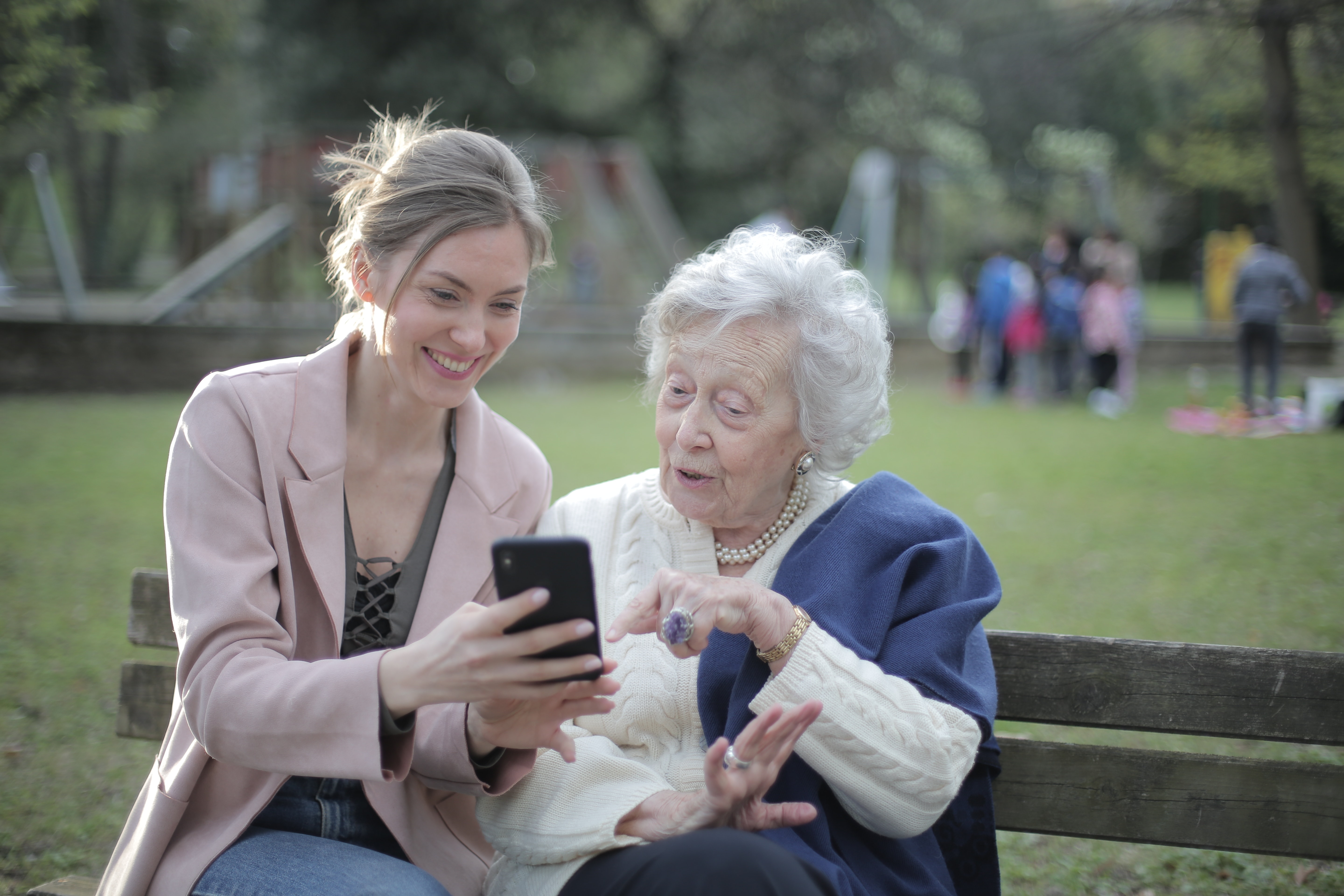
    When Aging Parents Need Your Help, Who Will Help YOU?

    When your aging parents need your help, it can take a toll on you as caregiver.

    When you google “top 5 stressors for marriage,” you get a lot more than 5 stressors. Things like finances, a new job, moving, in-laws, children, health crisis, poor communication, and major changes are just a few. But when you combine in-laws, health crisis, finances, moving, and major changes into one avalanche, like moving an aging parent into your home, the stress and impact can be crushing. Tom and Jannette knew this first hand. They’d been married 17 years, their children were teens, and they had a pretty full life. Until Tom’s mom seemed to be growing less steady on her feet, and displaying some confusion. When aging parents need your help, you do what you need to do. But who will help you?

    Tom’s dad had died 6 years before after a sudden heart attack, and his mom had been doing ok trying to get through her grief and rebuild her life. Then the confusion started. And after that, she had a couple falls. So, Tom and Janette began to worry about her in a real way.

    It wasn’t like their life was relaxed or leisurely.

    With 3 teenaged children they were always on the go. Attending parent teacher meetings, soccer practices (and games on weekends),  gymnastics, church, and choir practice. Plus both Tom and Janette worked, and the kids had school projects and daily homework. Their lives were full to the brim.

    When your aging parent needs your help, your presence can transform their life.

    But when Gran started falling, they realized they had to do something to help her and keep her safe. They couldn’t afford a nursing facility, and she had always been adamant she’d never want to live in a place like that…she insisted she’d die of loneliness. So they cleaned out the guest room, and moved her in. Aging parents need your help sometimes. You can’t ignore it. After all the love they’ve given you, you feel like you have to find a way to help.

    Within the first couple weeks, they noticed things about Gran they hadn’t seen before. They probably hadn’t been around her enough to realize it, but she was showing signs of more confusion than they expected.

    She would wake up in the morning and put on her clothes over her pajamas. They soon realized they needed to help her dress. A few months later, after they helped her dress she would take everything back off. By that time she started losing control of her body functions and required a diaper.

    They would empty the dishwasher only to find she had reloaded it with clean dishes.

    Then they’d notice the washer running, and look inside to find it stuffed with her clean clothes.

    Their full-to-the-brim life reached a pinnacle of overwhelming and crushing futility. The simplest routine task became ten times harder, more complicated, and time consuming. Jannette often reached a point of tears, as she plodded through her responsibilities. Tom was doing his best to help with everything, but his efforts continued to fall short, too. With the changes they’d made since Gran moved in, it was becoming harder and harder to make ends meet. But when aging parents need your help, you give it.

    Getting the kids to their various activities was overwhelming. Gran had begun slipping out of the house when no one was looking, and had gotten lost once. It required the help of the police department to find her and bring her home. So to keep her safe, she could not be left alone — ever. 

    The result was that they bundled her up in the car every time they left, ran an errand, or took kids to their activities. More time. More arguments.

    Jannette grew more and more run down, exhausted, and hopeless. She was doing the best she could to keep the family functioning — and her mother-in-law safe — but it never seemed to be enough. She cut back on her hours at work to try to accommodate the needs at home. Less money now.

    Futility. Overwhelming futility.

    Aging parents often reach the point they need help, but giving it can take a toll on you.

    Jannette felt like she was drowning

    When she saw she just couldn’t seem to get up anymore and do what she needed to do, she saw her doctor to see if he could help. It wasn’t hard for him to connect the dots after listening to her story, and realize she needed to see a psychiatrist. She was in crisis and treatment was necessary.

    He referred her to a psychiatrist he trusted, who brought her in for an appointment the next day. They talked about her situation at home, about her kids’ lives, and about her mother-in-law’s pressing needs. She asked her if she ever thought about ending her life.

    She looked her in the eye…held her gaze.

    “Yes.”

    She explained stress, and the damage it can do when you’re under the kind of intense stress that doesn’t let up. How it can lead to compelling, overwhelming suicidal thoughts. And how ketamine treatment can stop those thoughts to give you the freedom to seek treatment, and give you the time you need to get better, without the life-threatening thoughts.

    They agreed to begin infusions the next day. Jannette didn’t know what to expect but so hoped this would help.

    Then, Jannette realized the following afternoon that she hadn’t thought about dying all day.

    She went back for another infusion that week and realized she wasn’t thinking about, or visualizing, herself dying like she had been…so many times every day she couldn’t count them.

    But she also noticed something else. There was a sort of lifting inside her… an elevation where her heart was… she wondered if it was the beginning of hope…

    A sad aging parents may need your help when health and lucidity fail.

    As a result of her treatment, she was able to talk with Tom about what she’d been going through. They realized that as much as they loved Gran, they had to find a different solution.

    In going through her papers, they found she had provisions for long term care that would help pay for her to be admitted to a memory care facility, so she could be kept safe. She would have support, and would eat nutritionally balanced meals, and they could visit her often.

    They faced that Gran’s needs combined with the needs of the family were too great a cost for Jannette, so they set out to make hard decisions, and follow through with changes, that would help Jannette get strong and healthy again. 

    Sometimes you can have the best intentions, but the cost can be too high.   

    Their oldest child, Jason, had a driver’s license now, so the family sat down to make a schedule that would lighten the load on Jannette. They scheduled 3 visits a week with Gran at her new home. One visit to be made by Tom on the weekend, one made by Jannette on Tuesdays, and one by their son Jason with his sister Chelsi on Thursdays. When your aging parents need your help, you find ways to give it. This schedule gave Gran lots of family contact, while allowing their son to participate in activities of his senior year, and allowing Jannette some down time. 

    Jason would take Chelsi and their sister Heidi to gymnastics, cheerleading practice, and choir.  

    Within a month or two, the family’s life began to calm down, and become more rewarding, while allowing the time and freedom for healing, and peaceful contemplation occasionally.

    After Jannette’s ketamine infusions were completed, she found she was feeling better and better, as time went by.  She received 7 infusions in all, and began seeing a therapist, too, to help her make progress more efficiently. She also read that she could progress more effectively if she really invested her effort when she had the urge to do something productive or to show care for herself.

    All the steps she took were working together to help her improve.

    When your aging parent needs your help, it can bring joy to your whole family.

    Jannette experienced hope seeping in, and over time, she got her feet under her again.

    She began to visit Gran on the weekend with Tom. They noticed Gran was sometimes not recognizing them, but they did their best to make her feel loved, and they would do that going forward. When your aging parent needs your help, there is a way to help if you look for it.

    Tom told Jannette that he was sorry she had gotten so run down before they took steps to support her. She explained that she was thankful that while Gran was still lucid they could keep her in the heart of their family. And yet…she was so thankful they had an alternative when it got to be too much.

    If you have been helping a family member, and are experiencing burnout, or the symptoms of major depression and/or suicidal thoughts, and if nothing has helped…call us.

    We understand how hard it can be to overcome the stress of a difficult life, and overcome the exhaustion…and depression.

    Sometimes a caretaker has to take a time out to restore and heal. And sometimes they need more than that.

    We specialize in providing ketamine treatment, and are here to help.

    May 2023 be a year of new beginnings for you and those you love.

    Lori Calabrese, M.D. is on the front end of the race to stop PTSD in its tracks using IV ketamine treatment.

    To the restoration of your best self,

  • Did You Get Fired? How to Move Forward After a Severe Blow

    Did You Get Fired? How to Move Forward After a Severe Blow

    When you get fired, it can be devastating but ketamine can help.

    Ryan blew out a breath. He felt like the walls were closing in on him. He’d been working at this company for 9 years, and for some time now, he didn’t feel like he was contributing his best work. He didn’t know what was wrong, but he just didn’t have good ideas like he used to. Something akin to brain fog had been filling his head for so long he could hardly remember being sharp and productive. Most of the time he felt like he plodded along, doing grunt work. He was worried he’d lost his edge. Somehow, his job had turned into drudgery, and he felt like he was always playing catch up. Then one day his boss came to his office and closed the door. Not a good sign. “Ryan, as you know your annual evaluation didn’t carry a very high score. I’m sorry to have to do this….but…you’re fired. Gather your things and security will be here shortly to escort you from the building.”

    “What???”

    “You heard me. I hate to be the bearer of bad news, but you know this company operates on the performance of its employees. Your performance has been way down for over two years. My hands are tied.”

    If you get fired, looking for a new job can be hard.

    Ryan’s dignity shriveled in his gut. His self respect shriveled with it. He trudged down the hall to the supply room to find a box for his stuff. Head hanging, eyes staring at the floor, shoulders slumped…this was surely the worst day of his life. When you get fired, it soaks into your very core, eroding away your sense of worth.

    He was too stunned to analyze what happened…or why. He just kept putting one foot in front of the other to get a box and load it with his belongings because security was coming to escort him out of the building whether he was ready or not.

    After security walked him to his car, he stopped at a bar before driving home. What would he tell his wife? She would lose all respect for him and probably leave him.  He’d been trembling ever since he got the news, and he just had to find a way to get a grip. He needed to be strong for Trina.  He needed Trina…he didn’t want to lose her. But why would she stay with a loser?

    The pain and shock of the morning loomed before him. It was hard to get his thoughts to work. Who would ever hire him again? With a failure this serious on his record, what did he have to offer..? But without work, how could he take care of his family? Pay bills? Would they lose their house? Their cars?

    The more he worried, the more he worried.

    Fear of the future threatened to knock him to his knees.  He could think of no solutions, just failure, shock, loss, and despair.

    When he arrived home, Trina was in the kitchen. She turned to see him with a look of surprise.

    “What brings you home so early in the day?”

    “We need to talk. I had a terrible blow. Let’s sit down.”

    They walked into the living room and sat on the sofa.

    “What is it, Ry?”

    “I can hardly say it out loud. I honestly feel so shocked…and ashamed. Got fired this morning…”

    “Fired?? What happened?”

    “My boss told me my performance has been down for 2 years. He said it was out of his hands. I know I haven’t felt as sharp for awhile…like my head is full of cotton. It’s been hard to come up with new ideas, or to make clever contributions. But I had no idea I was on the verge of losing my job. I’m so sorry Trinie.”

    “Oh Ry, I’m so so sorry. What a terrible blow.”

    When you get fired, it's hard to know where to turn, and family support is important.

    “The worst of it is that I have no idea what to do. How will I get hired somewhere else with this on my record? And how can I perform somewhere else when I couldn’t perform at the job I had? What’s wrong with me?”

    Trina instinctively knew she needed to help reduce the stress Ryan was feeling right now, before he could move forward. He was close to panic and that would only work against him.

    She made him some lunch, put on some music, and they sat down to eat. She held his hand and told him as tough as things looked right now, they were going to get through this together.

    “Somehow, Ry, everything is going to work out. It will.”

    After lunch they went for a walk together. Trina told him about her friend Jill, whose husband had been depressed and is seeing a psychiatrist. Ryan rolled his eyes. 

    “Try to listen to me, Ry.

    “Jill’s husband’s name is Paul. He’d been in a funk for months and finally decided to see a psychiatrist who told him he had major depressive disorder. He and Jill were shocked by that. They knew he was irritable, and sort of bland, but they didn’t realize it was depression. He tried some medication that didn’t help and finally was encouraged to try IV ketamine treatment. It was a series of 7 or 8 infusions — I don’t remember — but it helped him dramatically. He says he’s thinking more clearly, feeling creative, far less irritable, and feels optimistic for the future.

    “Jill says the biggest change that she’s noticed is that he enjoys moments, food, their time together and with the kids. It’s his ability to enjoy.”

    Ryan was quiet.

    “I wonder if those changes in mental clarity and creativity are common. Without that kind of change, I’m worried whether I can function in a new job, not to mention successfully interview for one.”

    Couple talks about how to move forward after getting fired.

    Trina paused thoughtfully, then said, “Let’s find out. Let’s look through the internet when we get back and see what we can learn. It seems like there may be some real hope here.”

    And they did just that.

    A day that began as one of the worst days of Ryan’s life, the day he got fired, wound up to be one with sprigs of hope popping up all around. They learned that Ryan had apparently developed major depression, based on all the symptoms they found listed. He kept wishing he’d realized it before so he could have done something about it before losing his job. But he was hopeful with treatment he’d be able to rebuild his career and his life.

    He was so thankful for Trina. Her unconditional love propped him up and gave him courage he hadn’t had that morning. And the way she dove into problems seeking real solutions made problems seem to shrink.

    He called for an emergency appointment with a psychiatrist they found who offered ketamine. After a trial with medications that didn’t seem to help him at all, he was able to schedule IV ketamine treatment.

    He began to notice some improvement after the 3rd infusion, but it was so subtle he wasn’t sure if it might be his imagination. Then after the 4th infusion, it seemed there was a little bit of elevation.  Strange, hard to describe, but unmistakable.

    After the fifth infusion, he began to feel hope. And he noticed spurts of emotion that had been silent before.

    The sixth infusion was right before Thanksgiving, so he had to wait over a week for the 7th one. That turned out to be positive for him. For some reason, that resulted in the 7th infusion being more potent, and he found himself laughing on the way home. After that, and the 8th, he got better and better. 

    Spending time in nature along side ketamine treatment can enhance your outcomes.

    Ryan and Trina made a point to go for a walk every afternoon, to get fresh air and to enjoy the sounds of leaves rustling in the trees, and see birds flying. Taking the time to relax and enjoy those times rocked his recovery.

    Finally, Ryan began to prepare so that he could be astute for job interviews. The benefits of ketamine treatment showed up in his social ease, his patience, his creative ideas, and his hope.

    It only took several interviews until he was hired in a new company. By that time he’d been out of work for 6 1/2 months, and his energy, skills, and creativity were working again.

    It turned out that the atmosphere in the new company was far better suited to Ryan’s nature and work style than his old job had been. He never could have dreamed he’d be happier there, but he was.

    Losing a job, especially being fired, can be a traumatic and damaging experience. Some people never get over it. Others are able to adapt and move forward. But if you’re depressed and plagued with anxiety already, before you’re fired, that’s just a heavier load than anyone should have to carry.

    IV ketamine treatment can help.

    If you got fired, or were laid off, don’t despair. Your life can go on. You can go on.

    If you’ve had a traumatic blow, and you’re suffering from depression and/or anxiety like Ryan, call us.

    IV ketamine treatment may give you the advantage you need against these debilitating symptoms, and give you the open door to hope and restoration. Give yourself the chance to strive for remission of your symptoms, so you can embrace your life with joy.

    Lori Calabrese, M.D. is on the front end of the race to stop PTSD in its tracks using IV ketamine treatment.

    To the restoration of your best self,

  • How Ketamine Can Put Your College Student Out Front Again

    How Ketamine Can Put Your College Student Out Front Again

    Start your college student out front with treatment for depression with IV ketamine.

    Ethan was in his second semester of his first year in college. The new had worn off, and the classes were getting harder. He hadn’t had to work that hard to do well in high school and being challenged felt more like being overwhelmed. He studied hard for chemistry, but he really struggled to get a handle on it. Instead of A’s he was making B’s and C’s in that class and was feeling stupid for the first time in his life. He had never worked at a job before now, but had to work 20 hours a week doing something he hated…making cold calls to alumni to raise funds. It was part of his financial aid. To make things worse, his social anxiety was kicking up with all the stress, making those calls torture. Ethan wasn’t starting as a college student out front, unfortunately.

    Help your college student out front again with ketamine for depression.

    His friendships were few, because forming connections took so much energy and he felt more and more depleted. HIs roommate was a nightmare…clearly someone who needed some sort of treatment. 

    The guy would hide behind the door and jump out screaming at him when he walked in the room. Bizarre was an understatement. Rather than a place of rest and refuge, his dorm room was a torture chamber except when his roommate went home for the weekend. Relief was hard to find, and the stress just kept building.

    As time passed, Ethan’s anxiety kept rising. Test anxiety, social anxiety, and worry grew and billowed, choking his ability to function. Worse and worse. He had expected to do well, but his stressors were preventing him from being a college student out front of the crowd.

    When he reached the breaking point, he would stay in bed and skip classes as well as work. A day in bed in a dark room seemed to give him the courage to face another day…until it didn’t.

    His grades began to decline.

    The worse his grades, the more guilty he felt. He didn’t want to face his parents with what had happened this semester. He began drinking to relieve the guilt. It wasn’t partying because he had too much anxiety to face a crowd. He had never used alcohol before, because he’d always had his mind on performing well in school. But that wasn’t happening anymore. He didn’t know what to do.

    A student feels lost when they aren't ahead in class.

    Realizing he was going to fail the semester if he didn’t take action, Ethan went to the campus counseling center and talked to a therapist. He told him the trouble he was having with everything. He asked what could be done about his record when he was too anxious and depressed to function, much less improve his grades.

    The therapist recommended a leave of absence to give him time for treatment and therapy so he could function again and improve his grades.

    She also gave him a card for a therapist, and another one for a psychiatric practice that offers ketamine treatment.  And she encouraged him to spend some time with his parents to talk through all that had happened, and determine the best steps to take.

    Anxiety disorder is the most common disorder in college students, and generalized anxiety disorder is often diagnosed during college. It exhibits itself often as worry that won’t stop, and can often be accompanied by social anxiety or panic attacks. Add to that the prevalence of depression which often accompanies untreated anxiety, and you can see the very real risk to college students for things to fall apart caused by the new stressors they face. 

    You can set your college student out front when you treat depression with IV ketamine.

    Suicidal thinking, planning, and attempts threaten college students — and suicide is the third leading cause of death for young adults.

    Eating disorders are also high on the list of disorders threatening college students. ADHD and autism often get identified for the first time are also prevalent. Sometimes psychotic symptoms begin.

    All these challenges face a growing number of young adults between ages 17 and 25. Since college students aren’t known for seeking help, many end up being placed on suspension without effective treatment. In addition, the prevalence of disorders sometimes clogs the healthcare system in universities. 

    But when parents and students identify symptoms of depression, anxiety, PTSD, and suicidal thinking, they can receive IV ketamine treatment and in most cases find relief and even remission.

    By treating mood disorders you can set your college student out front.

    IV ketamine doesn’t resolve everything, but for these conditions it can give you your life back. Initiative, motivation, clarity of thinking, hope… freedom from feeling overwhelmed and confidence can set your college students on firm ground for embracing challenges. If you have social anxiety it can be transformative for you.

    It doesn’t work for everyone, but IV ketamine can be transformative for many.

    The key to understanding why college students may be overcome with anxiety, depression, PTSD, and suicidal thoughts is stress. Their increased stressors wear down the synaptic connections between brain cells that are the pathways for signals throughout the brain. When those pathways wear down, signals can’t be sent, and thoughts become less prolific…dull…dark.   

    IV ketamine treatment turns on mRNA which switches DNA to ON to turbo boost  brain-derived-neurotrophic-factor. BDNF restores and proliferates those synapses creating strong and broad pathways for messages, filling your mind with problem solving, creativity, and hope.

    Put your college student out front with IV ketamine for depression.

    If your student is struggling with anxiety, depression, PTSD, or suicidal thinking, call us.

    We offer IV ketamine treatment so he can experience freedom from fear, lifting of depression, relief from PTSD, and the end of suicidal thinking. If he’s had difficulty with academic demands, ketamine can put your college student out front again.

    Let us help your student excel like he used to.

    Lori Calabrese, M.D. is on the front end of the race to stop PTSD in its tracks using IV ketamine treatment.

    To the restoration of your best self,

  • Do Parents with Social Anxiety and Panic Pass It On to Their Kids?

    Do Parents with Social Anxiety and Panic Pass It On to Their Kids?

    Social anxiety and panic attacks can be passed from parent to child.

    School is starting. Teens are beginning their academic year in junior high, high school, and college. Exciting and a little scary… for parents too. Do parents with social anxiety and panic pass it on to their kids? Anxiety disorders run rampant for this age group. General anxiety, social anxiety, and panic plagues many teens, along with co-morbid depression and bipolar depression.

    Research confirms that a child who has a parent with anxiety holds a compounded risk of anxiety. It’s even more true if both parents have an anxiety diagnosis.

    The more we understand that relationship the better prepared we are to help those parents’ offspring who are at risk. These conditions can be responsible for absence and avoidance of school. In fact, when they’re severe, it can become almost impossible for your teen to endure.

    We know that genetic connections and watching an anxious parent respond to anxious situations increase the likelihood of a child showing signs of anxiety, too.

    Social anxiety and panic attacks  make it hard for a teen to succeed in school.

    And the more this occurs, the stronger that response — or reaction — exhibits itself in your child.

    By the teen years, kids can become entrenched in these patterns. And the responses become “knee-jerk” reactions.

    Social anxiety, panic, and general anxiety can interfere with your child’s normal growth and development, making it more and more difficult to make friends, perform in class, and enjoy success. When symptoms drag on without successful treatment, it can be extremely difficult to apply for a job, perform in the workplace, maintain a relationship, enjoy marriage (yes, some people do!)… and so much that’s a part of a rewarding life.

    To better understand these risk factors, a team led by Barbara Pavlova, Ph.D. and Rudolph Uher, M.D., Ph.D., at Dalhousie University, embarked on a study to show how parents pass their anxiety disorders down to their children, and published it in JAMA Network Open. 

    They showed that children whose same-sex parent suffers from anxiety disorders are more likely to suffer from anxiety than those whose opposite-sex parent has such a disorder.

    By age 10. (Yes, you got that right: 10).

    And the lowest risk of a child’s developing anxiety disorders exists when neither parent suffers from these disorders. 

    Social anxiety and panic attacks can be treated with IV ketamine.

    But the likelihood is almost as low when the parent with anxiety is effectively treated for it. When anxiety symptoms are treated, and the parent has relearned responses that don’t convey fear to fearful or worrisome circumstances, their child can learn healthier responses, too.

    Anxiety disorders are the most widespread psychiatric disorders, and among the leading causes of disability. 

    When you understand the impact your own anxious responses have on your child, it’s easier to see the importance of treating your own anxiety, as well as your teen’s. You may not even realize you struggle with anxiety… the way you are may just seem like it’s just the way you are

    Worried a lot of the time…  with thoughts running through your mind so much that they keep you from sleeping at night.  Maybe it’s extremely difficult for you to walk into a crowded room, or attend a party where you don’t know many — or any — people? …Maybe you just avoid gatherings like that.

    Anxiety and panic attacks can interrupts your teen's success in school.

    Or maybe sometimes anxiety builds and builds until you just shut down… or want to cry, or scream… or you just freeze and can’t make yourself function.

    Maybe sweat breaks out on your face, your palms, in your armpits. And it’s completely beyond what you can control. Social anxiety, panic, and excessive worry can not only interrupt your normal living, but can be complicated by depression. And they can influence your behavior around your children, and interrupt their lives, too.

    But IV ketamine treatment can be transformative for these conditions, and other disorders.

    Research has shown what a difference IV ketamine treatment can make, in you, your spouse, and your teen.

    By releasing mRNA to turn DNA “ON”, brain-derived-neurotrophic-factor (BDNF) is released and turbo-boosted proliferating the brain cells. Dendrites and dendritic spines explode by the bushel, sending signals throughout the brain like a flood. Your brain can light up with creative and positive thought, solutions, and hope.

    The darkness and oppression that’s trapped you… the anxiety and tension… dissipates and can be replaced by joy.

    Yep. Joy. 

    We’re ready for you at Innovative Psychiatry to help you find that joy and hope through IV ketamine treatment.

    When you come in, you’ll be led to a quiet, beautiful room where you can relax in a heated, zero-gravity leather recliner, listen to the music you bring if you choose, and close your eyes to receive your infusion and get the most from it.

    Social anxiety and panic attacks can be relieved by IV ketamine treatment.

    You’ll notice a trim, white box on the table that’s specialized for destroying bacteria, viruses, and molds of all kinds, leaving your room free of pathogens — and giving you a germ-free space to breathe and relax. Your safety is important to us, and in this ever-changing COVID environment, you will be completely safe from infection. Using plasma cell technology, we’ve installed a unit specific to the square footage of each treatment room throughout our offices. (Who else does that?)

    We’re meticulous — and for years we’ve pioneered best practices, set the standards, and led the pack.

    It may take 6 infusions for you to feel better, and to achieve remission from your symptoms… or maybe 8, 9, or 10. (Every person and every brain is different.) But we’re committed to help you receive the full benefits of your IV ketamine treatment.

    Ketamine isn’t for everyone, but it can be transformative for most. Chances are it will provide you with the peace, joy, and hope you need.

    Give yourself the benefit of what 21st century psychiatry can offer for treatment-resistant disorders.

    If these conditions sound familiar, call us.

    We’re committed to help you get better with IV ketamine. This is about you and your teen.

    Lori Calabrese, M.D. is on the front end of the race to stop PTSD in its tracks using IV ketamine treatment.

    To the restoration of your best self,

  • Anxiety, Panic, and Depression in Teens:  IV Ketamine Offers Hope

    Anxiety, Panic, and Depression in Teens: IV Ketamine Offers Hope

    Anxiety, panic disorder, and depression can be relieved with IV ketamine.

    Anxiety. Some people never struggle with it. A little bit of anxiety for them can be a motivator to study for a test, practice lines for a play, or learn math. Those who experience small spurts of anxiety can often perform very well. But when anxiety grows out of bounds it’s no longer motivating. When it explodes into fear, it can freeze you in place, making it extremely difficult to take care of things you need to do. That’s especially difficult for teens in school — including getting ready for college. And when issues crop up like anxiety, panic, and depression in teens, it can be just too much to manage.

    Emma’s Anxiety

    Take Emma. As a young child in her elementary school, she loved learning to read, working on group projects, and helping with the scenery for the class play. She wasn’t shy… but wasn’t outgoing either. She was just task oriented, good at things, and liked to excel.

    But as she got older, social anxiety crept in. Going into a full classroom if she was late made her feel like she would die a thousand deaths. (So she tried very hard to not be late.) The anxiety that built inside her about giving a report in front of the class or participating in group discussions or projects robbed her of the motivation to do a good job. She worried and worried about it and then, exhausted, just wanted to disappear.

    Some days she was so exhausted by it all that she just stayed home. Told her mom she had a sore throat or upset stomach.

    Anxiety, panic disorder, and depression can make it difficult for a teen to function in school.

    Then, when Emma was 15, she woke up one day and the anxiety about going to school overwhelmed her. She dropped to the floor crying and couldn’t move. Her mother came in to tell her to get dressed or she’d be late. But Emma couldn’t do anything. She felt frozen and helpless. She cried and cried harder, and told her mother she couldn’t do more than she was doing. Her mom was caught by surprise… but thought Emma was testing her boundaries. She was sick of the drama, tired of the hormones, and wanted Emma to just get up and go to school.

    But no matter what her mother said, Emma remained in a heap on the floor.

    Anyone who has had a weeping teen knows that you can lead a horse to water but you can’t make them drink. Her mom knew she could try to get her daughter dressed out the door, but she couldn’t force her to participate in school. She decided she better try a different approach.

    She asked her daughter what was wrong. Why was she crying? Emma took a long time to answer but finally said she didn’t know what was wrong. So she stayed home again and spent the day relaxing. Anxiety, panic disorder, and depression created a complex knot of overwhelm for this teenage girl.

    She took a mental health day.

    She took a lot of them.

    Eventually, Emma graduated from high school. She was so relieved to be away from that world that she was euphoric… and hoped she’d be ok now.

    Emma spent the summer doing things she enjoyed with her closest friend. She didn’t have a ton of friends since social anxiety caused her to stay to herself or with the friend she knew well. In August, it was time to move into the dorm at the college where she was scheduled to start. The last week she was home anxiety choked her. She wasn’t sure she could do this… so many people she didn’t know! How would she register? How could she move into a dorm with a stranger? Who would she eat with? 

    The fears spun in her mind faster and faster. She felt like she was frozen in a vault unable to communicate with anyone. Her parents tried to help her get ready and pack, though she couldn’t focus on it. They drove her to the campus and helped her carry her boxes to her dorm room.

    Then they drove away and she was alone.

    Anxiety interferes with life changes

    She froze where she stood. She was the first one in the room. And it was small. The terror of being in her room and facing her roommate was too much. She didn’t move. Emma worried that her roommate wouldn’t like her, and she’d have nowhere to escape to get away from her. She finally walked to the library to find a place she could be alone. It wasn’t long before she found a cool, dark corner where she could huddle. 

    Social anxiety, panic disorder, and depression can be relieved by IV ketamine treatment.

    After a couple hours there, Emma forced herself to go back to her dorm, and after standing outside the door for 20 minutes trying to get the courage to go in, she finally held up her card key, buzzed herself in, and walked in. She and her roommate introduced themselves but neither wanted to talk much.

    And so it began.

    Emma managed to go class, spent her weekends studying in her room or the library, and got through the semester. But once the next semester started, she was in trouble. Anxiety rose more and more until she couldn’t leave her dorm room.  She didn’t make it to many classes. 

    She stayed in her dark dorm room and slept instead of going to class. Emma slept all the time. Kids down the hall and acquaintances from her classes stopped by but she didn’t answer the door. She couldn’t face going outside and walking to class.  Couldn’t face other students. She’d gotten so far behind she felt too overwhelmed to fix it. And she was placed on academic probation. Now she had to tell her parents what was going on.

    Emma felt so much shame. Abject failure. But no idea what to do to turn this around. She felt like there was something wrong with her. She believed she was just weak. Inept. Worthless.

    Social anxiety, panic, and depression were a complex set of problems, on the heels of COVID, that proved too difficult to overcome.

    Reaching out for help

    She decided—finally—to talk to one of the campus counselors. Even though she had no idea what they could do, Emma knew she needed some sort of help.

    The counselor asked lots of in-depth questions about Emma and her history, her school life, and her family life. She got Emma to talk about what her thoughts were when she avoided class. Counseling on campus is short-term. So she gave Emma the name of a psychiatrist nearby who might be able to help.

    Emma called her parents and told them what she was going through, about her grades, and about the counselor. She cried — a lot. She asked her parents if they would help her see the psychiatrist. They agreed. 

    Her visit with the psychiatrist was enlightening. He told her that she had social anxiety, and depression—and probably panic disorder. He prescribed meds that day and she started taking them. But she felt tired, wasn’t sleeping well, and after a couple months she was still getting no relief. She felt no different. He tweaked her meds—a couple of times—and suggested a different therapist to see one-on-one for CBT (cognitive behavioral therapy) for anxiety… but she didn’t want to do that. Her social anxiety was too intense for her to tell her story. All over again.

    And then he told her that 30-40% of people with anxiety and/or depression aren’t helped by traditional medicines and treatments.

    She wished she’d known that before wasting so many months. 

    And he gave her the name of a psychiatrist who offered IV ketamine treatment.

    Really? How would she know if she was even legit?

    Emma called and made an appointment.

    But she felt no different after the first infusion. And started to worry—maybe this wasn’t going to work?—even though she knew that it could take a few infusions before her symptoms turned around. The dissociation was interestingweird but interesting. She hoped it would help.

    That panicky feeling calmed a little after the second infusion later that week. Just a bit. But every little bit helped.

    A few days later, she went for the third infusion.  She felt just a bit better the next day. Not a lot. But a little.

    Social anxiety, panic disorder, and depression can go into remission with IV ketamine treatment.

    Then, on the day of the 4th infusion, she began to feel less and less anxious, less out of control of her life, less afraid. She could tell it was helping. With the 5th and 6th infusions, she felt better and better… but was still a little shaky as she tried to make arrangement for a new semester. The doctor suggested she come in for another one or two infusions. She was almost there.

    After 8 infusions, she wasn’t afraid anymore. The depression was gone. Emma had the courage to face the school officials and made a plan with the campus counselor about repairing the damage to her GPA… She embraced her responsibilities and met with tutors. She started spending time with her roommate (who turned out to be a really nice girl) and they actually became good friends. Emma was so much better that she felt normal.

    Anxiety and panic disorder can go together. We call that co-morbidity. (What a word, right?) In Emma’s case, her depression was another whole thing she suffered from. With so much going on, she couldn’t figure out how to function or manage her life.

    This is actually pretty common in teens and college students. New stressors—like starting high school or college—can trigger even more severe anxiety. It can bring on depression. And make your teen—or youshut down.

    It’s important for parents to talk with their preteens and teens about mental health symptoms, and seek help when symptoms interfere with daily living. Symptoms like anxiety can be easy to misinterpret or overlook, so it’s really valuable to talk about how they feel. If they learn to talk about their experiences as they go through challenges, it will be easier to identify problems that need to be addressed…and treated.

    It will be easier to develop resilience.

    And if unexpected symptoms emerge, you’ll be in a better place to help.

    If Emma’s experiences sound at all familiar — and if treatment isn’t making a dramatic difference — call us.

    We’re here to help you with innovative solutions—and to help you reach for remission.

    Let’s see if we can get your life back.

    Lori Calabrese, M.D. is on the front end of the race to stop PTSD in its tracks using IV ketamine treatment.

    To the restoration of your best self,

  • PTSD Permeates Our World with a State of Post Traumatic Stress

    PTSD Permeates Our World with a State of Post Traumatic Stress

    Since the Uvalde, Texas shooting at Robb Elementary on May 24 where 22 people were killed and 18 wounded, 40 more mass shootings have occurred in this country. As we spoke about in our post Shooters are Terrorizing Us, people who hear or read about these terrible events struggle to make sense of them, and in many cases feel the rise of PTSD. Traumatic events like this are all around us. PTSD permeates our world.

    This is National PTSD Awareness Month, and you can help those with PTSD with your awareness and by understanding their pain.

    PTSD isn’t limited to soldiers who’ve survived active combat. It’s also a risk for people in domestic violence situations and those who’ve been assaulted. It can also develop in people who’ve survived transportation accidents, those who have survived a vicious divorce, horrible bullying, and so many other terrible and damaging experiences.

    Some say the whole world is living in a post-traumatic era.

    I say we’re living in an era that’s currently traumatic. There is so much that threatens to fill our lives with trauma. From the deaths and severe illnesses of people we knew and loved related to the COVID pandemic —which is still happening! — to the wildfires, natural disasters, wars and shaken refugees pouring into any country where they can be safe… to the cruel murders carried out by marginalized people who have a hate crime or score to settle.

    We’re seeing it all.

    Hypervigilance creates a prison of trauma

    PTSD permeates our world. Why is that? Maybe because our world is increasingly permeated by experiences that lead to post traumatic stress …. changes within our bodies and our minds characterized by hypervigilance, fear, and hopelessness.

    When we speak of hypervigilance, what are we describing? It’s that exaggerated condition of constantly looking around you for potential threats…something or someone who might hurt you. If you experience trauma, the impact of it can stay with you, always threatening to rear its ugly head again.

    This state can prevent you from relaxing, enjoying the circumstances you’re in, because of the danger of missing a threat. Your subconscious is constantly scanning for danger. Because it feels like it can be anywhere.

    It can make you feel on edge, tense, fearful, and overwhelmed. Post traumatic stress can keep you frozen in fear.

    The stress of PTSD that permeates our world wears down and prunes the nerve connections (synapses) in your brain, making it difficult to think of other things, or focus on the people you love. It’s as though you’re on high alert and ready to jump to defend yourself at the smallest surprise or noise.

    IV ketamine treatment has proven especially effective with PTSD. It causes those synapses to rebuild and reconnect to give you the ability to relax and enjoy the moments in your life with loved ones and friends.

    How does ketamine work?

    By triggering RNA to turn DNA “ON,” and to produce BDNF, a growth factor for brain cells that works like fertilizer to get those synapses growing, flourishing, and connecting…. filling your brain with new, robust connections. It’s as though the lights turn on as the signals in your brain transmit feelings of calm, relaxed enjoyment… and you can feel lighter and infused with hope. Resilience returns (or begins) for you and patience becomes part of you as you find new ways of enjoying your life.

    Imagine waking up in the morning with a song going through your mind, or even waking up singing…! (I know, right? when was the last time?) Imagine not reacting when someone playfully slaps you on the back. That you can go about your business without scanning the crowd for some threat…

    You can live free of those restraints and painful symptoms, and actually focus on your child’s birthday party, or conversation with your partner at dinner.

    At Innovative Psychiatry, it’s a joy to see people freed from PTSD symptoms after ketamine treatment every week. (Makes working so late into the evening doing infusions so worth it!) The robust impact ketamine wields on PTSD is a marvel to witness and can be — hands down — life changing. Whether the trauma is from exposure to tragic events, or verbal or physical assault, or injuries from accidents, or a catastrophic disease.

    Even though PTSD permeates our world — and maybe permeates yours — know that there is hope.

    If you suffer from symptoms we’ve described here and nothing has helped, call us.

    We’re here to help you receive your ketamine infusions in the best possible healing environment. You’ll have a beautiful treatment room where you can relax in a zero-gravity heated recliner while we monitor your heart rate and blood pressure. Your infusion of ketamine will be by a precise infusion pump that measures your dose to the tenth of a milliliter. We don’t hang a bag on a hook, cross our fingers, and let gravity take over, or run a bag in fast because we have to leave. (You wouldn’t believe the stories!) Your recovery is too important for that so we do our absolute best for you.

    And while you undergo your infusion, you’ll be safe from infection from the COVID virus, as well as bacteria and molds. Because 99.99% of all viruses, bacteria, and molds in our air are destroyed by the plasma cell technology we’ve installed in our offices. This is that system we’ve talked about before that was developed by NASA and the Department of Defense for the International Space Station. While our technology works to protect you, you’ll be free to focus on your treatment and getting better.

    We know that there are lots of ways to administer ketamine — lots of ways to administer IV ketamine… and most practices just don’t do what we do. Your journey starts with me—and with an incredibly thorough diagnostic evaluation—not a checklist, not a quick referral form, or a phone call where someone (medical? not medical? a closer?) just sets up an appointment. We don’t run a clinic with one size fits all…we do the very best we can possibly do to foster your recovery and remission.

    Get in touch with us and let’s talk it through.

    We want to see you enjoying your life — and you want that, too.

    So let’s do this! You have nothing to lose and a bright future to gain.

    Lori Calabrese, M.D. is on the front end of the race to stop PTSD in its tracks using IV ketamine treatment.

    To the restoration of your best self,

  • Shooters Are Terrorizing Us

    Shooters Are Terrorizing Us

    Shooters are Killing People

    We have a tradition in this country of excusing and explaining away the actions of a terrorizing shooter by declaring him mentally ill. We’re talking about shooters—the ones who open fire in a crowded public space and gun down the innocent. I hesitate to enter this dialogue but I feel compelled to today. The reason? Because those who truly suffer from conditions I specialize in treating — like trauma, PTSD, depression, bipolar disorder, obsessive thinking, and so many other conditions I specialize in treating are gentle, peaceful, empathic …. and would never become a shooter. The kind of rhetoric in the news these days (and dripping from loud-mouths) that “explains away” terrorizing shooters fuels fear surrounding psychiatric disorders. Shooters are terrorizing us, that’s for sure, they’re terrorizing our sense of security, curtailing our freedom, robbing us of peace. They are stealing our futures.

    So let me be clear and speak loudly: we desperately need to get away from “explaining away.” Because the simplistic way of thinking “they must be mentally ill” (a phrase I loathe) also feeds the stigma that can surface when someone admits he or she is depressed, or has bipolar disorder, or PTSD, or autism or an addiction.

    An Attack on a School or Church Requires Cognition and Strategy

    The person who would plot and plan to enter a public place and shoot as many people as he can is a murderer. Full stop. His cognition is working well enough that he can plan clearly, strategize his actions, and craft his response to resistance. No wonder shooters are terrorizing us.

    It’s not a game.

    They kill without conscience.

    Think about what that means for a minute.

    Are We “Making Excuses” for Shooters by Calling Them Mentally Ill?

    It’s difficult to imagine in a civilized world that anyone would purposely hurt defenseless children, or worshippers, or a family gathered at a barbecue. We can’t conceive of someone with a balanced mind setting out purposely, deliberately, and carefully to make sure that the mass killing is actually a mass killing. Unreal, right? So some people explain it with something else they don’t understand, such as mental illness. (“It must be….”) But it’s most likely that the tipping point for shooters who carry out their despicable acts happens because they’ve been radicalized by their associations, what and whom they listen to…. and eventually decide to act on it.

    This is terrorism…not mental illness.

    Shooters are terrorizing us and killing the innocent. That’s not to say that some of these shooters don’t have a psychiatric disorder. They might and they often do. But that’s not what motivates them. It’s who they listen to in many cases. Voices in their friendship circles, podcasts, or online … the ones they wake up to, fall asleep with, and dial into all day long. The ones who draw them into a marginalized way of thinking related to ideologies, race, hatred, and other dangerous concepts.

    Trauma Caused for Thousands by These Events when Shooters Are Terrorizing Us

    These events are upsetting and heartbreaking for all of us. Far more people suffer beyond the grieving families, friends, first responders and communities affected directly by the deaths that have been exploding around us. Everyone who reads about these incidents, or hears about them on the radio…or on TV or online…suffers with the horrors.

    As a nation, we shudder. And we cry.

    The trauma of these events causes damage not easily repaired.

    But here’s the thing.

    When these incidents draw attention, we’re flooded by footage, news clips, firsthand accounts. Just hearing about and seeing these events—and the shooters who perpetrate mass killings—results in trauma.

    Big T and little t trauma depending on how close you are to it, and what it reactivates.

    What can be done about these wounds to people like you?

    Let’s focus on that.

    Brain Cell Damage from the Trauma People Suffer Over Such Events

    Most of us start out in life with brain cells that are flourishing and abundant, resembling well developed oak trees. Happy Trees!! Then a stressful, traumatic event comes along and creates pruning. It’s as if shears are cutting away the branches from the brain cell, limiting what it can do drastically.

    What had been a great oak among the brain cells, dwindles to a twig with very little function. Then, suicidal thinking often enters, cognition deteriorates, mood tanks, and joy (what’s that?) is reduced to anhedonia…or the inability to feel pleasure.

    IV Ketamine Restores Signals Between Cells and You Feel Better

    shooters are killing people, but to recover from the trauma they causes, IV ketamine can heal the scars of PTSD.

    But when you receive IV ketamine treatment, it creates a cascade which turns on the production of BDNF to act like fertilizer so your brain cells can flourish again. Branches — we call them dendritic branches — grow and reach out and multiply until that pruned back twig is like the mighty oak again, remodelling synapses, setting up new connections, allowing new possibilities, removing suicidal thoughtseven in teens — improving mood dramatically, doing away with anhedonia, and sharpening cognition ….and you feel good again.


    Just imagine for a moment feeling good again after years of feeling bad…or if that’s hard to imagine, read about it in real people who tell their stories.

    But IV ketamine isn’t perfect.

    It doesn’t ALWAYS do all these things — no treatment works 100% of the time for everyone — but it’s so effective and revolutionary in psychiatry because in the right hands, it can operate like this nearly all the time, transforming people like you so you can function at your best. To help you be your best self.

    We can say this because we live it and see it every day. We think deep and long, have the guts and the courage (and the circles under our eyes!) to write up our findings and publish them, travel to teach our colleagues nationally and internationally. It’s why people drive in or fly in from far away to see us.

    At Innovative Psychiatry, we love to see people like you rise above painful symptoms and flourish. Seeing your resilience restored, your hope and energy renewed, your courage and ability to adapt strengthened, makes everything we do worthwhile. (Even the dark circles!)

    Our Treatment Setting is Calm and Relaxing

    When you come for ketamine treatment, you'll have a comfortable, quiet room to get the most from your treatment.

    When you come in, you’ll find a comfortable, gorgeous, private room to create a wonderful setting for healing. The environment is kept pure and clean using Plasma Cell Technology we’ve installed in each space—actually designed and installed for the square footage of your treatment room. (Tell me: who else does that?) Developed by the Department of Defense and NASA, our technology was first created for the International Space Station and removes 99.99% of all viruses, bacteria, and mold from every square foot of the environment by instantly destroying its DNA and RNA. (We’re not talking about a filter here.) It’s the best technology available and it’s kept us —and you — safe since 2020. So you can focus on your treatment and get better.

    Just know that this is your place to get better. To receive infusions of ketamine, integrate them with therapy, work on your infrastructure and your mindset… and achieve remission. We’ll talk about that more soon.

    We’re here to help you on your path to healing, so call us and come in.

    Better days are waiting for you.

    Lori Calabrese, M.D. is on the front end of the race to stop PTSD in its tracks using IV ketamine treatment.

    To the restoration of your best self,

  • Building Confidence in Your Capabilities: Put First Things First

    Building Confidence in Your Capabilities: Put First Things First

    Twenty-year-old Jake felt listless, really somewhat lost, truthfully. He had led a confusing life of trying to take classes his counselors and parents told him to take, joining organizations that were recommended to him. But never being able to sink his teeth into anything. Nothing seemed like it mattered. Whether it was classes or sports or charity groups. Jake needed to build confidence in his capabilities, but it wasn’t happening.

    How could he get out of his slump and find some meaning?  Build his life toward something worthwhile?  How could he make his LIFE worthwhile?

    He’d taken two years of college, sludging along, getting by without real commitment or passion. Some of his fellow students were halfway through pre-med or pre-law, and he felt like he had nothing to show for his first two years. Jake wanted his life to count for something. He wanted real meaning. He knew his whole life was ahead of him, but how could he make it count…? Did he just need to build confidence in his capabilities or was there more to it?

    One day, after swim practice, he talked to his coach about it. The coach had asked him what he wanted in life. His answer? “Meaning. I want to make some sort of difference in people’s lives. I don’t know whose, or how, but that’s what I want.”

    The coach said, “You know Jake, the students who take swimming for a semester won’t go to the Olympics. A few will continue in swim because they’ve been training for competition all their lives. Of those, one or two might eventually compete. But for the rest, this class is for health benefits and college credit. This class will push you to excel, and you’ll succeed, but then what?  What you want starts with an attitude of excellence. Deciding in advance that you’ll excel at each course you take. Even something as simple as swimming. Then as time goes by you’ll develop more and more expertise in more subjects. Every class you take is building your expertise… and your confidence in your capabilities.”

    Jake wondered what value swimming would have in his life…what purpose…?  Then he thought of other courses he was taking that seemed equally irrelevant. There was a literature course, an art history course, and a basic biology class. He couldn’t see the point. 

    His coach answered. “It’s less about how you’ll use those courses to change the world, and more about how those courses will lead to others, that will be instrumental in your future.

    And meanwhile you’re building yourself…who you are.  That literature course may lead you to try out law courses, art history may give way to archeology, or that intro biology course may usher you into medical research. Because it’s the doing that builds your capabilities, and giving your very best to every course disciplines your mind to seek understanding and answers — no matter how daunting the questions. Giving your best develops excellence… and hope.”

    All this was eye opening. “I guess I’ve just been waiting for the passion for something to assault me in an alley….”

    His coach laughed. “ You may find it more effective to assault passion first with a strategy to develop expertise. What do you think?”

    … Confidence is that knowing, with sureness, that you can trust in your ability and your judgment. It’s feeling sure of your abilities and principles…your capabilities to accomplish what you want to accomplish. 

    It’s one thing to just sludge through life, and another to reach for things that seem beyond your grasp. But the thing is: you need to stretch to keep reaching higher, right?  And to stretch requires some confidence, along with some determination to achieve what you’re reaching for. The confidence you crave is at your fingertips once you build competence.

    It helps to have some guide posts to help you get there.

    To build Confidence, build Competence first. Stand on those things you can do well, and build on them. Maybe you’re really good at baking cookies, or mowing and trimming the lawn. Keep doing those things you can do well, and get better and better at them. Then excel at something else. Maybe swimming..or chemistry. And work and work at it until you’ve mastered it. Then, choose something else. Each time you master something, you create an island to stand on.  Little by little the islands grow more numerous until they grow together and — voilà!!—you’re standing on a continent. Competence is something you build and multiply. Competence gives you confidence. Build confidence in your capabilities.

    Don’t compare yourself and your achievements to others. Maybe someone you know is smarter or better looking than you are. Who cares?  You can do what’s in your heart to do, no matter what someone else can do. Those others, with different looks, different personalities, different assets and talents are not relevant to you with your personality, your appearance, and your assets and talents. Build confidence in your own accomplishments.

    Make them your own.

    Hang out with positive people who believe in you and will help you believe in yourself. Invest your support in those people and accept their support of you. People who believe in each other build strong bonds and collaborate well to solve problems. Choose your friends, your coaches, your colleagues from this group. You can’t afford people who defeat themselves daily with their attitude in your life.

    Take care of your body. Take inventory on your diet. Remove empty sugar foods from your diet and build it on a variety of flavonoids, heathy fats, good proteins, plenty of pure, clean water, and a low percentage of carbohydrates.  

    Lean meats like chicken and fish.

    Flavonoids like avocados, onions, berries, kale, red cabbage, tea, red wine, dark chocolate

    Healthy fats like extra virgin olive oil, coconut oil, avocado, eggs, salmon, mackerel, trout, raw macadamias, almonds, cashews and walnuts.

    Get exercise at least 3 times a week. Walking for 30 minutes, jogging, swimming, or playing a sport you love.

    The best foods and exercise will help you build your confidence in your capabilities.

    Be kind to yourself – Are you someone who beats yourself up after a mistake?

    You may know it well: “I’m so stupid! How could I be such a fool?! What an idiot I am! I’ll never succeed.”

    Cut out that trash talk. You made a mistake. You’re human…it happens to everyone.  

    Learn to treat yourself with the same kindness you treat others. You’ll reach success faster if you’re your own best friend. Never tear yourself down. Accept mistakes and determine to learn how to avoid them. How to replace them with successes. You are your own coach, and there is no place for trash talk with a good coach. Get up and try again — as many times as it takes.

    Practice good sleep hygiene and learn ways to get your mind and body to relax and rest while you sleep at night — good sleep is essential to overall good health as well as preparing yourself to succeed every day. If you sabotage your wellbeing at night, then try to compensate during the day, it won’t work. Use your nights to prepare you for successful days. Using exercise at the optimal time for your own inner clock so it releases tensions, while not overstimulating your body for sleep is ideal.

    Face Your Fears-This may be one of the most prominent elements of building confidence. Facing fears head-on is essential. The opposite — avoiding your fears — sabotages the building of confidence. To recognize you are afraid of something, and then to systematically and purposely try to avoid it, continually rips the rug out from under you. Facing fear takes courage, but then it strengthens your confidence in your own ability to do what you want to do. And when you’ve built competence along the way, fears are less daunting. The confidence you gain from facing fear head-on is something no one can take from you.

    There are some things in life that don’t offer a quick fix. Sometimes what’s needed is our investment of effort. The effort may be long term. But the more effort we invest, the more reward we can enjoy throughout our lives.

    Lack of confidence isn’t always a psychiatric condition — in fact it usually isn’t. But if you suffer from social anxiety, ketogenic psychiatry can give you the freedom to function around people you don’t know so that you can feel comfortable in your skin and build confidence— in your career, as well as your life.

    If you need the extra help Metabolic Psychiatry can provide, call us.

    We’re dedicated to helping you enjoy a more rewarding life.

    Lori Calabrese, M.D. is on the front end of the race to stop PTSD in its tracks using IV ketamine treatment.

    To the restoration of your best self,

  • Feeling Anxiety About Ukraine? How Long Will It Last? What Will Putin Do Next?

    Feeling Anxiety About Ukraine? How Long Will It Last? What Will Putin Do Next?

    Remember what you were doing when the planes crashed into the World Trade Center? Or when President Reagan was shot? Well, what about when Putin invaded Ukraine..?

    Which time, you ask? For real. That’s a good point. When world changing events occur, they make a lasting impression that stays with us, often for the rest of our lives. And when Vladimir Putin’s forces attacked Ukraine, destroying military bases, airports, and captured Chernobyl, it may have had this kind of impact on you. You likely are feeling anxiety about Ukraine.

    Now there’s talk of a great war coming to Europe, and that’s scary to think about. It’s been 80 years since we’ve seen anything like that. And now nuclear warfare is so threatening, we can’t afford a “Great War.”

    You may feel angry. Most of us do.

    Do you know someone who’s in Ukraine now, huddling in a bomb shelter, or evacuating on a train? Or someone standing in line at a border country, trying to cross over? The helplessness you feel when you have no idea from minute to minute if they’re ok…whether they’re safe…

    As the leader of a world power, when Putin invaded the beautiful, peaceful country of Ukraine, he had to know full well the peace-loving countries of the world would would not be passive, right? It leaves us all to wonder, “What’s he thinking?” “What’s next?”

    Ok, so what’s the recipe for fear? Create uncertainty, have everything ride on it, rip away supports and familiarity…and attack relentlessly and without warning. Sound familiar? Sounds like Putin’s tactic, doesn’t it?

    That’s why you’re afraid. As are people around the world, and especially in Ukraine.

    First: our compassion and horror for the citizens of Ukraine rises high as we worry about them. 

    How far will he go?  How long will the bombs continue to be launched and explode?  Already he’s attacked not just city centers, but kindergartens, orphanages, a Holocaust massacre site, and hospitals. It’s understandable that you feel anxiety about Ukraine. Right?

    This guy breaks all the rules of humanity…and that makes us feel anxiety about Ukraine. And anger. So much anger.

    Will the people have food?  What about uncontaminated water, when infrastructure is being destroyed? Will they survive? What can you do to help? Those thoughts swirl through your mind around and around.

    They do in mine, too.

    Peace loving countries will mobilize means of offering aid to the citizens of Ukraine. Surely. Somehow.

    But there is so much we don’t know. Outcomes we can’t foresee. And that causes anxiety. The handwringing worry that can rob us of the freedom to live our lives in peace.

    We wonder why something like this is happening, and we sit in front of the TV watching news to try to understand, or we scour the internet. In a situation like this — when a world leader doesn’t share our values — there can only be theories as to why he’s doing this. We may or may not guess his motives. Or how far he’ll go. But we’re feeling anxiety about Ukraine… and feel helpless to change the situation.

    It’s safe to say that we’re probably all horrified at what we’ve heard and watched and read about Putin’s attacks on Ukraine this past couple weeks. Unprovoked attacks on the peaceful people of that country has probably made you wonder how this could happen…to try to make sense of it. 

    And to worry what all this might lead to? Broader acts of war in more of the world?  Genocide is already happening. How much worse will it get? It’s also so hard to watch something so heinous being imposed on innocent people. Of course you’re feeling anxiety about Ukraine.

    But if worry, anxiety, and fear dominate your mind and mine, they can rob our ability to help others.

    In the midst of it, you still have to live your life, take care of yourself and your family.

    Too much much worry can backfire.

    We’ve dedicated our lives to the prevention and treatment of suffering—however we find it. For some people  ketamine can provide relief—when their nightmares kick up… when they can’t sleep because new trauma activates old trauma … when they sit glued to their news apps, the TV, Sirius.

    So let’s talk about how you can be better for those closest to you. It doesn’t mean we forget what Ukrainians are going through.  It just means giving yourself breaks from the TV and internet — and perhaps from the inappropriate guilt you feel because you’re safe and surviving — and maybe just go outside for a little while, go for a walk….  bake or barbecue something for your family. 

    Breathe.

    Find ways to seek balance emotionally when you’re feeling so bombarded with a despot’s unthinkable crimes.

    When there are opportunities to send aid to the people there, do that for them. Participate in drives for the people of Ukraine when you see an opportunity. Do something today that is meaningful and purposeful.

    Spread goodness.

    Acute anxiety about the war can lead to other serious conditions. It can also make your symptoms worse if you already suffer from past trauma with PTSD, for instance. Brooding and obsessing about the war can cause your anxiety to rise.

    In fact, even if you’ve never experienced anxiety before, you may be feeling it now for the first time with symptoms like worry, brooding, a rapid heart rate and perspiration that can actually be bad enough to feel like you’re having a heart attack.

    What we need in the face of what is going on is resilience, hope, strength, a sense of belonging, a sense that we are not alone, and a generosity of spirit that will give us the courage to do the right thing.

    Our heart goes out to innocent people and their families in Ukraine and everywhere where there is suffering.

    Receive your ketamine treatment in a comfy recliner to erase memory triggers of alcohol use.

    When you think about Putin’s invasion of Ukraine, feeling horrified is palpable. But what if you find yourself growing angry, worrying about what will happen next, whether WW3 is around the corner…just feeling so helpless? What if you have loops of worry spinning around in your mind?

    If you have anxiety that is off the charts, and nothing you’ve tried has helped, call us.

    The IV ketamine treatment we offer can be a game-changer for you — even when the world is turning upside down. It can give you the power to think productive thoughts that aren’t so dominated by anxiety and fear. It’s remarkable, even extraordinary, what IV ketamine treatment can do for some types of anxiety… for depression… for hopelessness.

    We have to be careful and make sure we’re clear: not all the time and not for everyone. But for MOST of the people we see.

    We want you to enjoy the freedom to live your life, free of crippling fear, or handwringing worry. After all… you have good things still left to do — for your family and in your life.

    Let’s work together to make your life better for you.

    Lori Calabrese, M.D. is on the front end of the race to stop PTSD in its tracks using IV ketamine treatment.

    To the restoration of your best self,

  • Indicators for Postpartum Depression May Protect Moms and Babes

    Indicators for Postpartum Depression May Protect Moms and Babes

    In addition to the suffering a new mother experiences from postpartum depression, the baby is at risk for lower IQ, increased likelihood of ADHD, slower language development, and increased risk of behavior problems and other psychiatric disorders.

    Indicators for postpartum depression — or risk factors, as we might call them — can be identified and treated to possibly prevent this illness. Psychiatric history before pregnancy, psychiatric illness in the family, depression during pregnancy, along with environmental causes including a pandemic, adverse life events like trauma in a family member, or death in the family, and obstetrical outcomes, including baby’s health at birth, can all increase the risk that a mom could develop post-partum depression (PPD).

    Jill tried to enjoy her pregnancy during the early months of the COVID-19 pandemic. While she had many joyful moments, she also worried deeply about the impact of the pandemic on her baby, and whether she, her husband, or her baby would be infected with COVID. Fear that the coronavirus would cause some sort of damage to her unborn child if it invaded her womb.

    This was her first pregnancy, and she had no idea when she found out she was pregnant that a pandemic was coming. She was 3 months along when read about the pandemic. The news filled Jill with terror.

    Her husband, Jason, wasn’t himself. He was painfully fearful about the pandemic and vented about it all the time. Quite honestly, she wished she had a calm home and calm marriage while she was pregnant.  She’d had a tendency to get anxious for years, and little frustrations at work could really set her off with shortness of breath, sweaty palms, neck, and forehead. Her hands would tremble, and her knees would give way.  

    After a cool drink of water, and the calm reassuring chat with a friend, she could calm down. But until that happened, it was embarrassing.

    So when she started showing these same symptoms during pregnancy, she worried. Jill knew it wasn’t good for babies in utero to feel mom’s panic and tension. She worried her anxiety would impact her baby.

    Unfortunately, as the months went by, her anxiety and panic attacks grew worse. She just tried to keep her nose above water….  Then finally the baby was born.  

    Her doctor admitted her to the hospital to induce labor, and after hours of labor, she became more and more anxious. After she entered the transition phase of labor, the monitor revealed the baby was in distress. The nurse and doctor wheeled her to the delivery area. Their baby was born but was not breathing properly. 

    Jill and Jason felt panic and terror. The respiratory emergency team worked on the baby for 45 minutes then finally took him to the NICU. 

    After 24 hours, the baby was functioning well, and was pink all over. But it was such a traumatic experience for Jill and Jason, and they worried about the long term effect on their baby.

    When they got home it started. The baby cried hard all the time. Exhaustion prevented Jill from enjoying the baby. She was in what seemed a constant state of breastfeeding…without sleep, without peace… and though Jason would walk the baby for hours, Jill still couldn’t fall asleep.

    A visit to the doctor when the baby was nine months old resulted in the doctor explaining that her anxiety was sky high and so was her baby’s.

    The OBGYN referred them to a group therapy directed by a pediatrician. He encouraged a special schedule to retrain the baby to nurse longer and sleep longer.  Within a month the baby was sleeping at night. 

    Jason and Jill began to sleep.  They started to wake refreshed. They were both deeply shaken by the nine months they’d spent with a hysterical baby, and were only cautiously optimistic that it would last.

    Jill continued seeing her therapist by telepsychiatry sessions, and trauma from her childhood began to emerge.

    Jill is continuing in therapy, and learning more and more about the damage she incurred as an abused child

    Over time, she realized that the postpartum anxiety and depression emerged in the presence of stress, and when the stress eased, she found she had access to old wounds and could get help and heal. She learned a great deal during these sessions, and often deeply wept. Jason felt so enlightened, and was so grateful to see his wife healing. It’s a long process, and while she is steadily learning and healing, more continues to emerge.

    Authors of the PPD biomarkers study found that focusing on maternal mental health to treat and relieve illness resulted in mental and physical outcomes for everyone in the family.

    Indicators for postpartum depression present a useful method for noting a pregnant woman at high risk for PPD, and treating her symptoms proactively.

    To prevent PPD, it’s most effective if it is identified before symptoms emerge. That requires identifying the factors that can contribute to the onset of illness.

    Think about the fact that out of every 100 pregnant women, 10-15 will develop postpartum depression. Out of that group, if any of them have risk factors for postpartum depression — such as a history of psychiatric disorder, and are not taking medications — the risk of developing PPD is even higher. In addition, if there is a family history of psychiatric illness, as well as depression during pregnancy, there is a higher risk of PPD.

    Add to that environmental risk factors like socioeconomic status, adverse life events — including the impact of a pandemic, and obstetrical outcomes (like a baby not breathing at birth) or a preterm birth.

    Notice that we spoke of one indicator for postpartum depression being psychiatric illness without medication. One of the most effective treatments for depression and PPD is IV ketamine treatment. With its action to increase brain derived neurotrophic factor (BDNF) to rapidly trigger dendrites and dendritic spines to grow and flourish, and remodel synapses in the brain, ketamine can bring transformation, emotional energy, motivation and initiative, as well as joy to your life. With the renewed joy, you can find you enjoy your baby, and bonding can replace the exhausted, detached feeling you may have had with your baby.

    We must mention here that ketamine isn’t for everyone. It’s a treatment that helps some people dramatically, but not all — and like with so many treatments in medicine, we don’t yet understand why. IV ketamine treatment can bring many people with treatment resistant depression, including postpartum depression, into rapid and extraordinary remission. Chances are it can be transformative in your life.

    At Innovative Psychiatry, we often see women with indicators for postpartum depression achieve remission with IV ketamine treatment. It’s a joyous, hope-filled, new outlook on life and relationships that can give you the energy you need for your husband and children, and your baby. The ‘funny’ thing about ketamine is that it really seems to be most effective with those whose illness is the most severe. It seems to love to show its power in full transformations.

    When you come for ketamine infusions, we’ll meet you at the door and show you to your private treatment room where you can settle in and get comfortable on your recliner designed to help you relax most completely. You may bring your favorite relaxing music and a sweater to stay warm.

    When you come for ketamine treatment, you'll have a comfortable, quiet room to get the most from your treatment.

    You’ll notice an elegant white box inscribed with the word Novaerus sitting on the table. This technology is at work in every room of our practice to protect you from infection of any kind while you’re here. Using plasma cell technology, this process was developed by the Department of Defense and NASA for the Space Station to prevent infection there. It destroys all viruses — including COVID delta, lambda and mu — bacteria, and fungi in the air. (It can even lift Staph aureus from hard surfaces. Amazing!) And our plasma cell technology can keep you safe while you undergo treatment, even during this pandemic.

    This safety allows you to relax, not worry, and focus on your treatment, to get the most out of it.

    We’ve gone the extra mile to ensure you feel safe and free of risk regarding infection.

    Because you need to get better now…and not wait till the COVID pandemic finally comes to an end.

    If you recognize the indicators of postpartum depression in yourself, and you think they might have led to the way you’re feeling now, you can get better, feel like yourself again, and enjoy your new baby.

    Give yourself the extra boost you need to feel joy.

    Lori Calabrese, M.D. is on the front end of the race to stop PTSD in its tracks using IV ketamine treatment.

    To the restoration of your best self,

error: Content is protected !!