Category: Depression

Articles about Depression by Lori Calabrese, MD | The Ketamine Blog

The World Health Organization asserts that depression causes more disability worldwide than any other illness. In addition to standing alone as a disabling disorder, it also worsens other illnesses from diabetes, liver disease, heart disease, and brain injuries. We present these articles about depression to show the many ways this disorder is expressed, ways to treat it, and to dispel stigma caused by lack of information.

Causes

Depression and stress create a self-defeating cycle. Prolonged stress prunes the synapses, the dendrites attached to them, and the dendritic spines, reducing the network necessary for optimal signaling in the brain. Consequently, thinking slows and outlook darkens. In addition, creativity all but disappears. Depression follows this process, imposing yet more stress on the these all-important signaling structures.

Other structures in the brain enter the process. These structures in turn malfunction and make the symptoms worse. The lateral habenula, the amygdala, the thalamus, and the hippocampus each play a role in depression. By the same token, depression impacts them, too.

Treatment

Only about a third of people who suffer with depression find relief with traditional antidepressants. These medicines increase neurotransmitters in the brain and eventually increase neuron growth. But the actions of these medicines delay the process and these patients improve slowly. Sometimes, if the first trial with a medication doesn’t help, a different one or combination can help another one third or so of those who didn’t feel better after the first trial. Unfortunately, 33% of people suffering from depression find no relief from these medications. Until recently, they were left with little or no hope of relief for the rest of their lives.

Benefits of Ketamine Treatment

However, ketamine treatment is a novel and advanced treatment that has changed the prognosis for those treatment-resistant patients. Ketamine switches the mRNA to “On” which turns on the DNA to turboboost the brain-derived-neurotrophic-factor (BDNF) that proliferates neuronal growth along with synapses, dendrites, and dendritic spines which play such a vital role in improving signaling throughout the brain.

Another benefit of ketamine is how rapidly it causes the G proteins to slide off the lipid rafts in the cell membrane. This allows them to get back to work enhancing signals. It also causes the cell bursting in the lateral habenula to be dampened. Another process that allows you to experience a sense of reward – and feel better – when something good happens. Basically, ketamine treatment goes to work to help you feel better fast.

Then you enjoy clearer thinking and more creativity. Also a rewarding and upbeat outlook filled with light and joy. Add to that the improved initiative, increased motivation, and hope that makes life worth living again. This remarkable outcome occurs in 65-70% of treatment-resistant patients in general, and much more than that when the treatment is highly personalized. And the results are rapid and robust. Extraordinary.

As you read these articles about depression, keep in mind that there is always hope. Researchers continue to work to find more aspects ketamine’s effects on the brain that can impact the outcome.

  • How the Biology of Suicide  Illuminates Prevention

    How the Biology of Suicide Illuminates Prevention

    The biology of suicide shows us to prevent suicide with ketamine treatment.

    When someone commits suicide, you’ll sometimes hear people say, “It makes no sense! She had everything to live for…” Or, “What a selfish thing to do. What about all the people who loved him? What about his kids…his wife..?” But this sort of tragedy isn’t about selfishness. To grasp what happens with your suicidal loved one, we are beginning to understand that there is a biology of suicide, and it can play into whether or not someone takes her life. It also helps to know what can be done. Read one young woman’s story to see what I mean…

    …Casey climbed the stairs and disappeared into the darkness of her room without flicking on the light. Somehow the darkness was more comfortable. More familiar. She dropped her keys on the hall tree and her purse and coat on the floor, then flopped onto the sofa.

    Settling back, her neck resting on the back cushion, she stared blankly at the ceiling. Another day was behind her. 

    It was always a feat to survive another day of work. Miserable. Now that she had, her mind wandered to nothingness. The billowing relief that would come if she could just get off this ride…this miserable journey day in and day out… Casey lost herself in reverie thinking about what a relief that would be.

    She couldn’t do it anymore. She just couldn’t. And…she wouldn’t.

    No one in Casey’s life had any idea what she goes through. She seemed astute, responsible, reliable to those around her. Quiet. Sometimes a little short-tempered… But pretty self-sufficient.

    The darkness wrapped itself around her, and she hung her head in exhaustion.

    Random thoughts drifted through her mind. The summer she was 3. She had climbed a tree and went too high.  As she looked down she felt a little lightheaded and swayed in the branch as the wind blew. She had thought that if she just jumped, she would go to heaven. 

    “Good grief,” she thought. “I was only 3 then. Was there ever a day in my life I didn’t think about dying? Wish I could die? Figure out how to die…??”

    She closed her eyes. “Thirty one years. I guess it will go on as long as I live…”  Then, she thought, but why? What’s the purpose of my life beyond dreading, thinking about dying, seeing only futility..?”

    “Why put it off any longer..?”

    And then, something happened.

    She opened the drawer in her nightstand, reached to the back, and pulled out a tin of pills she’d been saving for years. The prescription said TWO pills.  And she’d taken one and stashed one. There was another bottle she’d squirreled away in her closet, so she felt around till she found it and tossed it on the sofa. 

    After a bit she dragged herself into the kitchen, and pulled the Kentucky Honey Whiskey from the cupboard a friend had left at her house 6 months ago. As she reached up for it, she saw the Tylenol and grabbed it.

    She knew that too much Tylenol would damage the liver, so slipped that into her pocket. The whiskey bottle was three-quarters full. That will help, she told herself. Then she grabbed a glass and took the bottle to the coffee table. 

    With all she would need in place…she lay down and drifted off to sleep…

    Honking from the street below. HONK HONK HONK!! Wondering about the time, she looked at her watch. 11:49.  Just a few minutes before midnight.  

    Methodically, she poured Kentucky Honey into her glass and chased the first few pills. Then poured another glass, and swallowed 4 or 5 more. 

    Pain pills and sleeping pills… hmmmmmm…    It seems to me I should feel a little different by now.  She was glad for the late hour. Unlikely anyone would find her too soon. No one ever knocks or stops by.

    She popped more pills into her mouth.

    The Kentucky Honey was becoming harder and harder to swallow. Her head was spinning from the glasses of it she’d had so far.

    All she could think about was the relief she would feel when this was over…

    This lady sank as she wondered about her worth and her purpose in life.

    No one had any idea…she had always held her feelings and frame of mind close to the vest. Impossible to get her to talk, really…

    We do so much research about what drives someone to suicide. But what actually happens– biologically?

    Why Now? Why Tonight ?

    Some people think about suicide every day of their lives and never act on it. What’s behind the moment someone actually takes the step to end his life? And what role does biology — the biology of suicide — play?

    Two prominent researchers are known for their insightful hypothesis about this way back in the 1990’s. Their contemporaries swore by the prevailing belief that depression was caused by low levels of the neurotransmitter serotonin. (You remember those days?) These two were burning the midnight oil trying to figure out HOW that was true.

    Their names were Charney and Krystal. Dennis Charney is now the Dean of Icahn School of Medicine at Mount Sinai in New York. He was focused on depression. John Krystal was exploring schizophrenia to better understand and treat it. 

    In both cases, their work at Yale at the time led them to glutamate, the most prolific neurotransmitter in the human body. As an excitatory neurotransmitter, glutamate helps brain cells communicate, so it’s critical in learning, memory development, mood and …. the list goes on.

    So they went to work together to learn what they could.

    Now, you need to understand that at that time, even though ketamine was a solid and relied-upon anesthesia medicine, its dark reputation as an abused substance in the club scene — and on the street — kept it from getting much attention in research.

    Glutamate Paves the Way to Ketamine

    Ketamine causes specific behaviors in people who use it on the street, usually within 2 hours after taking it. But the amount they ingest is around 100 times greater than the doses used in anesthesia, or the even smaller dose these researchers gave their subjects. 

    This is where some people get the wrong idea about ketamine. If they’ve heard about it or seen it on the street, they tend to be terrified of its use therapeutically because of severe side effects they’ve seen.

    But when ketamine is used in tiny doses therapeutically, it’s a completely different “animal.”

    Even so, Charney and Krystal didn’t want to miss anything that might show up later so, in an abundance of caution, they decided to monitor their research subjects for a full 72 hours after their ketamine infusion. They chose 9 subjects to try the ketamine infusion, but 2 of them dropped out. So they followed 7 depressed subjects for 72 hours. This was a turning pointKeep reading…

    This joyful guy benefitted from the biology of suicide when his doctor gave him ketamine to erase suicidal thoughts.

    Four hours after the ketamine was administered, they checked on the patients. These patients declared they felt better.  In fact, they felt a great deal better! Our researchers were shocked beyond belief. Everyone knew that antidepressants take weeks or months to produce an antidepressant effect, and this medicine produced dramatic results within 4 hours.

    They didn’t expect anyone to believe them, and kept these results under the radar for years. When they finally did publish their results in 2000, they got …. not much attention. 

    Low Serotonin Severely Alters the Brain – Which Plays into the Biology of Suicide

    But during the same time another research team, John Mann and Victoria Arango, set out to study the brains of suicide victims. Over time, they discovered that certain areas of the brain showed alterations in serotonin. A significant kind of alteration.

    In fact, this situation reminded them of the well-known story of Phineas Gage, back in 1848. Gage was a railroad worker, and had been impaled by a 43-inch cylindrical iron tamping bar right through his skull.

    Amazingly, he survived the accident, but his personality completely changed. His doctor later wrote that Gage’s “character” was altered by the damage and his “animal propensities” emerged, as he put it. He wrote that Gage was fitful and irreverent. He called him capricious and vacillating, and complained that he used the “grossest profanity.” Now Gage had been a foreman: a responsible, circumspect, hardworking man before the accident. So you see, the change was dramatic.

    It wasn’t until more modern times that research revealed the area of the brain destroyed by the iron tamping bar is the area that controls inhibitions, and in Gage’s case, his social inhibitions.

    And that’s one of the same areas affected by “low levels of serotonin transporter binding.”

    So, with low levels of serotonin, the inhibition disappears. In the cases of these suicidal victims, the researchers think the inhibition that kept them from committing suicide was lifted, and they surged forward and ended their lives.

    But again, this may have happened as a number of other social, economic, and interpersonal factors were unravelling. There are so many contributing factors to suicide. And even when we can study and pinpoint biological correlates, we know that low levels of serotonin in the cerebrospinal fluid, and probably low levels of serotonin transporter binding don’t always result in suicide.

    Of course they don’t.

    Moreover, even if the doctors of these patients had known the exact biological areas and brain processes involved in suicide, and had a way to modulate the activity there, it still might have taken weeks or months to reach a therapeutic effect — and it might not even have worked …as it may have been too late.

    Ketamine Takes Its Cue From the Biology of Suicide in YOUR Brain

    So this is a HUGE key to why ketamine treatment can be so vital to erasing suicidal thinking.  Because it can erase those thoughts in an afternoon, in the psychiatrist’s office. No need to wait weeks or months and risk suicide while you wait for it to take effect. 

    Compassion for Suicidal Loved Ones

    People who succeed in, or even attempt, suicide, aren’t thinking about the feelings of others. (There’s some truth to that…but not necessarily what the criticizers think.) Quite honestly, in that condition they can’t. They may have been induced by their disordered brain to think about suicide for a very long time, or maybe just so intensely, whether they wanted to or not. Then, if the biology of suicide kicks in and they have little or nothing to help them hold back, they may act impulsively and without recourse or consideration of consequences.

    For those of us who love them, unless we’re tormented by the same suicidal thoughts, we can’t imagine what it’s like to want to die, or to feel compelled to die.

    This isn’t selfishness…it’s sickness. It’s also not selfish when a Type 1 diabetic’s blood sugar drops so low he convulses. It’s a consequence of his serious illness.

    And it’s for this reason that it’s important to never dismiss or ignore talk of suicide.

    Thankfully, IV ketamine treatment can provide the safety stop to put on the brakes and end the suicidal thoughts.

    It can give your loved one time to heal and move forward with their lives.

    Biology of Suicide at Innovative Psychiatry

    At Innovative Psychiatry, we’ve seen so many who fought the torment of suicidal thoughts and inclinations, walk out free of those thoughts after IV ketamine treatment.

    This young man is working with a rope to end his life because of the biology of suicide.

    Many times they’ve reached the point of emergency late in the day and needed immediate treatment. Then, after ketamine treatment, found immediate relief. The biology of suicide – in those cases — is side-stepped and overcome by the most rapid and effective treatment for suicidal thinking of our time.

    We’re also flooded with relief for them as the suicidal thoughts subside, the light comes to their eyes, and they leave relaxed and eager to continue restorative treatment for their depression symptoms. 

    ***If you have suicidal thoughts a few times a week, or 20 times a day: please know that there is hope. Those thoughts can stop. Reach out immediately for support by calling the National Suicide Prevention Lifeline at 800-273-8255. OR text HOME 741741. Someone is available to listen 24 hours every day. ***

    And consider IV ketamine treatment. It can help you experience freedom from those tormenting thoughts and find hope and purpose in your life again through relief from depressive and anxious symptoms. Fast.

    This joyful woman has been transformed from suicidal thinking since ketamine treatment.

    The first step happens when your life is no longer at risk. 

    Your life really can be fulfilling, rewarding, and productive as you experience what ketamine treatment can do for you. While it’s not a one-size-fits-all treatment, IV ketamine treatment can restore your motivation and initiative, your creativity and energy, so you can invest in your relationships, your career, and your hobbies with enthusiasm and joy.

    Can we stop suicide? Yes, with a series of IV ketamine infusions.
  • Antepartum and Postpartum Anxiety: Moms Who Suffer Without Feeling Sad

    Antepartum and Postpartum Anxiety: Moms Who Suffer Without Feeling Sad

    Ketamine treatment helped this mom restore from antepartum and postpartum anxiety.

    Treatment can help anxious moms relax and enjoy their babies.

    Jill was so excited to be pregnant.  She’d waited for 4 years after she and Joe were married to start trying.  She was just elated three months later when a home pregnancy test showed those two little lines.  She was pregnant! Even the slightest thought of antepartum and postpartum anxiety never crossed her mind.

    In spite of waves of nausea off and on the first couple months, by the time she got through her first trimester, she was feeling better.  Her excitement to see and hold her precious baby was bubbling up like crazy. How could she wait six more months??

    But as she moved through the 4th month, she began to feel… uneasy.  

    Just this vague sense that something bad could really happen… maybe something about her pregnancy wasn’t going as it should? She worried that something was going wrong with the baby. What if there was something wrong that they couldn’t see? Or a problem with his development?  What if he was in that 3%? What if something went really wrong during delivery?How would she take care of him?  

    Day by day the dread grew worse. She asked her doctor about her concern, and she assured her that everything looked good. Told her that she should enjoy her pregnancy.

    That was the problem. She couldn’t. She was worried sick.

    Then, when she reached her third trimester, the dreams started with a vengeance. Night after night she’d dream she gave birth … to an alien.  Or a forest creature.  Or a monstrous murderous demon. She was so ashamed that these were her nightmares that she couldn’t tell anyone. No one.

    When something is so terrible, who can you tell? Who can you trust?

    The nightmares were so cruel, so vivid, that she’d wake up in the wee hours sweating, heart pounding, and screaming. Her husband would try to comfort her, then she’d go back to sleep. And the nightmare would continue. It was as if she couldn’t escape. 

    By the time the baby was born, her joy was gone, and in its place loomed a terrible dread. She feared for the baby, and what he would grow to be.  Not who…but what.  She tried to nurse him in the hospital but would break down and cry and ask the nurses to take him for awhile to give her a break.

    Going Home From the Hospital Didn’t Help

    It wasn’t supposed to be like this!  What was happening to her?  Why couldn’t she enjoy her newborn son?

    The first 6 weeks or so she tried. She really tried. She was exhausted, and wondered if she’d ever get enough sleep to feel better. Waking every hour or two around the clock took a toll she didn’t anticipate. Her thoughts about her baby seemed irrational, even to her. She couldn’t imagine why she ever thought she wanted a baby.  Now here she was, stuck in a permanent nightmare. She felt cheated.

    Then her worries about what she might do to him if she let her guard down overwhelmed her.  She mentioned her concerns to her pediatrician during a routine visit, and he explained that this could be postpartum anxiety and gave her a card to see someone he trusted.

    Within a few months after her treatment began, she was beginning to see life, her son, and herself in a new light. She could sort of imagine now that it was possible she could have a good and loving relationship with him. 

    It helped enormously to know all this was a condition her hormonal imbalances and stress created. To fully realize that neither she nor her infant son were to blame. She read all she could find on antepartum and postpartum anxiety.

    There wasn’t much.

    But where, oh where, did it come from?

    We’re all familiar with postpartum depression, but you rarely hear people talk about postpartum anxiety. While the two often join forces, they’re actually individual disorders.  Since postpartum depression is often associated with sadness and anxiety, postpartum anxiety is sometimes overlooked.

    It’s actually possible to feel overwhelmed, severely stressed, and have thoughts of harming your baby or… of ending your own lifewithout feeling sad.

    When a woman gives birth, several changes go into high gear in her body. Pregnancy hormones drop, lactating hormones kick in, and the sudden changes in her brain give way to mood swings.  

    This woman suffers from antepartum and postpartum anxiety and needs treatment to feel relief and to bond with her baby.
    Add to that the painful engorgement in her breasts as milk comes in, lack of sleep from her baby’s waking every hour or two to eat, the soreness in her perineum from stitches, (or in her abdomen from a C-section) and cramping of her uterus as it recovers from pregnancy and childbirth, and this new mother is enduring substantial stress.

    Stress + Fear = Anxiety

    Even though many people are more familiar with postpartum depression, roughly 6% of all pregnant women and about 10% of those who are postpartum develop anxiety that’s severe enough to need treatment.

    It’s natural for a new mother to have mild worries or nervousness about whether her baby is eating enough, whether the baby’s stool is like it’s supposed to be…and wonder if she’ll ever feel rested again.

    But when mild worries become more intense, concern becomes a constant dread that something bad is going to happen, or intrusive thoughts begin of harming the baby or yourself, it’s time to seek help.

    So why do some mothers seem to adapt to the new addition to the family, along with hormone changes, the lack of sleep, and the new routine, while others feel and think things they don’t want to feel or think, struggle to bond with the baby or enjoy her, and wish for a way to escape … either temporarily or permanently…?

    There are a number of factors. And none of them are the anxious mother’s fault. 

    Risk Factors for Antepartum and Postpartum Anxiety

    First, mothers who have relatives with anxiety disorders –or have had anxiety disorders themselves in the past — are at higher risk for postpartum anxiety than woman with no family history of anxiety at all. In addition, women with thyroid imbalance are at higher risk, also. 

    Most of the time when we refer to postpartum anxiety, we’re talking about a generalized anxiety disorder that develops during or after pregnancy. Symptoms like nervousness, constant worry, difficulty sleeping, racing thoughts, tension…

    But there are a couple more types of postpartum anxiety that are important to highlight.

    Postpartum Panic Disorder

    Panic disorder doesn’t mean being panicky, or having anxiety that escalates easily until you feel wound up. It means having frank, out of the blue, and unprovoked panic attacks. You’re not just worried all the time about whether the baby is eating enough, whether you’re capable of being a good mother, or whether the baby will get sick, you begin to get random episodes of sheer panic.

    Sometimes multiple times a day.

    Shortness of breath, fast heart rate, chest pain, dizziness, and tingling along with feeling confined or like you’re suffocating can make it extremely difficult for you to take care of your baby, yourself, or the rest of the family. These sensations can come and go, but you may need professional help to cope with them and reduce their impact on you and your new family. 

    Postpartum Obsessive Compulsive Disorder (POCD)

    Symptoms of OCD can emerge during or after pregnancy, too. They’re similar to general symptoms of OCD but tend to be focused on the baby. Intrusive thoughts  about harm coming to your baby can crowd your mind, and even shock you.

    The next thing you know, you find yourself checking things over and over and repeating things over and over to try to avoid a circumstance that would allow your thought to come true. 

    And…you’re probably horrified at the thoughts that pop into your mind. But this is why we call them “intrusive” thoughts. They intrude into your thoughts without you inviting them.

    They’re a result of disordered circuitry, and misfiring signals, in your brain as the result of relentless and overwhelming stress, shock, and genetics.

    Of all of the antepartum and postpartum anxiety disorders, this may be the most difficult and the most upsetting of all. Even though you probably know in your head you would never follow through on the thoughts, and you also know that the repetitions and cycles of checking don’t really help, you probably feel powerless to stop. But treatment can do what you can’t by yourself.

    Because this condition is treatable, and you need to not endure these symptoms alone. Seek help and treatment so you can get your life and your relationship with your child back on track and in a healthier, brighter place.

    Postpartum anxiety disorders are not your fault.

    You’re not to blame for the intrusive thoughts, the fears, the compulsive reactions. These are a result of your genetics, your circumstances, your stress, and your family history. But treatment is not only available to you, it also can return your world back to its right and rewarding function.

    Antepartum and postpartum anxiety disorders come in various forms with a variety of faces.  But it’s vital that you not confront this alone. Rather, seek treatment. And please know that this is not your fault. Even so, you may not get better without help outside yourself. 

    Treatment for antepartum and postpartum anxiety is vital so mom and baby can bond and enjoy each other.

    If you’re pregnant and feeling feelings and thinking thoughts that aren’t what you wish you they were, there is help available. If your baby has been born, and those feelings are just starting or are getting worse, call us. We can help you feel better, or refer you to someone who can.

    Don’t face postpartum anxiety disorders alone.  

    You and your baby deserve a loving and happy relationship together. 

    Can we stop suicide? Yes, with a series of IV ketamine infusions.
  • Ketamine and Depression Treatment-Time Marches On

    Ketamine and Depression Treatment-Time Marches On

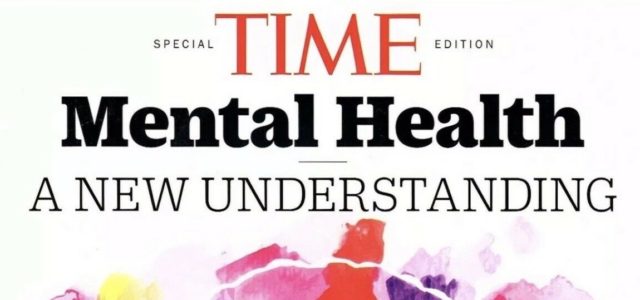
    Ketamine and depression treatment is the subject of this Time magazine special edition.

    Time magazine recently offered a Special Edition on mental health… Did you see it?

    The article about depression treatment – and ketamine specifically – by Mandy Oaklander published in July 2017, was reprinted for this special edition. The title of the special edition is “A New Understanding”…but since the article Oaklander wrote is two years old, I’m concerned this special edition may be misleading.

    Her cover article two years ago touted ketamine as an “anti-antidepressant.” This same term is repeated on this Special Edition cover. But, since Oaklander’s article created some misunderstanding when it was first printed, I’m not sure it’s accurate to refer to the contents of this edition as “a new understanding.”

    In fact, some of her representations of ketamine treatment border on archaic.

    Ketamine and Depression Treatment

    The field of ketamine for depression treatment is a new field in the “psychiatry and neuroscience universe” that’s been growing at break-neck speed. A wide variety of healthcare professionals offer this treatment in a wide variety of places and using a wide variety of methods.

    Ketamine and depression treatment as a whole is developing as a field and is helping people with treatment resistant depression enjoy their lives.

    Still, because we’re on this quest together, you and me, I want to take a few minutes to express my perspective on this reprint of her article.

    What quest?

    Well, that would be our passion to find more ways more people can be relieved of the symptoms that impair their lives.

    We talked about this after this article was published in TIME two years ago. But we’ve learned so much since then. Through neuroscience research as well as in private psychiatry practice and in meeting and collaborating with other healthcare professionals at national and international conferences since then.

    What Have We Learned Since TIME Published That Cover Story?

    Lots. About ways to prolong the effects of ketamine, ways to prolong and maintain remission, more of the actions of ketamine in the brain… We focus on ketamine treatment. So let’s talk again now about how she framed ketamine treatment in a less accurate light than we might wish.

    Because if you suffer, you want to know. You try treatments and medications for months – and years – in vain. You want to know that you’re getting the best possible information you can get your hands on. 
    Is TIME telling truth ketamine?

    Regarding the route of administration

    This article spoke of a lady named Barbara Reiger who’d been depressed since childhood. It said that since no other treatment helped, she goes monthly to a ketamine clinic. And there she has “a needle full of ketamine plunged into her deltoid…” 

    This route of administration for ketamine treatment is only one of many. In the 2 years since the article, there has been much more research about IV ketamine infusions. The intramuscular route is less predictable than an IV for getting the medicine on board. In addition, it’s more difficult to manage the onset of action or the experience once ketamine is sealed into muscle. You can’t slow its absorption or effects, or stop it.

    We later read that Ian Hanley, another person with treatment resistant depression, received ketamine infusions. I assume these are intravenous (or IV).  The term “infusion” speaks of the IV route. (Though surprisingly, I hear there are those who use this term to refer to IM injections.  This isn’t correct, and can be so misleading to patients who don’t know the implications.)

    Is Ketamine and Depression Treatment a “Trip?”

    Another point is the experience itself:  Is it a “trip?” What does the patient experience with ketamine treatment? Oaklander calls these treatment experiences “ketamine trips” as though the concept of a psychedelic trip is the foregone conclusion with ketamine treatment.  While it’s true that there will be a variety of experiences between various patients, and that ketamine is a visionary medicine, ketamine treatment for depression should not be confused with people who use ketamine for a psychedelic trip. 

    Oaklander’s perspective focuses on ketamine as a psychedelic drug. Such characterization draws a narrow crowd of people interested in psychedelic exploration, but can alienate the larger population of patients who have no interest in psychedelic anything. It’s a misunderstanding of ketamine and its properties to limit the characterization of it.

    Who’s in Charge? The Medicine or the Doctor?

    Ketamine for depression has changed the face of psychiatry.

    And it’s the responsibility of the physician administering the medicine to use a route, a rate, and a dose that allows the patient to know the ketamine is actively working. And to prepare and protect the patient from an overwhelming experience. 

    As it takes action in (1) her brain circuits, (2) her BDNF to proliferate synapse connections, (3) her lateral habenula, and (4) those G proteins on lipid rafts in the cell membrane, the patient will experience sensations, feelings, and possibly visuals as a result. (Amazing, isn’t it? These are just a few areas of action we know about ketamine! There may be far more!)

    Because the brain is made up of nerves that connect with each other, and complex systems that perform vital functions of all types, impacting these circuits gives you certain sensations, thoughts, and experiences.

    The sensations feel overwhelming if the dose is too high. And the patient can feel alarm if the rate is too fast or uncontrolled. In fact, the experience might even advance to something you might call a “trip.”

    But … a closely monitored infusion should prevent the overwhelm, while allowing full restorative freedom for the medicine to do its work.

    Ketamine Can Erase Suicidal Thoughts in an Afternoon

    Ketamine treatment lifted depression from this young man.

    Oaklander also pointed out the rapid and dramatic ability of ketamine to stop suicidal thoughts in a few hours, whether it relieves depression or not.

    This is a shining benefit of ketamine — that its ability to erase suicidal thinking is separate from its antidepressant benefits. Lifesaving.

    Now about how ketamine lifts depression.  Oaklander wrote that the “ketamine trips,” as she called them, help people disconnect from their bodies and thoughts. Her idea was that this experience changes the mindset so completely that the depression lifts. 

    However, while we know the experience is important as part of the ketamine and depression treatment, research presented at the American Psychiatric Association Conference in San Francisco a couple weeks ago shows it’s not enough to lift the depression by itself. In addition, if that were true, those who have had these “trips” would all be depressionfree … and that’s not true either.

    Even so, the dissociation the patient experiences during the infusion does serve as a sign of what’s actually going on in the brain. This is ketamine at work, restoring synapses, turbo boosting BDNF. This process is not for entertainment but rather it signals the restorative properties at work, just as pain signals something wrong in the body.

    How Ketamine Works… There’s More to Learn

    Oaklander’s statement that “experts aren’t sure exactly how ketamine works…” is still true, but we know far more than we did when she wrote the article two years ago. It seems this one medicine has spawned its own frontier, and we keep learning. Research on ketamine for psychiatric disorders presses on around the world.

    And real-world practices also present data to give the medical community, and our patients more information that ketamine has taught us.

    Learning more about what we already know is paramount. A recent study revealed how ketamine restores brain circuits. We understood that it did… or believed that to be so. But now a two-step process in restoring dendrites and dendritic spines has been revealed through a special laboratory process. This is the tip of the iceberg.

    There is so much more we want to know about this extraordinary treatment.

    Ketamine and Depression Treatment in General: Keep the Research Coming

    And this is where I’d like to see journalists like Mandy Oaklander and her contemporaries use their influence to call for more research. It’s wonderful that pharmaceutical companies continue to search for new possibilities in drugs to target more areas of the brain. The more the better.

    Ketamine and depression treatment helped this mom to enjoy her daughter and build a stronger relationship.

    But, as Oaklander pointed out in that article, the concern and caution about ketamine lies partly in its potential for abuse, but also in its potential for damaging side effects.

    Our concern is that it may be damaging eventually if it’s used too often for too long. 

    For those who receive ketamine infusions every few weeks or every single month with no end in sight, there may be risks. Since ketamine can help such a large population of people with treatment resistant disorders achieve resilience and remission… isn’t it worthy of the research to find out more that it can do? To build our body of knowledge…?

    How many more people can be restored with ketamine infusions if we find out what their physiological and psychological obstacles are? What do we need to learn to remove more of the hindrances to an individual achieving resilience… and even remission?

    It’s true that not everyone responds to ketamine treatment.  We’ve talked about how preliminary research suggests that those with the VAL-VAL allele respond so quickly, and those with MET-MET can respond more slowly, or sometimes not at all.

    But there are also those who respond within the first three infusions, but then their response dissipates. These are responders, and yet not remitters. There are studies that suggest differential responses in certain groups, like the Taiwanese. Let’s find out what we don’t know about why. 

    Ketamine and depression treatment can change an angry man to a happy man like this.

    In some cases, there’s a cerebral folate deficiency that hasn’t been treated, in others it’s Low T, in others it may be deficiencies only found in the cerebral spinal fluid… 

    And if deficiencies that cause depression are there, they need to be teased out and treated, so ketamine can do more to restore those lives.

    But..what other obstacles are there that can be treated so our patient can get the most out of his ketamine infusions…and enjoy resilience… and get the most out of his life?

    We applaud all efforts to find more treatments that will be effective for more patients. But rather than focus on ketamine’s potential danger in the long term, why not invest our resources in finding out how to get more people to remission so they’re NOT exposed for the long term?

    What if that pot of gold at the end of the rainbow is not in fact another medication we also don’t fully understand, but rather a better understanding of the one that works so well already?

    Thank you, Mandy Oaklander of TIME magazine, for spreading the word about this new frontier in treatment two years ago. While your characterization seemed to stray from our perspective through neuroscience, we have appreciated that TIME magazine helped to make this breakthrough treatment a household word. We’re learning so much and the more we learn, the more we see that we NEED to learn.

    Knowledge really is power against psychiatric symptoms.

    Man with peace in his heart is thankful ketamine treatment restored his life.

    Here’s hoping we can all walk together to get effective treatment to more people. Several years ago, studies showed that “60-70% of people with treatment resistant depression respond to ketamine” … but we’re making progress.

    A number of doctors in private practice are learning to get more out of each infusion for better outcomes for our patients. And we’re seeing responses much higher than 60-70%.

    At Innovative Psychiatry, we see extraordinary outcomes in our patients every week. Patients who were too ill to work, who had withdrawn from their relationships, and lost hope in their jobs, their lives, and themselves…go forward to find initiative, resilience, joy, and bushels of hope for a fulfilling and rewarding life after they receive carefully supervised ketamine treatment.  

    If you suffer and endure with symptoms of depression, PTSD, bipolar depression, addiction, social anxiety, and suicidal thoughts... give yourself the opportunity to feel better and live better. Call us and find out what joy feels like. 

    Ketamine KRIYA Conference 2018
  • Treating Mood Disorders: Is the Key Hidden in the CSF?

    Treating Mood Disorders: Is the Key Hidden in the CSF?

    No Wonder Treatment Resistance Has Been Such a Mystery! Clue: Look in the Cerebral Spinal Fluid!

    A man in his forties, Greg had never experienced life without depression. Treating mood disorders didn’t seem to be his psychiatrist’s forte. (Oh boy…) At least not in his case. Every accomplishment, every failure, struggled for expression beneath the darkness of that clinging lead blanket.

    People had always admired his quiet humility and unrelenting integrity.

    But they had no idea of the courage he required to face every single day. As a child, just to face each day of school…As a young man, to walk from his apartment to his car, and from his car into the building — to start another work day.

    Complex Disorders Make Things Worse

    Social anxiety filled him with self-doubt, self-consciousness, and dread. Agoraphobia made it incredibly difficult to walk out the door to face another day. To walk into a salon to get a haircut. Or to shop for groceries. 

    Family gatherings were impossible. He’d show up late, linger as long as he could bear, then quietly slip out to seek refuge in the safety of his car, and drive home to the quiet security of his apartment where his cat purred when she saw him.

    His family became accustomed to his disappearances. “Has anyone seen Greg?”

    “No..?” 

    “Well, I guess he went home…”  :::sighhhh:::

    His days filled with thoughts of ending his life, his nights with planning a suicide that would work.

    No one grasped the shame he felt that he couldn’t function like others he saw.

    Of course, he’d sought treatment. Prescriptions of Zoloft, Wellbutrin, and Lexapro tried his patience. Oh and then Effexor, Abilify… He hated taking the pills, but had had the highest hopes for relief that never came…

    Psychotherapy never seemed to make any difference. He’d seen a lot of therapists.

    In fact, it was worse than that. It was maddening… nothing that came up was new to him. It was boring and frustrating. And the effort required to go… to push through the dread and phobias to get there… just became too big a price to pay and he stopped going.

    He’d heard it said that there’s a difference between a good therapist and a great one. He hadn’t found a great one, apparently. Treating mood disorders came to seem like a cruel game to him.

    Decades of Complex Treatment Resistant Disorders

    In his twenties, he had beat all odds by starting and developing a consulting company. When he was in his thirties, with a long list of brilliant consultants on his payroll, and rivers of money streaming in, an episode of severe depression and crippling phobias threatened to bring his company to its knees. His mind shut down and he withdrew. It had been 15 years since he felt desperate enough to seek a psychiatrist’s care.

    So he tried once again.

    Once again, he took the latest antidepressant medicine…Cymbalta…for five miserable months. He tried to give it every chance. But his suicidal thoughts only increased. Depression, anxiety, and desperation made it nearly impossible to work, much less carry the load of generating new clients, advising his team, and keeping the payroll covered. 

    Then recently, he learned about IV ketamine for depression. He scoffed at the idea. As far as he was concerned, this was yet just another shiny new penny. Obviously, people clamored to get in on it. Articles that dismissed the validity of ketamine for depression drew him in. It was easier to find ammunition to protect himself from any more risk of disappointment …until something happened.

    His cousin had been severely depressed all her life, too. He’d heard that depression runs in families. But it happened that she went for IV ketamine treatment. It was a rocky process for her. Because of major stressors in her life, she had ups and downs. But eventually, she seemed to be better than he’d ever seen her.

    He was reluctant to ask questions. He didn’t want to be swept into the “ketamine frenzy.” He knew disappointment was a huge risk. But this was someone he knew well and trusted. And he wanted to know if he could get better.

    Ketamine Slashes Depression in More People When the Causes of Failure Are Explored

    She told him she didn’t experience it quite like others she’d heard about.

    Others who simply received six infusions and by the third were feeling great, caused her to have unrealistic expectations. She wanted a wow. But she had to just take it a step at a time.

    She didn’t improve until the 4th infusion, then felt better and better…almost great…until a terribly stressful bout in the hospital seemed to end the benefits she’d experienced with ketamine. The depression came back. So she’d go for another infusion… a “booster” she called it. And again she’d improve dramatically…

    Until another severe stressor, and she’d lose it again. This pattern had continued for a few infusions. She felt like she was on a see-saw.

    But finally, she began to improve every week. Still, she had a cloak of fatigue that colored her joy in shades of gray.

    She explored various supplements that might help, and found a “smart coffee” product that gave her the extra little spring and energy she needed, and just the right touch of mood enhancement, so she could enjoy her day. It bumped her just enough past the remarkable effects of ketamine, that she finally felt truly better. Soon after that, she realized she had achieved remission. She was bubbly. Her eyes sparkled. She sang spontaneously and laughed infectiously all the time.

    She could cope with difficulties like she hadn’t been able to before. Daily tasks became routine instead of insurmountable. Her hope for the future and what she could accomplish began to rise.

    Greg had watched her transformation. He knew how wonderful she felt now. Quietly, he secretly longed for the same.

    He scheduled a series of ketamine infusions with a local psychiatrist. After 6 infusions, he’d experienced a lifting of the depression and suicidal thoughts, but in less than a week those depressive symptoms — and the suicidal thoughts — began to creep back in.

    Then, he received another, with good then fleeting results, then another.

    His fear that he was so treatment resistant…and had been for so long…that he was beyond help…well, it engulfed him. It settled into his mind like stone and wouldn’t budge.

    He knew it. He decided he just couldn’t be helped.

    When Treating Mood Disorders Sometimes We Have to Fight and Not Let Go

    Then one day he read an article about neurometabolic abnormalities and how they can have such profound impact on the brain that depression can dominate mood.

    He remembered reading somewhere that treatment resistance in some cases can be overcome. One way is by treating underlying conditions like low testosterone, thyroid, and folate deficiencies. He’d dismissed it at the time, but now he asked his doctor to order these lab tests.

    The article he read focused on a study in the American Journal of Psychiatry.

    The study was initiated because of a particular young man who suffered with treatment refractory (same as treatment-resistant) depression for most of his life, as well as unrelenting suicidal thoughts and several suicide attempts.

    It was remarkable to Greg that the young man’s experience and symptoms were so parallel to his own.

    The authors of the study knew that treating mood disorders could be challenging, so they took their exploration of this man’s serum levels a step further. They performed a lumbar puncture to collect cerebral spinal fluid.

    They discovered his CSF (cerebral spinal fluid) levels were much lower than his serum levels. So even though it seemed that his serum levels of key hormones, nutrients, and metabolites were “normal” there were severe deficiencies in his brain.

    In particular, he had a severe deficiency of CSF tetrahydrobiopterin, a critical component you need to manufacture neurotransmitters like serotonin, dopamine, and norepinephrine in your body. After they treated him with sapropterin, a compound with a molecular structure very similar to tetrahydrobiopterin, their subject experienced a dramatic and long-lasting remission of his depression symptoms.

    Wow!

    Study Shows Surprising Results for Treatment Resistant Patients

    Because of this discovery, they conducted a study of 33 adolescents and young adults with treatment resistant depression who hadn’t responded to at least 3 trials of antidepressant medication, and 16 healthy control subjects for comparison. They created profiles of each of them using urine levels, serum levels, and CSF levels of a wide variety of metabolic compounds.

    They found that CSF metabolite levels were abnormal in 21 of those 33 subjects. The most common abnormality occurred in 12 of the 21 participants. In these, the serum levels were normal but the CSF level of 5-methyltetrahydrofolate (5-MTHF) was low.

    There was one patient in that group who had a low CSF level of 5-methyltetrahydrofolate (5-MTHF) as well as low CSF tetrahydrobiopterin.

    These patients were treated with folinic acid and the one who also had low CSF tetrahydrobiopterin was also treated with sapropterin. All of these patients showed improvement in depression symptoms as a result of treating these CSF deficiencies. 

    It’s important to note that the healthy control subjects had no CSF deficiencies.

    The conclusion the authors reached was that checking the CSF levels of metabolites produced a surprisingly large group of people who had normal serum levels but severe deficiencies in their CSF metabolites.

    So — they expect that examination of CSF metabolites can identify unexpectedly high percentages of treatment resistant patients who have treatable metabolic conditions. And treatment of those deficiencies just may resolve their depression symptoms.

    Until recent years, it wasn’t clear that treating mood disorders could be such a complex process, but that so many who have not been helped can be.

    Greg (whose name has been changed to protect his privacy) is currently undergoing treatment for his metabolic deficiency. We’ll talk about the results when he has completed treatment. Meanwhile, we applaud him for taking the emotional risk and making the effort to find solutions for his illness.

    Greg’s story is important to help us understand why we need to dig deeper and sometimes include specialists on our treatment team to find remission and resilience for our treatment resistant patients in every case that we can.

    The more we learn about all the factors that enter in to balanced wellbeing, the more avenues we can explore.

    In the past, psychiatry depended largely on observing a patient for signs of their illness, and listening to them describe how they felt. But as we advance further into the 21st century, we’re stockpiling more and more tools to help in the diagnosis and treatment of our patients.

    At Innovative Psychiatry, in treating mood disorders we encourage our patients to include specialists to explore their possible deficiencies and treat them. We work with the entire health team because often, it requires a team effort.

    After all, the goal of your recovery is our top priority.

    If anything about Greg’s story or this study sounds familiar to you, and if you’ve not found joy or resilience with other treatments, call us. We’re committed to provide the support you need to feel again, to enjoy life and relationships again. To live again.

    IV ketamine treatment combined with treatment of serum and CSF level deficiencies can restore your hope, your initiative, your motivation, and your creativity.

    Don’t sell yourself short. Let us help.

    To the bounding renewal of your very best self, 

    Lori Calabrese, MD offers innovative psychiatric treatment like IV Ketamine
    Lori Calabrese, M.D.
  • Ketamine Restores Brain Circuitry Damaged by Depression – FAST

    Ketamine Restores Brain Circuitry Damaged by Depression – FAST

    Ketamine restores brain circuitry to bring joy to depressed people.

    In a world where things go wrong and people get sick, every once in awhile something comes along that makes things right again. I’m talking about something that’s so dramatic in its solutions we’re tempted to call it a “miracle.” 

    But we won’t.

    We’ll call it a game-changer.

    Because IV ketamine treatment is changing history.

    Nothing elicits our excitement like a tool that helps people to the degree this one does. So many people with complex co-morbid psychiatric disorders drop their shackles of symptoms …and discover they’re free to live rewarding lives.

    IV Ketamine Restores Brain Circuitry

    Ketamine does exactly that in the vast majority of those who were before hopeless in their condition. People whose severe illnesses prevented them from working, from building relationships, from enjoying anything. People whose lives were at risk because symptoms like suicidal thinking were made worse by their own despair.

    The World Health Organization (WHO) declares depression and other severe mood disorders the leading cause of disability throughout the world. And yet, until the last several years, at least a third of these people could not be helped.

    But, in the last decade, an often-abused anesthetic has emerged as a game-changer that millions were searching for.

    Ketamine — so safe and effective that the WHO lists it as one of its 10 essential medicines — is now rising as one of most effective and extraordinarily restorative treatments we’ve ever had.

    But to be clear — and to be fair — there are still some who don’t benefit. We continue to watch for more research that helps us understand why. And to look for and learn ways to possibly help them and more.

    New Study Throws Open the Shutters on Synapse Restoration

    Conor Liston, M.D., Ph.D

    A study just released this month by Conor Liston of Weill Cornell Medicine, and colleagues, revealed yet more than we knew before about how ketamine works to achieve this remarkable restoration.

    Dr. Liston is a leading researcher in the field of circuitry specific to the prefrontal cortex and its impact on cognitive and emotional processes. It’s the dedication of researchers like Dr. Liston, and a host of others, that has helped us understand and use the benefits of ketamine for our patients. We never take our neuroscience researchers for granted.

    The combined effort of research teams like Dr. Liston’s in the U.S. and Tokyo resulted in expanded understanding of just what happens when ketamine reaches the brain in someone who’s stressed and depressed.

    Of course their work is performed in the laboratory with lab animals, but gives insight about what happens in the brains of people, and how ketamine restores brain circuitry for them. Insights like this are changing the course of psychiatric treatment.

    Ketamine’s Active Role with Neurons and Dendrites

    The researchers used a “cutting-edge” technology that included light microscopes and allowed them to view the tiny dendrites and dendritic spines of synapses (in the medial prefrontal cortex) over time, so they could see what happens there over several hours, and then what happens after more than a day.

    It turned out that the neuronal circuits changed first, with a readily observable change in behavior, in the initial 3 hours after ketamine. (Hold that thought: the circuit activity changes first.)

    Then, over the next 12-24 hours, they saw that the number of spines had increased by well over half of those that had been lost during stress.

    So they realized that the new spines and synapses were the result of the improved circuit activity. 

    Extraordinary.

    New Technology Opens New Doors

    This is the first time we’ve had an inkling into the timing of the effects and repair instigated by ketamine. The improvement seems to be a one-two punch. Once the spines survive a few days, they form new connections, and then within another 2-7 days, improved behavior and function became apparent.

    This brand new discovery of ketamine’s effects helps us understand that there can be an immediate response to ketamine, and then a longer lasting reversal of symptoms that occurs a little later.

    Both of these functions are important.

    Old Treatment Replaced by New Insights

    Remember that the old premise for treating depression was to increase the availability of neurotransmitters like serotonin to improve the movement of signals in the brain. For some people this was enough to help relieve the depression.

    This weeping woman needs to know ketamine restores brain circuitry and lifts depression.

    But in too many others, it did very little to relieve anything. We know now that stress prunes the signaling structures themselves. Stress from life, illness — whateverbreaks down, weakens, and destroys the synapses. The dendrites, dendritic spines, and synapses that are the highways the signals travel must be rebuilt.  Without these structures, neurotransmitters like serotonin, dopamine, and norepinephrine can’t do their job.

    Ketamine comes along and reverses this destructive process. It repairs damaged circuits, rebuilds new dendritic spines and synapses, increases connections, and lubricates signals with neurotransmitters … in the medial prefrontal cortex and in other key parts of the brain, too.

    This revelation about how ketamine restores brain circuitry will most likely contribute to the ongoing development of new psychiatric drugs. We’re excited about the possibility that new medications can be designed to do all of this before they’re used by physicians for our patients.

    Getting Closer to Bigger Breakthroughs

    So we have a new paradigm, a new pattern to build upon. We may see over 80% response in patients with ketamine now, but we’re shooting for the time when researchers can improve upon this across the board… to be able to truly relieve psychiatric suffering — hopefully in our lifetime.

    And we keep getting closer.

    The Modes of Response Vary

    As it stands now, there are some people who are so responsive to ketamine treatment that they feel remarkably better after the first infusion, and with each treatment, they become more and more hopeful, brighter, more joyful, more creative, and more resilient.

    There are others who sense nothing for 3 or more infusions, then finally experience improvement, relief, and eventually joy just like the first group. These may require a few more than six infusions to reach that point.

    woman wearing blue denim jacket standing in front of white concrete buildings

    Then there are those who may have 8 or 9 infusions. They may experience a few days of improvement throughout the process, but seem to keep losing the beneficial effects. In those cases, we explore other body systems and serum levels to find areas that need to be treated so the “treatment-resistance” can be penetrated, then with another infusion or two they finally achieve the same joy and resilience. We call it remission. And we fight for it.

    Still, of course, there remains that small group who don’t seem to improve, so we continue to press on, to explore reasons…and possible solutions.

    Science …and ART

    IV ketamine treatment is the most remarkable treatment for mood disorders we’ve seen. And clinicians and researchers are looking beyond “mood disorders” all the time. Addictions and substance use disorders, for example, were considered to be disorders of motivated behaviors and treatment focused on teaching behavior control. We’ve learned so much, and while treating these disorders is complex, we’re finding IV ketamine can play a dramatic role in reducing craving and contributing to abstinence. “Dramatic” is an understatement.

    Overall, the administration of IV ketamine treatment is both a science and an art. 

    Ketamine Treatment is a Process Toward Restoration

    At Innovative Psychiatry in South Windsor, CT we encourage our patients to have patience with the process. To hold a commitment to see it through to fulfillment. And to consider a “booster” infusion if benefits subside or fade — whether it’s once every year or two, or twice a year…or every 3-4 months, if necessary.
    woman wearing black V-neck T-shirt during daytime

    Because every brain is different, and every life has its own unique character and pitfalls. It may be necessary to build and improve the infrastructure in your life. To accept yourself and others as they are, and learn to embrace the joys of life and ignore the stressors. All of this can help strengthen your remission and help it last longer.

    If you’ve suffered the symptoms of a disorder without relief from treatments or medications, call us.

    We’re committed to your restoration and eventual joy.

    To the rediscovery of your best self,

    Lori Calabrese, MD offers innovative psychiatric treatment like IV Ketamine
    signature of Lori Calabrese, M.D.
    Lori Calabrese, M.D.

  • Behind the Buzz: How Ketamine Changes the Depressed Patient’s Brain

    Behind the Buzz: How Ketamine Changes the Depressed Patient’s Brain

    The anesthetic-cum-party drug restores the ability to make connections among brain cells. The Food and Drug Administration’s approval last month of a depression treatment based on ketamine generated headlines, in part, because the drug represents a completely new approach for dealing with a condition the World Health Organisation has labelled the leading cause of disability worldwide. The FDA’s approval marks the first genuinely new type of psychiatric drug—for any condition—to be brought to market in more than 30 years.

    Although better known as a party drug, the anesthetic ketamine has spurred excitement in psychiatry for almost 20 years, since researchers first showed that it alleviated depression in a matter of hours. The rapid reversal of symptoms contrasted sharply with the existing set of antidepressants, which take weeks to begin working. Subsequent studies have shown ketamine works for patients who have failed to respond to multiple other treatments, and so are deemed “treatment-resistant.”

    Despite this excitement, researchers still don’t know exactly how ketamine exerts its effects. A leading theory proposes that it stimulates regrowth of synapses (connections between neurons), effectively rewiring the brain. Researchers have seen these effects in animals’ brains, but the exact details and timing are elusive.

    new study, from a team led by neuroscientist and psychiatrist Conor Liston at Weill Cornell Medicine, has confirmed that synapse growth is involved, but not in the way many researchers were expecting. Using cutting-edge technology to visualize and manipulate the brains of stressed mice, the study reveals how ketamine first induces changes in brain circuit function, improving “depressed” mice’s behavior within three hours, and only later stimulating regrowth of synapses.

    As well as shedding new light on the biology underlying depression, the work suggests new avenues for exploring how to sustain antidepressant effects over the long term. “It’s a remarkable engineering feat, where they were able to visualize changes in neural circuits over time, corresponding with behavioral effects of ketamine,” says Carlos Zarate, chief of the Experimental Therapeutics and Pathophysiology Branch at the National Institute of Mental Health, who was not involved in the study. “This work will likely set a path for what treatments should be doing before we move them into the clinic.”

    Another reason ketamine has researchers excited is that it works differently than existing antidepressants. Rather than affecting one of the “monoamine” neurotransmitters (serotonin, norepinephrine, and dopamine), as standard antidepressants do, it acts on glutamate, the most common chemical messenger in the brain. Glutamate plays an important role in the changes synapses undergo in response to experiences that underlie learning and memory. That is why researchers suspected such “neuroplasticity” would lie at the heart of ketamine’s antidepressant effects.

    Ketamine’s main drawback is its side effects, which include out-of-body experiences, addiction and bladder problems. It is also not a “cure.” The majority of recipients who have severe, difficult-to-treat depression will ultimately relapse. A course of multiple doses typically wears off within a few weeks to months. Little is known about the biology underlying depressive states, remission and relapse. “A big question in the field concerns the mechanisms that mediate transitions between depression states over time,” Liston says. “We were trying to get a better handle on that in the hopes we might be able to figure out better ways of preventing depression and sustaining recovery.”

    Chronic stress depletes synapses in certain brain regions, notably the medial prefrontal cortex (mPFC), an area implicated in multiple aspects of depression. Mice subjected to stress display depression-like behaviors, and with antidepressant treatment, they often improve. In the new study, the researchers used light microscopes to observe tiny structures called spines located on dendrites (a neuron’s “input” wires) in the mPFC of stressed mice. Spines play a key role because they form synapses if they survive for more than a few days.

    For the experiment, some mice became stressed when repeatedly restrained, others became so after they were administered the stress hormone corticosterone. “That’s a strength of this study,” says neuroscientist Anna Beyeler, of the University of Bordeaux, France, who was not involved in the work, but wrote an accompanying commentary article in Science. “If you’re able to observe the same effects in two different models, this really strengthens the findings.” The team first observed the effects of subjecting mice to stress for 21 days, confirming that this resulted in lost spines. The losses were not random, but clustered on certain dendrite branches, suggesting the damage targets specific brain circuits.

    The researchers then looked a day after administering ketamine and found that the number of spines increased. Just over half appeared in the same location as spines that were previously lost, suggesting a partial reversal of stress-induced damage. Depression-like behaviors caused by the stress also improved. The team measured brain circuit function in the mPFC, also impaired by stress, by calculating the degree to which activity in cells was coordinated, a measure researchers term “functional connectivity.” This too improved with ketamine.

    When the team looked closely at the timing of all this, they found that improvements in behavior and circuit function both occurred within three hours, but new spines were not seen until 12 to 24 hours after treatment. This suggests that the formation of new synapses is a consequence, rather than cause, of improved circuit function. Yet they also saw that mice who regrew more spines after treatment performed better two to seven days later. “These findings suggest that increased ensemble activity contributes to the rapid effects of ketamine, while increased spine formation contributes to the sustained antidepressant actions of ketamine,” says neuroscientist Ronald Duman, of the Yale School of Medicine, who was not involved in the study. Although the molecular details of what happens in the first hours are not yet fully understood, it seems a restoration of coordinated circuit activity occurs first; this is then entrenched by neuroplasticity effects in synapses, which then maintain behavioral benefits over time.

    [To prove that new synapses were a cause of antidepressant effects, rather than just coinciding with the improved behaviors, the team used a newly developed optogenetic technique, which allowed them to eliminate newly formed spines using light. Optogenetics works by introducing viruses that genetically target cells, causing them to produce light-sensitive proteins. In this case, the protein is expressed in newly formed synapses, and exposure to blue light causes the synapse to collapse. The researchers found that eliminating newly formed synapses in ketamine-treated mice abolished some of the drug’s positive effects, two days after treatment, confirming that new synapses are needed to maintain benefits. “Many mechanisms are surely involved in determining why some people relapse and some don’t,” Liston says, ” but we think our work shows that one of those involves the durability of these new synapses that form.”

    And Liston adds: “Our findings open up new avenues for research, suggesting that interventions aimed at enhancing the survival of these new synapses might be useful for extending ketamine’s antidepressant effects.” The implication is that targeting newly formed spines might be useful for maintaining remission after ketamine treatment. “This is a great question and one the field has been considering,” Duman says. “This could include other drugs that target stabilization of spines, or behavioral therapies designed to engage the new synapses and circuits, thereby strengthening them.”

    The study used three behavioral tests: one involving exploration, a second a struggle to escape, and a third an assessment of how keen the mice are on a sugar solution. This last test is designed to measure anhedonia—a symptom of depression in which the ability to experience pleasure is lost. This test was unaffected by deleting newly formed spines, suggesting that the formation of new synapses in the mPFC is important for some symptoms, such as apathy, but not others (anhedonia)—and that different aspects of depression involve a variety of brain circuits.

    These results could relate to a study published last year that found activity in another brain region, the lateral habenula, is crucially involved in anhedonia, and injecting ketamine directly into this region improves anhedonia-related behavior in mice. “We’re slowly identifying specific regions associated with specific behaviors,” Beyeler says. “The factors leading to depression might be different depending on the individual, so these different models might provide information regarding the causes of depression.”

    One caveat is that the study looked at only a single dose, rather than the multiple doses involved in a course of human treatment, Zarate says. After weeks of repeated treatments, might the spines remain, despite a relapse, or might they dwindle, despite the mice still doing well? “Ongoing effects with repeated administration, we don’t know,” Zarate says. “Some of that work will start taking off now, and we’ll learn a lot more.” Of course, the main caution is that stressed mice are quite far from humans with depression. “There’s no real way to measure synaptic plasticity in people, so it’s going to be hard to confirm these findings in humans,” Beyeler says.

    [Read the Original Article]

  • Cerebral Folate Deficiency and Its Impact on Treatment-Resistance

    Cerebral Folate Deficiency and Its Impact on Treatment-Resistance

    Man thinks alone on cold silent shore may have cerebral folate deficiency.

    “If I see far, it’s that I stand on the shoulders of giants.”

    If you find yourself feeling alone and forgotten in your symptoms, feeling that there’s no one who really cares, please let me emphasize that there are hundreds, even thousands, of neuroscience researchers, medical doctors with PhDs, biochemists, psychopharmacologists, and psychiatrists who have been painstakingly searching for the answers you need for your suffering for generations, and millennia. You can feel alone, but there’s a host of people who have your back.

    After eons of exploration, and hundreds of generations have suffered without remedy, we are living in an amazing time when solutions are emerging. 

    Treating cerebral folate deficiency empowers you to enjoy the people you love.

    We’ve learned that the mild-mannered anesthesia medicine, ketamine hydrochloride, has been hiding in plain sight for nearly five decades, all along carrying within it the power to potentially transform your crippling depression, PTSD, and social anxiety into resilience, remission, fulfillment…and a rewarding life.

    It was right under our noses, but we were missing it…

    What else is lurking in plain sight that may hold the secret to relief for millions of people?

    More to Learn to Relieve Psychiatric Disorders

    While the vast majority of severely ill patients has been enjoying a life they’d not been capable of enjoying until they were treated with IV ketamine,  there were still those who seemed to be unaffected and un-helped by it. We haven’t known why.

    And even some of those who seemed unaffected and un-helped by ketamine treatment, began to improve in a slowly spreading glow until they too achieved remission months later.

    And we learned about genetic alleles for BDNF that may indicate an individual’s responsiveness to treatment, and clinical indicators associated with treatment response.

    Now we’ve been learning even more.  About deficiencies of nutrients that can cause depression and other disorders. One of these deficiencies has been exposed as a key factor in autism. And when the deficiency was treated with high doses, the symptoms of autism diminished!

    Who knew?

    Right under our noses.  Sometimes it takes generations of exploration passed down through generations of researchers to find the answers we’re looking for … which were lurking in plain sight.

    We’ve talked about how a deficiency in testosterone can be a culprit blocking remission from depression. 

    Another BIG player is cerebral folate. 

    Cerebral Folate Deficiency

    Cerebral folate deficiency is the cause of treatment-resistant depression in many people, and is easily treated.

    Folate is vitamin B-9, and provides important services throughout the body. In the brain, it plays an important role in neurotransmitter production. So when it’s deficient, the neurotransmitters tend to be produced more slowly.

    You can read the label on your breakfast cereal box and see that it contains folic acid.  But folic acid can’t cross the blood-brain barrier, which is there to protect the the brain from fluctuations that can interfere with its function.

    Only in the form of folinic acid or methylfolate can folate reach the brain. And to do that it has to have a transport, called the folate receptor alpha, to take it there.

    So to get B-9 into your brain to do its part in the neurotransmitter factory, it has to be in a certain form that can get through the security gate of the brain, known as the blood-brain barrier. Plus, it has to hitch a ride on a specific type of truck, and that truck has to be a specific model – the “low affinity folate transporter.”

    It’s not hard to picture that a brain can get low on this stuff. So many hoops to jump through! 

    How Cerebral Folate Deficiency Can Affect You

    And interestingly, most of the research  about this has involved infants and children. In fact, the story of folate in the brain has a gripping history. It involves autistic children and infants with severe neurological disorders..but as those discoveries made their way into adult psychiatry.

    Well, we’re talking about it now because it turns out that adults have deficiencies too…and this is a deficiency that may contribute to why your depression seems treatment-resistant — but the problem is not that hard to treat. Which is good news…really good news.

    Cerebral folate deficiency may cause this man treatment-resistant depression.

    In fact, if we find you’re treatment- resistant because of folate deficiency, we can prescribe folinic acid or l-methylfolate to treat the deficiency. Then, you may find you’re not treatment-resistant any more. Sound like a plan?

    This is BIG news.

    What this means is that some people who don’t get better with ketamine treatment, may just need their folate deficiency restored so their neurotransmitter factory can crank up again and turn out those much needed neurotransmitters.

    Then, ketamine has what it needs on hand to help you get dramatically better. 

    Isn’t that amazing??

    Researchers Paved the Way

    In 2005, Dr. VT Ramaeker defined cerebral folate deficiency as “any neuropsychiatric disorder involving problems getting enough folate into the brain.” He was referring to the infants he treated. They had severe neurological illness, and happily, many of them responded to high doses of folinic acid.

    Then, in 2013, Dr. Richard Frye studied 93 pediatric patients with autism and found that 75.3% had cerebral folate deficiency. He also found that those patients who had a cerebral folate deficiency also had antibodies to the folate receptor alpha — that specialized transport truck that takes the folate into the brain.

    Treating cerebral folate deficiency can transform depression to joy.

    The following year, we’re back to Dr. Ramaeker, who measured cerebral folate in 18 patients with treatment-resistant schizophrenia…and you guessed it! 15 of them had cerebral folate deficiency. He treated 8 of them with high doses of folinic acid and 7of them got better.

    Now, I should explain that finding the level of folic acid in the brain is a bit more involved than lab work. It requires a lumbar puncture so the folic acid in the cerebrospinal fluid can be measured. The measure of folic acid found in the cerebrospinal fluid is then multiplied by 1.5 to find the level in the brain.

    Then, in 2017, Dr. Lisa Pan measured folic acid in 33 patients with treatment-resistant unipolar depression. 12 of these had cerebral folate deficiency and 10 out of those 12 responded after high doses of folinic acid.

    Google’s Take on Folate and Cerebral Folate

    When you google “folate,” you get all sorts of links about how folate is needed in your body. It helps make red and white blood cells in the bone marrow, convert carbohydrates into energy, and manufacture RNA and DNA.

    (Hmmmm, makes you stop and think about BDNF. How it turns on mRNA to switch on DNA so the synapses proliferate and rebuild circuitry in the brain…  interesting…)

    But when you google “cerebral folate,” you find yourself reading about autism, and about treating it with folinic acid.

    Cerebral Folate Deficiency Causes Tragedies

    Cerebral folate is so important in the brain, that the lack of it causes all sorts of tragic results…. in infants, neural tube defects, spina bifida, cleft palate…

    To think that autism, schizophrenia, and depression show links to cerebral folate deficiency — in at least some people — pushes us and the psychiatric and neuroscience research community to learn more about the central role that l-methylfolate and folinic acid play in the the central nervous system and in the genesis of psychiatric disorders.

    These early important studies should prompt more extensive clinical studies. And they should prompt more interest in testing our patients with treatment-resistant disorders for this deficiency so that we can treat it sooner rather than later, don’t you think?

    Unfortunately, that’s not as easy as it sounds. But it’s a start for us to realize this B vitamin is essential to our health and wellbeing. And just might be the key to your treatment-resistant disorder.

    Treating Deficiencies in Vital Nutrients Helps You Thrive

    At Innovative Psychiatry we test for cerebral folate deficiency when we suspect it could be a cause of treatment-resistance. We prescribe treatment for it to help improve your response to your treatment, including ketamine, and in turn, potentially improve your resilience and remission.

    Remission gives the power to enjoy, which you can experience after treating cerebral folate deficiency.

    If you suffer from treatment-resistant depression, and think you might be a candidate for ketamine treatment, call us. We’ll do an evaluation to learn more about you and your illness. We can also order testing to help ensure your best outcome with IV ketamine treatment.

    With so many who have gone before us, shining the light brighter so we can better see the obstacles to your joy, we’re here to help you find the life you ache to live.

    Ketamine KRIYA Conference 2018
  • Low T in Men Causing Your Treatment Resistant Depression..?

    Low T in Men Causing Your Treatment Resistant Depression..?

    Low T in men can be overlooked as the cause of depression.

    Since low testosterone in men has long been presumed to accompany aging, it can be overlooked as a cause of TRD in young men.

    John had gained 75 lbs (!) through the stressful and exhausting project at work. He’d come to hate the way he looked.

    Co-workers had turned on each other, undercutting rather than supporting each other as a team. John was a team player, and while his skill was beyond the skill of others on the team, he could feel himself slipping into depression…again. And his skills were slipping, too.

    Because he was losing his edge, it was getting harder and harder to think through to solutions, much less articulate them to the others. He knew he was doomed. As long as his mind worked he could maintain his position in the department, but as depression returned, he became sluggish, he felt dense, and hopelessness rose like water in a submerged car.

    To add insult to injury, his girlfriend was complaining that they never went out anymore, and that she felt he’d lost interest in her. He knew he hadn’t lost interest in her any more than anything else…he just didn’t have the energy to face restaurant crowds…or even show her what she meant to him. In fact, he hardly had the energy to get out of bed on lots of days.

    And to make matters worse, his sex drive was shot. He just didn’t care about anything, but also felt like a failure as a man.

    Before the project began, he had a few suicidal thoughts at night…  But through the tormented road at work this year, the suicidal thoughts were cramming into each hour of the day at about 40/hour. He winced to himself… almost sounds like the speed of a car rather than an obsession to die.

    This had been going on most of his adult life. Why couldn’t it be fixed? Why oh why did he keep trying…going to work…diving into the hopelessness again and again day after day? Why not just get off…?

    What was wrong with him? Where could he find a doctor who could help him..??

    Treatment Resistant Depression

    Major Depressive Disorder (MDD) is complicated by a discouraging rate of relapse, even with those who achieve remission at some point. Studies of long duration have shown that patients who have residual symptoms after treatment have a worse prognosis. Which is why we do all we can to help our patients achieve remission, if possible.

    Low T in men has similar symptoms as treatment resistant depression, so it may be the low T needs to be treated to improve depression.

    Treatment resistant depression (TRD) causes immeasurable suffering. Because the symptoms don’t improve with traditional medicines, the ongoing struggle to find relief only seems to worsen symptoms. And untreated depressive symptoms that go on in spite of treatments can be debilitating and costly.

    Treatment resistance occurs in 45% of depressed patients. These are patients whose symptoms have not improved after at least 2 medicine trials… or some combination…for 12-16 weeks each. This condition increases risks because of higher prevalence of suicidal thoughts, attempts, and tragically, death. Nearly a third of treatment resistant patients attempt suicide in their lifetime.

    For years, most people thought that there were far more depressed women than men. That women are more prone to depression because they are more expressive of their emotions. But it turns out that isn’t true.

    Depressed Men Don’t Act Like Depressed Women

    When men are depressed they may show it with anger, irritability or aggression.

    However, studies emerged revealing that many men display different depression symptoms than women, and as a result their depression can be overlooked. Rather than sadness, they sometimes exhibit anger, irritability, and aggression. As such, those around them may pull away, rather than recognizing their loved one is actually depressed.

    Another factor is that men are less likely to talk about how they’re feeling or seek help. So that creates the idea there aren’t as many depressed men as women, because their families can’t read their minds, right?

    So a man who’s irritable and autocratic may actually be depressed, rather than just a difficult guy. (Surprising, sometimes.) This is good news for those friends and family members who love them. Because, if he is, he needs treatment… but he may not ask for it. Even if he does, there is a strong chance the treatment won’t help, or at least, not much.

    If we’re to know what to do for him, we have to consider other things first.

    So what causes depression in men

    Low T in Men

    Honestly, the same things that cause depression in women, for the most part. Chronic stress, genetic factors, environmental factors, biological events like heart attack, stroke, chronic pain, or amputation, and other illnesses like diabetes, Parkinson’s, heart disease, or cancer.

    But, there’s another condition that’s often overlooked. Low testosterone, or low T, is seen with hypogonadism. 

    The testes produce most testosterone (90-95%). But a small portion is produced in the adrenal gland. And studies have established that testosterone treatment can help men feel better emotionally, so a deficiency of testosterone can erode their mood and outlook.

    Some men receive the diagnosis of hypogonadism. This is a condition that causes their bodies to produce too little testosterone.

    Low T in men is sometimes seen in young men who have treatment resistant depression symptoms.

    It’s been said that hypogonadism, or low T, is a malady of elderly men. But, that’s a generalization that doesn’t take into account the many men between ages 18-40 whose testosterone level is below 10.4 nmol/L and who have treatment resistant depression. 

    Low T in YOUNG Men

    Low testosterone is a leading cause of treatment resistant depression in older men, but many overlook that it’s a big cause of treatment resistant depression in younger (age 18-40) men, too.

    Stanley Korenman, M.D., and his team published their work about the link between low T in young men (ages 18-40) and depression in a paper published November 2018 in the Journal of the Endocrine Society.

    They studied 186 young men who made visits to a university medical center for any reason between the years 2013-2015. These men had symptoms of treatment resistant depression.

    The prevalence of hypogonadism was present in 22.6% of these men.

    The authors called for more research to determine if the hypogonadism causes the treatment resistant depression or if the treatment resistant depression causes the hypogonadism…maybe both?

    Because to neglect this connection may be to ignore a condition that’s reversible. One that turns treatment resistant depression into treatable depression. And treatable depression can be transformed to remission.

    We Strive to Treat YOU in YOUR Own Uniqueness

    Our approach at Innovative Psychiatry is to treat each underlying condition and its own symptoms, then watch to see how the /improvements in function combine toward resilience and remission.  It can be a tedious process but it’s all worth it when your symptoms finally dissipate.

    A key component of your recovery may include IV ketamine treatment, if you have a treatment resistant disorder. Ketamine does its best work in patients with the most complex treatment resistant illnesses. But for ketamine to do its best work in restoring your brain cell connections prolifically, you need to treat other conditions like low T that may get in the way.

    For this reason, we also may encourage you to see a specialist as we work on the process of treating your depression. We always love to work with your specialized health care team to help you get the most personalized care so you can feel really good again.

    Low T in men can be treated it can also help to relieve treatment resistant depression.
    There is no one-size-fits-all remedy for everyone and every complexity of illnesses. But we  must work together, exhaustively, and explore your disorders, your nutrient imbalances, your social and work life, your family life, your exercise, your diet…every aspect of your health…to tease apart those elements that may be contributing to the way you feel.

    And while it may require an investment of time, effort, treatments, and re-evaluations for awhile, it will all be worth it when you look in the mirror and love the person you see there.  Better days are ahead.

    You will never hear me say, “There’s nothing more we can do.”  Those days are over in psychiatry, I hope… but you will hear me ask, “What was the very best YOU you’ve ever been…? That’s the you we’re going to help you find again – together.”

    To the restoration of your best self, 

    Lori Calabrese, MD offers innovative psychiatric treatment like IV Ketamine
    Lori Calabrese, M.D.
  • Ketamine May Relieve Depression By Repairing Damaged Brain Circuits

    Ketamine May Relieve Depression By Repairing Damaged Brain Circuits

    NPR Logo

    Ketamine appears to restore faulty connections between brain cells, according to research performed in mice.

    The anesthetic ketamine can relieve depression in hours and keep it at bay for a week or more.

    Now scientists have found hints about how ketamine works in the brain.

    In mice, the drug appears to quickly improve the functioning of certain brain circuits involved in mood, an international team reported Thursday in the journal Science. Then, hours later, it begins to restore faulty connections between cells in these circuits.

    The finding comes after the Food and Drug Administration in March approved Spravato, a nasal spray that is the first antidepressant based on ketamine.

    The anesthetic version of ketamine has already been used to treat thousands of people with depression. But scientists have known relatively little about how ketamine and similar drugs affect brain circuits.

    The study offers “a substantial breakthrough” in scientists’ understanding, says Anna Beyeler, a neuroscientist at INSERM, the French equivalent of the National Institutes of Health, who wasn’t involved in the research. But there are still many remaining questions, she says.

    Previous research has found evidence that ketamine was creating new synapses, the connections between brain cells. But the new study appears to add important details about how and when these new synapses affect brain circuits, says Ronald Duman, a professor of psychiatry and neuroscience at Yale University.

    Studying ketamine’s antidepressant effects in mice presented a challenge. “There’s probably no such thing as a depressed mouse,” says Dr. Conor Liston, a neuroscientist and psychiatrist at Weill Cornell Medicine in New York and an author of the Sciencepaper.

    FDA Approves Esketamine Nasal Spray For Hard-To-Treat Depression

    So Liston and a team of scientists from the U.S. and Japan gave mice a stress hormone that caused them to act depressed. For example, the animals lost interest in favorite activities like eating sugar and exploring a maze.

    Then the team used a special laser microscope to study the animals’ brains. The researchers were looking for changes to synapses.

    “Stress is associated with a loss of synapses in this region of the brain that we think is important in depression,” Liston says. And sure enough, the stressed-out mice lost a lot of synapses.

    Next, the scientists gave the animals a dose of ketamine. And Liston says that’s when they noticed something surprising. “Ketamine was actually restoring many of the exact same synapses in their exact same configuration that existed before the animal was exposed to chronic stress,” he says.

    In other words, the drug seemed to be repairing brain circuits that had been damaged by stress.

    That finding suggested one way that ketamine could be relieving depression in people. But it didn’t explain how ketamine could work so quickly.

    Was the drug really creating all these new synapses in just a couple of hours?

    To find out, the team used a technology that makes living brain cells glow under a microscope. “You can kind of imagine Van Gogh’s Starry Night,” Liston says. “The brain cells light up when they become active and become dimmer when they become inactive.”

    That allowed the team to identify brain circuits by looking for groups of brain cells that lit up together.

    And that’s when the scientists got another surprise.

    After the mice got ketamine, it took less than six hours for the brain circuits damaged by stress to begin working better. The mice also stopped acting depressed in this time period.

    But both of these changes took place long before the drug was able to restore many synapses.

    “It wasn’t until 12 hours after ketamine treatment that we really saw a big increase in the formation of new connections between neurons,” Liston says.

    The research suggests that ketamine triggers a two-step process that relieves depression.

    First, the drug somehow coaxes faulty brain circuits to function better temporarily. Then it provides a longer-term fix by restoring the synaptic connections between cells in a circuit.

    One possibility is that the synapses are restored spontaneously once the cells in a circuit begin firing in a synchronized fashion, says INSERM’S Beyeler, who wrote a commentary accompanying the study.

    The new study suggests not only how ketamine works but also why its effects typically wear off after a few days or weeks, she says. “What we can imagine is that ketamine always has this short-term antidepressant effect, but then if the synaptic changes are not maintained, you will have relapse,” Beyeler says.

    If that’s true, she says, scientists’ next challenge is to find a way to maintain the brain circuits that ketamine has restored.

    [Read the Original Post Here]

  • RESILIENCE! It’s the New Buzzword Among People with Mood and Anxiety Disorders

    RESILIENCE! It’s the New Buzzword Among People with Mood and Anxiety Disorders

    Reslience! it's the buzzword that people with psychiatric disorders are talking about.

    Too much screen time? Let yourself have 2 more minutes of it right now: because if you’ve been tooling around reading anything related to mood disorders or anxiety disorders, IV ketamine, and other advanced treatments, you’ve probably noticed that there’s buzz about resilience.

    Because of the world that has opened up since IV ketamine began treating depressed patients with its ability to create new branches and connections, the expectations of these patients have soared.

    No longer are patients satisfied to have a little relief from their depression. They’ve learned they can feel good. Feel “normal.” Enjoy participating in life the way others do.

    So now the question you hear on the internet isn’t this: “Will any medicine help me feel at least a little bit better…?”  No.. now it’s this: “Will this medicine help me feel resilient again?” Or “What can I do during this treatment to help it work… improve my chances of remission… develop more resilience?”

    Now before we go on, I want to clarify that no doctor can promise or guarantee remission of symptoms from disorders like depression, bipolar disorder, PTSD, addiction,social anxiety, or to promise or guarantee that suicidal thinking will go away. There just isn’t any medicine in psychiatry that helps 100% of people get well.

    Resilience! It's the Buzzword.
    But, even so, there are many people who’ve suffered for years, even decades, with these disorders who are now living lives they never dreamed possible. They’re painting, excelling at work, meeting the loves of their lives, enjoying their families, and contributing to their important relationships. They’re investing in hobbies, socializing with friends and family, and feeling good about themselves and their accomplishments.

    This doesn’t happen overnight, but resilience has freed them to invest in their lives, and provides the energy for things they could never do before.

    Resilience Protects You From Falling in the Ditch

    And when hard times come along, they have the resilience to grieve a bit, then brush themselves off and keep moving forward. This may be the most remarkable change of all.

    Resilience is the ability to adapt when a crisis comes along… to adapt to whatever the situation may be. To bounce back, recover, and move forward after an onslaught of difficulty.

    Since psychiatric mood and anxiety disorders often develop as a response to some degree, to something environmental or an upsetting/traumatic event, if you can adapt to that event or force in your environment, you can remove that response from your psyche.

    Adaptation is the way organisms throughout your world survive. When there’s a strong wind, if trees don’t bend under the wind they’ll be splintered and destroyed. But their ability to bend is their means of survival and the way they develop resilience.

    The same is true of you.

    If you have a continuous source of stress in your world, one that assaults your senses, emotions, or body, you can eventually be beaten down and weakened or destroyed by those assaults.

    But if you can find a way to bend like a tree does, to adjust yourself to accommodate those assaults, hurts, and winds of fury without being damaged, it will help you avoid being traumatized. And that’s how you’ll develop resilience.

    This brings up the story of a friend of mine. 

    Resilience! It's the new buzzword with patients who have been depressed.

    Jillian grew up in a small town in the midwest, and was a faithful member of a tiny congregation there. The pastor had served in her church for 40 years, and unwittingly preached a serious sermon every Sunday that reflected the smallness of his own tiny world in that tiny town.

    Jillian, like the rest of the church members, worked hard to live up to the expectations her pastor laid out in his sermons. Her town was small, her world was small, and those expectations left her view of life small, too.

    Culture Shock – From Small Town to Big City

    As she approached her thirtieth birthday, her husband broke the news to her. He’d been transferred to Chicago. 

    So they packed up their belongings, and moved into a pretty little apartment in that big, new city.  Her birthday was anything but a celebration. The traffic overwhelmed her … the variety of people she saw at the grocery store, the post office, and everywhere else were just so different than any she’d ever seen before.

    Hairstyles, clothing styles, and the way people just talked made her feel more like she was on another planet than just in a different city. She felt afraid to meet people or make friends. She was afraid she looked like a fool and she couldn’t imagine how you could trust anyone.

    This sad woman lacks resilience to bounce back after hardship.

    The more time she spent alone, the more isolated she felt. And the sadder she became. She was lonely. She missed the comfort of her home town.

    Her husband asked her often if she was making any friends. But she just told him that the people she ran into on the street weren’t “her kind of people” — and she felt safer alone.

    One day he arrived home from work and announced they’d been invited to dinner by one of his co-workers. She was excited to meet this co-worker and his wife. Surely they’d be a good match socially, too.

    The following Friday, Jillian and her husband drove to the address her husband pulled from his pocket. The front yard was alive with a variety of blooms that reminded her of English gardens she’d seen in books at the library. It was just beautiful.

    Jillian Adapts and Learns Resilience

    They knocked on the door — and it was opened by the strangest-lookingpeople she’d ever seen. She immediately wanted to go home, but her husband held her hand firmly as he warmly greeted the couple.

    Her husband’s co-worker had jet black hair that was shaved on the sides with a narrow path of hair from his forehead to his crown, pulled into a ponytail.  His wife had bright pink hair with spikes on top enhanced by a shag that softly fell on the left side of her head; the right side was shaved from her temple to her ear.

    Jillian’s alarm choked her. Then Cass, the pink-haired woman, spoke up and told her how glad she was to meet her. That most of her co-workers were middle- aged or nearing retirement, and she ached for friends her own age.

    When she spoke, Jillian began to relax. What a warm and genuine person, she thought. 

    “May I help you in the kitchen?”

    “Yes, I’d love the help!”

    So the two of them disappeared into the kitchen to finish up with dinner, and their husbands settled in to talk shop and about their hobbies outside of work.

    Jillian and Cass had so much more in common than she could have dreamed — and by the time they called the guys to sit down and eat, she had forgotten about the “strange” hairstyles.  She realized that her perspective of the world in her small town had apparently been pretty sheltered. And she was thankful she had found someone who could be a true friend.

    Resilience is Adapting to Your Situation, Which Helps You Bounce Back After Surprises, Disappointments, and Hardships

    The point is, that Jillian adapted. She was experiencing a stressful situation, and it was affecting her emotionally. Sadness was growing as well as isolation and loneliness. If she’d remained unwilling to bend, she might have eventually plunged into depression.

    Resilience gives this woman peace in the face of difficulty.
    But, after exposure to a stressor that felt threatening to her, she was instead willing to look beyond her distaste, and read the heart of a person who was ready and able to offer her real friendship. And many great adventures lay ahead as a result.

    Resilience! It’s the new buzzword for a reason. Beyond reduced depression symptoms, resilience protects your life from being interrupted by a trauma or disappointment.

    While this is an oversimplified example, it shows you how important it is to bend, rather than break. To change the way you think in a stressful situation so you can bounce back from disillusionment, disappointment, or betrayal.

    Resilience! It’s the New Buzzword for Adapting and Growing Stronger

    But, here’s the thing. Sometimes you face stressors that feel threatening to you when you don’t feel equipped to respond with resilience. In fact, sometimes you may not feel resilient at all.

    Sound familiar?

    Times when you’re drowning in depression or terrorized with PTSD. When you don’t have the energy to get out of bed, much less “bend with the wind.” What do you do then?

    Ketamine Treatment Enhances Resilience

    Well, that’s when you may need treatment. You need to get the help of your psychiatrist to get those symptoms under control. To empower resilience. And if the medications that have been prescribed for you haven’t helped, then you may need something more targeted, more potent.

    One medicine we use at Innovative Psychiatry for exactly this is IV ketamine treatment. We’re experts in ketamine treatment and we’ve offered it for years–way before most doctors–and most people–ever even heard about it.

    Resilience. It's the new buzzword among people who were depressed and now live in joy.

    You may need something like that to help you enjoy resilience and to make it stronger. Because from its vantage point, ketamine has a list of actions that can help you develop the resilience that will see you through stressors and losses that may come along in the future.

    Neuroplasticity Helps You Build Resilience

    Ketamine stimulates neuroplasticity, which is the ability of the cells in the brain to change and adapt. That neuroplasticity can enhance your psychotherapy, especially when your therapy is 24 hours after your infusion.

    It can also help you change your perspective of life and people. In doing that, it can help you learn how to “bend with the wind,” or whatever crosses your path. You can create and build up a level of resilience that empowers you to roll with the punches in life.

    Numerous studies have shown that the more often you adapt to small stressors in your life, the stronger you’ll be at adapting to big calamities. And the more you change your thinking to adapt to difficulty, the stronger your resilience can be.

    So, you can do things to strengthen your resilience…by choosing adaptive behaviors in smaller crises day by day.

    For example, you don’t have to succumb to the same old habits when something frustrates you, or makes you angry. With the help of ketamine stimulating your neuroplasticity, you can choose to think a different thought. Then practice it.

    I’m never going to get out of this job or this company. I’m doomed to a future of misery and mediocrity…

    You have the choice to accept that thought…or to grab the wheel and change its direction, like so:

    I’m not going to succumb to that thinking. I WILL excel at this job because I’m working hard to perform well. And I will be rewarded with promotions that will give me the resume that will promote me when I apply to new jobs. Bottom line, I’m not giving up..!

    You have choices when thoughts come to you, and when your choice is empowered by the neuroplasticity of IV ketamine treatment, you CAN overcome.

    Resilience helps you build a stronger remission of your symptoms... In fact, resilience is the reason so many people can undergo tremendous stressors, and bounce back.

    Resilience gives this woman peace in the face of difficulty.

    People like you, and those you love. Because resilience isn’t something you’re born with or NOT born with. Resilience is something you can develop with practice, determination, and persistence.

    That’s so important that I want to say it again: resilience is something that can be developed. You can develop it. And we can help you.

    We want you to live as the best YOU, you can be. And you can with the ability to adapt, and to apply resilience.

    Ketamine KRIYA Conference 2018
error: Content is protected !!