Category: Ketogenic Psychiatry

  • MHS 2024, Metabolic Health Summit 2024 in Clearwater Beach, FL is Groundbreaking!

    MHS 2024, Metabolic Health Summit 2024 in Clearwater Beach, FL is Groundbreaking!

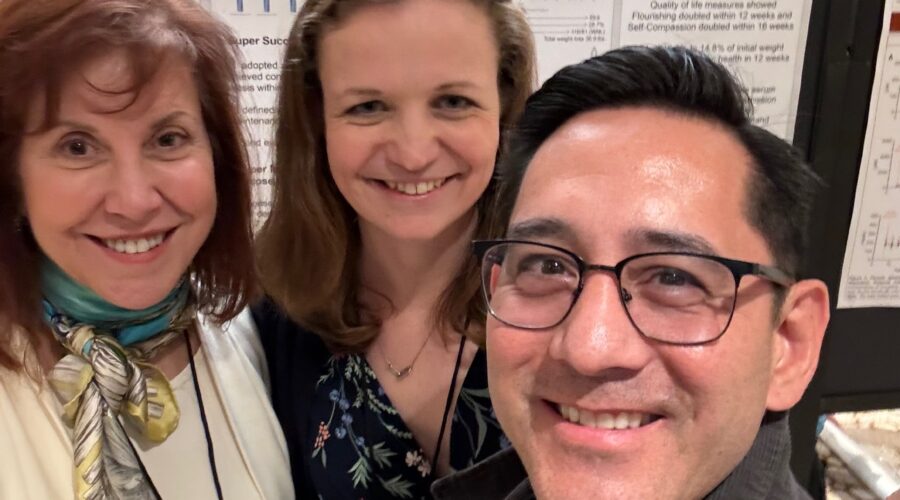
    Lori, Rachel, and Chef Ikaika Molina at MHS 2024

    We’ve anticipated this world class Metabolic Health Summit 2024 for some time, and it’s finally happened!! Top scientific and clinical researchers and world-class experts on low carb, metabolic interventions, and ketogenic diet treatments gathered to share their research and outcomes. And we listened with rapt attention. Not a minute went by that wasn’t packed with new, exciting and applicable information. It’s all to help you, our patients, get better — and live healthier, happier lives. (Thank goodness there was coffee there!) And there were so many opportunities to create new collaborations and make new friends. You can see us above with Chef Ikaika Molina, who does Culinary Medicine in Hawaii. We’re so excited to see the growth in our field — and so many possibilities when we use food as medicine in treating our patients. (Shout out to Ikaika—stay in touch and let’s find a way to work together!) Now, about the astounding expertise of our speakers …

    Valter Longo, MD at MHS 2024

    Valter Longo, Ph.D

    Valter Longo, Ph.D., is Director of the USC Longevity Institute. Named one of Time Magazine’s 50 Most Influential People in Health Care. His research on fasting-mimicking diets (FMD) for the improvement of health and prevention of disease has been groundbreaking and his keynote address showed us how use of these FMD cycles to reduce tumor progression. He talked about how those who are undergoing extensive chemotherapy along with fasting-mimicking dieting, are showing greater results with remission.

    He also works to identify the molecular pathways conserved from simple organisms to humans to find ways to modulate them to protect against multiple stresses. For example, to treat or prevent cancer, Alzheimer’s Disease and other diseases of aging. The focus is on the signal transduction pathways that regulate resistance to oxidative damage in yeast and mice.

    He’s a true leader in our field.

    Iain Campbell, PhD at Metabolic Health Summit

    Iain Campbell, Ph.D.

    Iain Campbell, Ph.D., from the University of Edinburgh, is a Baszuki Research Fellow. He has personal, lived experience with bipolar 2 disorder and has seen dramatic and sustained benefits of KMT (ketogenic metabolic therapy), often just called KD (ketogenic diet) for over 7 years. He’s the principle investigator on a pilot trial exploring the use of a ketogenic diet for bipolar II disorder. He reports that all patients with bipolar disorder show a decrease in ketone levels, and low levels of lactic acid. Lactic acid is an indicator of mitochondrial dysfunction. These two significantly altered biomarkers show up in bipolar disorder. Lactic acid is one of the most important measured biomarkers.

    It’s exciting to see metabolic measurements that tell us about a condition as serious as  bipolar disorder. It also helps us understand why a ketogenic diet can bring this condition into remission. This Metabolic Health Summit brought out the best in the best.

    The psychiatric outcomes that he says they saw as the participants adopted and maintained a ketogenic diet (with 91% adherence—amazing numbers!) were highly significant correlations in mood, anxiety,  impulsivity, and energy. His team measured ketones every day and saw them moving every day.  They looked at causation and correlation. And they saw a correlation of ketones to response, particularly in anxiety, as well as highly significant correlations in improved mood, energy and reduced impulsivity.

    He just published his paper, The Metabolic Overdrive Hypothesis: Hyperglycolysis and Glutaminolysis in Bipolar Mania, this week in Molecular Psychiatry. (Hooray, Iain—what a win for it to come out just before the Summit began!) He explained that glutamate serves as a sort of metabolic fuel source, and suggested that perhaps when we’re producing ketones, glutamate decreases and this may partly explain the dramatic response we see in bipolar disorder. And there are multiple other mechanisms at play, as we know.

    NPR published an article featuring Iain and his work, as well as many others in this field–a superb piece that’s worth reading.

    Fascinating. Thrilling!!  

    We’ll want to keep reading more of his work going forward. 

    Matt Baszuki at MHS 2024

    Matt Baszuki

    And then we got to hear from Matt Baszucki from The Baszuki Group and Metabolic Mind, and who spoke from lived experience—a strikingly well-delivered, honest, funny, and heart-rending 5-year story of living with bipolar I disorder — all of it.

    After many hospitalizations, over 40 mental health professionals, 29 medications, and so much pain, he found a way out. And as he did, he began to analyze his symptoms, and what seemed to make them worse. 

    Matt talked about how around March as the days become longer, many people with bipolar disorder become symptomatic. And, he realized mania struck him at this time around the Equinox…he called it March Madness. So, he would need to take extra medication at this time of year, and he learned to prepare himself, so he was ready when March came.

    Finally, his mom helped him find ketogenic treatment and a psychiatrist and dietitian who could help him with it. That was in January of 2021. He was ready to try something that might actually work.

    The ketogenic diet required a lifestyle change—a big one, full of good changes for his body, his sleep, his schedule, and his ability to really flourish, and to work. He was able to very slowly taper meds that he didn’t need anymore. And his symptoms subsided — but if he relaxed with his ketogenic diet, and ate more carbohydrates, his symptoms would start up. So he’d become strict again (his words).

    It changed his life. It changed his family’s life.

    He offers a compelling message about the freedom in ketogenic living. And the importance of the healthy lifestyle changes he’s made sleep, exercise, meditation and meaningful work — in order to get and stay well. It is about freedom. And it’s about hope.

    What a joy to hear his story!

    Christopher Palmer, MD at Metabolic Health Summit

    Christopher Palmer, M.D.

    Chris Palmer, M.D., who wrote Brain Energy, digs deep. He opened with how 20-60% of patients with psychiatric disorders suffer from treatment resistance. And most psychiatric treatments are not curative… they aren’t disease-modifying therapies, they just reduce symptoms… at best. He said that psychiatry is a mess because the field doesn’t really understand what mental illness is.

    He points out that a recent 2023 study by Brandt et al., suggested that there’s a general disease factor playing a role in mental and physical illness.

    Dr. Palmer agrees, in that mental disorders are metabolic disorders of the brain. He made the point that all of the risk factors for mental illness are all of the risk factors that adversely impact metabolism. 

    The unifying brain energy theory that he proposed in Brain Energy is this: Metabolic dysfunction in cells can explain all aspects of mental illness.

    How ’s that for a breakthrough concept?

    He wants us to come away with this: metabolic treatment using individualized, psychiatrist and dietitian-supervised ketogenic approaches can be disease-modifying therapies. They can change your present… and they can change your future.

    We know this, and we see this every day in our patients.


    He suggests we need to think about mental states and mental disorders in the same way that we think about pain. Pain is perfectly normal; all of us have it. It’s not a disorder, it’s not the body malfunctioning.  We might take a pill for it, we might need some help, we might want some comfort. You can have extreme pain if you get surgery; you might have extreme and prolonged pain for clear reasons, but these are not disorders of pain. However, there are, in fact, pain disorders in which the pain system is malfunctioning, and where the brain regions are malfunctioning — and produce the sensation of pain when a person should not be having pain.

    He argues that mental states operate in the same way: Anxiety is normal, extreme anxiety is normal (if you’re being bullied, for example) — and yet there are people who experience anxiety for no reason, because the brain regions that code for anxiety are firing, although they shouldn’t or don’t need to be firing.  

    Mental Illness and Metabolic Conditions

    Mental illness is strongly correlated with obesity, diabetes, cardiovascular disease and decreased life expectancy, and all of these are strongly correlated with higher rates of psychiatric disorders.

    When we see strong bidirectional correlations, we need to consider a common pathology: mitochondrial dysfunction. Mitochondria—the organelles in each cell create energy. In the brain, they create brain energy.

    His words were pure gold. This was one of the best talks — and there were so many! — at MHS 2024, a true Metabolic Health Summit that pulled together incredible scientific researchers and clinicians from all parts of the world, and from bench to patient care addressing the most challenging issues for human health.

    Jocelyn Tan, MD at Metabolic Health Summit

    Jocelyn Tan, M.D.

    Jocelyn Tan, M.D., is Integrative Oncology Director at the VA Pittsburgh Healthcare System on ketogenic diet therapy for oncology. She said research for this began in 1913, with a fascinating study of lab rats. One group was fed bread, and the other was fed a form of protein and lard. Then, they were injected with cancer cells. All the rats got cancer, but in the ones eating bread, the tumors grew. In the ones eating lard, the tumors were small. 

    More experiments followed, and in all cases, the rats fed a form of sugar nearly all died. Of the rats who were fed lard, only 6 out of 26 died — and they didn’t die of cancer. 

    Pretty remarkable, and in 1913 no less!

    Dr. Tan described her feasibility study evaluating the ketogenic diet in endometrial cancer patients. They collected tissues before the diet, then after the diet, and did tissue studies to understand what happens to the tumor during the diet. Then, the exosome analysis to understand why some patients have resistance and others respond to the treatment.

    I could go on and on. Each speaker at this Metabolic Health Summit described outstanding, cutting edge, breakthrough research and treatments. There were so many outstanding experts.

    Peter Crawford, PhD, at MHS 2024

    Peter Crawford, M.D., Ph.D.

    Peter Crawford, M.D., Ph.D., from University of Minnesota, Protective Interorgan, Intercellular, and Intercompartmental Metabolite Shuttles in Obesity described studies conducted to identify metabolic signals that distinguish lean or overweight athletically trained people that indicate latent markers of metabolic dysfunction…who are clinically healthy.

    Brett Goodpaster, PhD at MHS 2024

    Bret Goodpastor, Ph.D

    Bret Goodpastor, Ph.D., Scientific Director and a Senior Investigator at the AdventHealth Translational Research Institute. He researches the pathophysiology of  obesity, insulin resistance, and diabetes. He talked about how both exercise and weight loss improve insulin sensitivity.  So his team then became more interested in this:  when you combine calorie restriction with weight loss, is there an additive effect? 

    Andrew Koutnik, MD at MHS 2024

    Andrew Koutnik, Ph.D.

    Andrew Koutnik, Ph.D., Research Scientist at the Sansum Diabetes Research Institute, spoke on  Nutrition and Cardiometabolic Health in Diabetes. This subject is near and dear to his heart because he has Type 1 diabetes himself. He’s currently investigating the impact of divergent nutritional interventions on cardio-metabolic health in Type 1 diabetes, pre-diabetes, Type 2 diabetes, and obesity. He points out that if you’re diagnosed with any one of these diseases, your life expectancy is reduced by about 10 years. 

    He says there is too little research on diet for Type 1 diabetics, and describes studies of Type 1 diabetics involving diets with carbohydrates, and those that are low carb. They learned that blood glucose control was more difficult with when the traditional carbohydrates were included in their diets. That in spite of the extensive research on diabetes and the technology benefits for glucose control, Type 1 diabetics still have insulin resistance and dysfunction in blood glucose levels. They found that when lower amounts of carbohydrate are included in the diet, there is improved control of blood glucose. 

    Franziska Spritzler RDN at MHS 2024

    Franziska Spritzler, RD-N, C.D.E.

    Franziska Spritzler, R.D-N., C.D.E., presented a beautiful and practical approach to implementing ketogenic and LowCarb diets. Franziska explained how to determine protein needs, as well as how to determine the carbohydrate needs for a customized diet in certain conditions.  She talked about optimal levels of ketosis, and talked about using ketogenic and LowCarb diets for Type 2 diabetics, stressing there is lots of evidence to support this approach. She also talked about these diet interventions for polycystic ovary syndrome (PCOS).

    Ben Bikman, PhD at MHS 2024

    Ben Bikman, Ph.D.

    Ben Bikman, Ph.D., scientist and professor at Brigham Young University, seeks to better understand the role of elevated insulin and nutrient metabolism in regulating obesity, diabetes, and dementia.

    Isn’t it great there is so much work being done in this area?

    Dr. Bikman talked about the pathophysiology of fat cells, and how they grow and become suffocated as they get farther and farther from capillaries. He’s the fat cell expert, for sure! He knows the drilled-down details of how they grow, how they proliferate, and how this leads to so many end-problems in our bodies and for our overall health. He talked about obesity in America compared to insulin resistance in India, and how weight gain in diabetics is related to their insulin intake.


    Richard Johnson, MD at MHS 2024

    Richard Johnson, M.D.

    Richard Johnson, M.D., Professor of Medicine at University of Colorado, is internationally recognized for his work on sugar and how it plays a role in obesity and diabetes. So delighted to hear him speak. Dr. Johnson has published over 500 papers, and is the author of the book, Nature Wants Us to be Fat. 

    He says Metabolic Syndrome is the great precursor—not just to diabetes and cardiovascular disease. There are now newer associations with conditions like Alzheimer’s disease. Also vascular dementia, ADHD, bipolar disorder, depression, cancer, preeclampsia, polycystic ovarian syndrome.

    Who knew these were metabolic diseases… until we learned how pervasive metabolic illness really was?

    He talked about fructose — a sugar found in fruit — playing a huge primary role in increasing fat.

    (Wait—but you’ve no doubt been taught that fruit should be included when you try to lose weight, right?)

    But fructose is used in nature to store fat. Bears eat copious amounts of fruit before they hibernate. Fructose drives hunger, thirst, and foraging. Fructose decreases the resting metabolism (to increase fat stores). 

    It causes insulin resistance and decreases glucose delivery to the muscle. It causes inflammation (which was probably meant to protect us from infection); it maintains circulation and glomerular (in the kidneys) circulation.  Fructose also switches on glycolysis to protect animals in a low oxygen state.

    His talk was fascinating and eye opening.

    Tommy Woods, MD at MHS 2024

    Tommy Woods, M.D., Ph.D.

    Tommy Woods, M.D., Ph.D., Director of the Neonatal Neuroscience Lab, Food and the Brain Dementia Prevention Database gave a wonderful talk on age-related cognitive decline. He says that age-related cognitive decline is often overcomplicated. He says that a conservative estimate of 40% of cognitive decline is preventable. With improved diet with improved nutrients, rest, and late life social and cognitive activity while reducing stress, there is potential for marked improvement in cognitive acuity. Breakthrough concept for the Metabolic Health Summit.

    David Feldman from UCLA at Metabolic Health Summit 2024

    David Feldman, UCLA

    David Feldman, UCLA, software engineer, entrepreneur, and founder of Citizens Science Foundation, researches why LDL rises on some people on a LowCarb diet and asks if this rise results in heart disease. He’s doing a study that began in February of 2023, and will continue next month in February 2024, on lean mass hyper responders (LMHR) to understand why some people have elevated LDL and if this is actually correlated with an increase in coronary artery plaque. Absolutely tremendous work, which may finally up-end conventional thinking in medicine.

    Nick Norwitza, PhD t MHS 2024

    NickNorwitz, PhD, (right) who describes himself as “Dave’s brother by another mother” has been captivated by this work and conducted an N of 1 experiment on himself (he’s a lean mass hyper-responder on a ketogenic diet) by eating a sleeve of Oreo cookies every day followed by 6 weeks of high intensity statin therapy. The Oreos reduced his LDL by 71% — twice as much as the statin did. 

    In LMHR, we think that the high LDL is triggered by lowering carbs, so his hypothesis is if you add back carbs, it should lower your LDL.  He added back carbs by eating an entire sleeve of Oreos every day, and it certainly did lower his LDL. You can find this all over YouTube (but realize that his experiment was to prove a point, not to promote or suggest that anybody eat cookies, sugar or processed foods).

    Nick is a one-man riot—fearless, funny and absolutely brilliant. I crown him the King of Disruption—the guy knows how to get people to sit up and pay attention. So glad he was at Metabolic Health Summit 2024.

    Lily Nichols RDN at MHS 2024

    Lily Nichols, RDN, CDN

    Lily Nichols, RDN, CDN, is the founder of the Institute for Prenatal Nutrition, and co-founder of Women’s Health Nutrition Academy. She gave an outstanding talk on how metabolic health starts in utero. She stressed the importance of real food for pregnancy and for gestational diabetes.

    Her work has helped change international guidelines on nutrition in pregnancy. Diabetologists in the Czech Republic used to have national guidelines that set a minimum carb intake of 200g per day for prenatal women, and after they reversed it to be a maximum of 200g, they’ve reported better maternal and fetal outcomes, less excessive birth weight, and less gestational diabetes.  She trains professionals in the Institute for Prenatal Nutrition.

    A baby inherits the expression of parents’ genes at conception, and their mitochondria from their mothers (not their fathers). Plus, your genes are further impacted by the environment in utero, and the first two years of life. So, a mother’s nutrients are vital from before conception. This is essential information for us to hear at Metabolic Health Summit 2024.

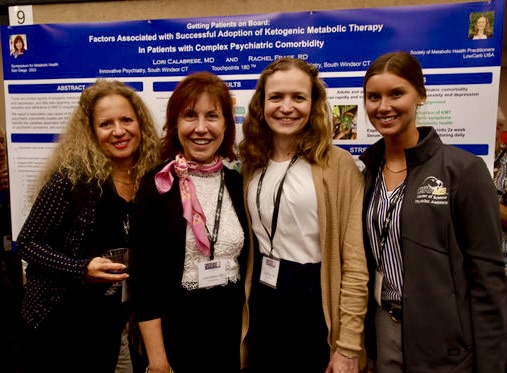
    And Our Poster Presentation

    Touchpoints 180™ is Dr. Calabrese's program to help you achieve therapeutic nutritional ketosis so your mind and body can heal.

    I was so pleased to present our work describing complete remission of generalized anxiety and major depression with Touchpoints 180 and so happy to see how enthusiastically it was received. (The international scientific poster session at MHS 2024, Metabolic Health Summit 2024, was sponsored by Keto-Mojo, and was pretty packed.) 

    At Touchpoints180, we look forward to helping you experience the benefits of therapeutic nutritional ketosis and the metabolic health that goes with it. We’ve learned so much this week at Metabolic Health Summit 2024 — and we’re eager to bring it to you.

    If you’re struggling with depression, anxiety, bipolar disorder, weight and metabolism, and other conditions we’ve talked about, call us.

    At Touchpoints 180, our approach can help you find vibrant, balanced health and joy again.

    Lori Calabrese, M.D. is on the front end of the race to stop PTSD in its tracks using IV ketamine treatment.

    To the restoration of your best self,

  • Ketogenic Diet Weighs In: Sugar Addiction and Mental Health Now

    Ketogenic Diet Weighs In: Sugar Addiction and Mental Health Now

    Jenni paused to try to remember what she was doing. Coffee. That was it. Her mind was so foggy, as if her head was stuffed with peanut butter. Or styrofoam. Uggghhhh… she thought. Maybe coffee will help. But truth be told, she doubted it would help enough. She was tempted to sit down and abandon the coffee idea… but she pressed on. While she sipped the steaming beverage from her mug, she thought about the hopelessness she felt, and the futility. The irritability. And the agitation. How she wished she could remain calm and serene. That she could move through the routine of each day unruffled. But little things made her explode at times, then hate herself for it. Jenni caught her reflection as she walked past the mirror in the entry hall. Ugghhh, she thought again. Jenni hardly recognized herself anymore. She’d really gained a lot of weight these last 7 months. It was so discouraging. And…it was weird…she didn’t feel like she ate that much. How had she gained so much weight? She’d heard about sugar addiction, and even mental health exercises that might help, but didn’t believe any kind of addiction applied to her.

    Chasing Energy and Relief in all the Wrong Places

    And why did she feel so draggy, so run down, without stamina? Why so hungry when she’d already eaten? The gnawing craving for pizza, potato chips and dips, festive coffee drinks and soda, plagued her. She finally quit fighting it, drove the car to her fav caffeine drive-through, and ordered a venti coffee loaded with syrups and topped with whipped cream. Plus a croissant sandwich. And a frosted cookie.

    There. That should hit the spot.

    For now, she felt less irritable, almost soothed. So she headed home after a quick stop at the convenience store to grab a bag of potato chips and some dip, a frozen pizza for later,  along with some Rocky Road ice cream. And, of course, popcorn.

    Each time she began to feel down again, she brainstormed and treated herself to a carbohydrate-rich delight. Cookies, frosting, frothy coffee, chips, dip, ice cream. It was amazing how much better she felt as she bit into them. However, by the third bite or so, the pleasure faded. Nevertheless, she finished eating them, anyway.

    Over and over, every day. Desperately seeking relief via food pleasure.

    By the time she finished the treat she’d been devouring, the pleasure was gone, and her emotions sank, along with her energy.

    One day, she checked her email, and there was one seeking applicants for an “overeaters” club. While that certainly didn’t apply to her( or so she thought), she wondered if making friends at such a club might allow her to meet people who had ideas about her low energy, irritability, agitation, and feelings of futility – that seemed to be her constant companions.

    Learning about sugar addiction and how it affects your mental health can help you reverse your symptoms with a ketogenic diet.

    Your dysfunctional metabolism may be causing your depression which may be caused by your dysfunctional metabolism.  What?? 

    What’s metabolism got to do with depression? She clicked on the link out of pure curiosity, and discovered it was an article that connected depression, anxiety, agitation, and feelings of futility with your metabolism, and how you can treat those symptoms with certain types of foods, exercise and movement, social relationships, and maybe even meditation. 

    It seemed to imply that craving and eating sugary foods could be a sign of sugar addiction, and that could cause mental health symptoms. Shocking...

    She read on.

    What is this? Some sort of hype…? She wondered. Some sort of woo woo group?

    As Jenni kept reading, she learned that current neuropsychiatric research and practice provided evidence that the kinds of symptoms that were plaguing her were connected to metabolic dysfunction. 

    Inflammation Can Cause Psychiatric Symptoms

    She learned that metabolic disease often included inflammation, and inflammation is often involved in psychiatric symptoms. Symptoms of depression, anxiety, rage, irritability, agitation… these are often associated with inflammation. The worse the inflammation, the more intense the symptoms.

    And this inflammation can be linked with ultra processed foods… and sugar. She read that when your metabolism is out of whack, you tend to crave sugar and carbohydrate-heavy foods. 

    Because – and this was a surprise – sugar is actually not needed for your health or survival. Who knew?? That, in fact, your natural digestion takes healthy foods like protein and turns them into the glucose (biological sugar) your body needs. So when you consume refined sugar – the white stuff – it’s always in excess of what you need. And it’s addictive. That’s why they call it sugar addiction, and it has consequences to your mental health.

    Feeding the Monster: Sugar Addiction and Mental Health

    Unfortunately, when you eat it, you want more. It triggers your pleasure center in your brain, which makes you want even more. But the more of it you eat, the less pleasure you experience…so you want to eat more to experience that pleasure again…  And more. And then… well, after you stop eating it, you can start to feel withdrawals, so you want more still to make that feeling go away and the pleasure to return.

    The trouble is, eating sugar and other ultra processed foods like hot dogs, potato chips, frozen pizza, candy, cake, donuts, and ice cream, feeds the sugar addiction, and you don’t get the nutrients your brain needs to function properly. These foods feed the inflammation. And when your brain is inflamed, it doesn’t get sore like an inflamed throat gets sore, or swell like an inflamed sprained ankle. 

    Instead, it malfunctions with symptoms like agitation, depression, irritability, and anxiety… manic symptoms. Even psychosis. Maybe your moods change rapidly. Maybe your memory isn’t so good anymore. Or maybe you develop an eating disorder. Those brain cells can’t function like they’re supposed to.

    And to get better, it’s vital that you eat very small amounts of carbohydrates. 

    We’ve all done it—many of us grew up eating ultra processed foods, full of unhealthy seed oils, high sugar and lots of carbs. But feeding you body and brain that way over time means your metabolism suffers, and your become malnourished because your food is not nourishing. Even though you may appear obese on the outside, inside your cells are starving. They need the vitamins and minerals you get from whole foods like vegetables, omega 3 fatty acids from fatty fish like salmon and avocados, healthy and nutrient-dense animal fats, flavonoids from onions, lettuce, tomatoes, cheese… These are foods that feed your cells. Eating these foods, and removing ultra processed foods from your diet, as well as excessive carbohydrates, is using food as medicine. In fact, the right food IS medicine.

    At the bottom of the page was listed a doctor whose practice focused on Metabolic Psychiatry. It’s metabolic medicine geared specifically to restore mental health.

    Jenni slept on it. Then, in the morning as her sugar cravings began to crowd in again, she called that doctor and made an appointment.

    The doctor discussed metabolic dysfunction, how damaging too much carbohydrates and refined sugar can be, and explained the approach she uses, a wrap-around program with all kinds of opportunities to build knowledge, support and success. 

    Jenni learned more about the symptoms that had plagued her, about the sugar addiction and how it was sabotaging her body and her brain. And her emotional stability!

    Touchpoints 180™ is Dr. Calabrese's program to help you achieve therapeutic nutritional ketosis so your mind and body can heal.

    Touchpoints 180™

    She was excited by the sophisticated work-up, the digital tools, the in-person connections and the personalization of it all. This wasn’t a one- size-fits-all handout, or a conveyor belt approach with nameless people behind a great logo. And starting wasn’t nearly as hard as she had feared. The rich and healthy foods that were prescribed for her were so satisfying that her cravings for sugar started to slip away.

    Although there were moments over the coming weeks when she wistfully thought about those foods she was no longer eating, something had changed. She didn’t want them anymore, didn’t go out driving around to find them, and she realized she wasn’t eating something just to eat it.

    Her brain felt different. Her thinking was different.

    So this is what it’s like to take food as medicine. She liked it!

    It Wasn’t Long Before She Felt the Improvement

    Most importantly, she was feeling better and better. Feeling more upbeat, less reactive, and more and more with a sense of just…well-being. 

    And it just kept improving… Meanwhile, in the next several weeks she noticed her pants waist fitting more loosely… then her top began to hang from her shoulders. Her belly was shrinking! She started wearing clothes she used to wear that were a size smaller; then in 3 months, 2 sizes smaller. Wow oh wow!

    From what she’d learned and more importantly, what she saw and felt, her body was metabolizing her fat, and she was losing weight without feeling hungry or tired. What a reward!

    With all she’d learned about her metabolism and her health, she had no intention of returning to her old dysfunctional way of living (and eating). This was easy. She felt content. Less and less volatile. More at peace.

    Jenni had found freedom in her body from her sugar addiction, and especially a bright outlook and mental clarity. The symptoms of agitation, futility, and hopelessness all quietly subsided. 

    She found she had patience when she would have exploded before. Her confidence in her ability to manage her life bloomed.

    Are you struggling with your weight… and maybe an unrelenting addiction to sugar? 

    Do you have symptoms of Type 2 diabetes or other metabolic illness along with psychiatric symptoms?

    If you struggle with brain fog, irritability, agitation, hallucinations, depression…and nothing you’ve done has helped, call us. We’re breaking new ground.

    Come and join us in using a new and healthy approach, Ketogenic Psychiatry, Touchpoints 180™, and see what evaluation, guidance, and support can do to transform your life, your health, and your joy as you move forward in your best life.

    Lori Calabrese, M.D. is on the front end of the race to stop PTSD in its tracks using IV ketamine treatment.

    To the restoration of your best self,

  • Ultraprocessed Foods and Depression? Get Relief with a Keto Diet!

    Ultraprocessed Foods and Depression? Get Relief with a Keto Diet!

    Trish sludged through the day. Life had gotten so hard. Her nursing job had become almost insurmountable. Patients needed her, but her energy was drastically depleted, and she didn’t know why. The mental acuity she’d always relied on… seemed spongy, foggy somehow. If she couldn’t fix this, she could lose her job. Then what would she do? She decided she could take a break before her patients needed their next round of medications, so she slipped into the break room to try to clear her head. A bag of chips, a packaged sugar-free cinnamon roll from the machine, and a diet drink might revive me, she thought. After the break, she felt weighed down, and her outlook was no better. The food felt good while she was eating it, but didn’t do much for her condition. Little did she realize, these ultraprocessed foods (UPF) and her depression symptoms were related.

    Too Much Artificial Sweetener

    Somehow she finished her shift, and drove home. She kicked off her shoes, and stretched out on the sofa. Before long, she was asleep. 

    Around midnight, she woke up – so foggy-headed – and stumbled to her bed.

    At 5am, her alarm sounded. She dragged herself out of bed and into the shower.

    I feel so bad. This is awful. How can I get the real me back? Trish was beginning to feel desperate.

    She called in sick to work, then made an appointment with her doctor. While she sat in the waiting room, she noticed a printed article on the table about ultraprocessed foods. As she glanced over it, she saw it reported a study about the link between ultraprocessed foods and depression.

    Depression? She wondered…

    It described a study of 31,712 women who reported information about their diet every four years. The average age of the women was 52, and since Trish was 51, she thought this might apply to her.

    So she kept reading. The study found that those who consumed more than 8.8 servings a day of artificial sweeteners or artificially sweetened drinks, had a 50% higher risk of depression than those who consumed less than 4 daily servings.

    Alarming!

    It was incredible that nurses were the subjects of the study! Since Trish was a nurse herself, she wondered if all this was related to how super busy nurses are, and how they often have trouble taking time to eat healthy food — and often survive on snacks, diet drinks, and iced tea with artificial sweeteners…? She could sure relate to that.

    The article pointed out that it would require a vast amount of research to study all the elements in ultraprocessed foods. Plus, whether each one is associated with depression. Still, they did find a strong link between high consumption of artificial sweeteners and episodes of depression.

    Wow–artificial sweeteners, or sugar, is in just about everything you buy that is low fat or low cal, or zero cal.

    Was Her Consumption of UPF Too High?

    Trish contemplated this. Could it be?

    She also knew that there were plenty of nurses who watched what they ate more closely than she did, and who drank water instead of diet drinks. They also were the ones who kept their stamina up by jogging or working out at the gym before or after work. Overall, they were the health conscious ones.

    For Trish, the idea of exerting herself any more than she already did at work…well, it sounded like a defeated idea before she even tried. She had absolutely no extra energy for all that, and didn’t feel emotionally up to putting out any extra effort. She was doing all she could with her job, and bolstered herself with caffeine.

    It was all she could handle, doing all she could with just her job — and she certainly bolstered herself with caffeine. Coffee, Starbucks, Dunkin, and diet drinks — she liked them all. And she always used artificial sweeteners, because she didn’t want the calories of sugar.

    Ultraprocessed Foods Linked to Depression – What a Concept!

    When she was called in to see her doctor, she mentioned the article. She described her symptoms, her misery, and her worry that she was losing her ability to do her job well.

    He nodded his head in agreement throughout her comments.

    He said, “Trish, you do sound depressed. That would account for your outlook, feeling overwhelmed, and your lack of energy. It could also be contributing to your weight gain, high blood pressure, and cholesterol. It’s amazing how all these symptoms seem to go together with a metabolism out of whack. Recent studies like the one you read about today support the need to get your metabolism back on track.

    A Program With a Solution

    “I’d like you to see a psychiatrist near here who has a wonderful practice in Metabolic Psychiatry. Her program helps people whose metabolisms are out of balance, and the consequential depression… as well as other metabolic problems. 

    Touchpoints 180™ is Dr. Calabrese's program to help you achieve therapeutic nutritional ketosis so your mind and body can heal.

    Touchpoints 180™

    “She offers a comprehensive program, without medication, that can treat your depression. The beauty is that it will likely resolve your brain fog, as well as energy deficit…and will help you lose weight easily, too. Many people see their cholesterol drop, and their blood pressure, too.

    “Why don’t you make an appointment with her, work on her program, and come back and see me in 3 months? We’ll re-evaluate your symptoms again at that point.”

    Trish left with a renewed sense of purpose.

    She didn’t feel any better, but maybe this new doctor could help her get to the bottom of what was wrong with her body and outlook. Once she reached her car, she called the number her doctor had given her, and made an appointment to be evaluated for their Metabolic Psychiatry program.

    Metabolic Psychiatry

    After she met with the psychiatrist, and with the registered dietitian-nutritionist, Trish learned about how they would use food as medicine, by helping her switch from glucose to ketones as the primary energy source for her cells. She learned that would help her achieve therapeutic nutritional ketosis, and how that would improve her energy, clear her brain fog, lift her depression, and tamp down the anxiety. 

    There was so much science here that for once, she believed it.

    Plus, she learned that once her body was in therapeutic nutritional ketosis, it would seek fat to consume for energy, making use of excess body fat, as well as good fats in her diet. She knew about the mitochondria being the power house of the cells, but had never learned about all this before.

    So that’s how it helps you lose weight, she thought.

    The Registered Dietitian provided her with so many opportunities to fine tune this, learn, eat food that she really liked, with customized ideas for meals …and showed her what to do to ensure she stayed ketogenic when she was at work. Options, food that was easy, and ratios that were right for her.

    Ultraprocessed Foods Linked to Depression: Especially Sweeteners

    The first step she took was to drop diet drinks from her diet… and switch to water, like the health conscious nurses she worked with. The research had blown her away. The dietitian encouraged her to think in terms of feeding her cells with efficient energy through ketones, rather than trying to compensate with caffeine. 

    A ketogenic diet can resolve depression caused by ultra processed foods.

    So, she stopped at the grocery store to buy whole, healthy foods for her new diet. Things like salmon, scallops, chicken, cream for sauces, cheeses, olive oil, eggs, broccoli, bell peppers, and pistachios.

    It was a little uncomfortable tapering off all that caffeine, and getting away from the sweeteners and the diet drinks. But it got easier quickly. Within a week she could feel an improvement in her brain fog

    How about that? She mumbled to herself when she noticed. So far, so good…

    Transformative Ketogenic Diet

    After a long weekend, she was ready to go back to work. She took small snacks of cheese and fresh vegetables, and bottles of water, so she could avoid the cafeteria or vending machine. Last night, she had prepared salmon and broccoli for dinner, so she brought left-overs for lunch. She realized some simple planning was going to help this new lifestyle work.

    When she got off work that afternoon, she drove home, then walked to the nearby park. She hadn’t enjoyed the fresh air — or even noticed it — in a very long time. Something was improving. 

    Trish found she was beginning to feel enjoyment again over the coming weeks…a feeling like it was good to be alive. The overwhelm that had suffocated her seemed to be subsiding, and she found she had the energy to get her work done with time to spare.

    3 Months Showed Her the Proof of the Pudding

    When she returned to her PCP 3 months later, she’d lost 12 lbs, and had never expected that much! Plus, her blood pressure was improving. Wow. It was working!

    After her bloodwork, she decided to go to the animal shelter and see if she could find a kitty to take home. Actually, she read she should adopt 2 kittens to keep each other company while she was at work. It was a fun exercise, and she marveled that she had the emotional energy to consider a pet. She decided to give it a little time to be sure she was stabilized before she added the responsibility of another household member. But it was fun to think about.

    Two days later, she heard from her doctor’s office that her blood sugar and triglycerides were coming down, too. 

    The combination of her improved cognition, her mental clarity, and bright outlook, and the changes she was seeing in her body (and her bloodwork) were all proof that this was the lifestyle change she needed, and she got excited about continuing to living this life, this way. She didn’t want to ever go back to the awful way she felt before.

    6 Months and She was On All New Ground

    To celebrate 6 months of ketogenic living, she decided she was plenty stable and getting better every day. So she drove to the animal shelter and played with the kittens. Two of them, a gray and white one, and an orange tabby, were especially playful with her, so she adopted them both and took them home. 

    She named the gray and white one Keto, and the tabby seemed like a Genie. Every time she called them by name she was reminded of her new life, new hope, and new metabolism because of ketogenic psychiatry.

    She could have named them Hope and Joy, but this was far more thrilling. Gratitude filled her heart as she looked at these two babies pouncing all over her house, her legs, and her heart. 

    At 52, Trish had a new lease on life.

    How is the New Year looking for you?

    Do you have hope, energy, and purpose? Or do you feel overwhelmed, fatigued, mentally fuzzy, and discouraged? 

    Metabolic Psychiatry can help you get your metabolism back on track, improve your A1C, brighten your outlook, relieve depression symptoms, increase your physical and mental energy, and restore your hope and enjoyment in life. A big help can be reducing ultraprocessed foods that are linked to depression… especially artificial sweeteners.

    And by eating low carbohydrate foods, and foods high in good fats, you can give your cells what they need to thrive.

    Using food as medicine, you can feel restored and healthy again.

    If you suffer with symptoms of depression, overwhelm, lack of energy, and other metabolic symptoms like Trish, and you’re sick of it, call us.

    Our Touchpoints 180™ program can help you find the real you again, relieve you of metabolic and depression symptoms, without medication…using food as your medicine.

    You’ll be amazed at how much better, and hopeful, you can feel.

    Lori Calabrese, M.D. is on the front end of the race to stop PTSD in its tracks using IV ketamine treatment.

    To the restoration of your best self,

  • Holiday Optimism Sets a Path for Success In the New Year

    Holiday Optimism Sets a Path for Success In the New Year

    Kayla breathed a sigh of relief. A car moving into her lane spotted her car just in time and swerved away to avoid her. Gratitude filled her at the near miss. It could have been a horrible crash, but all was well. This holiday traffic was heavy. Everyone shopping for gifts and groceries, as well as attending luncheons and parties. She loved this time of year. The excitement and anticipation. The decorations everywhere. Ornamented trees, snow on the ground, green, red, blue, and white lights on the streets and in the stores. Kayla wished she could share her joy with everyone she saw. She knew holiday optimism sets a path for success in life. But she also knew such enthusiasm wasn’t received well by everyone. She knew some were sad or angry, feeling losses especially painfully at this time of year.

    Offering Encouragement

    She drove to the specialty grocery store where she liked to shop for tasty treats and unusual ingredients for her Christmas baking. After grabbing a basket she started in the produce section and who did she see selecting oranges and figs but  Megan Watson. 

    “Megan! It’s wonderful to see you! Looks like we had the same idea…shopping for holiday meals?

    “Hi Kayla. Yes, I’m trying. But they seem to be out of the things I came for.  I don’t know why I try. My dishes never turn out right anyway. My family just ridicules my efforts. It takes the fun out of all of it.”

    “Oh Megan, I’m sorry. I wish they realized how hard you try and encouraged you. I’m just learning myself. I used to cook the things my mother cooked, but realized there are other ways to prepare food that I like better. So I’m doing a lot of experimenting these days, finding recipes and trying them out. 

    How Learning Supports Optimism

    “Sometimes they’re good and sometimes not so much. When they don’t work I either scratch them from the list or study the recipe harder to figure out where I made a mistake so I can fix it. I figure optimism sets a path for success, you know? What ingredients are you trying to find?”

    “Well, I need fresh mozzarella and fresh basil for a caprese salad.”

    “Really? I love caprese salad. Surely they have both of those things here! I’ll help you look…”

    “I’m surprised you feel like you’re just learning. I’ve always thought of you as a gourmet chef, Kayla.”

    “No way..! I’m learning every day. And having fun with it. But thank you for the compliment.”

    A quick survey of the store’s “cheese shop” led Kayla to the mozzarella. Next, after looking near the lettuce and cabbage, she found the herbs and handed a package of basil to Megan. Then she saw it. Megan was covering her face with her purse, and Kayla could tell by the movement of her chest she was crying.

    Not Everyone Feels Joy About the Holidays

    “Megan? What’s going on? Are you ok..?”

    “I’m sorry, Kayla. I’m so discouraged. My whole life is a mess and I don’t know how to get my feet under me again. The course I was taking was so hard, and I think I failed the final. I’m worried I’ll fail the course. I shouldn’t have tried. I’m not sure I can ever find the courage to take a college course again.

    “I’m just not a good student. I should have known to not try to go back to school. I have bad luck at everything I try.

    “Now I’m trying to put together a plan for Christmas dinner, and I can’t think of anything. I’m no chef. Who am I kidding? Whatever I cook, my family will be disappointed. And I’ll feel humiliated. Plus I’ve gained weight, and my clothes don’t fit right. I don’t think my husband is attracted to me anymore…

    Pessimism Can Rob Joy and Confidence

    “And if my husband leaves me, what will I do? I married right out of high school, and can’t get a good job. It would be just my luck if he left me to take care of the kids by myself… I don’t know what to do anymore. Things don’t work out for me like they do for you.”

    Kayla looked into Megan’s eyes with compassion.

    “Megan, first of all, you’re really beating yourself up, and it’s not helping.”

    “Listen Kayla, I’m just being realistic.

    “Hey my friend, you’re not really being realistic, you’re worrying… and assuming the worst. That’s not the same thing. You do need support. In fact, what you really need is hope. But hope is something you can actually cultivate in yourself, by what you say to yourself and others, and how you view things.

    A dose of optimism wouldn’t hurt either, Kayla thought, since optimism sets a path for success in most things.

    A New Point of View

    “…Also, these situations you described aren’t things that depend on luck…it’s just that you may need to look at your circumstances with a different perspective. 

    “When you go over and over in your mind about how badly things are going to go, it undermines your confidence, and then you can’t do as well.”

    “Kayla, you’re different — you’re an eternal optimist. But life doesn’t always turn out the way you think it should.”

    “Megan, work with me here. I want to show you something. When your daughter is preparing for a test, does she study?”

    “Yes, of course— I make sure of it.”

    “Ok, you see to it that she prepares. So when she walks into that test, she’s not depending on luck, is she? She has prepared. She’s fed the information into her mind, and it’s there when she needs to draw on it for the test, right? As a result, she’s got confidence about what she’s learned.”

    “Yes. And she makes good grades.”

    “Ok. Excellent. Now, when you went in for that test you failed, had you studied for it until you knew the information forwards and backwards? Like, could you have taken the test blindfolded?”

    “No. There were too many things I needed to do for the kids, and too much gift shopping to do, and presents to wrap. I scanned my notes that morning before class.”

    Learning to Expect Happy Outcomes

    “Megan, I’m so sorry you’ve been so loaded with things that needed to be done, but can you see that it wasn’t bad luck that you failed the test? Can you see that maybe you could have prioritized the demands in your life differently, and given the time you had to studying…? And if you had, you would have made a much better grade?”

    Megan nodded. She listened wide-eyed.

    “When you said you were being realistic… that wasn’t exactly true. Maybe you’ve been sabotaging your success in a variety of ways, without realizing it. Your approach to all this is actually pretty pessimistic, because you couldn’t see how to be optimistic… or to have hope. But you do have a certain amount of control over that, if you can just see it.

    “Optimism can set a path for success, if you work on looking for the up side of a situation.

    “Life can become overwhelming, and sometimes it’s hard to get things right. But with support, and by adjusting your priorities, you can thrive. You really can be successful.

    Luck vs. Investing in Success

    “This isn’t about luck. It’s about giving yourself the opportunity to succeed. And about building your confidence with hard work. Then enjoying your own sense of accomplishment. So you can be proud of yourself. And expect things to go well for you.

    “Can you see the different perspective?”

    Megan’s eyes began to shine and she smiled. Hope was dawning.

    “So, no matter whether you fail the course or not, you can adopt a different strategy and try again next semester. And if you follow this strategy, you can expect it to go well for you. 

    Support and Social Stimulation are Important for Wellbeing

    “Maybe you should talk to your husband about his helping the kids with homework and maybe the dishes. Why don’t you? To give you more time to work on your school work.

    “And for your Christmas dinner, maybe search the internet for easy-to-prepare dishes that are tasty and festive? Then you can read the recipes, buy the ingredients, follow the instructions carefully, and prepare a wonderful meal your family will love. You don’t have to think of everything by yourself. That’s what Google is for!”

    “Oh Kayla, that’s a fantastic idea! I can see there are ways to plan, and set myself up to succeed.”

    “And about your discouragement with your weight. If you’re like me, you might be drawn to carbohydrates like sweets, and French fries, and chips when you’re feeling down… and those things pack on the weight. I know that first-hand so well. It feels good while you’re eating, but the good feeling doesn’t last.

    Ketogenic Psychiatry

    “I recently learned about a different lifestyle that’s helping me so much. It involves eating moderate amounts of meat, chicken, and fatty fish, with vegetables that are low in carbohydrates. Things like green leafy vegetables, colorful foods like eggplant, roasted Brussel sprouts, bell peppers, etc. And healthy high fat foods like avocados, eggs, nuts, and cheeses. 

    “When you eat foods like this, and avoid foods high in carbohydrates, your mood will be lifted, you’ll have more mental clarity and energy, and you’ll easily lose body fat. A few months from now, you could be a new size and shape.

    Touchpoints 180™ is Dr. Calabrese's program to help you achieve therapeutic nutritional ketosis so your mind and body can heal.

    “In fact, there’s a treatment program called TOUCHPOINTS 180™ that is all about metabolic strategies, eating the right foods for you, with support, groups, and community-building. The doctor and the dietitian live and breathe it themselves— and even walk with their patients 4 times a week out in nature settings. The transformation is pretty incredible. It’s what helped me do a 180.”

    Touchpoints 180™ can brighten your outlook and help you transform your mind, your body, and your life in ways you didn’t think were possible.

    We’re doing it, and living it. We see it every day.

    Giving Time and Support is a Most Valuable Gift

    “If you’re interested, maybe we could have coffee at my house, and choose dishes with great foods like this, and your whole family could begin to benefit. Instead of Christmas being a day full of pain and humiliation for you, it can be a day of fun and deliciousness! The beginning of a whole new approach to life! What do you think?”

    “Oh Kayla, that would be so wonderful. You’ve given me so much to think about, and you’ve given me hope. You’ve shown me my life can be different. I can’t wait to come over.”

    “Great! Hope is what the holidays are all about! Let’s get to work on a Merry Christmas!

    And that’s exactly what they did.

    Because holiday optimism sets a path for success in the new year.

    If you struggle with feeling overwhelmed and defeated, and maybe need a restart in your mental health and wellbeing, call us.

    Our Touchpoints 180™ program can set you on a new path— a happier, peace-filled, and healthier path.

    Happy Holidays… and a Very Merry Christmas and Happy New Year to You!

    Lori Calabrese, M.D. is on the front end of the race to stop PTSD in its tracks using IV ketamine treatment.

    To the restoration of your best self,

  • There’s Hope After a Long Life of Debilitating Depression

    There’s Hope After a Long Life of Debilitating Depression

    David looked in the mirror. He looked tired, sad, empty. He’d tried so hard to find solutions. For as long as he could remember. And suicidal thoughts … they’d always been there. Since he was four, life had seemed so empty and futile. Packed with disillusionment upon disillusionment … and disappointment. He could remember when he was only 6 years old, wondering if he drank a bottle of window cleaner, if the pain would end. He’d lived his life having too many days when he just couldn’t get out of bed, or face even routine tasks. Now he was 45, and he felt like he’d tried it all. Two decades of psychotherapy that better equipped him for living a circumspect life, but never relieved the pain and emptiness. He was losing hope after a long life of debilitating depression, because nothing seemed to help.

    A Lifetime of Depression

    In his 30’s, he’d worked with psychiatrists for years, trying SSRIs, SNRIs, and testosterone replacement.  Each effort gave some mild relief, but never seemed to touch the core problem.

    Then, in his 40’s, he worked with brilliant professionals in prominent university hospitals, did the whole thing, looked for help in every good place. But only recently did me meet someone who worked at the front lines of innovation.

    Her name was Bea, and she had a deep knowledge of nutrition at the cell level. They met for lunch, and she talked about her work with mitochondria, the proverbial “power house” in the cell. The more she talked, the more glued he became to her every word. 

    She talked about her research partners, and what they were learning about mental health. She explained how the mitochondria in each cell are the source of mental and physical energy. That if they aren’t producing enough energy, then the person lacks the mental, emotional, and physical energy he needs to function. 

    That concept hijacked David’s attention. He’d been held hostage by a long life of debilitating depression. He’d spent his entire life trying to find ways to simply function consistently. This was an explanation that had never occurred to him.

    So he opened up to Bea about his story. He’d had phenomenal educational and entrepreneurial opportunities, but fluctuated between times of elite inventive accomplishments and periods when he couldn’t function at all. His self-confidence was badly damaged as a result. But in sparkling times, he could create amazing things. 

    What worried him the most was that his wife had just given birth to their son. He had become obsessed with finding solutions that would empower him to be present and engaged with his baby boy. To be a reliable part of his life.

    As things were, he had periods of time when he had to pull into himself, close the blinds, and try to recover. He didn’t want that to continue through his son’s life. He just had to find a way to get rid of his lifelong depression. He didn’t want it be lifelong throughout his son’s new life. Or throughout the rest of his wife’s life.

    As Bea described the needs of the cells, and how they functioned, he was introduced to a whole new paradigm. Could this have anything to do with his condition?

    Ketogenic Psychiatry in Connecticut

    Bea told him about a psychiatrist in Connecticut whose practice provides metabolic psychiatry, ketogenic psychiatry really, for people who’d suffered like he had. It was only an hour and a half away.

    David made an appointment, and drove to that office 3 days later. Was it possible he would learn about a true solution?

    He’d been so hampered all this life. During the drive he thought about how different his life could have been if he’d found out about this 40 years ago. His entire long life of depression could have been completely different.

    All those years of ups and downs, times he could excel and times he was all but disabled. What would it have been like to feel good and functional all that time? 

    But then, how long had they known about this? How new was it?

    And then another thought occurred to him. If he hadn’t suffered so severely, would he have dedicated his life to finding solutions for himself, and in turn, for others who suffered like he had?

    It was staggering to consider.

    The doctor was clearly astute, informed, and compassionate. She explained metabolic psychiatry, and their Touchpoints 180™ program. They talked about how they use food to transform the way he was feeling — food he actually liked. Real food. Good food. Not shakes, powders, or pills. How it’s personalized and adapted by their registered dietitian, using low carbohydrate, moderate protein, and how its high in healthy fats that can actually turn on an energy cascade, and shrink his body fat. And she suggested he read Brain Energy by Christopher Palmer, M.D., explaining that it would help him understand why generating ketones for his brain cells could be so restorative.

    So David went to work on removing seed oils from the pantry and headed to the grocery store for foods that he would begin to eat, with cool ratios that would work for his metabolism, and not against it. He didn’t have to figure anything out–they’d done all that for him! And had a long talk with his wife about how he was going to use food as medicine — and his hope that it would work.

    By the end of the first day, David came face to face with a culprit that had been holding him back all his life. Sugar. Actually, sugar addiction. Actually…. it was bigger than that. It was really like processed food addiction. Was that even a thing?

    Sugar Addiction had Fed His Long Life of Depression

    He hadn’t considered how hard it would be to drop his carbohydrates so drastically. He found himself craving cookies, donuts, and ice cream. Arrrggghhhh! He’d always craved candy bars, or cookies and milk, but never thought of it as an addiction per se. But, he also found that if he ate something high in fat, like avocados, the craving would subside. So that was good to know.

    By the end of the second day, his mind seemed to be clearing. What?? He hadn’t realized how much brain fog he had until it began to go away.

    After 3 days, he was feeling so much better. He was amazed at how he could look at foods he would have devoured before, like a package of cookies, and he no longer felt tempted. His mind was clear, his emotions seemed more stable

    Touchpoints 180™ is Dr. Calabrese's program to help you achieve therapeutic nutritional ketosis so your mind and body can heal.

    His experience with their metabolic psychiatry program, Touchpoints 180TM got him outside in fresh air, enjoying nature walks, and interacting with others who were on the same journey — with a doctor and a dietitian who actually walked with their patients! He felt like he was part of a community. And not so alone.

    In the next few weeks, David had more physical energy, and mental energy, as well. HIs creativity soared, as he worked on plans for his business venture. His long life of debilitating depression seemed like it was his past life. It didn’t feel like it was going to be his future any more.

    And he couldn’t help but notice something else… he was stable. His emotions weren’t fluctuating. He wasn’t falling into the ditch emotionally. There were no days when he couldn’t get out of bed. This was amazing!

    Every day, in between work obligations, he spent with his baby boy, playing, reading stories, entertaining him during tummy time. His wife told him the transformation in him floored her! And that she was thrilled they were both living a low carb lifestyle where ketones were front and center.

    Getting Better and Better

    After six months had passed, he began to realize this was going to last. Never in his wildest dreams could he have imagined life being like this. The anxiety that had made it hard for him to leave the house at times seemed to lose their hold.

    David knew he was going to keep feeding his brain with ketones that his body could produce for the rest of his life. (People have done this for decades–he just never knew that!) When they said their treatment was a Ketogenic Metabolic Therapy, that was for sure! He felt better than he ever had with therapy. He had never lived so well. He’d actually never felt so well, and so healthy. He’d never known this capacity for accomplishment, for relationships, for creating…and for being available for his son.

    And he knew he didn’t have to ever go back to the misery and suffering of his life up until six months ago. He had such hope for the future.

    How About You?

    Have you struggled and suffered with depression that has plagued you all your life? Have you searched for answers through every pathway you could find to no avail?

    Metabolic psychiatry and Ketogenic psychiatry is providing a path for restoration and remission of a wide variety of psychiatry conditions.

    If you’ve suffered like David, and nothing you’ve tried has helped, call us.

    Learn about our Touchpoints 180™ program and see what we can do for you.

    We’re here to guide you to a happier, healthier life.

    Lori Calabrese, M.D. is on the front end of the race to stop PTSD in its tracks using IV ketamine treatment.

    To the restoration of your best self,

  • Food as Medicine: Using Food to Heal Your Brain

    Food as Medicine: Using Food to Heal Your Brain

    Food is medicine for your body and brain when you eat a ketogenic diet.

    “I don’t want any more medicine, are you kidding me?” “I’m so sick of hearing I should take a pill.” “You mean I need another med to offset the side effects from this one?” “If one more person tells me I have to take more meds, I’ll scream.” Sound like you? Sometimes it’s you—or someone you know—who’s developed a cascade of symptoms that just seem to stack onto each other, higher and higher and higher… Depression, anxiety, OCD, PTSD, bipolar disorder… it can feel like you’re falling apart, and it can make you think, “Why me? Why is all this happening to me? I wish I could do something instead of taking more medicine.” You can—you absolutely can! You can upgrade your food choices, and you can use food as medicine because…food is medicine. It’s your best medicine.

    Sound like hype to you? Stay with me, because this is serious science.

    Food as Medicine for Metabolic Illness

    Migraines and other metabolic disorders can dissipate when food is medicine.

    You may not have all these ailments, but it’s not uncommon to suffer from more than one at a time. We call it comorbidity. (Sounds like a bad word—and it is.) Since metabolism is at the center of all your body does, when your metabolism is out of whack, the natural result is often a cluster of health problems or disorders. Maybe depression, anxiety, weight gain, brain fog or even dementia, for instance.

    You feel so defeated, so targeted, even doomed. And it’s so unfair!

    But you may not realize, you do have the power to change your mind and your metabolism with something simple: a ketogenic diet.

    Metabolic illness has crescendoed in the 21st century. So have psychiatric symptoms.

    Processed, high-carbohydrate foods full of sugars and seed oils actually reduce the energy the cells have to work with, because glucose (sugar) can be an inefficient form of fuel if it can’t get into your cells. When your cells lack the internal energy they need to function well, symptoms of disease begin to appear. The longer that goes on the more serious it gets.

    We’re talking about cells in your body everywhere, but for me (and for you!) we’re talking about cells in your brain. Neurons.

    A ketogenic diet is an example of food as medicine to heal illness.

    Boy do we have good news! The science behind a customized ketogenic diet is all about brain energy. It’s about metabolic psychiatry —ketogenic psychiatry — where we use nutritional ketosis as a treatment. You heard that right. Not as a wild diet fad, not as a YouTube promo, not on a whim. As sophisticated treatment. Turning on brain mitochondria by providing ketones for fuel, so cells can repair themselves and have the energy to function at their best.  

    Fundamentally, the brain is an energy demanding organ. More than any other part of your body. By adopting a therapeutic ketogenic diet, you can get your body to transition into nutritional ketosis. This nutritional ketosis changes your metabolism and actually changes your brain chemistry in the most excellent, elegant way.

    And those changes can optimize the neurotransmitters in the brain, and the energy levels in your brain. They can tamp down anxiety, mood swings and rage like nobody’s business.

    It’s Like Running on Diesel Instead of Gas — 24/7.

    That kind of swap reduces systemic inflammation in your whole body, which reduces neuroinflammation — the inflammation deep within and around your brain cells.

    Reducing inflammation is critically important, since neuroinflammation triggers a host of psychiatric disorders.

    When you consider the impact of therapeutic nutritional ketosis in your brain, you can see why I am so clear about the fact that a ketogenic intervention in psychiatry and in medicine is so much more than a “diet”… it’s a medical prescription. It’s treatment — and arguably, the best treatment — using food as medicine.

    What’s the Deal with Mitochondria?

    Psychiatrists, neurologists, oncologists, cardiologists, endocrinologists, internists, gynecologists, and fitness experts all gather at scientific conferences to share their data about the results they’ve seen using therapeutic nutritional ketosis (affectionately referred to as KMT, ketogenic metabolic therapy, or KD, ketogenic diet) in treating their patients. We use food as medicine to treat a wide variety of illnesses.

    A ketogenic diet can reverse your metabolic syndrome.

    And we focus specifically on using food as medicine to treat depression, anxiety and other disorders in your brain

    By drastically reducing carbohydrates and increasing the foods that generate ketones for your mitochondria, your brain switches its energy production in the cells from using sugar to using ketones. Ketones are produced when fats are broken down for fuel, so that process provides fuel and can reduce your body fat. (Especially around your internal organs—so important!)

    But there’s more to what mitochondria do than just providing fuel in your cells. They play a role in directing and allocating resources for cells. For one thing, yes, they take food and turn it into ATP, the energy the cells need. But mitochondria can also use your ketones as the perfect fuel for your cells to make serotonin and dopamine, which are necessary for your mood.

    And another thing, they make the energy that produces cortisol, a vital hormone. These energy powerhouses regulate these neurotransmitters and hormones as they become imbalanced in people suffering from psychiatric symptoms and disorders. And so important: mitochondria play a role in our response to trauma, and the psychological and social stressors that result.

    A fringe benefit of using food as medicine in a ketogenic diet is loss of excess weight.

    Ketones are the “Food” that is Medicine

    Since excess weight gain is connected to mood and anxiety disorders, and so much more, this weight loss in itself can improve your overall health and wellbeing. But there are so many more benefits than that.

    There is research going on all over the world by the best of the best in medicine and neuroscience.

    Epilepsy treatment using a ketogenic diet began back in the 1920’s and is now used worldwide with extraordinary results. We have more than 100 years of science, patient outcomes, and elegant, randomized clinical trials that prove it. As we study how nutritional ketosis has impacted, improved, and protected brain cells related to epilepsy, we see similar parallels with migraine treatment and a host of other brain and metabolic disorders. Type 2 diabetes, fatty liver, insulin resistance metabolic syndrome, obesity can all be reversed with a KMT, a ketogenic metabolic therapy.

    Reversed means gone.

    Food is medicine for depression, and a ketogenic diet can eradicate symptoms so you can live a rewarding life.

    It’s really exciting to see how brain cells respond to this ketogenic fuel to relieve symptoms of bipolar disorder, OCD, PTSD, depression, and anxiety. When brain cells have the fast, easy energy they need, they can really thrive, to bring you a sense of wellbeing and calm. Brain fog evaporates. Joy and energy replace misery.

    We see this every day, in person, on telemed, in the office, and when we’re out walking with our patients. (Yep—we go out 4 times a week on nature walks with them. We don’t just talk about this—we do it. We walk the walk.)

    Symptoms dissipate. And you gain the power to live a fulfilling and rewarding life

    Not Another Pill, but Food as Medicine

    The ketogenic diet consists of foods that are high in healthy fats, moderate in protein, and very low in carbohydrates. Since carbohydrates are only ever turned into glucose, when your carbohydrate intake is high enough, glucose wins. It’s all there is and your body doesn’t and can’t produce ketones.

    Food is medicine for psychiatric symptoms, if your food is a ketogenic diet.

    By keeping your carbohydrate intake low, and your fat intake high, there’s no competition and your body starts to use fat to make ketones. And your body’s mechanism for burning your body fat and the healthy fats you’re eating — to supply the mitochondria in the cells with ketones — can function smoothly.

    Happily, if carbs are low and ketones available, your brain will want to use ketones because it thrives on them. They are easily and rapidly transported into your brain cells. So eat those avocados!

    Touchpoints 180™ is Dr. Calabrese's program to help you achieve therapeutic nutritional ketosis so your mind and body can heal.

    Touchpoint 180™

    At Innovative Psychiatry, we offer Touchpoints 180™ in our Metabolic Psychiatry program, and have a small team of experts to give you hundreds of touchpoints so that you can do a 180. There is nothing like this anywhere else in the United States. We know because we’ve been all over in the past year and have seen this for ourselves. We offer ketogenic metabolic therapies personalized for you, body composition analysis, frequent follow ups — in person, with telemed, and in nature — groups, family and friend groups, digital tools, ketone/glucose monitoring (we so believe in this we buy it for you and just give it to you!) walks and talks, recipes, texts, phone calls, and videos. We’re even on TikTok.

    Unreal, right?

    Oh no, it’s very real.

    When you see us, you know we’re not just talking about it, we’re living it.

    When food is medicine for you, a ketogenic diet erases brain fog and restores your mind and joy.

    We’ve seen striking remission of symptoms and restoration of energy, peace, focus, and health in our patients with therapeutic nutritional ketosis, using food as medicine.

    They glow.

    If your metabolism is off, or if you’re just off and you don’t know how to fix it, call us.

    Touchpoint 180™ is our Metabolic Psychiatry program that can treat your symptoms — depression bipolar disorder, anxiety, PTSD, OCD and eating disorders. Our patients with migraine, PCOS, brain fog, weight problems and several inflammatory conditions are thrilled to see those problems are also just no longer a part of their daily lives.

    We stay up late, get up early, scour the journals, study, and confer with global experts — all to find effective treatments for you. (And because we love it.) So we can offer the best treatments that medical and neuroscience evidence supports

    We’re here to help you get better, and relish being your best self.

    Lori Calabrese, M.D. is on the front end of the race to stop PTSD in its tracks using IV ketamine treatment.

    To the restoration of your best self,

  • Diet for Polycystic Ovarian Syndrome? Get Better with a Ketogenic Diet

    Diet for Polycystic Ovarian Syndrome? Get Better with a Ketogenic Diet

    A ketogenic diet for polycystic ovary disease can help restore ovulation.

    Danielle and Zach had been married 6 years. They hadn’t wanted to have children right away, and decided to start their family 4 years ago. But as time went on without getting pregnant, they began to worry that something was interfering with conception. It had reached the point for Danielle that each time her menstrual cycle began, she felt sadness, loss, disappointment, and a growing hopelessness. They finally decided they needed to make an appointment with a fertility specialist. They wondered what could be wrong, and if there was anything more they could do on their own to conceive. Danielle secretly wondered if PCOS might be the problem, and if there was a special treatment or diet for polycystic ovary syndrome.

    Fertility Specialist Solves the Mystery

    After a thorough examination, the specialist told them that Danielle did, after all, have polycystic ovary syndrome, or PCOS. (Danielle had read about this in a magazine at the doctor’s office.) The doctor explained it was the most common endocrine/metabolic disease in women. Apparently, her ovaries were producing excessive amounts of androgens, which are male sex hormones. These hormones are commonly found in women in very small amounts, but the elevated levels they saw in Danielle were interfering with her ovulation.

    She explained that sometimes a woman’s body isn’t making enough of the hormones she needs to ovulate, which is to release a mature egg from her ovary. When she doesn’t ovulate, the ovary can develop small cysts. And these cysts make the androgens, causing the androgen levels to increase higher and higher.

    So what happens with high androgen levels? Well … things like infertility, missed or extremely light periods, excessive hair growth on the chest, stomach, and back, weight gain in her belly and trunk, acne, and hair thinning like male pattern baldness, to name a few.

    Danielle had been sad for a long time. She also struggled with tension about getting with friends, meeting new people, and fears of bad things happening. She’d never been like this before, but her reluctance to get out and about, to have fun and socialize, was becoming a bigger and bigger problem. 

    Sometimes Zach didn’t recognize her.

    The doctor sent them home with printed information. So Danielle and Zach got on their laptops. They read about PCOS, and learned about the changes it can cause.

    They continued to wonder if there was anything she could actually do — instead of medication — maybe a diet for polycystic ovary syndrome or lifestyle changes that Danielle should consider? They read a scientific article that described many of Danielle’s symptoms, but focused on depression, anxiety, and weight gain, in addition to infertility. 

    Not what she wanted to hear.

    She was also frustrated with her oily skin and new acne that was breaking out on her face and shoulders. She hadn’t had problems with her skin since she graduated from high school!

    A diet for polycystic ovary syndrome can restore reproductive hormones.

    But wow — as they began to understand depression and anxiety, she realized she was struggling with those symptoms, too. She just didn’t want to see herself that way. Neither of them had ever had these symptoms before, so this was new ground. And she had been gaining weight in the last year.

    The more Danielle learned, the worse she felt about herself. Her body was the obstacle to their starting the family they both wanted so much. She also was ashamed of the way she looked.

    They read more articles that described how PCOS seemed to be linked to shorter life spans, because of insulin resistance and Type 2 diabetes, cancer in the uterus, and cardiovascular disease.

    So the pressing question rose in their minds: How could they get this under control?? She felt like PCOS was out to destroy her.

    They read about medications that might help … and the risks that accompanied those medications. Danielle and Zach had a lot of talking ahead of them.

    What To Do?

    Zach had been watching his wife’s health and outlook deteriorate over the last year and a half. He was deeply concerned, but felt at a loss to help. However, all this information they’d discovered made him feel they were on a path of discovery to find out what they could do about it.

    Knowledge is power, right?

    They searched together for treatment options, and learned about medications for Type 2 diabetes, medications to prevent the hair growth and acne, medications to help Danielle ovulate, medications for depression and anxiety, and on and on.

    They both found the idea of taking so many medications unsettling, especially if they were able to find a way to conceive. So they kept reading.

    They searched on their laptop for a ketogenic diet for polycystic ovary syndrome and found Touchpoints 180™

    One Saturday morning, as they sipped coffee, they were reading more articles, and came across an article by Michael Monostra about seven studies that analyzed the use of a ketogenic diet for polycystic ovary syndrome. The article referred to this specialized diet as an intervention, rather than a means of losing weight in the traditional sense.

    Ketogenic Diet as a Treatment 

    It turned out that in these studies, women participated in this nutritional intervention for at least 6 weeks, and as a result their reproductive hormone levels improved considerably.

    They read that the ratio of luteinizing hormone (LH) to follicle-stimulating hormone (FSH) is normally around 1:2, but in women with PCOS it’s higher, around 2:3. This high LH needs to be brought down to balance with the FSH to reduce the symptoms and the infertility of PCOS. 

    These studies found that the dietary intervention of a ketogenic diet for polycystic ovary syndrome, actually did just that. What? And as a bonus, the women also lost weight. Because a ketogenic diet uses “good fats” to generate energy in cells, body fat is broken down, ketones are generated, and weight loss happens. The ketogenic diet consists of very low carbohydrates, so weight gain slows way down.

    And because this results in a balance between LH and FSH, the body can once again ovulate.

    Hope began to grow, and Danielle and Zach searched for a way to have medical supervision, and to get help for her depression and anxiety. They found a psychiatry practice that offered Ketogenic Psychiatry. 

    Hmmmm.  Now that’s interesting…

    So they checked out the website of that practice, and learned they offered a whole program for using a ketogenic intervention and lifestyle changes for psychiatric and metabolic conditions. There was a dietitian and a whole team who played an integral role in patient treatment. It seemed that this program could possibly help Danielle in multiple ways.

    From what they read, a ketogenic diet was not just for PCOS, but was proven to reduce symptoms of depression and anxiety, as well as eating disorders, cardiovascular symptoms, Type 2 diabetes… even dementia. It was all about making the cells more healthy and resilient by fueling them with ketones.

    Zach and Danielle decided to visit the practice together. They search had an individual evaluation—3 different appointments, lots of labwork, body composition testing… it was fascinating. They each got their own personalized treatment. And they loved the face that the doctor and the team joined them on taking walks in nature, meeting new friends on the same journey. Slowly they started to upgrade their food choices.

    They discovered they loved eating nutrient-dense healthy food instead of the sugar filled sweets and high carb bread and potatoes they had always relied on. And the processed foods like hot dogs, lunch meat, breakfast cereals, and packaged muffins.  

    But they never looked back. 

    Avocados, eggs, cheeses, cream sauces, salmon, scallops, trout, bacon, steak, fresh mushrooms, colorful vegetables, and so many other delicious foods made up their meals. Eating had become a treat. 

    A ketogenic diet is very low carbohydrate and high fat to feed your cells ketones.

    But more enjoyable was what happened to them. Within several weeks, the brain fog they both had experienced for so long, seemed to just lift. They both had a clarity they’d never really had before.

    They wouldn’t have believed it.

    Their energy for engaging in life, facing challenges, growing together as a couple, and feeling hope for the future began to permeate their minds and hearts. 

    Hope Was Growing

    Then, it happened. Five months after starting the ketogenic program, Danielle seemed to missed her period. She was worried that the PCOS was causing her menstruation to stop so she went to the gynecologist. 

    After an examination and checking her urine sample, the doctor came back in her exam room beaming.

    “Danielle,” she said. “You’re pregnant!”

    A ketogenic diet for polycystic ovary syndrome can balance hormones so you can ovulate.

    “Are you sure?? I have PCOS!”

    “Yes, I’m sure. You’re about 6 weeks along. Are you still participating in that ketogenic program?”

    “Yes, Zach and I both are. It’s helped us so much, we don’t plan to ever stop. It’s become a lifestyle. We’re both so much healthier and happier. And now we’re going to be a family!!”

    “I’m beyond happy for you both. I’m going to contact the author of that article you gave me about PCOS and ketogenic interventions and learn more. This may be a real breakthrough for other women like you. Please make a prenatal appointment for 4 weeks on your way out. And congratulations!!

    Danielle’s feet didn’t touch the ground as she walked to the appointment desk. She couldn’t wait to tell Zach. As soon as she got to the car, she called him.

    “Hi Daddy… “

    “Huh..? What do you mean?”

    “Just what I said. You’re a daddy. I’m 6 weeks pregnant!!!!!”

    Zach dropped the phone. She heard all the clunking clatter as he tried to retrieve it.

    “Are you serious???””

    “YES!!!”

    “I love you, Momma!!!”

    “Get off work as soon as you can. I’ll see you at home!”

    A ketogenic diet can restore reproductive hormones so you can ovulate. Congratulations.

    Thirty five weeks later, Danielle and Zach welcomed a beautiful 7lb. baby girl. For the next several weeks they were sleep-deprived, but phenomenally happy. Then, three and a half years after that, they welcomed an energetic 8 lb. baby boy. 

    The symptoms of anxiety, depression, insulin resistance, pre-diabetes, acne, and hair growth on her body had all long subsided. She felt resilient, confident, energetic and hopeful about her life and her family. Danielle could never have imagined a diet for polycystic ovary syndrome could have transformed their lives like it had.

    She and Zach had found metabolic balance and were vibrant. They relished their family life with exuberance. And they determined to bring up their children with healthy real foods that give their bodies the best foundation for health.

    Consider what Ketogenic Treatment Can Do For You

    You can reverse infertility with a ketogenic diet for polycystic ovary syndrome.

    What about you? Have you noticed how much can go wrong when your metabolism isn’t functioning at its optimum best? Do you suffer from depression, anxiety, brain fog… maybe insulin resistance causing weight gain? Do you have symptoms like Danielle did, or a diagnosis of PCOS? 

    It’s no less than remarkable what a ketogenic nutritional intervention can do to set your health on solid ground.

    If you can relate to any or all of Danielle’s symptoms, and you’re overwhelmed about what to do, call us.

    Touchpoints 180™ is Dr. Calabrese's program to help you achieve therapeutic nutritional ketosis so your mind and body can heal.

    Our Touchpoints 180™ program includes a customized plan by our registered dietitian with real food that you like, nature walks for exercise, relaxation, and fresh air, videos to show you how to prepare simple meals for your ketogenic diet, and lots of support. 

    We want you to enjoy optimum health, relief from symptoms, and the joys of a clear, bright outlook. Let us help.

    Lori Calabrese, M.D. is on the front end of the race to stop PTSD in its tracks using IV ketamine treatment.

    To the restoration of your best self,

  • The Amazing Symposium for Metabolic Health Was Smashing!

    The Amazing Symposium for Metabolic Health Was Smashing!

    Have you ever felt like you were drinking from a fire hydrant? Where the supply was so abundant you were overwhelmed at even trying to take it in? This is an understatement for the Symposium for Metabolic Health in San Diego hosted by LowCarbUSA with the Society of Metabolic Health Practitioners, August 17-20. Without question, this is one of — if not the — most powerful and informative conferences I’ve ever attended. Its impact on the care that we provide our patients has been extraodinary.

    So much of the value in the vast amounts of information, data, and research results that were shared, was in the depth of the science described and communicated by each speaker. The reasons that these strategies work.

    If I were to attempt to explain everything we heard at the Symposium for Metabolic Health, this blog would be 50 pages long! So while I hit a few of the highlights, know that what is here only scratches the surface from a throng of scientists and clinicians. Brilliant, dedicated professionals who delve into the biology and chemistry of life-changing strategies to restore health — and improve life — one person at a time through low carb and ketogenic interventions.

    The first day of the conference was dedicated to exploring ketogenic strategies in the treatment of cancer.

    Dominic D’Agostino, PhD talked about hyperbaric oxygen therapy, and how oxygen under increased barometric pressure can oxygenate a tumor and killl it from the inside out with oxidative stress.

    The Warburg Effect — tumors consume tremendous amounts of glucose compared to normal tissues, and the majority of glucose consumed by tumors is fermented to lactate.

    Tumor growth increases in relation to the amount of glucose in the blood.

    Ten years ago, there were 6 studies using a ketogenic diet in the treatment of certain cancers. Today, in August 2023, there are 62! Research is growing, and we’re learning more effective strategies to induce therapeutic ketosis effectively against some of the most aggressive and deadly tumors, like glioblastoma, a form of brain cancer.

    Nasha Winters, ND FABNO, talked about the impact of light on our metabolic health and how well our red blood cells receive light.

    She says we are living solar panels, and the red light we receive can penetrate our mitochondria. Light is the same as food for our cells. Photodynamic therapy uses a drug that serves as a photosynthesizer in the patient. Then, when the patient is exposed to light, the photosynthesizer makes a form of oxygen that can kill cancer cells.

    For example, niacin.. or niacinamide … is a possible photosynthesizer.

    Next up, Anthony Chaffee, MD spoke at this Symposium for Metabolic Health about the Metabolic Theory of Cancer. He pointed out that there are cancer driver genes in normal cells as well as malignant ones. And that cancer is rare in wild or properly fed zoo animals. In fact, there are no reports of breast cancer in chimpanzees. So why is that?

    Warburg’s Metabolic Theory of Cancer says that cancer arises due to damage to respiration in the cell. Cancer cells continue to ferment lactate in the presence of oxygen, and enhanced fermentation is the signature metabolic malady of all cancer cells. Since cancer cells need 400 times more glucose than normal cells, depriving them of glucose is a death sentence to cancer cells.

    Cancer cells cannot ferment ketones for energy. So, if ketones are increased, and glucose is reduced, then the lower glucose makes cancer cells unable to grow, while normal cells are unaffected.

    Regarding brain tumors, the more ketones available in your brain, the more your brain will run on ketones. Why? Because it will choose ketones over glucose when ketones are available.

    For example, a glioblastoma is the most aggressive malignant brain tumor. If you leave it untreated, most people will have a prognosis of 3 months. With traditional treatment removing it surgically, combined with radiation, you may have 15 to 18 months. Long story short, this diagnosis is not survivable with traditional treatment. It’s such defeating news for patients to hear. So they ask, “What can I do?”

    So, Dr. Chaffee then explains to his patient how a therapeutic ketogenic diet combined with strategic fasting can starve cancer cells in the brain.

    A full-time clinical neurologist in New Zealand, Matthew Phillips, FRACP stressed that a person needs hope, but hope alone isn’t enough. That person also needs a plan, not just in terms of “how”, but also he needs to know “why.”

    Currently, the Standard of Care includes surgery, radiation, and chemotherapy, not necessarily in that order.

    But metabolic strategies are methods that induce physiological ketosis. These include prolonged fasts, intermittent fasts, and ketogenic diets very high in fat, with adequate protein, and very low in carbohydrates (ideally, free of processed foods.)

    He described a case study. This woman received a diagnosis of a metastatic thymoma (a malignant tumor of the thymus gland). They treated her with a prolonged 7 day fast every 1-2 months, using a ketogenic diet in between fasting times. The tumor shrank. After a time, she relaxed the ketogenic diet to some degree, and the tumor grew again. So she returned to the ketogenic diet, and now six years later, the tumor has regressed 95% with no other treatment.

    The rest of this symposium was chock-full of digestible chunks of metabolic health and healing…

    Jayne Bullen, PhD, talked about the Gut-Brain connection. She described how the enteric nervous system has between 100 and 500 million neurons, which is the largest collection of neurons in the human body, outside the brain. This is why we call it the “second brain.

    The gut represents the largest surface area exposed to the external environment. The length of your GI system (from mouth to anus) is 30 feet. That’s a lot of surface area! And what’s surprising is that 90% of your serotonin, that beloved neurotransmitter that helps you feel right with the world, is located there!

    The GI tract contains the largest population of microorganisms in the human body. That ecosystem is comprised of microorganisms, including bacteria, fungal and arachaea, or single-celled organisms.

    This system knows when you’re stressed and reacts to how you feel. You can’t differentiate your digestive health from your mental health. They’re intertwined. So a happy gut co-exists with a happy brain, and by the same token, digestive issues can lead to problems with mood or behavior.

    And she discussed how 90% of diseases originate and are related to this microbiome.

    So about the vagus nerve. It’s a critical part of the parasympathetic nervous system, which soothes the sympathetic nervous system after it has activated the flight or fight response. When the vagus nerve activates, blood flows and  you can rest…and digest food.

    The vagus nerve controls digestion, heart rate, swallowing, and even your immune response.  Also it contributes to spitting, vomiting, coughing, and sneezing. So with that in mind, when the vagus nerve is quiet, and the sympathetic nervous system is activating flight or fight, you can’t digest food well. 

    So during this response, you should not be eating. The vagus nerve needs to quiet this response so you can rest and digest.

    She reports that within 2 years of developing Type 2 diabetes, most of her patients had suffered trauma.

    She stresses that human beings need to not eat when they’re stressed. They’re the only mammal on earth who does eat when they’re in an activated/sympathetic state. Their gut knows that when they’re in a sympathetic excited state, they cannot digest food; they should not be eating.

    She recommended an excellent article about this: Vagus Nerve as Modulator of the Brian-Gut Axis in Psychiatric and Inflammatory Disorders published in Frontiers in Psychiatry.

    Chris Knobbe, MD spoke on the apocalypse of vegetable oils and omega 6. He emphasized that vegetable oils are chronic biological poisons. He says we keep supplementing our animal fats with vegetables oils and we keep getting fatter and sicker.

    Omega 6 is linoleic acid (LA). Native populations consume less than 2% of their fats as LA, whereas western diets today consume 7-12% of their fats as LA.

    They are pro-oxidative, pro-inflammatory, toxic, and nutrient deficient, and put this together:  it is the ultimate recipe for metabolic disease and physical degeneration.

    He mentioned a review of the Maasai group of western Tanzania:

    They eat a diet of milk, meat and blood:  3000 kcal/day diet, 66% animal diet until 34, 40—46% saturated animal fat, and it is the highest fat diet in the world, but they have no heart disease. Most importantly, they have no vegetable oils.

    He talked about how the real culprit causing obesity and Type 2 diabetes is not sugar but seed oils. He said the sale of sugar has been falling since 2004, but obesity is rising. Since 1997, carbohydrate consumption has steadily declined and sugar consumption leveled off in 2016, but diabetes has increased 35 fold.

    In 1965, omega 6 (LA) consumption was 1.1%. By 2008, it had increased 10000%, which is 11-fold. 

    His declaration is that to be disease free, be seed oil free.

    I wish I could go on and on, sharing all I heard and learned from all the spectacular and knowledgeable speakers at this Symposium for Metabolic Health. (But I’d go on too long and you wouldn’t have time to read it all, anyway!)

    About  Brenda Lennerz, MD, PhD, who talked about Type 1 diabetes in children, and the unique risks of a ketogenic diet in these patients, the contrast between ketosis and ketoacidosis, the first being physiological and the other being pathological.

    About Robert Cywes, MD, PhD, and fitness vs. fatness, insulin resistance in heart disease, sudden cardiac death in people with diabetes, and the danger of excessive consumption of sugar and carbohydrates…a ketogenic low carb high fat diet and physical exercise restores insulin sensitivity, treats obesity and Type 2 diabetes, and reduces risk of cardiovascular disease.

    And about Joe Wortman, MD, who was vegan for 17 years and still developed Type 2 diabetes, so he switched to a ketogenic diet.

    About Tony Hampton, MD, who talked about 15 lessons why vegans and carnivores should live in harmony! Great points!

    And about Stephen Phinney, MD, PhD,  who talked about low carb, keto, or nutritional ketosis, and how most humans can safely live with a low carb diet for decades. He explained the difference in ketone levels with these nutritional approaches, compared to the pathologically high ketone levels in ketoacidosis. 

    and Mr. BenBo (Ben Bocchicchio), fitness pro bar none and author of Metabolism at a Glance, who talked about how, “exercise is working all of the muscle fiber types to a point of failure, to a point of threshold, so that we can activate all of these metabolic pathways.” Great and very practical talk about exercise and metabolism.

    …And of course, Mark Cucuzzella, MD a powerhouse whom I love listening to, speaking about the pathophysiology of coronary artery disease. He shared the beauty of a CAC, a Coronary Artery Calcium score — a $99 CT scan test that can measure the actual plaque in your coronary arteries. It blows away anything else they do in preventive cardiology looking at cholesterol.

    And I’m still just scratching the surface. There were so many who invested their time to teach so much and so many volunteers and sponsors who made it all possible! The talks, the groups, the exhibits, the break-outs, the chats in between… the new friends we made, the volunteers, the delicious dinners. Doug and Pam Reynolds are the superpowers who put this together. Thank you!

    At the top of this post, you can see us with friends in front of the research poster we presented from our Metabolic Psychiatry practice describing our results with Ketogenic Metabolic Therapy in Patients with Complex Psychiatric Comorbidity.

    I couldn’t resist bringing you these little nuggets. Keep checking back as we discuss more concepts brought forward during this conference.  The impact on health and longevity using ketogenic nutritional interventions for metabolic and psychiatric illness is staggering, and full of hope for your future.

    If you suffer with psychiatric symptoms, if your metabolism is off, if you can’t lose the weight you’ve gained along the way, and you’re sick of it, call us.

    Touchpoints 180™ is Dr. Calabrese's program to help you achieve therapeutic nutritional ketosis so your mind and body can heal.

    Touchpoints 180™

    We can introduce you to our Touchpoints 180TM program, and the possibilities for your dramatic health improvement.

    Check out our new TikTok account @loricalabresemd as well as our Instagram reels!

    Lori Calabrese, M.D. is on the front end of the race to stop PTSD in its tracks using IV ketamine treatment.

    To the restoration of your best self,

  • Exciting News!! The Symposium for Metabolic Health San Diego 2023

    Exciting News!! The Symposium for Metabolic Health San Diego 2023

    Hosted by LowCarbUSA and the Society of Metabolic Health Practitioners

    August 17 – 20, 2023

    This exciting Symposium for Metabolic Health San Diego 2023 is all about metabolic health. It includes up to the minute information about low carb treatments in oncology, neurology, cardiology, and psychiatry, including ketogenic psychiatry. The Symposium is hosted by LowCarbUSA and the Society of Metabolic Health Practitioners. It’s a strategic conference of experts on prevention as well as remission of metabolic disorders. Metabolic strategies can target conditions like cancer (including glioblastoma), obesity, Type 2 diabetes, and hypertension. Cardiovascular disease, epilepsy, and fatty liver can — and do — go into remission. We will cover Alzheimer’s, neurological disorders, mental health conditions, and more… Nutritional interventions and metabolic protocols address, and can dramatically improve mitochondrial functioning. They are literally life-saving and life-changing.

    Speakers represent a veritable “Who’s Who” in metabolic health breakthroughs and medical and nutritional interventions from around the world.

    Let’s get to know a few on a first-name basis. 

    Miriam Kalamian, EdM, MS, CNS

    Miriam is a leading voice in the keto movement, and she tells the story of her son’s brain cancer. She’ll be hosting a panel on the first day of experts using low carb approaches in cancer treatment. She has first hand experience in using a ketogenic diet to fight her son’s malignant brain tumor, write a book about it, and share her experience. It’ll be so wonderful to have her moderate the speaker’s panel on the first day of clinicians and scientists studying ketogenic metabolic therapies in cancer.

    Matthew Phillips, FRACP

    Matthew is a physician and research neurologist in New Zealand, and an innovator. He proposes a need to radically rethink the concept that cells are the building blocks of life. Instead, he argues that mitochondria are the fundamental essence of complex life. And — if you have good mitochondria and cell health, you’ll have good health. This Symposium, he says, is “not just about listening to presentations; it’s about engaging in critical discussions, questioning old paradigms, and being part of the shift towards more comprehensive health strategies.” He is a trailblazer, and the first physician to conduct randomized trials to examine the benefits of ketogenic strategies for people with Parkinson’s and Alzheimer’s. He’s currently conducting a trial using ketogenic diet and fasting in patients with glioblastoma multiforme. Remarkable!!

    Jayne Bullen

    Jayne is managing director of Nutrition Network with a research, science and MBA background. She’ll be speaking about “Gut-Brain” inspired by her own journey to achieve remission from metabolic illness and its connection to psychiatric conditions. “It’s obvious that all diseases begin and end in the gut, once we really start to look at it,” said Jayne. “So from an immunity perspective, every digestive disease that’s known is caused by and replays into the diet. And the massive increase in gut problems and dysfunctional digestive system conditions that we’re seeing in the world today is obviously directly correlated with the gross overconsumption of carbohydrates.”

    Brian Lenzkes, MD

    Brian is an internal medicine physician in San Diego who shares his own battle with metabolic illness. He is open about the fact that that in spite of his medical knowledge, he’s struggled with obesity all his life. In 2017, he even became prediabetic. Even so, he was voted “Top Doctor” in San Diego for 11 years, and yet saw more and more patients declining and needing more and more medication. Something was missing. Fortunately, he attended LowCarbUSA  two years ago, and what he learned there changed his practice and transformed his life. As a result, he is now a co-host on Low Carb MD, is Medical Director for TriSystem Nutrition, and has been a speaker on Nutrition Network and many podcasts. As you can imagine, he’s excited about the prospect of working with medical professionals to reverse the healthcare crisis the world is facing.

    Robert Cywes, MD, PhD

    Robert trained in South Africa and currently practicing in Jacksonville and Palm Beach, FL. He’s a pediatric surgeon, and adult bariatric surgeon, who developed the Carbohydrate Insulin Model of Obesity and Diabetes (CIMOD). He speaks internationally on the physiological impact of carbohydrate consumption as the primary cause of the Chronic Non-Communicable Disease (CNCD) epidemic. He developed a program for adolescents that treats carbohydrate addiction and obesity, and families with obese teens seek him out as a foremost authority on the treatment of adolescent obesity.

    Nasha Winters, ND, FABNO

    Nasha is a global healthcare authority and best-selling author in integrative cancer care. After creating robust educational programs for both healthcare and the public, she has a new focus: opening a comprehensive metabolic oncology hospital and research institute. Explicitly unique, it will offer the best standard of oncology care along with the most advanced integrative therapies.

    Chris Knobbe, MD

    Chris is an ophthalmologist and researcher, formerly from University of Texas Southwestern Medical Center, and is known for his work connecting westernized diets and polyunsaturated vegetable oils to numerous chronic diseases. Conditions like coronary heart disease, hypertension, stroke, cancers, type 2 diabetes, metabolic syndrome, obesity, Alzheimer’s disease, autoimmune diseases, and age-related macular degeneration (AMD) can all be linked to seed oils. Don’t miss his presentation, “Omega-6 Apocalypse: Vegetable Oils, Overweight, and Chronic Disease – What’s the Evidence?”

    The list goes on… and on!

    Dominic D’Agostino PhD, Anthony Chaffee, MD, Wafaa Abdel-Hadi MD, Patrick Philips, FRACP, Brad & Maggie Jones — and those are the giants speaking on just the first day. Jay Wortman, MD, Peter Ballerstedt, PhD, Michael Hoffman MD, Gary Taubes MD, Belinda Lennerz MD, Mark Cucuzzella MD, Tony Hampton MD, Steve Phinney, MD PhD…. does it get any better than this?

    This gathering is rich with world-renowned experts who have personally witnessed the gamut of diseases and catastrophic illnesses brought to remission by nutritional interventions focused on restoring metabolic health with a low carbohydrate / healthy fat lifestyle — for some that’s a ketogenic diet, or what we call a KMT (a ketogenic metabolic therapy used seriously as treatment), but there are other low-carb strategies we can use to achieve metabolic health.

    The first day of the Symposium for Metabolic Health will focus on cancer treatment. (Yes, cancer!)

    After that, for the remaining 3 days, we’ll hear from everyone I’ve mentioned and more — doctors, nutritionists, fitness experts, researchers… about insights, protocols, treatments, outcomes, emerging research, and significant successes with patients. And we’ll bring it home and use what we learn from these experts to enrich our care and treatment of you.

    We can’t think of any better way to learn the most up-to-date science, absorb the clinical research, and come back better.

    Our Presentation

    We’re excited to present our own clinical results at this conference. Our research poster showcases how we use metabolic approaches and Ketogenic Psychiatry to treat anxiety and depression across the board. Our results highlight how to figure out who gets better with this nutritional ketogenic approach — real life folks with complex and multiple psychiatric symptoms and disorders. We’ve got data on what it takes to engage, get into ketosis, get your symptoms into remission, and achieve metabolic health.

    And we’re so excited to share it at this Symposium in a veritable feast of trailblazers who are brilliant, passionate, and highly professional.

    Just imagine: Every person who is speaking at Symposium for Metabolic Health San Diego 2023 has seen the kind of dramatic remission that most people think is just not possible in a long list of life-limiting and life-threatening conditions: Alzheimer’s, stroke, epilepsy, brain injury, obesity, addiction, OCD, eating disorders, diabetes, depression, bipolar disorder, anxiety, cardiovascular disease, cancers like glioblastoma multiforme.

    We’re truly in a new era of healing and restoration based on scientific research into metabolic therapies.

    It’s changing lives. And it could just change yours.

    Everything we do is to improve our patients’ outcomes with more effective treatment… so you can enjoy a healthier, richer, more rewarding life. You’re why we get up in the morning.

    Lori Calabrese, M.D. is on the front end of the race to stop PTSD in its tracks using IV ketamine treatment.

    To the restoration of your best self,

  • Can Ketogenic Psychiatry Quiet OCD? You Bet It Can!

    Can Ketogenic Psychiatry Quiet OCD? You Bet It Can!

    Ketogenic psychiatry can quiet OCD symptoms.

    Jenni locked the door, then tried the knob. It wouldn’t open. Then, she inserted the key to unlock it, opened the door and closed it again, locked it, and tried the knob. It seemed locked, but what if it wasn’t? She inserted the key and unlocked it, opened and closed the door again, and locked it. Again. Better be sure. She again inserted the key, unlocked it, opened the door, and closed it again, and locked it. She tried the knob, and it seemed locked, but she had to be sure. One more time for good measure, she inserted the key, unlocked it, opened the door, then pulled it closed again, and locked it. It was hard to let go, but she just had to get to work. So she forced her hand off the knob and walked to her car. (She didn’t know that ketogenic psychiatry can quiet OCD.)

    Once she arrived at work, she lined up the papers on her desk to align them with the edges and angles of her desk. Then, for good measure she lined up everything again. Finally, she picked up the report on the top of the stack and began to analyze it.

    Ketogenic psychiatry can quiet OCD symptoms.

    Intrusive Thoughts – And Reactions – Interrupt

    After about 15 minutes of analysis, she headed to the restroom to wash, rewash, and re-rewash her hands again. The idea that the germs on the paperwork could have contaminated her drove her to wash her hands thoroughly. As the soap and warm water flowed over her hands, she felt such relief. Then, she returned to her desk.

    Jenni’s boss considered her an asset to the office, as she was efficient and intelligent, and nothing if not tidy. However, she took so many bathroom breaks. They seemed to be just to wash her hands at length; but on bad days, they interrupted her work flow to the point it was an obstacle to getting her work done. If only she had known that ketogenic psychiatry can quiet OCD.

    Fifteen minutes later, she walked back to the restroom.

    Her boss noticed, and thought, This is going to be one of those days, and quietly sighed.

    When Jenni returned to her desk, she carefully re-aligned all the papers and items on her desk, then opened the center drawer and re-aligned all the pens, pencils, and paper clips in that drawer, three times, before she started back with her analysis.

    But touching all those items triggered thoughts about all the germs she likely picked up, so she headed back to the restroom to wash her hands, again three times. On some days, she worried more than on others. Sometimes her fear of infection grew more and more intense inside her

    Washing her hands thoroughly was the only thing that seemed to relieve that tension inside her.

    True that her hands were dry and cracked from all the washing and soap, but it was a small price to pay to feel safe from infection.

    On her drive home, she often found it difficult to drive through stop signs. Each time she would start across an intersection, she would have the thought of hitting a pedestrian, so she’d stop, back up behind the stop sign, then slowly try again. Cars would stack up behind her, honking.

    Driving through a stop sign can seem treacherous with OCD.

    By the time she could force herself to proceed across an intersection, her hands were sweaty and shaking, and her heart pounded in her chest, frantically anticipating the sound of a thump as she hit or drove over someone. 

    Unfortunately, she started the entire process over again at the next stop sign.

    The commute, which would be a 20 minute drive for someone else, took her an hour to an hour and a half, because of these delays.

    Once home, she’d unlock the door, walk inside, and begin the task of locking and unlocking the door. Over and over and over.

    Then, she’d proceed to her bedroom and align and re-align all the items on her dresser, then refold all her garments in her chest of drawers, and finally the hanging clothes in her closet. She made sure there was exactly half an inch between hangers on the rod, with each shirt and jacket facing the same direction, and sorted according to color.

    Ketogenic psychiatry can quiet symptoms of OCD.

    Once that task was completed, she would go to the kitchen to clean out the refrigerator, as she did every day.  Only then could she begin to prepare supper.

    Hand washing had to be done when she returned home, as soon as she walked in, and again after the bedroom tasks were complete so she wouldn’t cross contaminate the germs in the bedroom with those in the kitchen, then after the refrigerator was clean and tidy, before she cooked, after eating, and after the dishes.

    There was so much work involved in her day, but taking the time kept everything tidy and clean, and that helped her to feel safe. Some day she would learn that ketogenic psychiatry quiets OCD.

    One day, Jenni’s boss Cara, called her into her office.

    “Please close the door, Jenni, and have a seat. We need to talk about your productivity. You’re an intelligent woman, and the work you do is exemplary.”

    “Thank you, Cara.”

    A ketogenic diet can quiet the symptoms of OCD at work and home.

    “The problem is that all the interruptions you have during your work day decreases what you actually produce so drastically that you show the lowest results of anyone in the office…”

    “Interruptions? No one ever talks to me or visits me at my desk…”

    “That’s what I want to talk about, Jenni. Your trips to the restroom are only minutes apart. Your rearranging of your desk and drawers gets redone sometimes 15 or 20 times a day. Can you imagine if you could focus on actually getting your work done how much you could accomplish in a day?”

    Tears filled Jenni’s eyes and she stared at her hands. 

    In a tiny voice, she said, “I know, but need to do those things. They help me. They calm my worrying. And then I can focus and I really get things done. ”

    “Jenni, I’m not a doctor, but it’s possible that there is something going on. If that’s true, I believe it can be helped with the right treatment.”

    “Cara, I know my habits are a little strange, but I’m not out of control or anything.”

    “Jenni, your intelligence and attention to detail are an asset to this department. But each year I’m required to lay off the lowest producer on my team and hire someone new. I don’t want to have to do that with you, but at this point, you’re the lowest producer. We have some time, and I’m hoping you’ll seek out some treatment that will help you get more done. I don’t want to lose you.

    A ketogenic diet can quiet symptoms of OCD.

    “Here is the website and phone number of a practice that has some innovative ideas for helping people with conditions like this. They call it Touchpoints180™ and they offer a program that’s remarkably effective. Would you please call them and see if they can help?”

    Jenni’s rituals continued without change that day, but she did make the call on her lunch hour. 

    That evening, she looked up the website on her lap top at home, and learned about the benefits of Touchpoints180™. She googled her experiences which the internet called “symptoms.” It had all been so consuming, she hadn’t thought of her behavior as “symptomatic.” It was just how she felt, and what she did when upsetting thoughts came into her head.

    But, what came out seemed to indicate she could have symptoms of Obsessive Compulsive Disorder or OCD. And apparently this ketogenic psychiatry can quiet OCD symptoms.

    It had quieted some of the worst obsessive thoughts and compulsive behaviors in her psychiatrist’s patients with anorexia — even in women who had suffered for years and whose repetitive thoughts would just not stop. So much so that she published a case report about it and a small clinical trial that demonstrated it.

    Recurrent, intrusive, unwanted thoughts…..those are obsessive thoughts. And recurrent, intrusive, unwanted behaviors…. those are compulsive behaviors.

    She hadn’t really thought of it that way.

    She hadn’t really thought about her thoughts.

    A disorder?

    As she read, she learned that her drive to wash her hands was a common symptom of this disorder, as well as her need to rearrange her desk, papers, counters, refrigerator, and clothes. Her struggle at stop signs was even included among common symptoms. What a shock!

    Ketogenic psychiatry can quiet OCD.

    Alarms went off in her head. What on earth?

    And her fear of germs

    That just seemed ridiculous. Everyone knows that germs are bad. They make you sick. What’s bad about avoiding germs??

    Still, she kept reading.

    Ketogenic Psychiatry

    She learned that the psychiatry practice Cara had told her about had a Metabolic Psychiatry program called Touchpoints180™. They offered a team of experts, and a ton of treatment touchpoints, including a ketogenic dietitian who could help you enter and stay in therapeutic nutritional ketosis. And this state is what can set up therapeutic changes in your brain that could relieve those upsetting intrusive thoughts as well as those behaviors… like repeatedly washing hands or unlocking and re-locking the door.

    She could see there was a mountain of information she could — and would — read about all this, but she needed to get to sleep for work tomorrow. She determined that she would read all she could over the coming weekend about how ketogenic psychiatry quiets OCD.

    Early child abuse can alter brain development.

    Jenni had made an appointment during her lunch hour the next day at this practice she’d learned about. Her psychiatrist diagnosed OCD, so Cara was right. They set her up in a comprehensive program that included a transition to a ketogenic diet with meal plans and recipes, groups for support, incredible digital apps for all kinds of careful monitoring, and walks and talks four times a week with others for exercise, fresh air, support and community building. They worked with local farms to source organic produce and grass-fed beef; this was a group of clinicians who who knew their farmers! (What?!) They even had short videos to help her prepare her meals. Lots of conversation, flexibility, personalization… and an opportunity to build community and meet other people who were successfully doing this.

    She learned that ketogenic metabolic therapy was a bona fide medical treatment that was developed more than 100 years ago — not just a YouTube fad — with specific recommendations that would be worked out for her to reduce her symptoms. It is low in carbohydrates, moderate in protein, and high in good fats.

    (Fats were good? This was news.)

    July 2023 Farm share with Garlic Scapes

    It included things like eggs, salmon, chicken, avocados, butter, olive oil, macadamia nuts, and great meats, cheese….and so many other things! It also included cruciferous veggies like brussel sprouts, cauliflower, and broccoli, as well as bell peppers, leafy lettuce, spinach, mushrooms, zucchini, and blueberries. And even garlic scapes (those wonderful wiggles in the basket), napa cabbage, radishes, kohlrabi — stuff she never bought or ate.

    But here they were in person and on videos, week after week, teaching her what was fresh on the farm, and what she could buy locally that was easy and delicious. She wasn’t a cook — but their videos were short and sweet, and the recipes so easy that it would be a snap to try them.

    The list went on, and she could see that delicious meals could be easy. And that they were her treatment.

    Easy was key. This didn’t have to be hard.

    She started to realize that her condition could greatly improve with this metabolic approach: she could upgrade her food choices… and doing it right could switch up her metabolism, fire up her brain power, quiet her anxiety, stop the repetitive thoughts.

     No meds. No drugs. Just food.

    Jenni determined to start this ketogenic metabolic therapy immediately to see what it could do, and to hopefully save her job.

    In a private meeting with Cara on Monday, she told her she had been to the doctor on Friday, and was beginning the treatment they recommended. She was hopeful that it was going to help and she’d keep her posted. Her confidence that ketogenic psychiatry can quiet OCD symptoms was getting stronger.

    Could food actually change her mind?

    Could it change the upsetting thoughts?  She could imagine that if it could, that she might feasibly cut back on the rituals she performedmaybe.

    Learning how a ketogenic diet relieves symptoms of OCD and other disorders is life changing.

    Over several weeks, she found the need to wash her hands less compelling and overwhelming. In a month she was able to reduce her hand washing at work to once an hour… in contrast to every 10-15 minutes. That was an improvement. 

    Could this be working? Jenni hoped so.

    After three months, it was easier to get through stop signs, and her commute had decreased from an hour to 30 minutes. She was far less distracted by thoughts of running over someone. It felt better. Freer.

    Jenni also found it more comfortable to sit at her desk and work, without constantly rearranging her desk and drawers. Thoughts about germs everywhere she touched subsided…i n fact, sometimes she didn’t even think about germs at all.

    Five months after her first visit to the doctor, Jenni was only washing her hands a couple times during her workday. Her productivity had increased so drastically that she was one of the top three producers in the department.

    You can feel good and enjoy life with ketogenic psychiatry.

    In a meeting, Cara asked her what she attributed to her remarkable improvement. Jenni blushed, and told her that all she could imagine was that the ketogenic metabolic treatment and the program she participated in had changed her brain and relieved what she now understood were symptoms. Ketogenic psychiatry really can quiet OCD.

    “I’ve learned so much, Cara. I’m so grateful to you for showing me where to get help. I see my life transforming every day, and I expect to continue getting better.”

    “Jenni, I’m so glad. I knew you’d excel if you could get those interruptions out of your way. I want you to know that your name has come up with leadership recommending a promotion. I’m not free to reveal it now, but expect an attractive offer in the next few weeks.”

    Jenni drove home feeling light and bright. She could hardly believe the changes in her life since the days of repetitions, rituals, and routines. The misery of that time was all but gone. Intrusive, upsetting thoughts and images — if they popped in at all — just flitted by. 

    Jenni had hope, freedom, and relief.

    If you can relate to Jenni’s experience, call us.

    Metabolic psychiatry, through a carefully designed and personalized ketogenic metabolic therapy, works in your brain cells and throughout your body, on your mitochondria, your neurotransmitters, your BDNF, your gut microbiome and more. It’s treatment that empowers your mitochondria in many ways so your brain and your whole being can be calm, balanced, and healthy. Ketogenic psychiatry can quiet OCD symptoms. And that can help you to enjoy being symptom-free.

    Let us help you achieve health, well-being, and freedom.

    Lori Calabrese, M.D. is on the front end of the race to stop PTSD in its tracks using IV ketamine treatment.

    To the restoration of your best self,

error: Content is protected !!