Category: Ketogenic Psychiatry

  • Microbiome Gut-Brain Axis Influences Your Mood for Better or for Worse

    Microbiome Gut-Brain Axis Influences Your Mood for Better or for Worse

    New Research on How the Gut – Brain Axis Helps Improve Your Symptoms

    Microbiome gut-brain axis makes woman joyful and happy.

    You’ve heard the saying, “You are what you eat,” and you may or may not have bought into it. I know, I know… When someone starts saying things like that, you brace yourself for sermons on eating kale, removing the sugar addiction from your life, avoiding gluten, eating chia seeds.  And you may have thought to yourself, I can make my own choices, thank you very much! But the microbiome gut-brain axis can turn all sorts of things in your mental health around.

    An important part of your body is home to a ginormous community that actually affects your mood for better or worse… and your psychiatric symptoms, too.

    We’ve talked before about the microbiome and how it impacts your mood. Well, neuroscientists have been digging deeper to learn more. And knowledge is power. So let’s talk about how the organisms in your intestines impact your mental health.

    Did you know that you have over 100 trillion bacteria thriving in your body? This bacteria is not an invader to be removed. It is part of the balance you find all through nature and helps your body function — and your emotions, too.

    But what happens when something causes all these bacteria to shift out of balance? Like for instance, when you take an antibiotic? 

    It’s not hard to guess that when you take an antibiotic, it may destroy your good bacteria right along with the bad.

    Research Reveals Changes in Microbiome Gut-Brain Axis Trigger Mood Changes

    Well, when you lose the bacteria that are supposed to be living in balance in your intestines, you pay a price…every time.

    A team of researchers in China has published a review of some things research has revealed about your micro biome and what attacks on it can do to your mental health.

    Their work demonstrated a wide array of consequences you experience when you take antibiotics, when you take probiotics or prebiotics, or when you’re stressed.

    First of all let’s get a picture of where to find this community of microbes. 

    Microbiome gut-brain axis needs probiotics so this man will feel better.

    From your mouth all the way through your digestive tract…esophagus, stomach, intestines, and colon, there are trillions of bacteria helping you to stay healthy, and helping your body function properly.

    Along with similar pathways in your immune and endocrine (or hormonal) systems, these massive numbers of bacteria, fungi, and viruses create the microbiome brain-gut axis.

    And that connection includes the nerve cells that run from the brain throughout your body along the same pathway. As a result, the gargantuan community of microbes in your gut affect your emotions in dramatic ways.

    A team of researchers led by Lu Liu at China Medical University conducted a review of 41 international studies on the gut-brain axis which they published in May 2018.

    Stress Impairs the Balance of Your Microbiome

    One group of studies they reviewed showed how chronic stress changed the balance of the microbes, and that change resulted in depression.

    In contrast, they found that when they had a reduced amount of these microbes in the intestines, they had depression and anxiety.

    And that stress produces cortisol. But by introducing a certain organism, Lactobacillus rhamnosus, the cortisol production dropped, and with it so did anxiety and depression.

    Mood and Cognition Effects of Your Microbiome

    It turns out that organisms in the microbiome secrete neurotransmitters that improve your cognition, memory, and mood, as well as your sleep and appetite.

    In another study, bacteria from a person with depression were transplanted to a person without depression, and that person became depressed, too. (Pretty wild, right?) The reason is because specific strains of organisms cause depression, and when the balance of the microbes in a healthy person are thrown out of balance, depression-causing bacteria can swell and dominate the microbiome. 

    One research team found that when depressed people drank yogurt, a bacteria that fights depression, Bifidobacterium, increased in their system.

    Another team studied the microbiome in people with bipolar disorder compared to others without psychiatric disorders.

    People with bipolar disorder showed lower amounts of Faecalibacterium.

    Prebiotics Improve Mental Health

    It turns out that when you take prebiotics it can increase mRNA and brain-derived-neurotrophic-factor (BDNF).

    We’ve talked about how ketamine treatment turns on mRNA to increase BDNF which works like a compost to turbo-charge branching of synapse connections between neurons in the brain. 

    Prebiotics can help with that too. The more synapses that are developing, the more neuroplasticity is happening in your brain, and the more you can make the kind of changes in your thinking that will improve your overall mental health and wellbeing.

    In addition, we know that elevated cortisol is associated with anxiety and depression. When prebiotics are introduced, cortisol levels drop and with that, anxiety, vigilance, and focusing on negative thoughts drops, too.

    So what is the result? Happiness, confidence, energy to tackle challenges!

    What About Probiotics?

    Probiotics regulate the balance of the microbes in the microbiome. When probiotics in food were given to someone with anxiety and poor sleep regulation, that person’s sleep improved which reduced chronic stress and anxiety.

    Probiotics also changed the microbiome in the lining of the intestines, called the mucosa. This change resulted in healthier mucosa by reducing the bacteria that cause inflammation there.

    In terms of anxiety and self-criticism, probiotics demonstrated they could reduce self-criticism in those facing stressful circumstances, and improve their ability to evaluate and re-evaluate circumstances to foster better problem-solving.

    Antibiotics Change the Microbiome Gut-Brain Axis for Better or for Worse

    Depressed woman needs stronger microbiome gut-brain axis to feel better.

    One study showcased how reduced anxiety could follow the use of neomycin, bacitracin, and anti fungal medicines, which disrupted the balance of microbes.

    However, the BDNF also changed, resulting in slower developing of synapses…and depression.  But when the antibiotics and anti- fungal medicines were stopped, the microbes returned to a better balance, and mood was restored.

    In another study, introduction of infection-producing microbes resulted in poor cognition, reduced BDNF and dendritic branching, and increased anxiety.

    While more study is needed, there is a strong suggestion from all these studies that disruption in your microbiome gut-brain axis, including anything that throws it out of balance, causes not only the commonly known symptoms of infection but also various psychiatric symptoms as well.

    The effects of the state of your microbiome go both ways.

    Disrupt the balance and you’ll likely experience negative psychiatric and emotional symptoms.

    Build up the microbes that keep your microbiome in balance, and you’ll experience the rewards in countless ways … not the least of which is your emotional balance.

    Ok, we get it…

    Research Reviews Can Tell Us What We Know…

    They make it so beautifully clear. Elegant. Like it all makes sense. Until you realize that after you’ve read the review, you don’t quite know what to do. Next.

    Like how exactly to improve your gut microbiome. What to eat? What to buy?

    Food or powders or capsules or apple cider vinegar?

    How do we KNOW that our microbiome is improving? How long does it take — and how quickly can we wreck everything if we slip?
    If this doesn’t give you anxiety…..

    You Can Get Better… You Can Retool Your Microbiome and You Can Reboot Your Mood

    But how?

    Wonder how you can you retool your microbiome?  We’ve got lots of recommendations.

    Microbiome gut-brain axis can become depressed by antibiotics.


    So how can you reboot your mood? We’ve got the most innovative treatments available — if you need them, including ketamine infusions.

    Maybe you’ve found too little help from treatments you’ve tried that haven’t worked for you.

    You may need a more novel, advanced treatment like ketamine treatment to restore you to the best place possible for you.

    At Innovative Psychiatry, we see people dramatically improve and even achieve remission of severe treatment-resistant depression, and bipolar depression every week. We see marked improvements in PTSD, OCD, social anxiety. And we see people who struggle with addictions lose the drive to drink or use.

    In addition, and possibly even more important, we see patients with intense suicidal thinking just relieved of those thoughts. Usually within a few hours. They say that relief is not even the word.  

    Ketamine treatment can be transformative. From restoring the signaling structures in your brain along with restoration of other brain systems, to improving initiative while reducing – or obliterating – anxiety and depression symptoms.

    We love working with your psychiatrist and therapist and healthcare team to help bring about the rapid and robust benefits of carefully targeted ketamine infusion treatment.

    If you’re weary of treatments that don’t help, call us. We have the expertise and experience to get the very most from your ketamine treatment for you. 

    You can live a fuller, more rewarding, life.

    And if you’re using probiotics and prebiotics already, respond in the comments below and tell us what you use — and if they’ve improved your mood or helped relieve depression or anxiety. Sound good? Let’s share information about what works.

    Lori Calabrese, MD offers innovative psychiatric treatment like IV Ketamine

    To the restoration of your best self, 

    Lori Calabrese, M.D.

  • Can Inflammation Cause Depression? It All Depends on Your Childhood

    Can Inflammation Cause Depression? It All Depends on Your Childhood

    Neuro

    Can inflammation cause depression if you've had early life stress? Yes.

    Neuroscience Discoveries Show Inflammation Can Cause Depression – Especially If You Experienced Severe Stress in Early Childhood

    Lillian was in second grade when her mom went to work full-time. For the first time in her life, she would get off the school bus and walk down the street to her house, pull out her key and unlock the door.

    Lillian was intelligent and responsible. But when she opened the front door and walked into the dark house, she was scared.  She’d creep to the couch, shaking as she turned on a lamp, and sit there until 5:30 when her parents got home.

    She often cried during those hours.

    Some people could adapt to that just fine. But for some, experiences like this can be traumatic.

    Second grade, third grade, fourth grade…. Those long hours in that dark and empty house were a crucible of terror for this sensitive little girl. It didn’t help that her parents weren’t the “sensitive” types. They chuckled about her fear. They just didn’t get it.

    A Child Silently Suffers

    As little Lillian advanced to middle school and beyond, she suffered for Can inflammation cause depression if you have had early childhood stress? Yes.years with undiagnosed depression. Not that her parents were aware. Quite to the contrary, they were proud of their talented and intelligent daughter. As long as she continued to perform, they were happy.

    “I see you have an A- on your report card. What happened?  Why wasn’t it an A?” Their idea about parenting was to expect the best of their children, and never praise anything short of that. They fully expected their high-achieving daughter to go to medical school, and they had no intention of threatening their bragging rights by supporting what they considered mediocre.

    In fact, they expected her to become a pediatrician. That was the plan.

    But Lillian, in spite of her high grades, wanted to ride horses, study animal husbandry, and write songs.

    Unwitting Parents Tear Down Resilience

    This isn’t the first time parents’ dreams for their child remained unrealized. Neither was it the first time a budding teenaged girl felt misunderstood.

    When Lillian and her friend dressed to go to an 8th grade dance, before they walked out the door, her mom said, “Lillian, you need to cut your hair. It looks shaggy.  And you need to lose weight in your hips. They’re too big!”

    The lithe but discouraged girl looked at her shoes… wishing she could be Can inflammation cause depression if you had early life stress? Yes.swallowed up by a hole. How could she face the 8th grade boys when she felt so ugly?

    Experiences like these accumulated through her teens. Once she was married and gave birth to her first child, the depression grew more severe. It became worse and worse until she stayed in bed most of the days…unable to function to care for her children.

    Finally, she was admitted to a community psychiatric hospital. The depression that had plagued her during her formative years escalated to full blown disability. And she improved only marginally from that hospitalization. There would be many to follow.

    But why?

    Can Inflammation Cause Depression if You Suffered Early Childhood Stress?

    An article by Carmine Pariante, MD, PhD published in Psychiatric Times in May, points out some of the ways research is revealing patients with depression have increases in their inflammatory system. Elevated levels of “cytokines” which are substances, like interferon, interleukin, and some of the growth factors, secreted by the immune system indicate inflammatory activity.

    Even so, what’s interesting is that not all people who suffer from depression also suffer from inflammation.

    They found through a series of studies between 2009 and 2017 that Can Inflammation cause depression if you've suffered early childhood stress? Yes.excessive stress early in life, as well as  the stress of lower socioeconomic status and cardiovascular risk factors, can lead to inflammation. But of these factors, early life stress was by far the largest correlate to inflammation.

    Can Inflammation Cause Depression?

    In recent years, we’ve been able to even connect the dots of inflammation in adults who were exposed in the womb to their mothers’ perinatal depression. The link was so significant that researchers were able to make the connection that stress in the womb is linked to inflammation in adults, with or without depression symptoms.

    Stress in the womb is a risk factor for inflammation in adults!

    Then they took it a step further…

    Several studies revealed that certain genetic variations lead to depression symptoms…but only in those who suffered early life stress.

    Then things got even more interesting.

    Can inflammation cause depression?

    Since omega 3 fatty acids fight inflammation, the researchers found that patients with low levels of DHA and EPA had more inflammation.  So they speculated that when the levels of DHA and EPA are low, that condition would cause inflammation-induced depression.

    DHA is the nutrient added to many infant formulas that’s also found in breast milk. Can inflammation cause depression if you have low levels of DHA? Yes.DHA and EPA are long chain omega 3 fatty acids that account for 97% of the omega 3 fatty acids in the brain. They’re vital for optimum brain function and development.

    And the researchers were right. They performed a clinical trial with patients who had these low levels…dosed them with EPA and DHA… and found it prevented or delayed onset of this type of depression.

    This discovery showed them that patients with low levels of EPA and DHA omega 3’s can be treated with nutrients to restore these reserves and potentially prevent the inevitable depression that can follow.

    Personalized Medical Care Means Faster and More Effective Treatment

    This innovative discovery empowers us with one way to provide personalized interventions for depressed patients based on their individual cause of depression.

    They also found that of those with low omega 3 levels, only those who experienced early life stress became depressed. Others with low omega 3 levels showed inflammation without depression.

    What’s more, those who experienced stress in the womb due to their Can Inflammation cause depression if the mom was depressed when baby was in the womb?mother’s depression during pregnancy, showed inflammation and depression in adulthood.

    Certainly, not everyone who is depressed shows those inflammation markers in their lab work.

    But for those who do, we can provide more effective and novel treatments to help them recover.

    If they don’t need an antidepressant, but do need dosing of EPA and DHA, and if that intervention will restore their emotional balance, how much better to treat the real fundamental problem.

    More Neuroscience Research is Needed

    Neuroscience researchers continue to uncover mysteries as they work to find solutions for your suffering. I would like to see studies involving depressed patients who fit these categories treated with IV ketamine infusions.

    Is it possible that the patients who don’t seem to readily respond to ketamine treatment are actually those low in EPA and DHA?

    On the other hand, would these patients respond to ketamine treatment without doses of EPA and DHA?

    So many more studies are needed. In fact, the more we learn, the more we realize what the questions are!

    At Innovative Psychiatry, we continually seek novel and effective treatments for you if you suffer from treatment-resistant psychiatric disorders.

    Personalized treatment drives us with each patient.

    We work hard to find out how to help you get better, based on what factors led to or contributed to your symptoms.

    From ketamine treatment to strengthening your microbiome to adding nutrients to your diet and more… we want you well.

    Let’s work together to help you get better, so you can enjoy and build a fulfilling and rewarding life. Call us.

    Lori Calabrese, MD offers innovative psychiatric treatment like IV KetamineTo the blooming of your best self,

    Lori Calabrese, MD

  • Remission by Ketamine Treatment:  How You Can Hold On to the Benefits

    Remission by Ketamine Treatment: How You Can Hold On to the Benefits

    Remission by ketamine treatment allows these girls to play in the surf.IV Ketamine is a Most Extraordinary Medicine 

    Here Are Some Ways to Hold On to Its Benefits

    This ONE medicine can relieve a wide array of psychiatric disorders. Remission by ketamine treatment is at center stage of the mental health world.

    The same medicine that lifts depression and restores creativity, initiative, and hope, also stops suicidal thinking in 4 hours or less and relieves social anxiety.. and, oh yes, OCD. It restores balance in bipolar disorder, and dramatically reduces cravings in substance use disorders…it helps PTSD heal and may also prevent PTSD in first responders.

    Ketamine isn’t just an anesthesia medicine any more.

    It’s changing lives and taking the world by storm.

    It can restore your power to enjoy the beauty of a yellow warbler as it sings among the cherry blossoms. Remission by ketamine treatment empowers you to enjoy the beauty of this yellow bird in these cherry blossom branches.Remember when you felt nothing…? A void. Empty. Isolated. But remission with ketamine treatment changes everything.

    You’ve never seen a medicine like this. While pharmaceutical companies are testing other forms of the ketamine molecule, or other molecules similar to ketamine, there is so much more to be learned about ketamine itself!

    These other molecules don’t rival ketamine in effectiveness — well, actually, nobody’s doing head to head comparisons. 

    Because ketamine itself has become the gold standard. Its broad reach and widespread actions relieve suffering in so many different disorders that for so many it has become hope in a jar.

    Who could have ever dreamed the day would come when a few infusions could lift a new mother right out of postpartum depression and empower her to bond and enjoy her newborn…?  Those heartbreaking stories you hear in the news … can be averted.  

    Think what ketamine could have done for Vincent Van Gogh if ketamine treatment had been available in his world. Of course, it was unheard of, but it could have saved not only his ear…but his life.

    Because it’s saving lives.

    Remission by Ketamine Treatment: Antidote for Psychiatric Misery

    The terrible anguish that depressed persons suffer has an antidote now.  Six treatments (or a couple more) and you can live again, create again, enjoy people again, come out of the terror of darkness again.

    You can feel love, hope, initiative, motivation, and creativity. In the morning, you can spring out of bed, Remission by ketamine treatment empowers you to enjoy the flavor of a fresh tomato.and sustain energy and productivity all through the day. Enjoy the taste of a flavorful tomato right off the vine. Tackle long forgotten projects again, complete them, and look at your work with deep satisfaction.

    You no longer have to be trapped in a vacuum, unable to connect, lost in the shadows of your mind. You don’t have to fear your own reactions to unexpected noises, or insensitive comments someone drops in your presence.

    Feel whole again, find out you can have self-control, and build a life you’re proud of. For many who suffer with depression anxiety that just won’t cut them a break, such a concept is an elusive dream.

    But it’s time for us to take a step further, and learn more.

    For instance, what factors influence how effective ketamine treatment is for you?

    Infrastructure for Optimal Wellbeing

    Without question, one factor is simply all those unknowns. Because we’re learning daily about what ketamine can do, as well as the unique genetic, environmental, and other factors that may prevent one brain from responding to ketamine when the next one responds so dramatically. There are factors we just don’t know or understand yet.

    We have so much to investigate and learn.

    But there are some factors we do recognize.

    For instance, it appears that there are environmental factors and personal ones, too, that may determine how long a series of ketamine infusions will benefit you.

    Remission is Most Enduring when Your Personal Infrastructure Is in Place

    When we speak of infrastructure, we’re referring to all the things in your life that play a part in your outlook and productivity. Things like your attitude, your response to stress or conflict, your nutrition.

    To get the most out of ketamine treatment, it helps to do the work to learn and practice healthier Remission by ketamine lasts longer if you do the work, practice self love, and embrace change.reactions and responses, so you don’t pull the same old problems in after you.

    It helps if you’ve learned to practice self-love along with respect for others. To manage your anger, and avoid the pitfalls of co-dependency. It helps to feed your microbiome to help maintain your emotional balance.

    Because even if ketamine’s wonderful repair work brings you to peace, if you haven’t done repair work in your thinking, your attitude, your outlook, your view of yourself…as well as your view of others… the destructive habits that may have crept in with the misery of your disorder in the first place will slowly tear down the work your ketamine treatment accomplished in your brain.

    Not what you want.

    You could, then, get a booster infusion to refresh the good repair.  

    On the other hand, if you’re actively participating in therapy to help you change your attitude and outlook, as well as your responses to the things that happen in your life, you may find your outlook stabilizes after you reach remission… and lasts.

    This, of course, is not to say that if remission doesn’t last, it’s your fault. It’s not. There are far too many factors involved in what you’ve experienced to blame your symptoms on any one thing, especially something within your control.

    But consider this.

    Choices You Make Can Strengthen Remission

    If a stressful life has found you reacting and angry in response to small frustrations, or if you’ve beenRemission by ketamine treatment lifts the feeling of abandonment, isolation, despair. in a toxic relationship where you know you’re being abused and exploited, and stressors like these aren’t changed, you can see why you’d become more and more worn down and stressed…even despondent…all over again.

    But let’s say you found the courage to leave that destructive relationship…or you figured out how to change the way you perceive small frustrations so you’re able to be unruffled by them (and ketamine can help you accomplish these things)…you can see how the peace and emotional health in your life would benefit.  Don’t you think..?

    That’s the thing about ketamine. It can do its part to restore those brain structures that have been worn down and broken by stress, but it can’t force you to get some distance from those factors.

    That’s a step you must take … and ketamine treatment can help you get there.

    Hard Decisions Lead to Better Living

    Here at Innovative Psychiatry we’ve seen this happen in our patients time and again. Sometimes, a patient reaches remission and has a new lease on life. But in a month or two she’s so disappointed because she thinks the ketamine treatment has “worn off.”

    However, rather than the treatment wearing off, it’s far more likely that new damage is happening because of her unchanged thinking or environment. When our patient understood the impact of those things, and she entered counseling, her need for booster or refresher infusions seemed to disappear. We have seen this process in many patients.

    Many patients have been able to enjoy remission for over 2 years once they learned to make healthy changes in their lives.

    There really are things you can do – with ketamine’s help – to maintain the joy of remission by ketamine treatment.

    Medical Skill with Ketamine Treatment Can Turn B- Results to A+ Results

    Another important factor in achieving and maintaining remission seems to unmistakably be tied to the methods used in administering this medicine. The outstanding and life-saving benefits of ketamine treatment have changed the way the world views depression, social anxiety, bipolar disorder, PTSD, OCD, substance abuse disorders, eating disorders…and suicidal thinking.

    But, to get the most out of your ketamine infusion, in addition to building your infrastructure, you need to choose a psychiatrist who is most skilled in administering ketamine to your best advantage. 

    We use precision infusion pumps, state-of-the-art monitoring equipment, and we’re adept at titrating dose, rate, and frequency to achieve optimal outcomes.

    Our goal for you is remission of your symptoms with ketamine treatment. 

    There’s no question that ketamine treatment can renew your hope if you or your loved one suffers with stubborn symptoms.

    Know that you can feel better, live better, and restore what your symptoms have taken from you. You can find your real and best self, and enjoy the world you’re in.

    If you suffer from symptoms that medicines and treatments haven’t helped, call us. We can help you turn your emotional and mental chaos into order through ketamine treatment. You can enjoy new hope and purpose for your life.

    Lori Calabrese, MD offers innovative psychiatric treatment like IV KetamineTo the realization of your best self,

    Lori Calabrese, MD

  • Anorexia, Ketamine, and the Default Mode Network

    Anorexia, Ketamine, and the Default Mode Network

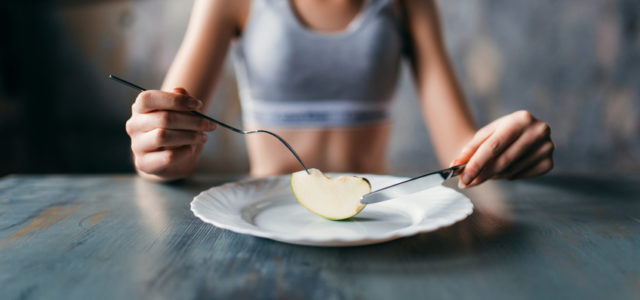
    Anorexia, ketamine, and the default mode network study can reveal better treatment for eating disorders.Anorexia, Ketamine, and the Default Mode Network

    Do you feel good about what you weigh?  Or about how you look?

    If you hesitated to answer, you’re not alone. If you answered No…or…I’m not sure… again, you’re not alone.

    Survey Says: Majority Don’t Like the Way They Look

    Allure, a magazine centered on beauty, surveyed 2,497 people nationwide, and found that 64% of people look at someone and the first thing they notice is how attractive they are.  And 50% said they believed appearance defines us all… Really..? 

    Oh, and get this: 62% of both men and women said they believed they were more critical of their own appearance than others are of theirs.

    So, being preoccupied with your appearance is not constrained by age or gender. It’s happening in the majority of the population. And who knows how many people surrounded the people in those percentages and criticized them for their weight, their appearance, or their appeal.

    Is it any wonder that 30 million people in this country suffer from eating disorders?

    30 MILLION !!!

    Support for Your Eating Disorder

    In the early 1970’s, a nurse named Viv tried to find support for the family of a critically ill patient in herAnorexia, ketamine, and the default mode network may hold the solutions for eating disorder treatment. hospital. She was unable to find ANYTHING to offer for connection or support for this patient and her family.

    In the process of calling around, one healthcare professional after another told her that Anorexia Nervosa was such a rare disease, there probably weren’t even 2000 people with it in the entire U.S. They said she was wasting her time.

    So she decided to research the situation for herself. After all, she was a nurse, and nurses can have some serious determination when it comes to helping their patients.

    So she posted an ad in a newspaper…so seventies, right?…just a small block ad. The ad stated she was searching for others interested in information about eating disorders. Her town in Illinois had a population of about 30,000. It was no metropolis.

    Well, within a few days she received 8 responses to that ad from people who’d been diagnosed with anorexia or another eating disorder, as well as family and friends who were concerned about a loved one.

    But that was just the beginning.

    Somehow, as fate would have it, a national magazine got wind of her story and published their own Anorexia, ketamine, and the default mode network studies are expected to improve treatment for eating disorders.story about her.  When that was published, she was flooded with a deluge of phone calls and letters from people all over wanting to learn more.  She opened her home and established the first national helpline and referral service in the USA for people with eating disorders.

    Viv founded ANAD, the National Association of Anorexia Nervosa and Associated Disorders, or ANAD.org.

    That small group she started in her home took their training nationwide to establish professional support groups, helplines, and peer-to-peer support groups.

    Anorexia, Ketamine, and the Default Mode Network: Mental Health Awareness Month

    May is Mental Health Awareness Month, and this is the last post for this month, but going forward our posts will continue to address issues of mental health. Still, it seems fitting that we talk and share information about the deadliest of all psychiatric disorders — and that is eating disorders. Because somehow, it seems this is the quietest…least talked about … but deadliest… disorder of all.

    No One is Testing Ketamine for Eating Disorders

    Fact: there are currently 188 studies on anorexia nervosa listed in the National Institutes of Health databas, and not one of them is testing the effectiveness of ketamine combined with therapy … which we talked about last week.  Plus, of the 489 studies on eating disorders, none incorporate ketamine treatment in any way.

    Here’s what they ARE trying. Things like:

    • Warm ginger foot soaks
    • Zyprexa, an antipsychotic and mood stabilizer
    • Duloxetine, an antidepressant
    • Mobile phone apps
    • Omega-3
    • Deep Brain Stimulation
    • Oxytocin
    This is despite the high prevalence of suicidal thinking and actual suicide in anorexia. And despite the obsessive thoughts that ravage those who are restricting their food intake. Think about it. 

    If you suddenly imposed upon yourself that you were going to eat no more carbs… no potatoes, no bread, no sugar, no chocolate, no sweets, no ice cream…

    What do you suppose would be on your mind constantly over the coming days…?

    CARBOHYDRATES!Anorexia, ketamine, and the default mode network study will help find better treatment for eating disorders.

    Every commercial on TV would seem to be about ice cream, cake, sugar, chocolate, bread … carbs!  Every thought you have as you listen to your stomach growl…?  French fries, fast food, donuts, dessert ….

    Right??

    When you deprive yourself, you obsess over how to end that deprivation. And if that’s as true of you as it is the rest of the human race, just imagine what it’s like for someone with an eating disorder.

    When you’re sick with an eating disorder, you feel fat, see yourself as fat, and obsess over how to lose weight. And you restrict what you eat, and exercise excessively, or use laxatives or purging to prevent body fat at all costs. Even when you’re not doing anything, your mind is busy thinking, and your thoughts default to counting, criticizing, obsessing about fatness, thinness, calories, food…

    Because of that… for anorexia, ketamine and its effects the default mode network could reveal a very effective treatment for eating disorders.

    Anorexia, ketamine, and the default mode network study can improve treatment for eating disordersThe condition of those with severe eating disorders is critical. Life-threatening – as in death – due to organ failure as well as suicide.

    To take it a step further, studies involving the Default Mode Network that goes into play after ketamine infusions to make the most of cognitive behavioral therapy (CBT) are demonstrating some great results for other conditions.

    Why isn’t anyone studying that for eating disorders??

    The deadliest psychiatric disorder…!

    When you look at just the handful of studies above, do you wonder why they’re so diverse…? Is  that there’s so little we have to offer biologically

    Don’t you wonder why researchers aren’t JUMPING on studying ketamine treatment for eating disorders every which way but Sunday?

    SOMEONE SHOULD DO A STUDY!!

    After all, this is exactly how research questions are formed and carried through to studies and trials in search of answers. This is how new ideas spark! And tried and true treatments become established and trusted.

    So let’s think about this:

    How might ketamine treatment provide the best and most thorough impact to help those with eating disorders?

    A study comes to mind that might be extremely useful to consider. Sam Wilkinson and his group at Yale studied the effects of using ketamine treatment and cognitive behavioral therapy (CBT) together to prolong the anti-depressive effects of ketamine.

    The study, which took place last year, arranged for depressed patients to undergo 12 CBT sessions over 10 weeks, while also receiving 2 ketamine infusions a week for two weeks.

    The results indicated that remission from depression lasted longer in some than others, but in most Mental health issues in college students can be relieved by ketamine treatment.
    cases it lasted longer than it did with ketamine alone.

    (Remember the blog about the first international Ketamine Conference in England in March?  He discussed his data at that meeting!)

    They used only 4 infusions instead of 6 — a protocol that may be a little underpowered in terms of getting depressive symptoms to completely remit in the first place.  But people who achieve full remission early like that may be more likely to stay in remission…? We’ll see. Perhaps using CBT with strong early remitters allows a cleaner testof whether CBT prolongs remission after ketamine or not. 

    So let’s extend this for a moment to eating disorders.

    The First Study with Ketamine for a Psychiatric Disorder

    Jump back to 1998, and to I.H. Mills, who initiated studies in 1992 to establish eating disorders as compulsive disorders. Mills and his group were the first to study ketamine for treating the compulsiveness in eating disorders in 1998. Which, by the way, was the first study using ketamine to treat a psychiatric disorder ever.

    So, I think somebody really should do a study…where 6 infusions of ketamine are used in patients with eating disorders and then 24 hours after each ketamine infusion (more about that in a second), the subject receives cognitive behavioral therapy. …. Or maybe 8 infusions interspersed with CBT, and then 4 more CBT sessions tacked on to the end…?

    And what if the response was tracked not just by the usual rating scales for depression and OCD but by additional measures looking specifically at eating disorder symptoms and markers of improvement.. 

    Thrilling to think about, isn’t it?

    But they could take it even another step further.

    Anorexia, Ketamine, and the Default Mode Network

    They could exploit the Default Mode Network (DMN) in the brain for that study. If you remember, the Default Mode Network is a network of areas of the brain that work together to give your brain a restful state… where you complete a task you’re focused on, and instantly find yourself day dreaming… musing, reminiscing, worrying…or even obsessing about something negative about yourself, others, the past, or the future. 

    A brilliant group of researchers spear-headed by Meng Li of Magdeburg, has discovered through Anorexia, ketamine, and the default mode network may demonstrate a far more effective treatment for eating disorders.functional MRIs (fMRI) that the functional connectivity of the posterior cingulate gyrus (dPCC) changes after a ketamine infusion. This area is part of the DMN, and it is involved in more negative thought patterns. They see it change in the first hour after the infusion, but the change is much more dramatic after 24 hours. This change increases BDNF – remember what BDNF does?

    This changes the glutamate at the NMDA receptors at the AMPA receptors, and the synapses or connections between the cells in the brain proliferate rapidly, budding and branching and quickly improving the communication and movement of signals throughout the brain.

    At around 24 hours post-infusion, the functional connectivity of the dPCC is so greatly reduced that the DMN can use other parts of the brain to take over the resting thoughts. And that allows you to consider positive alternatives to the negative obsessing, worry, self-recriminations, and other negative thought patterns.

    So when the DMN opens up 24 hours after a ketamine infusion, the neuroplasticity in the brain cells that ketamine sets in motion can help CBT to be much more effective. It’s a potential path to remission… and that’s what we want to find.

    Not just for anorexia.  For so much more.

    May 2018 Mental Health Awareness Month

    Mental Health Awareness Month has been a time of talking, listening, offering patience, and treating those we don’t understand with compassion. In psychiatry and neuroscience, we find more answers about psychiatric disorders to bring relief to more who suffer.

    Including those who suffer in the shadows from disorders less understood.

    If you’re someone who suffers from an eating disorder, and don’t know what to do, please call us. We’re looking for solutions, and we want to help you, too.

    Innovative Psychiatry focuses on successfully treating the seemingly untreatable, most life-Anorexia, ketamine, and the default mode network study could reveal better treatment for eating disorders.threatening psychiatric disorders. We get to see remarkably widespread response and remission in the patients we treat.

    And we’re finding that ketamine treatment can smash through even the worst symptoms when administered properly. We’re thrilled when our patients feels restored and resilient. When they feel changed for the better.

    When you walk into our office, you’ll be treated with respect, compassion, and support. For your infusion, we offer private, beautiful and relaxing environments.

    And within about 6 infusions over 2-3 weeks, you can feel like your brain has been reset. You’ll feel joy…and hope. You’ll find you have more control over your life. And you’ll find you’ve rediscovered your best self. A new you?…more like the real you. Give us a call and let’s talk.

    Lori Calabrese, MD offers innovative psychiatric treatment like IV Ketamine

    To the fresh emergence of your best self,

    Lori Calabrese, M.D.

  • Ketamine for Anorexia? Don’t Let an Eating Disorder Be Your Default Mode

    Ketamine for Anorexia? Don’t Let an Eating Disorder Be Your Default Mode

    Ketamine for anorexia and other eating disorders will help you see yourself differently and help you live a healthy fulfilling life.May is Mental Health Awareness Month

    Eating Disorders Are Psychiatric Disorders

    Surprised? 

    Anorexia nervosa, bulimia nervosa, binge eating disorder… The National Eating Disorder Association lists 10 conditions as eating disorders. And, it so happens that ketamine treatment can work wonders and restore your life.

    Too many people who don’t have a family member suffering with an eating disorder find it easy to judge someone by their appearance alone. 

    Either she weighs too much, or she’s “disgustingly” too thin. 

    Either way, it’s because she’s self-indulgent, lazy, or doesn’t know how to eat right. Or so they think.

    Eating Disorders Cause Prolonged Torment

    But for those who suffer from eating disorders, the problem is far more complicated. And the last Ketamine for anorexia and bulimia helps restore your wellbeing and health.thing they need is criticism… or to be judged because of their appearance.  Individuals with eating disorders already criticize themselves more than anyone else ever thought about doing.

    In a moment we’ll talk about ketamine for anorexia, but first, let’s try to understand how these conditions develop.

    Here’s an example of of a problem that seemed to start out innocently …

    Picture yourself 14 and enjoying all the snacks at a sleep-over party with all your friends.  After you begin to feel full, you slip off to the bathroom, poke your finger in the back of your throat and up it all comes. You rinse your mouth, and rejoin your friends. Easy.

    Two hours later, you’ve been to the  bathroom twice more…  an observant friend asks if you’re ok?  You laugh a little and just say, “I can’t gain any weight right now but the food looks so good.  I just go in the bathroom and throw up, then I can eat more. Pretty cool, eh..?”

    Seven years pass … and you have to fit into that little black dress for the awards presentation ceremony at your university. Your dad always told you to “demonstrate your discipline in the way you look.” That “you don’t get a second chance to make a first impression.” There have been so many celebratory dinners lately … and you’ve learned you can always fall back on a quick trip to the bathroom to keep things under control.

    Five years later, the stress from performing in your new law firm has taken its toll. You’re snacking now, and not ever really eating at all. The drive within you to throw up is overpowering…  and you’ve dropped 3 dress sizes. 

    Anorexia and Bulimia Are Disorders, Not Self-Indulgence

    You feel fat, and hate what you see in the mirror…  You’re running 5 miles after work every night, swimming 30 laps before work in the morning.  You’re not sleeping, hating life, and hating yourself…

    Ketamine for anorexia and other eating disorders sets you free from the toilet to enjoy other things.

    Then, your boyfriend finds you unconscious in the bathroom… and calls 911.

    What happened…? 

    And why did it happen to you…?

    Eating disorders have been plaguing people since long before any of us knew they were a “thing.”  The first physician to identify anorexia was Dr. Richard Morton in England, in 1689.  Bulimic behaviors weren’t identified until much later by Pierre Janet, a French doctor, in 1903. In other words … this isn’t a new problem.

    Eating disorders are chemical changes in the brain, but they’re so much more than that. They’re a way that you use food and/or exercise to manage unmanageable circumstances in your life. When life seems so out of control, there has to be a way to get some control back … you know?

    A Race to Stay Ahead of Compulsions

    Even though an observer may judge your behaviors associated with food, for you, it’s rather logical. Because the underlying shame, self-hatred, and critical voices cause unbearable anxiety. And for you, the eating behaviors sort of help you cope with that. At first.

    In spite of the early identifying discoveries of these disorders, effective treatments remained hard to find until the late 20th century. And, even now, in spite of the best therapies available, anorexia is the most deadly of all the psychiatric disorders.

    What…? It is the most deadly psychiatric disorder.

    In terms of psychiatric diagnoses, anorexia holds twice the risk of death as schizophrenia, and 3 times that of bipolar disorder.

    Add to that, the risk of suicide is dangerously high. 20% of those who die from anorexia, die by suicide.

    The Battle For Effective Treatment of Eating Disorders

    Cognitive Behavioral Therapy (CBT) has proven to be the most effective treatment for the compulsive aspect of eating disorders like anorexia and bulimia. And there have been some improvements for those who received this therapy. 

    Still, 1 in 5 people with anorexia nervosa dies. That’s too many. As a psychiatrist, I want to see people recover and get well…

    And that brings us to ketamine treatment.

    Ketamine for Anorexia and Other Eating Disorders

    In the 1990’s, many psychiatrists thought of eating disorders as a compulsive behavior disease, fueled by involuntary, frequent anorexic thoughts. Excitement of the hippocampus and glutamate-NMDA receptors can be blocked — to prevent recall of those anorexic thoughts — by ketamine, which blocks NMDA receptors.

    Researchers developed a trial centered on ketamine’s potential effectiveness, combined with the useKetamine for anorexia and other eating disorders gives control and relief. of nalmefeme, which is an opioid antagonist, or a compound that prevents the effects of opiate-like substances on the brain. This medicine doesn’t interfere with ketamine’s effects on the glutamate-NMDA receptors; it was added to keep patients awake.

    An Early Trial: Ketamine for Anorexia and Other Eating Disorders – 1998

    As early as 1998 — way before the early studies on using ketamine in depression — IV ketamine infusions were given to a group of 15 women with very severe, chronic anorexia. The patients chosen for the trial had been failed by other treatments they’d tried over the years.

    It turns out that 9 of the 15 patients in the group achieved remission from anorexic thoughts and behaviors. They were given anywhere from 2-9 infusions of 20 mg/hr… which were long in duration – 10 hours – and repeated at intervals from 5 days to 3 weeks.

    It was a little sporadic, but it worked rather well. And it was a first try at treating a psychiatric disorder with ketamine.

    These participants reported a significant drop in their “compulsion” score, from 44 before they Ketamine for anorexia and other eating disorders can bring healing to the deadliest of psychiatric disorders.received the ketamine, to 27 after they received it.

    The other 6 participants had no apparent response to the ketamine treatments. However, this took place before ketamine treatment was being used for depression and other psychiatric disorders. It’s been 20 years since that trial, and we’re now finding that some individuals seem to not respond to ketamine… initially. 

    Then, a few months down the road they experience extraordinary improvement … seemingly out of the blue.

    We don’t yet understand what causes the delay.  But it’s too bad those researchers didn’t follow up with the other six participants a couple months later. They might have been surprised by the results. 

    Help Spread Information and Awareness of Psychiatric Disorders

    May is Mental Health Awareness Month. We’re all working together to openly talk with each other about our experiences with psychiatric disorders.

    Many in our society have no idea that some people have a psychiatric disorder that causes the way they look and act.  Anorexia, Bulimia, Binge Eating Disorder, Pica, Avoidant Restrictive Food Intake Disorder, Rumination Disorder, Orthorexia, Compulsive Exercise, Diabulimia, Night Eating Syndrome … are all eating disorders. 

    If you notice someone who seems to eat too much…or too little… resist the temptation to pass judgment. Chances are this is far more complicated than you realize.

    Treat her or him with compassion, not criticism. Let this be a day where they can judge themselves less harshly.

    And, if you struggle with behaviors you don’t understand, or with diagnoses that don’t respond to treatment, call us. Life is too short to be wasted criticizing yourself. Let us help you find the real you again.

    Ketamine Treatment at Innovative Psychiatry

    Ketamine treatment at Innovative Psychiatry is expertly provided in a beautiful and relaxing environment (complete with low lighting and a warm blanket to keep you comfortable). We continuously monitor your vital signs and your response during the infusion. With finely-tuned skill, we adapt and adjust your dose, rate, and the frequency of your ketamine treatment to cultivate the most outstanding results for you. 

    Ketamine treatment isn’t for everyone. There’s no psychiatric treatment that is. But even if you’ve tried other treatments without improvement, it’s very likely ketamine will help you in a dramatic way. It’s the most effective treatment available for many people whose symptoms seemed treatment-resistant.

    Benefit from Extraordinary Outcomes from Ketamine for Anorexia and Other Mood Disorders

    We see extraordinary outcomes from ketamine treatment for depression, anxiety, bipolar disorder, Ketamine for anorexia and other mood disorders wipes away the torment.PTSD, OCD, suicidal thoughts, and other psychiatric illnesses that have not responded to prior treatments. Ketamine enhances neuroplasticity, and we desperately need fresh, updated studies of this treatment in anorexia and other eating disorders. 

    Schedule an appointment and see what can happen when ketamine goes to work to set your brain right by:

      • Pushing the habenula to stop those depressing cell bursts

    Ketamine is a force to be contended with in a depressed and disordered brain. 

    We’re here to help you get well. It’s what we live for. Give us a call, reach out with a quick email, and let’s help you get better.

    Lori Calabrese, MD offers innovative psychiatric treatment like IV KetamineTo the blooming of your best self,

    Lori Calabrese, MD


  • Gut-Brain Axis – How Your Gut Microbiome Communicates with Your Brain

    Gut-Brain Axis – How Your Gut Microbiome Communicates with Your Brain

    This young woman is enjoying her healthy lunch of fresh raw vegetables for feeding her gut bacteria to affect her brain through gut-brain axisYour gut-brain axis is one of of the most effective systems you can use to transform your mood. Really? Really. We’ve been talking about that microbiome eco-system community that lives in your gut, and how it affects your mood, your wellness, and your mental health. The gut-brain axis is the pathway of communication between your gut microbiome and your brain — and it’s the system that makes all this possible.

    The Gut-Brain Axis is Complex and Powerful

    By definition, the gut-brain axis is the two-way communication that takes place between the GI tract and the central nervous system, using biochemical components. They include:

      • neuroendocrine and neuroimmune systems
      • hypothalamic–pituitary–adrenal axis (HPA axis)
      • sympathetic and parasympathetic arms of the autonomic nervous system
      • enteric nervous system (the nerves the run through the gut)
      • vagus nerve
    • gut microbiota

    The Vagus Nerve Highway is the Gut-Brain Axis

    How does all this stuff work? Your gut microbiome combines forces with the nervous system in your intestines, your hormone or endocrine system, your neuro-immune system, and your autonomic nervous system. Then it sends signals along the “highway” of the vagus nerve from gut to brain and back to carry communication signals between the two. 

    About that nervous system in your intestines… The GI tract has been called the “second brain” because of its intricate network of mesh-like neurons that determine its function. In addition, it fits the “second brain” picture because of the massive trillions of cells that live there in the form of synergistic bacteria – which provide 75% more DNA than the human body does. And, because of the signals that are delivered back and forth to create equilibrium in the body and mind.

    The two-way communication between gut and brain occurs via hormonal and chemical signals like norepinephrine, serotonin, and tryptophan, as examples.

    Chart shows how gut bacteria affect the brain and body through the gut-brain axis.

    Gut Bacteria Can Undermine or Equip Your Mind and Emotions

    And let’s be clear: the operations between these trillions of bacteria work to help your body accomplish much of what it does. They also have a significant impact on your frame of mind,  your mental acuity, your inclination towards emotional distress – or toward recovery – and countless other feats.

    The purpose of this article is simply to show you there’s a highway between your gut and brain. And if you want your brain to fare well, treat the microbiome in your gut well. On the other hand, neglect it, and there’ll be dear prices to pay.

    Feed your gut with beneficial bacteria like lactobacillus acidophilus, and freight trucks will barrel up that highway to your brain bearing peace of mind, pain regulation, and stress management.

    But neglect it – feed it fats and sugars and keep your life idle and sterile – and a freight train will charge for your brain bringing infection, depression, anxiety, and insecurity.

    Studies Pull Back the Curtain

    Myriad studies have been conducted to see what the results are from this communication, from gut peristalsis, to immunity from disease, and emotional and mental well-being.

    In one study, mice born and raised in a germ-free environment had a very weak microbiome and showed a panicked reaction to difficulty. On the other hand, when certain beneficial bacteria from a broad and healthy microbiome were given to these mice, they reacted with a calm confidence in managing the high-risk situation.

    Then in another, mice were injected with the fecal matter from people with depression. (Remember, the microbiome lives in the intestines so the fecal matter contains a sample of that microbiota). The normally carefree mice showed signs of depression and anxiety. When they were offered sweet water as a treat, they turned it down, and through a variety of tests displayed anxiety with more and more intensity. So in their case, their behavior dramatically changed when microbiota from a depressed person entered their body.

    And in still another study, 22 healthy men were given a capsule that contained bifidobacterium longum for a month.  Remember this one? – it reduces cortisol, the stress hormone. You won’t be that surprised to learn that…you guessed it…they reported feeling less stressed.

    You Can Change Your Personal Outcomes

    The point is, even though you have neurons throughout your body, nearly three-fourths of those outside your brain live in your intestines, and are connected to your brain by way of the vagus nerve “highway.”

    It’s not that easy to just trade in your current microbiome for another. But, you can definitely influence the balance between beneficial probiotic organisms and those that cause dis-ease. In other words, those that make you sick or miserable on some level. They foster stress, depression, agitation, anxiety, and mental distress. To gain beneficial balance over the dis-ease, feed your microbiome probiotics and prebiotic foods.

    Those prebiotic foods include non-digestible fiber that you find in raw foods like garlic, jicama, onions, leeks, and artichokes. They feed the Raw veggies that feed the microbiome and gut-brain axisprobiotics and improve your digestive processes. Remember, as silly as it may sound, probiotics eat prebiotics, so feed them well!

    You can take that information and change what you do. Trade computer and TV time for gardening and working out. Eat healthy foods to reduce inflammation, improve immunity, improve mood, reduce your response to stress, and create an inner peace and tranquility you may not have imagined.

    You Really Can Change Your Destiny Through Your Gut-Brain Axis

    Meanwhile, as you work to improve your microbiome, we can improve your well-being from treatment-resistant depression and anxiety. If you need help gaining a brighter outlook, let’s talk. Because with the use of advanced psychiatric treatments like IV ketamine therapyTMS treatment and medications, you can experience a real improvement, and still keep getting better through your improved microbiome. Contact me and let’s work through this together, step-by-step.

    To your ever-developing best self,

    Lori Calabrese, MD

    Lori Calabrese, MD offers innovative psychiatric treatment

  • Your Microbiome: How It Affects Your Mood

    Your Microbiome: How It Affects Your Mood

    Young woman buying fresh vegetables to support her microbiome and moodWhat Is Your Microbiome and Why Does It Matter?

    In the last five years, researchers have learned more and more about the the organisms in our own intestinal tract, our microbiome. Let’s talk about the connection between those organisms and their affect on our physical and mental health, for better or for worse.

    The types of specific organisms that flourish there have a strong influence on the function of the brain and nerve pathways — and, therefore, on your mood and peace of mind.

    What does Depression have to do with your belly?

    Anyone who suffers from depression may know there’s an inherited tendency for that to occur. If either of your parents also struggled with depression, the chances are stronger that you might, too. But beyond your own personal DNA, there’s another huge area of DNA that may influence the moods you experience far more.

    Deep within your intestines is a community of microscopic bacteria which are both helpful and harmful. This community of trillions of mutually beneficial microbial cells make up the bacteria of your gut. We call it your personal microbiota. Each of these cells contains genes, and the combination of the genes in all of them is your own personal microbiome.

    If the genes in your microbiome influence low stress and a positive outlook, the effect on your mood is likely to be positive. But if the genes in your microbe-flourishing gut are  favorable to high stress and melancholy, the impact on your outlook is likely to push you into a rut of stressed living.

    For the most part, this microbiome is friendly and beneficial to your digestion. It makes use of far more nutrients from your food than would be possible without it. However, in recent times, scientists discovered that this same community of bacterial organisms are to blame for inflammatory and autoimmune diseases like atherosclerosis, asthma, and autism.

    You can change your life

    Learning to understand the microbiome and even influence its effect is potentially a superbly rewarding endeavor.

    So we have to ask: if this teeming ecosystem of bacteria in our intestines can accomplish good productive health-promoting feats, or trigger destructive diseases that can cripple us for life, is there a way to affect this microbiome so it does good and not evil?

    To better understand the answers to this and other questions, we need to understand how the natural flora in the gut exchanges information and products with the brain.

    The vagus nerve can bring the strongest guy to the ground

    And it turns out there’s a nerve that connects the two, called the vagus nerve.

    Have you ever seen someone faint at the sight of blood? This fainting reaction happens when the vagus nerve tells that person’s brain to suddenly dilate blood vessels in the body, which results in fainting… and they go out like a light.

    It’s the reason that you might see a picture of something gory, and feel a sick feeling in your stomach right before your brain declares “lights out” and you fall to the floor. It’s the vagus nerve that sends those signals.

    So with that in mind, what does the vagus nerve communicate to the brain, and what determines that choice?

    Think of it this way:

    When friendly, health-promoting bacteria ( probiotics) dominate the environment in your gut, those bacteria tell the brain that the environment is favorable for an upbeat mood. Then the sullen melancholy feelings mysteriously melt away. Nutrients and protein are sent to the brain to nourish that upbeat mood, and your glum outlook subsides.This lady is relaxed and upbeat because of favorable microbiome in gut.

    But the opposite is true if the dominating bacteria promote depression, stress, and anxiety.

    The gut is the largest organ in the immune system? Really??

    The gastrointestinal system is the largest organ in the immune system. This flourishing ecosystem of bacteria can have a positive or negative effect on other aspects of your well-being. So it’s important to your daily welfare to understand how this happens. Then you can take action to promote the best possible environment in your gut for your best well-being and mental function.

    Certain bacterial families weaken your immune system, decrease your confidence and emotional stamina, and promote a chronic long-term condition of high stress.

    Others reduce stress and promote wellbeing and resilience.

    Studies have shown that the more extreme stress is in your life, the community of symbiotic organisms in your gut will create a favorable environment for chronic stress, and unfavorable for mental relaxation.

    Stress or Relaxation

    Just as “birds of a feather flock together” so it is with these organisms. If you allow stress to go unchecked, the bacterial environment in your gut will shift. And it will come to match that ecosystem of stress and illness. Over time, you’ll find you feel locked-in and stuck in that stressful lifestyle and the outlook that goes with it.

    But, it’s also possible to actually change the environment in your gut. It can be made to support low stress, an upbeat outlook, and energy to enjoy life. And you can do it through the foods you eat, the things you do for pleasure, the amount of sleep you get, and more.

    For instance, studies have discovered that when lab animals were given probiotics, their high anxiety behaviors were calmed and their immune response was normalized, as well as their apparent relaxation.

    Psycho-biotics

    If probiotics do that much for lab animals, how much more will they do for you?

    Certain bacteria in specific families are considered “psycho-biotic” organisms because, like the probiotics just mentioned, they have an antidepressant effect on the brain.

    Further, through systems involving these gut microbes, nutrients are processed and passed through the blood-brain barrier. That improves the relaxation of processes that take place in the neurons. (The nerves that carry information signals to and from the brain.)

    The point here is that these probiotic systems are even equipped with a transport to make sure the right nutrients reach the brain and produce the hoped-for results.

    This is all great news for those of us who feel we drew the short straw concerning mood disorders in our family tree. It turns out that by investing in the mountain of genetics in our gut microbiome, we have the power to turn our genetic destiny on its proverbial ear.

    Watch for my blog next week.  Learn more about good microbiota to nurture. See a list of actions you can take, foods you can eat, and factors you can include in your daily life. All of this will ensure your probiotic heroes are flourishing in your gut promoting your best, most productive, and well-adjusted self.

    To the flourishing of your best self,

    Lori Calabrese, MD

    Icalabrese-0195_g_crop-webf you’ve suffered from depression, anxiety, or other mental health obstacles and have not had relief, Dr. Lori Calabrese, MD offers innovative psychiatric solutions. Contact us here for an in-depth evaluation. We’ll learn which solutions could work for you best and transform your life as you know it. We’re here to help you find your very best self.

error: Content is protected !!