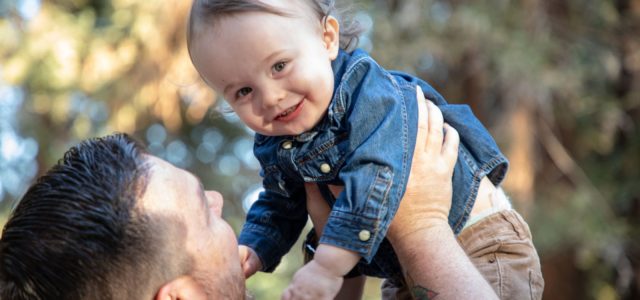
Twenty-year-old Jake felt listless, really somewhat lost, truthfully. He had led a confusing life of trying to take classes his counselors and parents told him to take, joining organizations that were recommended to him. But never being able to sink his teeth into anything. Nothing seemed like it mattered. Whether it was classes or sports or charity groups. Jake needed to build confidence in his capabilities, but it wasn’t happening.
How could he get out of his slump and find some meaning? Build his life toward something worthwhile? How could he make his LIFE worthwhile?
He’d taken two years of college, sludging along, getting by without real commitment or passion. Some of his fellow students were halfway through pre-med or pre-law, and he felt like he had nothing to show for his first two years. Jake wanted his life to count for something. He wanted real meaning. He knew his whole life was ahead of him, but how could he make it count…? Did he just need to build confidence in his capabilities or was there more to it?
One day, after swim practice, he talked to his coach about it. The coach had asked him what he wanted in life. His answer? “Meaning. I want to make some sort of difference in people’s lives. I don’t know whose, or how, but that’s what I want.”
The coach said, “You know Jake, the students who take swimming for a semester won’t go to the Olympics. A few will continue in swim because they’ve been training for competition all their lives. Of those, one or two might eventually compete. But for the rest, this class is for health benefits and college credit. This class will push you to excel, and you’ll succeed, but then what? What you want starts with an attitude of excellence. Deciding in advance that you’ll excel at each course you take. Even something as simple as swimming. Then as time goes by you’ll develop more and more expertise in more subjects. Every class you take is building your expertise… and your confidence in your capabilities.”
Jake wondered what value swimming would have in his life…what purpose…? Then he thought of other courses he was taking that seemed equally irrelevant. There was a literature course, an art history course, and a basic biology class. He couldn’t see the point.
His coach answered. “It’s less about how you’ll use those courses to change the world, and more about how those courses will lead to others, that will be instrumental in your future.
And meanwhile you’re building yourself…who you are. That literature course may lead you to try out law courses, art history may give way to archeology, or that intro biology course may usher you into medical research. Because it’s the doing that builds your capabilities, and giving your very best to every course disciplines your mind to seek understanding and answers — no matter how daunting the questions. Giving your best develops excellence… and hope.”
All this was eye opening. “I guess I’ve just been waiting for the passion for something to assault me in an alley….”
His coach laughed. “ You may find it more effective to assault passion first with a strategy to develop expertise. What do you think?”
… Confidence is that knowing, with sureness, that you can trust in your ability and your judgment. It’s feeling sure of your abilities and principles…your capabilities to accomplish what you want to accomplish.
It’s one thing to just sludge through life, and another to reach for things that seem beyond your grasp. But the thing is: you need to stretch to keep reaching higher, right? And to stretch requires some confidence, along with some determination to achieve what you’re reaching for. The confidence you crave is at your fingertips once you build competence.
It helps to have some guide posts to help you get there.
To build Confidence, build Competence first.Stand on those things you can do well, and build on them. Maybe you’re really good at baking cookies, or mowing and trimming the lawn. Keep doing those things you can do well, and get better and better at them. Then excel at something else. Maybe swimming..or chemistry. And work and work at it until you’ve mastered it. Then, choose something else. Each time you master something, you create an island to stand on. Little by little the islands grow more numerous until they grow together and — voilà!!—you’re standing on a continent. Competence is something you build and multiply. Competence gives you confidence. Build confidence in your capabilities.
Don’t compare yourself and your achievements to others. Maybe someone you know is smarter or better looking than you are. Who cares? You can do what’s in your heart to do, no matter what someone else can do. Those others, with different looks, different personalities, different assets and talents are not relevant to you with your personality, your appearance, and your assets and talents. Build confidence in your own accomplishments.
Make them your own.
Hang out with positive people who believe in you and will help you believe in yourself. Invest your support in those people and accept their support of you. People who believe in each other build strong bonds and collaborate well to solve problems. Choose your friends, your coaches, your colleagues from this group. You can’t afford people who defeat themselves daily with their attitude in your life.
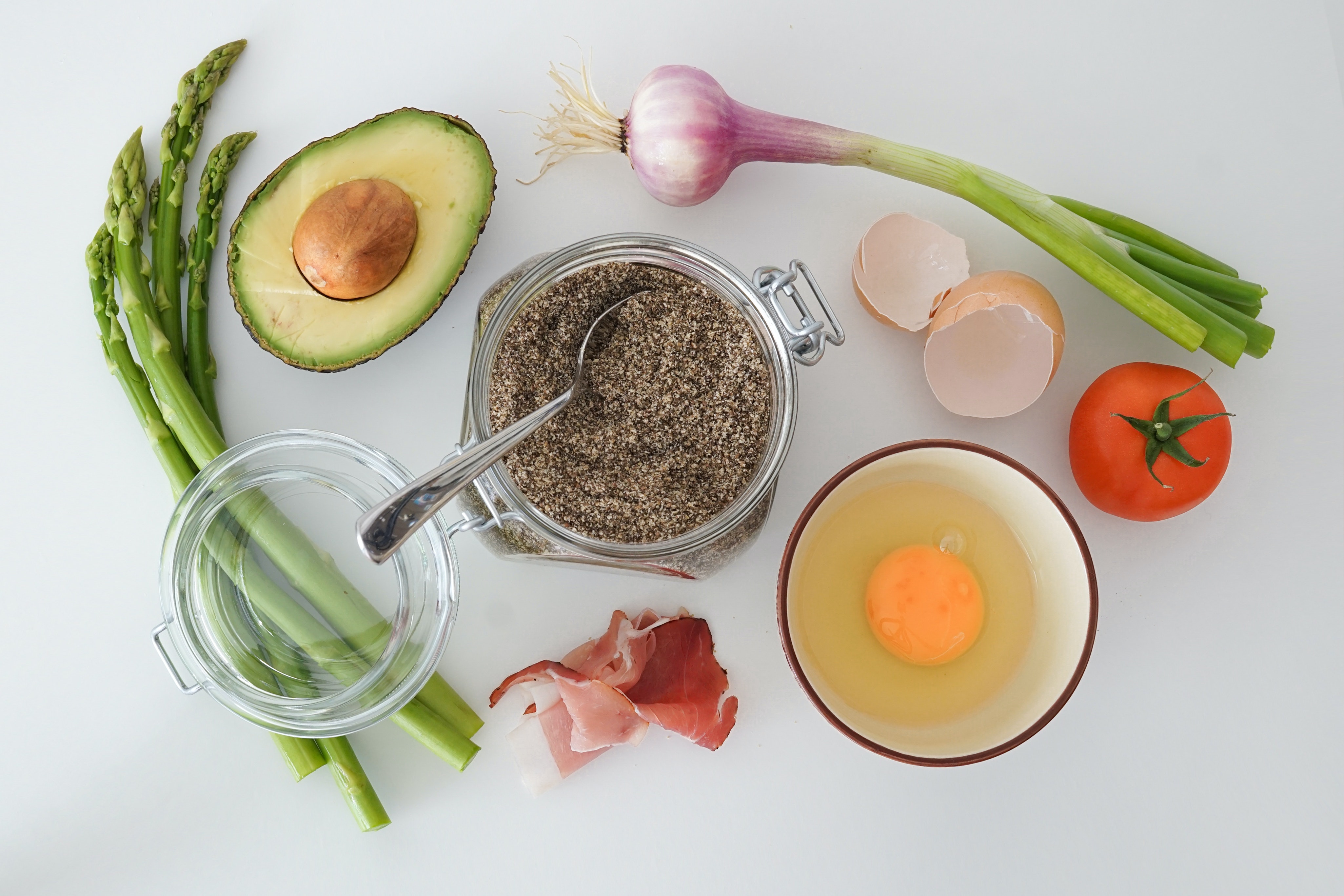
Take care of your body. Take inventory on your diet. Remove empty sugar foods from your diet and build it on a variety of flavonoids, heathy fats, good proteins, plenty of pure, clean water, and a low percentage of carbohydrates.
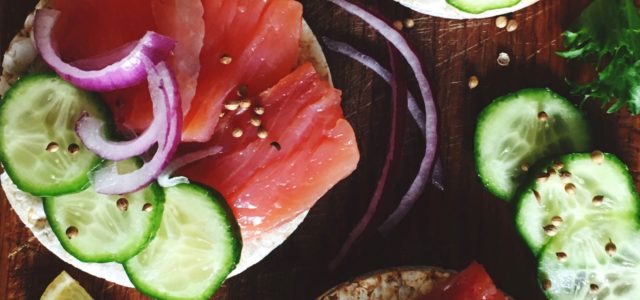
Lean meats like chicken and fish.
Flavonoids like avocados, onions, berries, kale, red cabbage, tea, red wine, dark chocolate
Healthy fats like extra virgin olive oil, coconut oil, avocado, eggs, salmon, mackerel, trout, raw macadamias, almonds, cashews and walnuts.
Get exerciseat least 3 times a week. Walking for 30 minutes, jogging, swimming, or playing a sport you love.
The best foods and exercise will help you build your confidence in your capabilities.
Be kind to yourself – Are you someone who beats yourself up after a mistake?
You may know it well: “I’m so stupid! How could I be such a fool?! What an idiot I am! I’ll never succeed.”
Cut out that trash talk. You made a mistake. You’re human…it happens to everyone.
Learn to treat yourself with the same kindness you treat others. You’ll reach success faster if you’re your own best friend. Never tear yourself down. Accept mistakes and determine to learn how to avoid them. How to replace them with successes. You are your own coach, and there is no place for trash talk with a good coach. Get up and try again — as many times as it takes.
Practice good sleep hygiene and learn ways to get your mind and body to relax and rest while you sleep at night — good sleep is essential to overall good health as well as preparing yourself to succeed every day. If you sabotage your wellbeing at night, then try to compensate during the day, it won’t work. Use your nights to prepare you for successful days. Using exercise at the optimal time for your own inner clock so it releases tensions, while not overstimulating your body for sleep is ideal.
Face Your Fears-This may be one of the most prominent elements of building confidence. Facing fears head-on is essential. The opposite — avoiding your fears — sabotages the building of confidence. To recognize you are afraid of something, and then to systematically and purposely try to avoid it, continually rips the rug out from under you. Facing fear takes courage, but then it strengthens your confidence in your own ability to do what you want to do. And when you’ve built competence along the way, fears are less daunting. The confidence you gain from facing fear head-on is something no one can take from you.
There are some things in life that don’t offer a quick fix. Sometimes what’s needed is our investment of effort. The effort may be long term. But the more effort we invest, the more reward we can enjoy throughout our lives.
Lack of confidence isn’t always a psychiatric condition — in fact it usually isn’t. But if you suffer from social anxiety, ketogenic psychiatry can give you the freedom to function around people you don’t know so that you can feel comfortable in your skin and build confidence— in your career, as well as your life.
If you need the extra help Metabolic Psychiatry can provide, call us.
We’re dedicated to helping you enjoy a more rewarding life.
Flavonoids go to bat for you and for your brain. They shield, protect, and fight for you — throughout your brain and over time — to help you flourish. Improve your resilience. Sharpen your mind. Enhance your memory. Prevent brain fog. Protect from conditions associated with dementia. Let’s talk about some of the ways flavonoids do that for you.
We’ll only scratch the surface, but we want you to learn why flavonoids are so important for you to eat every day and how they hit a home run for you. Every day.
Cholinesterase Inhibitors
Flavonoids protect your brain in thousands of ways.
Acetylcholine is responsible for impulse transmission across some of your synapses. But acetylcholine can be pretty scarce in Alzheimer’s, the most common cause of dementia, because it’s broken down by enzymes called cholinesterases. Although we still don’t know the exact cause of Alzheimer’s, there are several things that we see happen in the brain of someone who has it: cholinesterases break down too much aceytolcholine, beta-amyloid plaques deposit, tau proteins get phosphoylated, and oxidative stress reigns.
We’re all scared it could happen to us.
It turns out that cholinesterase inhibitors are one one of the useful therapeutic options to keep acetylcholine in the synapse — long enough to do its job. If the neurotransmitter acetylcholine is missing from the synapse, messages are deterred from traveling across the brain.
In Alzheimer’s, acetylcholine is pretty scarce.
Currently available drugs employ this process to slow the progression of Alzheimer’s. (And the same approach is being studied for other neurodegenerative conditions, like Parkinson’s and ataxia.)
There is a critical need for more safe and effective treatments against kind of dementia that all of us fear. The kind that literally makes you lose your mind. A bushel of flavonoids tested against cholinesterases (to see how well they inhibit them) led to quercetin — a flavonol flavonoid (!) — which turned out to be the most active and most effective. It inhibits cholinesterase 76.2%.
You don’t need to buy quercetin. Just eat it. You find quercetin in capers (the most concentrated food source), red onions, shallots, scallions kale, broccoli, brussel sprouts, cabbage, red apples, grapes, berries, cherries, green tea, and elderberry tea.
Free Radical Scavengers
Free radicals are pretty neurotoxic. They are highly reactive atoms with an unpaired electron that live for maybe a fraction of a second… and in that fraction of a second, they can wreck havoc in their search for another electron to stabilize themselves.
They’re produced naturally in our bodies as we break down nutrients (which we can’t avoid), and when we’re exposed to carcinogens in the environment (which we can avoid!).
Free radicals are bad actors. They damage DNA, cross-link proteins and damage them, damage lipids, and even damage cell membranes.
In addition, free radicals contribute to inflammatory damage to neurons and the development of Alzheimer’s disease (AD). We see that because we find elevated levels of oxidative stress markers in people with Alzheimer’s.
Another hallmark of AD is that glial cells get activated–but not in a good way! When microglia activate, they generate pro-inflammatory cytokines as well as superoxide anions, and free up nitric oxide to react with superoxide …. and create even more stress on the brain. Inflammatory action in the brain is NEVER a good thing.
Help!
Green tea is brimming with antioxidants. They chelate metals and scavenge free radicals — additional ways that flavonoids protect your brain. The most effective scavenger, though, is EGCG. It inhibits fibril formation during ABeta aggregation and inhibits ABeta-induced cell death–which helps neurons in the hippocampus survive. (ALWAYS a good thing.)
I know this all sounds like alphabet soup. But be assured of this: anything that involves the chemistry of the brain and nervous system is dominated by alphabet descriptions. And we’re not quite finished with that.
Scientific evidence implies that flavonoids may counteract underlying mechanisms of neuronal injuries which can slow down and block the advancement of some neurodegenerative disorders.
For example, drinkinggreen tea may reduce the risk of Parkinson’s disease. It can weaken and slow neurodegeneration as well as help prevent ischemic hippocampal injuries.
Plus, the neuroprotective properties of flavonoids help with other diseases like Huntington’s disease via the ERK pathway. Citrus and blueberries may both slow down and inhibit that kind of neurologic damage.
For instance, soy foods have isoflavones. They have this wonderful talent to enhance your ability to learn and remember. Why? Because they tend to mimic the way estrogens function in the brain. In addition, they also specificallyincreaseBDNF — so important in creating dendritic branching and arborization — and nerve growth factor (NGF) in the hippocampus and prefrontal regions of the brain.
These are foods like grapes and grape juice, cocoa (eat that 78% dark chocolate!), and blueberries — all improve your cognition. In fact, all those foods plus pomegranate, strawberries, and pure extracts of quercetin and EGCG can improve memory acquisition, help you retain short and long-term memories, and then help you pull those memories back out on a dime and remember when you want to.
Something called the dentate gyrus is highly sensitive to the effects of aging. It is the place where all of your sensory input first merges together to form unique representation and memories. Blueberries can improve the effects of spatial processing (and visual memory) through their action on the dentate gyrus.
All in all, flavonoids protect your brain in lots of ways by aiming their efforts at blocking and weakening the enzymes that produce amyloid plaques which are a hallmark of Alzheimer’s.
They can prevent the behavior abnormalities of AD. And tannic acid improves memory and behavior in AD.
The list of flavonoids that improve memory, block amyloid plaques, and improve conditions for those with AD is astounding. Since medications for Alzheimer’s are only marginally effective, if at all, it begs for more research in using flavonoids in Alzheimer’s and in other neurodegenerative disorders.
But remember that you don’t need to have dementia to benefit from the health giving properties of flavonoids. These same foods — enjoyed over time — can improve your cognition, your memory and recall, and your overall state of alertness now. Enjoy your veggies, your cocoa, and your green tea!
At Innovative Psychiatry, we encourage our patients to feed their brains with antioxidants and flavonoid-rich foods — in all the rich and varied colors they come in. Prevention is the best cure … but once a neurodegenerative disorder creeps in, you can’t go wrong to pound it with flavonoids that protect your brain and specialize in improving cognition.
IV ketamine treatment is a series of ketamine infusions that can be extraordinarily effective in your brain to relieve those symptoms. By working in multiple areas of your brain, ketamine can restore and proliferate synapses that will set your symptoms on their ear. It’s a remarkable treatment. Over a short series of infusions, you can find yourself emerging from a dark hole of symptoms and finding you have the light, energy, and hope you need to invest in your life again.
When you come to receive your treatment, you’ll be surrounded by a soft, spa-like atmosphere—quiet, zero gravity heated recliners, rooms with skylights, windows, treetops, or very low light — we’ve created it all so that you can fully relax. Gorgeous. Clean. We even use super high-tech plasma cell technology to destroy 99.999% of all viral and bacterial DNA from the air and so powerful it can lift and destroy it from surfaces! It was developed by NASA and the Department of Defense, and has been tested in hospitals around world. We are the first ketamine practice in the USA to offer this. So you can focus fully on making the most of your treatment without worrying about the Delta variant while you’re here.
All of our staff is vaccinated—it’s mandatory. (You should demand nothing less.) And we are PCR-tested every week at our expense by a private molecular DNA lab nearby. It’s concierge service for us — and for you.
Everyone is different — and every brain is unique — so ketamine doesn’t work for everyone. (Nothing works for everyone.) But the percentage of those who don’t benefit is so small that odds are it will be transformative for you.
If you’d like to make an appointment for an in-depth consult to learn about how this extraordinary treatment could help you, call us.
You’ve struggled long enough. Give yourself the opportunity to feel restored, so you can pursue the life you want to build.
Remember brain fog? Let’s talk about the role diet plays in your mental well-being, cognition, and health. We’ve discussed the microbiome, and nutrients that are good for your outlook. But let’s go deeper.
It’s time to talk about flavonoids, since flavonoids impact your vulnerability to serious degenerative brain disorders. Like Alzheimer’s, for instance. Your outlook is important, but avoiding Alzheimer’s is vital. You’ve seen flavonoids in the news (and probably on the cereal box) right..? And you had to wonder about flavonoids: what they are…what they do, are they good or bad..? Let’s talk about them in more general terms today, then next week we can look more closely at the details like how they protect you from neurodegenerative disorders and more.
Bottom Line — You Need ‘Em! Probably more than you’re getting. So let’s dig in.
Flavonoids are natural compounds found in plants. They’re made from phenylalanine, and found predominantly in the green pigments in plants. And they have a long history of medical use in treating a variety of ailments. These compounds dominate therapeutic agents because they’re widely disseminated, incredibly diverse, and easy to isolate.
Researchers who identify and work with flavonoids list over 7000 in medicinal plants, fruits, vegetables, and wines.
Incredible, right?
Flavonoids: What They Are… and Can They Be A Way To WARD OFF Dementia..?
A paper published in 2019 in Frontiers in AgingNeuroscience, by researchers in Chile, Pakistan, Canada, and South Korea, provides a wonderful summary of the sources, chemistry, and importance of flavonoids — not only for improved health, but for protection from debilitating neurological disorders.
Listen up.
You’ve probably seen the word on food labels and in articles about diet and nutrition. But what does this word even mean??
These are naturally occurring compounds that dominate the components in the green pigments of plants. Through the ages, we’ve used them to treat various maladies.
Why? Because flavonoids are also the major building components for various drugs. (They’re used by people who want plants to be their medicine as well as scientists who develop innovative medicines.)
Flavonoids have the ability to bind with various proteins in the body and to modify chemical transporters, enzymes, hormones, DNA… chelate heavy metals and scavenge free radicals. (At this point you should be saying, I want some of that!)
Put another way, they boast strong antioxidant properties.
In addition to all this, recent research determined that ingesting flavonoids as part of your diet significantly improves cognitive capabilities. It can inhibit the neurodegenerative processes that occur with Alzheimer’s disease (AD).
Types of Flavonoids – They’re Extensive
Now, there is a mountain of biochemistry to explain this, but suffice it to say, these little compounds can be life altering in the best sense. In terms of prevention, flavonoid-rich foods like cocoa, green tea, blueberries, citrus fruits, cereals, and red wine, can launch a multitude of beneficial processes for proteins that protect and manage nerve pathways, as well as multiply and strengthen different types of brain and nerve cells. More flavonoid-rich foods include onions, leeks, broccoli, celery, parsley, tomatoes and soy products.
There are so many types of flavonoids that the list is too extensive for us here. But the classifications include isoflavones, neoflavonoids, flavones, flavonoids, flavonones, flavanonols, flavanols, anthocyanidins, chalcones — defined by their chemical structure.
But what is pertinent for me now — and for you — is what happens when neurological development goes awry.
What Causes Alzheimer’s disease?
Like in the case of Alzheimer’s disease (AD). Alzheimer’s stands out as a neurodegenerative disorder characterized by gradual, progressive memory loss, cognitive dysfunction, errors and confusion in daily routine activities, and a decrease in intellectual learning. We’re terrified of it. AD affects increasing numbers of adults as they age beyond 65, to 75, 85 and older. Sometimes it starts in people in their 50’s! About 35.6 million people worldwide live with Alzheimer’s today.
But here’s the rub.
We don’t really know what causes Alzheimer’s …yet.
Still?
I knowwww…..
Even so, some important findings have been established — such as deficiency of cholinesterases, deposits of beta-amyloid plaques, hyperphosphorylation of tau proteins, and generation of oxidative stress. They’re all there.
And there are only 5 drugs on the market approved for use in Alzheimer’s. Four of them are cholinesterase inhibitors. The fifth one is a glutamatergic system modifier called memantine.
I get that all this might be a bit much. But what I’m getting to is that there are no effective medicines for Alzheimer’s…. the drugs that are out there can maybe help slow the progression of it.
(But you ask, compared to what? Compared to whom?)
What about this? Since flavonoids are known to block beta-amyloid from forming plaques and tau clustering… since they scavenge free radicals and sequester metal ions… wouldn’t it be a great idea to use flavonoids in the design and development of anti-AD drugs?
Because in addition to those who suffer dementia, people like you and me sometimes just need a little relief from brain fog. Maybe flavonoid rich foods can help with that …?
Why? They not only help get rid of toxins, they also modulate inflammatory actions on neurons.
Huge!
It’s inflammatory factors that create dendritic pruning— the pruning that actually prunes you — and makes you lose energy, interests, enthusiasm, drive, resilience.
We live in concert with our biology, and when our dendrites get pruned, our lives get pruned.
So…what if we incorporated concentrated forms of flavonoids into our diets every day?
At Innovative Psychiatry, we talk to our patients about eating “all the colors” in their diets. The reason is that those rich colors hold treasures for your cognition, balance, focus, and wellbeing. They can also help protect your brain cells from attack by neurodegenerative processes.
If you find that you’ve lost your sense of mental and emotional balance, perhaps due to anxiety or depression, and you’re not feeling in command of your life, call us.
Sometimes you need a boost to achieve a level of remission that empowers you to exercise, eat all your colors, and follow all the other guidelines for wellbeing.
IV ketamine treatment can revitalize your outlook, jumpstart your creativity, and fill in the patience and hope you’ve been needing.
And when you come for treatment, you’ll find a comfy private room with a zero gravity heated leather recliner to help you truly relax and get the most from your infusion. We have space age technology that destroys viruses and bacteria in the air and on our surfaces, to ensure that no matter what the Delta variant is up to, you’re breathing air that is 99.999% safe. (We LOVE that!)
You deserve a jump start on reaching your own remission and joy.
And we’re here to help you experience that fresh footing.
This is National Eating Disorder Awareness Week — NEDAwareness Week
People come in a wide variety, don’t they? No one more deserving than another. Whether there are differences in skin color, differences in gender, differences in sexual orientation, differences in religion…or differences in IDEAS. And no matter the differences, no matter the variety, every body deserves a seat at the table. We may speak of the table as a place to eat, or we may speak of the table as a place to exchange ideas. It happens that this week we’re talking about both. Because we want to think about how NEW ideas and NEW approaches can bring NEW FREEDOM to people with eating disorders.
An eating disorder causes you to see food and yourself in a distorted way. A way that affects you both physically and mentally. That distortion creates distorted eating patterns. And those eating patterns can cause damage to your body and your mind… as well as your life expectancy. And of all the eating disorders, anorexia nervosa is the most dangerous. With its poor response to treatment, such persistence, such rigidity. It takes over. It’s exhausting. We need more effective treatment for anorexia.
Eating disorders affect 32 million Americans. Twice as many women as men. Whether it’s bulimia, binge eating, anorexia nervosa, avoidant/restrictive eating disorder, or others, the need to raise awareness for support, education, and especially effective treatment, is paramount.
And although we hate bad news, there’s more bad news. The death rate in women with anorexia is 10 times greater than in other women. One major reason is that the metabolic and medical problems caused by self-starvation can be critical, even fatal. And also because the desperation triggered by anorexia can lead to suicide… and often does.
So let’s talk about what an eating disorder is…and what it isn’t.
In general, a variety of biological, psychological, and sociocultural factors tangle together and lead to a disorder of this type.
The idea that eating disorders are a “girl’s disease” a disorder where a girl seeks her parents’ approval is false. Archaic. Fiction. Can you say Old Wives’ Tale?? Similar to some other diseases, there is a biological basis for anorexia — and genetic studies identifying the first 8 genetic loci! — that is exacerbated by sociocultural and psychological/psychiatric components.
And, by the way, let’s square off against the idea that eating disorders aren’t serious. They can, and often do, wreak havoc on you and the people who love you. They can interfere with your relationships, your livelihood, and your own sense of peace and self-respect. And they can tear down your health.
We need to up our game if we want to erase this hold they have on us, and erase the shame and stigma they carry. We need to up our game if we want to make headway in treating the most deadly of these disorders — anorexia nervosa.
Anorexia has the highest mortality rate of any psychiatric illness. (Or it did, until the opioid crisis recently claimed the lives of so many.) That mortality is caused by the medical consequences of binge eating, purging, starvation, over-exercising. And these consequences include heart attack, kidney failure, osteoporosis, electrolyte imbalance… and suicide.
Because of the stigma attached to eating disorders, early diagnosis can be hard to achieve. And early diagnosis is important for effective treatment. Because these disorders can begin at any age. And last for years
…and let’s get One Thing Straight Now:
Eating disorders are NOT a matter of choice. They’re diseases governed by physiology and biology, with genetic, social, cultural, and psychological factors. Help remove the stigma associated with eating disorders, to make the world a safer place for everyone… because every body deserves a seat at the table.
Stigma comes from ignorance. It’s the inclination to pour shame on anything not understood. And that shame can be crippling. It can force someone who suffers into hiding…isolation… when it’s light, enlightenment, and help that is so deeply needed.
When you’ve been isolated in the throes of shame, (and you know you haven’t done anything to deserve it!) it’s hard…really hard...to come out. Sometimes it’s hard just coming outdoors, for Pete’s sake! But sometimes, it’s coming out with truth about yourself. About your sexual orientation, about your habits, or about the way you think…or eat. It makes you feel vulnerable… and like you’re making yourself a target for hatred, stigma, and judgment.
Sometimes eating disorders live silently inside— and sometimes they can’t help but show themselves, and then the anguish, the anger, the frustration, and the way they take over your life becomes…unbearable. And stigma or not, you realize you just have to find help.
And especially, if you suffer from Anorexia Nervosa.
There is plenty of stigma about anorexia… and you may hear people toss the term around disrespectfully, because they don’t grasp the critical nature of the disease. If they suffered from it themselves, they would not speak hateful words in ignorance, because they, too, would be informed. But that’s the nature of the beast of stigma, isn’t it?
The death rate in women with anorexia is 10 times the death rate in those who don’t suffer from it. But every body deserves a seat at the table, a chance to live well… and not die from the critical medical conditions caused by self-starvation.
And again, remember that this self-starvation is not by choice, but is associated with genetic factors, and fueled by changes in the brain that happen in some women and men when they start to lose weight, get energized, and begin to exercise compulsively. And we recognize that there are a host of other factors that can contribute to a slow spiral, a continuous weight lose, the emergence of anxiety, fear, and rigid rules.
But sadly, the most distinctive and cruel of the symptoms of anorexia is the “anorexia voice.” A voice talking to you, controlling you, commanding you, every minute of every day, telling you what to eat, what not to eat, when to exercise, when to feel guilty, and on and on and on it goes.
Treatment is effective only when “the voice” can be silenced, and you are free to make choices you want to make. About food, about love, about activity… about hope.
So what can be done?
Sometimes if you have a new idea, it takes courage to offer it up — like Conflict Zone: A Play on Eating Disorder Recovery, a live-streamed one woman show with a compelling storyline about the lived experience of recovering from an eating disorder kicking off NEDAwareness Week — but it could be brilliant. It could deeply resonate. It could breed a whole new movement fueled by hope.
And while it may draw stigma and resistance from those who don’t understand the idea, those who need what the idea could provide grab onto that thread of hope.
We’ve had the opportunity to work with a few other researchers to write up and publish a case report that incorporated a specially designed modified ketogenic diet combined with ketamine infusions that resulted in complete remission of severe and enduring anorexia in a 29-year old woman who had been ill for 15 years. Striking. Striking that her remission is complete and sustained and has persisted now for over a year. (See our blog about Caroline).
The case report has taken off, generated a lot of interest (and a lot of controversy — as you might guess when we put a ketogenic diet and ketamine on the table). It’s nice to see the metrics climb, the interest rise, to see the hope bud in people with anorexia who’ve lost hope of ever beating it… and to see the sparks fly in the imagination of the scientists, doctors, therapists and dietitians who try to help them. Our case report was recommended by Drs. Miletta and Horvath in Faculty Opinions as a New Finding, Interesting Hypothesis and Technical Advance, and written up in a lovely Faculty Opinions blog.
So… we’re now following up with a small clinical trial involving more subjects which is registered on ClinicalTrials.gov. Because we need an N greater than 1. We need to see if what worked will work for more people with chronic anorexia. This next step will give us more information about the effectiveness of our new sequenced approach in the treatment of anorexia.
As you can imagine, we’re cautiously excited to see what we can learn. And we’re hoping to see more and more studies to support novel treatments for anorexia.
At Innovative Psychiatry, we’re so pleased to see people with severe treatment resistant depression, bipolar depression, social anxiety, PTSD, and suicidal thoughts achieve remission with serial titrated ketamine infusions.
When you consider that the first paper published using ketamine for the treatment of a psychiatric disorder was using ketamine infusions for the treatment of anorexia — unbelievable but true!– more than 20 years ago, it’s WAY past time for people with anorexia to have truly effective treatment options to help them achieve remission. Every body deserves a seat at the table.
As our clinical trial launches, we remain right here, in the office, with boots on the ground, and continue to treat all of our patients for the symptoms that interfere with their lives.
We work to help you get the treatment that will help you with your symptoms and give you the freedom to live a rewarding life. In addition, we also work with our colleagues over the phone, email, and at conferences to learn all we can to better help you find remission. And, we pursue research opportunities to increase the medical knowledge available to all of us. For you.
Because every body deserves a seat at the table, including you!
We want to see you build a fulfilling life. That’s our heart in all we do.
If you know someone with anorexia nervosa, you know how chronic… dangerous… and life-threatening it can be. I bet you didn’t know it could go into full remission.
This is the story of a novel idea, a brand new course of treatment, an innovative treatment procedure, and a protocol that was born out of love.
It’s a heartbreaking disease. And as surprising as it may be, there has been no effective treatment for it, whether it be medicine or psychotherapy. Self-starvation, hyperactivity, anxiety, body dissatisfaction, and difficulty managing one’s emotions all accompany this horrific disorder. A new approach for anorexia is desperately needed… a new procedure, a new sequenced treatment…something.
There are 32 million people–of all ages, races, and genders–in the US with an eating disorder. And someone dies every 62 minutes here because of their eating disorder. Anorexia is the scariest. The death rate in women with anorexia is 10 times higher than for other women, and that’s because the self-starvation causes medical problems that can be critical…. and because desperation can lead to suicide. A new approach for anorexia is vital.
To understand the persistence of anorexia, you need to recognize it’s not just about not eating…or losing weight. Those are actually the results of the most crucial symptom, which we call the “anorexia voice.”
Some medication solutions and some psychotherapy approaches may claim up to 60% response… meaning 60% got better. But for how long? A couple weeks…? A month? These patients require something different, a new approach to anorexia treatment.
What’s more, 40% of adolescents never gain their weight back, and of the 60% who do, only half of them restore emotionally. On top of that, treatment is expensive. Multiple hospitalizations, out-patient treatments… the average cost of treatment is $110,000. This is what you might call the “white knuckle” approach. Hard work… mediocre outcomes.
And there are so many who never get better.
This is because they try to treat the actions of abstaining from food or over-exercising, rather than the symptom that’s most stubborn to relieve… that voice in your head we call the anorexic voice.
That voice that tells you you’re fat when you weigh 96 lbs and look in the mirror. The voice that tells you to not eat because you’re getting fat. The voice that says you’re ugly… that you’re too tall, or too short; too fat or too skinny.
Like I said, we need to see something new and different, some new approach for anorexia.
This singular aspect of anorexia is the most difficult to manage.
And this symptom must be erased if you’re to get well and stay that way.
Anorexia Nervosa often emerges in adolescence, but it can go on and on….
In fact, if it continues for 3 years, it’s considered chronic and enduring… even treatment resistant, as we often say referring to other disorders.
To find an innovative sequence of treatment, a new approach, a different protocol….that would dissolve the symptoms of anorexia nervosa…where the symptoms subside and the lack of symptoms lasts, and that voice goes SILENT…well, it could be life saving for many, and life restoring for the rest.
And that’s where a new approach for anorexia can bring hope.
You may remember that we talked about the use of ketamine treatment to treat eating disorders back in May of 2018. And we pointed out way back then that eating disorders were actually the first psychiatric disorder studied with ketamine treatment. I.H Mills and his team conducted this study in 1998. 22 years ago!
Well, I’m delighted to talk about my most recent work with a team of experts and an extraordinary 29-year old woman, Caroline, who’s suffered from anorexia nervosa since she was 14.
I was privileged to work with a medical doctor specializing in internal medicine and addiction medicine with a brilliant and compelling idea about a new course of treatment (Barbara Scolnick, MD), a reknowned dietitian and keto specialist (Beth Zupec-Kania, RD), a brilliant neuroscientist (Chiye Aoki, MD), an expert in eating disorders (Tom Hildebrandt, MD) and an extraordinary young woman, Caroline.
Effective isn’t the word. Exhilarating is more like it. Remission. Unexpected, fully sustained, and shocking. It comes from a brilliant idea, and from just being willing to look at anorexia with a different lens, with an innovative treatment that was upending and surprising in its rapidity and its effectiveness.
Get ready. It’s time to open your mind.
To understand the novel course of treatment we used, you need to understand a little neurology and pathophysiology. So, here’s a quick crash course.
Lipids, and Lions and Bears, Oh Me!!
Getting back to neuroscience, metabolism, and hibernation, some studies have examined how the root cause of anorexia may be related to lipid signaling and how chronic starvation may be connected to hibernation.
As you know, hibernation is what bears do in the winter, and lots of other animals, too. To survive the winter, their body metabolism slows way down, along with their temperature, so they can survive for several months without food.
In patients with anorexia nervosa, their long term starvation signals their body through their fats (lipids are fats), to slow down to help them survive. For the patient to recover, those lipid signals must be returned to normal both in their metabolism and in their central nervous system. This is vital information in the search for a new approach for anorexia nervosa treatment.
To get those signals back to normal requires fats be introduced, even if they are processed at a much higher rate. So, a medical keto diet was developed by the team for Caroline, to ensure she had enough healthy, wonderful fats to improve her brain health and restore her metabolism. And her mood.
And her anorexia improved. But it didn’t completely stop. The voice was still there.
Then she began treatment with IV ketamine. We planned 6 treatments, but she didn’t need them. She got only 4. Because her anorexia symptoms — the obsessive thoughts, obsessive behaviors, and the anorexia voice in her head — completely stopped. And they’ve been gone for more than 6 months.
Long enough to call it remission. And to know for sure that it’s real. Long enough to write it up as a case report, submit it for publication, and get it published.
It is real. It’s so real that it’s a little unreal. If you’re in the anorexia world, you know how wild this sounds. Keto?No way. Anorexia experts and dietitians alike hate the idea, don’t trust it, see it as dangerous….and might think it’s just plain wrong. Ridiculous. Risky.
Ketamine infusions?In a patient whose metabolically compromised? Unknown. Untested. Too risky. Until we carefully weighed the risks and benefits — for her– created the right set and setting, and gave it our best shot. Medicine is a science.And an art.
So this is the new treatment protocol, the new combined treatment, the new procedure, if you will, that we designed: it’s a duo. And it worked.
Let’s talk about Caroline for a moment. She’s real, riveting, and absolutely raw.
Caroline is 29, and had suffered from anorexia nervosa since she was 14. Over the years she had intermittently struggled with alcohol dependence from the age of 18. She had seen numerous specialists, had been in and out of treatment programs, and she received supportive therapy periodically. She also attended Alcoholic Anonymous meetings at least once a month.
Obviously, she needed someone to come up with a new idea. The usual treatments just weren’t working. She desperately needed a new approach for anorexia.
And before beginning this new procedural treatment course, she had abstained from alcohol for 15 months, which was a major accomplishment. It’s also an example of how psychiatric disorders are often found in clusters. This girl wanted to be better…she worked so hard. But that voice…
She experienced the kinds of restrictions not uncommon for someone with anorexia.
Caroline preferred to eat alone, and used a napkin rather than a plate. She ate only ice cream or peanut m&ms for days at a time. And used low calorie sweeteners excessively. She had “safe” foods which consisted of Splenda, frozen yogurt, zucchini, eggplant, and coffee.
In addition, she exercised compulsively every day, usually for 2 hours. She had managed to keep her weight around 125 lbs. Hospitalization had been required two separate times in her life to help her metabolism stabilize. The first time was following a grand mal seizure 12 months after she was diagnosed with anorexia nervosa. She weighed 96 lbs at admission, that time.
Personalized and Medically Designed Ketogenic Diet Specifically for Caroline
Not something you can google or YouTube… personally designed for her body and metabolism by a registered dietitian renowned for her expertise in developing ketogenic diets for neurologic disorders.
And when you watch this remarkable story you’ll hear us talk about how the keto diet seemed to help her head clear. Her body began to respond. Her true personality emerged. She felt better.
But that pesky, ruthless voice just kept cracking the whip. Constantly …constantly… trying to force her to stop eating and keep exercising.
…Combined with Ketamine Infusions – An Innovative New Approach for Anorexia Treatment
Then, came the ketamine treatment… as it turned out in her case: 4 infusions. And the voice died. It just disappeared.
And she was free. For the first time in 15 years, she was free to be herself, make her own decisions…and pursue her own happiness.
A case report, of course, is just that. It’s a report of one person.
It’s exciting preliminary work, though. The novel treatment procedure and the dramatic outcome that Caroline experienced–sustained remission and recovery–with a medically designed ketogenic diet followed by IV ketamine infusions deserves further study and more research.
Just think about it. How far reaching is this one condition?
Sure people talk about being depressed with a casual tone. You get the feeling they feel crummy…but it seems to be their response to circumstances. And when circumstances change, they seem to forget they felt bad. But when you think about who’s affected by severe chronic depression, you think of people who don’t have the energy to get up in the morning. You think about people who are trapped in substance abuse and have grown to hate themselves. You think about people who are just tired. Of everything.
Let’s take a closer look at the people affected by severe chronic depression. Who are they?
Gary is one.
Gary worked hard his entire life. He worked tirelessly to help others improve their lives. He worked to inspire and comfort. But, when you’re in the business of helping people enjoy richer, more meaningful lives, there are always those few who spurn your efforts, and even come back to crush you, if they can. And sometimes it’s the one you believed in the most.
In Gary’s case, there were two of them. They robbed his house when he was away for the evening. Then, spread false stories attacking his integrity. And Gary was cut to the heart. After being robbed and betrayed, he was hurt, angry, disheartened. In fact he was shattered.
Even though he’d always been optimistic, and bounced back after disappointments, this time he utterly lost his footing. Shock and devastation swarmed around and within him. He lost his bearings…and withdrew into the quiet safety of his house.
He found himself acting strangely, behaving in ways he never had before.
Months went by. He ordered food from Amazon and avoided any human contact if at all possible. He didn’t answer the door, and friends gave up, one by one, and became absorbed with their own lives.
A relative helped him get in to see a doctor finally. He was diagnosed with Bipolar II Disorder. The doctor prescribed a medicine to help prevent the hypomanic episodes, but the depression and withdrawal didn’t improve much. Years went by and he settled into a routine of leaving the house maybe once a week. His warm, inviting personality became subdued and cautious.
Something needed to give. To help free him from the box he’d built around himself.
And thankfully something did …but we’ll get back to that in a moment.
And Who ELSE?
Dan is.
Dan had his first drink when he was 14, and was hanging out on a Saturday night with his brother’s friends. They were all 16 and 17, and after getting some six- and 12-packs of beer, they all went to the lake on a Saturday night and drank all they had. Some ended up vomiting, others passed out in the car. Dan did both. But he liked the way the beer made him feel, and he knew he’d be up for drinking more when he had the chance.
High school beer bashes led to frat party blow outs, and while he experimented with some other things when he had the chance, it was alcohol that became his “go-to” in good times and in bad.
At 42, he drank whenever he was free. He had managed to get through college with a degree and land a job that was steady, but nights and weekends were his time to reward himself — whether anyone was with him or not. He worked hard to earn the right to get smashed on Saturday night.
After marrying in his 20s…hoping for happily ever after… he found himself alone and single again in his 30s. So many fights about his drinking. She was just beautiful, and he was so proud to be seen out with her, but she was so critical.
Alcohol Addiction and Depression… A Dangerous Combination
Now in his 40s, Dan began to understand why. And he realized he was likely to spend his life alone and drunk, if something didn’t change. He’d actually tried to stop drinking but something always happened and he was back at it. He felt pretty defeated. It seemed to be bigger than he was.
Every day he dragged himself out of bed, and went to work. He was often hung over, but 25 years of this had helped him develop an armor that got him to work, helped him function well enough to not get fired, and then home again to repeat the habit of every other night of his life. He had come to hate his empty, dead-end life, and his empty, dead-end self.
Dan hadn’t enjoyed anything in his life in at least ten years. He endured, and barely existed. He had no purpose. No joy. He was the chair person for the Dan Hatred Club. It was hard to see any reason to keep living. He wondered how to stop without it hurting too much. He was convinced no one would notice if he was gone.
There’s more to Dan’s story.
And I want you to know what happened. A little later.
While it’s so true that many people are very ill, even disabled in some cases, with severe chronic depression, you can see that many have other illnesses that are complicated by depression.
Some people suffer with a complex combination of disorders, and diagnosis and treatment can be complicated, too. We talked about Gary and his traumatic experience, the depression and phobias that followed and led to his eventual confusing behaviors, and a Bipolar 2 diagnosis.
We talked about Dan, his early introduction to alcohol and the long term impact it had on his brain…and his life. How his drinking gave way to poor social function, and the inability to give his best to his marriage. Eventually he found himself in a self-destructive rut and didn’t know how to turn it around. Then the suicidal thoughts began.
So who else is devastated – and disrupted – by severe depression symptoms?
Cheryl is.
Cheryl is 26. She’d finished college and was working on her masters degree in forensic psychology when she found herself pregnant. She and her husband wanted children, but they weren’t sure when.
Still, she felt like she was carrying a miracle within her, and the couple set about learning all they could about pregnancy, their baby’s development, and child rearing. They wanted this to go perfectly. She would find a way to complete her masters degree. But she was determined to celebrate their child’s life.
Her pregnancy was hard at first, with morning sickness that seemed unrelenting. But around the 13th or 14th week she thought she might be feeling a bit better. She began to browse in baby stores, looking at the tiny clothes and trying to imagine her baby wearing them. Her clothes were also getting tighter, and she shopped to find some pants that were looser and more comfortable. It was all beginning to feel amazing, just thinking about this little person who was safely cradled and growing out of sight….but under her heart.
The weeks dragged by, and her excitement about her baby became almost too much at times. She and her husband began shopping for a bassinet, a crib…and a stroller. She learned about support meetings for breastfeeding mothers and attended as often as she could. There was so much to learn!
Weeks turned into months, and finally she was in her third trimester. Just 3 more months. Through her pregnancy her emotions were filled with excitement and joy. A sense of wonder seemed to give the whole world a glow.
Happy Times Preparing for Baby
She and her husband attended childbirth classes and toured the hospital. They practiced exercises and breathing patterns at home to try to truly equip themselves for the adventure of labor and delivery.
Then, when she was 41 weeks along, those Braxton-Hicks contractions everyone talked about began to get out of hand. Within a couple hours she was in the ER being checked out.
Finally, she was in labor.
Cheryl’s labor progressed normally the first 10 hours. Then, in spite of hard and nearly constant contractions she was no longer progressing. Her doctor confirmed his suspicions: the baby’s head was lodged at an angle in the pelvic region and couldn’t move forward. He called for a C-section.
Within 15 minutes she was wheeled into the operating room, and suddenly asleep. When she awoke, everything seemed strange. Then she remembered the labor, the baby, and oblivion.
Her husband was smiling and told her they have a beautiful baby girl. She felt too groggy to understand what he was saying. She blinked hard to try to clear her head. Her husband handed her a little bundle. She laid it in her lap. What was it?
As the fog cleared her head, her memory of the labor returned. Her new baby slept in her bundled blanket. And Cheryl put the pieces together. She had had a baby. She was sleepy because of emergency surgery. The baby couldn’t get out… But where was that baby?
Traumatic Birth Can Interfere with Bonding Between Mother and Child
She asked her husband, and he told her their baby was in her lap. But the bundle in her lap didn’t look like anyone she knew. It just didn’t feel real…somehow…
She felt no connection to this tiny human, in spite of her husband’s reassurance… She felt sure she would have recognized her own baby, right?
Cheryl found herself detached, stunned, disconnected from feeling like a mother. Her strange behavior puzzled her husband. Why didn’t she cuddle their beautiful baby girl? The nurses tried to help her breastfeed, but the baby only cried. Almost as if this baby girl could sense her mom’s disconnect.
Cheryl and her husband took their new baby home and named her Phoebe Mae. She desperately wanted to feel something good toward the baby. But, she didn’t. She couldn’t. All that anticipation for 9 months, and this is it? Endless exhaustion and sleepless nights? Where was the joy..?
Her behavior worried (and angered) her husband. He just didn’t understand his wife’s coldness. Was this damaging Phoebe? What damaged Cheryl to cause this?
Months went by and Cheryl had long since taken up bottle feeding Phoebe formula. Besides, her husband could help more easily this way.
Then, Phoebe’s first smile was for her daddy. And her first laugh, too. Cheryl felt a bit jealous that she stayed with her daughter all day and fed her and took her on walks, but she really only responded to her daddy.
Who Else is Affected… or should I say, Overwhelmed ?
The family is.
Everyone who loves you. They worry, they try to help, they pitch in, they listen.
And try as they might, they’re helpless. And desperate for solutions. Your severe chronic depression breaks their hearts.
These few examples give only a glimpse of the complex symptom clusters any one person might suffer. There are so many more.
But IF, and only IF, you can safely and effectively reduce or even eliminate, the symptoms of depression, you may be able to see your life restored and functioning again.
Of course, traditional SRI and SNRI antidepressants play their role in helping people with depression feel better. Roughly a third to half of them…maybe a bit more. For those people, antidepressants are enough.
Remember, there is no medicine for depression that is as fast working as ketamine. No other medicine is as widespread in its antidepressant benefits in the brain. And no other medicine helps as many people recover, even achieve remission, and build restored, rewarding and fulfilling lives like IV ketamine treatment can.
Plus, it’s safe.
Ketamine doesn’t cause long lasting side effects. The notorious effects most antidepressants display, like sexual dysfunction and weight gain, don’t exist with IV ketamine. Ketamine doesn’t raise or lower the blood levels of other medicines you’re taking. It just goes to work. And, hopefully for you, it accomplishes the transformative restoration it’s so famous for.
The World Health Organization includes ketamine on its List of Essential Medicines. Respected around the world in ORs, ERs, disaster areas, and war zones, ketamine isn’t new.
Remission Often Replaces Severe Chronic Depression at Innovative Psychiatry
How did IV ketamine treatment impact Gary, Dan, and Cheryl? Did they recover from their own severe chronic depression symptoms?
IV Ketamine Treatment Does Its Best Work When Symptoms of Severe Chronic Depression Seem Untreatable
Remember Gary?
And his boxed-in anxiety-filled existence? The same friend who helped him go to the doctor, also helped him access IV ketamine treatment.
After 7 infusions, Gary bloomed. The warm, outgoing, generous man who had served people in need all his life re-emerged. Gary’s confidence returned along with his energy to participate in the lives of people who needed his help.
His life became rewarding again, filled with activity and relationships. You might say his best self was restored.
Then there was Dan.
Dan was suicidal when a friend told him about IV ketamine treatment. He learned that ketamine not only relieved depression, but could be effective in helping break addiction. And… that it could stop suicidal thoughts in a few hours. Dan wanted to see what it could do for him. He felt like this was his last ditch effort. He didn’t want to die, exactly. But he didn’t want to live like thisany more.
Well, he was not disappointed. The first half hour of the first infusion, those images of death and thoughts of dying disappeared. Almost like poof! gone. He emerged from the infusion smiling. That was a good start alright.
That night, he found he had no interest in a drink, so he skipped it. How about that, he thought to himself.
After the second infusion, he definitely felt less depressed. Improved. NOT great…but better. By the time he arrived for the 4th infusion he was feeling pretty good. Hopeful…motivated.
It’s been six months since his 6th infusion now, and Gary feels like he’s living. He’s stopped drinking completely, sees a few friends, met a terrific woman. His future looks bright.
And Cheryl…?
Well, Cheryl’s husband heard about ketamine for depression from a friend at work. He encouraged her to talk to her doctor about it. Her doctor said that effectively treating the depression could reverse her struggle with bonding.
When Phoebe was six months old, Cheryl received her first infusion. On the way home with her husband she could tell no difference. He encouraged her to keep an open mind. That he’d heard it could take awhile.
By the 4th infusion he noticed she was taking initiative in the kitchen, preparing a new recipe. She hadn’t done that since Phoebe was born. Then the next day she was sitting with Phoebe playing patty cake… and that night rocked her, kissing her on the forehead as she drifted off.
She was expressing joy more and more and laughing with Phoebe. By the end of the 6th infusion she didn’t feel perfect but she did feel happy. The doctor said it would get better and better.
Severe Stress Can Cause a Setback
Then Phoebe got sick. At 8 months she caught her first cold. Cheryl was up all night comforting her, sitting with her near the humidifier to help her breathe. This continued for 4 days until Phoebe started feeling better.
But the lack of sleep and strain took their toll. And Cheryl’s depression returned. Not as severe as it had been. But severe enough. A couple weeks later her husband asked her to call the doctor, who told her she may need another “booster” infusion. So she complied.
She felt much better again after the infusion, and Phoebe stayed well all summer. They had daily walks in the sunshine, and Cheryl and Phoebe both had rosy cheeks and and a tan.
The next time Phoebe got sick in the fall, the stress didn’t affect Cheryl adversely at all. She had the resilience to go without sleep as she cuddled her baby girl through the illness.
Before long, Phoebe turned a year old. Cheryl and her husband threw a big party for all their friends. It was a celebration of their little girl’s milestone, and for the joy Cheryl and her husband were enjoying again.
This Can Happen for You, Too
These stories all have happy endings. But low dose IV ketamine isn’t for everyone. Is there any medicine that is? Nope…not a one. But the response rate to ketamine treatment is remarkably high.
Still, that remarkably high response rate relies on skilled administration. Low dose IV ketamine treatment is not a one-size-fits-all treatment. It requires careful titration, identifying specific responses in the patient, and finding the sweet spot in dose and rate that yields the best outcome for each individual.
Unfortunately, many providers of ketamine don’t understand this, and give the same dose at the same rate to every patient, then schedule them to come in for regular maintenance infusions, indefinitely.
In other cases, they try a different dose with each successive infusion, because they don’t really understand how to achieve the therapeutic response.
Find Restoration from Severe Chronic Depression
Innovative Psychiatry is the premier provider of IV ketamine treatment in Connecticut for safe, effective treatment of depression and other psychiatric disorders. We offered the first ketamine treatment center of Connecticut for severe chronic depression and other disorders.
Innovative Psychiatry offers you a most extraordinary psychiatric treatment, IV ketamine. Some people require booster infusions now and then for awhile, and others achieve remission with the initial six infusions.
Every brain is different, just as every person is different.
We can’t predict what it will be like for you, but we can promise to provide the most effective administration of this remarkable treatment that can be found anywhere.
Can you relate to Gary, Dan, or Cheryl..? Or maybe to their loved ones? If you have similar symptoms or variations of your own, that have not responded to the treatments you’ve tried, call us.
Like the people we’ve talked about here, you can have restored joy, renewed initiative and motivation, the energy to pursue your dreams, and to rebuild relationships.
We’re here to help. Let’s work together to help you live a fulfilling and rewarding life.
We’re smack in the middle of a couple weeks focused on the quest for improved treatments for depression and anxiety.
This past Thursday was World Mental Health Day, dedicated to raising awareness for mental health …and this year’s efforts were focused on “40 seconds of action” to help reduce the risk of suicide. Because every 40 seconds, worldwide, we lose someone to suicide. And right on the heels of #WorldMentalHealthDay, we’re jumping into #OCDAwarenessWeek, which is promoted internationally each year by the International OCD Foundation during the second week of October. It’s an opportunity to LEARN about Obsessive-Compulsive Disorder and find ways to support those who live with it every day. And every discovery that researchers find lays the groundwork for improved wellbeing and fact-based treatment regimens. Like polyunsaturated fatty acids (PUFAs) in your brain. Let’s talk about how you can get your PUFAs straight and reduce the symptoms of depression.
BBRF Researchers Help You Get Your PUFAs Straight
The Brain and Behavior Research Foundation (BBRF) just released information about a new study that may explain why some people have more severe depression than others.
Led by M. Elizabeth Sublette, M.D., Ph.D., and J. John Mann, M.D., and published in the Journal of Affective Disorders, the study identified a relationship between polyunsaturated fatty acids (PUFAs), specialized proteins that transport serotonin (SERTs), and the severity of, as well as vulnerability to, depression.
This is a short excursion into only ONE aspect of the complexities of major depression and bipolar depression. But it’s important, and may give us something that we can do — actively, ourselves … every day — by modifying our diet. It’s back again–the importance of what we feed our brain. Not just diversifying our microbiome, ensuring we take in micronutrients, but choosing the best lipids to feed our brain health. Getting our fatty acids right.
See what you think of this…
BBRF Researchers Find New Discovery About Reducing Your Vulnerability to Depression
Using PET scans, researchers have found an intriguing relationship between certain types of polyunsaturated fatty acids (PUFAs) and the specialized protein transporters that move serotonin (SERT) to where it needs to be to do its job to reduce anxiety and improve your mood.
These are both ordinary, commonly seen components in the brain, but together, they seem to play a role in either causing depression… or at least causing you to be more vulnerable to it.
This study discovered a significant relationship tied to a certain PUFA known as arachidonic acid (AA). They identified a relationship between PUFAs and levels of that serotonin transporter, SERT, in the 6 most important areas of the brain. Plus, it showed how these two factors may influence the severityof depression.
The relationship is U-shaped, and inverted. It’s nonlinear. And that’s important.
Sounds complicated, I know. But here’s how they discovered this connection.
Study Subjects Stopped Their Medications for At Least 2 Weeks
The research team invited 21 adults, who were each in a full episode of major depression, to participate in the study. Each of these participants had refrained from any medication that affects serotonin levels or the biochemical system that produces arachidonic acid for at least 2 weeks.
A number of weeks before the PET scans, the team evaluated plasma levels of each participant for three specific PUFAs. DHA and EPA are both omega-3 fatty acids, and AA is an omega-6 fatty acid.
Measuring these three levels in six specific and key regions of the brain demonstrated their significance in depression.
Now get this:
In a healthy brain, SERTs are widely available in abundance throughout the brain so they can remove and recirculate those serotonin molecules from spaces where they can’t function.
For example, when they get stuck in spaces between the sending and receiving neurons after a signal has been sent. This is what happens: The SERTs take up the serotonin and return it to the sending cell. So it’s ready for the next message that needs to go out. Easy.
Now that’s what happens in a healthy brain.
However, a number of peer-reviewed studies have found that there’s a low availability of SERT in the brain of someone suffering from depression…or bipolar depression. The most commonly prescribed antidepressants, (SRIs), block the SERTs so the SERTs can’t move the serotonin out of those spaces where they’re stuck. This keeps serotonin available in the synapses between the neuron cells which promotes more signaling.
But In A Depressed Brain…Well, You Need to Get Your PUFAs Straight
However, this team of researchers discovered something about those three PUFA levels they analyzed before the scans. Only AA actually affected the availability of SERTs across those six brain regions they viewed with PET scans.
In fact, they found that the lower the AA level a person had when evaluated before the scans, the greater that person’s SERT transporter level they saw in the PET scan.
Reduced AA level = More Transporters; and Therefore Improved Mood…?
This is so revealing. We need to get our PUFAs straight.
Because depression and bipolar depression are complex and are each affected by so many factors. We’ve learned so much about depression through observing ketamine’s actions in the brain. And while we no longer believe the key to depression treatment is as simple as increasing level of serotonin (or any other neurotransmitter), we do know that serotonin binding plays a strong role in freedom from depression or conversely, a vulnerability to it.
Of course, our BBRF research team called for more studies to verify these findings. They asked that other researchers carry them a few steps farther. We need more information about the science behind polyunsaturated fatty acid supplements in depression. How do we work with complex, inverted, U-shaped relationships?
Hopefully, we’ll be hearing more about the effect AA has on depression and vulnerability to it.
This may sound like a little thing …a small finding from a ton of research. But it’s a breakthrough. And when you add up all the individual breakthroughs, together they can result in your changed and improved life.
Get Your PUFAs Straight and Bring Depression To Its Knees
At Innovative Psychiatry we rejoice with our patients whose symptoms lift after IV ketamine treatment. These patients didn’t responded to traditional medications. We continue to use a myriad of medicines, treatments, and regimens to relieve symptoms. And we bring the latest research findings to our practice. But for most patients, nothing compares to IV ketamine’s restoration of resilience, creativity, and initiative. The results bring fresh perspective, fresh hope, and renewed relationships as people rebuild their lives with enthusiasm and clarity.
Let’s keep spreading the word that remission of symptoms can happen. It’s no longer a pipe dream.
If you… or maybe someone you love… aches for relief from trauma or depressive symptoms, call us.
We know others who suffered from the same kind of pain, vacant-ness, and despondency you do. We can help.
We’ve talked about the microbiome, or “second brain,” and how we can weaken or strengthen it with what we eat. We’ve talked about eating fresh vegetables of all colors. And how fermented foods like sauerkraut, pickles, kimchee, and kombucha introduce healthful organisms into our intestinal DNA system. We’ve talked about curcumin, and its benefits against depression. Now let’s talk about the very real effect of fatty acids on your brain.
Did you know that some of the most important, even vital, foods you can ingest are fatty acids? Maybe that sounds a little creepy… But it’s true.
The World Health Organization estimates that major depression is the greatest single cause of disability worldwide.
A study by JR Hibbeln showed that around the world, countries that consume the least amount of fatty fish show the highest levels of major depression (MDD) in their population. And countries where fatty fish is the main diet show the lowest incidence of MDD.
You Have a FAT Brain
You think I’m kidding..??
I’m telling you, your brain is 60% fat. 60% !! Shocking fact when you step on the scale. But don’t try to lose that excess weight from your head, because THAT fat is pretty important.
Fats reside in the neuronal membranes–the brain cell membranes–and in the myelin sheaths that surround them. And they’re important for delicate synapses. Remember that synapses are the connections between neurons.
The saturated fatty acids are combined in what’s called a lipid bilayer and that lipid bilayer forms the membrane that surrounds each brain cell. It’s made up of straight chain carbon atoms so the membrane is more firm like butter is firm at room temperature.
Now–this is where it gets interesting– unsaturated fatty acids are made of bent chain double bond curvy molecule structures. Because of this, there’s more space between molecules so when unsaturated fats are incorporated into the cell membrane, the membrane is more fluid. So, if you compared oil to the firmness of butter, these are more fluid like olive oil, for example.
The omega 3 fatty acids are fluid ones.
Another remarkable characteristic of omega-3 fatty acids is that they’re precursors to eicosanoids like prostaglandin which can reduce inflammation. Super important for psychiatric disorders, which are associated with increased inflammation.
Eicosanoids go by the nickname ‘local hormones’ because they act on cells close to their site of production. So fatty acids in your brain cause the release of prostaglandin, which reduces inflammation that contributes to depression.
That’s a mouthful! But it tells a promising story.
Get the effect of fatty acids by eating more fatty fish.
Fatty acids like omega-3s are considered essential fatty acids, and you can only obtain them from your diet.
So to maintain a healthier, more positive outlook, decrease inflammation that can lead to depression, and actually fight depression symptoms, increase the amount of mackerel, salmon, oysters, sardines, and trout in your diet. Make sense? I hope so, because doing that can make a real, tangible difference for you.
In addition, seaweed is a nutrient dense food that’s rich in omega-3 fatty acids. Nori seaweed typically presents itself in sushi, and is a tasty snack on its own. Also spirulina and chlorella are also in the algae family and are a good source of omega-3s that you can add to shakes and smoothies.
Fatty Acids Are Essential for Your Brain Health
In a presentation at the annual meeting for the Society of Biological Psychiatry in NYC last year, Dr. Roel Mocking spoke about the critical requirement of fatty acids in psychiatric wellness.
He demonstrated that Omega 3 fatty acids reduce inflammation, reduce the release of cortisol from the hypothalamus-pituitary-adrenal-cortex-axis, and activate the amygdala.
The amygdala is one part of the brain that contributes significantly in processing emotion and decision-making. When someone’s amygdala is damaged, or destroyed, they tend to be fearless, and don’t use the necessary caution to make safe decisions since the caution the amygdala would create is absent.
So, by multiplying your fatty fish consumption, you provide your amygdala the fuel to be activated to process fear and enhance circumspect decisions. You can also reduce the release of cortisol, the stress hormone that has a negative impact on your health. And you equip your brain to reduce inflammation…all of which improve your mental and emotional functioning.
The Effect of Fatty Acids on Your Brain
Dr. Drew Ramsey, a nutritional psychiatrist, and author of 3 books on foods that feed the brain, is an assistant clinical professor at Columbia University. Dr. Ramsey promotes better nutrition for the brain with his patients. He laments that most Americans overfeed themselves in calories but starve themselves of the critical micronutrients the brain needs to thrive.
He prescribes antidepressants and other medications for his patients, and engages in psychotherapy with them, too. And he teaches that fresh and nutrition-packed foods help make other treatments more effective.
It’s a shame, according to Dr. Ramsey, that it’s so rare for Americans to eat foods that meet the needs of the “most complex and energy consuming organ in the body” which is the human brain.
Eat the Rainbow
He recommends “eating the rainbow,” as in eating all the colors of fruits and vegetables. Fresh foods like oranges, apples, bananas, pineapple, bell peppers, tomatoes, avocados, kale, sweet potatoes, and blueberries.
Combine these with fish like mackerel, salmon, trout, sardines. And walnuts, pecans, and almonds.
These can help prevent harmful inflammation, and feed your brain, your heart, and your digestive system.
They can reduce symptoms of depression and anxiety, and promote mental clarity.
Ketamine Treatment Can Help Give You a Fresh Start
So, if your diet changes and medications aren’t bringing the relief you hope for, then let’s talk about ketamine treatment. Because this remarkable treatment of at least 6 infusions within 2-3 weeks has been changing lives across the country. It just may change yours, too.
While we don’t center an entire treatment program around food, we do work with patients and guide them in supporting their brain function by avoiding food dyes and preservatives.
In addition, we show them that by adding healthy foods, micronutrients, and lifestyle changes, they give their brains and emotions an optimal environment for restoration.
If you suffer from depression, symptoms of anxiety, or other mood disorders, and other treatments have brought no relief, call us.
We’ll talk with you and determine whether you’re a candidate for ketamine treatment. We’ll guide you to eat foods that improve your well being. And please do follow the links in this article to read more information about your microbiome and your restoration.
It’s all about getting better. Enjoying your life. Watching symptoms fade and your strengths rise.
Call us, and let’s create a plan to help you restore joy and fulfillment in your life.
What’s too much? Too little? Or maybe it’s the wrong strain? How do you get it right..?
You know the saying, “If a little does a little bit of good… then a lot must do a whole lot of good…” But when it comes to probiotics, too much of a good thing can be a bad thing.
We’ve talked before about the microbiome, the ginormous collection of microbes that live in your gut.
Some of those bacteria, fungi, viruses, and other microbes maintain a thriving ecosystem of sorts that assists your body in many of its functions. And they also provide a powerful immune system to protect you from infections, cancer, and viruses from the common cold to HIV.
There are — at any given moment – -10 microbes to every single cell in the human body. So we’re vastly outnumbered from the start.
But thankfully, the majority of those microbes help us function and protect us from invaders. The rest of them are always on the attack and being destroyed or eaten by the “good” bacteria.
An infection treated by antibiotics, where the good bacteria are wiped out along with the bad.
Stomach upset that results in vomiting or diarrhea, where massive evacuation of the intestine leaves behind a weakened balance of beneficial and destructive microbes.
An injury that drives you to take a heavy load of ibuprofen, and your stomach lining becomes irritated, causing pain and bleeding.
In each of these examples, ingesting probiotics can help to restore balance in your gut, and relieve symptoms.
But, there are so many probiotic products! How do you know what to take and what to avoid? How do you know you won’t cause more harm than good?
The fact is, it’s hard to know. And unless you conduct some deep research on the subject, but rather grab a bottle off the grocery store shelf, you may not know now or ever.
Since you hear all around you how probiotics make you healthy, it’s natural that so many people want to overload their systems with “good bacteria” without respecting the balance within the microbiome that keeps everything working. But, can you overdo probiotics?
Balance is The Secret to Nature’s Success
For instance, when you think about the jungle, it may be tempting to remove everything you consider unpleasant so you can enjoy an exotic hike when you’re on vacation.
So let’s say we had a way of removing all the mosquitos, spiders, and other pesky insects, as well as lions, and snakes, and gila monsters. That does make it sound like strolling through the jungle would be so much safer for us…
But.
We know, don’t we, that there is a balance in the eco system, and every creature is somewhere on the food chain? So if we removed insects… then birds and reptiles and anteaters might starve. And that would starve the larger predators and soon… well, the whole system would likely collapse.
We know we can’t do that. Balance is the key all through nature, and it’s when our body systems are balanced that we experience well-being.
So when you get sick you may need to build up the good microbes a bit. But if you try to flood your system with good microbes that overwhelm the balance with the destructive ones, other systems can be thrown out of balance, too.
There are even specific bacteria that contribute to a happier outlook, reduce anxiety, and increase wellbeing. Some of the most helpful are Lactobacillus plantarum, Lactobacillus acidophilus, Lactobacillus brevis, Bifidobacterium lactis (B. animalis), and Bifidobacterium longum.
Fermented foods, like kombucha, kimchi, kefir, plain yogurt and sauerkraut introduce live bacterial cultures. They’re probiotic foods–they introduce varied bacterial strains that are so important to your health.
But sometimes, if you can’t or don’t eat these, you might choose to buy a probiotic capsule. (Yep … we’ve all been guilty.) Sometimes it’s easier, faster, or you just need or want the extra assurance of varied bacterial cultures.
If you choose a probiotic, it should include the specific bacterial strains above that help prop up and stabilize your outlook.
And your dosing should be in moderation. Researchers state that a good probiotic should have up to 10 billion colony forming units (CFU) that you take daily, and that it should have at least 5 different strains per bottle. The more variety the better.
The reason you take a probiotic is to strengthen your beneficial bacteria so they’re not overwhelmed by the destructive ones, right?
At the same time, you don’t want to overwhelm your system with those beneficial bacteria. There are so many questions we don’t yet have answers for… like can you overdo probiotics?
But here’s where balance comes in. If your probiotic provides a great deal more than 10 billion CFU per day, you need to get your doctor’s advice. There are some products that provide 40 billion…and others even 400 billion CFUs.
When this happens, side effects can emerge. It may be as simple as stomach upset and diarrhea, which can be terribly unpleasant. Or as complex as mimicking severe psychiatric symptoms like depression or anxiety or panic attacks.
We need to learn from each other, and from research, and take caution when we hear of bad experiences others have had from accidentally mismanaging their probiotics.
While research has not caught up with the widespread use of probiotics yet — we don’t have hard and fast guidelines about exactly what, how strong, how much, how often and for what, exactly — we’re learning more all the time. And there are cases of those who took a misstep and paid the price.
Here’s one example…something that could happen to anyone:
Carolyn is a 64-year-old woman in excellent health who’s always been robust and energetic.
She’s cared for pets and farm animals all her life and loves working with and riding horses. There’s nothing she’s afraid of… nothing she won’t try. In a word, she’s resilient.
Years earlier, Carolyn had suffered a knee injury that occasionally flared up. She had been taking large doses of ibuprofen that eventually irritated her stomach and led to bloating, shortness of breath, cramping, and bloody diarrhea.
She was frustrated with the misery and prolonged diarrhea, so she sought the advice of her nutritionist. He suggested a potent probiotic that provided 400 billion CFUs a day until the bottle was empty. So she followed his advice and took the whole bottle. At that point she was feeling wonderful… physically and emotionally.
She was wrapped in a sense of burgeoning wellbeing and decided if a little did a little bit of good… Her nutritionist suggested if she was to continue taking the probiotics, she should cut her dose in half.
She went to the store to buy another bottle and continued to take the original dosage without reducing them. What could it hurt?
Four days later, she awoke in the middle of the night feeling anxious. Her heart was racing, her left arm numb, and she was lightheaded. Eventually, she was able to go back to sleep, but the feelings of anxiety kept recurring.
Three more days passed. She was laying in her bed at night when gripping fear overwhelmed her. Her thoughts were racing out of control, she was lightheaded…she thought of dying, of losing her mind, felt detached and terrified.
Eventually, the terrible fear subsided, the racing thoughts slowed down, and she realized she was going to be ok.
But she was shaken.
Carolyn had never experienced anything like this before in her life. She’d always been resilient and solid…both feet firmly planted… through even the most severe crises in her life. What had happened to her?
Even though the symptoms had passed again, they recurred often and unpredictably the next few days. She researched frantically to find answers for what was happening to her.
The only thing that was different in her life was the probiotics, which had quickly healed her stomach problems. Could it have caused these new symptoms?
Then she found an article in Mental Health Daily about the side effects and adverse reactions to probiotics that people have reported. And there she found her answer.
That if you take more than 20 billion CFUs (she was taking 400 billion CFUs) per day, you can get side effects. And anxiety is listed as one of them. Who knew? She stopped the probiotics immediately. And hoped it would help.
To the Emergency Department…A Heart Attack?
Then, the next day, she woke from a sound sleep and believed she was having a heart attack. With her heart beating out of her chest, thoughts of dying in her bed overwhelmed her. She drove herself to the ED to get help. (Maybe not the best decision, but Carolyn was an independent sort.)
She told the emergency department personnel that the only thing in her life that had changed was that she was taking probiotics. The nurse sloughed it off and said, “Probiotics never hurt anyone.”
Her EKG was clear, so they gave her a medicine to calm her and sent her home.
Happily, three days after she stopped taking the probiotic supplement, the anxiety dissipated, and she felt like herself again.
She wanted to throw a party to celebrate!
Professional Nutritionist Baffled
The fact that the ED nurse had no idea probiotics could do this comforted Carolyn. She felt embarrassed to have unwittingly taken too much probiotics for too long…but apparently even some medical professionals weren’t aware there could be side effects with probiotics.
Later, she told her nutritionist what happened, and he asked her why she didn’t stop when he told her to???
She sheepishly explained.
Then he said, “In my 25 years in nutrition, I’ve never heard of side effects with probiotics!”
Carolyn told him, “Well, it sure happened to me!”
She’s been doing great ever since the whole incident and is elated to be herself again. But she learned a hard lesson. “Harmless” probiotics deserve respect for their power and impact on the human system.
From now on, she’ll ALWAYS follow directions when it comes to over-the-counter remedies. And especially probiotics!
The good news is that if probiotics can cause this much change in someone who’s healthy, they can also make a significant difference in anyone who’s not.
Along with improving health in your stomach and intestines, as well as reducing inflammation and infection throughout your body, they can also relieve symptoms of depression and anxiety.
But be aware, they’re not to be taken lightly. Experts say that since each individual is unique, there is no one-size-fits-all for probiotic supplementation.
Remember: In general terms, up to 10 billion CFUs daily. Start gently. Watch for out-of-the-ordinary symptoms. A specific strain may not be right for you, or a specific combination. Take several days or a couple weeks to test the effects of partial doses, raising the dose a little each day as long as you have no negative symptoms. Include your doctor in the process.
This story isn’t to scare you away from using a preparation that can help you become stronger and more resilient. But rather to alert you to possible risks if you use probiotics without supervision or awareness of potential side effects.
One more piece to the puzzle of health and wellbeing.
And speaking of wellbeing, how is yours?
When Nothing Else Helps, What Then?
The use of things like probiotics to strengthen your microbiome, and bioavailable curcumin to improve your health, your mood, and your wellbeing, eating a healthy diet that includes fermented dishes like kimchee, sauerkraut, and yogurt, along with frequent exercise and a good night’s sleep, can all help you to achieve wellbeing in your life and reduce stress.
Maybe you’ve taken the medicines your doctor prescribes but don’t feel they work because you’re still not better. Maybe the wait, or the weight gain, or other side effects are all not worth it any more.
If that sounds like you, you may be a candidate for the kind of forward-thinking, innovative ketamine treatment that we offer.
Since the beginning of this century it’s been intensively studied for treatment-resistant depression, bipolar depression, suicidal thoughts, and now for other psychiatric disorders. In the last few years its use has become more and more widespread, and studies have proliferated to learn more.
For those of us in psychiatry who are treating our sickest patients with it, it’s the most extraordinary medicine we’ve seen in 50 years. In fact, in our lifetime.
Interestingly, it seems to have the most robust effects on those whose disorder is the most severe.
If that sounds like you, we may be able to help you get better.
As we say so often, ketamine isn’t for everyone… But nothing else available works so rapidly and so well for so many struggling with hopelessness.
So, if you’ve endured symptoms of a severe mood disorder way too long, call us.
We want to help you start your new year on better footing, with the power to enjoy your life and relationships, and contribute to the lives of others.
Here at Innovative Psychiatry, we see people who’ve been depressed for years walk out with joy, hope, and the energy to engage in the things that are important to them.
Strengthen your microbiome, build up your BDNF: Live Better and Enrich Your Relationships
Feel sluggish…like your brain is falling down on the job? “Why did I come into the kitchen?” “Where are my keys?” “I’m so overwhelmed…!” Wishing you had more physical and mental energy… and feel kind of foggy..?
We’ve talked before about BDNF (brain-derived-neurotrophic-factor) and how it works like a rich compost causing brain cells to branch prolifically creating a dense network of connections to move signals around and through the brain.
We talked about how the abundance of signals help you think more clearly and understand with more depth. In turn, you have more neuroplasticity to change your perspective and your outlook to improve your enjoyment of life and the meaning you draw from it.
We’ve talked about the impact stress can have. How it prunes away signaling structures in the brain, wearing down and destroying synapses, and leaves you with a sparse number of connections between brain cells that slows down thinking, creativity, problem-solving, and hope.
Brain Cell Connections Empower Life Connections
Dr. Hannah Critchlow is a Cambridge neuroscientist whose work shows us how we form our own subjective views of the world. She weighed in on the effect of stress on your function as a leader in the workplace which also applies to your role in important relationships in your life, and basically your own well-being, as well.
In a NYT article by David Donaldson April 4, 2018, she made the point that stress “seeps into the brain, and basically starts to damage the dendritic spines — the connections in the brain — so you get a much less connected brain and it becomes much more difficult to think flexibly and creatively.”
She points out that research has shown that working out at the gym or going for a jog can help reduce the effects of stress on the body, and mental and physical activity can reduce the effects of stress on the brain’s functioning.
And…since BDNF is such a huge boost for building synapses — those connections between brain cells — and improves resistance against stress – doing things that increase BDNF is the ticket.
Dr Critchlow says that some people have high levels of BDNF naturally. This certainly helps them with productivity when they’re under stress. But for those who don’t, regular exercise can actually boost their own BDNF levels.
But there’s more.
BDNF and Microbiome: There’s More To It than Exercise
She emphasizes that beyond exercise, engaging in meaningful socialization and getting a full night’s sleep also boost BDNF. Things like going to new places, exploring new environments, exchanging new ideas — both listening and expressing — also give more synapses a jump start.
But here’s the rub. It’s tough to discipline yourself to regular exercise, go to new places, stretch your boundaries, and have stimulating conversations when you’re depressed and lack the energy to do anything. Even if you’re just feeling a bit blue.
So Dr. Critchlow recommends developing an attitude of positivity, to keep those synapses growing.
Her own hack is to maintain a gratitude journal…and she writes down 3 things at the end of every day she’s grateful for. Doing that helps her keep her mind focused to help herself think with more positivity as well as think about how she might pay it forward and help others have more positive days ahead.
It’s also helpful to listen to your own emotions, and use them to try to pick up on key alerts within you… and try to make sense of them. It’s not always easy, but it helps to learn to let them inform our decisions, rather than pulling us down into a dark pit.
Sometimes the alert is about something or someone in our environment, and other times it’s about our own “slightly flawed view of reality.” Either way, it gives us something to work on or make new decisions about how to live better and help others, too.
What Makes BDNF Increase?
So…since you and I want to live better lives, and enjoy richer relationships by deeply engaging in stimulating conversations… and reaching out to show interest in others, how can we increase our BDNF to help us have the energy to want to?
Harvard neuropsychiatrist John Ratey is the author of, Spark, The Revolutionary New Science of Exercise and the Brain. He stresses the importance of exercise for release of BDNF. From his point of view, exercise is more for the brain than the body. (Think about this and how important this might to you!) He says that it turns the power switch in the brain to ON.
But, if exercise isn’t the only way to cultivate the release of BDNF, what else can you do?
Well, one suggestion is to reduce your intake of sugar. Because it so happens that high glucose decreases BDNF release, the neuroplasticity fuel in your brain that helps you learn and change, and stimulates the very ability to learn itself.
Most of us are either trying to lose weight or avoid gaining it. (So we already have a guilt trip in place about our waist size.)
Try this instead of self-reproach:
Reach for a clearer mind, success in your work, and fulfillment in your relationships…. Make your diet decisions in light of your desire to enjoy your friends, your spouse, and your children. And to find work meaningful, to work more effectively with your coworkers, and to enjoy the success that goes with better team building.
No guilt here. Just rewards.
Give Your Pancreas a Break!
Another method is to use short periods of fasting now and again. You can work it into your schedule daily like some do, or just plan it for once a week. For example, if you stop eating at 8pm, then go to bed and sleep from 10pm-6am and put off breakfast til 8am, you’ve given yourself a 12-hour fast and hardly notice it.
A 12-16 hour reprieve like this gives your pancreas some off-duty time and boosts BDNF.
There have been a number of studies focused on what happens to BDNF following intense exercise. One example involved a 3 minute sprint, followed by 2 minutes of rest, then another 3 minute sprint.
Participants enjoyed a 20% increase in their learning ability immediately afterwards.
You can, too.
Rich Socialization = Higher BDNF
Did you know that children who grow up in a highly stimulating and engaging social environment display less anxiety and higher levels of BDNF? In addition, they develop better social behavior in adulthood as a result.
You can probably think of someone this describes.
Children involved in team sports with social activities that occur around their team are an example that comes to mind. The exercise, the sense of accomplishment, and the great times with their friends increases their BDNF — and their synapses — and their sense of well-being.
But, this need for rich social interactions — and their benefits! — applies to all of us, even the introverts. Rich socialization is about the quality, more than the quantity, of your relationships. And as long as there is quality engagement with people you enjoy stimulating your emotions and your mental performance, BDNF increases.
The Benefit of Supplements
Supplements can boost BDNF, too, and including them in your diet or supplement regimen can play an important role in your sense of well-being, emotional balance, and bright outlook.
Krill oil, for instance, increases the omega-3 levels in your body, and one of the omega-3 fatty acids can help increase BDNF.
Resveratrol is found in dark grapes and red wine. It can also help increase BDNF, as can components found in green tea.
And, curcumin can increase BDNF, so it’s not surprising that it’s being studied for its antidepressant as well as anti-inflammatory benefits. We’re learning that it may help prevent cognitive decline as you age.
But what if you do all these things — really do them –and still don’t feel well? In that case, you may need treatment to gain enough function so you can improve your outlook.
Some people need something novel…more advanced than pills.
Consider ketamine.
Ketamine treatment is a series of IV infusions that can turbo boost your BDNF to stimulate dense branching and new connections between the neurons in your brain. Its actions are so rapid, so robust, that you can begin to feel improvement within a couple of hours.