Blog

  • Prepare Your Family to Respond to the Risk of Adolescent Suicide

    Prepare Your Family to Respond to the Risk of Adolescent Suicide

    September is National Suicide Prevention Month And Adolescents Have the Highest Risk

    So let’s look at adolescent suicidal behavior. If you have an adolescent in your family, you may not be able to even imagine your child contemplating suicide. Or, if your child visits a psychiatrist regularly for a disorder, you may worry that he considers death or dying, and you may privately feel terrified about it. But, it’s ok to ask. Have you? This is not a taboo subject, and since risk of adolescent suicide is so much greater than it is for adults, it’s a subject to be discussed openly in every family.

    Did you know that about half of all teens who attempt suicide for the first time die? 50%! It’s so alarming. How can you prepare yourself, and more importantly, prepare your child, if you had no idea she was thinking about it?

    Brain and Behavior Research Foundation funds dedicated suicide researchers across the globe who seek to learn as much as possible about suicidal behavior in youths. And that gives you an edge over parents a generation ago. By studying teens who consider death, dying, and ending their own lives, these researchers have been learning ways to help you make your child at least somewhat safer.

    And of course we want to do those things that can interrupt a self-destructive plan…to make time for treatment, relief, and hope.

    Because one thing about adolescents is that they can be unpredictable, impulsive, impetuous, and lack emotional regulation — even when they’re healthy and having a normal day!

    But, when a teen is struggling with a disorder, when his or her emotions are all over the map and something has happened that seems irreparable to him, or when he finds himself in crisis and can see no way through it, he can make an irreversible decision that silences his options.

    Of course there are some teenagers who never consider self destruction.  Some whose sense of survival is strong and immovable.  And if you were that kind of youth yourself, you may not be able to grasp that your own teen could be different…might think there is no way out, might think that he has no other option.

    Did you know that the risk for suicidal behavior in an adolescent is about 100 times higher than it is for an adult?

    It’s true.

    And because of this, as a parent you can’t presume this risk doesn’t apply to your family. So it can be so helpful to have some ideas about what to look for. 

    You need to be informed and alert enough to watch for signs that your youth could be at risk for suicidal thoughts or behaviors. 

    There are screening programs for uncovering risks in your youth, more sophisticated programs than charts you fill out on paper. Machine learning has been developed that collect more detailed information. 

    These researchers have learned that 10.7% of those who die by suicide visited the Emergency Department within the last 2 weeks. 

    And this will surprise you…  

    Their reason for the ED visit is not about suicidal thoughts…but other complaints, like chronic medical illness like diabetes or asthma, aches and pains in their body, assault, head injury, alcohol or drug intoxication, or because they are using the ED as a primary care clinic.

    This is so important

    It’s important because it’s during these visits for physical maladies that patients can be screened for suicidal behavior risk. 

    Just think about it… when someone you love attempts suicide or dies by suicide, and you realize they visited the ED 10 days earlier, how could you not want to throw your hands up? 

    As parents, keep this aspect of your adolescent front of mind for all medical treatment, and if you have concern that your child may be considering dying, ask for help. 

    Parents do the best we know, but do reach out for medical help, psychiatric evaluation, and diagnosis. 

    More thoughts that may surprise you:

    These conditions may predispose your youth for suicidal behavior:

    If they’ve attempted suicide before

    (And remember, 50% of teens who attempt suicide die on the first try)

    If they have problems sleeping
    Or, if there is marital conflict in the home
    If they have a tattoo  

    (Remember, not everyone who has a tattoo is at risk for suicide, but a large percentage of those who consider or attempt suicide DO have tattoos. So consider that if your child wants a tattoo that it’s not unreasonable to explore whether he may have pain he hasn’t talked about.)

    Also, if they have been imprisoned (again, a source of pain)
    Of course, if they have a mood disorder
    And pay attention if they use negative words commonly that are associated with death, dying, evil, darkness, self-hatred, etc. Because this is also a risk factor.

    Use of positive words like happy, joy, sunny, sunshine are not typically part of the vocabulary of a teen at high risk for suicidal behaviors.

    Risk of adolescent suicide drives us to prevent it using a Safety Plan.

    Create a Safety Plan

    Finally, when you do have risk of adolescent suicide in your family, participate with your youth’s healthcare team, therapist, and psychiatrist to create with your child a Safety Plan together. Identify those triggers that can increase distress and work together to find those things that can decrease it. 

    The effectiveness of the plan you form relies on the involvement of all involved, and your child’s willingness to help and respond.

    And then, in the case of an unexpected suicidal young person, for whom you have no prepared plan, you can start by helping him or her call:

    The National Suicide Prevention Lifeline: 1-800-273-TALK (8255)

    With all that said, remember there is an option available as a part of your safety plan that can intervene without hospitalization or a trip to the Emergency Department.

    Ketamine treatment can has been so remarkable in its ability to stop suicidal thoughts in a few hours or less. It can stop them. Erase them. 

    And when that happens, it gives you the freedom to work on getting better. Because the crisis can pass.

    This is so extraordinary that I conducted and published a retrospective chart review on a patients I’ve treated — with complicated stories, real life issues, lots of different symptoms, and the suffering that happens when treatment doesn’t work, with such promising results that I’ve had the opportunity to share what I learned with colleagues across the US and in the UK.
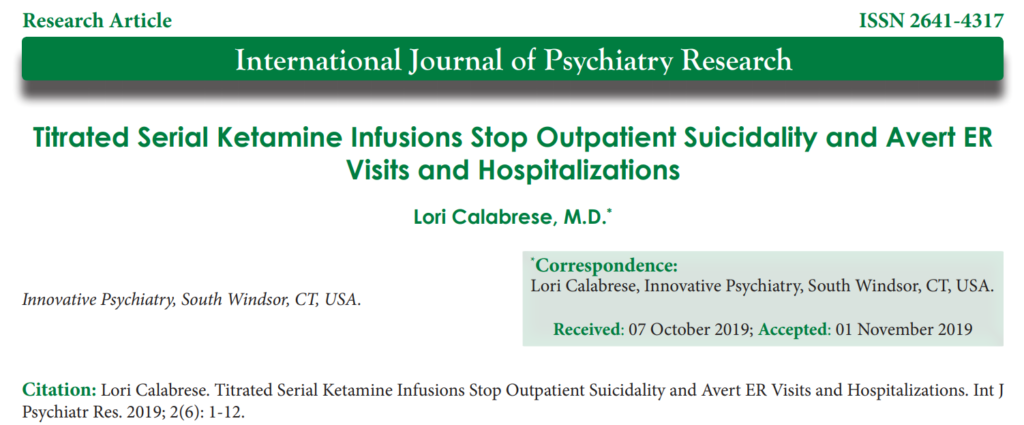
    Ketamine Suicidality

    Ketamine treatment can rapidly replace thoughts of death and dying with hope to give you the opportunity to work toward getting better, and even remission.

    Risk of adolescent suicide is frightening, but prevention gives a child her life to live.

    At Innovative Psychiatry, we offer ketamine treatment to people as young as 14, in a safe environment during this pandemic. We see teens and adults improve dramatically every week. Not all—some teens and adults don’t respond—but many experience complete remission from their symptoms.

    Risk of adolescent suicide is high. It’s the second leading cause of death in persons age 15-24.

    If you or your teen suffers from symptoms of depression or suicidal thoughts or behaviors, reach out or text one of the support hotlines, or call us if you would like to consider ketamine treatment to stop those thoughts.

    We understand all too well how these symptoms can not only disrupt — but endanger — your life, and we want to help. Seeing you experience relief from your pain, torment, and suffering is why we get up in the morning.

    Your desire to pursue a fulfilling and rewarding life is your fundamental human need, and we want to help that happen for you.

    Reach out for remission.
    Lori Calabrese, M.D. is on the front end of the race to stop PTSD in its tracks using IV ketamine treatment.

    To the restoration of your best self,
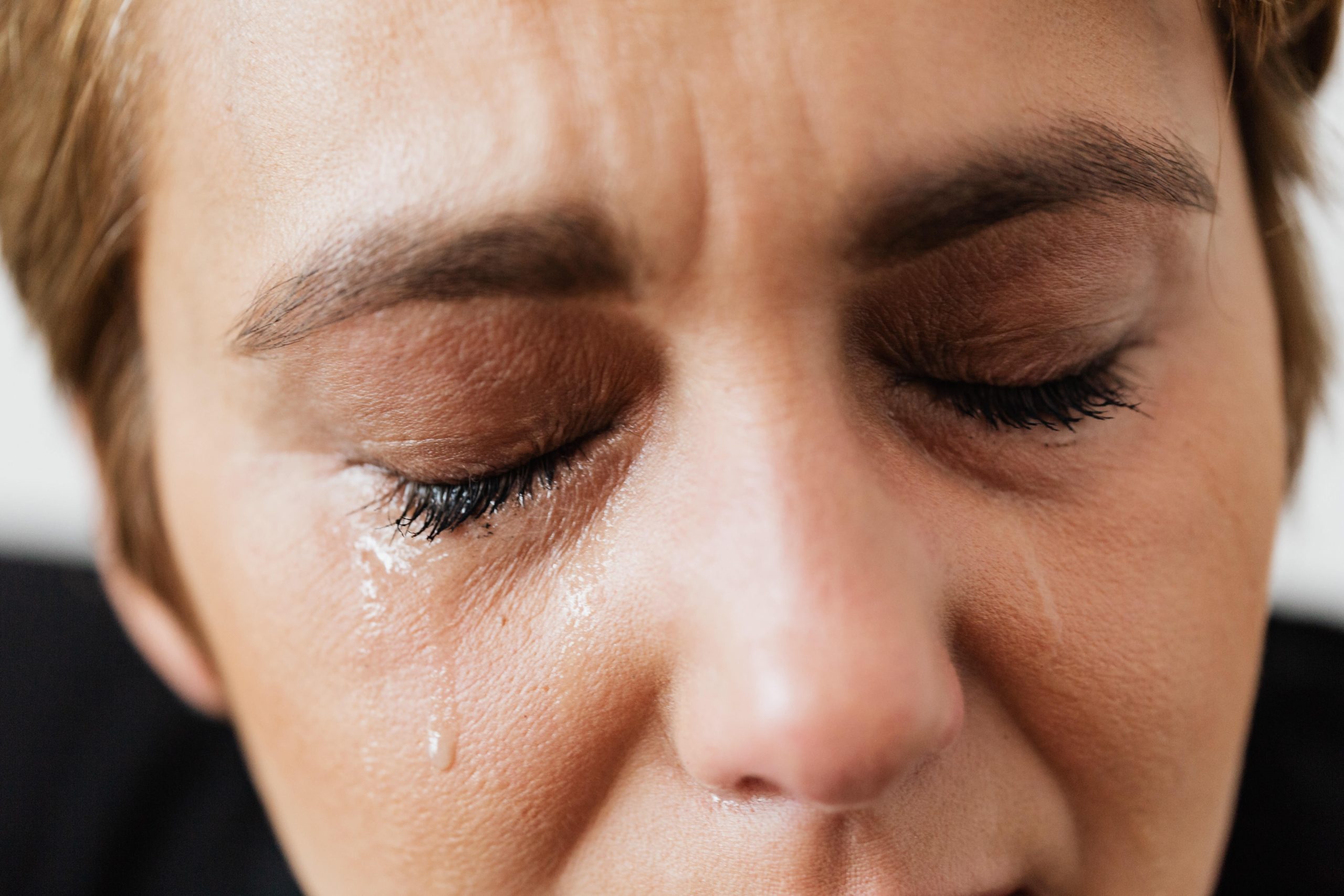
    We can all help prevent suicide. The National Suicide Prevention Lifeline provides 24/7, free and confidential support for people in distress, as well as prevention and crisis resources for you or your loved ones.

    The National Suicide Prevention Lifeline 1-800-273-TALK (8255)

    The Veterans Crisis Line and Military Crisis Line 1-800-273-8255 Press 1

    Crisis Text Line: 741-741 Free text hotline 24/7

  • Don’t Be Shy – Talk to Someone Suicidal Because You Might Save a Life

    Don’t Be Shy – Talk to Someone Suicidal Because You Might Save a Life

    This is National Suicide Prevention Awareness Week — Be aware and reach out.

    And while you may never have talked with someone who’s considering suicide, it’s likely you will at some point. Just as we need to refresh our CPR skills periodically, it’s important to refresh skills to talk to someone suicidal. It’s easy to brush off the risk as something dramatic like someone preparing to jump off a bridge. But the truth is, the guy in the next cubicle or the doctor you work with or a lady you see crying in the restroom — any of them could be struggling with suicidal thoughts.

    How often have you heard people say, “he had everything to live for,” or “he seemed like such a happy guy” or “she was so much fun.” Everyone’s baffled. And yet, obviously, it wasn’t all what it seemed. But maybe nobody asked.

    Most of the time, when someone reaches the point of considering suicide, it happens somewhat quietly. Thoughts of death and dying begin to creep into and then crowd their thoughts, but if you don’t ask, they may carry through on their thoughts without giving away their plans.

    You have to ask.

    Because, truth be told, we want to prevent suicide, don’t we? I know there are those who say that a person has the right to decide when he wants his life to end. But it’s a fallacy to assume that. Because those who have the clarity to make such a decision rationally, are the exception — not the rule.

    In most cases, suicide attempts and completed suicides are the result of a desperate desire to “not live like this anymore.”  It’s the result of desolate misery and finding no other option. 

    But there ARE options. For most people, if you can give them a way to live that’s joyful, productive, and rewarding without the incessant pain they endure, they would opt-out of death and choose a life that’s enjoyable and full of hope.

    And it’s for that reason we want to prevent suicide. 

    To give this suffering person a chance to live well. In a moment we’ll talk more about that. But for now, let’s focus on how to prevent a useless tragedy.

    So what can you do?

    Be AWARE that there are hurting people around you.  We all have busy lives and plenty of pressures, and it’s easy to be absorbed in our own pressures and worries and completely miss the guy we talk to every day who has actually reached the end of his endurance.

    So develop the habit of asking.

    Ask the people in your world how they’re doing, and listen to their response. Pay attention and show them that it really matters to you. This is paramount and is the primary way to find out if someone who crosses your path needs your help. Convey that you mean it.

    “How you doing, Jack?  No…I mean really.  How are you doing?”

    When you show that you’re not impatiently trying to give the expected greeting so they’ll disappear, but that you do truly care deeply how they are, you’re more likely to get real answers.

    And little by little, you’ll become known as someone who really cares, and someone a person could actually talk to. Which is why you want to talk to someone suicidal, because your caring could possibly be life saving for them.

    Understand that a person who is this depressed, or this desperate, has probably become isolated. And that’s a very lonely place

    To break that isolation, reach into it and show you care. One of the most powerful things you can do to prevent suicide is to be a friend to someone who’s isolated. Listen to them, spend time with them. BREAK the isolation.

    Feeling utterly alone in the world is part and parcel to the anatomy of suicidal thoughts. And remember, you can be utterly alone in a crowded room.

    Make Them Safe

    So what do you do if you talk to someone suicidal..? Start  by removing weapons from their environment, if you can.  Remove knives from the kitchen, guns from their house, maybe even the car keys. And don’t leave them alone. Find a friend or relative they trust to stay with them. Help to make their living environment a safe place.

    Also, do all you can to remove medications and alcohol from their household. Your purpose is not to control their life, but to provide safety while you find a way to give them hope.

    Then tell someone. One of their friends or family. Someone you can trust who will be with them, help them feel understood and supported.

    And talk with them about treatment.  About someone who can help them weather this storm and find new hope and new options to help them live.

    This is why you talk to someone suicidal.

    Help them find it.  Give them some good ideas for professional therapists. Because their life is more important than their crisis. It really can get better.

    The National Suicide Prevention Lifeline: 1-800-273-TALK (8255)

    Especially with the help of ketamine. Know that ketamine treatment can erase suicidal thoughts in a few hours…or even less.  That those horrific thoughts and images can be eradicated with the astounding effects of ketamine treatment.

    And that amazing benefit can give them the chance at life they wish they had had before…and give them the opportunity to find relief, restoration, and remission from depression and suicidal thinking.

    So there may very well be a solution. But how will they know unless you talk to someone suicidal and tell them? Suicidal thoughts are not limited by age, income, or any demographic. Children are susceptible, doctors and nurses are, investors and teachers are, your co-workers are.

    There is an alarming increase in suicide among doctors. No one is immune. So reach out and talk. And listen.

    At Innovative Psychiatry, we take suicidal thoughts very seriously. We offer ketamine treatment for suicidal thoughts and are thrilled to see the freedom from torment ketamine can provide. Someone whose life is at risk — high risk — because their thoughts are bombarded with death, dying, and ending their own lives, can walk out of our office relieved, hopeful, and grateful that those thoughts are gone.

    Ketamine treatment can be transformative, not just for suicidal thinking but also for the symptoms of depression, despair, substance use disorders including alcohol, PTSD, and anxiety. We share the joy of our patients as they walk out with hope and in remission.

    Not always, of course, and not everyone. Ketamine treatment is not a cure-all for everyone. No treatment is.

    But is may be what helps you when nothing else has. It may be what finally puts your symptoms into remission. If you yearn for the benefits ketamine can provide, call us

    We want to see you enjoying your life with hope and freedom from torment. Life can be rewarding and productive for you. Relationships can be strong and fulfilling. 

    Reach out for hope. We’re here to help.

    Lori Calabrese, M.D. is on the front end of the race to stop PTSD in its tracks using IV ketamine treatment.

    To the restoration of your best self,
    We can all help prevent suicide. The National Suicide Prevention Lifeline provides 24/7, free and confidential support for people in distress, as well as prevention and crisis resources for you or your loved ones.

    The National Suicide Prevention Lifeline 1-800-273-TALK (8255)

    The Veterans Crisis Line and Military Crisis Line 1-800-273-8255 Press 1

    Crisis Text Line: 741-741 Free text hotline 24/7

  • COVID Hassles Annoying? Ketamine Can Help You Embrace Living Again

    COVID Hassles Annoying? Ketamine Can Help You Embrace Living Again

    COVID-19 – Growing number of people suffer from anxiety, depression, and suicidal thoughts who’ve never faced mental health issues before.

    We’ve talked about it before, but the numbers are growing. Quarantine, masks and gloves, working from home, kids schooling at home, social distancing, Zoom meetings. It’s not just the change in routine, it’s the feeling of isolation, of needing a break. Sometimes you just want to go out to eat on Friday night…right? But with businesses closed, you can’t. Cabin fever with tired parents, kids bouncing off the walls… where do you go to get refreshed? With COVID hassles annoying, ketamine can help you break through and enjoy your life again.

    You wanna hang out with the girls, paint a picture, drink wine, and chat till the cows come home. But you can’t.

    Or go to the gym every morning and work out your frustrations, break a sweat… and go home loose and ready for the day. But the gyms aren’t open.

    2020 has been a tough year. A year you won’t likely forget. 

    Of course, if you’ve gotten sick with this coronavirus, that’s its own battle. But for those who have dutifully worn their masks, stayed home and attended Zoom meetings all day without being infected, there is still a risk caused by the stress of confinement and isolation.

    And it’s serious enough that far too many people have succumbed and faced psychiatric disorders for the first time in their lives. 

    A poll by the Kaiser Family Foundation found that 45% of those who responded to the poll in April 2020 stated their mental health had suffered during COVID. That was 10% more than the previous month.

    COVID hassles annoying? Ketamine can erase suicidal thoughts.

    Social isolation in adolescents increases fear and worry,  which create their own type of stress, wearing down coping skills. Too often, those worry cycles plunge to suicidal thoughts, and the desire to escape the misery.

    Seniors are also at increased risk. Those who are shut-ins rely on loved ones for the stimulation, interaction, and camaraderie to keep their outlook bright. Without those regular visits, hopelessness can quickly wear down their purpose and resilience.

    Common Sense Says Isolation Takes a Toll

    This is not to BLAME the pandemic, but to recognize that people all around us need a lift these days.  Every bit of interaction is restorative for the speaker and for the listener… or both.

    It’s one thing to show compassion to those who have suffered from mental health disorders all their lives, because it’s certainly true that each of you need extra support through these times.

    But, isn’t it alarming to realize so many people have been so negatively impacted by the pandemic, with all its inconveniences and isolation, that they’ve used up their coping ability and have also succumbed to depression, anxiety, and suicidal thoughts?

    So let’s look at this more closely.

    True, this pandemic has caused annoying inconveniences, some more difficult to bear than others. But we can’t go back in time, can we?  We can’t undo the release of this virus, its spread around the world, the cost to families, the economy, and our general well-being.

    COVID Hassles Annoying – Ketamine Can Restore Resilience

    At the same time, we don’t have to break under its influence, right?

    In times like these, mastering the art of bending, adapting to circumstances, can keep you feeling like you actually ARE in control.

    That means if you’re accustomed to traveling on a whim, and you’re not so free to do that right now, you can shudder and fume at the frustration; or you can set travel aside for a better time and choose something new and accessible for your stimulation and reward now.

    Covid hassles annoying? Learn to draw and paint and enjoy yourself.

    An IT guy built his own igloo shaped pizza oven in his backyard. Never laid a brick in his life. But he invented a new interest and poured himself into it. And in so doing, kept anxiety and depression at bay.

    It was a whole new adventure for him… that began with a new and surprising thought. 

    A school bus driver had no students to drive on her bus since students were learning online from home. So she dove into art development tutorials, and mastered skills in drawing beautiful, life-like animals. 

    Pandemic? What pandemic??  She was having too much fun to notice.

    Adapting means changing course to accommodate changing circumstances.

    That’s not to say these responses are always successful. But they are, more often that not.

    On the other hand, warding off symptoms of anxiety and depression by inventing new stimulating interests, honing new skills, or finding new forms of entertainment, are sometimes not enough.

    There are those who know these principles, but in this atmosphere found symptoms of anxiety, depression, and despair creeped over them in spite of their efforts to escape.

    Sometimes that happens.

    Sometimes listlessness takes over, with severely reduced energy, a bleak outlook, hopelessness, and a lost sense of your own worth.

    Which can make way for thoughts of dying. Thoughts that there’s nowhere to go from here. Thoughts that you’ve spent all you have to give, you’re depleted, and your life is finished.

    And those thoughts can become dangerous for you.

    If you find that the thoughts of death, dying, and despair are prevalent for you, there is help.

    COVID hassles annoying – ketamine treatment can erase suicidal thoughts

    As much as we talk about ketamine treatment demonstrating extraordinary responses in those who are depressed, or suffer from PTSD, or substance abuse, or even anorexia nervosa, it’s also remarkable in its prowess for erasing suicidal thoughts.

    The National Suicide Prevention Lifeline 1-800-273-TALK (8255)

    Suicidal thoughts can be plaguing you to desperation, then an infusion of ketamine can make those thoughts disappear in a few hours. 

    Life saving.

    Astounding.

    It’s so dramatic that I published a retrospective chart review of my own patients in my large practice.

    Ketamine Suicidality

    This treatment can erase those thoughts without hospitalization or emergency department visits, and give you the freedom to safely get better and enjoy life again.

    At Innovative Psychiatry, we treat patients with ketamine treatment for depression, social anxiety, PTSD, alcohol use disorder, and substance use disorder. And we also treat suicidal thoughts for their own sake.

    COVID hassles annoying? Ketamine can erase suicidal thoughts.

    If keeping yourself diverted, seeking new stimulation and developing new interests to get through these times with healthy hope stops working… if you feel yourself sinking into a sense of loss, confusion, despair, call us.

    We can help you find joy again. Invigoration instead of despondency.

    And if you feel like you don’t want to live, please call us. 

    With ketamine treatment, you can be free of those thoughts and feelings, and find them replaced with hope and rewards in life.

    Lori Calabrese, M.D. is on the front end of the race to stop PTSD in its tracks using IV ketamine treatment.

    To the restoration of your best self,
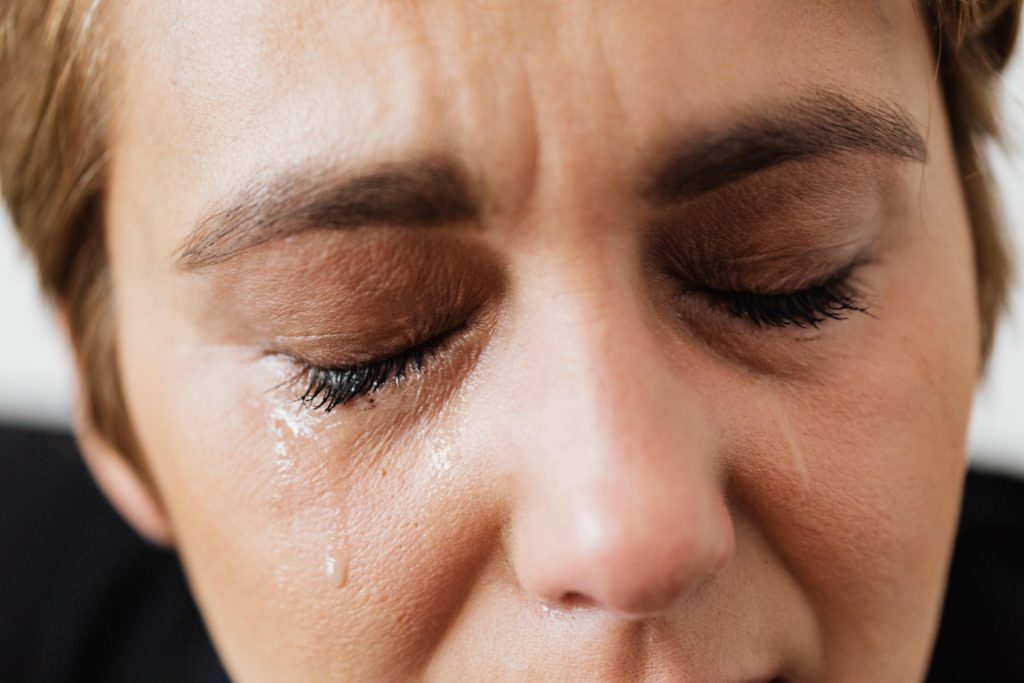
    We can all help prevent suicide. The National Suicide Prevention Lifeline provides 24/7, free and confidential support for people in distress, as well as prevention and crisis resources for you or your loved ones.

    The National Suicide Prevention Lifeline 1-800-273-TALK (8255)

    The Veterans Crisis Line and Military Crisis Line 1-800-273-8255 Press 1

    Crisis Text Line: 741-741 Free text hotline 24/7

  • The New Molecular Masterclass Ketamine Conference – Online!

    The New Molecular Masterclass Ketamine Conference – Online!

    Ketamine continues to move forward.

    This NMDA receptor antagonist, ketamine, was studied in treatment of major psychiatric disorders during the first decade of 2020. Certainly, as these studies galvanized physicians to offer ketamine treatment in their offices, its use has become more and more widespread, the studies continue, and ketamine as a breakthrough treatment for psychiatric disorders and pain is gaining maturity. This online gathering is the first of its kind… a new Molecular Masterclass Ketamine Conference that explored the ketamine molecule inside and out.

    In 2018, we enjoyed the first meeting of the American Society of Ketamine Physicians. Plus, the year before, we enjoyed the burgeoning interest and excitement of KRIYA. Patients who suffer treatment resistant psychiatric disorders need what ketamine can do. So, physicians and researchers energetically work to learn all they can to meet that need.

    Organizer of Molecular Masterclass ketamine conference.

    This year, August 21 and 22, marked the first Ketamine Molecular Masterclass (what a cool title!). Organized by our friend and colleague in psychiatry, Jeffrey Becker, MD, CEO of Bexson Biomedical.

    The presence of this event on the calendar speaks to the advancements of ketamine treatment and its growing sophistication. The conference was sponsored by Bexson Biomedical and other cosponsors to show the potential benefits of ketamine in patient care, research, and investments.

    If you remember, we first talked about Dr. Becker at the International Conference on Ketamine for Psychiatric Disorders that took place in Oxford, England in 2018. He’s presented at KRIYA Conference several times and at ASKP 2018 and 2019 conferenc. He’s a player. A leader. And an innovator. He hit the trifecta!

    Leaders In Ketamine Science

    Experts in the field — clinicians, researchers, digital tech wizards, marketers and investors shared their perspective and experience for all to digest. Clearly, this conference made it clear ketamine treatment is no longer an experimental and untrusted anomaly.

    Happily, with two decades of studies and experience, innovators are moving it forward. This new molecular masterclass ketamine conference educated, enlightened, and inspired us. It piqued the curiosity of participants, and excited interested in furthering research and development in this new space.

    Ya shoulda been there!

    But if you weren’t able to zoom in on us, the MasterClass was recorded and you can access it through Microdose, the host.

    So let’s stay real. Ketamine treatment isn’t a panacea and it isn’t perfect, as we know. We haven’t found a treatment or medicine that is, actually. So, one of the goals of this conference was to present information about possibilities, pitfalls, medical concerns, delivery gaps, and medical/legal issues.

    From psychiatrists, anesthesiologists, and other practitioners, to neuroscientists, business men seeking new streams of revenue, and investors jumping in on new leads, the vibe on this online gathering was charged with excitement.

    For instance, speakers grouped into vibrant panels to explain one aspect or another of this budding industry.

    They talked about treating depression. Then compared the clinical dissociative and psychedelic effects of ketamine during treatment compared to the classical psychedelics associated with 5HT2a receptor responses. They elaborated on how music can shape and affect treatment…

    With each new panel, we saw a sort of fruit basket turnover. We were always hearing from a new group of experts, with the opportunity for chat on the side.

    Truly, with the social distancing of 2020 and all that has gone with it, an online molecular masterclass ketamine conference pumped us with a breath of fresh air. We were packed full of information, inspiration, and hope.

    A grand parade of highly respected and beloved leaders like David Feifel, M.D., PhD, Wes Ryan, M.D., and Will Van Derveer, M.D. were added to talk about the differences in bolus doses of IM ketamine and IV ketamine given over time. Furthermore, they also talked about whether the benefits of ketamine treatment are as rapid as people say…

    The Technical Side of Ketamine Innovations

    We heard from the founders of Osmind and Maya in a panel moderated by Steve Best, M.D., in combining ketamine with TMS and talked about what we need to do and discussed how data can drive change, and drive payors to pay for this treatment

    Ketamine Suicidality

    I had the opportunity to touch on my own data using ketamine to stop suicidal thoughts in the office and avoid ER visits and hospitalization. (Aetna, are you listening?)

    And I snuck in a reference to our most recent case report of a new sequenced treatment using a metabolic diet and IV ketamine. This produced rapid (and startling!) remission and recovery in a young woman with severe chronic anorexia.

    Next came Gregg Petersen, MOD, Daniel Richman, M.D., Nadiv Samimi, M.D., and Jennifer Winegarden, D.O. They talked about pain management with ketamine, and explained answers to a myriad of questions regarding pain management.

    A fine panel elaborated on the use of ketamine for PTSD. Brent Turnipseed, M.D., Tatiana Santini, Jesse Gould, Jon Wolfe, and Abid Nazeer, M.D.

    If you can imagine, there were more than 40 impressive speakers and thought leaders. They spoke on pharmacology issues, business related issues, the risks involved with ketamine, training programs, new developments using ketamine for post-operative pain and more.

    We’ve come a long way in our quest to develop the many therapies ketamine can provide. To see businessmen and investors stepping up to the plate along side physicians and therapists.

    Wow.

    Connecting the people who need the hope ketamine can provide with the treatment itself is just gratifying and thrilling. Just Wow.

    These are people who make things happen.

    And that comes back to helping you. Do you suffer from symptoms or a psychiatric disorder that medicines and treatments haven’t helped?

    At Innovative Psychiatry, we get up every morning to help people like you with this extraordinary treatment.

    And we assure you, we continue to use the safest protocols during this pandemic to protect you and our staff so you can receive the treatment you need. Just call us.

    Conferences only have value if we bring the knowledge home … if people can get better as a result, one person at a time.

    So, let this week be your week. You can feel better, function better, overflow with hope, joy, and fulfillment, living with gusto the rewarding life you have ached for.

    Let us help you get better.

    Lori Calabrese, M.D. is on the front end of the race to stop PTSD in its tracks using IV ketamine treatment.

    To the restoration of your best self,

  • The Ketamine Conference: A Molecular Masterclass

    The Ketamine Conference: A Molecular Masterclass

    The Ketamine Conference: A Molecular Masterclass is set to take place today, featuring a host of experts in the delivery of ketamine therapy for resistant conditions such as PTSD, depression, and anxiety.

    Presented by Bexson BiomedicalThe Conscious Fund, and Microdose, it will bring together leaders in the field of ketamine science and delivery, and will translate the science behind ketamine and NMDA receptor based interventions.

    The Molecular Masterclass will be covering scientific, clinical and industry topics, where attendees will learn about the history of ketamine, its pharmacology, its use in several patient populations, and the risks associated with the drug. Speakers at the conference will provide insights into working with ketamine, identifying pitfalls, medical concerns, and delivery gaps in care, as well as exploring legal and policy issues in the field.

    Exploring psychedelic compounds

    Impacting the central nervous system, ketamine, which has been used in human and veterinary medicine as an anaesthetic since the 1960s, is made up of two enantiomers – esketamine and arketamine – with a mix of the two being most commonly used in clinical practice. Recent evidence has shown that ketamine may hold therapeutic value for the treatment of resistant disorders such as depression and anxiety, however, research and policy limitations on the drug mean more evidence is needed to understand its efficacy. 

    The Molecular Masterclasses will explore ketamine as a pathway to pain management and better mental health through keynote presentations, expert panels, and interactive discussions, and will explore the latest in science and healthcare innovation in the field. Panellists will be discussing ketamine-assisted therapies and their experiences, and ketamine’s relevance to other psychedelic-assisted therapies.

    Guest speakers include Jon Wolfe (Austin Ketamine Clinic), Zappy Zapolin (Conscious Filmmaker, The Mind Army), Rupert McShane, MD (University of Oxford), Martha B. Koo, MD (Neuro Wellness Spa), Jeffrey Becker, MD (Bexson Biomedical), Sandhya Prashad, MD (Houston Ketamine Therapeutics), Veronika Gold, MFT (Polaris Insight Center), Gregg Peterson (Bexson Biomedical), and Anthony El Chibani (Ketamine Media) and many more.

    To find out more about the conference which takes place on 21 and 22 August, please click here.

  • The Next Covid Crisis Could Be a Wave of Suicides

    The Next Covid Crisis Could Be a Wave of Suicides

    Isolation and anxiety are a recipe for substance abuse and mental illness. A new study predicts 75,000 “deaths of despair.”

    By Cynthia KoonsRiley Griffin, and Emma Court

    May 7, 2020, 9:14 PM PDT

    The isolation, grief and economic hardship related to Covid-19 are creating a mental health crisis in the U.S. that researchers warn could make the already-rising suicide rate worse.

    A study released Friday tried to quantify the toll. The paper, which was not peer-reviewed, found that over the next decade as many as 75,000 additional people could die from  “deaths of despair” as a result of the coronavirus crisis, a term that refers to suicides and substance-abuse-related deaths. The research was done by the Well Being Trust and researchers affiliated with the American Academy of Family Physicians. 

    “I hope in 10 years people look back and say, ‘Wow, they way overestimated it,’” said John Westfall, director of the Robert Graham Center for Policy Studies in Family Medicine and Primary Care, who co-wrote the report.

    Even as the American economy rebounded after the last recession, suicides and overdoses cut into Americans’ life expectancy. Mental health experts worry that the economic uncertainty and social isolation of the pandemic will make things worse at a time when the health care system is already overwhelmed. The suicide rate in the U.S. has been rising for two decades, and in 2018 hit its highest level since 1941, according to a viewpoint piece in JAMA Psychiatry in April called “Suicide Mortality and Coronavirus Disease 2019 – A Perfect Storm?” Author Mark Reger argued social distancing could hamper suicide prevention efforts and said ensuring that doesn’t happen is a “national public health priority.”

    “There’s a paradox,” said Jeffrey Reynolds, president of a Long Island-based nonprofit social services agency, the Family and Children’s Association. “Social isolation protects us from a contagious, life-threatening virus, but at the same time it puts people at risk for things that are the biggest killers in the United States: suicide, overdose and diseases related to alcohol abuse.” 

    Since the middle of March, the number of people filing for unemployment benefits has reached around 33 million. Americans’ life satisfaction has eroded rapidly throughout that same period, according to a poll released Friday by Gallup. The percentage of U.S. adults who are very content with their current lives and optimistic about their future outlook has dropped to a low not seen since November 2008 during the Great Recession, showed the analysis of more than 4,000 surveys.

    “One of the main things people should take away from this paper is that employment matters,” said Benjamin Miller, chief strategy officer at the Well Being Trust and a clinical psychologist who worked on the paper. “It matters for our economic livelihood, and for our mental and emotional health.” 

    The financial uncertainty caused by the coronavirus pandemic, coupled with the pervasive sense of isolation exacerbated by stay-at-home orders, makes this moment unprecedented—different from any other economic downturn in recent history—and thus, potentially difficult to model based on past events.

    “It’s useful to have a wake-up call,” said Ken Duckworth, chief medical officer at the National Alliance on Mental Illness. “Unemployment is going to have a very important impact on deaths of despair.”

    Already data is showing lower-income Americans are more impacted by coronavirus-related stress than their wealthier counterparts: A Kaiser Family Foundation study that showed 26% of people making less than $40,000 a year said the virus had a “major negative impact” on their mental health; only 14% of people making $90,000 or more a year said the same held true for them.

    Johns Hopkins Bloomberg School of Public Health started measuring “mental distress” starting in March drawing on studies from the SARS epidemic of 2003. Early in the month, hotspots like California, Washington, New York and Massachusetts reported mental distress “significantly increased” — even when adjusting for variables like age and income. Distress was higher among people who used alcohol or marijuana more frequently in the past week or who’d consumed more media or social media. It was also higher in younger people, perhaps surprising given that Covid-19 is more lethal for older people.

    New York Governor Andrew Cuomo said his state is seeing a rise in drug use, alcohol consumption and domestic violence. “It has caused serious mental health issues,” he said in a public briefing last week. He encouraged New Yorkers to take advantage of a hotline set up for those in emotional distress. Meanwhile, on the national level, the Substance Abuse and Mental Health Services Administration reported an 891% increase in calls to its Disaster Distress Hotline in March compared with a year earlier.

    “We’ve seen from past work that policies play a really important role in shaping people’s experience and well-being,” Julia Raifman, assistant professor of health law at Boston University School of Public Health, said. New York, for example, asked psychologists and psychiatrists to volunteer to provide some free mental health care, which she said was a positive step. “I hope we’ll see other states start to do that. I think there’s a lot of room for innovation here.” States that had more generous unemployment benefits during the last recession saw fewer suicides, Raifman said. 

    Miller’s paper this week proposes long-term solutions like helping unemployed people find meaningful work or training the armies of contact tracers who will be sent out into communities to identify people at risk of a mental health crisis. He sees building up community-based mental health care services as a way to serve more people in need. Congress granted $425 million for mental health and substance use disorder initiatives in the Coronavirus Aid, Relief and Economic Security Act, or CARES, but Miller called that “almost an embarrassment” considering airlines got $25 billion in aid. “We are not taking this seriously as a nation,” he said. 

    [Read the Original Post Here]

  • School’s Starting: How’s Your Teen Now? Watch for Anger, Depression, Anxiety

    School’s Starting: How’s Your Teen Now? Watch for Anger, Depression, Anxiety

    School is starting for the 2020-21 school year, whether remotely or on campus. 

    Never before have these students started a new school year during a pandemic. It’s been over 100 years since the last one, and few of those students are still alive. But these students, yours and mine, are pioneers now.  School’s starting, how’s your teen coping with what lies ahead? They’re facing a new school year with social distancing, mask wearing, frequent hand washing… and they’re also facing new subjects, anxiety about whether the pressure will be too much, whether they’re up for the task… and they’re concerned about socializing.

    Some have already started.  The desks are six feet apart, they’re wearing masks.  And they feel uncertain. Shy… afraid they’ll do something wrong. Others are afraid of the long hours at their desks… Because those need movement and stimulation.  They’re afraid of consequences.

    Some of our students will take whatever changes they face in stride. Those are the adaptable ones. But others won’t.. because change causes them to suffer anxiety. 

    While, as a parent,  you may be eagerly awaiting school to start so you can get those kids back into school, since you may have had them home since March.

    But, make sure you’re in tune with them. Listen to their fears and don’t dismiss them. No matter how you feel about what’s happening in the world, your teen may not be equipped to handle the early adjustments of this new experience.

    Because here’s the thing… stress, especially long term continuous stress, can lead to circuitry damage in their brain cells…and that damage can result in depression. 

    Stress Damages. In Fact, It Can Kill.

    In a teen, depression doesn’t usually come with a label written across their forehead.  

    It may look like anger or rebellion. It may look like laziness. It may look like stubbornness.

    And symptoms like these are actually depression, PTSD, bipolar depression, substance abuse, social anxiety, suicidal thoughts…  and if it is, it may need treatment.

    Because these conditions create their own fallout, like poor grades, inappropriate behavior, non-compliance…

    Then, without proper and EFFECTIVE treatment, the condition can deteriorate to criminal behavior…or even suicide.

    Suicide is the 3rd cause of death among teens. 

    Did you know?

    If your teen talks about wanting to die, listen.

    Adolescents are emotional, their hormones rage, and they sometimes seem to be all over the map. 

    But listen to them with respect. 

    Because you need to watch… since school’s starting: How’s your teen doing?

    Parents of teens who have ended their own lives will be the first to say that dismissing these claims was a mistake. But in retrospect they realized their child had been crying for help for a long time.

    Is a “cry for help” really just manipulation?

    No…a cry for help is a plea for HELP. And what seems to you to be a solvable, transient struggle – or growing pains – to your teen may seem like the end of the world. 

    Don’t let it be. 

    Now, it can get tricky.

    If your adolescent has never been diagnosed with a disorder, you may not realize his disorder is escalating.  A fellow psychiatrist tells the story of seeing a 14 year-old he’d known since he was born as a family friend.

    During the intake evaluation, he finds out the boy has been deeply subdued, without joy, extremely shy, and having difficulty making himself participate in school work.  He looks at the parents and asks, Why am I just now hearing about this??

    Truth be told, if the boy’s parents had perceived psychiatric care in the same category as dental care, he would have. But, they’d never dealt with a disorder in the family before and didn’t know how to identify it. They tried more structure, more emotional support, more consequences… until one evening they found him in the fetal position in the shadows…and realized they needed help.

    Your heart goes out to that fellow. 

    And it goes out to his parents, too.

    Because they loved him and wanted him to be happy. They just didn’t recognize the signs.

    What about you?

    School's starting: how's your teen

     And what about your teen?

    Would you know the signs if your teen displayed the need for help?

    Are you sure?  His life may depend on it.  

    So think about this:

    Has your son or daughter suffered a severe loss like a crippling humiliation,  a lost relationship, or death of someone close…?

    What about substances like drugs or alcohol…?

    Has he or she been depressed for a long time? Has treatment helped?  Because if it hasn’t, it’s the same as no treatment at all.

    Has he or she ever been abused physically, emotionally, or verbally? Are you sure?

    Does he or she suffer from a dual diagnosis, like bipolar depression and substance use disorder, or depression and anxiety, or PTSD and alcohol use disorder..?

    Has there ever been a suicide attempt before?

    Has there been an arrest before?

    These are all risk factors for potential suicide attempt or completion.  Any of these indicate the need for special care.

    Further, if your teen talks about death, or feeling rotten inside, or hopeless, or worthless… is withdrawn, sullen, and talks about violence, or wanting to die, reach out for help.

    The National Suicide Prevention Lifeline 1-800-273-TALK (8255)

    At Innovative Psychiatry, we offer ketamine treatment every week. Specifically, if you’ve tried other antidepressant medication trials for at least a few months each, and have experienced no relief, ketamine treatment can help you achieve remission when other medicines didn’t come close.

    Ketamine Suicidality

    And if you endure suicidal thoughts and visuals, ketamine can erase those thoughts in a few short hours…maybe less.

    In this era of psychiatric treatment, you just don’t have to endure without treatment… or with treatment that doesn’t work.

    So… like I said, school’s starting: How’s your teen doing now?

    We treat adolescents and adults, age 14 and up with ketamine treatment when it’s appropriate, and celebrate with our patients as they complete treatment and walk out with the joy of a life of freedom of symptoms.

    While ketamine treatment doesn’t affect everyone this way, it does do this for most. And there are other ground breaking treatments you can try if you’re one of those rare people not transformed by ketamine.

    Thankfully, we no longer live in the Dark Ages even our grandparents did when it comes to psychiatric care. There is hope now. Wholeness. Remission.

    If you struggle with symptoms like we’ve talked about here, call us.

    We want to help you glide through the challenges ahead with resilience.

    Lori Calabrese, M.D. is on the front end of the race to stop PTSD in its tracks using IV ketamine treatment.

    To the restoration of your best self,
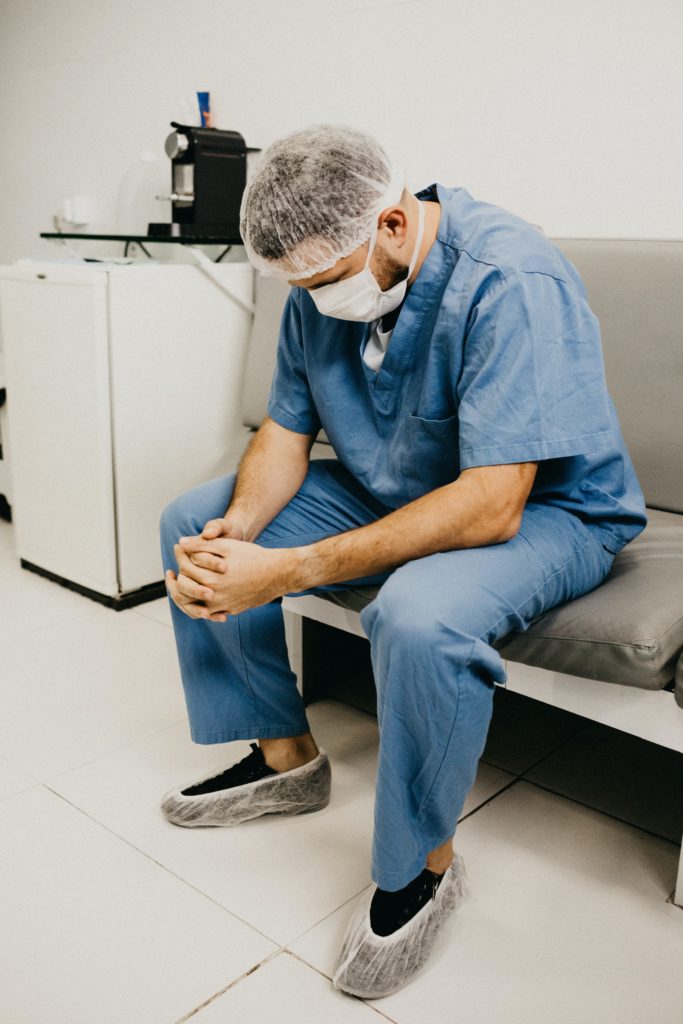
    We can all help prevent suicide. The National Suicide Prevention Lifeline provides 24/7, free and confidential support for people in distress, as well as prevention and crisis resources for you or your loved ones.

    The National Suicide Prevention Lifeline 1-800-273-TALK (8255)

    The Veterans Crisis Line and Military Crisis Line 1-800-273-8255 Press 1

    Crisis Text Line: 741-741 Free text hotline 24/7

  • Ketamine’s promise as an antidepressant is being undermined by its lack of profit

    Ketamine’s promise as an antidepressant is being undermined by its lack of profit

    Esketamine, the first new method to treat depression in 25 years, is
    gaining credibility. Last year, Janssen Pharmaceutical’s ketaminebased
    drug was approved by the US Food and Drug Administration
    (FDA) to treat patients with treatment-resistant depression. And on
    Aug. 3, the FDA followed up with a second approval, allowing doctors
    to prescribe the tranquilizing drug to patients experiencing suicidal
    ideation.


    But though there’s growing evidence that Janssen’s drug can help
    those with depression, some psychiatrists question why ketamine, its
    better-known and cheaper cousin, isn’t being similarly developed.
    Ketamine has long been approved in the US as an anaesthetic. That
    means that though it’s not approved to treat depression, patients can
    legally use it for this purpose if their doctor provides them with a
    prescription for so-called “off-label” use. And they do: Medical
    ketamine clinics have been treating patients in the United States
    since 2014, and there are now dozens of such clinics across the
    country.


    Evidence to support this practice has been building since 2006, and
    the benefits are increasingly recognized by mainstream medical
    centers. “Regular ketamine is safe, available in multiple different
    formulations, has demonstrated efficacy in multiple small-scale
    studies for treatment-resistant depression, and is available for a
    fraction of the cost of esketamine because it’s been off patent for
    decades,” says Michael Alpert, a psychiatrist at Harvard Medical
    School.


    Why isn’t ketamine an approved depression treatment, then? It
    comes down to profits. Ketamine’s patent expired in 2002, meaning
    that further studies into the drug would not bring any financial
    returns to the companies funding them.
    Instead, corporations could benefit from adapting the drug to create a
    patentable compound. “Since Johnson & Johnson was unable to
    patent it, they simply isolated one of the components of regular
    ketamine, esketamine,” says Alpert.


    Janssen Pharmaceuticals, a subsidiary of Johnson & Johnson, filed a
    patent for esketamine in 2013, and subsequently funded research on
    the drug. Their two published studies, which supported the drug’s
    FDA approval, display the unique attributes of ketamine-like drugs:
    Both found that depression symptoms reduced just 24 hours after
    receiving the first dose, and more than 40% of patients went into
    remission over the course of four weeks. This means esketamine can
    be used in an emergency situation, for example if someone is
    admitted to hospital with suicidal thoughts.


    But those studies, while promising, are complicated by the placebo
    they used to compare to esketamine treatment. All participants
    received the standard of care for depression, including psychiatric
    hospitalization for five days, new or adjusted SSRI antidepressants,
    and regular clinic visits. Of those who received esketamine, 40% in
    both studies went into remission. But patients given placebo also did
    well: 34% went remission in one study, and 27% in the other.
    Gerald Sanacora, psychiatrist at Yale University and co-author of the
    study, says this demonstrates the benefits of esketamine: “It is very
    telling that the esketamine treatment seemed to add an additional
    10-14% on to these very favorable remission rates,” he says.
    Others disagree. “To me this fact suggests that overall esketamine
    isn’t that great as an antidepressant, even if there is a small
    percentage of people who receive it for whom it does work,” says J.
    Wesley Boyd, a psychiatrist and professor at the Center for Bioethics
    at Harvard Medical School.


    So far, the studies show that esketamine works well in combination
    with regular, effective care, meaning it’s difficult to parse the impact
    of esketamine versus the hospitalization and regular clinical visits.
    And they don’t answer the critical question of whether an existing
    generic drug would work just as well.


    Alpert argues that all esketamine studies should compare the drug to
    ketamine, which is far cheaper and so more widely available. That
    would allow researchers to determine whether ketamine should be
    formally approved to treat depression.


    It’s not just a question of managing patients’ costs, but their health
    outcomes. Following the approval of esketamine, some healthcare
    systems pressured patients to switch from ketamine to esketamine.
    But changing treatments can carry risks, says Alpert. If a patient is
    receiving good care and support from a ketamine clinic, then
    switching treatment plans could exacerbate symptoms of depression
    and suicidal ideation.


    Several veterans suffered worsening depression after VA San Diego
    Healthcare System, which provides health care to veterans in
    southern California, abruptly prevented all patients from taking
    ketamine via IV and pushed them to take esketamine at a different
    clinic, according to an investigation published earlier this year by
    inewsource.


    Though esketamine is currently approved as depression treatment
    while ketamine is not, the existing research on ketamine suggests the
    latter is effective in treating depression. Eventually, Boyd hopes
    ketamine will also be approved for this use, though no private
    company has yet stepped up to fund the necessary research and FDA
    application. Until then, esketamine is likely to remain controversial.

  • Keto Plus Ketamine:  A New Approach for Anorexia?

    Keto Plus Ketamine: A New Approach for Anorexia?

    A ketogenic diet can be a first step toward managing symptoms of anorexia.

    If you know someone with anorexia nervosa, you know how chronic… dangerous… and life-threatening it can be. I bet you didn’t know it could go into full remission.

    This is the story of a novel idea, a brand new course of treatment, an innovative treatment procedure, and a protocol that was born out of love.

    It’s a heartbreaking disease. And as surprising as it may be, there has been no effective treatment for it, whether it be medicine or psychotherapy. Self-starvation, hyperactivity, anxiety, body dissatisfaction, and difficulty managing one’s emotions all accompany this horrific disorder.  A new approach for anorexia is desperately needed… a new procedure, a new sequenced treatment…something.

    There are 32 million people–of all ages, races, and genders–in the US with an eating disorder. And someone dies every 62 minutes here because of their eating disorder. Anorexia is the scariest. The death rate in women with anorexia is 10 times higher than for other women, and that’s because the self-starvation causes medical problems that can be critical…. and because desperation can lead to suicide. A new approach for anorexia is vital.

    A new approach for anorexia is a ketogenic diet and IV ketamine treatment.

    To understand the persistence of anorexia, you need to recognize it’s not just about not eating…or losing weight.  Those are actually the results of the most crucial symptom, which we call the “anorexia voice.”

    Some medication solutions and some psychotherapy approaches may claim up to 60% response… meaning 60% got better. But for how long?  A couple weeks…?  A month? These patients require something different, a new approach to anorexia treatment.

    What’s more, 40% of adolescents never gain their weight back, and of the 60% who do, only half of them restore emotionally. On top of that, treatment is expensive. Multiple hospitalizations, out-patient treatments… the average cost of treatment is $110,000. This is what you might call the “white knuckle” approach. Hard work… mediocre outcomes.

    And there are so many who never get better.

    This is because they try to treat the actions of abstaining from food or over-exercising, rather than the symptom that’s most stubborn to relieve… that voice in your head we call the anorexic voice.

    A new approach to anorexia is with a ketogenic diet and psychiatric supervision, anorexic symptoms can subside.

    That voice that tells you you’re fat when you weigh 96 lbs and look in the mirror. The voice that tells you to not eat because you’re getting fat. The voice that says you’re ugly… that you’re too tall, or too short; too fat or too skinny.

    Like I said, we need to see something new and different, some new approach for anorexia.

    This singular aspect of anorexia is the most difficult to manage.

    And this symptom must be erased if you’re to get well and stay that way.

    Anorexia Nervosa often emerges in adolescence, but it can go on and on…. 

    In fact, if it continues for 3 years, it’s considered chronic and enduring… even treatment resistant, as we often say referring to other disorders.

    To find an innovative sequence of treatment, a new approach, a different protocol….that would dissolve the symptoms of anorexia nervosa…where the symptoms subside and the lack of symptoms lasts, and that voice goes SILENT…well, it could be life saving for many, and life restoring for the rest.

    A new approach to anorexia is bringing freedom to anorexic symptoms through a ketogenic diet and ketamine treatment.

    And that’s where a new approach for anorexia can bring hope.

    You may remember that we talked about the use of ketamine treatment to treat eating disorders back in May of 2018. And we pointed out way back then that eating disorders were actually the first psychiatric disorder studied with ketamine treatment. I.H Mills and his team conducted this study in 1998. 22 years ago!

    Well, I’m delighted to talk about my most recent work with a team of experts and an extraordinary 29-year old woman, Caroline, who’s suffered from anorexia nervosa since she was 14.  

    I was privileged to work with a medical doctor specializing in internal medicine and addiction medicine with a brilliant and compelling idea about a new course of treatment (Barbara Scolnick, MD), a reknowned dietitian and keto specialist (Beth Zupec-Kania, RD), a brilliant neuroscientist (Chiye Aoki, MD), an expert in eating disorders (Tom Hildebrandt, MD) and an extraordinary young woman, Caroline.

    And we’ve published a case report on the effectiveness of it for her.

    Iv ketamine treatment combined with a special ketogenic diet is a new approach to anorexia treatment.

    Effective isn’t the word. Exhilarating is more like it. Remission. Unexpected, fully sustained, and shocking. It comes from a brilliant idea, and from just being willing to look at anorexia with a different lens, with an innovative treatment that was upending and surprising in its rapidity and its effectiveness.

    Get ready. It’s time to open your mind.

    To understand the novel course of treatment we used, you need to understand a little neurology and pathophysiology. So, here’s a quick crash course.

    Lipids, and Lions and Bears, Oh Me!!

    Getting back to neuroscience,  metabolism, and hibernation, some studies have examined how the root cause of anorexia may be related to lipid signaling and how chronic starvation may be connected to hibernation.

    A ketogenic diet and ketamine treatment can turn off the anorexic voice.

    As you know, hibernation is what bears do in the winter, and lots of other animals, too. To survive the winter, their body metabolism slows way down, along with their temperature, so they can survive for several months without food. 

    In patients with anorexia nervosa, their long term starvation signals their body through their fats (lipids are fats), to slow down to help them survive. For the patient to recover, those lipid signals must be returned to normal both in their metabolism and in their central nervous system. This is vital information in the search for a new approach for anorexia nervosa treatment.

    To get those signals back to normal requires fats be introduced, even if they are processed at a much higher rate. So, a medical keto diet was developed by the team for Caroline, to ensure she had enough healthy, wonderful fats to improve her brain health and restore her metabolism. And her mood.

    And her anorexia improved. But it didn’t completely stop. The voice was still there.

    Then she began treatment with IV ketamine. We planned 6 treatments, but she didn’t need them. She got only 4. Because her anorexia symptoms — the obsessive thoughts, obsessive behaviors, and the anorexia voice in her head — completely stopped. And they’ve been gone for more than 6 months.

    A diet rich in good fats can feed mitochondria ketones and treat anorexia symptoms.

    Long enough to call it remission. And to know for sure that it’s real. Long enough to write it up as a case report, submit it for publication, and get it published.

    It is real. It’s so real that it’s a little unreal. If you’re in the anorexia world, you know how wild this sounds. Keto? No way. Anorexia experts and dietitians alike hate the idea, don’t trust it, see it as dangerous….and might think it’s just plain wrong. Ridiculous. Risky.

    Ketamine infusions? In a patient whose metabolically compromised? Unknown. Untested. Too risky. Until we carefully weighed the risks and benefits — for her– created the right set and setting, and gave it our best shot. Medicine is a science. And an art.

    So this is the new treatment protocol, the new combined treatment, the new procedure, if you will, that we designed: it’s a duo. And it worked.

    IV ketamine treatment and a ketogenic diet can silence the anorexic voice.

    Let’s talk about Caroline for a moment. She’s real, riveting, and absolutely raw.

    Caroline is 29, and had suffered from anorexia nervosa since she was 14.  Over the years she had intermittently struggled with alcohol dependence from the age of 18. She had seen numerous specialists, had been in and out of treatment programs, and she received supportive therapy periodically.  She also attended Alcoholic Anonymous meetings at least once a month.

    Obviously, she needed someone to come up with a new idea. The usual treatments just weren’t working. She desperately needed a new approach for anorexia.

    And before beginning this new procedural treatment course, she had abstained from alcohol for 15 months, which was a major accomplishment. It’s also an example of how psychiatric disorders are often found in clusters. This girl wanted to be better…she worked so hard. But that voice…

    She experienced the kinds of restrictions not uncommon for someone with anorexia.

    Caroline preferred to eat alone, and used a napkin rather than a plate. She ate only ice cream or peanut m&ms for days at a time. And used low calorie sweeteners excessively. She had “safe” foods which consisted of Splenda, frozen yogurt, zucchini, eggplant, and coffee.

    In addition, she exercised compulsively every day, usually for 2 hours. She had managed to keep her weight around 125 lbs. Hospitalization had been required two separate times in her life to help her metabolism stabilize. The first time was following a grand mal seizure 12 months after she was diagnosed with anorexia nervosa. She weighed 96 lbs at admission, that time.

    Personalized and Medically Designed Ketogenic Diet Specifically for Caroline

    Not something you can google or YouTube… personally designed for her body and metabolism by a registered dietitian renowned for her expertise in developing ketogenic diets for neurologic disorders.

    Enjoy a rewarding life with a new approach to anorexia treatment.

    And when you watch this remarkable story you’ll hear us talk about how the keto diet seemed to help her head clear. Her body began to respond. Her true personality emerged. She felt better.

    But that pesky, ruthless voice just kept cracking the whip. Constantly …constantly… trying to force her to stop eating and keep exercising.

    …Combined with Ketamine Infusions – An Innovative New Approach for Anorexia Treatment

    Then, came the ketamine treatment… as it turned out in her case: 4 infusions. And the voice died. It just disappeared.

    And she was free. For the first time in 15 years, she was free to be herself, make her own decisions…and pursue her own happiness.

    A case report, of course, is just that. It’s a report of one person.

    It’s exciting preliminary work, though. The novel treatment procedure and the dramatic outcome that Caroline experienced–sustained remission and recovery–with a medically designed ketogenic diet followed by IV ketamine infusions deserves further study and more research.

    We may be on a new horizon.

    Lori Calabrese, M.D. is on the front end of the race to stop PTSD in its tracks using IV ketamine treatment.

    To the restoration of your best self,

  • Does Psychiatric Treatment Suffocate Creativity in the 21st Century?

    Does Psychiatric Treatment Suffocate Creativity in the 21st Century?

    Have you avoided treatment fearing it would subdue your talent?

    This is a very real concern for some intelligent, talented people who suffer from certain disorders. The idea that suffering yields brilliant satire, beautiful music, heartbreaking poetry, and dazzling art that enrich mankind. It’s been a subject of controversy for eons. But is it true? If your treatment suffocates creativity, you can do something about that.

    We speculate about the connection between artistic genius and depression or bipolar disorder. Theories emerged that Vincent Van Gogh’s severe depression. He suffered serious bouts of anxiety, and possibly suffered from bipolar disorder.

    He self-medicated with alcohol… Of course, no medical treatment was available for his symptoms. 

    Ludwig von Beethoven stands as another historic creative genius we celebrate who suffered from bipolar disorder. Were his enthralling symphonies created by his illness?  

    Franz Haydn, his teacher and fellow composer, had remarkable words for him as he was getting to know him. “”You will accomplish more than has ever been accomplished,” he said. “You’ll have thoughts that no other has had. You will never sacrifice a beautiful idea to a tyrannical rule, and in that you will be right…”

    He was brilliant…there’s no question. And some would argue that brilliance and bipolar disorder sometimes go together. And he grew deaf. A tragedy for a musical genius. His behaviors as reported by his peers may have been indicative of depression. Maybe bipolar disorder.

    Still can you imagine his frustration at not hearing his own music?

    We must remember that our belief in the presence of a diagnosis of these figures in history is conjecture. That we’re basing our views on what we read about them, what their contemporaries said about them. And we try to piece together the puzzle pieces.

    So, if you’ve experienced severe bipolar I disorder, you may relate to some of these recollections of tormented icons. Their symptoms may seem pretty familiar to you.

    Again, there was no effective treatment available to him at that time, so we can only wonder.

    To learn whether treatment suffocates creativity, we have to fast-forward to the most recent 30 years of psychiatric treatment…and even better, the last five.

    In the days when Prozac was such a breakthrough, and then Paxil, I remember someone describing the way she felt. She said it was like she was “coated in wax.” 

    The early SRIs, and later the SNRIs, provided so much help to depressed people that they were considered a breakthrough at the time. People would joke, “the city needs to add Prozac to the drinking water. It could quite possibly solve all of society’s problems!”

    With time, we learned that these medications made a dramatic difference in quality of life for about 33% of those who suffered, and with some tweaking, titrating, and blending, over time that number increased to 50-65%. 

    But, eventually, it turned out that these medications weren’t always as remarkable as they seemed.

    There were plenty of people who stopped taking the medications because of the side effects of weight gain, sexual dysfunction, and more.  Plenty of others continued to take them and gained the weight and lived with the reduced sexual drive for the sake of functioning in their lives.

    Of the creatives who took these medications, some claimed the medicine impeded their creativity, while others found that with a clear mind, they could create more effectively.

    Those with bipolar disorder often take a mood stabilizer like lithium or depakote, and may experience more stability. But many others need a variety of medications to yield a more stable mood. And many others with bipolar disorder don’t experience any real or lasting relief from these medications.

    Does Psychiatric Treatment Suffocate Creativity In All This?

    While it wasn’t uncommon to hear patients complain of dampened creativity while taking SRIs and SNRIs, that’s not the case across the board. 

    Some who are treated for severe depression are relieved to discover they are able to be creative again. Others, not so much. It varies between people and can also depend on the symptoms. 

    And creativity and bipolar disorder share some genetic links, as well as some deviations from typical ways of thinking. Creativity includes new thoughts, original ideas, and freshness in composition of art, music, construction, etc.

    Still, neuroscience research reveals that the most productive creativity in someone with bipolar disorder happens when that person is in a non-extreme state, or euthymic period, or a hypomanic period.

    So, what about the last 5 years?

    Ketamine Treatment Doesn’t Suffocate Creativity

    Not only is ketamine treatment effective in treating depression and bipolar depression in far more people than SRIs or SNRIs, but it can actually enhance creativity. It’s in a category all its own.

    Ketamine treatment’s extraordinarily rapid and robust effects can proliferate the brain cell connections and the communication between different parts of the brain. These benefits can expand so dramatically that you can, and likely will, find yourself in a remission that defies all logic. 

    A kind of remission that finds you catching up on all the chores you’ve avoided for the last several years, advancing your career in ways you’d never thought about before, building strong, healthy relationships, and having fun…I mean really having fun.

    You can wake up singing songs that may have followed you while you dreamed, dancing spontaneously while you get your coffee. You may find yourself immersed in joy.

    Of course, ketamine treatment doesn’t do all this for every single person treated with it, but these benefits are widespread and common. There are a handful of sufferers who don’t enjoy these outcomes, but the vast majority do.

    In this day and age, on the brink of life changing treatments for severe psychiatric suffering, you have the opportunity to enjoy singing, dancing, and loving. 

    Watch the Clouds Part and the Sun Radiate Into Your Life

    At Innovative Psychiatry, we celebrate with our patients as they taste of a brightness of life and a hope that had always alluded them before. We provide ketamine treatment in a pandemic-safe, cautious protocol that protects our patients and our staff. 

    With this exacerbated environment for increased depression related to the pandemic,  it’s more important than ever to give yourself the additional support of a treatment that can renew your emotional energy and your patience to cope. 

    Does psychiatric treatment suffocate creativity? No…it doesn’t have to.

    If you’ve feared treatment because you fear losing your creative edge, call us.

    We’re here to help you open your doors and windows to let the light of your gifts shine through.

    Lori Calabrese, M.D. is on the front end of the race to stop PTSD in its tracks using IV ketamine treatment.

    To the restoration of your best self,

error: Content is protected !!