
Blog

  • Can You Overcome Phobias?  Apply IV Ketamine to Your Backstory

    Can You Overcome Phobias? Apply IV Ketamine to Your Backstory

    Can overcome phobias IV ketamine Let’s talk about anxiety…and phobias.

    I guess we all have something that gives us the creeps, or we’d just like to avoid, like snakes or spiders, or pet poop.

    But for some people, there’s a strong persistent reaction to that thing or situation to the point  that it’s amplified far beyond the actual potential danger or threat of the “thing” in question.

    Most of us feel uneasy about something from time to time. Getting up to speak to a large group for the first time, for instance. You might feel a little shaky or have a tremor in your voice, sweaty palms, and the worst…? Blushing while you try to collect yourself to begin your talk! This level of anxiety is uncomfortable, but not all bad. It can help you focus on your goal…motivate you to work hard to prepare.

    The Crippling Burden of Phobias

    However, for some, the blushing can billow out of control, sending tremors through your body, along with trembling hands, incapacitating sweating, and a paralyzing halt to functioning.. When your mind is blitzed with fear, and you can’t move, it’s safe to say you may be trapped in the rigors of an anxiety disorder. And that thing or situation that triggered all this may be a phobia.

    And you know what? All of this started somewhere. Something probably happened, something traumatic, or heartbreaking, or terrifying. At some point there was probably a shocking experience that initiated this response of heightened anxiety, dread, and fear. Whatever that was..it’s your backstory. Your history. The reason you now suffer this way.

    There are as many phobias as there are people who suffer from them. Phobias tighten their grip on anxious people regarding anything from fear of embarrassment in front of other people to fear of spiders, or of a tree, or the color yellow. 

    It’s easy to make light of these fears if you’re not a sufferer, but for those who are, the fears are crippling.

    So, an anxiety disorder is not to be ignored. Anxiety demands your attention. In fact, it takes over and dominates your mind until you do something to find relief and reassurance.

    The throes of anxiety can lead to phobias, to depression, to obsessive compulsive disorder. It’s no laughing matter, and in some ways, it’s the flour in the recipe for psychiatric mood disorders.

    Phobias Leave the Sufferer Powerless

    Once you’ve experienced a gripping, fear-fueled shut-down, you’ll probably find yourself avoiding another opportunity for a similar incident.

    If you’ve been there, you know you can’t just “buck up” using mind over matter, and “get over it” as friends or co-workers might suggest. You can’t wish this reaction away. And time doesn’t automatically heal it. It’s embarrassing to be incapacitated by anything. People don’t usually understand.

    Typically, phobias are divided into 3 categories.

    • Simple phobias, like fear of a snake or dental work or air travel
    • Social phobias are fears of embarrassment or humiliation in front of others, and play on feelings of insecurity
    • Agoraphobia, the fear of being in a situation it would be hard to escape from… whether it’s fear of embarrassment or fear of harm

    And it gets complicated. In any of these situations, if you suffered a panic attack, that panic attack can become the thing you’re afraid will happen again.  So you avoid the situation for fear of suffering another attack. 

    Painfully Common

    Anxiety can lead to one phobia or another, because when a persistent dread plagues you to the point that you This boy with social anxiety needs to hear can you overcome phobias IV ketamine.arrange your life around a thing or event with the focus to avoid it, a phobia begins to form.

    Around 3.3 million Americans at some point in their lifetime suffer from an anxiety disorder. Roughly 19.2 million Americans wrestle with phobias.

    And anxiety often comes before depression.

    We’ve known this for years.  A very large study of thousands of female twins with major depression who all had various phobias — agoraphobia, social phobia, situational phobias, animal phobias — found that the most common phobia associated with major depression was agoraphobia.

    Another conclusion was that a “modest proportion” of the genetic vulnerability (remember these are twins) to major depression is shared with a genetic vulnerability to phobias. What’s more, the non-genetic factors — like  environmental experiences — that can predispose someone to depression, significantly makes a person more vulnerable to agoraphobia, specifically.

    Risk of Agoraphobia Highest After Trauma

    This means, if you’ve experienced something excessively painful, traumatic, and overwhelming in your life, your risk for agoraphobia is high. And the trouble with agoraphobia is that it isolates its victim…which makes the depression worse.

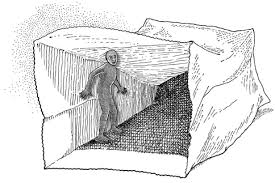
    So, you can see the link between anxiety, depression, and phobias. And you can also see that treating the anxiety can This man in trapped in paper bag needs to hear, Can overcome phobias IV ketamine.even prevent the depression as well as phobias.  But how?
    There are some medications that will relieve anxiety, as well as depression, in some people. But, as we’ve discussed so often, those antidepressants and anxiolytics don’t end the anxiety, they just reduce it…for some people.

    To the frustration of countless sufferers, the effectiveness of these medications for anxiety and/or depression is patchy… and it takes weeks or months for any given person to find out if she’s going to experience relief.

    Those weeks and months can be a dangerous waiting period for those whose misery is leading to thoughts of suicide.  And unfortunately, so many of these medications seem to stir up those very self-destructive thoughts.

    Can You Overcome Phobias…?

    Here’s good news. IV ketamine in low doses has shown consistent results in 80% of those who suffer with anxiety and depression where nothing else was effective. Nothing else brought relief.

    So, that’s how IV ketamine works on your backstory… it restores your brain to its optimum function by targeting the structures and systems in your brain that lead to anxiety…and depression. IV ketamine treatments focus their effects on those changes in your brain that happened when you were hurt, traumatized, shocked… and began experiencing feelings you want to avoid. When the phobias began. 

    And within minutes or hours of the infusion, suicidal thinking can disappear, and those thoughts are forgotten. In their place is relief, like a ton of weight has been lifted off the sufferer’s shoulders. The previously sullen, nervous, fidgety feelings dissipate during the course of treatment, and the power to enjoy life blooms.

    Three treatments a week for two weeks. That’s a typical treatment course. And your outlook becomes lighter throughout the two weeks of infusions. Lighter as the dread lifts. And lighter as the fear melts. Even lighter when the depression dissipates. Free of suicidal thoughts.

    A recent study published in the Frontiers in Cellular Neuroscience Journal demonstrated that long-term ketamine dosing can help erase fear memory … (which is what leads to phobias) … through DNA methylation of brain-derived neurotrophic factor.

    Another thing… You may have read about the “problem” that ketamine isn’t lasting.  But that’s the reason for the 6 session treatment protocol. Once you’ve had those 6 or so infusions, you’ll realize how much you really feel like the you Anxiety has lifted from this relaxed man. He says can you overcome phobias IV ketamine.that had been submerged all these years.

    Hope.

    Real hope.  And relief from the albatross that’s weighed you down.

    Fear. Dread. Nervousness.

    No more. Can you imagine??

    In some cases, we find it helpful to continue a monthly maintenance infusion. And that’s all it takes to give the freedom, energy, insights, and power to rebuild your life again.  The power to confront your fears . . . with confidence.

    Now, if you can’t remember when you were really yourself, without the sullenness, depression, listlessness, agoraphobia and more…  then you’re in for a treat. 

    Many patients say they’d lost sight of who they really were, of what it was like to be at ease. 

    It’s almost miraculous.

    If you’ve suffered from an anxiety disorder that doesn’t get better, or phobias that rob you of your freedom, call us or arrange an appointment. It’s our privilege to thoroughly evaluate you, your DNA, your history, to determine the best outcome for you.

    We live to see you well.  Let’s do this together.

    To the rediscovery of your best self,

    Lori Calabrese, M.D.

    Lori Calabrese, MD offers innovative psychiatric treatment like IV Ketamine

  • The Ketamine Breakthrough for Suicidal Children

    The Ketamine Breakthrough for Suicidal Children

    Initial research finds fast, dramatic benefits for a vulnerable population

    By Jack Turban on July 18, 2017

    Fourteen-year-old Nicole, whose name I changed for her privacy, told her mother every day for years that she wanted to end her own life. Between suicide attempts were more psychiatric hospital visits than she or her mother could count. She refused to get out of bed, shower, or go to school, missing sixty school days in a single year. In one visit with her therapist, she admitted to praying every night that she would not wake up the next morning. After countless psychiatrists and psychotherapists were unable to improve her depression, her mother converted a bathroom cabinet into a locked safe, containing all of the sharp objects and pills in the house. Her parents were certain it was only a matter of time until Nicole killed herself.

    Today, a now seventeen-year-old Nicole greets me with a big smile. Her blonde hair is pulled back into a ponytail to reveal her bright blue eyes. She tells me she hasn’t missed a day of school and is preparing for college. Blushing, she lets me know that her first date is coming up, a prom date to be precise. For the first time in years, she is happy and wants to live.

    What happened to cause this dramatic change? In December, Nicole started infusions of a psychedelic drug called ketamine. Though she had failed to respond to endless medication trials for her depression (selective serotonin reuptake inhibitors, mirtazapine, topiramate, antipsychotics, and lithium to name just a few), ketamine cleared her depression within hours. The effect lasts about two weeks before she needs a new infusion.

    Ketamine is a drug with many identities. For anesthesiologists, it’s a sedative for painful procedures. For partiers, it’s a fun way to hallucinate and have an out-of-body experience. For critics, it’s a dangerous addictive drug that can cause memory problems, bladder disease, and psychosis when abused. In the past few years, it has taken on a new identity: miracle psychiatric drug that works within hours. Its use as a psychiatric medication is relatively new, and it’s possible that regular infusions could cause significant long-term side effects. We currently lack the long-term data to know. Still, the National Institute of Mental Health has called it “the most important breakthrough in antidepressant treatment in decades.”

    The ketamine for mental health story goes back as far as the 1980s, when neuroscientists examined the brains of people who had committed suicide. They found that suicide victims had structural abnormalities in a protein called NMDAR, a neurotransmitter receptor that is sprinkled throughout the brain. It also happens to be the receptor to which ketamine binds. Though some animal models suggested that ketamine improved depression in mice, it wasn’t until 2000 that researchers tried giving the drug to adults with depression. Surprisingly, many patients’ depression completely resolved within hours. The quick and dramatic result was unprecedented for an anti-depressant medication.

    Since then, physicians have given the drug to thousands of depressed adults, including patients in eight successful clinical trials. But fewer have been willing to infuse the drug into the veins of minors. Yale School of Medicine is an exception, and I recently watched a few adolescents receive the infusions with Yale’s clinical trial team. It was less dramatic to watch than I expected, but the kids were definitely high. There was a lot of giggling involved, and they often said that they felt like time was changing and that their bodies felt ‘funny’ and sometimes numb. Nicole admitted, “I’m not gonna lie. I like the feeling of it.”

    Perhaps more dramatic than the trips themselves, which happened in a carefully controlled procedure room with a psychiatrist and anesthesiologist ready to intervene if needed, were the interviews that came after. I could see the weight of depression lifted from these patients within hours. Adolescents who were previously ready to end their own lives became bright and hopeful. Psychiatry has never seen a drug intervention so powerful and fast acting. While most anti-depressants take weeks to work and offer modest improvement, ketamine offers dramatic improvement in less than a day.

    Because of early success in adult patients, there has been explosion of ketamine clinical trails for adolescents. Frustrated by a lack of effective treatments for children experiencing severe, debilitating, psychiatric disease, doctors have new clinical trials underway for adolescents with depression, anxiety, obsessive-compulsive disorder, and even a rare autism-like condition called Rett’s syndrome. Dr. Gerard Sanacora at Yale School of Medicine explained it like this: “We know high blood pressure causes all kinds of things: heart attacks, strokes, vision problems, and kidney diseases. We treat all of those with blood pressure pills. Ketamine may be the blood pressure pill of psychiatry — altering basic physiology [of neuronal connections] and having a wide range of beneficial effects.”

    But there is also reason to be concerned. Before now, ketamine has only been used as a one-time injection for anesthesia. The FDA approved the drug based on trials where the drug was given just once. For depression, however, it is given every few weeks with an unclear end point. Will repeated administration reveal new risks? Studies in adolescent mice show that ketamine can cause long-term cognitive problems. Ketamine-treated mice can also develop a schizophrenia-like illness, with a pattern of neuron loss in the brain that is similar to schizophrenia. However, it’s important to note that the majority of these studies use mice given ketamine doses equivalent to 10 times that which is given to patients.

    Dr. Michael Bloch, Yale child psychiatrist and principal investigator of several controlled trials for ketamine for adolescents, points out that the drug is only used for select patients who have severe mental health problems that have not responded to other medications. The infusions are provided in a clinical trial setting, where doctors collect efficacy data and carefully watch for side effects. For each of his patients, the theoretical risks of ketamine are carefully weighed against the risk of suicide. For Nicole, who seemed likely to die from suicide, the calculus was not difficult.

    But not all physicians are treading as cautiously as Dr. Bloch. Doctors of questionable ethics are giving patients large doses to inject themselves at home. Pharmacies are making child-friendly ketamine lollipops and nasal sprays. Will this revolutionary drug be the new thalidomide, creating a new generation of children who experience devastating side effects because doctors get too excited too quickly? Ketamine can be addictive, and its abuse can cause devastating memory problems and a bladder disease that can lead to removal of the bladder. Will we create child addicts, addicted to ketamine candy? Will some of these patients taking ketamine at home suffer from laryngospasm, a rare but potentially lethal complication of ketamine administration that makes it impossible to breathe through the vocal cords?

    When I spoke to Dr. Jennifer Dwyer, another researcher on the Yale clinical trial team, her reaction to what is happening outside of academic medicine was strong: “the nightmare is happening already. Ketamine should only be given under careful physician supervision with appropriate monitoring.”

    Though Dwyer and Bloch stress that doctors need to be careful, they are also quick to point out the potential promise of this research. Dr. Bloch explains, “Suicide is the second leading cause of death in adolescents. 40% of depressed adolescents don’t respond to first-line treatments. Another half of those don’t respond to multiple trials of medication paired with psychotherapy. Other than electroconvulsive therapy, which carries its own risk of memory problems, doctors have almost no other choice.” Suicidal patients are also at a high risk for suicide after leaving the hospital. Existing anti-depressants like Prozac take weeks to work, while ketamine can take effect in less than 24 hours. This could decrease deaths from suicide after patients leave the hospital.

    For Nicole, one of those suicidal teens, everyone involved seems convinced that ketamine saved her life. According to her, her family, and her doctors, the theoretical risk of long-term side effects was less frightening than what might happen in the face of chronic hopelessness and suicidality.

    [Read the Original Article Here]

  • Ketamine for Depression: A Perspective from the US

    Ketamine for Depression: A Perspective from the US

    MAY 02, 2017
    Kenneth Bender

    A new consensus statement reviews preliminary evidence that the dissociative anesthetic ketamine (Ketalar, JHP Pharmaceuticals) can evoke “rapid and robust” antidepressant effects in patients with mood and anxiety disorders who were previously resistant to treatment, and offers considerations to facilitate appropriate patient selection and safe medication administration.

    The consensus statement was developed by the American Psychiatric Association (APA) Council of Research Task Force on Novel Biomarkers and Treatments. Lead author, Gerard Sanacora, MD, PhD, Yale University School of Medicine (pictured), and colleagues on the Task Force note that reports of the unique drug effect combined with frequent media coverage has generated a substantial demand for treatment access without the availability of usage guidelines or scrutiny by the FDA.

    “The relatively unique nature of this situation presents an urgent need for some guidance on the issues surrounding the use of ketamine treatment in mood disorders,” Sanacora and colleagues indicate.

    In accompanying commentary, Charles Zorumski, MD and Charles Conway, MD, Center for Brain Research in Mood Disorders, Department of Psychiatry, Washington University School of Medicine, St Louis, Missouri, opined, “There is little doubt that ketamine is having a major effect on psychiatry.

    “If clinical studies continue to support the antidepressant efficacy of ketamine,” Zorumski and Conway added, “psychiatry could enter an era in which drug infusions and deliveries with more rapid responses become common.”

    Anticipating that possibility, the consensus statement recommends development of clinical credentialing for ketamine administration for the treatment of mood disorders. Clinicians should be prepared, the statement indicates, to manage cardiovascular events, as well as emergency behavioral situations, including suicidal ideation.

    Treatment settings should have the means for monitoring basic cardiovascular and respiratory function, and to rapidly address and stabilize a patient if the need presents, the statement recommends. Standard operating procedures should include ongoing assessment of the physiological and mental status during infusion, including respiration and cardiovascular function, and the level of consciousness. The statement also recommends that these procedures delineate criteria for stopping the infusion, and include a plan for managing treatment-emergent events.
    Patient selection for the treatment should follow from careful consideration of the risks and benefits, according to the statement, within the context of the severity of depression, duration of current episode, treatment history and urgency for treatment. In addition, there should be an assessment of other medical, psychological or social factors that could alter the risk to benefit ratio or affect the capacity to provide informed consent.

    The consensus statement indicates there are insufficient data to recommend dosage variance, except for high body mass index, from the most commonly used dosage of 0.5mg/kg by intravenous infusion over 40 minutes. Although a few case series have tested repeated administrations to extend therapeutic drug effect, which can recede within a week after a single administration, the statement notes that effects from long-term exposure are unknown.

    “The scarcity of this information is one of the major drawbacks to be considered before initiating ketamine therapy for patients with mood disorders and should be discussed with the patient before beginning treatment,” Sanacora and colleagues indicate.

    The consensus statement by the APA Council of Research Task Force on Novel Biomarkers and Treatments was published in the April issue of JAMA Psychiatry. A Consensus Statement on the Use of Ketamine in the Treatment of Mood Disorders.

  • The Email Message That Changed Her Life – with IV Ketamine

    The Email Message That Changed Her Life – with IV Ketamine

    Woman set free from trauma and PTSD now lives changed life IV ketamine.

    Life-Changing Email

    Wonder what it’s like to have a changed life from IV ketamine treatment…?

    Imagine opening an email that could change your life.

    Let’s say you’re an IT architect, or a chef, a kindergarten teacher, or a construction worker. And let’s say something happened … something terrible, terrifying, and painful. You might have caught your arm in equipment or you might have found out your wife’s leaving you … maybe you were assaulted and suffered injuries to your back and neck. 

    At any rate, let’s say you’ve been profoundly traumatized –by either big T’s or little t’s — and are living with sustained damage that is keeping you from the life you used to have. You feel disabled physically and psychologically.

    Honestly, you’ve tried to “get over it” but you seem to become more withdrawn with each passing week, month after month.

    You jump at every noise, every touch.

    And leaving the house becomes impossible. Fear grips your throat at even the thought of walking out the door. And finally, you wonder how you could end this futile life.

    Hope Reaches Out Its Hand…

    Then, you get an email from a friend.

    And, though you don’t know it yet, it’s an email that’s destined to restore your life.

    “Hey, just reaching out ….” it says. “I know you’ve been going through a terrible time…”  . And after some An email with a link to a changed life IV ketamine.words of compassion and empathy, you see a link. A link about ketamine …?  you think to yourself.  What’s this?

    Ketamine Off-Label = New Hope

    She says this link really might help.  So you click on it.

    And you learn about IV ketamine and how it’s reversing depression, PTSD, and all sorts of other psychiatric mood disorders by switching on the lights in people’s brains.

    Your energy is so low, listlessness so high, and resistance to interference so strong, that at first you’re highly skeptical. But something makes you continue to read. And the more you read the more you notice hope pinging in tiny pings inside you.

    After reading the article a few more times…you push through the apathy and call the author of the article…who’s a psychiatrist.

    And the Miracle Begins…

    Here’s the important part.

    After going to your first appointment for the ketamine infusion, then the second, you begin to notice something changing.

    Let’s talk about that.

    How do you know if you’re getting better…? 

    Are there scientific ways to measure it…? Like say in your blood stream…?  Or maybe ways to measure the way you feel… from one day to the next even…?

    And what about measuring the things you do…?   Since you’ve been in such a bad place, you haven’t felt like doing much of anything.  So isn’t it remarkable that you actually feel like seeing friends again?  Working in the garden…?  Going shopping…?

    I’m happy to tell you the answer is a resounding yes! There are ways to measure, ways to compare from week to week and month to month.  We psychiatrists use them all the time. 

    What’s In It for You…?  EVERYTHING.

    But when it’s YOU who’s suffering, who was shattered by that tragic accident or violent assault or loss of your precious child, you want to know what YOU can expect. In what way will I feel better…?  What will it look like…?  What should I watch for…?

    Everyone’s experience varies a bit as to whether they experienced relief with the first treatment, the She hides in the dark from fear with PTSD, but when she's treated she has a changed life iv ketamine.second, or even the third… and in which ways the relief and recovery showed itself.

    Here’s one patient’s story, as an example:

    Jeanine was a brilliant IT architect at the top of her game who suffered a violent assault that left her badly injured and deeply traumatized. No matter how hard she tried, she couldn’t seem to recover from the injuries or the trauma.

    The event left her unable to work, unable to function, and even afraid to leave the house. This went on for months.  Depression set in and she couldn’t shake it.  She did everything they said.  And it didn’t  work.

    Then she received an email from a trusted friend who gave her a link to an article about how IV ketamine is restoring people with depression, PTSD, anxiety, and other mood disorders. By the thousands.

    She Took the First Step…She Called.

    Jeanine read enough to know it was worth the effort to call and see if this might help her.

    And the tools we used to measure her level of depression and anxiety showed dramatic improvement as she had 6 infusions over the next couple of weeks.

    But what really mattered to Jeanine, beyond the numbers, was the change in her life.

    A Changed Life with IV Ketamine

    Jeanine is real. So are her words, and so is her permission to share them.  Here’s excerpt from her note to me after the second infusion:Woman feels alive again after IV ketamine relieves PTSD and pain.. her changed life iv ketamine.

    “…In addition to completing some dreaded paperwork I’d been avoiding for 8 months, I’ve also had a productive day in other ways. I also:

    1. ENJOYED (!!) my 2 mile walk by the river.

    2. Painted the kitchen shelves, a task I started about 7 weeks ago and simply lacked the executive ability to complete until today.

    3. Got to the pharmacy and back without too much difficulty or hesitation.

    4. Went to the store and bought personal items.

    5. Dead-headed my roses.

    6. Did laundry.

    7. And treated myself to a solo lunch at a slow-food restaurant and enjoyed (!!) my food.

    Given the difficulty I have had just getting out of my house by myself for 3 years, I call this a huge success.

    I look forward to my next treatment tomorrow.

    During last night’s treatment, the only pleasant part was the ‘sparkles’ I felt in my brain, but clearly it worked very well. I did not have any morbid or suicidal thoughts whatsoever today, which is extraordinary.”

    What Will You Experience…?  How Will You Know… ?

    Read what Jeanine says… and others.  Unique stories, personal victories, consistent relief… Outstanding function.

    Here are some more of her thoughts after a couple more infusions…

    “John and I walked 2+ miles along the river today, which I really ENJOYED. I’m frustrated by back pain today, which is keeping me from doing any but the very lightest of garden chores. I am so eager to get out there and dig!”

    Then a few days later:

    “I reminisced about someone I knew years ago who desperately needed my help with a project. His project was in the toilet and his job depended on its success. I took a weekend and went shoulder to shoulder with him to resolve the bugs in the program and he was rewarded for its design soon after. As I thought back I felt 1. I was proud of myself for helping him and proud for him at his success. 2. I was sad to no longer be in touch with him…to have lost not only his friendship, but the valuable work I did. Here’s the point: 3 weeks ago I could have acknowledged the quality of the work, but only felt the sadness of the loss. Now I can feel both.”

    The day after her last infusion:

    “Thank you for helping me get my brain back. Delighted to say I took a lovely hike through the woods today. I enjoyed it so thoroughly and found myself so enthralled with the sites, smells, and beauty. The beauty was actually so distracting, I didn’t notice two bears in my vicinity! 

    I would say I am back to normal. My depression and anxiety symptoms seem to be gone. I’m breathing in life and Woman walks in the woods and enjoys it deeply because of changed life iv ketamine.my family again like I did when I was young.

    Thank you from the depths of my heart for helping me find myself again.

    A few days later, she had a bunch of friends and family over for dinner–the first time in a few years that she’s had people over for a party–which she just loved.

    The Face of Psychiatry has Changed.

    So many people who were listless and without hope are living new, joy-filled, changed lives with IV ketamine treatment. If you’re one of the millions of people who have sought effective treatment for a psychiatric mood disorder without relief, call me or make an appointment.

    There is so much hope for you to live the life you thought was beyond your reach. Let us work with you to determine the best approach for your recovery.

    To the restoration of your best self,

    Lori Calabrese, M.D.

    Lori Calabrese, MD offers innovative psychiatric treatment like IV Ketamine

  • Hope for Bipolar Disorder: IV Ketamine is Making People WELL

    Hope for Bipolar Disorder: IV Ketamine is Making People WELL

    Woman has joy because bipolar disorder : IV ketamine treatment.The Range of Bipolar Disorder

    Bipolar Disorder is a “spectrum” illness with episodes that come in a range of forms (depression, mania, hypomania, mixed episodes, dysphoric hypomania) … cycles that can turn on a dime (episodic, rapid, ultradian) … and severity that ranges up one side and down another.

    Wait a minute. What?

    The episodes vary by type and in severity, the cycles vary in length and severity from one to another, the acceleration over time varies from one person to the next and even varies according to how many antidepressants are used, for how long, and how high … and the overall burden of illness varies from one person to the next.

    So many variables.
    So many things that can go wrong.

    Some people are diagnosed as adults, others during adolescence, and some as children. At any age, it’s a tough illness to weather, as well as to effectively treat.

    Still, some people are lucky.  They can take certain medications like lamotrigine or lithium … or maybe Latuda or Vraylar … and experience balance along with some relief from their symptoms of depression and anger.

    Others, however, really suffer. 

    If you’re one of them, you probably despise the depression. (Although you might love the mania…at first.) And you may not have experienced real help from mood stabilizers or antidepressants. After trying to control your symptoms with one medication after another, you can get just sick and tired of it.

    The depressive episodes, especially.  Most people with bipolar disorder say that that’s the worst part of it. Horrible. Long-lasting. Life-robbing. Often, your doctors will avoid using antidepressants — even though you may be secretly (or not so secretly) begging for an antidepressant, or for anything that could give you relief. They’re afraid it’ll flip you. Turn on mania. Accelerate cycling.

    And so … what are you supposed to do…?

    Just wait?

    IV Ketamine is the Hero Again

    The good news is that rising numbers of people with bipolar disorder are experiencing extraordinary relief of their depressive episodes with IV ketamine infusions, with remarkable results.

    Bipolar Disorder is a mood disorder that can cause intense mood swings, racing thoughts, suicidal thinking, risky behaviors, and sometimes distorted perceptions. Moods can swing from deep, dark, despairing depression to mania… or hypomania… or terrible mixed states that last from hours to weeks or months … and then the next episode of depression takes over.

    Talk about debilitating.

    Unfortunately… effective treatment is all too often tough to find. It’s estimated that as few as 40% of people who Man screams in agony and needs treatment. Bipolar Disorder : IV ketamine brings relief.suffer with this illness receive treatment that actually helps. That means 60% of patients have no real help.

    What?  60%?  

    Even one person with no real help is too many.

    As it stands, there’s no treatment that brings remission to 100% of people, but we work tirelessly to uncover everything possible that can make a difference in our patients’ lives.

    Our goal, always, is to put episodes of illness into a remission that can stretch … to infinity. (What a great goal!) So that your best self can emerge for good.

    Bipolar Disorder : IV Ketamine Isn’t a New Idea

    As far back as 2010, studies were conducted with children, adolescents, and adults with bipolar disorder that were aimed at measuring the effect of ketamine on the symptoms they were experiencing.  They hadn’t been helped by previous oral medications.

    And even in those early studies, they reported improvement in depressed mood, but also anger, outbursts, night terrors, and suicidal thinking.

    Since one of the symptoms we see in bipolar disorder is impulsivity, the intense depression, suicidal thinking, and agitation that can occur in the middle of the night and in the early morning hours — in a mixed state, or during an abrupt mood switch —  is dangerous. When you combine impulsive decisions with recurrent thoughts of dying, the most devastating result can be suicide.

    To try to prevent this, IV ketamine can be given to treat the suicidal thinking rapidly and to improve depressive symptoms.

    Fear of Harm

    Most data regarding IV ketamine and bipolar disorder focuses on the depressive symptoms. But… individuals with Boy screams in rage but bipolar disorder : IV ketamine treatment brings remission.bipolar disorder who’ve been treated with IV ketamine are also reporting reductions in other symptoms like rage, violent outbursts, and racing thoughts. 

    One sub-type of bipolar disorder in children is known as “Fear of Harm.” There is a unique list of additional symptoms we see which are very different than those experienced by adults with Bipolar I or Bipolar II. Things like getting hot in the evening and through the night accompanied by terrifying dreams, fear of being hurt by others, and fear of violently hurting others in retaliation. 

    And as far back as 2010, children and adolescents with this diagnosis who were un-helped by oral medications were being successfully treated with ketamine. A series of doses removed their depression, their terrifying dreams, their rage, and their low self-esteem. They reported feeling much calmer, happier, and more relaxed. And they said they had far less rage, were sleeping better, and feeling confidence…  and hope… about their futures. Their performance on school homework and exams also improved dramatically.

    Some of these kids had no memory of ever feeling better before. Can you imagine…? So they described the new way they felt as a strange feeling for them, but they could tell it was good.

    Can You Imagine?Girl wonders if there is life without pain and anguish bipolar disorder : IV ketamine gives relief.

    Imagine never experiencing peace.  Or trying to remember a time when you didn’t want to hurt someone… or when you didn’t want to die. But not being able to conjure such a feeling. Because you have absolutely no experience in your memory you can draw upon.

    Then, imagine feeling peace, joy, relief… happiness….for the very first time in your life. Not for a minute or an hour, but for real. What would you give for that?

    Most of the world takes for granted the natural ebb and flow of emotion that’s part of being human. But for the many who have bipolar disorder, it’s a dream beyond their grasp.

    Until IV Ketamine.

    Treatment is focused on the depressive symptoms, but when the depression is successfully treated, so are a cluster of other miseries.

    Things like lack of control, thoughts about harming yourself or others, blinding rage, racing thoughts, mental Woman on the verge of exploding but bipolar disorder : IV ketamine can bring relief.confusion, violent outbursts… After a treatment regimen of IV ketamine, patients report these symptoms are greatly diminished or gone. And, another thing… while most patients report dramatic change in depressive symptoms during and shortly after the infusions, some experience the results gradually over weeks or months.

    The trajectory changes.

    You need to know this if you have any form of bipolar disorder: IV Ketamine is making people WELL.

    Neuroscientists Keep Studying

    There’s still lots to be learned about bipolar disorder and all its forms and types. And about all the ways it can be successfully treated. Neuroscientists are forging ahead to discover new ketamine-based wannabe drugs. What’s more, they’re also finding more ways ketamine works in the brain to heal the malfunctioning structures there.

    As we’ve said before, we’ve embarked on a new journey in psychiatry, a new approach to treating mood disorders,Woman at peace feeling relief after treatment bipolar disorder : IV ketamine gives her balance. based on the remarkable and exciting ways that IV ketamine treatment is making people well. There is new hope for people with bipolar disorder: IV ketamine.

    At this point, we’re seeing 80% of people who suffer from treatment-resistant depressive symptoms enjoying relief. They experience a dramatic reduction of symptoms, and often complete remission. If you have bipolar disorder in any form, you know that to dramatically reduce your symptoms would give you the power to live a fulfilling life. 

    But beyond that… remission? That’s a hope worth reaching for.

    If you have been diagnosed with bipolar disorder and you have been treated but don’t feel you’ve improved, call or email me. You can also ask your doctor or therapist to contact us. We’d love to work with your healthcare team to help you find balance and peace in your life.

    To the release of your very best self,

    Lori Calabrese, M.D.

    Lori Calabrese, MD offers innovative psychiatric treatment like IV Ketamine

  • There’s More Proof That Ketamine Works for Depression

    There’s More Proof That Ketamine Works for Depression

    Ketamine Makes Time Magazine!

    Jun 21, 2017
    TIME Health
    For more, visit TIME Health.

    For decades, scientists have searched for a new type of antidepressant, one that works differently from the 20-plus drugs already on the market. Finding a new option is crucial, since a third of people don’t respond to available depression treatments.

    They haven’t had much luck — except for the discovery that IV infusions of ketamine hydrochloride, an FDA-approved anesthetic, can cause rapid antidepressant effects in many people with stubborn depression.

    Figuring out exactly how ketamine has these effects has been a researcher’s dream, since ketamine is too problematic a drug to currently be considered a mainstream depression treatment. It’s illicitly used — and abused — as a psychedelic club drug and can cause hallucinations. Ketamine can also have negative side effects when used off-label to treat depression, including unexpected changes in heart functioning, cognition and respiration. Its antidepressant effects fade, so it typically has to be given over and over again, and it’s not yet clear how safe or effective it is when taken long-term. Developing a drug that works like ketamine, but without all the baggage, is the holy grail — but scientists haven’t known quite what to target.

    [Read the Full Article Here]

  • Joie de Vivre with IV Ketamine Can Replace Last Resort Treatments

    Joie de Vivre with IV Ketamine Can Replace Last Resort Treatments

    Listless woman can't make herself function needs to know that IV ketamine can replace last resort treatments.When Depression Doesn’t Get Better

    When you’re sick of one more trial. One more dose increase. A new augmentation agent. Another cross taper…reducing dosage on one drug while increasing it with another… When you’re sick of just feeling so sick and tired and miserable. When you can’t stand the thought of gaining more weight. What then?  

    With the rising use of IV ketamine infusions for treatment-resistant mood disorders, more and more people who are sick of their symptoms are seriously stopping and thinking about their best course of action. Since oral antidepressants can take weeks – if not months – for their full benefits, people are looking at brain-targeted treatments that have faster results.

    Life Threatening Symptoms

    One reason is that the suicidal thinking that can occur with depression can be life-threatening. If you have thoughts that it would be a relief to be dead, or thoughts of killing yourself, waiting 2-3 months for oral medication to kick in and relieve these thoughts can be dangerous.

    Another reason is that once you reach the point that you’re looking for alternatives to oral antidepressants, you’ve probably been depressed for months or years. And the longer it goes on, the more life-robbing it becomes.

    Then, there are studies that show the longer someone suffers from a psychiatric mood disorder, the harder it is to get better. And the more Woman needs to learn that IV ketamine can replace last resort treatments.medications you try . . . the less likely that another SSRI (selective serotonin reuptake inhibitor) or SNRI (serotonin-norepinephrine reuptake inhibitor) is going to help.

    So you try a different class.  You take one of the medications on reserve that we pull out when other things don’t work.

    . . . And your symptoms slowly become “treatment-resistant” — even though you take what you’re supposed to take, do what you’re supposed to do. You keep every appointment, try to exercise, meditate in the morning.  Sometimes nothing seems to make a difference. It’s exhausting even thinking about it.

    These are all reasons to shift to a different treatment … an innovative one that can go above and beyond oral antidepressants.

    Now wait just a minute… oral antidepressants help lots of people…!

    Yes. They do. Millions.

    Actually, 350 million people in the world are depressed.

    16 million in the US.

    4% of kids between ages 8-15 are, too.

    Anxiety disorders are the most common mood disorder in the US — and 18% of adults suffer from anxiety disorders … almost 57,000,000 people.

    Shocking, isn’t it? 

    Anxiety is the most widespread of all…

    Every single one of these millions of people struggles and the struggle is real.  Sometimes it’s just to get out of bed in the morning, sometimes it’s being paralyzed by a vague fear, sometimes it’s just to follow through and do what they know they should do — make the phone call, finish cleaning up the yard, deal with the paperwork. They can be pretty disabled by malfunctions in specific portions of their brain. Is it any wonder that so many take antidepressants hoping for relief that will allow them to function?  

    Most just want to be able to get back in the game.

    Over 10% of Americans take antidepressants for depression and anxiety.

    And we know that they’re really helpful for some people.

    Just not all…not by a long shot.

    Only HALF the Time

    Jennifer Payne, M.D. is director of the Women’s Mood Disorders Center at The Johns Hopkins University School of Medicine — my alma mater.  She says, “Even our best antidepressants work only about half the time.”  And she goes on to say that the chance of success drops if the patient doesn’t respond to the first drug they try. In fact, the hope of recovery diminishes with each new antidepressant regimen that fails.

    Their mood disorder slowly becomes “treatment-resistant,” even if they’re not.  It’s for those who still suffer that we’re discussing options today.

    Like IV ketamine, TMS, and ECT.

    ECT – Its Troubling Side Effect

    Woman thinking of suicide needs to know IV ketamine can replace last resort treatments.Until recently, after all the failed med trials, the gold standard for treatment-resistant depression was ECT, or Electroconvulsive Therapy. (The snazzier new term for it is Electrocortical Therapy.  They took out the “convulsive” part.) 

    ECT has been in use in psychiatry for over 80 years, and it’s still available at hospitals for inpatient and outpatient treatment.  Although it gets a bad rap in the popular press and in the media, it can be a lifesaving, effective treatment for severe depression and particularly for depression when psychotic symptoms are present — like hearing voices, or having delusional beliefs.

    With ECT, you’re given general anesthesia and an electric current is passed through your brain to create a generalized seizure that lasts 30-45 seconds under very controlled circumstances, with muscle relaxers. The seizure is “seen” on an EEG monitor but your body doesn’t shake or convulse — just a toe wiggles.  Treatment begins in a hospital center after you’ve been admitted as an inpatient and continues three times a week until the depression lifts–sometimes after 4 or 6 or 12 treatments.   

    ECT may be continued on an outpatient basis and stretched out and administered on a maintenance schedule (sometimes as infrequently as once a quarter) to help preserve remission.

    Sometimes, ECT is offered on an outpatient basis to patients who can safely remain at home with family support — but they usually can’t work or go to school or drive during the weeks of treatment.

    Clinical studies show this treatment to be 50-80% effective in reducing depression symptoms, and in those cases the patient feels much better. Because of this, ECT has been the “go-to” treatment for those with treatment-resistant mood disorders for whom no antidepressant regimen was successful for many, many years.

    But there’s a problem with ECT.

    Despite all of the modern advances in the administration of this treatment, ECT can inhibit the ability to lay down new memories around the time period of the treatment, and it can cause irreversible memory loss in a “piece-y” kind of way.

    Bits and pieces of memories are lost. Certain things or certain periods seem fuzzy. It’s frightening because it can involve both recent and remote memory.

    Well, when you’re at the end of your rope, when it feels like there is no choice, maybe a little bit of fuzzy thinking or poor recall around the time of ECT doesn’t seem like such a big deal . . .

    But if you want to go to a wedding, recall a client’s name or the details of a contract, have an important discussion with your wife (or your accountant), drive to your cousin’s summer place without having to use a GPS … then fuzzy thinking, poor recall, or no memory of it at all are incredibly BIG things.  It’s to be able to engage in and savor the moments that you’re getting treatment in the first place.

    Remember, ECT was the “go-to” alternative treatment for treatment-resistant mood disorders because there was no real alternative.

    Until now.

    Now, there are more options, like TMS and IV ketamine infusions.

    TMS Offers A Strong Success Rate And It’s Non-Invasive

    TMS, or Transcranial Magnetic Stimulation, is a non-invasive treatment option that’s become more and more Treatment-resistant depression is erased because IV ketamine can replace last resort treatments.prominent in recent years. It’s more expensive than meds, but it’s effective for treatment-resistant depression as well other mood disorders and other maladies.

    It’s Non-invasive. Nothing enters your body. 

    In this case, you’re is seated in a comfortable reclining chair – fully awake – because there’s no need for sedation. A magnetic coil is placed over your left temporal lobe just over the dorsolateral prefrontal cortex … and it sends pulses through your scalp into brain centers just below the surface. The pulses stimulate brain cells to send signals deep into the brain to activate, restore, and bring balance to the areas of the brain that control mood and anxiety.

    TMS can be effective in 55-75% of people with treatment-resistant depression and other mood disorders. Because it’s non-invasive, there is nothing that lingers in the body to create lasting side effects between treatments or in the long-term. The effect that’s sometimes reported is a headache in the area where the tap tap tapping is heard when the impulses are released. This subsides in a little while.

    No memory loss.

    Great success in reversing depression.

    No need for hospitalization… no need to suspend driving… no need for a leave of absence from work or from school like with ECT — even outpatient ECT.

    For so many reasons, and for so many people, TMS is a much better alternative than ECT, which has become a last resort.

    But there’s more… and I’ve probably saved the best for last.

    TMS is effective, comfortable, and safe.

    But there’s another option that’s even more effective.

    That’s IV ketamine treatment for depression and other mood disorders.

    IV Ketamine Can Replace Last Resort Treatments

    Ketamine infusions are best given IV to ensure safety and to guarantee bioavailability — so that 100% of your precise dose (down to a tenth of a milligram) quickly reaches the areas of the brain and can get right to work. Like ECT and TMS, it’s recommended for those who have first tried an oral antidepressant without improvement.

    You’re seated in a comfortable reclining chair (or maybe stretched out on a leather sofa!) in relaxing surroundings during the infusion. This treatment Man shows relief after IV ketamine can replace last resort treatments.is so fast and effective, many patients are feeling better by the time the infusion is over.

    Ketamine also treats suicidal thinking, basically erasing suicidal thoughts within 4 hours. This life-saving feature makes it a most desired choice for those who are are suicidal.  

    It’s a breath of fresh air.  For some people, it feels like their first breath.

    IV ketamine is typically given in the office as a series of six 40 minute infusions over about 2-3 weeks. And then you walk out … and go to dinner, get some sleep, and drive yourself to work the next morning or scoot off to class. There’s no hospitalization, no lost time. At Innovative Psychiatry, we schedule ketamine infusions in the evenings, so you don’t have to miss work or school.  No one needs to know.

    Like TMS, there are no side effects between infusions.  There’s no memory loss. Period. That’s HUGE. During an infusion, you might experience mild nausea, so we just plan to avoid that altogether for you. There’s also a floaty, dissociative effect during an infusion — you should expect this.  Most people find it very pleasant , not frightening, and it’s actually predictive of a good response to treatment.  

    Of course, there are other rare side effects of ketamine when it’s used in high doses in anesthesia. But we just don’t see them in our practice.

    The effectiveness rate of IV ketamine infusions in our practice is 80%. That means that 80% of people who come in with treatment-resistant depression can get WELL. Depression symptoms disappear. For some people, maintenance infusions are used to maintain this wonderful, balanced, quality of life.

    Joie de Vivre – the Joy of life.

    If you’ve struggled to break out of the hollow, dismal, dark place of depression, consider this thrilling treatment. It can fill you with HOPE, then transform that hope to real, here-and-now, life-joy.
    Man sighs with relief after IV ketamine replaces last resort treatments.

    For us, it’s exciting to see people who have been so terribly ill come to life again. Live again. Love again.

    The old days of suffering…without hope… are behind us.

    There is hope for you, even if you haven’t been helped by antidepressants before.

    Let’s meet and discuss new options.

    To the recovery of your best self,

    Lori Calabrese, M.D.

    Lori Calabrese, MD offers innovative psychiatric treatment like IV Ketamine

  • Breaking News: Another Way IV Ketamine SMASHES Depression

    Breaking News: Another Way IV Ketamine SMASHES Depression

    Another way IV ketamine smashes depression is by moving g proteins off lipid rafts in cell membrane.Another way IV Ketamine SMASHES depression

    Sometimes news is so hot it sizzles.

    It lures you away from whatever you’re into.  It captivates you.  And then — just face it — you think to yourself, with admiration, OMG.  You say to yourself … whoever came up with that is brilliant. They nailed it.

    Well, Mark Rasenik and his group from the University of Illinois Chicago College of Medicine nailed it.  They presented absolutely breathtaking work in May at the SBP meeting — the Society of Biological Psychiatry.  It’s the meeting where research is presented that is just so brilliantly conceived and executed that it’s mind-blowing.

    Rasenik’s work is like that.

    He and his group came in from left field with their brilliant discovery of a new way ketamine works which just might explain how and why it can begin to lift depressive symptoms in minutes.

    Understand ketamine’s talents, then get creative

    The goal was to learn what happens on a molecular level that causes IV ketamine’s fast depression relief.  Because, of course, someone wants to design a drug just as effective as ketamine but without its side effects. This is the ever-loving quest for new drugs that wannabe like ketamine.  

    Now, we’ve talked before about how IV ketamine acts on synapses to stimulate them to grow, branch out, and flourish — multiplying the numbers of connections between neurons that send signals deep into the brain. We’ve also talked about neuroplasticity, and how it’s key to this process that causes the brain to change.

    As new synaptic connections are built, and greater communication between brain cells develops, the brain gains the ability to see things in a different perspective, and your outlook becomes brighter and healthier. IV ketamine can jump start that process. Wait. No. It can turbo-charge it.

    How to Get Those G’s Back to Work

    So Rasenik and his team found that “g proteins” were packed on “lipid rafts” in the cell membrane with people G proteins on lipid rafts are moved off the raft shows another way IV ketamine smashes depression.who are depressed. In addition, their brain cell signaling is stifled, which may be the cause of that numbness depressed people experience.

    If this is you, listen up.  Numbness is no joke.

    They’ve demonstrated that when SSRI antidepressants are used, they move g proteins from lipid rafts (I love that visual…like the G’s are languidly floating on a raft in the pool…taking time off being lazy) very gradually, and back into WORK mode. Which is how SSRI’s help some people who are depressed — but it takes weeks or months for relief.

    You see, G proteins produce cyclic AMP, which is vital for the nerve cells to properly send their signals.

    And, Rasenick and his team noted that the movement of the G proteins under the influence of SSRI antidepressants, was gradual … over a period of several days.

    So, let’s take a breath here.

    The Many Talents of IV Ketamine

    We’ve talked about how IV ketamine stimulates neurons to flourish, grow branches, and become prolific with healthy connections for sending signals throughout the brain, especially into the deep brain structures like the hippocampus.

    Now, Dr. Rasenick and his team have discovered that IV ketamine also gathers up the tools the nerve cells need so they actually can send signals throughout this new and bountiful network of connections, or synapses.

    Those unemployed g proteins that were hanging out on the rafts, are pulled off the rafts and put to work to equip the brain cells to do their job.

    And they work fast.

    Remember how it takes several days for the g proteins to move off the rafts with an SSRI? Well, with IV ketamine, it happens in 15 minutes!!

    So … do you see why ketamine acts so fast to remove suicidal thinking and depression?Young man is relaxed as he benefits from yet another way IV ketamine smashes depression.

    I’m telling you, the more we know about IV ketamine, the more hope explodes with all of its potential.

    Letting Go of OLD Ideas

    There’s been a belief for years that ketamine’s one action was to block NMDA receptors.  (Boy, does that seem like the dark ages now!) But ketamine is the only drug that blocks NMDA receptors AND moves g proteins off lipid rafts. It’s a double whammy, a one-two punch!

    Once again, ketamine shows its highly targeted prowess in its assault on depression and its potential for assault on other psychiatric disorders.

    In addition, ketamine and other compounds like it, improve glutamate levels, which SSRIs really don’t touch. When the processing of glutamate doesn’t function properly, that also contributes to depression.

    So…wait a minute…that’s three actions ketamine uses to turn depression on its ear!

    Oh, and the fourth:  it turns on mRNA … to turn on DNA … to make more BDNF (Brain Derived Neurotrophic Factor) so that neurons grow new branches.

    The Four Ways.  Four different ways that ketamine smashes depression.  This has brought a level of excitement into psychiatry like nothing else.

    Someone should write a book.

    A full 80% of those who are treated with IV ketamine infusions in our Relieved and relaxed lady shows another way IV ketamine smashes depression.office respond, and many of those achieve complete remission of their symptoms. But, I’ve said before that it isn’t for everyone.  If it’s not for you, we have other treatments like TMS to help you get better.

    If you have symptoms of depression (chronic, recurrent, bipolar, postpartum),  PTSD, and treatment-resistant OCD and have not been helped by anti-depressants, call or email us to arrange an appointment for a consultation. We’ll thoroughly check you out, and analyze what we learn, to determine the treatment most likely to truly help you feel better. I don’t mean to reduce your current symptoms, but to actually get well.

    We’re Innovative Psychiatry.  (Um, you’d have to be to translate lipid rafts and g proteins into treatment that works in your office … )  And we’ll work with you to find the best steps that will help you get well and live the life you want to live.

    To the discovery of your best self,

    Lori Calabrese, M.D.

    Lori Calabrese, MD offers innovative psychiatric treatment like IV Ketamine

  • Obsessive Compulsive Disorder Treatments Change the Game

    Obsessive Compulsive Disorder Treatments Change the Game

    Obsessive Compulsive Disorder treatments change the game.

    Just because it feels natural…doesn’t mean it’s good for you

    Macie is a 32 year-old administrative assistant who feels growing tension when she leaves the house. She opens and closes the door, locks it then unlocks it, and opens and closes it again to be sure it’s latched. Then locks it… and unlocks it. It doesn’t feel secure yet.  So she repeats this ritual five times. For some reason, after the fifth cycle, she can finally leave. So she does.

    She gets in the car, puts her key in the ignition, and starts it up. Then she turns it off, takes her key out, then reinserts it, and starts it up again. After three cycles, she’s ready to back her car out of the driveway.

    These behavior patterns of repetitious cycles follow her through her day. For instance, when she goes to the restroom at work, she washes her hands, rinses them, and examines them. But they don’t feel very clean and the idea of the germs that are probably still there makes her shudder… so she sticks her hands back under the water, soaps them up, rubs them together and wrings them, rinses them, and turns off the water. 

    Nope…not there yet.  It takes at least 3 more cycles like this before she can dry her hands and leave the restroom.  She uses a paper towel to turn the doorknob.

    People can be cruel.

    Macie didn’t think much about these rituals until someone commented…someone else laughed… then became impatient waiting for all this to be completed. The comments of others began to wear on her…and she started to realize that maybe she was different than the others around her. And she felt ashamed.

    She isn’t the fastest worker in her office, because of all these cycles that slow her down. But she has an eye for detail…and is great with spreadsheets. Meticulous, careful, accurate.Obsessive Compulsive Disorder Treatments Change the game for a pea sorter like this one.

    Her husband, Josh, learned long ago to be patient and tolerant. It didn’t take long for him to realize that pushing her, pressuring her to hurry up and get moving, only resulted in her anxiety shooting up, her tension doubling, and then . . . instead of 5 cycles to lock the door, she needed 12, and instead of 3 hand washings, she needed 9.

    In short, heightened anxiety just made everything harder … and worse.

    Why do some people act this way…?

    Macie has Obsessive Compulsive Disorder, and only recently she realized it’s affecting her job, and her friendships.

    Obsessive Compulsive Disorder is a combination of recurring, intrusive, unwanted or disturbing thoughts or ideas that cause a person to feel unsettled and distressed. Then, to relieve the misery they feel, they’re driven to perform a repetitive action. Behaviors like these — such as Macie’s hand washing or checking the door locks — tend to interfere with their daily functioning to a dramatic degree.

    Now we’re not talking about someone who locks the door twice and goes on his way. The rituals referred to here are so numerous and compelling that people like Macie have a difficult time maintaining a job, or maintaining relationships, because of them. The pressure to keep going through the cycle until it feels right is so great that if the cycle is disrupted, it causes terrible stress and consternation.

    You know that feeling you have when you’re on a road trip and the second day you can’t remember if you left food and water for the cat…?  You don’t want to go back and start your trip over, but you also don’t want your cat to starve.  It’s so troubling, and anxiety builds until you resolve the situation.

    Well, multiply that distress by about 50, and  you’ll have a glimpse of the distress Macie feels about failing to lock that door.  Then imagine this happening all day long.

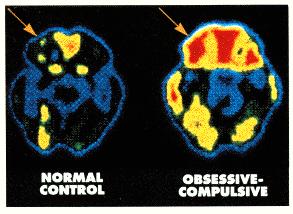
    OCD is like having a huge nasty bully in your headPET scan shows hyperactivity in OCD but Obsessive Compulsive Disorder Treatments change the game.

    …that no one else can see

    In Macie’s case, she knows in the back of her mind that the fears she has aren’t real…but logically knowing it doesn’t ease her distress. Because this is not a logical problem. It’s rooted in anxiety that doesn’t go away. Anxiety she doesn’t understand, and can’t explain away. So she continues with her routines as if they’re just part of everyday life.  Every day. 

    For her…they actually are.

    In many cases, someone with OCD doesn’t seek treatment until they’re fired from their job or lose a relationship with someone who ran out of patience. When sorrow mounts that’s caused by their OCD behaviors, they get ready to seek help.

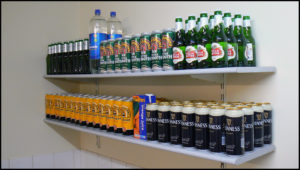
    Obsessively ordered bottles on shelf so he should know that Obsessive Compulsive Disorder Treatments Change the Game.

    Is OCD common?

    About 1.2% of adults suffers from OCD, which can begin in childhood, adolescence, or adulthood. If you have parents or close family members with OCD, the risk of developing it is higher for you. 

    Also, if you have another psychiatric disorder, that also may increase your risk of developing this one, too.

    And then there’s trauma. When a terrifying or profoundly distressing experience presents itself, it draws a reaction from you. Your reaction may be fear of it happening again, or disgust at the thought of it, or some other disturbing feeling. For some people after an experience like this, a pattern of coping goes into play. To keep the thought of it out of your mind, you do something that’s reassuring or distracting. The disturbing thought is often connected to the repetitive action.

    • Fear of sickness from germs or chemicals => may result in feeling driven to clean incessantly,  repetitively washing and washing your hands…even being afraid to touch people or objects others have touched.
    • Fear of an intruder => may result in repetitive cycles of door locking and re-locking
    • Fear of hitting someone with the car => may trigger the need to back up at stop signs, or pull off the road to check, or call the local hospitals 

    The point is that these distressing thoughts can compel the person who’s suffering to perform certain rituals, and those rituals can interfere with normal functioning in a productive life. In fact, they can be debilitating.

    Is there treatment? 

    Yes, there are medications that bring relief in some cases. But of the patients who take medications, 40-60% receive partial relief or none at all. There are therapies like CBT and exposure therapy that sometimes help to ease the disturbing and intrusive thoughts, as well as the compulsions. But these treatments leave only about 10% of people with OCD successfully treated.

    Which calls for innovative treatments.

    Obsessive Compulsive Disorder Treatments

    For this reason, we offer other options, like Transcranial Magnetic Stimulation, for patients who haven’t experienced relief from Obsessive Compulsive Disorder through medication and therapy. TMS is not systemic, so there are none of the side effects like you may experience with antidepressants.

    IV Ketamine also shows great promise and success in treating OCD. Like TMS, IV Ketamine is a treatment that targets brain structures to bring relief to OCD symptoms.

    Obsessive Compulsive Disorder treatments change the game.

    We can learn more about what you need to feel better… LIVE better….through a thorough psychiatric evaluation. If Woman lounges in pool free of OCD after obsessive compulsive disorder treatments change the game for her.you’ve suffered with the harrowing symptoms of OCD and have not experienced relief from the medications you’re taking, let us help match you to the solution best suited to you.

    Helping you to find the life you ache to live is our highest, never-ending goal. Let’s join forces to find your solutions.

    To the emerging of your best self,

    Lori Calabrese, M.D.

    Lori Calabrese, MD offers innovative psychiatric treatment like IV Ketamine

  • Could Ketamine Help Cure Depression?

    Could Ketamine Help Cure Depression?

error: Content is protected !!