Blog

  • No. 7 Medical Innovation for 2017: Ketamine for Treatment-Resistant Depression (Video)

    No. 7 Medical Innovation for 2017: Ketamine for Treatment-Resistant Depression (Video)

    Hope and Fast Treatment for the Severely Depressed.

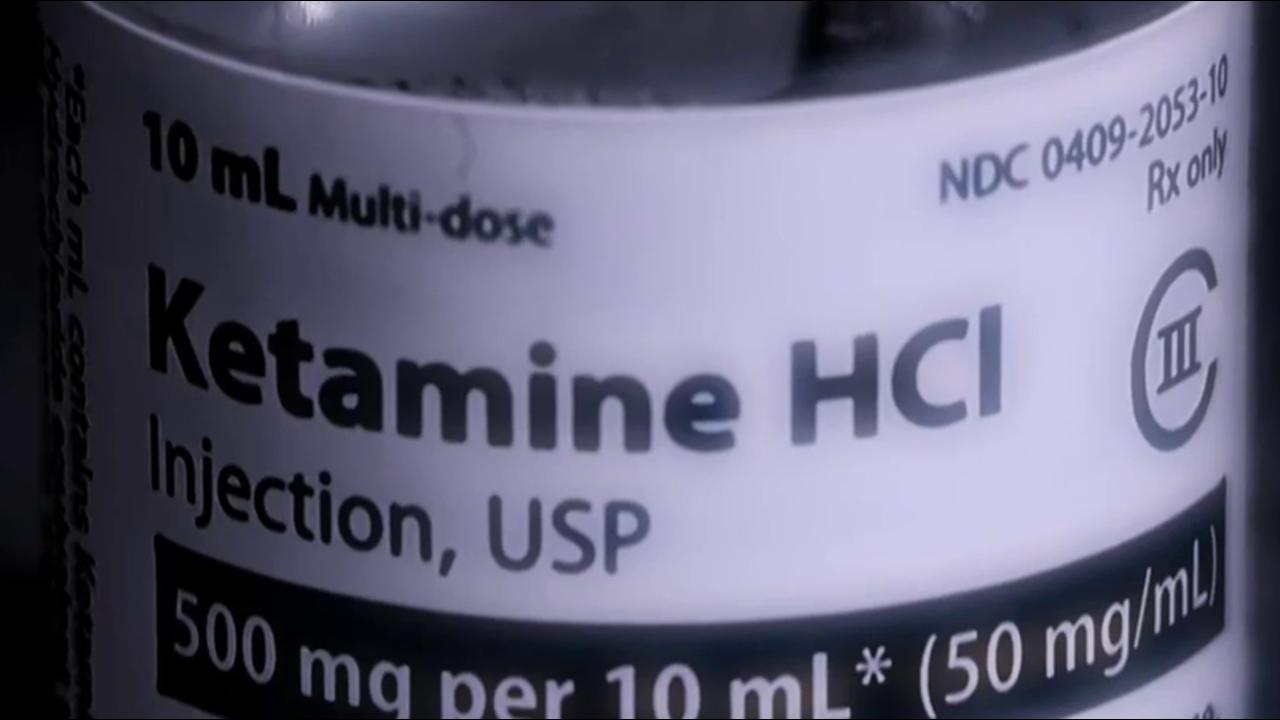
    For one-third of U.S. patients with depression, standard medications aren’t enough. With nearly 43,000 suicides a year, the need for effective treatment looms large. In 2013, ketamine, a drug commonly used for anesthesia, was studied for its ability to inhibit nerve cells’ N-methyl-D-aspartate (NMDA) receptors. Within 24 hours of receiving ketamine, 70 percent of patients with treatment-resistant depression saw an improvement in symptoms.Cleveland Clinic experts predict that 2017 will be the year that NMDA-receptor-targeting medications become widely available.

    In this video, learn why ketamine for treatment-resistant depression is one of Cleveland Clinic’s top 10 medical innovations for 2017.

    [Read the Original Article]
  • Mom’s Nurturing: Your Cooing Nourishes Newborn Neuron Growth

    Mom’s Nurturing: Your Cooing Nourishes Newborn Neuron Growth

    Mom's closeness to baby nourishes newborn neuron growth.

    Mother’s Week

    Did you enjoy Mother’s Day?  Maybe you celebrated the day, or maybe it was a weekend whirlwind, but I’m hoping the people in your world have been celebrating the moms they love and appreciate all week long!

    If you’re a mom, you know what  mean. No gesture is too small. But even if you’re not a mom, I hope you’ve been celebrating and enjoying the moms around you. You know why…?  Because showing appreciation enhances your own life, as much as it does the one you appreciate.

    Mother’s Love

    Now then . . . if you’re a new mom, I’m going to take a wild guess and assume you’re pretty exhausted. But in spite of it, I hope you’re peeking through your bleary eyes and feeling enthralled at the wonder that is your precious newborn.

    She has your nose, you can see that. And maybe her daddy’s chin?  Her hands are a new version of your mom’s…and her ears…well, they look like your brother-in-law’s, but in the tiniest, sweetest form… The more you study her sweet little face, the more you fall in love with her.

    You want to do everything you can to make her life wonderful, warm, secure, and full of love. You want her to have the best nutrition so she can grow and develop to her best potential.  You’ve looked for the safest car seat, the best pediatrician, the softest fabric books, the smartest toys already, right?  

    There’s so much to think about.  SO much to worry about.

    Do you get a pang sometimes, feel inadequate to be the mom she needs you to be? Even wonder if you can live up to her needs as she grows…?  It’s completely natural to second guess yourself, in fact, most mothers do at some point. And to sometimes judge yourself harshly — too harshly — as if there were a thousand ways that you’re too poor or too busy or too scatter-brained to be the mom your baby needs you to be.

    Oh Mama, we gotta talk.

    Good news . . . for good moms

    Here’s the good news.Mom plays and hugs baby because nourishes newborn neuron growth.

    With all the things you want to provide her…the best nutrition, the best opportunities, best schools, best tutoring, best tennis coaching, best, best, best…there’s something you’re already doing that’s such a huge benefit to her, so life changing . . . and it’s almost effortless.

    Something that makes all the difference in her future. And you don’t need more money or more time or more focus to do it. It happens when you hold her, carry her, feed her . . . just spend time with her . . .

    It’s your presence that’s worth gold to her.

    Mom’s presence nourishes newborn neuron growth

    You see…Your PRESENCE is actually helping her get smarter.  Can you imagine such a thing?  When she’s with you, snuggled in bed nursing, or in her stroller on a walk to the park, or in her papoose carrier on your chest or back…your presence stimulates the growth of brain cells…it actually speeds up production, and sparks connections, and makes her little brain so much more powerful.

    Isn’t that just thrilling? No one can do for her what you do. Your nurturing nourishes neuron growth in your baby. Stimulates her brain to make more connections through brain cells.

    In fact, there’s scientific research that proves it.

    Neuroscientists at NYU have made some startling discoveries. It turns out a mom who’s engaged and nurturing her infant can apparently have a remarkable effect on her baby’s brain development.

    The study showed that when the baby is in mom’s presence, the signaling production of brain cells, or neurons, in her baby’s brain increases remarkably. 

    When they’re separated, the brain activity becomes erratic, and brain cell production slows down to a crawl. How about that?

    So, apparently mom’s nurturing presence helps regulate and control electrical signaling in a positive way that nourishes newborn neuron growth.  Isn’t that wonderful? 

    Mom's coos nourishes newborn neuron growth.Your cooing helps her build her language

    So…when you’re with your infant, stimulating those neurons to grow and flourish…just by being there… what do you do with her, besides feed her and change her diapers?

    Well, that comes pretty naturally, too. 

    You pick her up and cuddle her, or lift her in the air…kiss her face… and make happy, loving noises…

    Bet you talk to her all the time, right? Make cooing sounds? Repeat her noises with your own?

    So… why do you do that . . . do you know?

    I mean, she can’t talk back, right? She doesn’t talk yet, does she?  Or rather, she doesn’t seem to. So why do you talk to her…?  And what is that irrational feeling you have that she is actually listening…?  Responding…?

    Well, it’s not irrational. And here’s why.

    Your maternal intuition tells you to coo to your baby… to mimic her noises and joy … and when you do, you’re helping her build language.

    University of Washington study shows the link between cooing and language

    A team of researchers at the University of Washington studied the sounds we make to our babies and how it affects them. They labeled the sounds we make “motherese”… all those goos and gaas that are annoying to non-parents (who just don’t get it) but are such a delight to your baby.

    And the beauty is, they’re a vital part of the learning process for your baby to build language. So your presence is helping her rapidly develop more brain cells to learn with, and your baby sounds help her to put together the puzzle of language.

    No matter who you are, no matter where you’re from, no matter what language you speak, if you have a baby, you intuitively know how to slip into a secret language that babies understand.

    When you make exaggerated, clear vocal sounds to your baby, it helps her distinguish language from other sounds. This study found that by the time a baby reaches 7 months of age, she can tell the difference between language sounds and other sounds. And by 11 months, she can tell the difference between her native language and other languages.

    She’s an amazing baby. 

    Follow your instincts by cuddling and cooing

    There’s lots more to talk about here, about the parental and baby sounds and the role they play in building language, but the point is, you don’t have to worry about expensive clothes, Mom's presence nourishes newborn neuron growth.fancy schools, and exclusive camps. In fact, this is one place where no worries is a blessed relief.  By just being there, holding and nuzzling your baby, feeding and changing her, and cooing and talking with her back and forth, you’re giving her an excellent start in life…

    …by building her neuron development, her capacity to learn, and her ability to develop the power to speak with language that others can understand.

    Just by being a loving mom.  How incredible.

    I’m a mom, too. A mother of four, and I, too, want to celebrate all the wonderful moms who simply love spending time with their children. And who by doing so, are giving them a great start on their own journey in life.

    We at Innovative Psychiatry honor moms everywhere this week, and every week.

    If you’re a mom, or a dad, and struggle with emotions that interfere with your desire or ability to be the kind of mom or dad you want to be, please get in touch with us for a consultation. Sometimes things go differently than we expected. And when that happens, we need support. And hope.

    Don’t give up on finding your best self,

    Lori Calabrese, M.D.

    Lori Calabrese, MD offers innovative psychiatric treatment like IV Ketamine

  • Straight Talk about Narcissism

    Straight Talk about Narcissism

    The guy you never expect has NPD till you read straight talk about narcissism.How is it that he is just so full of himself? Why is it that everything is always all about her? There’s so much self-absorption these days that it’s dizzying. Seems like experts — on just about everything — surround us.   People who know it all, get it right, and never think twice about what they leave in their wake. They are legends in their own minds.

    They’re narcissists.

    And they’re everywhere.

    We need some straight talk about narcissism.

    The Tale of Narcissus

    You’ve heard the story, right?  The Greek myth about the gorgeous young hunter who was mesmerized by his own image when he saw it reflected in a pool of water.  So focused on getting what he wanted, and grabbing that image, that he stopped at nothing. To the point of exhaustion.  To his own end.

    This was a guy who thought he should have had it all.

    Narcissus lived for himself, for his enjoyment, and for his own success. He gave to no one, and loved no one. Not even the lovely nymphs who did everything to seduce him. They needed him more than he needed them.

    But for every narcissist, there comes a moment of crisis

    It comes when they’re confronted with their own need.

    For Narcissus, it came at the moment that he reached out for his own reflection in a pool and it dissolved.  No matter how hard he tried, it slipped out of his grasp.  He couldn’t believe he couldn’t get what he wanted … to the point that he wouldn’t stop til he keeled over in exhaustion.

    His need just killed him.Haughty attitude - this woman needs straight talk about narcissism.

    Talk about being out of balance…

    Narcissists are always out of balance.

    But wait a minute.

    What are we really talking about when we say narcissist? It’s all over the media these days. Is it someone who does something here and there that is sort of narcissistic — something a little selfish … or a little overblown (just a little) … or maybe something that shows little regard for other people’s feelings or needs?  Or is it someone who has Narcissistic Personality Disorder?

    Because they just aren’t the same thing at all.

    What is Narcissism Anyway?

    Narcissism is a character trait — one of many — and the actions or behaviors that display that trait are called narcissistic.  If your ex is full of himself, constantly needs stroking, and doesn’t seem to care about you or what you need … it’s a good thing that he’s your ex.

    If you’re healthy and well-rounded, you have a variety of traits that make up you. And you can’t help but display them in your everyday life. You can be careful, conscientious, generous, kind.  Flirty maybe, impulsive … indecisive. Just plain lovable. Flexible. Compassionate. You’re 360.

    And so if you sometimes do something and need an atta-boy,  if you’re thrilled with a win, or sometimes a little too delighted with yourself … we forgive you.  So you have a narcissistic moment … a moment when an action (here and there) in someone who is otherwise well-rounded and delightful may seem selfish and self-promoting. We all have these moments.  

    Narcissistic Personality Disorder

    But some people have not moments, but days, weeks, months, and years, where this pattern is their prime modus operandi. Where narcissism is all they show. Where there’s no 360. There’s only 1.  No matter what the setting, no matter who gets hurt, no matter how ridiculous . . . no matter if the formula (grandiosity + manipulation + lack of empathy) becomes so overused in so many inappropriate ways that what used to work just stops working for them. 

    Often to the point that they become completely enmeshed in a pathological tangle of self-promotion, insecurity, and disregard for others.

    Know anyone like that?

    A study of a large population conducted in 2009 determined what size segment of the US population might suffer from Narcissistic Personality Disorder. The conclusion was that approximately 6% demonstrate full criteria for this disorder, but many more struggle with the load of these symptoms without fully exhibiting all the diagnostic criteria.

    People with full-blown Narcissistic Personality Disorder can be very difficult to deal with at times. They may come across as “know-it-all’s” or A disinterested man makes you feel you're interrupting, so you need to read straight talk about narcissism.behave with such off-putting superiority that you’re left crushed, seething, or wanting to run screaming in the other direction.  

    Straight Talk About Narcissism

    But, the surprising truth is that people with this disorder use these symptoms to shield their own crippling and painful shame and insecurity. It’s not at all easy to see that underneath because the force of their outward personality can be so overbearing.

    And keep in mind, when I say they “use” these symptoms, it’s not a conscious action or habit. Their painful shame is so deep-seated, they’ve subconsciously developed these outward behaviors to protect themselves from the pain … and they don’t even realize it. About 50-75% of them are men.  

    Big thick wall. Itty-bitty little person inside. 

    I bet you know one. Let’s call him Brett.

    • He probably likes to be the center of attention. Brett’s driven to talk about himself and typically over-embellishes and exaggerates his accomplishments. It’s like little white lies are woven into the fabric of every story he tells about himself. He’s always painting himself as the best, the most popular, the most successful, the most trusted of anyone in the story.
    • Brett may be a little too quick to offer advice, when you didn’t even ask for it. He shows himself as pretty much being “in the know” about just about anything. He may talk about himself and his “insider” knowledge to appear more sophisticated than you are… or than anyone else. In doing that, it shores up his over-inflated ego (which is necessary for his survival) — but makes others feel inferior.This man is mad that he's having to wait, and should hear straight talk about narcissism.
    • Brett is offended if he’s not given preferential treatment in just about every circumstance. He detests waiting in line, is infuriated if his beer glass isn’t thoroughly frosted in a restaurant, and as far as he’s concerned, every waiter is slow and lazy. No matter what his need, Brett demands it be met instantly. His ambition skyrockets, he expects everything to revolve around him, and he lives with an undying sense of entitlement throughout his life.
    • Some people dream of accomplishing great things, and enthusiastically work like crazy to accomplish their dreams. Brett feels it’s his destiny. He believes he’s just better than others, and prefers to socialize and do business only with those he considers among the elite. It’s clear to him that he’s naturally more special, and as part of the elite class he interacts with, he deserves only the best. This grandiosity is a classic symptom of narcissists, and so is his habit to belittle those who don’t have the status symbols he has.
    • He has a knack for making certain people feel important — when it suits his agenda. His relationships advance quickly, and romance is an intoxicating whirlwind. The trouble is, this lavishing of compliments and charm has a hidden flip-side. Once Brett’s won your loyalty, the criticism begins, and he expects you to keep him on a pedestal that you reinforce daily. If you criticize or question him, you’ll get tossed out like yesterday’s garbage. Or fired.
    • Competitive sports are fun for most people, but for Brett the competitive drive exists to prove his dominance. He MUST win. He must show he’s superior. By the same token, this profound sense of competition makes it so hard for him to share in a loved one’s success. His loved one’s beautiful home, nice car, or triumph at work is hard for him to applaud because it threatens his own dominance.
    • For Brett, holding a grudge is his knee jerk reaction to any perceived insult or oversight … and that grudge puts the offender on the garbage heap of eternal contempt. Sadly, because of his deep insecurity and feelings of shame, the infraction can be as simple as someone not noticing his presence and saying hello. The term, “wearing their feelings on their cuff” is a constant for these individuals, and their reactions to those around them can result in their being held at bay socially, leaving them lonely.
    • And there’s more than holding a grudge. As for himself, Brett doesn’t accept responsibility for a mistake. If you know someone like this, you probably have learned that anything that goes wrong is blamed on someone else who was “stupid” or a “poor excuse of a…”  doctor, CPA, wife, husband…whatever… just fill in the blank. Their own shaky sense of self can’t bear the burden of an admitted failure, so being wrong about anything slides off people like Brett like butter off hot teflon.
    • Along the same line, Brett’s feelings are fragile. He’s easily hurt, and can’t bear feeling rejected. Rejection is terrible for most people, but for Brett, it proves that he’s as worthless as he secretly believes he is. So his reaction to perceived rejection is likely extreme, and possibly even violent. It’s just too much for him to bear.
    • Young woman woos elderly wealthy man to use him... straight talk about narcissism.One last hallmark of Brett’s disorder is that he uses people as needed for his purposes. Since he views everything from the perspective of how it affects him or has meaning for him, it’s easy for him to miss how he takes advantage of others. Brett is unable to put himself in the shoes of another…to feel that person’s emotions or discomfort. So he’s unable to feel what he’s done to to someone else — but at the same time he expects everyone to feel and be at the ready to remedy his own situation. Beyond that, any obstacle in his way to getting what he wants has to be remove…through manipulation or bullying…whatever it takes.

    It’s easy to see why someone with this disorder might have difficulty building satisfying relationships. If you’ve grown up with or lived with someone who sounds like Brett, you may benefit from therapy, too. The atmosphere and dynamics for anyone who’s grown up with, or lives with, or works with a narcissist is often confusing and may feel abusive. It’s a complicated tangle, and you may need your own support to unravel it.

    To the emerging and healing of your best self,

    Lori Calabrese, M.D.

    Lori Calabrese, MD offers innovative psychiatric treatment like IV Ketamine

  • Does Your Teen Exhibit Signs of Bipolar Disorder?

    Does Your Teen Exhibit Signs of Bipolar Disorder?

    Teen playing in surf after treatment because teen exhibit signs of bipolar disorder.Can You See It?

    Teenagers can be so unbelievably moody.  Well … a far more palatable word for it is reactive. 

    Overreactive (like yelling that brings the house down), intensely reactive (meltdowns that go on for hours, leave a hole in the drywall, or tear the room apart), egregiously reactive (with threats to jump off the roof, open a vein, down some pills), and . . . insufferably nonplussed. Apathetic. Unmotivated. Just downright bored.  

    Is this what kids are like now? Is this what your kid is like?  (or Is this what you were like?)  Is this what everybody else’s kid is like?

    How do you know if what you’re seeing at home falls within the norm . . . or points to something bigger?  

    Like bipolar disorder.  Does your teen exhibit signs of bipolar disorder? Signs that should point you in the direction of help.  How can you tell the difference between adolescent drama and an agitated mania or mixed episode?

    If you’ve never seen it before, how will you know?

    Bipolar disorder isn’t diagnosed on the basis of a single symptom.  Or a single episode of rage.  Or an impulsive (regretful) moment.

    Not ever.

    But if you wonder about the changes you’ve seen in your teen’s behavior and state of mind — and what parent doesn’t wonder what’s normal anymore? — then sit up straight, because this is probably the most important reading you will ever do.  It could save her life. 

    At first, it isn’t that easy to differentiate between a teen who’s reacting to frustration and a teen experiencing a bipolar manic episode.

    This distraught teen exhibits signs of bipolar disorder.

    Both are intense.

    But are unpleasant.

    And helping a teen grow up through the volatile reactions of adolescence, the moments of intimidation from challenging responsibilities, the sorrow of a spurned young love … can seem to mimic parenting a teen through bipolar disorder.

    However, they bear no resemblance, as surprising at that sounds.

    But if you’re the parent, how do you know?

    Does Your Teen Exhibit Signs of Bipolar Disorder?

    There are specific symptoms of bipolar disorder that go beyond your teen’s angry outburst. Symptoms that together paint a picture of an overall debilitating condition.

    To make it easier to put this picture together… to see if there are symptoms compelling enough for your child to be evaluated by a psychiatrist … there are some helpful and well-known mnemonics that can help you know what to look for. (A mnemonic is just a way to remember something that’s really important.) 

    First, the manic symptoms to watch for… DIG FAST.

    There’s just about nothing else that can dig you into a hole faster than being a little, or a lot, manic. That means having intensely happy, angry or wildly swinging moods with several of the following at the same time:

    Distractibility —

    jumping from one thing to another to another, without getting anything done, and just leaving a mess

    Injudiciousness —

    poor judgement with reckless behavior

    Grandiosity —

    that can start with feeling that you are just surrounded by idiots, that nobody really gets you or your vision, and it gets worse from there

    Fast thoughts —

    thoughts that fly through your head so fast it’s dizzying, sometimes with speech so fast it’s hard to interrupt

    Appetite for risk —

    fun, food, alcohol, gambling, drugs, sex, spending — it seems like whatever you do, you want more of, and risks you might never take are now opportunities you can’t wait to jump right into

    Sleep needs diminish —

    you can get by with very little sleep over days or weeks

    Thoughts become increasingly disorganized —

    and you can become hard to follow

    Next, the depression symptoms that emerge in very low and incredibly empty states…SIG:E CAPS

    Sleep changes:

    with difficulty falling asleep or staying asleep, waking up too early, or wanting to sleep all day — or a mix of these

    Interest loss:

    loss of interest in things that used to interest you

    Guilt /worthlessness:

    brooding about all the mistakes you’ve made, how you’ve messed up, feeling ashamed of yourself, feeling worthless

    Energy loss:

    lack of energy, fatigue, listlessness

    Cognition / Concentration:

    poor concentration, cloudy thinking, inability to make decisions, forgetfulness

    Teen exhibits signs of bipolar disorder.

    Appetite loss:

    a loss of appetite for life, pleasure, food, and the things you used to enjoy

    Psychomotor changes:

    variable agitation when anxiety is high, or just dragging when lethargy is pervasive

    Suicidal/death preoccupation

    passive thoughts of death as a relief, intrusive thoughts of killing yourself, deliberate planning for suicide, impulsive suicide attempts

    If you’re wondering what SIG:E CAPS means, it comes from the prescription pad your doctor uses. The term SIG: is printed on the pad and that’s where he writes the directions for taking the prescription.

    It stands for a Latin word, signetur, which means “write on the label.” Since lethargy, or loss of energy, is such a strong symptom in the diagnosis of depression, E stands for energy, or the need to write a prescription for Energy in the form of an antidepressant. And CAPS refers to those capsules that will help the patient feel better.  We used to think that antidepressants could be energy capsules — or should be energy capsules — and although we’re more sophisticated in our thinking of what antidepressants do and how they act, SIG: E CAPS sticks.

    Sort of silly, isn’t it?  But like all mnemonics, using relevant letters like this helps us, and the patient, remember the most prominent symptoms of depression and the depression in bipolar disorder.

    So, does your teen exhibit signs that could indicate bipolar disorder? These tools, DIG FAST and SIG:E CAPS will give you a starting place to examine your teen’s frame of mind and behavior. And the earlier this potentially devastating illness is diagnosed, the earlier treatment can begin, and the more likely your son or daughter can feel better, function better, and live a more rewarding life.

    Of course, psychiatric diagnosis and formulation is much more complex than simple observation, tallying checklists or counting up checkboxes. There’s a host of other symptoms, syndromes, disorders, developmental issues, and character traits that make teasing this apart an art as well as a science. That’s where we come in.

    The Danger of Untreated Bipolar Disorder

    Here’s something else to consider. When an adult over 30 is diagnosed with depression, they often have a frame of reference as to what life can be like. They have a compass, so to speak, from their memories of happier, healthier times.

    On the other hand, when young teens are diagnosed, they quickly lose sight of happier times, of what it’s like to feel good. To be fully functional. That shortened perspective can be so dangerous as it feeds their despondency, and suffocates their hope when asking themselves, “why live?”

    The pressure to find rapid and effective treatments for depression in teenagers continues to rise. Pressure to reduce the negative changes in their brains that will impact who they become as they mature. And also, the pressure to find treatments to ease the hopelessness during the years when impulsivity is strong, and most dangerous.

    IV Ketamine for Teen Depression

    One study at the University of Minnesota is currently accepting candidates to test the effectiveness of ketamine in adolescents who’ve suffered from treatment-resistant depression. The 3-year study began in 2014, and takes a look at the neurobiological mechanisms that make ketamine work — at an age where getting well can change the whole trajectory of your life for the better.

    This is extraordinary.

    They’re studying teens and how low doses of ketamine affect their depression. Change the course of their lives.  Save their lives.Teen girl can enjoy the beauty and quiet peace of a quiet evening because of IV ketamine

    So it’s exciting to think that IV ketamine for unipolar and bipolar depression doesn’t have to be reserved just for adults.

    The study will be completed this year, so conclusions are pending. But we’re hoping the conclusions will reveal ketamine is an effective drug that provides fast, safe relief for treatment-resistant depression and bipolar disorder, as well as other mood disorders in teenagers, too.

    This is critically important because for many people who suffer with unipolar and bipolar depression, their symptoms began during adolescence … somewhere between the ages of 12 and 20.

    Suicide-Driven Thinking

    What’s more, during the teen years, the outcomes of serious major depressive disorder or bipolar depression can be devastating … even deadly. Suicidal ideation is sometimes the only trigger needed for a teen to make an irreversible decision.

    And here’s why.

    During the years before the prefrontal cortex has completed its development – usually in the mid-twenties – the risk of impulsive Manic girl fights with friend so this teen exhibits signs of bipolar disorder.reactions to emotional pain are very high.

    So to find a way to stop the suicidal drive that causes so many lives to be cut short is simply but profoundly life-saving.

    And IV ketamine’s specialty is to erase suicidal thinking and hopelessness … fast. We’re talking in less than 4 hours.

    There’s more to be learned about treating adolescents with IV ketamine.

    But consider this. With everything that teens face in terms of the risk of life-long depression or bipolar disorder, as well as their elevated risk of acting on suicidal impulses, the sooner we aggressively study and support widespread adolescent treatment, the better.

    Ok, that was a mouthful. I’m just saying that we need dramatically improved treatments for depressed teens and those with bipolar disorder. Their developing brains make rash decisions at times. Their susceptibility to treatment is at its peak when they’re young. And their risk of suicide makes this a terribly urgent need.

    Meanwhile, we continue to seek every possible  treatment to achieve the greatest possible relief for our adolescent and adult patients at Innovative Psychiatry. We evaluate each patient with a proverbial “fine tooth comb” to design the most effective and customized treatment possible.

    Contact us for an appointment so we can learn more about you and provide the help so you, or your teen, can be restored to your very best self.

    When you’re at ease, balanced, and resilient, you can perform at your best, love at your best, and achieve at your best. In short, you can enjoy your life and look forward to your future. What a beautiful thing.

    To the restoration of your best self,

    Lori Calabrese, M.D.

    Lori Calabrese, MD offers innovative psychiatric treatment like IV Ketamine

  • Bipolar Disorder in Teens: Early Treatment Leads to Better Outcomes

    Bipolar Disorder in Teens: Early Treatment Leads to Better Outcomes

    Teen girl loves her grandmother shows that when bipolar disorder in teens: Early treatment leads to better outcomes.Don’t you just hate it?

    Hate the drudgery and pain of fighting an illness that doesn’t respond to treatment?

    Granted, there are some illnesses that you can find remedies for, and recover.

    Maybe a steroid injection, or an antibiotic, and you start noticing improvement in a couple of days.

    But not all disorders are like that, unfortunately. You know what I’m talking about . . .

    Sometimes It’s Hard to Get Better

    Some are much harder to fight, more complicated to treat, and the prognosis is less predictable.

    Like cancer, for instance. Or multiple sclerosis … or Lou Gehrig’s disease. Some respond better to treatment than others, and some illnesses make recovery almost impossible.

    If you have bipolar disorder, you may have noticed that the longer you have it, the less you seem to improve.

    Long term treatment failed for this lady because bipolar disorder in teens early treatment leads to better outcomes.The older you get … the longer you’ve been treated. And the more medications you’ve tried, the more the symptoms seem to get worse.

    Now that’s not the case for everyone. Some people see a psychiatrist for the baffling mania they’ve experienced. They can get on a schedule, take their meds, follow their prescribed lifestyle plan, and they feel better and better.

    But not all.

    Some spend all their savings seeking treatment, following their doctor’s advice, getting help from family members to keep medications on schedule … And years go by without improvement. Symptoms swing more and more out of control. And work performance deteriorates, becoming almost impossible. Family relationships become more strained… if not broken.

    Why is that?

    Bipolar Disorder Can Become Treatment-Resistant Over Time

    A certain group of psychologists and neuroscientists wanted to know the answer. So they pulled together a pile of 8 papers and 2 more meta-analyses, which involved 8942 patients.

    If meta-analysis is a new term to you, here’s a short explanation. When researchers do a meta-analysis, they combine the information from a number of different studies to see what the consistent outcomes are — despite all of the differences across the studies.

    So you can try to imagine how many studies had to be used, and how many different factors had to be analyzed, to learn about the experiences of these almost 9000 patients.

    Five of the studies compared the first manic episode with those that followed. The others compared those with fewer episodes and those who had more of them. The result of all this . . . ?Teen mania episode needs treatment now because bipolar disorder in teens: early treatment leads to better outcomes.

    Those who received psychotherapy and/or medications at the earliest stages of the illness had the best outcomes across the board. Best outcomes in terms of symptom severity, social function, relapse, remission, and employment.

    The take home message is . . . the sooner you are treated after your first manic episode, the sooner you feel better, are able to manage your symptoms, and continue with a rewarding life.

    On the other hand, the more you cycle, the further you advance into later stages of this illness, the less effective your therapy and medication treatment become. So … the more likely you are to experience more cycling and more impairment … and the less likely you are be able to function in a job or support yourself.

    And there’s more . . .

    Bipolar Disorder in Teens: Early Treatment Leads to Better Outcomes

    Another study in Bethesda, Maryland, scrutinized patients at the date of entry into their network, the Bipolar Collaborative Network, to determine whether their date of entry was associated with early onset of the disease. They determined that those who entered the network at a younger age were more likely to have had an early onset of the disease as opposed to those who entered the network at an older age. And those who entered at an older age were less likely to have people with the disease in their family.

    They also found that those who developed manic symptoms at younger ages were more likely to have parents or grandparents with bipolar disorder.

    So, this all comes down to a major conclusion:

    Outraged teen from manic episode needs treatment now because bipolar disorder teens early treatment leads to better outcomes.

    Since bipolar disorder needs to be identified, diagnosed, and treated quickly after onset, it’s important for family members to recognize the symptoms to help your loved one seek and receive treatment…as soon as possible.

    To that end, here are some symptoms of mania to watch for:

    There is almost nothing else in psychiatry which can develop so quickly and be so devastating. Manic symptoms, or mildly-manic symptoms, which we call hypomania, can dig you into a hole fast. So we teach our patients and their families to look for symptoms that occur at the same time that they are developing marked mood swings, or an elevated or irritable mood:

    • episodes of high energy, excessive happiness, or irritability
    • feelings of excessively high self-esteem, or super powers
    • a diminished need for sleep … being able to go for days with little or not sleep
    • increased talking at a fast rate of speed, with such pressure that you cannot be interrupted
    • easily distracted from one subject to another
    • fast stream of ideas and thoughts
    • taking great risks time and again, such as substance abuse, unprotected sex, and reckless driving

    In addition, there are depressive symptoms to watch for:

    • low, depressed mood
    • diminished enjoyment in favorite activities
    • low energy level and fatigue
    • major changes in sleep patterns … such as sleeping too much, or inability to fall asleep
    • inability to concentrate
    • feeling “bored”
    • diminished appetite, loss of weight, or sudden weight gain
    • complaints of stomach aches or headaches
    • thoughts of death or suicide

    Some of these symptoms can be also be seen in children or teens with other psychiatric disorders. But if the teen has a parent who has bipolar disorder, it’s critical to evaluate for that.

    But know this: bipolar disorder isn’t easily diagnosed. It’s not uncommon for a child or teen with bipolar disorder to be diagnosed Teen boy received early treatment because bipolar disorder teens early treatment leads to better outcomes.with major depression or other psychiatric disorders before the bipolarity can be identified. It’s a complex illness that requires scrutiny and observation over time. Basically, the sooner the diagnosis can be determined, the sooner effective treatment can be initiated.

    By the same token, if you have bipolar disorder and were not treated early after your first manic episode, don’t despair.

    At Innovative Psychiatry, we specialize in “difficult-to-treat” disorders and are committed to search for the most effective treatment to help you rediscover your best self.

    Call us for an evaluation and let’s use the tools at our disposal to identify and find the most effective treatment for your specific needs.

    Because we believe in helping you discover your best self,

    Lori Calabrese, M.D.

    Lori Calabrese, MD offers innovative psychiatric treatment like IV Ketamine


  • IV Ketamine + Neuroplasticity = Relief, Relaxation, and Relishing Life

    IV Ketamine + Neuroplasticity = Relief, Relaxation, and Relishing Life

    Woman relishes a spring day after IV ketamine for her treatment resistant depression.I could use some of that.  We hear that all the time. Relief, relaxation and relishing your life can sound so far away … but it doesn’t have to be. As word gets out about IV ketamine treatment for depression and other psychiatric mood disorders, more and more studies are emerging.

    New information is surfacing about the effectiveness of this medication. And it’s inspiring more discussion, more research, and deeper understanding of the causes of depression.

    And there’s more.

    As evidence grows through research and clinical data, it seems clear that depression interferes with the neuroplasticity in the brain. Including diminished neurogenesis in the hippocampus and diminished synaptogenesis in the prefrontal cortex. In other words, depression messes with the growing neurons or brain cells and the synapses or connections that allow the neurons to communicate with each other.

    A big factor in this is that stress reduces an important growth factor called BDNF, or Brain Derived Neurotrophic Factor. Sort of a “compost” for neurons. Without BDNF, your neurons become tattered and sparse.

    They diminish in size and number … and thin out.

    When you’re depressed, these measly neurons with their poor synaptic connections just have a much tougher time communicating with each other … so there is less creative thought, if any. Well-being tanks. And your world becomes darker, less hopeful, and without future. It’s a bad place to be in.

    A brain that is well-connected is a brain that experiences creative thought and well-being. A brain in the dark is a depressed brain.

    IV Ketamine + Neuroplasticity

    Here’s where neuroplasticity comes in.  (Don’t let the word shut you down.)

    In this context, plasticity refers to the brain’s ability to change at any age … whether for better or for worse. So the term “neuroplasticity” refers to the ability of your neurons to adapt and remodel themselves. In the past 10 years or so, neuroscientists have come to understand that your brain is constantly remodeling itself throughout your life.  And when it remodels itself, it remodels its networks,  And because of that, it remodels how it works.

    So, to put it briefly, when you think dark and despairing thoughts, or angry and vindictive thoughts, day after day after month after year, this thinking actually reshapes and remodels your brain. It’s kind of shocking, really.

    The brain remodels itself.  Your brain remodels itself.

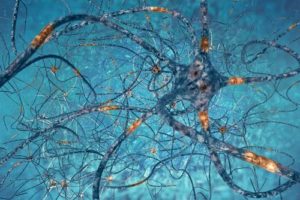
    This spectacular image of a neuron shows the rich prolific regeneration of neurons and synapses with IV ketamine + neuroplasticity.

    Dark, negative and hopeless thoughts have a detrimental impact on your brain’s structure and on how it functions. Your brain changes to fit your thought processes … to respond to your stressors.  By the same token, if you read inspiring and creative books, spend time with joyful people, and create joyful experiences, your brain can change over time for the better.

    The very structure of your neurons can change — in a lush way. Richly. For the better.  For your good.

    Wow.  

    This is where people say, “I want some of that.”

    Well, this is an oversimplification, of course.  It doesn’t account for all of the different factors, illnesses, and environmental influences that shape the way your neurons look and act — grow and function — but it IS an illustration of one way the brain can change. At any rate, It appears that one reason IV ketamine treatment is so effective for so many different psychiatric symptoms is because of the way it enhances neuroplasticity in the brain.

    Growing Your Brain Structure Garden

    For example, when you take the time to learn a new language as an adult, you’re putting parts of your brain to work that respond by growing to accommodate.

    A study of taxi drivers in London revealed that through the process of memorizing the streets of London to pass certification, that a specific structure in the brain enlarges to manage that information. The hippocampus is the memory center in the brain, and this study revealed that drivers who’d been driving taxis for decades had the largest hippocampi of the group.

    Just an example to show how the brain changes with the right type of stimulation.

    By the same token, the amygdala is the fear center in the brain, and it’s been studied extensively in childhood trauma, and in adult anxiety, depression, and bipolar disorder.  The newest research shows that the size of the amygdala can change rapidly in response to recent stressors — even in people who’ve never had any of the these conditions. The left amygdala was smaller in people who’d had a recent stressor — it didn’t even have to be longstanding or chronic. And the shrinkage was enough to be seen on an MRI.

    depressed man needs the relief from treatment with IV ketamine + neuroplasticity

    So here’s the point.

    Ketamine’s Rapid Action

    Ketamine acts rapidly in numerous ways, and its fast action is changing lives, as well as saving them. It stimulates changes in the brain that affect its structure and its function.

    One example is that it quickly matures new neurons so they’re functionally mature and doing their job within 2 hours. Traditional antidepressants just can’t do this.  As more neurons proliferate, mature, and migrate from the hippocampus into far-reaching brain regions, ketamine also stimulates the formation of more synapses, especially in the prefrontal cortex. The greater the communication throughout the brain, the better functioning the brain, and the greater the well-being of the individual.  You.

    The more synapses that are generated, the more neuroplasticity, or ability to change and grow, the brain will enjoy. And a growing, adapting brain provides a higher level of living and learning for you to experience. Plus a greater sense of joy and well-being.

    Let the Sunshine In

    It’s as if the proliferation of neurons – and the synaptic connections that empower them to communicate – opens doors and windows in the brain to let the light and fresh air in. This wonderful circulation of signaling gives the brain new thoughts, new hope, new relief.

    Basically, IV ketamine + neuroplasticity = relief, relaxation, and relishing your life.

    If you’d like to know more about innovative treatments for your psychiatric symptoms, please call for an appointment so we can evaluate what’s going on.

    Innovative Psychiatry is committed to help you find and develop your best self. Let’s work together.

    Joining forces with you to discover your best self,

    Lori Calabrese, M.D.

    Lori Calabrese, MD offers innovative psychiatric treatment like IV Ketamine

  • Ketamine Wannabe Drugs … of the Future

    Ketamine Wannabe Drugs … of the Future

    Ketamine mimicking drug brings peace to psychiatric mood disorder.Ever have somebody copy you?  You know, try to be like you? Imitate what you do, where you go?  try to get what you have? They wannabe like you. Well, maybe not just exactly like you — kind of like you and better than you all at the same time.

    It’s happening with ketamine.  

    We’ve been talking for awhile now about the breakthrough of low dose IV ketamine. In fact, everybody’s been talking about ketamine for treatment-resistant mood disorders. We’ve expounded on its effectiveness in relieving suicidal thinking, treatment-resistant depression, and other psychiatric disorders. Did you catch the discussion about which route is most effective and why we use it? Check it out here.

    You should know about all the ways it’s changing the horizon for psychiatric treatment. Like how it stops suicidal thinking within hours, rather than weeks. And how people who have lived with depression and despondency for years — no matter what medication they were taking — can feel depression just lift within hours. Maybe you’ve been there yourself, or you know someone who has. 

    But there’s more to talk about.

    The discovery of ketamine’s therapeutic effects on depression has opened doors to more revelations of the chemical sort.  Mechanisms of action.  Delivery systems. Ways of leveraging the funding of pharmaceutical companies to develop more versions of ketamine, maybe with the same or similar benefits, but without any side effects …

    Think of it like this:

    Ketamine wannabes want to “be like” ketamine and wannado like ketamine — except better, without side effects, for longer.

    But it turns out that’s easier said than done.

    Since ketamine is no longer under patent, it’s unlikely that a pharmaceutical company would be interested in investing the necessary funds to Heartbroken lady writes "help" on fogged glass and needs ketamine wannabe drug treatment.conduct extensive trials and research about its effectiveness to treat mood disorders at this stage … at least on ketamine specifically.  

    Or that a company would shell out time and money to study long-term response and remission rates, or long-term safety, for a well-known generic like ketamine — even if it is being used in a new way in new settings to treat new conditions. There just wouldn’t be the return on investment in the long term.

    However, by making changes in the molecules and targets that provide the therapeutic results for ketamine, new versions of the drug in the form of ketamine wannabe compounds that specifically target mood disorders are being designed and developed, and are in the race for FDA approval.

    Ketamine Wannabe Drugs

    So grab your chemistry lab goggles, and let’s explore some of these molecular discoveries among ketamine-wannabe molecules.

    Ketamine is a racemic compound — it has two parts that are mirror images of each other joined together like Siamese twins.  If we split it right down the middle where the mirror images join — presto! — we have two “new” drugs.  One faces right and the other faces left.  We call the left-facing one “S” or in the world of pharmaceuticals, “es–”  as in esketamine.  So it turns out in this case that changing the structure of ketamine slightly could give us the same benefit, hopefully fewer side effects, and easier use. In other cases, molecules like ketamine are coming down the pike that act on similar targets or in similar ways to help with depression without some of the potential side effects of ketamine.

    They both wannabe and don’t wannabe like ketamine.  They wannado better.

    Esketamine

    Esketamine has been approved in Europe for a decade and a half – specifically for anesthesia – and Janssen Pharmaceuticals has acquired a patent to utilize it in the US as an intranasal spray for treatment-resistant depression.

    Teenage depressed girl needs ketamine wannabe drug treatment for treatment resistant depression.The Food and Drug Administration has awarded “breakthrough” status to esketamine to zoom its advancement through to approval with less interference from various obstacles and the usual red tape that slows everything down.

    They plan to specify it for use it in a clinical setting (as opposed to at home) for the sake of controlling the dosage, as well as to prevent sale on the street.

    Rapastinel

    Another pharmaceutical company – Allergan in Dublin, Ireland – has designed a peptide in this same “ketamine-like” category. You may know that a peptide is a chain of amino acids bonded together in a specific way, and this one looks pretty effective as an adjunctive treatment in depression. It has characteristics like being fast-acting and long-lasting and it’s given as an IV infusion, like ketamine.

    Ketamine’s action with NMDA receptors is to block ion channel activity.  Here’s where rapastinel is different. It binds to the glycine site on the receptor and regulates or modulates it by changing the shape of that site.  Pretty cool.  The result is that rapastinel reportedly has a minimum of dissociative or out-of-body side effects that are sometimes experienced with IV ketamine infusions.

    Rapastinel is in Phase III trials in the US as an adjunctive treatment for major depressive disorder, and more trials are expected in Europe and Japan.  Soon, it’ll be ready for FDA approval for use in the clinical setting to treat depression.

    AV-101

    Still another pharmaceutical company in San Francisco is working to create a small molecule drug that possesses all the good traits of ketamine without its potential dissociative side effects: VistaGen Therapeutics.Young couple enjoys a picnic in the country after ketamine wannabe drug treatment for treatment resistant mood disorders.

    This molecule is one that’s back on the scene from over 30 years ago. At that time, it couldn’t cross the blood-brain barrier to do its work. And consequently, couldn’t impact the depressive symptoms a person was experiencing.

    But now, the molecule (which is considered to be a “pro-drug”) has been revamped and this current version does cross the blood brain barrier, And when it does, it’s metabolized from a pro-drug into an active drug that modulates a certain glycine binding site at the NMDA receptor — unlike ketamine and different from rapastinel.

    So while ketamine completely blocks certain NMDA receptor ion channels, AV-101 just sort of regulates the receptor gently…which seems to result in gentler side effects.

    A New Frontier – Ketamine and Ketamine Wannabe Drugs

    There are plenty more versions of modified “ketamine wannabe” molecules in the wings, developing to hopefully even replace ketamine at some point. Hoping to improve on ketamine’s action. Aspiring to lesser side effects. Working towards easier administration. We’ll just have to see how that goes.

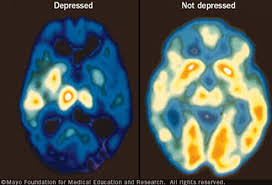
    Image shows the dramatic brightness of a brain lit up by ketamine wannabe drug treatment, and the darkness in the depressed brain without it.And one day this miraculous breakthrough medication – ketamine – may become obsolete like so many cornerstone discoveries of the past.

    But right now, boy are these exciting times!  We’re on the threshold of a brave new world in psychiatry. A world where people who’ve suffered without relief for years, even decades, can finally experience relief and build a fulfilling life.

    One last thought…

    All of the companies working with these small molecule drugs are investing in priceless research that’s opening more doors and windows of understanding –. which will, in turn, only increase the benefits for people who just haven’t responded to or tolerated anything else.

    For example, we know that ketamine, rapastinel, and AV-101 all work at the NMDA receptor site. So it’s been assumed that that action is the key to their effectiveness. However, when researchers blocked the AMPA  receptor, none of these drugs worked. I’ll say it again.  None.

    Which revealed that the AMPA receptor needs to be activated for the drugs to deliver their fast antidepressant, anti-suicidal results.

    And this revelation may lead to more breakthroughs for more who suffer … through ketamine wannabe drugs.

    We’re on this.  We stay up at night.  We watch closely to glean all we can from the research that’s exploding, so we can continue to provide the most up-to-date, cutting edge, Elderly couple enjoying life after ketamine wannabe drug treatment.fresh discoveries that neuroscience offers.  

    And…we’ll be here to help you find your best self.

    So call us, and let’s find the right innovative solution for you.

    To the emerging of your best self,

    Lori Calabrese, M.D.

    Lori Calabrese, MD offers innovative psychiatric treatment like IV Ketamine

  • IV Ketamine and Treatment-Resistant Mood Disorders

    IV Ketamine and Treatment-Resistant Mood Disorders

    This man feels good after treatment for PTSD because of IV ketamine and treatment-resistant mood disorders.

    IV Ketamine and Treatment-Resistant Mood Disorders

    After reading today about a beautiful young man – let’s call him Tom – whose life ended tragically at the crossroads of despair, I started thinking.

    Like many of my own patients, he had a wondrously warm and giving heart — and a compassionate heart the size of Montana for homeless animals.

    His talent for music generated moving, exquisite collections of melody and lyrics that stunned listeners with its charm.  

    Such sensitivity, such beauty for the world to enjoy.

    But his life ended far too soon, because he could find no relief for his illness.

    Bipolar disorder.

    Tragedy Without IV Ketamine

    I’ve treated many people with similar stories in my office.  I’ve offered the best that we had–medications, combinations, the latest research, the newest adjunctive treatment, supplements, recommendations for lifestyle changes, collaboration with the the best therapists in the area, resources, articles, support–everything I had.  I never stop trying.  But until a few years ago, we had little to offer those who didn’t respond to traditional treatment.  Or who were just sick of it.

    And that’s tragic. Really, really tragic. But more common than we can bear to think.

    It’s not just about bipolar disorder or treatment-resistant depression. We’re talking about postpartum depression, PTSD, and other psychiatric mood disorders.

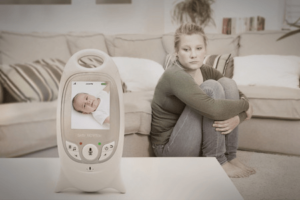
    Listless depressed mother is not responding to crying baby because of postpartum depression. Needs treatment with IV Ketamine and Treatment-Resistant Mood Disorders

    I thought about Jacie. Jacie wasn’t expecting to get pregnant when she did, but she was happy about it, and enjoyed the feelings of wonder about this tiny new person growing inside her.

    But around the time her second trimester began, she noticed her initial lilting emotions weren’t lilting anymore. In fact, she felt gray…dull…and couldn’t seem to relate to the idea of a baby.

    Once the baby was born, everything was a struggle. She felt angry, frustrated, and exhausted beyond belief. And guilty that she wasn’t enjoying this innocent baby girl. In desperation, she talked to her doctor honestly about how she had been feeling. And her fear she might do something to hurt herself or her child.

    He referred her to a psychiatrist he trusted, and she began seeing her. Her depression had gone on a long time — untreated.

    IV Ketamine and Treatment-Resistant Mood Disorders

    When depression comes during pregnancy, it can be so much worse than postpartum depression that begins after the baby is born … and so hard to treat. In Jacie’s case, her depression didn’t budge, and the persistence of it affected her relationship with her baby, and her marriage.

    She was surrounded with people who loved her. She was fortunate in that sense. But nothing seemed to ease the agitation and misery she endured. Or her self-hatred and guilt that she resented her baby and didn’t know how to change it, or feel better. To be the kind of mom her baby needed.

    Traditional antidepressants and psychotherapy just aren’t effective for some people.  If you’re one of them, or you know one of them, you know what I mean. Since depression is caused by a complexity of changes in the brain, there’s no simple solution.

    And in my musings, another man came to mind — Dan. He’d suffered with PTSD for over 15 years. War time trauma, loss of friends in combat and the powerlessness he felt to save or protect them; it all tormented him.

    He’d been told he should be “getting over this” by his friends and his family. Oh, they meant well. But they had no idea what they were saying. And suggestions like those didn’t help. Not at all. 

    He struggled just to get through the day … to have a relationship with his wife … to work at a job, to pay the bills.

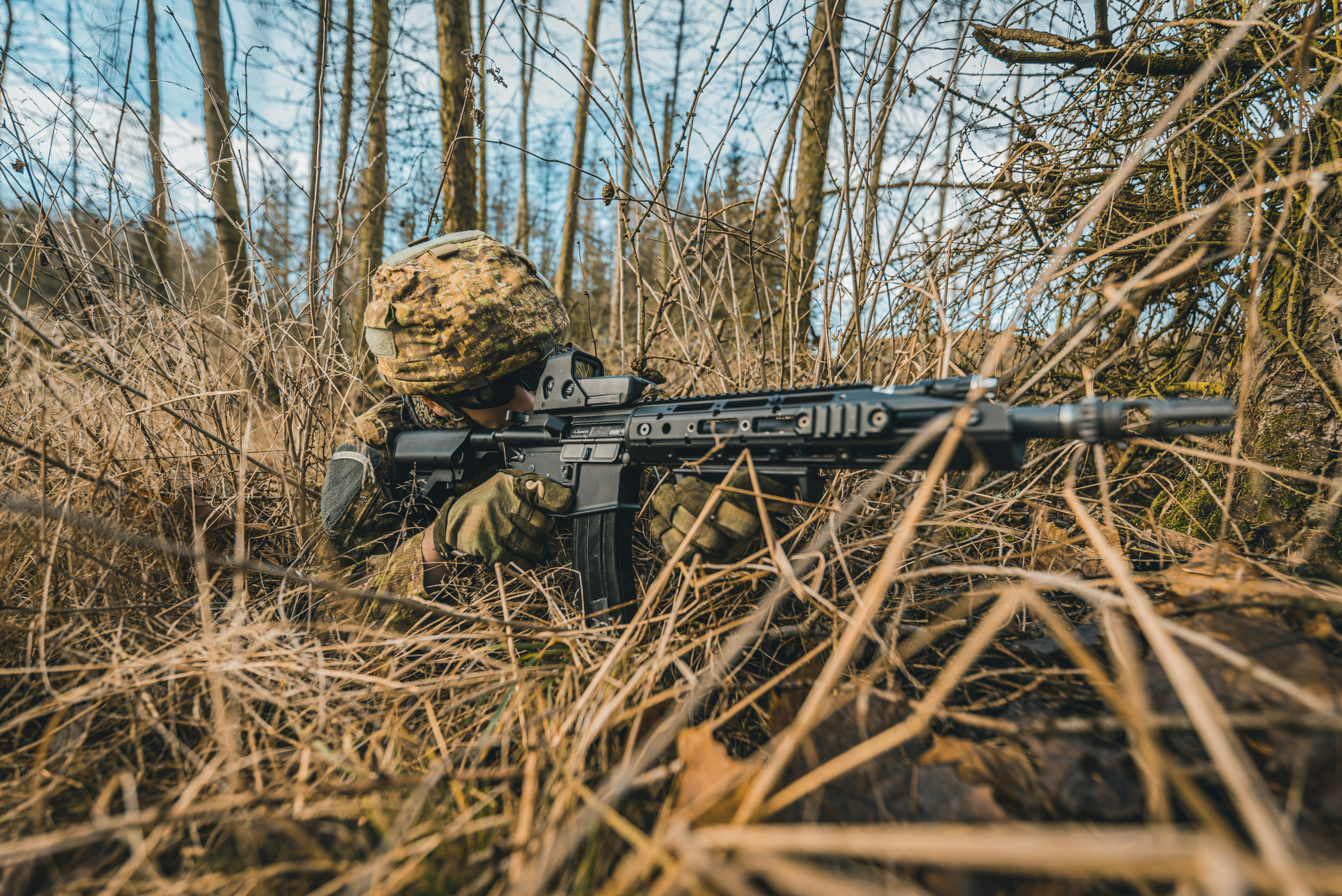
    The trauma of active combat can result in mood disorders. But IV ketamine can help.

    He wanted to be productive, but every time he had a few good days or weeks, it didn’t last because of the dreams, the night terrors…the reactions to noises or touch. Then he’d lose his confidence, walk off the job, and withdraw again.

    The loss of life, of peace, of relationships, of fulfillment, for people like these has been unavoidable till now.

    For those who couldn’t benefit from the traditional treatments for mood disorders, there just weren’t any solutions. IV ketamine and treatment-resistant mood disorders went to war. 

    Your treatment-resistant mood disorder won’t win over IV ketamine.

    These stories are just examples, but they represent multitudes of individuals whose lives have been interrupted, oppressed, tormented, or in some cases cut short, by symptoms of disorders that remained unaffected by traditional treatment.

    And that’s why I thought of all of these people.

    Because the ineptness of so many antidepressants left me feeling powerless to help; too many of my patients were crippled by their disorders, but desperately wanted the same chance at building happiness and fulfillment as anyone else.

    Too many.

    And that’s why I’m excited now and so full of hope.

    That’s why I talk so often and so enthusiastically about this emerging frontier of new therapeutic uses for that  anesthetic-turned-antidepressant, IV ketamine.

    Mom with postpartum depression can now show daughter affection because IV ketamine and treatment-resistant mood disorders.

    Because for all all the Toms, Jacies, and Dans who found no help at all from previous treatments, 80% now experience relief, restoration, and often total remission after IV ketamine treatment.

    We’re still working to find solutions for that other 20%, and we won’t stop. But we’re helping 80% of those for whom we had nothing, nada, zip…zero… that would help.

    All my training didn’t prepare me for the heartbreak of those who are so desperate for relief and can’t find it. But hope is growing, and ideas are flourishing for ways to use this new knowledge to spawn more solutions.

    Relief and Solutions are RISING

    So after my musings about those who weren’t helped, and the sadness I feel that we didn’t find solutions soon enough, it’s exhilarating to know there’s an entire frontier opening. A new world of treatment for those who weren’t helped before, through the discoveries surrounding ketamine for depression and other new solutions that will spring from it.

    IV ketamine and treatment-resistant mood disorders … it’s a fight to the finish, and ketamine is winning.

    Are you wondering if you’ll ever be able to have a life…?  If you’ll ever get to feel stable — emotionally, financially, socially?

    You really aren’t alone. Sometimes you just can’t see there’s support at your fingertips… help just beyond your line of sight. 

    Reach out and let’s talk about the things in your life and feelings that interfere with the power to live life the way you want to.

    Power to find your best self, and share it with those around you.

    Power to enjoy.

    To the power for finding your best self,

    Lori Calabrese, M.D.

    Lori Calabrese, MD offers innovative psychiatric treatment like IV Ketamine

  • NBC News: “Doctors Say ‘Club Drug’ Ketamine Rescues Suicidal Patients”

    NBC News: “Doctors Say ‘Club Drug’ Ketamine Rescues Suicidal Patients”

    “Special K,” a psychedelic drug popular in dance clubs, is being used to treat severe depression when nothing else works. Watch the video below!

  • PTSD Has a New Predator: IV Ketamine

    PTSD Has a New Predator: IV Ketamine

    PTSD has a new predator: IV ketamine which can help these men after surviving war zone trauma.PTSD Has a New Predator: IV Ketamine

    He’d seen active combat in Iraq and Afghanistan.

    His unit had grown close. Tight. Trusted each other with their lives.

    They’d cheered when word came that Jarrett’s baby had been born.

    They’d gotten drunk with Ben when his mom died.

    They had each other’s back, and knew each other in a way civilians couldn’t comprehend.

    Then one day, an explosion.

    He’d looked up and both of Ben’s hands were blown off.

    Jarrett’s legs were 10 feet away, and he was shrieking.

    He held him, tried to stop the bleeding. He couldn’t think but his mind was screaming — he had to save him.

    Somehow.

    PTSD Has a new predator: IV Ketamine and this tormented man needs it.He’s stateside now. Trying to work a “normal” job. But a friendly slap on the back puts him back in that desert. It should have been him, not Jarrett, that didn’t make it home.

    Someone drops a tray in the kitchen, and he’s surrounded with mortar shells, blood, and Jarrett’s legs.

    It’s tough to hold any job for long, and he doesn’t feel like he fits in anywhere he tries. At times, the simplest of tasks seems to be more than he can manage.

    And it’s getting worse …

    PTSD Knows No Favorites, No Gender

    She was a friendly, warm, and fun-loving girl.

    She’d worked at a wings place near the beach. She met him at a friend’s party. His flashy smile, his rugged good looks … wow! She couldn’t resist.

    In a couple of weeks, they were living together. It seemed like they’d known each other forever.

    But … then their first fight.  It was cruel, dirty, and it broke all the rules. Demeaning, and anything but loving. She cried, and wondered what she’d gotten herself into.  But she couldn’t stay away long.

    Things went smoothly at first.

    Then, a worse fight … that started with accusations, then escalated to a choke hold, bruises, a bruised and bloody face.

    But she couldn’t bring herself to leave. She believed his “recovery” depended on her faithful and patient loyalty.

    Until, one day, she was sure he would kill her.

    She passed out from asphyxiation with her neck in the vise of his clamped arm. When she woke up, he was raping her.

    The blows from his fist slammed her to alertness, and when his guard was down, she ran from the house.

    Now she’s staying with her sister, her nights filled with nightmares of all the terrors she had endured.  She wakes breathless, covered in sweat, PTSD has a new predator: IV ketamine which will help this traumatized woman recover from PTSD.and deeply shaken. The next day is a loss. She can’t pull herself together.

    During the day, she panics at the smallest frustration, is volatile, reacts to unexpected sounds as if she’s under attack.

    She doesn’t trust anyone, and believes everyone she encounters is purposely humiliating her, lying to her, or out to hurt her in some way.

    Four years with a violent abuser shattered her trust. Her confidence. Her ability to even function. She wonders if she’ll ever find herself again.

    How Can You Heal?

    Two examples of people with PTSD. Both experienced traumatic, even devastating, events. How can you heal from the terrible memories that torment you? 

    PTSD affects more than 3 million Americans a year. The Lone Survivor Foundation says that 1 in 3 of all veterans suffer from PTSD.

    Post-traumatic stress disorder (PTSD) is serious and potentially debilitating. It occurs in some people who have experienced or witnessed a natural disaster, serious injury or loss of friends in an active combat zone, a terrorist event, or personal and violent assault such as battering or rape.

    While most people who experience the traumatic events that cause PTSD recover eventually, for many that can take years. And years.

    The symptoms can be so severe you may be unable to work, unable to participate in healthy, loving relationships, and unable to sleep. Your nightmares can trigger memories that are so real that you may be overcome by intense and painful emotional and physical reactions.

    Night after night.

    Day after day.

    IV Ketamine Erases PTSD Triggers

    Then there’s the depression and anxiety, and the flashbacks, and amplified reactions to certain music, or smells, or types of touch, sounds, or flashes of light. The triggers are sometimes unpredictable, out of the blue. You can’t relax, and neither can those who love you.

    While the standard of treatment for decades has been psychotherapy and medication, But for you, treatment may not be that effective. The torment goes on, and your loved ones are often left alone, baffled, shaken.

    Until recently.

    In 2014, the US Army funded a study to learn about the effects of IV ketamine on combat veterans with PTSD.

    “Our results provide the first evidence that a single dose of IV ketamine was associated with rapid reduction of core PTSD symptoms and reduction in comorbid depressive symptoms . . . ,” the authors wrote.

    And hundreds, maybe thousands, of individuals with PTSD have been successfully treated since then. We’ve seen it over and over at Innovative Psychiatry, as have other psychiatrists through the US who offer their patients this groundbreaking, almost miraculous, treatment.

    PTSD has a new predator: IV ketamine.

    And as we’ve said often lately, there’s still so much to be learned. But IV ketamine infusions are changing lives, changing traumatized men and women, and giving them the freedom to build a life free from terror.

    Society’s stigma overshadows you if you have PTSD, and the war of images and terror inside you makes healing and recovery so difficult. But IV ketamine infusions bring rapid and immediate relief, liberating you to live in peace, free from fear of memories or triggers.

    Woman at peace because PTSD has a new predator: IV Ketamine, and her ketamine treatment has helped her relax and feel safe.If you suffer from PTSD and wish for peace, a sense of safety, and the breathing room to relax and build relationships, call for an appointment. We’re Innovative Psychiatry because we leave no stone unturned to find solutions for you.

    Your best self is just ahead. Don’t stop looking till you find the quality of life you’ve wished for.

    To the discovery of your best self,

    Lori Calabrese, M.D.

    Lori Calabrese, MD offers innovative psychiatric treatment like IV Ketamine

error: Content is protected !!