Blog

  • Low-Dose Ketamine In Treating Depression: An Outsider’s Perception

    Low-Dose Ketamine In Treating Depression: An Outsider’s Perception

    Mother and Healthcare Professional Discusses Her Child’s Experience with Low-Dose Ketamine for Treatment Resistant Depression

    As both a healthcare professional and a parent of a child who suffers from treatment resistant depression and anxiety, I have been quite attentive to the changes that arise in an individual after receiving low-dose ketamine. I thought it would be helpful to share my observations with others who are contemplating offering this innovative treatment in their practices or for those that may be exploring ketamine as an option in treating their own depression.connecticut ketamine

    Though low-dose ketamine can alleviate suicidal thoughts immediately and lift an individual from feelings of despair which many have suffered for years, it does not cure one’s depression indefinitely. Ketamine, in my experience, has worked in a way that it offers hope to individuals and provides a new found resilience in dealing with life stressors. As an outsider looking in, I have watched my child develop the drive and passion to discover new approaches to help improve her mental health and overall well-being. – , Nurse Consultant, Mental Health Care Advocate

    [Read the Full Article Here]

  • IV Ketamine: Doing What Prozac Can’t

    IV Ketamine: Doing What Prozac Can’t

    Man on top of mountains spreads arms in relief - IV ketamine doing what prozac can't.Excitement about IV Ketamine

    Recently, I shared my perspective about the consensus statement released by the American Psychiatric Association’s Council of Research on Novel Biomarkers and Treatments Task Force. Their statement was about the use of IV ketamine for treating mood and other psychiatric disorders.

    That Task Force, in its consensus statement, assured members of the APA that there’s compelling evidence that IV ketamine has the ability to provide rapid and robust antidepressant effects in patients with treatment-resistant mood disorders.

    Well, I was delighted to see that NPR published an article this past Monday, March 20, 2017, about Gerard Sanacora, M.D., Ph.D., Professor of Psychiatry at Yale School of Medicine, and his personal reflections on IV ketamine for mood disorders. You should read the article, too.

    Gerard Sanacora is a member of the same Task Force. He says he’s treated hundreds of patients who are severely depressed with IV ketamine and is excited about the results in these patients’ lives.

    He says doctors have asked him how he can use a medication when there is still unknown data about long-term use. 

    What Would You Do?

    His answer?

    “If you have patients that are likely to seriously injure themselves or kill themselves within a short period of time, and they’ve tried the standard Man with treatment-resistant depression needs IV ketamine doing what prozac can't.treatments, how do you not offer this treatment?” he says.

    Well, that’s how I feel, too, and why I offer IV ketamine infusions.  In good conscience, with what I know about ketamine, how could I not?  It’s what growing numbers of other psychiatrists are feeling, too.

    Ketamine has an effect no other medicine has had before. Within hours it can erase the suicidal thoughts of someone who’s been on the verge of suicide for some time.

    It removes the self-destructive thoughts, and the terrible mental images of death.  And it happens fast.

    This one extraordinary effect is changing the way we approach severely depressed individuals. There is something we can do to bring our patients relief from this dangerous, life-threatening symptom. And it succeeds in bringing them relief in 80% of cases.

    Dozens of doctors responded to surveys in the US and Canada, reporting that over 3,000 patients have been treated for mood disorders with ketamine. The good news is spreading, as well it should be!

    Even so, as we’ve discussed before, IV ketamine treatment has still not been studied in enough depth to answer some questions that remain unanswered. And that’s because of the lack of large-scale trials. Large-scale trials are needed. And with the attention ketamine is receiving from pharmaceutical companies, I expect those trials are just ahead.

    More Questions

    James Murrough, M.D. at Icahn School of Medicine at Mt Sinai in New York, worries that because of the lack of large trials, it’s not yet known how long a treatment regimen can be continued safely. And it’s true that it will take years of studies to establish that.

    From his perspective, that’s troubling because IV ketamine can wear off in a few days or a few weeks. Repeat infusions are necessary to prevent the return of depression. So, unless a form of ketamine is developed that lasts a great deal longer, we’ll need to continue giving those treatments to those who need them… until they achieve remission.

    But in spite of that, he strongly feels the case for IV ketamine is warranted and justified…much stronger than a few years ago. And so do we.

    Most Promising Since Prozac

    “There’s warranted caution that’s balanced with an optimism that says we’ve never had a new medication for depression since the era of Prozac,” Murrough says.

    IV Ketamine: Doing what Prozac Can’t

    No new medication for depression since Prozac!!!

    Treatment -resistant depression is relieved for this lady after IV ketamine doing what prozac can't.So just a quick review: Prozac emerged in the 1980’s and was the first of a “new class” of depression drugs targeting serotonin, one of the neurotransmitters.

    Prozac opened a world of possibilities in psychiatric treatment. But there have been far too many who suffered from mood disorders and were never helped by Prozac and its offshoots.

    Since then, sure, there have been new medications and new neurotransmitters that have caught our fancy — mine, too.  But no drug has has been more effective, more rapid, and more transformative — with an entirely novel mechanism of action — than IV ketamine.

    Period.

    IV Ketamine – Doing What Prozac Can’t

    Because ketamine acts on a different neurotransmitter than Prozac and other common antidepressants. Instead of Prozac’s focus on serotonin, ketamine acts on glutamate, another neurotransmitter that acts on a different system. Murrough says that because ketamine’s been so remarkably successful, the pharmaceutical companies are pulling old drugs off the shelf that act on the glutamate system.

    They’re as excited as we are at the possibility of creating a whole new class of more effective drugs for depression.Young man in orange hat lounges in the sun, reflecting over the years he spent in the dark with depression- IV Ketamine Doing what Prozac can't.

    So, there is actually a possible contender in the ring for ketamine being developed. Related to ketamine chemically, it’s called esketamine and is in testing. It’s not been considered by the FDA yet, but that’s not far off.

    And it’s one of a mountain of medicines in development that are related to ketamine, according to Gerard Sanacora.

    He also said, “This is probably the most interesting and exciting new development that I’ve seen in my career, and probably going back over the past 50 to 60 years.”

    And that’s certainly the case for me, too. For all of us who are seeing our patients doing better, looking better, and feeling better – after decades in practice.

    These are such exciting times in psychiatric medicine. I’m so thrilled to be a part of this life-changing and life – saving historical time. And I’m thrilled you are too.

    Until recently, our patients with treatment-resistant mood disorders weren’t getting better.Lady cries with treatment-resistant mood disorders, needs IV ketamine doing what prozac can't.

    Now they are.

    IV Ketamine is Changing – and Saving – Lives

    They’re living again, building fulfilling lives again, looking to the future with HOPE.

    If you know someone who’s been lost, sad, full of shame and despair, and just doesn’t seem to get better, there’s new hope now.

    Encourage them to call us, or call us yourself for an in-depth evaluation.  There is specific lab work we can do that will actually help us know if IV ketamine is likely to work and work quickly. It’s been successful with about 80% of our patients who have received infusions.

    IV Ketamine isn’t for everyone, but with appropriate screening, it may be exactly right right for you. It may be exactly what you’ve been waiting for.   And if you’re struggling with a treatment-resistant mood disorder, you owe it to yourself to find out.

    You can feel better.

    Much, much better.

    To the release of your best self,

    Lori Calabrese, M.D.

    Lori Calabrese, MD offers innovative psychiatric treatment like IV Ketamine

  • Treatment-Resistant Depression Meets Its Match

    Treatment-Resistant Depression Meets Its Match

    Woman in a kayak in a beautiful lake sits back and enjoys the view after IV ketamine relieved her treatment-resistant depression.Do you know someone who’s been listless and hopeless for a really long time?  More than weeks or even months … someone who’s been taking antidepressants for years, and has never really felt better?

    Have you noticed how years of despair affects a person’s outlook so deeply that their personality seems to change?

    Clare’s story

    Take Clare. She began feeling more and more overwhelmed when she was in 8th grade. A string of unfortunate events seemed to pound her down further and further, until she’d lost her ability to recover.

    It was as if life formed a dark tunnel around her and she couldn’t face it any more. She started avoiding school because facing it was too hard.

    She came to believe it would never, ever get better. And she became volatile at times, and subdued at times. She grew to have a generally defeated attitude, and overreacted to small frustrations.

    Treatment – Resistant Depression Leads to Overwhelm and Failure

    This once cheerful, go-getter teenage girl withdrew into a place where she could no longer function, no longer face others, no longer spend time with friends.Treatment-resistant depression holds this woman in sorrow, and IV ketamine can help.

    After high school she tried to go to college, and her psychiatrist changed her medications to something that he hoped would help more.

    But she’d try her hardest and do well for a semester, then fail the following semester. So she’d work up all the energy she could to succeed and do well again, then fall apart a few weeks into the next semester.

    Eventually, she dropped out of college because her grade point was no longer high enough to stay.

    Geriatric treatment-resistant depression can be relieved by IV ketmine.Failure, Despondency, and No Reason to Live

    Clare thought about dying often. On a few occasions, her mom or a roommate walked in to find her with a pile of pills in her lap and a big glass of water, about to carry out a plan…

    This is what treatment-resistant depression looks like. In the beginning, the despair seems justified after a series of overwhelming or heartbreaking events. But, eventually, the unchanging, unrelenting despair washes away hope. Any reason to live seems to erode away.

    Neurotransmitters Play the Culprit

    Neuroscientists have discovered that there are multiple brain-based and physical causes for depression.  Large networks of neurons can be affected by cascades of inflammation that affect many systems and many neurotransmitters.

    Neurotransmitters are chemicals in the brain that help one part of the brain communicate with other parts. In most cases, the more neurotransmitters in the brain communicate with other areas throughout the brain, the better you feel.

    For some people, SSRIs may help. But if they don’t, we start thinking about whether we should try an approach that might stimulate GABA, dopamine, or norepinephrine activity.

    In addition, the weeks or months that are required to determine whether an SSRI is effective mean that the one suffering is left to endure in a seemingly untreated state. If you talk to someone who’s been handicapped by crippling depression, and tell them you have a new drug to try, but it may be months before we know if it will help, his response will likely be dripping with despair.

    And that despair sometimes ends in loss of life.

    Gaining UnderstandingTreatment-resistant depression can lead the sufferet to dark places.

    Psychiatrists didn’t realize years ago that all depression can’t be successfully treated with SSRIs, so only a portion of the depressed patients they treated were actually being helped.

    But, we’re learning.

    Thanks to continued study, we’ve learned more and more about what areas of the brain are involved in depression, and the various neurotransmitters that are involved, as well.

    Without question, there’s been a critical need for rapidly acting and effective treatments that provide relief for people who suffer from treatment-resistant depression, and have for a long time.

    Why IV Ketamine?

    And in searching for such treatments, IV ketamine – the decades old anesthesia drug – has risen to the task and is shining.

    Because in addition to treating treatment-resistant depression, IV ketamine is also demonstrating its exciting effectiveness in successfully treating bipolar depression, post-traumatic stress disorder, and acute suicidal thinking in about 80% of cases in our clinic.

    To take it a step further, the action of IV ketamine with suicidal thinking is independent of the antidepressant action. Many patients receiving IV ketamine infusions find the suicidal thinking disappears before the infusion has even finished!

    Never before have we had a medication so fast and effective for people tormented by suicidal thoughts.

    So many start ketamine infusion treatments in a dark and despondent place. Then at the end of the infusion, a look of amazement and relief floods their face. And they tell you things like, “this moment is the first time in 7 years” they’ve felt relieved and hopeful.

    To me, it’s pretty miraculous.

    And if you’re burdened with treatment-resistant depression, bipolar depression, or PTSD, it could feel like a miracle to you, too.

    I hope you’ll take the time to read the other articles linked in this post. Information is your link to feeling better.

    The more you learn, the more your hope can grow, and the sooner you can take action.

    We believe in you, and the life you can live. A fulfilling and satisfying life is possible, with the right treatment.

    Make an appointment for a complete evaluation, and let’s work together to find the right treatment for you. We want you better, so you can restore your best self.

    To the release of your best self,

    Lori Calabrese, M.D.

    Lori Calabrese, MD offers innovative psychiatric treatment like IV Ketamine

  • JAMA Psychiatry Weighs In: The “Ketamine for Depression” Buzz

    JAMA Psychiatry Weighs In: The “Ketamine for Depression” Buzz

    JAMA Ketamine Buzz: Woman feels renewed after depression treatment of IV ketamineJAMA: “Ketamine for Depression” Buzz

    The mental health community is all a-buzz about IV ketamine for treating depression and other psychiatric disorders, and for good reason. For the first time, people who’ve been treated without success for years are experiencing relief and enjoying their lives.

    For anyone who has suffered from psychiatric disorders without relief for a prolonged time, the possibility of a breakthrough treatment that actually works can mean the difference between life or death. Or utter misery vs. hope. Most folks would go for hope … wouldn’t you?

    This anesthetic-turned-street-drug has returned to the scene to restore its reputation by providing a remarkably successful, and fast, reversal of depression in patients who’ve not experienced relief in a very long time– some of them for decades.

    In addition, these infusions in single doses or in a series of doses, reverse suicidal thinking, often within hours, if not before the IV infusion is even completed. Now that’s lifesaving

    What’s more, suicidal thoughts disappear immediately in many cases, whether the depression is relieved or not.

    So yes, some of us in the psychiatry community are excited about what IV ketamine can do.

    Psychiatrists Containing Enthusiasm

    But … we know we have to contain ourselves, and maintain a scientific approach to this “off-label” use of the anesthetic ketamine. So we read the research, keep up with the published studies, and pore over the data to be sure our enthusiasm doesn’t get ahead of us.

    We talk to each other endlessly, scour the journals, go to conferences, stay up late, stay at the office late, pull together every shred of published research, every letter to the editor, every blog and YouTube video.

    Then, we watch TED talks. And we tweet, we message, we write. And we see dozens of people every day who are depressed. Sick of it. Suicidal.  We offer many treatments.  And we offer hope.  Some of us offer off-label treatment with IV ketamine.  And some of us have seen hundreds of ketamine patients, and administered nearly 1000 infusions.  (That’s us.)  We’re in the trenches.  Deep.

    Now comes this timely release to further illuminate the path for psychiatrists who are moving forward to help their patients with this breakthrough treatment.

    So what does the APA (American Psychiatric Association) and JAMA Psychiatry (Journal of the American Medical Association Psychiatry) have to say about this unexpected surprise that treats psychiatric disorders?

    In the March 1, 2017 issue of JAMA Psychiatry online, a consensus statement was released by the American Psychiatric Association (APA) Council of Research Task Force on Novel Biomarkers and Treatments regarding the off-label use of ketamine in the treatment of mood and other psychiatric disorders.  The best and brightest are on that Task Force.

    The Task Force made the point that there is compelling evidence that IV ketamine has the ability to provide rapid and robust antidepressant effects in patients with mood disorders who had previously displayed resistance to treatment.

    Limited “Ketamine for Depression” Data

    They acknowledged the sample sizes were small in these studies. And use of low dose ketamine for psychiatric disorders has increased at such a rapid rate that there’s a lot we still don’t know.JAMA: ketamine for depression brings relief and pleasure in little moments.

    So, one point they made is that there’s limited data.  The strongest data about the use of ketamine in the treatment of psychiatric disorders is for the treatment of major depressive episodes where there are no psychotic features.

    Their concern was that even in the case of major depression, some of data that was evaluated had been collected from only the first week following one dose of ketamine treatment.

    Again, limited studies, limited number of patients, limited information about outcomes, side effects, impact of long-term use.

    Still, we know that anesthesiologists have been using this drug for decades and have found it to be quite safe in controlled settings. But the APA Task Force’s statement isn’t intended to decrease the use of ketamine in treating psychiatric disorders. But instead to highlight where we are and the most critical things to consider for keeping its use safe while research on ketamine proceeds.

    Criteria for Ketamine Treatment

    So, initially, the Consensus Statement recommends we take several steps when we see a patient to help determine if ketamine treatment might be appropriate for him or her.  They include: 

    • Performing a comprehensive evaluation to determine that the patient meets appropriate diagnostic criteria for depression
    • Ensuring the patient has completed adequate courses of FDA-approved antidepressants before considering ketamine
    • Thoroughly reviewing the psychiatric and medical history as well as the patient’s potential risk factors for ketamine treatment
    • Carefully evaluating any history of substance abuse, including baseline urine toxicology screens

    In addition, they said the physician should thoroughly discuss ketamine treatment with the patient before use. The possible benefits of it, as well as the possible risks associated with its use for any given patient. This empowers the patient to make a truly informed decision about whether the benefits are greater than the risks. Of course — that makes sense.  It’s the very basis of collaborative treatment in medicine and the basis of informed consent. Then, like with any medical procedure, we should obtain written consent before beginning the infusion.

    Precautions with Ketamine

    Next, in terms of specifics, spikes in blood pressure sometimes occur with ketamine infusions, so patients receiving ketamine therapy ought to beJAMA ketamine depression- this woman's flat affect reveals her state of depression. She needs IV ketamine treatment for depression. in a facility setting where we can manage any unexpected medical incident.

    Even so, ketamine is considered “reasonably safe” at the recommended dosage of 0.5mg/kg over 40 minutes.

    Because of ketamine’s natural action, patients experience dissociative effects that should pass momentarily. Or some may have short-lived vivid experiences of heightened perceptions, or intense ideas or memories.  

    Understandably, patients who experience effects like this may react with behaviors unlike their usual personality. So, physicians must be prepared to treat episodes of that nature. Which is why we want to see ketamine administered in specially prepared clinical settings, instead of at home.

    Suicide Prevention

    Also, as effective as ketamine is with suicidal thinking, there’s still the risk that the self-destructive thoughts or plans won’t lift for some patients. So it’s vital that physicians evaluate their patients after ketamine treatment before discharging them home.JAMA ketamine for depression buzz: Depressed woman obsessing about ways to die. Needs ketamine treatment.

    Overall, psychiatrists must form a comprehensive plan for managing the patient’s depression along with needed followups. Ketamine is a highly effective drug to be incorporated into the overall treatment and management of depression.

    The APA Task Force strongly advised that psychiatrists develop a standard operating procedure for administration of ketamine.

    At the very minimum, it should incorporate these points:

    • Signed informed consent and pre-procedure evaluation
    • Baseline assessment of vital signs: blood pressure, heart rate, O2 saturation
    • Continual evaluation of patient’s mental and physiologic status throughout the infusion
    • Management of side effects that may occur during the treatment

    Studies are lacking to evaluate the efficacy of long-term use of ketamine treatment for depression.

    The most useful data to date indicate that infusions given up to twice a week and within four weeks are effective.  Patients should be monitored with a rating instrument to assess changes in mood.

    JAMA ketamine for depression buzz: business man sits back in relief after ketamine treatment for MDD.

    Avoid Abuse or Dependence

    The Task Force also recommends that dosing of ketamine be discontinued if infusions can’t be reduced to one per week.

    The committee members agreed that ketamine is an incredibly promising treatment but must be used with standards that ensure the highest level of safety.

    Ketamine is the most abused drug in Asia. So the widespread use of it in the US – for therapeutic purposes – must be surrounded in safeguards to avoid the advent of abuse or dependence, in spite of its benefits.

    JAMA: Ketamine for Depression – The Buzz

    All in all, the buzz is that ketamine is the most promising new treatment to date for depression. The data is limited, it’s true. There’s much to be explored. But, we’re working rapidly to pull together all of the available evidence and all of the best practice recommendations as we proceed. This treatment is bringing hope where there was very little before.

    We’re thrilled to be on the forefront, and we’ve developed our protocols for IV ketamine very carefully. Not only to set the bar for the standard of practice in our field but to exceed the standard.

    At Innovative Psychiatry, our protocols comply with the recommendations of APA Council of Research Task Force on Novel Biomarkers and Treatments published in JAMA Psychiatry. But, we go above and beyond those. We educate you. Then, provide you with the research articles that we read ourselves. And ensure that we offer IV ketamine infusions as a psychiatric treatment — not simply as a medical procedure.  

    To that end, we work with you and your physicians and therapists for the best possible results.  And we pull out every stop to help you feel better and enjoy life again when nothing else has helped.

    Call for an appointment, and let’s work together to help you rediscover your best self.

    To your emerging best self,

    Lori Calabrese, MD

    Lori Calabrese, MD offers innovative psychiatric treatment like IV Ketamine

  • Ketamine IV, IM, or IN for Depression: Which is Best? (Does It Matter?)

    Ketamine IV, IM, or IN for Depression: Which is Best? (Does It Matter?)

    Ketamine IV, IM, or IN for depression - This girl has been treated with IV ketamine and is relaxing on the deck and at peace.Why do we always talk about IV ketamine for treatment-resistant depression, rather than just ketamine? Can’t we give it any old way…ketamine IV, IM, or IN for depression?

    Why is it so important that it be given as an intravenous infusion, rather than as an intramuscular injection or an intranasal spray?

    Ketamine IV, IM, or IN for Depression

    Like lots of medications, ketamine can be given in a variety of ways.  But are they all advantageous to you? 

    We don’t think so.

    Not all physicians insist upon IV administration of ketamine, if they offer ketamine as a treatment for psychiatric disorders at all. But at Innovative Psychiatry, this is the only way we provide this medication.

    We’re finicky.  We’re perfectionists.  We want to make sure we know the exact dose your brain receives so that we make sure you get the absolute best possible results from your treatment.

    Did I say that right?  Exact.  Absolute.  Best.  That’s what intravenous ketamine offers as an advantage over any other method.  It makes your best – or getting back to your best self – possible.

    This is where we start swimming with sharks.  And this is where the research and the experience and the opinions about what to do and how to do it get interesting.

    Bioavailability

    What’s bioavailability anyway??

    It’s the amount of medication that your body is actually able to use.  Not how much you’re given, but how much your body sees and can use.

    So … it means the active portion that reaches your blood stream and that can actually be useful to you.  The portion that treats what’s bothering you.  The rest is altered, digested, excreted, or otherwise discarded by your body.

    Make sense?

    Why IV Ketamine?

    OK.  Basically, we want to be sure we know the exact dosage you receive, so we can know you’ll get the very best results.  And intravenous infusion is the ONLY route where 100% of the ketamine you are given is 100% available to your body and 100% able to get to your brain.  Which is exactly where it needs to be. 

    So how can we predict the exact dosage your brain will see?

    Well, with an IV infusion, your ketamine dose is determined by your body weight that day and calculated down to a tenth of a milligram.  Then it’s mixed with saline and slowly “infused”  directly into your blood stream the same way that fluid is given to someone who’s dehydrated.  (We love the word infusion — as in “infused with hope.”)

    With an IV infusion, there are no obstacles preventing that perfect entry into your bloodstream and on to your brain. Anesthesiologists have known this for decades.  Ketamine was designed to be given IV.

    Why Intranasal Ketamine Is Unpredictable

    But that’s not the case for other routes, which do present obstacles to the drug before it reaches the blood stream. I’ll show you what I mean.
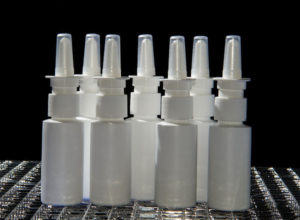
    Ketamine IV, IM, or IN for depression? Intranasal bottles of ketamine provide unpredictable benefits.When ketamine is given as an intranasal spray, it has to pass through your mucous membranes to reach your bloodstream.  So first, it has to be suspended perfectly and evenly in a mist, and then the mist has to evenly saturate the mucous membranes of your nostril. And — it has to land high enough to not drip out your nose so that you don’t  lose it and straight enough not to not run down the back of your throat. On top of that, it must be well-aimed enough to not get wasted on plain air and gentle enough to not get sneezed back out.

    If that weren’t tricky enough, in addition to that, the ketamine spray delivers a mist that gives a concentrated dose over just a very few brief seconds of contact with mucous membranes, and just minutes of contact with critical and delicate brain systems … systems that need time to change for the better.

    It’s just a bit too iffy …  whereas intravenous infusions are slow and precise and we can calculate, predict, and control.   They allow very slow, controlled exposure of critical pathways to a medicine that stimulates neuronal growth and rearborization.

    IM Ketamine: The Problems with Timing and Side Effects

    In the case of intramuscular, or IM injections, ketamine must enter the muscle then find its way to the blood vessels and be absorbed.

    Because the muscles contain dense blood vessels, a large portion of the drug makes it to the blood stream, but not all.   There’s no way to determine how much time it will take the ketamine to leach out of the muscle, or how much of it will leach out, and reach your bloodstream so it can reach your brain.

    From the time it’s injected, it depends on the circulation in that muscle and the condition of that muscle in Ketamine IV, IM, or IN for depression? IV is the most precise route to get the medicine to your brain in the optimum dose.terms of fitness.
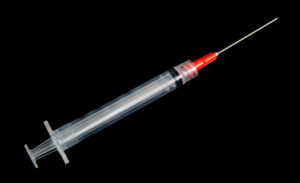
    To put it simply, your guess is as good as mine as to the total amount that makes it to the bloodstream and the rate at which it reaches the tissues in the brain to effect the changes we want to see.

    Once again…way too iffy.

    For ketamine, you need a route that ensures that ketamine reaches its target effectively, and you need a dose that will deliver the precise amount your brain needs to receive the optimum benefit from it. You also need it to reach the brain in a slow, controlled way.  It needs to work, not frighten.

    Because that’s another problem we’ll talk about in a bit. SIde effects … they just can’t be controlled once the medicine is in the muscle.

    Bioavailability Comparison

    Take a look at the differences in bioavailability of ketamine through these different routes:

    Intravenous    100%

    Intramuscular    approximately 93%

    Intranasal    approximately 45%

    Sublingual    approximately 19-50%

    Approximately??  For your brain??

    As you can see, a range of 19-50%, as seen with sublingual use, is just far too uncertain.  And approximating the dose, as seen with IM and intranasal ketamine, especially when we’re seeing numbers as low as 45%, just isn’t the best way to ensure solid, safe, predictable benefits.

    Exquisite IV Ketamine

    But when the ideal low dose of ketamine is precisely measured and administered directly into your bloodstream by an intravenous infusion, you Ketamine IV, IM, or IN for depression is the best route for patients with depression.get the benefit of all its anxiety-smashing, depression-relieving qualities in full measure.
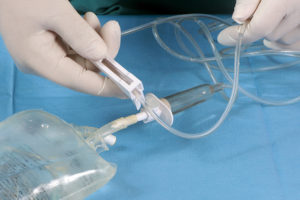
    There is none lost through dripping, sneezing, swallowing, digestion — or sloppy spraying or poor coordination.  There’s just nothing getting in the way.

    It’s a beautiful thing.

    Add to that the fact that IV ketamine has been used in anesthesia since the early 1960’s.  It’s backed by decades of data confirming its bioavailability, safety, and tolerability.

    Effectiveness

    Now think about this:

    When you take ibuprofen for a headache, how long do you expect to wait to experience relief?  30 minutes?  45?

    Have you ever been given an IV medication in the hospital? If so, you know that you start to feel relief pretty quickly. It can be a lifesaver when you really need it.

    That’s because medications given by IV are available to the body so quickly … faster than any other route. There’s some benefit almost immediately, and it continues until you feel better and better as  the medication circulates.  With IV ketamine, the benefits keep growing.

    Another factor is that the physician should give ketamine at a controlled rate. This is to create certain conditions in the brain to trigger a waterfall of actions…like the proverbial falling dominoes… that relieve the symptoms of the psychiatric disorders we’re treating.

    Ketamine Research

    Ketamine for depression has been a topic of scientific and clinical study for some time. The best research on ketamine over the past few years for the treatment of suicidal thoughts, depression, bipolar depression, PTSD, and OCD has used very precise IV infusion protocols.

    It’s IV ketamine which–over and over–has been so startlingly effective.  Intranasal sprays are being studied now, and one pharmaceutical company is sponsoring studies on a version of a ketamine spray it wants to turn into a brand-name patent, but there’s just not enough research on the spray technology, effective dose, or protocol for administering it to know what’s effective. One spray or two?  one nostril or two?  how strong?  exactly how much? and how often? every 10 minutes? or every 15? why not every day? twice a week?  

    And intramuscular ketamine injections–forget about it.  They can be such a nightmare of erratic absorption and side effects that can persist for hours that there’s no clear way to judge what dose might be effective or tolerable for you.

    But by giving ketamine IV, we’re able to giveA relaxed lady blows a dandelion in a field after ketamine IV, IM, or IN for depression.

      • the most precise dose (recalculated to a tenth of a milligram each time you lose or gain a pound)
      • the most precise rate (calculated down to the minute using sophisticated infusion pumps)
    • a drug your body can utilize 100%

    We create optimum conditions.  You experience the most benefits in the fastest way possible.  It’s a win-win.

    Safety

    Two words:  Side effects and drug abuse.  (OK, so it’s 4 words.)

    We associate ketamine with potential side effects, no matter how it’s given. This is the case with the majority of medicines. But the range and severity and duration of those side effects vary tremendously depending on whether ketamine is given IV, IM or intranasally.

    Keeping an Eye on Side Effects – Just in Case…

    In an outpatient office setting, low dose IV ketamine infusions can be administered in a beautiful, comfortable environment.  High tech.  Soft touch.  Low lights and warm blankies (our patients love this!) with all of the medical monitoring and all of the important safeguards in place. Not the least of which is having a psychiatrist and infusion nurse right there to address any possible side effects.

    In case of side effects, the psychiatrist can stop the infusion within seconds.Then she can administer a small dose of medication to treat the problem. Within minutes after the infusion, you can be ready for tea, snacks, conversation, and the ride home. 

    This isn’t true with intramuscular ketamine. In this case the full dose is administered in about a minute instead of slowly over 45, and there is no way to stop or slow the absorption once it’s already been injected into the muscle.  And if strong dissociative side effects occur, as they often do with IM, the continued absorption of ketamine from the muscle can’t be interrupted– and the nightmare can last for hours.  In one report, patients were kept lying down for at least 4 hours after an IM injection of ketamine for depression…just for monitoring.

    If you use an intranasal spray mist at home, you administer it to yourself. There is no physician right there to address side effects.
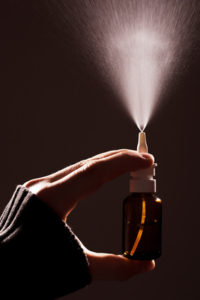
    Ketamine IV, IM, or IN for depression: this ketamine nasal spray has its drawbacks,.Preventing Abuse

    Unfortunately, ketamine has been shanghai’d by those seeking illicit experiences. It’s not just necessary, it’s critical to guard the way it’s distributed. It’s a shame, but a fact of life in the world we live in.

    Think about this: If patients have ketamine available as a nasal spray for “as needed” use, what’s the risk? Clearly, if ketamine spray is available at home, there’s a much higher risk of outright abuse, sharing, or sale on the street.

    It’s just so clear:  right now, IV ketamine infusions are the best and most reliable approach we have. They allow precision dosing, instant responsiveness by the physician, almost-instant control of any potential side effects, and no risk of drug abuse or sharing in the community. .

    At Innovative Psychiatry, we provide ketamine exclusively by IV infusion because it’s the best method for providing rapid, maximum benefits in the safest environment for you.

    If you have not experienced relief from antidepressants, or if you’re tired of trying one thing after another,  give us a call and let’s work together to evaluate what might be more effective for you.

    To the recovery of your best self,

    Lori Calabrese, M.D.
    Lori Calabrese, MD offers innovative psychiatric treatment like IV Ketamine

  • How Ketamine Turbo Boosts Brain Compost to Improve Your Mood

    How Ketamine Turbo Boosts Brain Compost to Improve Your Mood

    Ketamine turbo boosts brain compost to improve your mood like this oak grove.In a recent postwe talked about the impact of Brain Derived Neurotrophic Factor (BDNF) on the prolific development of neuronal synapses, or nerve connections, in the brain. BDNF is like a rich, organic compost that spurs dense growth. And we talked about how IV ketamine turbo boosts brain compost and multiplies the connections in your brain that improve your mood and sense of well-being.

    Ketamine Turbo Boosts Brain Compost to Improve Your Mood

    We described how BDNF creates an environment like “compost” for increasing these synapses to upgrade communication throughout the brain. It stimulates neurons to grow and branch out, and it increases the complexity and density of these branches.  It’s like stimulating little saplings to develop into strong, complex riotous oak trees.  BDNF increases the density of the forest and the density of the forest canopy.  When the synapses are weakened, thinning out, and breaking down in the brain, depression and suffering is usually involved, one way or another.

    So, if you want to clear out your darkened mood, then you need to clear out weak and broken down synapses. Replace them with healthy neurons loaded with abundant branches, which are called dendrites, and loads of connections, called synapses.

    You’ll need to take a proverbial rototiller to your “brain garden” and clean out the deadwood, weeds, and broken roots. Mix in new soil, fertilizer, mulch, and compost, and let new tender neurons begin to leaf out.

    That heavily “treed” neuronal forest will just naturally bring bright thought patterns and stimulation, just like all that new soil, mulch, and fertilizer would bring new growth and beauty in a garden. Because brain derived neurotrophic factor – BDNF – “brain compost” – improves your mood by providing a rich growth environment for your neurons and synapses. The more healthy synapses your have in your brain, the better you will feel.

    BDNF on Steroids

    In that previous post, we also featured the extraordinary result of IV ketamine on our “brain garden,” and Girl is upbeat after depression treatment by IV ketamine turbo boosts brain compost improves her mood.that rich “compost” seemed to multiply the BDNF like gangbusters… which fostered remarkable multiplication of synapse connections…as if in a fast-motion animated cartoon.


    That rich and deep synapse vegetation results in a high-speed and dramatic improvement in exchange of information throughout the brain:

      • improving cognition
      • relieving depression
      • removing thoughts of suicide
      • and equipping the brain to ‘reset’ itself with brighter and better thought processes, mental and emotional hygiene, the adoption of exercise, and more productivity going forward.

    Since BDNF helps neurons and their connections grow, like fertilizer helps plants do the same, they become stronger and healthier. But even more dramatic is the appearance of new branches that that emerge, proliferate, and multiply, especially in the hippocampus and pre-frontal cortex.

    Picture a bean plant you gently cover with fertile soil. You add a little water and set it in the sun. When you wake up the next morning, you hope and expect to see a tender shoot already poking through the earth…right? Ketamine turbo boosts brain compost and spurs growth of neurons and synapses and you feel better.

    We do, too.  But we try to be patient, and give it several days, at least.

    Take a Look at Your Beanstalk, Jack!

    IV ketamine treatment is so powerful in its effect on BDNF that it’s as if your brain wakes up and within days you begin to have a dense forest growing where that little bean plant was.

    BDNF obviously contributes dramatically to the “landscape” of the brain, and IV ketamine gives it a turbo boost.

    But then, does that change as time goes by?

    Ramshackle, Rundown Garden

    We’ve made the point that IV ketamine puts BDNF on steroids — increasing the density and complexity of neuronal branching in the brain and increasing the number of connections between one cell and another.  

    But what happens to someone who’s depressed and has been stressed for a long time? Then BDNF is depleted, the dendrite branches get Depression causes sparse neurons and atrophied foliage in the synapses, but ketamine turbo boosts brain compost and improves your mood.severely pruned back, the synapses break down, and and the hippocampus shrivels.

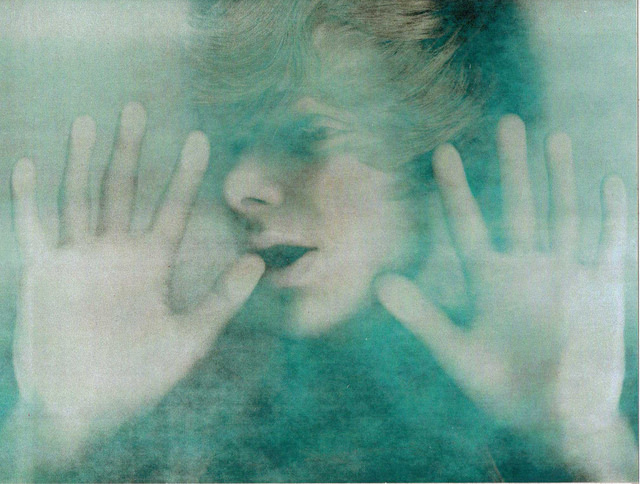
    That’s a serious state, and a perfect description of what it’s like in the brain of someone with chronic depression.  What it’s like in your brain if you’re chronically depressed.

    It feels like a wasteland.

    IV ketamine treatment can change that.

    IV ketamine infusions work in a number of different ways, but the most striking thing they do is increase the rich compost of BDNF–to proliferate neurons, leaf out dendrites, increase synaptic connections, and re-establish a rich network of communication in your brain that can return you to your best self.

    In some people, a series of IV ketamine infusions will return their “brain garden” to its optimal state … and they may not need further infusions.

    But others may find after a time that they feel depression or other symptoms returning —  their neurons and synapses have dwindled and shriveled again — and they need a new infusion to breathe new life into their garden of connections.

    It’s Individual…One Size Doesn’t Fit All

    No one knows in advance what will be needed, but to find a way to bring their brain to life is such a rejuvenating joy that most are beyond delighted to tap into this wonderful opportunity for energy, connection, and hope.  For new growth.This young woman has freedom from depression because ketamine  turbo boosts rich brain compost and improves mood.

    And how about you?

    How is your brain garden?

    Is it prolific with verdant life and freshness?

    Or does it need a turbo boost?

    Unlike your bean garden, we can actually test your DNA to help determine the likelihood that you’ll benefit from IV ketamine.

    Come join us to learn about you, and what can help you be the best YOU you can be. Contact us so we can give you a thorough evaluation. It’s the kindest thing you can do for yourself.

    To restoring you to your best self,

    Lori Calabrese, MD

    Lori Calabrese, MD offers innovative psychiatric treatment like IV Ketamine

  • Why Some People Get PTSD…and Others Don’t

    Why Some People Get PTSD…and Others Don’t

    In the throes of PTSD, this man feels lost and terrorized. Why do some people get PTSD, and others don't?Ever notice how some people seem to collapse under an onslaught of traumatic experiences, and others almost seem to rise above them? Almost as if demonstrating their resilience? Why some people get PTSD and others don’t..that’s the question.


    People tend to say the latter type is “strong”…  and the former type is weak…unable to withstand or overcome much. More stigma that we have to fight.  But is that what’s going on..?

    Strong or Weak…?  Really…??

    What is it that increases the risk that trauma can traumatize you?  We’re talking about big T Traumas and little t traumas.  Is it about how much or how little?  About how much stress you’ve had.  How many put downs.  Or how much yelling you’ve endured.  And how much fear.  Too much neglect.  Or too little attention.  About too little protection… and too few resources.  How little money.

     How much struggle.

    Traumatic experiences can etch themselves into you–into your memories, into your emotions, and into your biology.  And what we’ve learned is that what puts us at risk for that–besides the horrible events themselves–is something that is already etched into us.  A gene.

     A gene?

    Genetic Widget

    There’s a serotonin transporter gene called SLC6A4. This little genetic widget has two arms–and in the best of all possible worlds, the arms are both long arms.  But if you were born with one or two short arms instead of two long ones, you are more likely to develop major depression or PTSD in response to a traumatic life event.PTSD triggered by fireworks explosions is relieved by IV ketamine, which is why some people get PTSD and others don't

    It’s almost as if those little short “arms” can’t carry quite the emotional load as the longer arms of the corresponding gene in those who aren’t so impacted.

    Or…maybe the longer arms shield their owner from the emotional pain that accompanies heartbreak or trauma in some way.

    Of course this is all  just a way to bring science to life, but the fact is, having a short arm on that gene increases the risk that you will suffer deeply and longer from life events such as verbal or physical attacks, traumatic events, and long term debilitating difficulty.

    And there’s more.

    Genetic Test Predicts Outcomes

    There’s also a genetic test we can use to determine if you might be someone who would respond well to ketamine treatment.

    What?

    For decades, psychiatric medicine has relied on trial and error from one medication to another to find the one that is most effective for a given patient.

    But now…there is actually a test to help predict your outcome in advance and whether you’re likely to respond quickly and robustly to a treatment for severe depression and PTSD that is as innovative as a ketamine infusion.

    Neuroscience is advancing quickly, and treatment options for people who suffer with major depression, bipolar disorder, PTSD, and other psychiatric disorders are becoming more reliable and predictable. These discoveries were unheard of less than 10 years ago…even five.

    More on the Horizon

    And there’s yet another breakthrough on the horizon. And that’s the possibility that we might be able to use science to potentially prevent psychiatric disorders from developing–for example, to protect first responders and military from the risks of trauma before they enter a crisis situation.

    First responders can be protected from potential trauma by ketamine treatment in advance, an example of why some people get PTSD and some don't.So imagine… if firefighters, paramedics, SWAT team members, and military personnel facing potentially traumatic experiences could feasibly be treated with IV ketamine to prevent the event from becoming a debilitating traumatic experience. Or—think about this—imagine if someone who is genetically vulnerable to developing depression or PTSD in response to a traumatic life event could be buffered from the risk of developing it.


    One of the exceedingly bright researchers studying ketamine, and interested in “repurposing it,”  talks about the exceptional potential of this drug for potentially preventing psychiatric disorders. Working with lab animals, her work with ketamine has opened up a treasure chest of new possibilities.

    If you haven’t seen it before, it’s worth your time to watch the TED talk about this by Rebecca Brachman.

    She expounds on the sparkling new hope surrounding psychiatric use of ketamine treatment. It has already offered healing to so many who suffer, and in the future, may potentially protect others from the risk of such suffering.

    Don’t put psychiatry in a box.

    Don’t put people who suffer with psychiatric disorders in a box.

    The possibilities are endless.

    Rapid and effective treatments are emerging.

    And hope for your life to be the best it can be is billowing.

    Please call for an appointment if you’re concerned about the emotions and reactions you’re experiencing in response to what life has thrown at you. Let’s work together to find the right innovative solution for you.

    To your best self,

    Lori Calabrese, MD

    Lori Calabrese, MD offers innovative psychiatric treatment like IV Ketamine

  • The Stigmatizing Term: Mentally Ill

    The Stigmatizing Term: Mentally Ill

    Young woman, called mentally ill, suffers from stigmatizing term: mentally ill, needs ketamine off-label treatment.Stigmatizing Term: Mentally Ill

    I used to think I was an expert in this stuff.  The stigma of it all.  Mental illness. 

    Man, I hate that phrase.  I don’t hate many things, but I hate that phrase. Always hated that phrase. Truly,  I think I hate every awful syllable of that phrase.  I never utter it.

    People who know me know this is true. 

    But most people–probably most of the patients that I treat–don’t know this about me.  It’s not something I share, and it’s never been something I broadcast.  I think most people assume that psychiatrists are experts in mental illness.

    Mental illness sounds like such a dirty word.

    Here’s what we psychiatrists are: experts in disorders of the brain… and the mind… and the spirit… and the body—disorders that go on to affect the brain… and the mind… and the spirit… and the body.  360 degrees. Experts in treating people who are full of shame.  Who are isolated, distanced from their families, cut off from their friends.  Cut off from their insurance, denied life insurance, denied disability insurance.  Experts in helping people who are stigmatized every day for what they have.  As though what they have reduces them to the thing itself.   

    Experts in the diagnosis and treatment of psychiatric disorders.

    Depression.  Bipolar Disorder.  Anxiety.  Panic. Obsessions.  Addictions.  Bulimia.  Trauma.

    There are illnesses, disorders, and diseases that affect your ability to walk, to digest food, or ability to function in the presence of others.  Sciatica, ulcerative colitis, panic disorder. But specifying an illness that affects your brain, your mind and spirit as separate or somehow different from all of the other problems we treat in medicine delegitimizes that illness.

    So let’s start there.

    We psychiatrists are not only experts in diagnosis and treatment, we are the stewards of our knowledge, and it behooves us to guide society’s perceptions about our field and the people we care for. To help our culture catch up to our science.

    You’ve heard someone say, “…it made me physically ill…” and it left a specific impression, right?  Spoken in those words, we assume she felt nauseous, and that because she felt “physically” ill, it was all the more intense, believable, legitimate.

    Our society struggles to find ways to legitimize illness, disease, or disorders caused by brain anomalies. People can handle discussing a brain tumor, a stroke, or multiple sclerosis, but when the symptoms affecting behavior, or moods, or thought processes don’t have a clear lesion that explains them, it seems to hit a proverbial nerve.

    The Dark Ages of the Brain Finally Ends

    It wasn’t until the last ten or fifteen years that researchers began finding out why those behaviors existed. And so, because of that absence of information, throughout the history of mankind, people who suffered with these disorders were ostracized, isolated, imprisoned, and dehumanized…or dismissed as “weak,” or “undisciplined.”Old woman in ancient asylum suffers alone, because psychiatric disorders were misunderstood, showing the stigmatizing term: mentally ill is no longer relevant.

    But that was then.

    This is now.

    Introducing: DNA, fMRI, BDNF, Amygdala, Hippocampus, et al…

    Now we know more in neuroscience than we’ve ever known before. We have functional MRIs, that show unmistakable changes in brain activity in those with specific disorders compared to those who don’t have them.

    We have 108 genetic DNA markers that are linked to schizophrenia and other illnesses.

    Certain brain structures differ in people with depression, bipolar disorder, and schizophrenia.

    We’ve found reduced levels of BDNF (brain derived neurotrophic factor), different genetic polymorphisms of key enzymes in the brain that affect how neurotransmitters are metabolized, and higher blood levels of certain inflammatory markers in different psychiatric illnesses.

    Now, in the 21st century, we have facts.

    Neuroscience is quickly becoming more and more proficient at understanding, describing, and measuring emotional shifts, behaviors, cognition, and emotion, through brain activity. No longer are behaviors and symptoms that weren’t understood by mankind in the past given fictitious explanations.

    When have you heard someone say, Joe is physically ill. . . when describing his cardiovascular disease?

    We might tell someone Joe had a massive MI because of blockages in 3 major vessels to his heart.

    Sound legitimate? 

    Of course.

    We describe illness and health events specifically and in some detail.

    Sarah was diagnosed with Type 2 diabetes.  She’s trying to lose weight, and feels nauseous when her blood sugar gets too low.

    Or…

    Jim was just diagnosed with Parkinson’s disease. No wonder he’s been shaking so much.

    Again, legitimate, right?

    What’s more, Parkinson’s is a neurological disorder…so we’re crossing the threshold into neuroscience and its disorders and illnesses.

    Call ‘Em Like We See ‘Em

    Let’s take it another step.

    My sister-in-law saw a doctor last week to understand her mood swings and extravagant spending the last few months. She was diagnosed with bipolar disorder. I think she and her husband are beginning to understand a lot of things she’s been doing that seemed out of character for her.

    Legitimate?  Absolutely.

    Young woman feeling relief and gratitude after ketamine treatment for depression, showing there's no place for the stigmatizing term: mentally ill.It’s as natural and valid to describe what a loved one is experiencing in their health as it is to describe their move to a new house, or the addition of a new baby.

    All of these scenarios speak of a health condition that brings challenge and impact to this person’s life, as well as his or her family.

    To isolate health issues sourced in the brain as ‘different’ is to alter the listener’s perception of their validity. Health is health. The well-being and function of the entire human body is a vital part of living well for every person.

    When any part of your health is compromised or impaired, your entire life can be affected.

    There is no difference in validity or impact in the case of illness in the gut, the kidneys, the liver, the heart, or the brain.

    And in each case, the physician is focused on finding treatment that improves the health and wellbeing of her patient.

    We’re at the end of the darkness related to psychiatric disorders.

    Stigma No More

    There’s no place for stigma.

    Brain tumors are not caused by guilt or bitterness, neurofibromatosis is not caused by criminal intentions, and bipolar disorder and PTSD are not caused by poor parental discipline or weakness.

    People get sick.

    And medical science and neuroscience want them to get better.  We want them to get better.

    Let’s leave stigmatizing talk and stigmatizing terms like “mentally ill” behind and move forward into greater understanding, support, and treatment to help each person in our world discover his or her best self.

    Call us to discuss your health and areas of unrest, and let’s explore how we can help with depression, PTSD, bipolar disorder, and anxiety. We can offer innovative treatment options like IV ketamine treatment and TMS  to improve your life, and help you feel much better.

    To the discovery of your best self,

    Lori Calabrese, MD

    Lori Calabrese, MD offers innovative psychiatric treatment like IV Ketamine

  • IV Ketamine Infusions Restore Your Power to Enjoy

    IV Ketamine Infusions Restore Your Power to Enjoy

    A man sitting on rocks and taking in the beauty around him because IV ketamine infusions restore his power to enjoy a moment.

    IV Ketamine Infusions Restore

    Jacob couldn’t remember the last time he was really at his best self.  He’d struggled from day to day since he was about 4. Getting out of bed, getting dressed, and going to school, from first grade through high school… every day had been awful and just exhausting. As he got out of the car for school each day, he’d look at his mom with pain in his eyes–and then drag himself into school, throughout his day, and through the night.

    His parents didn’t know how to help. They talked with him and tried to do things that would cheer him up.  But his inner pain seemed suffocating, and they felt helpless.

    One day when he was 14, they found him on the floor behind the sofa, wedged against the wall in a fetal position.

    He just disconnected…ran out of the energy to endure any longer…from the dead emptiness inside.  The anxiety.  All of it.

    He thought about how to end his life every day. Some days he was obsessed with visual images of that final act.

    Treatment-Resistant Depression

    His doctor prescribed an SSRI, an SNRI, and then different combinations of medications, but none of them worked. Not really.

    Eventually he refused to take any more, or attend any more therapy sessions.

    School was something he just endured, or avoided, until he graduated.

    College was a roller coaster–and life had been too hard for too long. He was exhausted. Isolated. Disinterested. And he eventually dropped out.

    A Drug Called Ketamine

    Then he read an article online about a drug called ketamine that was helping people recover from severe depression.

    And he started looking for more information about it–studies, information, and just about anything he could find about this anesthesia-turned-club-drug-turned-antidepressant.  

    He found a few interesting articles, a few sensational titles, a lot of talk…and fascinating research that had been going on for years on using IV ketamine infusions to restore life for people with severe depression.

    Who knew?

    Was it possible there was a treatment for crippling depression and anxiety that could work when nothing else did?

    His parents were pretty skeptical.  They looked for hard science, research studies he could participate in, or a doctor he could see who knew something about this kind of treatment.  

    Turns out it’s pretty hard to find a psychiatrist who gets the devastation of depression and anxiety and hopelessness. One who can sift through the complexities, discuss the risks and benefits of all of the available treatment options, in order to provide the best possible options for someone whose symptoms just haven’t gone away.

    Jacob’s first infusion of ketamine was extraordinary. The terrible heaviness that had weighed him down since he was four lifted for the first time about half way through the infusion.

    And when his parents met up with him, they saw a lightness in his expression that they hadn’t seen in years. His treatments continued…his symptoms faded.

    He had missed most of his childhood, and he spent most of his young adulthood wanting to die.  But when IV ketamine infusions restored his ability to enjoy and experience beauty in life, it changed everything. He couldn’t believe it, but he actually wanted to live now. And was so glad he could.

    Low dose IV ketamine infusions restore this man's ability to experience the beauty of a sunrise. Lori Calabrese, MD provides IV ketamine for depression

    How Effective Are IV Ketamine Infusions?

    Before we go on, it’s important we point out that ketamine infusions don’t work for everyone. Every one’s brain is different.  Everyone’s needs are different.  And for some people, IV ketamine infusions don’t work.

    But we see a lot of Jacobs. 

    Because IV ketamine infusion therapy does produce remarkable results in 80% of patients who have suffered with treatment-resistant depression, and the terrible, persistent depressive episodes in bipolar disorder, and for large numbers of patients with unrelenting anxiety disorders.

    What is it about ketamine that delivers such dramatic, fast results?  How does it affect your brain that it causes this wonderful, fresh relief…?

    First, let’s talk about growth factors.  The brain has its own special growth factor, called BDNF–brain-derived neurotrophic factor.  That growth factor is like really rich, earthy compost.  And we think that one of the really remarkable things about ketamine is that it turns on signals and opens up pathways so that the brain begins to manufacture and release more BDNF.

    This is kind of radical news.  

    Most people don’t know that the brain continues to grow new cells all throughout life–and when there is rich compost, these cells, called neurons, grow new branches, and form more and more connections.

    The Role of Glutamate

    Glutamate is the most prolific neurotransmitter in the body. It operates throughout higher levels of the brain, so it’s especially effective in a widespread and quick proliferation of synapses. It causes them to branch like trees in fast motion, creating a virtual forest producing abundant relief, especially in a part of the brain called the mPFC (the medial prefrontal cortex).

    Some neurotransmitters bring a calming balance to the brain and mood, others bring a stimulated excited balance. Serotonin is one of the calming ones… Glutamate is one that excites the neurons.  

    Because glutamate is so prolific and widespread, when it’s stimulated to increase, the impact on mood is fast to take hold and spread.  

    Now, when uptake of glutamate from the synapses is disturbed or blocked, you experience less of the feelings of reward…like for instance the enjoyment of a sunrise, or the fragrance of a rose. This impaired ability to “enjoy” is a symptom of depression.

    However, and this is great news, when glutamate is released, there’s a prolific blooming and branching of synapses, which quickly connect different parts of the brain to each other. It’s almost like watching a film in fast motion as the synapses branch into more and more neural connections. The result is a rapid improvement in communication between networks of cells in the brain.  And your ability to feel good quickly improves.

    So how to get glutamate to be released??

    Enter IV ketamine.

    Ketamine Stimulates Budding New Branches in Brain Cells

    Low dose IV ketamine infusions cause a burst of glutamate.

    Those bursts of glutamate trigger the branching of dendrites (the branches on the tree) and the budding of bunches of synapse communication junctions, and in a short time, you feel better and better.

    So how does it do that?  We think that IV ketamine infusions cause bursts of glutamate that very quickly stimulate AMPA receptors, which activate calcium channels, which lead to the release of BDNF (good compost), which turns on the mTOR pathway, which — voila! — increases protein synthesis right in the brain. Neurons are made of protein. So dendrites branch.  Synapses form.

    New growth.  New connections.  Not just in the structure of your brain but in the very fabric of your life.

    Psychiatrists get really excited about these things.  You should get super excited, too.  Geez.

    Think of a brain cell like a tree in springtime that explodes with the stretching and unfurling of new branches, new growth, new buds, all stretching towards the sun.  That’s what happens.  If you have been so tied up in knots, wound up with tension and anxiety, and deadened to the joy of life…you can feel your shoulders relax for the first time in years.

    Second, a study by the National Institute of Mental Health in August of 2015, revealed that ketamine reduces suicidal thoughts, as an independent and parallel benefit to the antidepressant effect it provides. And studies at Yale, Oxford, NIMH, Houston’s Baylor College of Medicine and New York’s Mount Sinai School of Medicine provided overwhelming evidence of the remarkable effectiveness ketamine demonstrates against treatment-resistant depression.

    How?

    Because of glutamate, and the richness of BDNF, and the fast-growing synapses branching out on neurons throughout the prefrontal cortex, causing relief to bloom along with them.

    Breakthrough Innovative Treatment

    Isn’t this amazing?

    If you’ve suffered from depression, or bipolar depression…or crippling anxiety, you KNOW how amazing this is.

    You’ve known the desperation, misery, and despair.

    Maybe you’ve forgotten what it’s like to feel good, or even to feel ok.

    You’ve lost touch with enjoying yourself.

    But all that can change now.

    Now you can feel good in ways you’ve forgotten.

    Find your love of music, or art, or reading.

    You can feel again.

    Because of glutamate. 

    Because of flourishing synapses.

    And because of ketamine.

    Let us help.  

    Call us for a thorough evaluation so we can discuss innovative treatment options for you. IV ketamine infusions restore your ability to enjoy your life, and we’ll help you with whatever it takes to accomplish that.

    To the emerging of your best self,

    Lori Calabrese, MD

    Lori Calabrese, MD offers innovative psychiatric treatment like IV Ketamine

  • Ketamine Off-Label = New Hope

    Ketamine Off-Label = New Hope

    Young woman walking at sunrise enjoying herself after her depression was lifted by ketamine off-label.Ketamine Off-Label

    Talk about ketamine off-label and it’s hard not to get a raised eyebrow or two. The one-eyebrow raise is the curious, skeptical, quizzical, or disapproving look when someone hears about IV ketamine infusions for depression, just before she takes a deep breath and then dismisses it.  But the two-eyebrow raise is another matter entirely.

    What Hope Feels Like

    The two-eyebrow raise happens in men and women—or their spouses, parents, or adult children–when they see first-hand what hope feels like.  When the veil lifts, when the suicidal thoughts stop, when the anxiety falls away.  It is the sign of disbelief… but another kind of disbelief—not the one-eyebrow kind.  The kind of disbelief that shouts out amazement.  And hope.

    There’s a face cream out there somewhere called Hope in a Jar.   IV Ketamine is like that—it’s in a vial, a sort of tiny, nondescript little glass jar.  And it offers hope for the relief of suffering to people with unrelenting depression…and anxiety…and suicidal thinking.  Symptoms that have lasted for months, or sometimes years on end.

    Ketamine is nothing new.  It’s been around for more than 50 years as one of the safest and most widely used medicines in anesthesia. In the OR, in the ER, in pediatrics, on the battlefield, and around the world, even in the most primitive medical settings.  But for almost as long, it’s been stolen and used illegally at extremely high doses as a recreational drug for the “out of body” experience that people report.

    “Special K”

    Because of that, when researchers discovered several years ago that ketamine has surprising effectiveness against depression, it was hard to break through the credibility problem ketamine unfortunately acquired under its name, “Special K,” the street drug.

    In fact, almost every headline in the press about ketamine tries to grab your attention with something sensational:  “Street Drug”  “Party Drug” “Special K”.

    How about grabbing your attention with this:  Hope.  Relief.  Resilience.

    To someone with depression, anxiety, or PTSD that won’t stop, hope is new.  And even though ketamine isn’t new, the way we’re using it is completely new, and fresh, and offers a way out of despair for people who have just given up on feeling better.

    Research studies using ketamine have exploded, and demonstrate that low doses of intravenous (IV) ketamine provide remarkable anti-depressive benefits.

    In fact, it goes way beyond “benefits.” In a mountain of cases, IV ketamine off-label provides remission from depression and anxiety in people who can’t remember a time when they weren’t depressed… as well as suicidal.  

    And get this: in most cases, those who’ve been suicidal feel relief within an hour or two. This is remarkable and unheard of before in an anti-depressant, since before now anti-depressants have required weeks or months to provide full benefits.

    But there’s a problem.

    A problem…?

    How can there be a problem with a medication that brings relief and even remission from depression and anxiety for a huge percentage of people who’ve not received relief from other antidepressants?

    It sounds more like a miracle than a problem…!

    The answer is simple.

    Off-Label Ketamine Use

    While the FDA has approved ketamine for use in anesthesia, it hasn’t been approved by the FDA for use as an antidepressant.

    Is ketamine the only drug that’s used for off-label purposes?

    Absolutely not.

    Other Medications Used Off-Label

    When the FDA approves a drug for a given purpose, the drug is approved for use. Physicians begin to prescribe it for that indication but are free to use their expertise and best judgment to prescribe it in other circumstances, too. And it’s not unusual for “side effects” to emerge that are so beneficial that the drug is prescribed for the side effect more often than it’s prescribed for its original use. In fact, 20% of the prescriptions written these days are for off-label uses.

    Surprising, isn’t it?

    One example of drugs commonly used off-label is beta blockers. These medications are approved by the FDA to control blood pressure, but cardiologists know they’re also very effective and widely accepted as standard medications in the treatment of heart failure, too.

    Psychiatrists prescribe them for performance anxiety, stage fright, to treat tremor and restlessness, and sometimes to reduce aggression. 

    Even though they haven’t been approved by the FDA for those uses, they’re widely accepted and prescribed as the optimum treatment for entirely different problems than the ones they’re approved for.

    Another example is the drug trazodone, which is approved for use as an antidepressant, but is usually prescribed off-label for sleep. Also, amitriptyline, approved as an antidepressant but prescribed off-label to prevent migraines, to treat nerve pain, and to improve motility.

    Or metformin, a diabetes drug which is prescribed off-label to reduce food scavenging and promote weight loss.

    So, many drugs are prescribed for off-label uses at some point. Some are so widely used for the off-label use their original purpose is all but abandoned.

    Risks With Off-Label Use

    That’s not to say there are no risks in prescribing medication off-label.

    There are.

    Plenty of risks exist for both the patient and the physician. Risks always accompany our looking outside the box. And occasionally a drug is used off-label and, because there hasn’t been enough testing, tragic outcomes result in the drug being removed from the market.

    But that’s a very, very low risk for ketamine. Anesthesiologists have been using ketamine for decades in much, much higher doses than the the doses studied to treat depression and anxiety.  This is not an untested drug.  It’s safe, with minimal side effects that dissipate in minutes.

    IV Ketamine infusions used off-label for depression require fractional dosages of ketamine compared to other uses, with minimal side effects that wear off in minutes. And the results are extraordinary.

    Safe, FAST, and So EffectiveWoman feels relieved and peaceful after ketamine off-label treatment lifts depression.

    People who’ve suffered throughout their lives with depression so severe they’re  looking for an exit, are experiencing restored lives from the lifting of depression. They feel relief and renewed creativity that improves almost daily throughout their initial IV infusion course.

    These most critically depressed patients often experience relief from suicidal thoughts within the first hour or two after their first IV ketamine infusion.

    You’ve heard that traditional antidepressants–SSRIs, or selective serotonin reuptake inhibitors and others–work through the monoaminergic system on specific neurotransmitters. 

    But we’ve moved way beyond talking about monoamine neurotransmitters in psychiatry. 

    We talk about inflammatory cascades across the blood-brain barrier. New signalling systems. Dendritic branching and synaptic density. Neural networks.  

    New lingo.  New news.  New hope.

    Ketamine works to bring balance to the body’s glutamate signaling system, a different system that hasn’t been addressed before in depression treatment.  Ketamine works in a startling and effective way:  it stimulates mRNA through the mTOR pathway to remodel neurons. 

    Wait.  Say that again.

    Ketamine turns on DNA to actually stimulate the growth and branching of neurons and to create more dense connections between them.  It can literally stimulate the remodeling of neuronal trees and improve neuronal rearborization.

    English, please.

    Ok, here we go:  IV ketamine infusions flip the DNA switch to “ON” to help neurons regrow the branches and connections that have been pruned away by stress. 

    This is extraordinary. 

    It’s so exciting that we should be throwing ourselves into studying it further, waking up early, reading voraciously, giving TED talks.

    And low-dose ketamine infusions do several other nifty things  that we’ll talk about in future posts. Things like bringing into balance the body’s glutamate signaling system–a different system that hasn’t been addressed before in depression treatment.

    So addressing that imbalance ignites a whole new hope for depressed patients.

    A New Approach

    This alternative approach to treating depression and anxiety has so many benefits. It works fast, often within an hour. And continues to relieve depression through the weeks of treatment. Those treatments can provide depression and anxiety relief that lasts for weeks or months, or perhaps much longer.

    As far as safety, there hasn’t been extensive testing for the long term effects of ketamine off-label use in depression. But there’s still the data from decades of ketamine use for anesthesia. As an anesthesia medication, the doses are much much higher, and it’s a safe drug with minimal, time-limited side effects.

    Some people achieve remission after one treatment.  But most need a short series of IV ketamine infusions over about 2 weeks to achieve remission—and still others need a bit longer. There are those who need maintenance doses to keep their depression at bay . Still, for those who are helped, this off-label treatment is a life-saver.

    It’s hope. Pure and simple. And exhilarating.

    Ketamine: Life Saving Innovation

    So, it’s true this use of ketamine off-label hasn’t been through the scrutiny of the FDA’s approval gauntlet.  Even so, the literature has shown striking benefit to severely depressed patients who have not received effective treatment in the past.

    If your results from your depression and anxiety medication have been unsatisfactory, consider exploring a breakthrough option.  Please do call for an appointment. 

    We’ll learn so much about you and the factors that can help predict your response to IV ketamine infusions through a thorough evaluation. 

    I look forward to meeting you.

    To restoring you to your best self,

    Lori Calabrese, MD

    Lori Calabrese, MD offers innovative psychiatric treatment like IV Ketamine

error: Content is protected !!